الأطراف الصناعية وتقويم العظام في تايلاند — التكاليف 2026


تمت مراجعة المقالة طبيا من قبل
فهد مولود
ما هي تكلفة الأطراف الصناعية وتقويم العظام في تايلاند؟ اكتشف الآن
تتراوح تكلفة الأطراف الصناعية وتقويم العظام في تايلاند عادةً ما بين $4,700 / 159,800฿ و $31,000 / 1,054,000฿. تعتمد التكاليف الإجمالية على نوع الطرف، والمواد المختارة، ومستوى التكنولوجيا المستخدمة مثل المكونات الميكانيكية أو الإلكترونية (بيونيك). وغالباً ما يجد المرضى الدوليون وفورات تتراوح بين 50-80% مقارنة بالولايات المتحدة فيما يخص الأجهزة الطبية المخصصة وخدمات إعادة التأهيل.
تكاليف الأطراف الصناعية وتقويم العظام النموذجية في تايلاند
- طرف صناعي تحت الركبة: $3,200 / 108,800฿ – $4,500 / 153,000฿
- طرف صناعي فوق الركبة: السعر عند الطلب
- ذراع إلكترونية (بيونيك): السعر عند الطلب
- ذراع صناعية: $3,800 / 129,200฿ – $6,500 / 221,000฿
- إصبع صناعي: السعر عند الطلب
- قدم صناعية: $2,800 / 95,200฿ – $3,800 / 129,200฿
- عين صناعية: السعر عند الطلب
- أذن صناعية: السعر عند الطلب
- تقويم الساق: السعر عند الطلب
- خصية صناعية: من $3,800 / 129,200฿
تتركز مراكز تقويم العظام المتخصصة بشكل رئيسي في بانكوك، وفوكيت، وتشيانغ ماي. وفي حين توفر بانكوك الخيارات الإلكترونية (البيونيك) الأكثر تطوراً، تقدم المراكز الإقليمية مثل تشيانغ ماي رعاية شاملة بأسعار تنافسية. استشر أخصائياً للحصول على تسعير دقيق لاحتياجاتك الحركية.
| تايلاند | تركيا | إسبانيا | |
|---|---|---|---|
| قدم اصطناعية | ≈ $2,800 / 95,200฿ | ≈ $2,500 / 85,000฿ | ≈ $4,500 / 153,000฿ |
| طرف اصطناعي تحت الركبة | ≈ $3,200 / 108,800฿ | من $1,800 / 61,200฿ | ≈ $5,500 / 187,000฿ |
| ساق اصطناعية الكترونية | ≈ $14,000 / 476,000฿ | ≈ $18,000 / 612,000฿ | ≈ $14,000 / 476,000฿ |
| ساق آلية | ≈ $28,000 / 952,000฿ | ≈ $28,000 / 952,000฿ | ≈ $40,000 / 1,360,000฿ |
| ذراع اصطناعية تجميلية | ≈ $3,200 / 108,800฿ | ≈ $3,500 / 119,000฿ | ≈ $4,200 / 142,800฿ |
مزاياك وضماناتك مع Bookimed
أسعار مباشرة
Bookimed لا يضيف رسوماً إضافية على أسعار علاج الأطراف الصناعية وتقويم العظام. الأسعار مأخوذة من قوائم الأسعار الرسمية للعيادات. تدفع مباشرة في العيادة مقابل علاجك عند وصولك إلى البلد.
عيادات وأطباء معتمدون فقط
Bookimed ملتزم بسلامتك. نحن نعمل فقط مع المؤسسات الطبية التي تحافظ على معايير دولية عالية في علاج الأطراف الصناعية وتقويم العظام ولديها التراخيص اللازمة لخدمة المرضى الدوليين في جميع أنحاء العالم.
مساعدة مجانية على مدار الساعة
Bookimed يقدم مساعدة خبراء مجانية. منسق طبي شخصي يدعمك قبل وأثناء وبعد العلاج، ويحل أي مشاكل. لن تكون وحيداً أبداً في رحلة علاج الأطراف الصناعية وتقويم العظام.

منسقك الطبي الشخصي في Bookimed
- يدعمك في كل مرحلة
- المساعدة في اختيار العيادة الطبية المناسبة والطبيب المناسب
- يضمن الوصول السريع والمريح إلى المعلومات
اكتشف أفضل عيادات الأطراف الصناعية وتقويم العظام: 20 خيارات معتمدة والأسعار









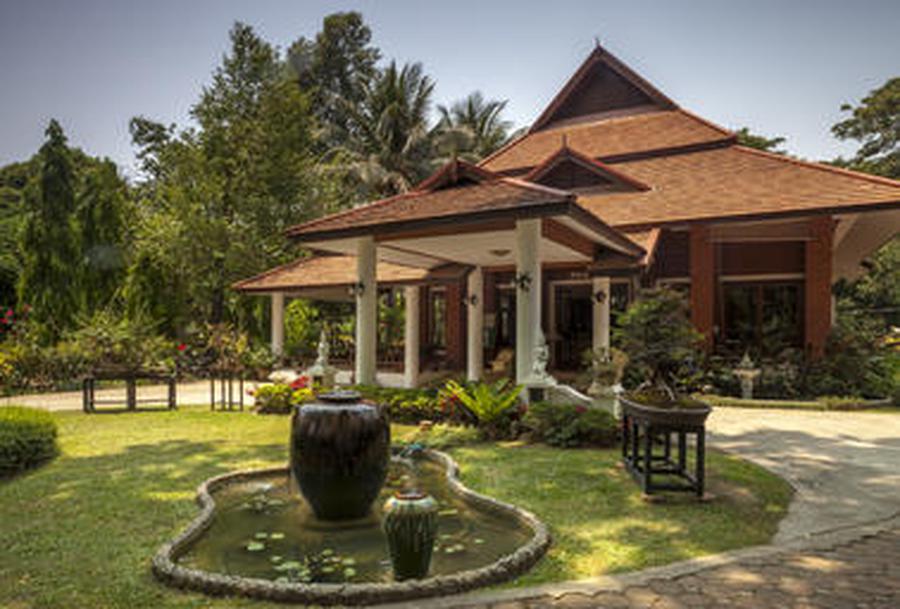
Mantak Chia | Universal Healing Tao | Tao Garden (Tao Garden Health Spa & Resort)

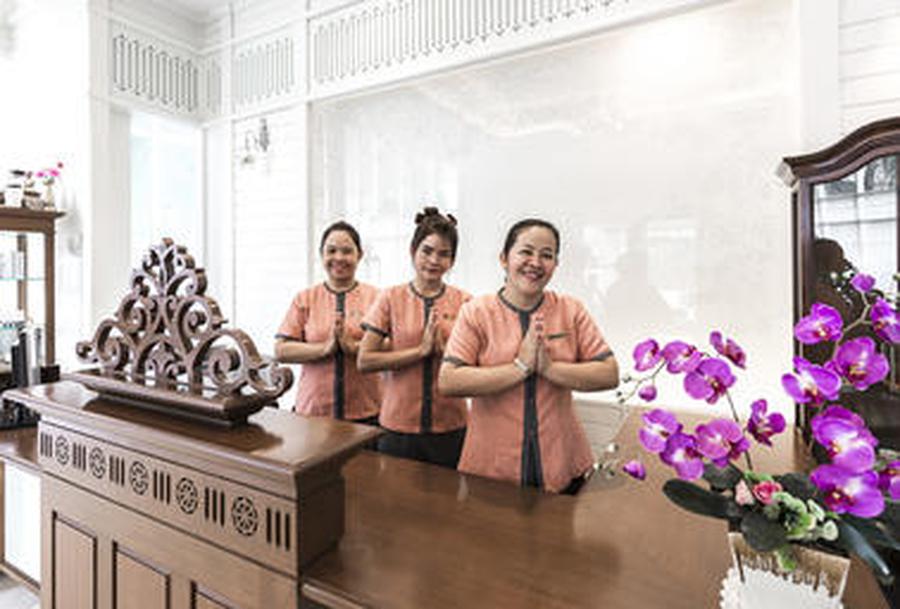






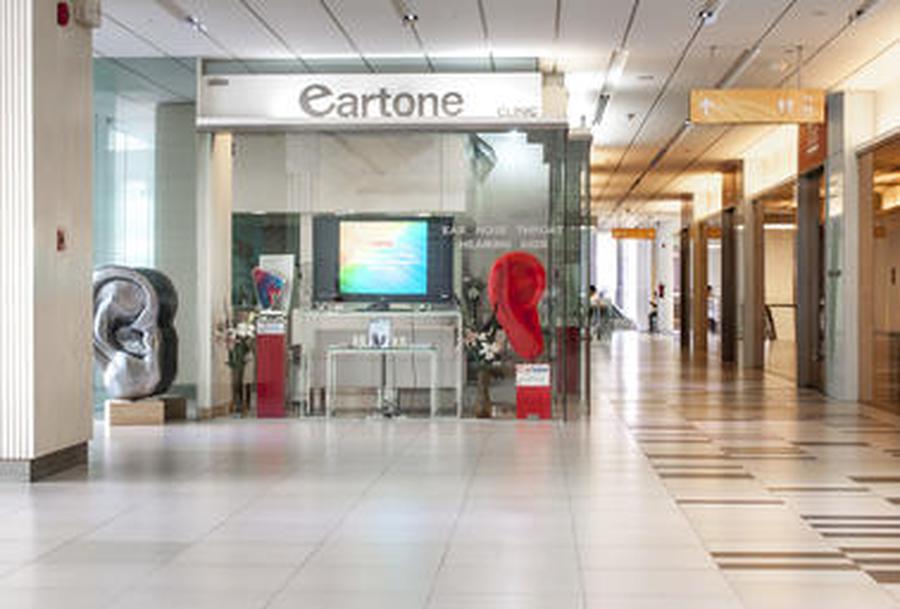
Eartone
أفضل مراكز الأطراف الصناعية وتقويم العظام في تايلاند
- Bumrungrad International Hospital, تايلاند
- Kitcha Dental Clinic, تايلاند
- Mantak Chia | Universal Healing Tao | Tao Garden (Tao Garden Health Spa & Resort), تايلاند
- B. Care Spa, تايلاند
- Silom Dental Building (Silom Dental Clinic), تايلاند
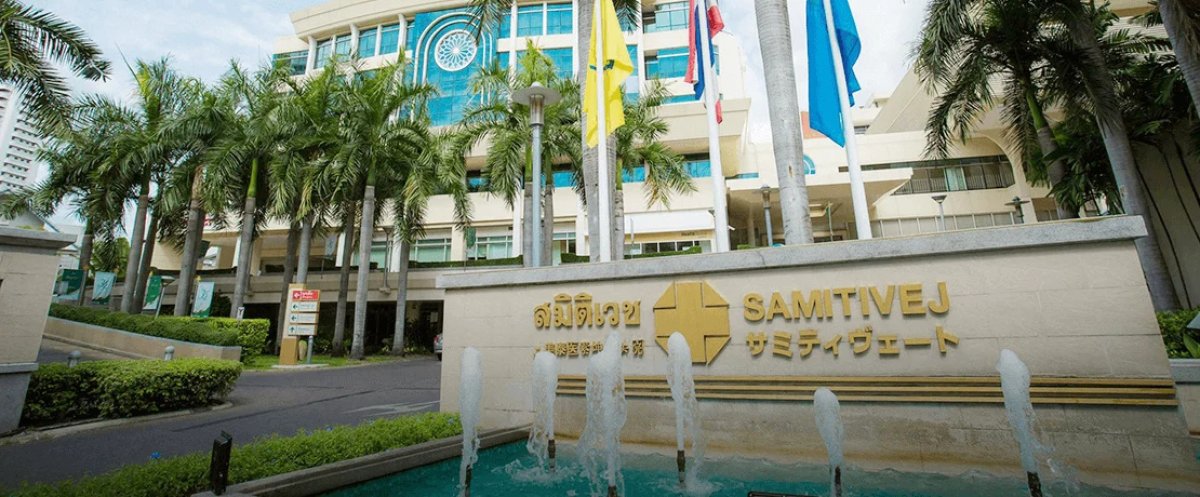
- Samitivej Hospitals, تايلاند
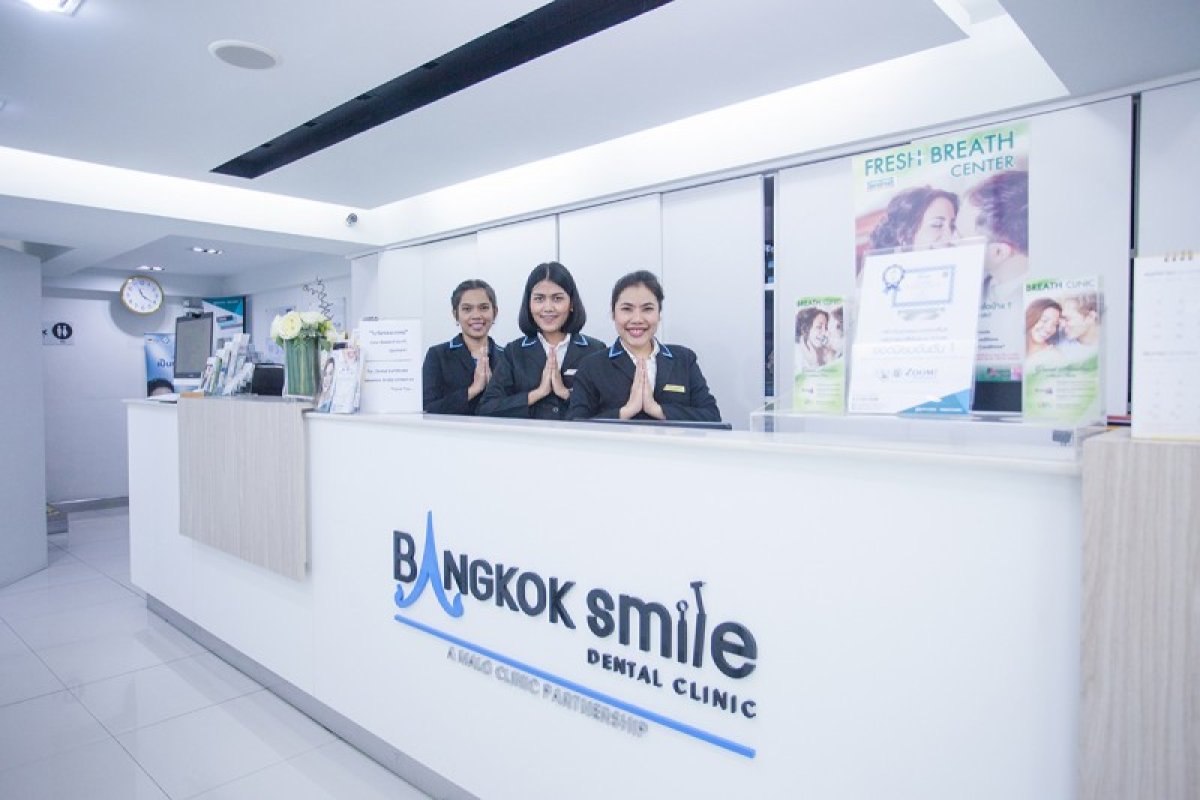
- Bangkok Smile Dental Clinic, تايلاند
- Thanyapura Health & Sports Resort, تايلاند
- Eartone, تايلاند
احصل على تقييم طبي لـ الأطراف الصناعية وتقويم العظام في تايلاند. استشر الآن 8 أطباء ذوي الخبرة.
عرض جميع الأطباء
Thanaphat Pomyukon
الدكتور ثانافات بوميكون جرّاح عام (ศัลยแพทย์ทั่วไป). رقم الترخيص الطبي التايلاندي: ว.50550. حصل على درجة دكتور في الطب (MD) من كلية الطب بجامعة شولالونغكورن. كما يحمل دبلوم البورد التايلاندي في الجراحة العامة من مستشفى روي إت، وزارة الصحة.
يركّز عمله السريري على الفتوق والبواسير. كما يعالج كتل الثدي وحصوات المرارة. ويعالج أمراض الجهاز الهضمي. ويُجري تنظير الجهاز الهضمي، بما في ذلك تنظير المعدة وتنظير القولون.
اللغات: التايلاندية (الرئيسية) والإنجليزية (مستوى مهني سريري).

Natthaphon Srithurawanit
الدكتور ناتافون سريثوراوانيت هو أخصائي في الطب التجديدي في مستشفى مالي متعدد التخصصات في بانكوك. يدمج بين الطب التقليدي والطب الدقيق لعلاج الأمراض المزمنة غير المعدية. يركز الدكتور سريثوراوانيت على تقليل أوقات الشفاء من خلال تقنيات ترميمية في منشأة معتمدة من GHA.
- يجري علاج الخلايا الجذعية لإصلاح الأنسجة وتجديد الشباب ومكافحة الشيخوخة.
- يجري إجراءات تجميلية بما في ذلك علاج البلازما الغنية بالصفائح الدموية (PRP)، والبوتوكس، وعلاجات الليزر.
- يوفر فحوصات طبية دقيقة بما في
Dr Keerapat Phiromkraiphakdi
الدكتور كيرابات فيرومكرايفاكدي هو أخصائي في الجراحة التجميلية مع تدريب متقدم في الولايات المتحدة، حيث ينقل الخبرة الدولية إلى الأطراف الصناعية وتقويم العظام في عيادة آي دي بانكوك.
- تخرج من مستشفى فاجيرا ومستشفى راماثيبودي في الجراحة العامة والتجميلية
- تدرب في UTHSC و PACES Plastic Surgery و UMC في الولايات المتحدة
- أستاذ طبي في جامعة سريناخارينويروت
- عضو في الجمعية التايلاندية لجراحي التجميل
مشاركة المحتوى
قصص فيديو من مرضى Bookimed
 Anna Leonova
أسئلة متكررة حول الأطراف الصناعية وتقويم العظام في تايلاند
ما مدى موثوقية جودة الرعاية الطبية في تايلاند؟
تتميز الرعاية الطبية في تايلاند بجودتها الاستثنائية. تضم البلاد أكثر من 60 مستشفى معتمداً من قبل اللجنة الدولية المشتركة (JCI)، مما يجعلها أول دولة آسيوية تحقق هذا المستوى. ويحمل العديد من الأخصائيين شهادات من الولايات المتحدة أو المملكة المتحدة. كما توفر المراكز الخاصة أحدث تقنيات الأطراف الاصطناعية وأوقات انتظار قصيرة.
- المعايير الدولية: أكثر من 60 مستشفى معتمدة من قبل اللجنة الدولية المشتركة (JCI)، مما يؤكد سلامة المرضى.
- التخصص: أكمل العديد من الأطباء تدريباً متقدماً في الولايات المتحدة الأمريكية أو أوروبا.
- وعلى الصعيد العالمي، احتلت تايلاند المرتبة الخامسة في مؤشر الأمن الصحي العالمي لعام 2021.
- الوصول إلى التكنولوجيا: توفر مرافق الرعاية الصحية الخاصة خيار إجراء الاختبارات التشخيصية في نفس اليوم مثل التصوير بالرنين المغناطيسي أو التصوير المقطعي المحوسب.
رأي خبراء بوكيمد: غالبًا ما ترتبط موثوقية الخدمات الطبية في تايلاند بشبكة المستشفيات. تحافظ شبكة مستشفيات بانكوك ومستشفى ساميتيفيج على معايير عالية باستمرار في جميع فروعها. يضمن اختيار هذه المجموعات الموثوقة رعاية طبية عالية الجودة تضاهي المعايير الغربية، حتى خارج المراكز الطبية الرئيسية. هذا الاستقرار ضروري لاست
ما هي العلامات التجارية والمواد المستخدمة في صناعة الأطراف الصناعية ومنتجات تقويم العظام؟
في تايلاند، تُستخدم علامات تجارية عالمية رائدة مثل أوتوبوك، وأوسور، وفيلور لتصنيع الأطراف الصناعية والتقويمية. وتعتمد هذه الأجهزة على مواد متطورة، بما في ذلك ألياف الكربون والتيتانيوم واللدائن الحرارية الطبية. وغالبًا ما تجمع المكونات بين مفاصل مستوردة عالية التقنية وقواعد محلية الصنع، مما يحقق توازنًا فعالًا بين الأداء والتكلفة.
- العلامات التجارية الرئيسية المستخدمة في العيادات هي: Ottobock و Össur و Fillauer و Endolite و Thai Prosthesis Tech.
- المواد الهيكلية: يوفر التيتانيوم وألياف الكربون نسب قوة إلى وزن عالية لأبراج نقل الطاقة.
- تصنيع المقابس: يسمح البولي بروبيلين واللدائن الحرارية بإنشاء مقابس دقيقة، مصنعة حرارياً، ومصممة حسب الطلب.
- المكونات الناعمة: توفر البطانة المصنوعة من السيليكون والبولي يوريثان حماية للبشرة وتبطينًا مضادًا للحساسية.
رأي خبراء بوكيمد: تُظهر البيانات من المراكز الرائدة في بانكوك طلبًا مرتفعًا على الأنظمة الهجينة. غالبًا ما يجمع المرضى بين المكونات الهيدروليكية المستوردة من شركتي أوتوبوك أو أوسور مع الأطراف الاصطناعية المصنوعة محليًا من ألياف الكربون. يحافظ هذا النهج على مستوى عالٍ من الأداء مع تقليل التكلفة الإجمالية بشكل ملحوظ مقارنةً بالأ
هل من الممكن الحصول على طرف صناعي إلكتروني أو حيوي في تايلاند؟
في تايلاند، يمكن للمرضى الحصول على أطراف اصطناعية متطورة تعمل بتقنيات حيوية وإلكترونية في مراكز متخصصة في جراحة العظام. وتستخدم مؤسسات رائدة، مثل مستشفى بومرونجراد الدولي، تقنيات الروبوتات والتصوير الرقمي لإجراء عمليات زرع معقدة. وتوفر هذه المراكز حلولاً تقنية متقدمة، مثل الأذرع الكهروميكانيكية والأرجل الاصطناعية الإلكترونية، للمرضى الدوليين.
- الأجهزة المتاحة: تتراوح تكلفة الأطراف الاصطناعية لليد البيونية من السعر عند الطلب إلى السعر عند الطلب في المراكز المتخصصة في تايلاند.
- التركيز على التكنولوجيا: تستخدم المستشفيات الذكاء الاصطناعي والتصوير الرقمي لتصميم وتركيب الأطراف الاصطناعية المخصصة بدقة.
- الرعاية المتخصصة: يقدم مستشفى بومرونجراد الدولي خدماته للمرضى من 190 دولة ويضم 70 قسماً متخصصاً.
- أخصائيون معتمدون من المجلس: يقدم جراحون مثل الدكتور كاشيان نامسيريكول خدمات متطورة في علاج حالات الجهاز العضلي الهيكلي وإعادة تأهيل الكسور.
رأي خبراء بوكيمد: تُعدّ تايلاند رائدة عالميًا في مجال الرعاية التقويمية عالية الجودة. فمستشفى بومرونجراد الدولي وحده يعالج مليون مريض سنويًا. هذا الحجم الهائل يمكّن العيادات من الحفاظ على اعتمادات مرموقة مثل اعتماد جمعية المستشفيات ا
ما الذي تتضمنه حزمة الأطراف الاصطناعية النموذجية؟
تشمل باقة خدمات الأطراف الاصطناعية النموذجية في تايلاند تصنيع طرف اصطناعي مصمم خصيصًا، بالإضافة إلى الخدمات السريرية اللازمة. تتضمن هذه الباقات عادةً فحصًا أوليًا، ونمذجة ثلاثية الأبعاد للطرف، وتركيب تجويف الطرف الاصطناعي. توفر المرافق الطبية الحديثة، مثل مستشفى بومرونجراد الدولي، حلولًا متطورة في مجال تقويم العظام، تلبي معايير الجودة العالمية.
- المعدات الأساسية: تشمل موصلًا مصنوعًا حسب الطلب، وحشوات جل، ودعامة، ومكونات جهاز طرفي.
- تشمل الخدمات السريرية تقييم الأطراف التشخيصي، والنمذجة ثلاثية الأبعاد، وجلسات المحاذاة المتعددة.
- إعادة التأهيل لمشاكل المشي: تتضمن معظم البرامج تدريبًا على المشي وتعليمات حول كيفية ارتداء جهاز مساعد.
- فترة الدعم الفني: تتضمن الباقات القياسية عادةً فترة 90 يومًا لإجراء الإصلاحات والتعديلات البسيطة.
رأي خبراء بوكيمد: تعتمد أكبر مراكز جراحة العظام في تايلاند، مثل مركز بومرونجراد الدولي الذي يعالج أكثر من مليون مريض سنوياً، نموذجاً علاجياً شاملاً فريداً. غالباً ما تتضمن باقاتهم فحصاً رقمياً فورياً وتصحيحاً للعمود الفقري. وهذا أمر بالغ الأهمية للمرضى الدوليين، إذ يقلل مدة الإقامة المطلوبة في بانكوك من عدة أسابيع إلى بضعة أيام فقط.
كم من الوقت يجب أن أخطط للبقاء في تايلاند لتركيب طرف صناعي؟
لإجراء تركيب طرف صناعي قياسي والبدء بالتأهيل الأولي، يُنصح بالتخطيط للإقامة في تايلاند لمدة تتراوح بين 3 و4 أسابيع. أما إذا استدعت الحالة بتر الطرف قبل تركيب الطرف الصناعي، فقد تمتد الإقامة من شهرين إلى ستة أشهر. تتيح هذه الفترة التئام الجروح ونمو الطرف.
- المرحلة الأولية: يتضمن الأسبوع الأول تقييم المريض وأخذ طبعة تجريبية لتركيب طرف صناعي في عيادات بانكوك.
- فترة التجربة: يركز الأسبوع الثاني على تجربة المقاس وتعديله لضمان المقاس المثالي.
- المرحلة النهائية للتصنيع: عادةً ما يستغرق إكمال الطرف الاصطناعي النهائي 7 أيام بعد مرحلة الاختبار.
- إعادة التأهيل: امنح 30 يومًا لتدريب المشي والعلاج الطبيعي لضمان الاستخدام اليومي الآمن.
رأي خبراء بوكيمد: ترتبط مؤشرات الجودة في تايلاند ارتباطًا وثيقًا بحجم المستشفى. يخدم مستشفى بومرونجراد الدولي مليون مريض سنويًا، وهو معتمد من قبل هيئة الاعتماد العالمية للرعاية الصحية (GHA). غالبًا ما تُدير المراكز الكبيرة كهذا المستشفى العملية برمتها، بدءًا من جراحة الأوعية الدموية وصولًا إلى معايرة الأطراف الاصطناعية المعقدة، تحت سقف واحد. يُسهم هذا التنسيق عادةً في تقليل مدة الإقامة الإجمالية مقارنةً باستخدام مراكز إعادة تأهيل منفصلة.
أين تقع أفضل عيادات الأطراف الصناعية وتقويم العظام؟
تتواجد أفضل عيادات الأطراف الصناعية والتقويمية في بانكوك وتشيانغ ماي بتايلاند، وتضم مرافق معتمدة من اللجنة الدولية المشتركة (JCI) وأقسامًا متخصصة في جراحة العظام. وتستخدم المراكز الرائدة، مثل مستشفى بومرونغراد الدولي، أحدث تقنيات التصوير الروبوتي والرقمي. وتجمع هذه المرافق بين الأطراف الصناعية المصممة خصيصًا وبرامج إعادة التأهيل المكثفة.
- مؤهلات العيادة: مستشفى بومرونجراد الدولي معتمد من قبل اللجنة الدولية المشتركة ويعتبر من أفضل المستشفيات في العالم.
- الخبرة المتخصصة: تلقى جراحون مثل الدكتور كاتشيان نامسيريكول تدريباً متخصصاً في المركز الطبي كوينز في المملكة المتحدة.
- الإجراءات المتقدمة: تقدم المراكز أطرافًا اصطناعية يدوية إلكترونية، وعمليات دمج العظام، وإنتاج أجهزة تقويم العظام المصممة خصيصًا للأقدام عالية الأداء.
- حجم المرضى: تخدم المؤسسات الطبية الرائدة في بانكوك أكثر من مليون مريض سنوياً، بما في ذلك 50% من السياح الأجانب.
رأي خبراء بوكيمد: غالبًا ما تستقبل أكبر مستشفيات بانكوك عددًا من المرضى يفوق ما تستقبله العديد من العيادات الغربية؛ فعلى سبيل المثال، يستقبل مستشفى بومرونجراد الدولي أكثر من مليون مريض سنويًا. يتيح هذا العدد الكبير من الزيارات للفرق الطبية تحسين
ما هي أنواع الرعاية المتاحة للمرضى الذين يستخدمون أطقم الأسنان بعد العمليات الجراحية؟
تركز الرعاية اللاحقة للجراحة لمرضى الأطراف الاصطناعية في تايلاند على الحركة طويلة الأمد وصيانة الجهاز من خلال نهج متعدد التخصصات. ويشمل ذلك التركيب السريري، وتدريب المشي، والعناية المتخصصة بالجلد. وتتولى المرافق الطبية المعتمدة من قبل اللجنة الدولية المشتركة (JCI)، مثل مستشفى بومرونجراد الدولي، تنسيق هذه الخدمات لضمان الأداء السليم للجهاز في المناخ الاستوائي.
- الصيانة الدورية: ينبغي على المرضى تحديد مواعيد من 2 إلى 4 زيارات سنوياً لإجراء فحص احترافي للمعدات الميكانيكية.
- تدريب المشي: جلسات العلاج الطبيعي تُعلّم المرضى كيفية الحفاظ على التوازن والمشي باستخدام الأطراف الاصطناعية الجديدة.
- الظروف الاستوائية: تستخدم العيادات أطرافًا صناعية مقاومة للماء وجوارب خاصة لمنع تلف الجلد.
- جدول التركيب: يتطلب التركيب الأولي إجراء فحوصات كل 1-3 أشهر لضبط الضغط على العظم في تجويف السن.
رأي خبراء بوكيمد: غالبًا ما تستخدم مراكز الأطراف الاصطناعية التايلاندية تجاويف الأطراف الاصطناعية القابلة للتشكيل الحراري وتقنيات حاصلة على براءات اختراع لمقاومة الرطوبة العالية. يساعد هذا النهج على منع ظهور البثور والتشققات الشائعة في المناخات الاستوائية. وتُدمج العيادات الكبيرة، مثل مستشفى بومرونجرا