العودة إلى الصفحة الرئيسية
820К+ مريضًا حصلوا على المساعدة منذ عام 2014
50 دول
1,500 عيادات
6K+ تقييمات
3K+ طبيب مؤهل

ما هي تكلفة الأطراف الصناعية وتقويم العظام في كوريا الجنوبية؟ اكتشف الآن

Prosthetics and orthotics in South Korea cost averages from $5,800 to $11,000. The total expense depends on the device material, level of customization, and whether the case requires surgical implantation or simple fitting. International patients generally save between 40% and 75% compared to prices in the United States.

Typical Prosthetics and Orthotics Costs in South Korea

  • Testicular prosthesis: $3,800 – $7,200
  • Prosthetic finger: $3,200 – $8,200
  • Prosthetic eye: $3,800 – $7,200
  • Below knee prosthesis: $6,800 – $13,800

Most specialized medical centers for advanced prosthetics are located in Seoul and Incheon. While quality standards remain consistent across the country, clinics in Incheon sometimes offer more competitive rates. We recommend consulting with a prosthetic specialist to get accurate pricing for your specific needs.

كوريا الجنوبيةتركياإسبانيا
طرف اصطناعي تحت الركبةمن $6,800من $8,500من $14,000
بدلة الخصيةمن $3,800من $1,500من $2,100
العين الاصطناعيةمن $3,800من $1,200من $2,000
إصبع اصطناعيمن $3,200من $2,200من $4,500
قدم اصطناعية-من $4,500من $20,000
تم التحقق من البيانات بواسطة Bookimed اعتبارًا من July 2026، استنادًا إلى طلبات المرضى والعروض الرسمية من 5 عيادة حول العالم. تستند التكاليف المتوسطة إلى الفواتير الحقيقية (2025–2026) ويتم تحديثها شهريًا. قد تختلف الأسعار الفعلية.

مزاياك وضماناتك مع Bookimed

أسعار مباشرة

Bookimed لا يضيف رسوماً إضافية على أسعار علاج الأطراف الصناعية وتقويم العظام. الأسعار مأخوذة من قوائم الأسعار الرسمية للعيادات. تدفع مباشرة في العيادة مقابل علاجك عند وصولك إلى البلد.

عيادات وأطباء معتمدون فقط

Bookimed ملتزم بسلامتك. نحن نعمل فقط مع المؤسسات الطبية التي تحافظ على معايير دولية عالية في علاج الأطراف الصناعية وتقويم العظام ولديها التراخيص اللازمة لخدمة المرضى الدوليين في جميع أنحاء العالم.

مساعدة مجانية على مدار الساعة

Bookimed يقدم مساعدة خبراء مجانية. منسق طبي شخصي يدعمك قبل وأثناء وبعد العلاج، ويحل أي مشاكل. لن تكون وحيداً أبداً في رحلة علاج الأطراف الصناعية وتقويم العظام.

لماذا نحن؟

منسقك الطبي الشخصي في Bookimed

  • يدعمك في كل مرحلة
  • المساعدة في اختيار العيادة الطبية المناسبة والطبيب المناسب
  • يضمن الوصول السريع والمريح إلى المعلومات

اكتشف أفضل عيادات الأطراف الصناعية وتقويم العظام: 5 خيارات معتمدة والأسعار

تم تصنيف العيادات بواسطة نظام Bookimed الذكي، باستخدام تحليل علوم البيانات عبر 5 معايير رئيسية.
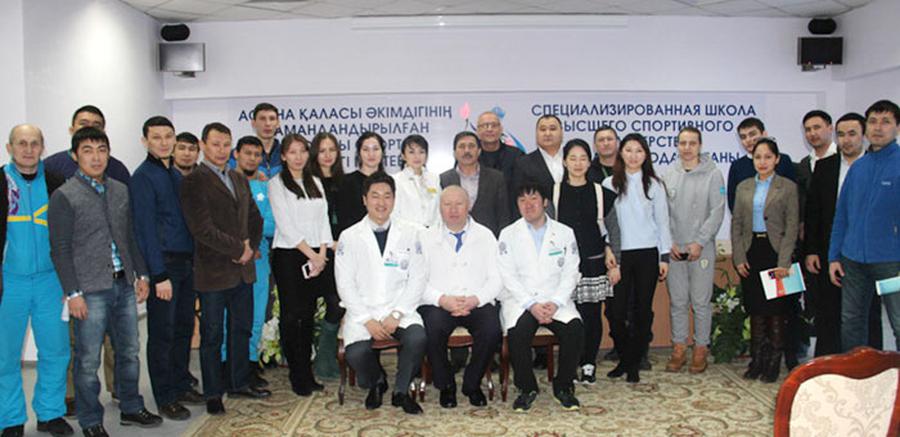
Seoul National University Bundang Hospital (SNUBH)
Bobath Memorial Hospital
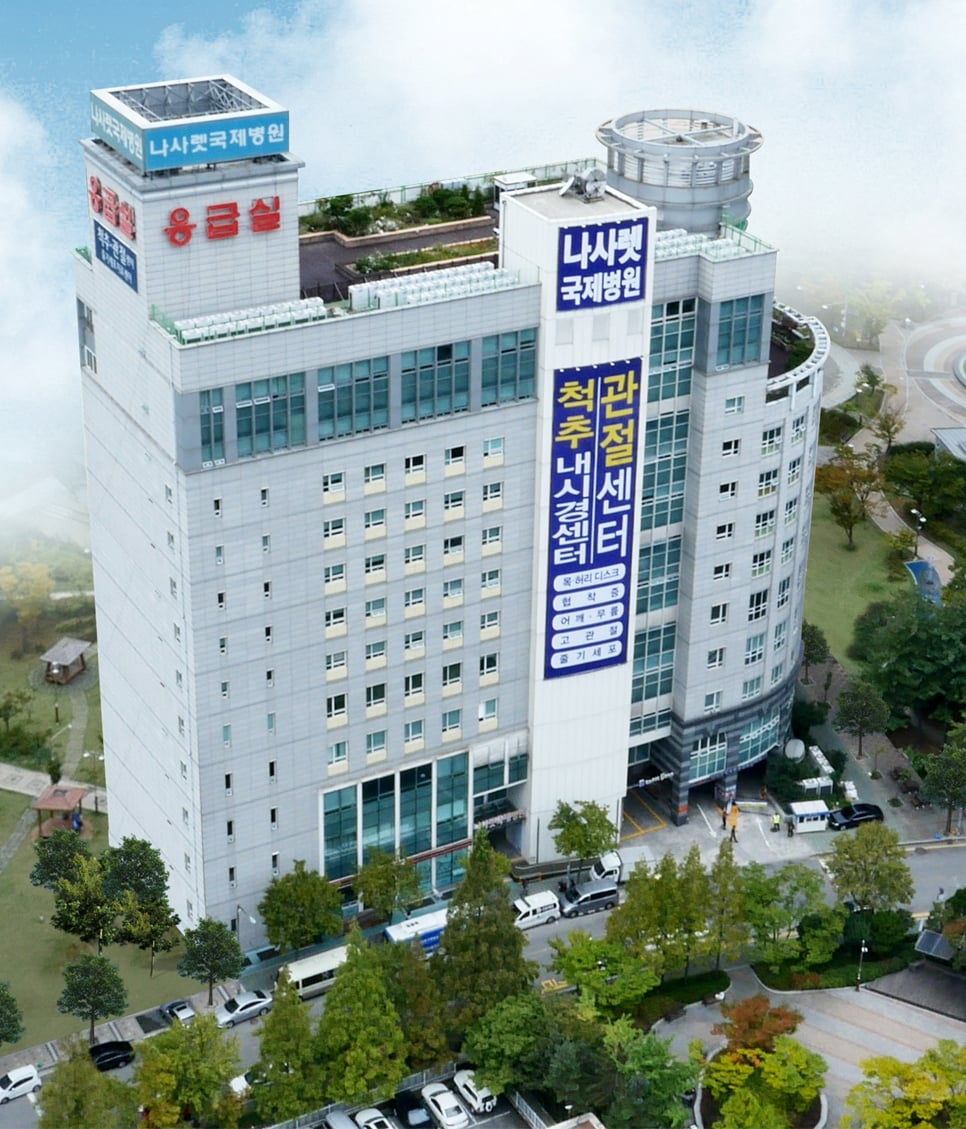
Nasaret International Hospital
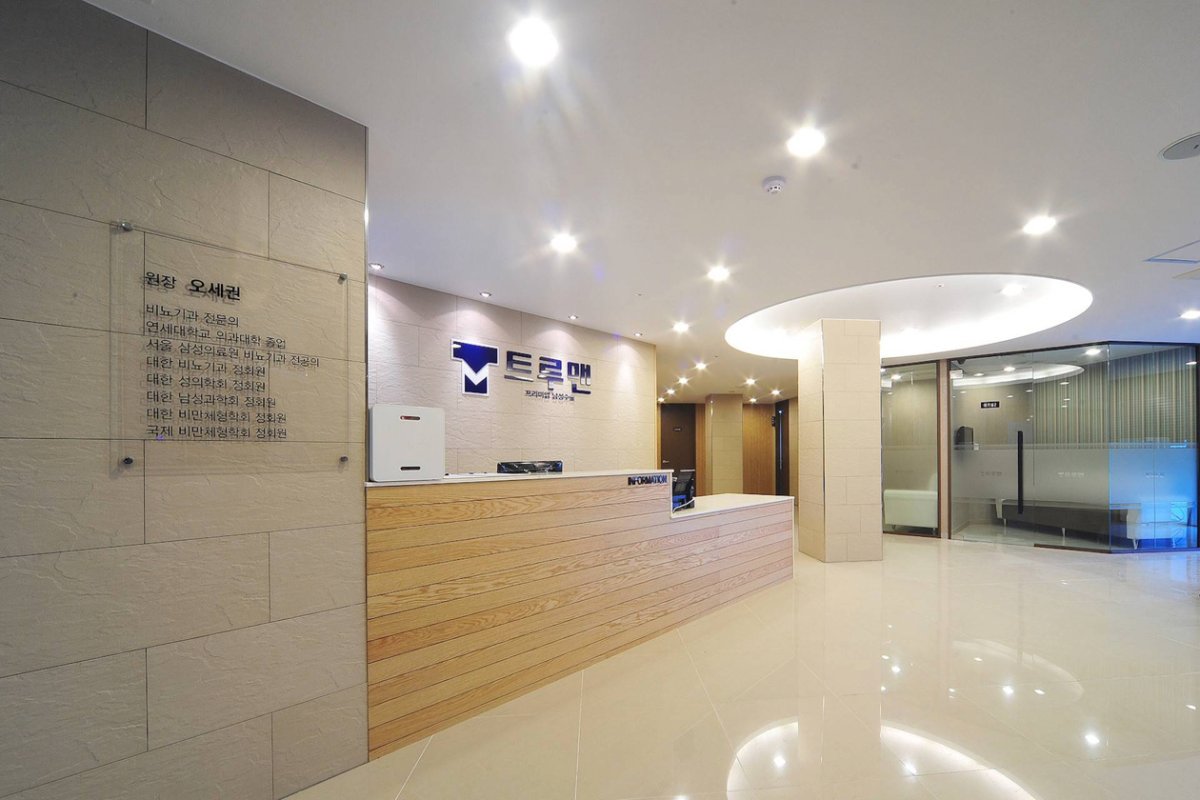
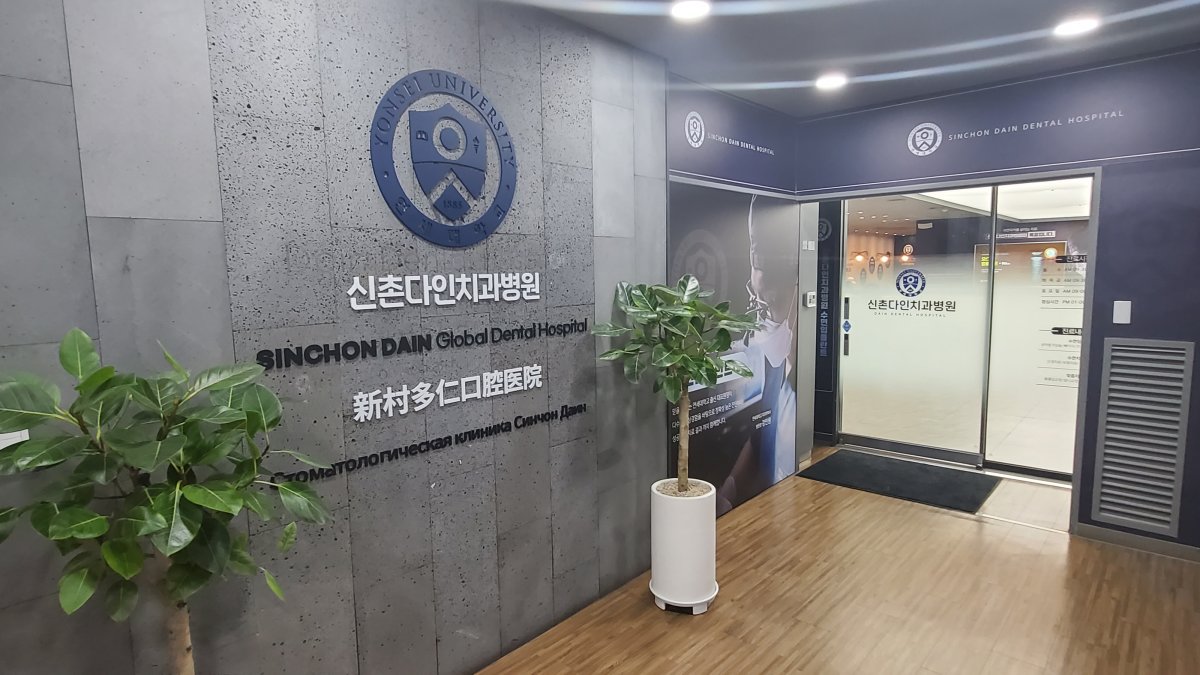
Sinchon Dain Dental Hospital

أفضل مراكز الأطراف الصناعية وتقويم العظام في كوريا الجنوبية

  • Seoul National University Bundang Hospital (SNUBH), كوريا الجنوبية
  • Jaseng Hospital of Korean Medicine, كوريا الجنوبية
  • Bobath Memorial Hospital, كوريا الجنوبية
  • Nasaret International Hospital, كوريا الجنوبية
  • Sinchon Dain Dental Hospital, كوريا الجنوبية

احصل على تقييم طبي لـ الأطراف الصناعية وتقويم العظام في كوريا الجنوبية. استشر الآن 6 أطباء ذوي الخبرة.

عرض جميع الأطباء
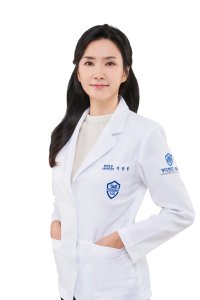
يؤكد

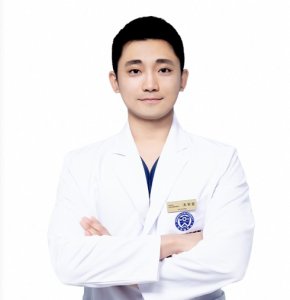
Lee Kyung Hoon

17سنة خبره ١٦ سنة

الدكتور لي كيونغ هون أخصائي جراحة العظام ورئيس قسم. يعالج التهاب المفاصل التنكسي واضطرابات الركبة والورك. يجري تنظير الركبة واستبدال مفصل الركبة. كما يعالج أمراض القدم والكاحل، ومشكلات الكتف مثل الكتف المتجمد وتمزقات الكفة المدورة، وهشاشة العظام، والكسور وإصابات الأطراف الأخرى.

حصل على درجة الطب من جامعة كوريا الكاثوليكية. أنهى برنامج الإقامة في جراحة العظام في المركز الطبي الكاثوليكي. أكمل زمالة وعمل مدرسًا سريريًا في مستشفى سانت ماري في بوتشيون.

شغل منصب رئيس قسم في ناساراث إنترناشيونال ومستشفى هيمتشان العام في إنتشون. كما كان مديرًا في مستشفى هيمتشان إنتشون ومستشفى ميدريكس. وهو عضو عامل في الجمعية الكورية لجراحة العظام، وجمعية الركبة الكورية، وجمعية الكسور الكورية، وجمعية الورك الكورية، وجمعية تنظير المفاصل الكورية، وجمعية أبحاث الركبة بجامعة كوريا الكاثوليكية. أكمل تدريب TPI وورشة عمل في الجراحة المجهرية.

مشاركة المحتوى

Twitter XLinkedinFacebookWhatsAppEmail
أحصل على الرابط

قصص فيديو من مرضى Bookimed

Dayana
جمعت بين إجازتي في أنطاليا والفحص الطبي.
إجراء: فحص صحة الإناث (انظر فحص النساء)
Igor
كان رائعاً! التنقلات والإقامة والعلاج - كل شيء مشمول.
إجراء: زرع الأسنان
مستشفى: WestDent Clinic
Marina
قام Bookimed بكل شيء من أجلي. لم أضطر للقلق بشأن أي شيء.
إجراء: فحص صحة الإناث (انظر فحص النساء)
مستشفى: Severance Hospital
محدث: 06/29/2023
تأليف
Anna Leonova
Anna Leonova
رئيس فريق تسويق المحتوى
محررة طبية معتمدة لديها خبرة تزيد عن 10 سنوات، طوّرت محتوى Bookimed الموثوق، مدعومة بماجستير في علم اللغة ومقابلات مع خبراء طبيين من جميع أنحاء العالم.
تمت المراجعة من قبل المستشار الطبي في Bookimed
فهد مولود
محرر طبي وعالم بيانات
طبيب عام. حاصل على 4 جوائز علمية. خدم في غرب آسيا. رئيس الفريق الطبي الناطق بالعربية سابقا ومسؤول عن معالجة البيانات ودقة المحتوى الطبي حاليا.
فهد مولود Linkedin
قد تحتوي هذه الصفحة على معلومات تتعلق بمختلف الحالات الطبية والعلاجات وخدمات الرعاية الصحية المتوفرة في بلدان مختلفة. يرجى العلم أن المحتوى مقدم لأغراض إعلامية فقط ولا ينبغي تفسيره على أنه نصيحة أو إرشادات طبية. يرجى استشارة طبيبك أو أخصائي طبي مؤهل قبل البدء أو تغيير العلاج الطبي.

أسئلة متكررة حول الأطراف الصناعية وتقويم العظام في كوريا الجنوبية

هذه الأسئلة الشائعة مأخوذة من مرضى حقيقيين يبحثون عن رعاية طبية عبر Bookimed. يتم تقديم الإجابات من قبل منسقين طبيين ذوي خبرة وممثلين موثوقين من العيادات.

ما هي أفضل المستشفيات في كوريا الجنوبية لتصنيع الأطراف الصناعية وتقويم العظام؟

يُعدّ مستشفى جامعة سيول الوطنية بوندانغ (SNUBH) ومستشفى سينشون داين لطب الأسنان من المؤسسات الرائدة في كوريا الجنوبية في مجال الأطراف الصناعية وتقويم العظام. تستخدم هذه المراكز الذكاء الاصطناعي والتتبع الرقمي والطباعة ثلاثية الأبعاد لتصميم أطراف صناعية وأسنان دقيقة. تشمل الخدمات المتخصصة الأطراف الصناعية أسفل الركبة، واستبدال الأصابع، والدعامات التقويمية المصممة خصيصًا.

  • الابتكار الرقمي: تستخدم SNUBH نظام BESTcare الرقمي لتقليل الأخطاء في اختيار الأجهزة الطبية.
  • تركيبات الأسنان: يوظف مستشفى سينشون داين لطب الأسنان متخصصين في تركيبات الأسنان مثل الدكتور شين بيونغ يول.
  • التكامل العصبي: يجمع مستشفى بوباث التذكاري بين خدمات جراحة العظام وبرامج إعادة التأهيل العصبي المتقدمة.
  • القدرة السريرية: يقدم مستشفى جامعة سنغافورة الوطنية (SNUBH) الرعاية السريرية لـ 1,500,000 مريض سنويًا وهو معتمد من قبل هيئة الاعتماد العالمية للرعاية الصحية (GHA).

رأي خبراء بوكيمد: غالبًا ما تدمج المستشفيات الجامعية الكبيرة في سيول، مثل مستشفى جامعة سيول الوطنية (SNUBH)، مختبرات الأطراف الاصطناعية مباشرةً مع أقسام جراحة العظام. يتيح هذا التنظيم للجراحين والفنيين التعاون بشكل فوري. وتشير البيانات إلى أن هذا يقلل الحاجة إلى زيارات متعددة لتعديل الأطراف الاصطناعية. ويتلقى المرضى في كثير من الأحيان أطرافًا اصطناعية تجريبية وظيفية بشكل أسرع بكثير من المراكز التي لديها مختبرات خارجية.

رأي المرضى: يُشير المرضى إلى أهمية حجز موعد استشارة لأجهزة تقويم العظام قبل ستة أشهر على الأقل. ويؤكد الكثيرون أن خبرة الجراحة الروبوتية الكورية تُتيح ابتكار أطراف اصطناعية ممتازة مُصممة خصيصًا وتحقيق نتائج وظيفية مُرضية.

هل يغطي نظام التأمين الصحي الوطني في كوريا الجنوبية الأطراف الصناعية وأجهزة تقويم العظام؟

يُغطي نظام التأمين الصحي الوطني في كوريا الجنوبية تكلفة الأطراف الصناعية والتقويمية للأفراد المسجلين فيه، بنسبة تغطية تصل عادةً إلى 90% من التكلفة الأساسية. وتخضع بعض أنواع الأطراف الصناعية لحدود دفع، ويتعين على المرضى تغطية النفقات التي تتجاوز هذه الحدود. وتُطبق معايير الاعتماد العالمي للرعاية الصحية على المؤسسات الطبية الكبيرة.

  • مبلغ التعويض: عادةً ما يدفع نظام التأمين الصحي الوطني (NHIS) 90% من تكلفة المعدات المساعدة المسجلة.
  • قيود الاستحقاق: توجد أسعار قياسية لكل نوع محدد من الأجهزة المنزلية.
  • معايير الأهلية: تتوفر المزايا لحاملي وثائق التأمين المسجلين بموجب قانون حقوق ذوي الإعاقة.
  • الأجهزة المعتمدة: تشمل التغطية الكراسي المتحركة، وأجهزة السمع، والأجهزة الطبية التقويمية.

يقول خبراء بوكيمد: غالبًا ما تتمتع العيادات التي تستقبل أعدادًا كبيرة من المرضى سنويًا، مثل مستشفى نصاري الدولي (438,000 مريض)، بأنظمة معالجة مطالبات أكثر كفاءة. وتستخدم مؤسسات مثل مستشفى جامعة سيول الوطنية بوندانغ أنظمة رقمية متكاملة للحد من الأخطاء الطبية خلال مرحلة التقييم. كما أن اختيار مستشفى يضم أقسامًا دولية واسعة النطاق يُسهّل عملية إعداد الوثائق المعقدة المطلوبة لاسترداد تكاليف التأمين الصحي الوطني.

ملاحظات المرضى: يشير المرضى إلى أن إحالة الطبيب التي تتضمن رموزًا تشخيصية محددة ضرورية للموافقة على العلاج. توقع دفع ما بين 30% و50% من التكلفة من جيبك الخاص، حيث أن العديد من المنتجات المصممة خصيصًا لا تغطيها الأسعار القياسية بالكامل.

هل يمكن للمرضى الأجانب تلقي العلاج بالأطراف الصناعية والتقويمية في كوريا؟

يُمكن للمرضى الدوليين تلقّي أحدث العلاجات في مجال الأطراف الاصطناعية وجراحة العظام في جمهورية كوريا. وتُقدّم مراكز متخصصة في سيول وإنتشون أجهزة متطورة، مثل الأطراف الاصطناعية للركبة التي تعمل بمعالجات دقيقة، وأجهزة تقويم العظام المصنوعة من ألياف الكربون. كما تُوفّر العديد من المؤسسات خدمات الدعم اللغوي والمساعدة في الحصول على تأشيرات C-3-M الطبية للعلاج.

  • التكنولوجيا السريرية: يستخدم مستشفى جامعة سيول الوطنية بوندانغ نظام BESTcare الرقمي.
  • الرعاية المتخصصة: يقدم مستشفى نصاري الدولي في إنتشون خدماته لأكثر من 438000 مريض سنوياً.
  • أطباء ذوو خبرة: يتمتع الدكتور جيونغ سونغ لي من دايجون بخبرة تزيد عن 15 عامًا.
  • نطاق الأسعار: تتراوح تكلفة الأطراف الصناعية والتقويمية عادةً من _price_ إلى _price_ إلى _price_.

رأي خبراء بوكيمد: تتمتع العيادات الكبيرة، مثل مستشفى سينشون داين لطب الأسنان الذي يخدم 33,000 مريض سنويًا، بخبرة أكبر في التعامل مع المرضى الدوليين. تُظهر بياناتنا أن هذه المؤسسات الكبيرة أكثر استعدادًا للتعامل مع الوثائق المطلوبة لتمديد تأشيرات العلاج. أما العيادات الصغيرة فقد تواجه صعوبة في تحديد مواعيد لغير المقيمين.

ملاحظات المرضى: يشير المرضى إلى أهمية الوصول قبل موعد قياس الأحذية بأسبوعين على الأقل. كما ينصحون بالاستعانة بمترجم فوري مستقل، حيث قد لا يتوفر موظفون يتحدثون الإنجليزية في كل جلسة استشارة.

هل توجد أي عيادات متخصصة في كوريا الجنوبية تقوم بتصنيع النعال الطبية للقدم والكاحل؟

في كوريا الجنوبية، تُقدَّم تقويمات القدم والكاحل المتخصصة من خلال مستشفيات جامعية متعددة التخصصات ومراكز متخصصة في جراحة العظام. وتستخدم مؤسسات مثل مستشفى جامعة سيول الوطنية بوندانغ (SNUBH) أنظمة تتبع رقمية لضمان دقة المقاسات. وتقدم هذه المراكز حلولاً متطورة، مثل النعال المصممة خصيصاً باستخدام تقنية المسح ثلاثي الأبعاد وتحليل المشية.

  • مؤهلات العيادة: تم اعتماد SNUBH من قبل هيئة الاعتماد العالمية للرعاية الصحية (GHA)، والتي تفي بالمعايير الدولية.
  • التشخيص المتقدم: يتيح تحليل المشية الرقمي والمسح الضوئي المدعوم بالذكاء الاصطناعي تصميمًا دقيقًا للأجهزة التقويمية.
  • التخصص: تتخصص الأقسام في الإصابات الرياضية، والقدم المسطحة، وتشوهات القدم المعقدة.
  • التكامل التكنولوجي: تستخدم مرافق الرعاية الصحية السجلات الصحية الإلكترونية وأنظمة إدارة المباني الذكية لضمان رعاية المرضى بكفاءة.

رأي خبراء بوكيمد: تُظهر البيانات أن المراكز الكبيرة مثل مستشفى جامعة سنغافورة الوطنية (SNUBH)، التي تخدم 1.5 مليون مريض سنويًا، توفر بنية تحتية متطورة للتصوير الرقمي. ينبغي على المرضى الذين يسعون إلى إطالة العمر إعطاء الأولوية لهذه المؤسسات الأكاديمية الكبيرة، حيث غالبًا ما تُطبق معايير أكثر صرامة لمراقبة الجودة عند إنتاج قوالب الأسنان المخصصة مقارنةً بالمختبرات الخاصة الأصغر.

آراء المرضى: يُقدّر المرضى بشدة سرعة تقنية المسح ثلاثي الأبعاد الكورية، لكنهم غالبًا ما يقترحون طلب جلسات قياس متعددة. على الرغم من الدقة العالية، يشعر البعض أن هذه الأجهزة تُركّز أكثر على المحاذاة السريرية من الراحة على المدى الطويل.

What are the best hospitals or clinics for prosthetics in South Korea?

Seoul National University Bundang Hospital (SNUBH) and Sinchon Dain Dental Hospital are premier centres for prosthetics in South Korea. They combine AI-driven limb fitting with 3D printing. These facilities hold international accreditations like GHA and Newsweek rankings. They cater to thousands of international patients annually.

  • Technological integration: SNUBH uses the BESTcare digital system for precise, error-free prosthetic fitting.
  • Diverse specialisations: Clinics offer everything from below-knee prostheses to monolithic zirconia full-arch dentures.
  • Expert dental care: Sinchon Dain Dental Hospital houses specialists like Dr Shin Byung Yol.
  • Accredited facilities: Top-rated centres hold GHA certification and Newsweek World Best Hospital awards.

Bookimed Expert Insight: Data shows a clear distinction between multi-disciplinary centres and specialised dental hubs in Seoul. Hospitals like SNUBH manage 1.5 million patients yearly with a focus on limb rehab. In contrast, Sinchon Dain Dental Hospital is a dedicated member of the Seoul Medical Tourism Alliance. This makes it a better choice for Australians seeking efficient full-arch restorations.

Patient Consensus: Visitors to South Korea note the importance of choosing centres that focus specifically on rehabilitative orthotics rather than general clinics. Many patients suggest presenting complex scenarios during initial chats to verify a provider's technical skills.

What are the top clinics for prosthetics and orthotics in South Korea?

South Korea houses several leading facilities for prosthetics and orthotics. Seoul National University Bundang Hospital (SNUBH) is a top choice for advanced digital integration. Sinchon Dain Dental Hospital is a top choice for specialised dental prosthetics. These centres use AI and digital imaging to create precise, custom-fitted medical devices.

  • Smart technology: SNUBH uses AI and digital imaging for high-precision prosthetic and orthotic fittings.
  • Clinical excellence: SNUBH holds Global Healthcare Accreditation (GHA) for international patient services and quality.
  • Dental specialisation: Sinchon Dain Dental Hospital serves Australians and belongs to the Seoul Medical Tourism Alliance.
  • Specialist expertise: Dr Chae Min Jong at Sinchon Dain Dental Hospital specialises in prosthetics and orthotics.

Bookimed Expert Insight: Clinics with high ratings often offer better logistical support for Australians. Seoul National University Bundang Hospital treats 1.5 million patients annually. Large centres like this usually have dedicated international teams. This is helpful because they manage everything from airport transfers to translation in-house. Patients should check if their clinic has GHA accreditation to guarantee international service standards.

Patient Consensus: Patients in South Korea appreciate being able to visit specialists directly without a GP referral. Many note that choosing clinics with English-speaking staff and strong cleanliness standards is vital. It helps ensure a smooth recovery.

How long does it take to get a prosthetic device in Korea?

Getting a prosthetic device in Korea generally takes 4–8 weeks from the initial consultation to final delivery. This timeframe covers fabrication and fitting. New amputees often wait 2–6 months for surgical healing. Some clinics provide temporary devices within 2–3 weeks to assist early mobility.

  • Initial consultation: Specialists evaluate the limb and take measurements over 1–2 weeks.
  • Custom fabrication: Skilled technicians cast and build the socket over 2–4 weeks.
  • Final adjustments: Fitting and function testing usually add another 1–2 weeks.
  • Intensive rehab: Walking training or specialised therapy may continue for 4–12 weeks.

Bookimed Expert Insight: Korean medical centres like Seoul National University Bundang Hospital handle 1.5 million patients yearly. This massive volume allows clinics to maintain on-site fabrication labs. These facilities often produce custom prosthetic components faster than smaller Western workshops. Choosing a centre with integrated orthopaedic and rehab departments helps. It can significantly reduce the time between fitting and therapy.

Patient Consensus: Patients note that non-emergency appointments in Korea happen in minutes rather than months. They find the quick follow-up care and short wait times for specialised fittings far superior. The 8–24 month waits common in Australian public systems are far longer.

Will a prosthetic limb fitted in South Korea cause pain in other areas of my body?

Prosthetics fitted in South Korea may cause compensation pain. This happens if alignment is incorrect or the socket fits poorly. Discomfort often affects the lower back, hips, and the sound limb. This occurs as the body overworks to balance the new gait. Proper fitting usually prevents these issues.

  • Socket alignment: Improperly shaped sockets cause friction or pressure, leading to postural shifts and back pain.
  • Compensation strain: Overusing the non-amputated leg to balance the prosthetic can cause tendon or joint strain.
  • Gait patterns: Modern carbon fibre prosthetics enable natural walking motions, which helps to reduce muscle fatigue.
  • Phantom sensations: Neurological phantom pain may occur regardless of fit and often requires separate specialist therapy.

Bookimed Expert Insight: Patients often focus on the device brand. However, the hospital's surgical volume is a stronger indicator of fitting success. Centres like Seoul National University Bundang Hospital handle 32,000+ operations annually. This immense volume means prosthetists have experience with complex gait corrections. Smaller clinics might miss these.

Patient Consensus: Patients note that mechanical pain usually stems from rushing the fitting process too soon after surgery. Many suggest waiting a year for the residual limb to stabilise. In contrast, those with well-aligned titanium models report a nearly natural gait in South Korea.

Are prosthetics in Korea custom-made?

Prosthetics in South Korea are custom-made. They match the specific anatomy, activity levels, and lifestyle of each individual. Specialist centres in Seoul and Incheon use sculpting and moulding techniques. They produce personalised limbs, fingers, and dental prostheses for international patients.

  • Custom moulding: Specialists provide bespoke sculpting so that devices match individual patient anatomy perfectly.
  • Sockets: AI-powered smart sockets detect volume changes to improve comfort and fit.
  • Diverse procedures: Clinics offer custom below-knee limbs, prosthetic eyes, and monolithic zirconia dental arches.
  • Specialised materials: Fabricators use high-tech carbon fibre and traditional handcrafted tech for prosthetic digits.

Bookimed Expert Insight: Clinics in Seoul often integrate traditional handcrafting with smart technology. SNUBH manages high patient volumes. However, smaller facilities like Sinchon Dain Dental Hospital specialise in bespoke aesthetic prosthetics. This mix allows for faster turnaround times without sacrificing the precision of a custom fit.

Patient Consensus: Patients note that seeking verified Korean prosthetists who offer individual sculpting is standard practice. They suggest confirmed moulding services provide much better comfort than off-the-shelf solutions found elsewhere.

Will my insurance cover prosthetics or orthotics in South Korea?

Standard Australian private health insurance generally does not cover prosthetics or orthotics obtained abroad. This applies to South Korea. Coverage is typically restricted to services provided within Australia by certified local practitioners. For visitors, South Korean National Health Insurance benefits apply only to registered individuals. They must be registered under the Disabled Persons Welfare Act.

  • Medicare restrictions: Medicare does not provide rebates for medical equipment or prostheses purchased overseas.
  • Private health limits: Australian funds usually require devices to be made by Australian-certified podiatrists or orthotists.
  • Clinical accreditation: Facilities like Seoul National University Bundang Hospital (SNUBH) hold Global Healthcare Accreditation (GHA).
  • Support for Australians: Sinchon Dain Dental Hospital and DIER Dental Clinic specifically support international patients.

Bookimed Expert Insight: Insurance rebates are unlikely for Australians. However, the sheer clinical volume in South Korea drives high success rates. Seoul National University Bundang Hospital handles 1,500,000 patients annually and uses digital imaging. Choosing a high-volume centre often gives access to more durable, custom-fit devices. These might otherwise require multiple adjustments at home.

Patient Consensus: Patients note that they do not expect rebates. Yet they choose South Korea for the superior quality and custom fit of lower extremity devices. They emphasise that certified specialists provide superior devices. For instance, those at Sinchon Dain Dental Hospital produce a medical-grade result. This is superior to prefabricated options.

Are advanced prosthetic options such as bionic limbs available in South Korea?

South Korea provides advanced prosthetic options including myoelectric hands and bionic limbs naturally integrated with sensor technology. Modern facilities such as Seoul National University Bundang Hospital offer digital infrastructure. These devices interpret muscle signals to achieve precise, lifelike motion. They are designed for patients who require upper or lower limb replacement.

  • Technological integration: Bionic devices use sensors and myoelectric signals to enable natural, functional movements.
  • Advanced options: Specialists provide below-knee prosthesis starting from $6,800 to $13,800.
  • Surgical expertise: Hospitals like Nasaret International Hospital serve 438,000+ patients annually with integrated medical care.
  • Accredited facilities: SNUBH holds Global Healthcare Accreditation (GHA), a recognised standard for international patient quality.

Bookimed Expert Insight: Research into graphene-based artificial muscles is ongoing. However, practical clinical availability often centres on established digital hospitals. Large institutions like Seoul National University Bundang Hospital handle over 32,500 operations annually. Their massive patient volume and digital-first approach lead to faster implementation of new prosthetic technologies. This puts them ahead of smaller regional clinics.

Patient Consensus: Patients note that South Korea leads in developing robotic hands for delicate tasks. It also provides high-quality traditional prosthetics. Those travelling from Australia find English-speaking staff at centres like Bobath Memorial Hospital very helpful. This makes the fitting and rehab process much smoother.

How long does it take to get a prosthetic limb in South Korea?

Prosthetics in South Korea usually take 6 to 10 days for initial fitting. Temporary post-amputation limbs can be ready within 7 days. Permanent upper or lower limb devices typically require 9 to 10 days for production. The full adaptation process often spans several weeks.

  • Interim limbs: Fabrication and fitting take 6–7 days after amputation.
  • Permanent limbs: Individual production for arms or legs takes 9–10 days.
  • Initial assessment: Diagnostics and prescriptions are often completed in 1–2 days.
  • Clinic options: Seoul National University Bundang Hospital manages over 1,500,000 patients each year.

Bookimed Expert Insight: Major Korean hospitals like Seoul National University Bundang Hospital use integrated digital safety systems. This allows for rapid coordination between orthopaedic surgeons and prosthetic technicians. Such efficiency can reduce the hospital stay for initial fittings compared to typical Australian wait times.

Patient Consensus: Patients find the Korean medical system exceptionally fast for initial assessments. Many report getting a diagnosis and prescription within 30 minutes. The fabrication of standard limbs takes about 2–4 weeks. Complex cases sometimes face longer delays for custom imaging or non-urgent adjustments.

What types of prosthetic technology are available in Korea?

South Korea offers prosthetic technology ranging from handcrafted traditional limbs to AI-driven wearable robots. Patients can access robotic exoskeletons and smart skin sensory devices. Major facilities like Seoul National University Bundang Hospital (SNUBH) use robotic systems and microsurgery. These methods integrate functional or cosmetic replacements.

  • Robotic exoskeletons: Wearable AI-driven robots assist with muscle movement and balance for paraplegic patients.
  • Sensory smart skin: Ultra-thin silicon nanoribbons allow artificial limbs to feel pressure, heat, and moisture.
  • Diverse limb types: Clinics provide below-knee prostheses, prosthetic fingers, eyes, and even testicular prostheses.
  • Specialised dental prosthetics: Specialists like Dr Jung Sung Lee perform full-arch restorations using monolithic zirconia.

Bookimed Expert Insight: Many associate Korea with robotics. However, volume-based data shows a strong focus on specialised dental and orthopaedic prosthetics. Leading clinics like Sinchon Dain Dental Hospital treat Australians regularly. This international experience means clinics often have staff who speak English fluently. That makes complex technical adjustments easier for overseas patients.

Patient Consensus: Patients note that Korean researchers are pioneering rollable robotic hands and graphene-based artificial muscles. Others suggest checking whether clinics fabricate devices on-site in the Republic of Korea. This can lead to faster production times for custom-fitted limbs.

Can I get natural-looking prosthetic skin in South Korea?

South Korea provides hyper-realistic prosthetic skin through specialised clinics. These clinics match texture, pigmentation, and tone to the patient. Facilities like Sinchon Dain Dental Hospital in Seoul offer prosthetic services. At the same time, researchers at Seoul National University develop skins that mimic human sensitivity.

  • Realistic aesthetics: Clinics match prosthetic covers to specific skin tones, including freckles and veins.
  • Diverse procedures: South Korean centres perform prosthetic finger, eye, and limb replacements regularly.
  • Advanced technology: Development of flexible, self-healing polymers allows prosthetics to mimic natural skin warmth.
  • Cost range: Prosthetic services generally range from _price_from_ to _price_to_ across major hospitals.

Bookimed Expert Insight: Clinics like Sinchon Dain Dental Hospital are members of the Seoul Medical Tourism Alliance. This membership signals a focus on international patients from Australia and the USA. It often means the facility has streamlined processes for overseas visitors requiring custom prosthetic fittings.

Patient Consensus: Patients find the cosmetic precision in Seoul impressive. They note the focus on skin texture and tone matching. This helps prosthetics blend in naturally during daily life.

What should I ask my prosthetist during the first appointment in Korea?

Ask your Korean prosthetist about component recommendations suited to your lifestyle and the expected timeline for test sockets. Focus on socket fitting techniques used in major centres like Seoul National University Bundang Hospital. Confirm after-care support and English-speaking staff availability so adjustments can be managed before you return home.

  • Component options: Ask which sockets or feet best suit specific activity goals.
  • Fitting timeline: Request the number of fittings required for a final prosthesis.
  • Clinical experience: Discuss the prosthetist's background with specialists like Lee Kyung Hoon.
  • Support continuity: Confirm if doctors provide remote help once you are back in Australia.

Bookimed Expert Insight: Korea's digital healthcare infrastructure allows rapid diagnostic integration. Centres like Seoul National University Bundang Hospital use advanced safety systems for patient tracking. This means prosthetic fittings are often backed by precise digital records. Ask if these digital files can be shared with your local Australian specialists for seamless long-term maintenance.

Patient Consensus: Patients in the Republic of Korea recommend testing expertise by asking about skin breakdown management plans. It is essential to confirm whether the specialist speaks fluent English, or if a professional translator will attend every session involving mechanical instruction.

What should I ask my prosthetist at the first appointment in South Korea?

During a first prosthetics appointment in South Korea, patients should confirm the clinician’s certification. They should ask if the clinician is certified by the Korean Society of Prosthetics and Orthotics. Inquire about the fitting timeline, socket material options, and gait training availability. Clarify if bilingual documentation and English-speaking staff are available. Bobath Memorial Hospital, for example, offers these.

  • Clinical credentials: Ask if the specialist is licensed by the Korean Society of Prosthetics and Orthotics.
  • Component breakdown: Request a list of materials, such as carbon fibre or titanium, and warranty terms.
  • Adjustment protocol: Confirm if follow-up socket modifications and gait training are included in the package.
  • Language support: Verify if bilingual consent forms and discharge instructions are provided.

Bookimed Expert Insight: Clinics with high international patient volumes often use digital safety systems. Seoul National University Bundang Hospital is one such clinic. When choosing a prosthetist in Korea, prioritise centres with GHA accreditation. These facilities have established protocols. They specifically manage the coordination and communication needs of patients from Australia.

Patient Consensus: Patients note it is essential to ask about material breathability for Korea’s humid summers. They also suggest checking if prosthetic components are compatible with Australian insurance standards for future care.

Do I need a therapist to help with a new prosthesis in Korea?

Patients do not legally require a therapist for a new prosthesis in Korea. Highly skilled teams manage adjustments across specialised centres. Seoul National University Bundang Hospital, accredited by Global Healthcare Accreditation (GHA), provides robust clinical support. Specialised training units help patients adapt to new limbs.

  • Multidisciplinary care: Major hospitals integrate orthopaedic surgeons and prosthetists for smooth device fitting.
  • Specialist expertise: Surgeons like Dr Lee Kyung Hoon specialise in joint replacements and limb trauma.
  • Technology: Digital clinics use AI and digital imaging to improve prosthetic alignment and comfort.
  • Language support: Centres like Sinchon Dain Dental Hospital specifically cater to Australian patients with interpreters.

Bookimed Expert Insight: A therapist is not mandatory. Choosing clinics with in-house manufacturing units is a significant advantage. Centres in Seoul often have on-site labs where prosthetists make real-time adjustments. This prevents multiple return trips. It also allows for a more precise fit during a single holiday stay.

Patient Consensus: Patients in Korea find the technical team is the most vital factor for success. Most travellers focus on vetting the surgeon and clinic credentials rather than seeking separate therapy. After a fitting, clinical support is generally regarded as excellent.

احصل على استشارة مجانية

حدد أفضل طريقة للاتصال بك