العودة إلى الصفحة الرئيسية
820К+ مريضًا حصلوا على المساعدة منذ عام 2014
50 دول
1,500 عيادات
6K+ تقييمات
3K+ طبيب مؤهل

ما هي تكلفة الأطراف الصناعية وتقويم العظام في الهند؟ اكتشف الآن

السعر يقدم بعد الطلب
الهندتركياإسبانيا
قدم اصطناعيةمن $2,800من $4,500من $20,000
طرف اصطناعي فوق الركبةمن $2,800من $9,000من $25,000
طرف اصطناعي رياضي فوق الركبة من $8,500من $20,000من $20,000
طرف اصطناعي تحت الركبةمن $2,500من $8,500من $14,000
ساق اصطناعية للاطفالمن $3,800من $8,500من $25,000
تم التحقق من البيانات بواسطة Bookimed اعتبارًا من July 2026، استنادًا إلى طلبات المرضى والعروض الرسمية من 8 عيادة حول العالم. تستند التكاليف المتوسطة إلى الفواتير الحقيقية (2025–2026) ويتم تحديثها شهريًا. قد تختلف الأسعار الفعلية.

مزاياك وضماناتك مع Bookimed

أسعار مباشرة

Bookimed لا يضيف رسوماً إضافية على أسعار علاج الأطراف الصناعية وتقويم العظام. الأسعار مأخوذة من قوائم الأسعار الرسمية للعيادات. تدفع مباشرة في العيادة مقابل علاجك عند وصولك إلى البلد.

عيادات وأطباء معتمدون فقط

Bookimed ملتزم بسلامتك. نحن نعمل فقط مع المؤسسات الطبية التي تحافظ على معايير دولية عالية في علاج الأطراف الصناعية وتقويم العظام ولديها التراخيص اللازمة لخدمة المرضى الدوليين في جميع أنحاء العالم.

مساعدة مجانية على مدار الساعة

Bookimed يقدم مساعدة خبراء مجانية. منسق طبي شخصي يدعمك قبل وأثناء وبعد العلاج، ويحل أي مشاكل. لن تكون وحيداً أبداً في رحلة علاج الأطراف الصناعية وتقويم العظام.

لماذا نحن؟

منسقك الطبي الشخصي في Bookimed

  • يدعمك في كل مرحلة
  • المساعدة في اختيار العيادة الطبية المناسبة والطبيب المناسب
  • يضمن الوصول السريع والمريح إلى المعلومات

اكتشف أفضل عيادات الأطراف الصناعية وتقويم العظام: 8 خيارات معتمدة والأسعار

تم تصنيف العيادات بواسطة نظام Bookimed الذكي، باستخدام تحليل علوم البيانات عبر 5 معايير رئيسية.
Manipal Hospitals
Global Hospital Chennai
Global Hospital Mumbai
HCG Manavata Cancer Centre

أفضل مراكز الأطراف الصناعية وتقويم العظام في الهند

  • Manipal Hospitals, الهند
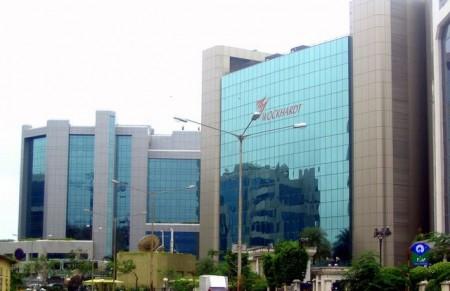
  • Wockhardt Hospital, الهند
  • Global Hospital Chennai, الهند
  • Global Hospital Mumbai, الهند
  • HCG Manavata Cancer Centre, الهند

مشاركة المحتوى

Twitter XLinkedinFacebookWhatsAppEmail
أحصل على الرابط

قصص فيديو من مرضى Bookimed

Dayana
جمعت بين إجازتي في أنطاليا والفحص الطبي.
إجراء: فحص صحة الإناث (انظر فحص النساء)
Igor
كان رائعاً! التنقلات والإقامة والعلاج - كل شيء مشمول.
إجراء: زرع الأسنان
مستشفى: WestDent Clinic
Marina
قام Bookimed بكل شيء من أجلي. لم أضطر للقلق بشأن أي شيء.
إجراء: فحص صحة الإناث (انظر فحص النساء)
مستشفى: Severance Hospital
محدث: 05/27/2022
تأليف
Anna Leonova
Anna Leonova
رئيس فريق تسويق المحتوى
محررة طبية معتمدة لديها خبرة تزيد عن 10 سنوات، طوّرت محتوى Bookimed الموثوق، مدعومة بماجستير في علم اللغة ومقابلات مع خبراء طبيين من جميع أنحاء العالم.
تمت المراجعة من قبل المستشار الطبي في Bookimed
فهد مولود
محرر طبي وعالم بيانات
طبيب عام. حاصل على 4 جوائز علمية. خدم في غرب آسيا. رئيس الفريق الطبي الناطق بالعربية سابقا ومسؤول عن معالجة البيانات ودقة المحتوى الطبي حاليا.
فهد مولود Linkedin
قد تحتوي هذه الصفحة على معلومات تتعلق بمختلف الحالات الطبية والعلاجات وخدمات الرعاية الصحية المتوفرة في بلدان مختلفة. يرجى العلم أن المحتوى مقدم لأغراض إعلامية فقط ولا ينبغي تفسيره على أنه نصيحة أو إرشادات طبية. يرجى استشارة طبيبك أو أخصائي طبي مؤهل قبل البدء أو تغيير العلاج الطبي.

أسئلة متكررة حول الأطراف الصناعية وتقويم العظام في الهند

هذه الأسئلة الشائعة مأخوذة من مرضى حقيقيين يبحثون عن رعاية طبية عبر Bookimed. يتم تقديم الإجابات من قبل منسقين طبيين ذوي خبرة وممثلين موثوقين من العيادات.

كم من الوقت يستغرق عادةً لاستلام والتكيف مع الأطراف الصناعية في الهند؟

تستغرق عملية الحصول على طرف اصطناعي والتأقلم معه في الهند عادةً ما بين 3 إلى 6 أشهر. يشمل هذا الجدول الزمني 6 إلى 8 أسابيع للشفاء الجراحي و2 إلى 4 أسابيع لتصنيع الجهاز حسب الطلب. عادةً ما تتطلب التكيف الكامل والتدريب على المشي 3 أشهر إضافية من العلاج الطبيعي المستمر.

  • مرحلة الشفاء: يجب أن تستقر تورم الطرف المتبقي لمدة 6 إلى 8 أسابيع قبل بدء عملية الصب.
  • مدة التصنيع: عادةً ما تقوم العيادات الخاصة في المناطق الحضرية بتسليم الأجهزة المخصصة في غضون 2 إلى 4 أسابيع.
  • تعديل القاعدة: غالبًا ما يحتاج المرضى إلى إجراء 2 إلى 3 تعديلات على القاعدة خلال الأشهر الثلاثة الأولى.
  • التدريب الوظيفي: عادةً ما يستغرق تحقيق المشي بثقة وتألق بالغ تلقائيًا 6 أشهر من التأهيل المكثف.

رؤية خبيرة من Bookimed: تُظهر البيانات من أهم المحاور الهندية مثل مومباي وبنغالور أن المراكز التي تتوفر بها العلاج الطبيعي المخصص للأطراف الصناعية، مثل مستشفيات مانيبال أو مستشفى أبولو، تسرع بشكل كبير من تأقلم المرضى. رغم أن التركيب الأساسي سريع، تساعد العيادات التي تحتوي على فرق إعادة التأهيل المتكاملة المرضى على الوصول إلى 90% من الحركة بسرعة أكبر من تلك التي تقدم فقط بيع الأجهزة.

إجماع المرضى: يوضح المرضى أن الطرف الاصطناعي الأول نادرًا ما يكون مناسبًا من البداية ويشيرون إلى أن الدفاع الذاتي النشط من أجل تعديلات القاعدة أمر ضروري. يجد الكثيرون أن التواصل مع مجتمعات المبتورين المحلية يوفر دعمًا نفسيًا أفضل من الاستشارة السريرية وحدها خلال السنة الأولى.

ما هي البرامج الحكومية أو برامج المنظمات غير الحكومية التي تقدم أطرافًا صناعية مدعومة أو مجانية للمرضى الدوليين؟

يصل المرضى الدوليون في الهند بشكل أساسي إلى الأطراف الاصطناعية المدعومة من خلال المنظمات غير الحكومية العالمية. تقدم منظمات مثل LIMBS International وe-NABLE أجهزة منخفضة التكلفة أو مجانية. بينما تستهدف البرامج الحكومية مثل ALIMCO المواطنين بشكل رئيسي، تقدم المنظمات غير الحكومية والمستشفيات الخيرية في جايبور رسومًا متدرجة بناءً على توثيق الدخل للأجانب.

  • مساعدة المنظمات غير الحكومية: تقدم LIMBS International أنظمة الأطراف الاصطناعية بتكلفة تتراوح بين 800 و1000 دولار أمريكي في المناطق النامية.
  • دعم الأطراف العلوية: تقدم e-NABLE أيدي وأذرع مطبوعة بتقنية ثلاثية الأبعاد مجانًا من خلال شبكة متطوعة عالمية.
  • برامج التنقل: تقدم A Leg To Stand On (ALTSO) رعاية تقويمية مجانية للأطفال.
  • الخيارات الخيرية: تقدم المنظمات في جايبور خصومات كبيرة على الأطراف الاصطناعية للمرضى الدوليين.

نظرة خبيرة من Bookimed: تقتصر الإعانات الحكومية الرسمية في الهند على المقيمين. ومع ذلك، غالبًا ما يؤمن المرضى خصومات تتراوح بين 30٪ إلى 50٪ من خلال طلب تسعير رحيم مباشرة من العاملين الاجتماعيين في المستشفى. يساعد التعامل مع المنسقين في التنقل عبر هذه برامج المساعدة المالية غير الرسمية التي لا يتم الإعلان عنها عبر الإنترنت.

إجماع المرضى: يلاحظ المرضى أن الاستفسارات عن بُعد حول الإعانات نادرًا ما تنجح. عادة ما يتطلب النجاح تقييمًا شخصيًا وتفاوضًا مباشرًا مع أخصائي الأطراف الاصطناعية لخفض التكاليف.

ما الذي ينبغي أن أسأله لأخصائي الأطراف الصناعية في زيارتي الأولى لضمان الحصول على رعاية عالية الجودة؟

تعتمد جودة الرعاية التعويضية في الهند على التحقق من الخبرة السريرية وأصالة المواد. اسأل عن شهادات المجلس الوطني للاعتماد لمقدمي الرعاية الصحية والمستشفيات (NABH). أكد تجربتهم مع مستوى البتر الخاص بك. اطلب تفصيلًا دقيقًا لعملية التركيب والدعم اللاحق.

  • التحقق من الخبرة: اسأل عن عدد الحالات المماثلة التي عالجها في العام الماضي.
  • أصالة المواد: اطلب شهادات العلامة التجارية للمكونات مثل Ottobock أو Össur.
  • شفافية العملية: أكد عدد تعديلات القوالب الاختبارية قبل التسليم النهائي.
  • معايير المنشأة: تحقق مما إذا كانت العيادة معتمدة من قبل JCI أو NABH.
  • الدعم بعد الرعاية: اطلب جدولًا زمنيًا مكتوبًا للصيانة وتفاصيل الضمان.

نظرة خبراء Bookimed: تختلف الجودة بشكل كبير عبر أكثر من 15 شبكة مستشفيات مثل مستشفيات مانيبال. تظهر بياناتنا أن المرافق ذات التقييمات العالية (4.7+) تقدم غالبًا فرقًا متعددة التخصصات شاملة. تشمل هذه الفرق معالجين طبيعيين وجراحين. يضمن اختيار مركز يتمتع بحجم مرضى كبير، مثل مستشفى جلوبال شيناي، أن المتخصصين في الأطراف الاصطناعية يتعاملون بانتظام مع الحالات المعقدة. يؤدي هذا الحجم غالبًا إلى تحسين الاتساق والتركيب.

إجماع المرضى: يركز المرضى على التحقق من أن المكونات أصلية لتجنب المواد المقلدة. يقترح الكثيرون زيارة عدة عيادات لمقارنة أسلوب التواصل لدى متخصص الأطراف الاصطناعية وعملية التجربة قبل الالتزام بالجهاز النهائي.

كيف يبدو المسار الكامل لإعادة التأهيل بعد الحصول على طرف صناعي؟

مسار إعادة التأهيل الأطراف الصناعية في الهند هو عملية منظمة تنقل المرضى من مرحلة الشفاء إلى إعادة الاندماج في المجتمع. يبدأ برعاية الجروح قبل تركيب الأطراف الصناعية. يلي ذلك تركيب جهاز تجريبي. بعد ذلك، يخضع المرضى لتدريب مكثف على المشي أو التدريب الوظيفي. المرحلة النهائية تتضمن تلقي الطرف الصناعي النهائي. يحقق معظم المرضى إعادة اندماج كاملة خلال 6 إلى 12 شهرًا.

  • المرحلة قبل الأطراف الصناعية: إدارة التورم بواسطة الجوارب الضاغطة تعد الطرف لتركيب المقبس.
  • إزالة التحسس: تدليك الطرف المتبقي يقلل من الحساسية قبل التركيب الأول.
  • التدريب التحضيري: يتعلم المرضى كيفية ارتداء الجهاز واستعادة التوازن.
  • التركيب النهائي: تُقدم الأطراف الصناعية النهائية بمجرد استقرار حجم الطرف.

رؤية الخبراء من Bookimed: غالبًا ما توفر العيادات مثل مستشفى أبولو أو مستشفيات مانيبال دعمًا متعدد التخصصات تحت سقف واحد. تشير الاعتمادات من JCI و NABH في هذه المرافق إلى معايير عالية لتركيبات الأطراف الصناعية المعقدة. ينبغي على المرضى اختيار المراكز التي تحتوي على أقسام تأهيل داخل الموقع لضمان انتقال سلس بين الجراحة والعلاج الطبيعي. غالبًا ما يقلل هذا التكامل من خطر مشاكل الجلد المرتبطة بالمقبس في المناخات الرطبة.

إجماع المرضى: يشير المرضى إلى أن تهيج الجلد الأولي شائع ويتطلب مراقبة يومية. يؤكد الكثيرون أن الانضمام إلى مجموعات الدعم مبكرًا يساعد في التعامل مع التحديات العاطفية وآلام شبحية التي تُحْتَسَس خلال الأشهر الثلاثة الأولى.

أي المدن والمرافق التي تتمتع باعتراف دولي لتقديم خدمات الأطراف الاصطناعية والتقويم المعقدة؟

تُعتبر المدن الهندية الكبرى مثل بنغالورو ومومباي ودلهي معروفة بالخدمات المتقدمة في الأطراف الاصطناعية وتقويم العظام. هذه المراكز تحتوي على مرافق معتمدة من JCI وNABH تقدم أطرافاً بيونية وإعادة تأهيل بمساعدة الروبوتات. المراكز المتخصصة تقدم حلولاً مخصصة بتقنية CAD والطباعة ثلاثية الأبعاد للحالات المعقدة المتعلقة بالحركة.

  • بنغالورو: مستشفيات مانيبال تخدم 2,000,000 مريض سنوياً برعاية شاملة في مجال تقويم العظام وإعادة التأهيل.
  • مومباي: مستشفى جلوبال مومباي ابتكرت جراحات معقدة مزدوجة وتقدم علاجات متقدمة لتقويم العظام بمساعدة الروبوتات.
  • تشيناي: مستشفى جلوبال تشيناي يجري 18,000 عملية جراحية سنوياً. وقد حصل على اعتراف Newsweek لأفضل المستشفيات.
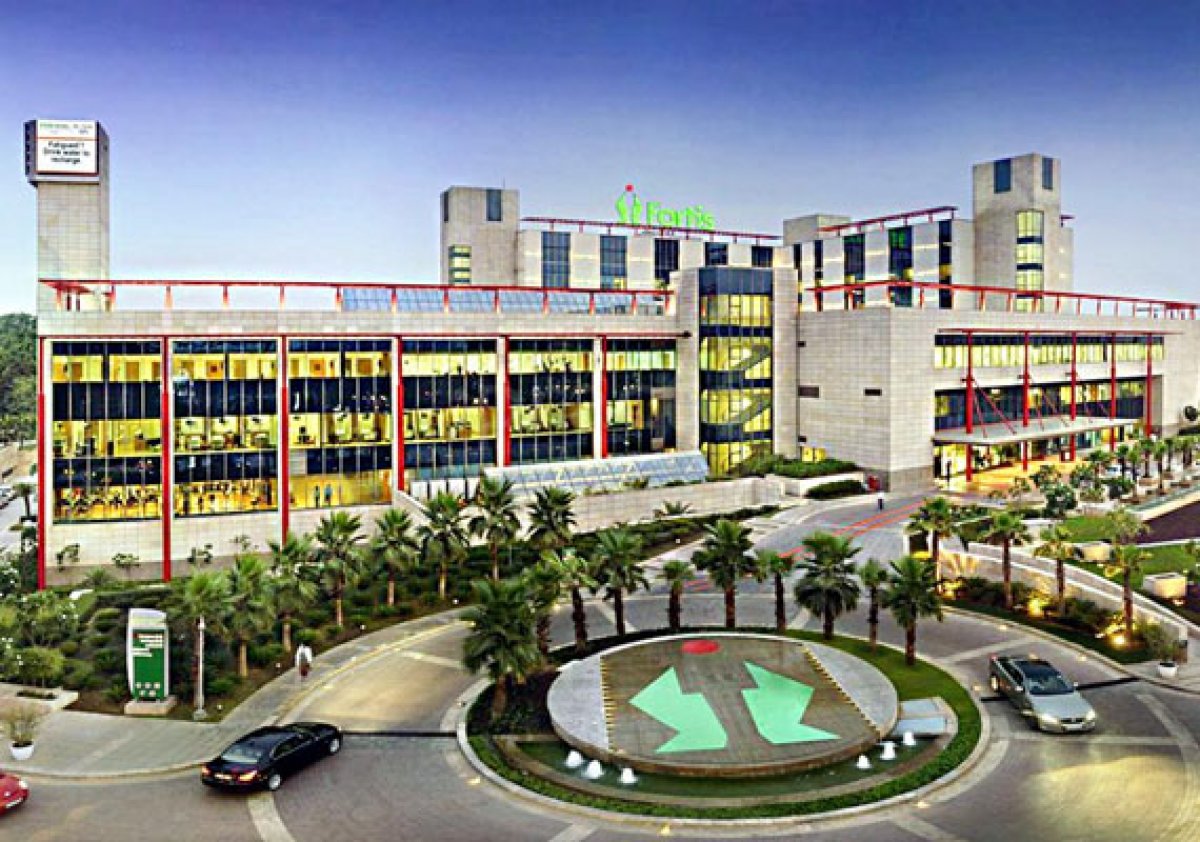
  • غورغاون: معهد فورتيس التذكاري للبحوث يدمج الذكاء الاصطناعي والجراحة الروبوتية في رعاية تقويم العظام الثانوية.

رؤية خبير Bookimed: تظهر البيانات وجود اتجاه واضح حيث تتصدر المرافق الموجودة في بنغالورو مثل مستشفيات مانيبال في التخصيص الرقمي. وغالباً ما تستخدم هذه المراكز الطباعة ثلاثية الأبعاد الداخلية لتقويم العظام. تُسرّع هذه التقنية بشكل كبير من عملية التركيب. يستفيد المرضى الدوليون من تقليل مدة الإقامة مقارنة بالطرق التقليدية للتشكيل اليدوي.

توافق المرضى: يلاحظ المرضى أنه رغم الميزة الكبيرة من حيث التكلفة في الهند، فإن حجز وقت إضافي للتعديلات يعتبر أمراً هاماً. يوصي الكثيرون بالتحقق مباشرة من شهادات الأخصائي التقويمي قبل بدء العلاج.

كم مرة يجب صيانة الطرف الاصطناعي أو استبداله، وما هي الصيانة المطلوبة؟

عادةً ما تتطلب الأطراف الاصطناعية استبدالًا كل 3 إلى 5 سنوات. قد يحتاج المستخدمون النشطون أو الأطفال إلى أجهزة جديدة كل 1 إلى 2 سنوات. تتضمن الصيانة التنظيف اليومي والفحوصات المهنية كل 6 أشهر. غالبًا ما تؤدي الرطوبة العالية والغبار في الهند إلى تسريع تآكل المكونات الميكانيكية.

  • دورة الاستبدال: تستمر الأجهزة القياسية من 3 إلى 5 سنوات حسب النشاط والنمو.
  • عمر المكونات: عادةً ما تحتاج البطانات والقفازات إلى تغيير كل 6-12 شهرًا.
  • النظافة اليومية: تنظيف القاعدة والبطانات يوميًا باستخدام صابون معتدل وخالي من العطور.
  • الخدمة المهنية: جدولة الفحوصات المتخصصة كل 6 أشهر للحفاظ على التوازن الميكانيكي.
  • العناية البيئية: تجنب الإفراط في تشحيم الأجزاء حيث يمكن أن يتسبب الغبار في الهند في التوقفات.

نظرة خبراء Bookimed: تشير البيانات من المراكز الرئيسية في الهند إلى أن العوامل البيئية تؤثر بشكل كبير على عمر الأجهزة. تخدم مؤسسات مثل مستشفيات مانيبال ومعهد فورتيس لإبحاث الذاكرة الآلاف من المرضى سنويًا. وتوضح هذه المراكز ذات الحجم الكبير أن رطوبة موسم الرياح وأوضاع الطرق المحلية غالبًا ما تقلل من عمر الأطراف المصنوعة من ألياف الكربون الممتازة إلى 2-3 سنوات. اختيار عيادة معتمدة من JCI أو NABH يضمن الوصول إلى مكونات ملائمة لهذه العوامل البيئية الخاصة.

اتفاق المرضى: يشير المرضى إلى أن تراكم العرق خلال الصيف الهندي يمكن أن يتلف البطانات بسرعة. ويشدد الكثيرون على ضرورة التحقق من الشقوق الصغيرة في القاعدة مبكرًا لتجنب الفشل الكامل للجهاز أثناء العمل اليومي.

Is stump shape important for getting a good prosthesis in India?

Stump shape is the primary factor for a successful prosthetic fit in India. A stable, cylindrical or conical shape allows the socket to distribute weight evenly. Proper shape prevents the device from slipping. This reduces skin rubbing and supports stable mobility across varied Indian terrain.

  • Shape maturity: Compression therapy creates a consistent stump size before final fitting.
  • Socket contouring: Custom sockets must mirror the stump shape to provide essential support.
  • Casting accuracy: Practitioners must actively compress the limb during casting for precise moulds.
  • Manual adjustment: Specialists like Talib Ahmed in Delhi manually modify moulds for complex cases.

Bookimed Expert Insight: Our data shows that top clinics in India prioritise the prosthetist's manual casting skill over 3D printing technology. Highly rated centres like Manipal Hospitals and Global Hospital Chennai manage over 2 million patients annually. This volume translates to better shaping expertise. A hand-modified socket often outperforms a digital scan for complex limb structures.

Patient Consensus: Patients note that the prosthetist's casting skill in India defines the final comfort. They suggest making sure the stump is fully healed. Swelling should be controlled before starting the fitting process.

Are prosthetic limbs in India of international quality?

Prosthetic limbs in India meet international quality standards. They use components from global leaders like Ottobock and Blatchford. Facilities in Mumbai and Bengaluru provide bionic arms and microprocessor-controlled joints. These devices often carry US-FDA or CE certifications for international safety and performance.

  • Certified expertise: Specialists like Dr Talib Ahmed hold degrees from the All India Institute of Physical Medicine and Rehabilitation.
  • Modern technology: Centres offer bionic arm solutions and high-tech prosthetic legs for above-knee and below-knee amputations.
  • Accredited facilities: Major hospitals including Manipal Hospitals and Apollo Hospital Mumbai hold JCI and NABH accreditations.
  • Performance materials: Modern clinics use carbon fibre and 3D printing for lightweight, durable, and custom-fit devices.

Bookimed Expert Insight: Indian clinics often integrate high-end global components with local fabrication expertise. This reduces lead times. For example, Dr Talib Ahmed has managed 1,300+ cases, blending modern technology with custom fitting. Patients can access complex bionic arms at major hubs in Delhi and Mumbai. These cost significantly less than AU prices.

Patient Consensus: Patients find the durability of Indian prosthetics impressive. Many appreciate the ingenuity of local designs. They note that explicitly requesting modular or 3D-printed limbs guarantees the latest bionic standards.

What should I ask my prosthetist before finalising treatment in India?

Australian patients should ask about the specific technology used for socket customisation and whether test sockets are available for fine-tuning. Confirm the warranty terms for high-tech components like bionic arms. Request a detailed cost breakdown, including surgical fees and ongoing maintenance requirements.

  • Technological fit: Ask if they use digital scanning or traditional casting for limb customisation.
  • Trial period: Confirm if a test socket is provided before the permanent prosthesis is made.
  • Component durability: Request the expected lifespan and warranty details for bionic or mechanical parts.
  • Rehabilitation support: Check if the centre provides in-house physiotherapy to assist with gait training.
  • Certification standards: Verify credentials such as NABH accreditation or degrees from reputable physical medicine institutes.

Bookimed Expert Insight: India offers high-tech bionic arms and legs. However, these often require multiple adjustments. Clinics like Global Hospital Mumbai report that minimally invasive orthopaedic approaches can cut recovery times by half. Patients should choose centres with in-house CT and MRI capabilities. This ensures precise alignment and fit during the initial stay.

Patient Consensus: Travellers emphasise getting a thorough inspection before leaving. They also recommend finding a local Australian prosthetist for follow-up care. Patients note that clinics focusing on real-life functionality rather than just technical specifications provide the most reliable long-term outcomes.

How long does it take to get a prosthetic limb after amputation in India?

Indian medical centres typically fit a temporary prosthetic limb 6 to 12 weeks after surgery. This timeframe allows the residual limb to heal and swelling to subside. Once physical healing is complete, specialist solutions like the Jaipur Foot can be fabricated. This takes only 1 to 2 days.

  • Healing phase: Wounds must close and limb shape must stabilise during weeks 0–6.
  • Initial fitting: Preparatory limbs are usually provided within 6 to 12 weeks post-surgery.
  • Permanent prosthesis: Definitive limbs are often fitted several months later after limb stabilisation.
  • Clinical experience: Specialist prosthetists like Talib Ahmed have performed 1,300+ prosthetic and orthotic cases.

Bookimed Expert Insight: Patient volume at major hubs like Manipal Hospitals is high. Manipal Hospitals, for example, serves 2 million patients annually. This ensures prosthetists handle diverse limb shapes daily. This high turnover often means faster customisation for standard below-knee prosthetics. Smaller regional clinics are slower by comparison. International patients should target these high-volume centres in Bengaluru or Mumbai for on-site laboratory access and quicker adjustments.

Patient Consensus: Patients note the total wait time depends mostly on medical recovery rather than manufacturing speed. Physical limb creation in India is fast. However, the wound must be fully closed and the limb shrunk before the first fitting.

Do clinics in India provide rehabilitation services along with the device?

Indian clinics provide specialised rehabilitation services alongside prosthetic and orthotic devices. Multispecialty hospitals and dedicated centres often integrate Physical Medicine and Rehabilitation (PMR) teams. These teams include prosthetists and physiotherapists. They guide patients through fitting, alignment, and functional training for effective device use.

  • Multidisciplinary teams: PMR physicians lead orthotists and therapists for integrated recovery.
  • Customised pathways: Specialists like Talib Ahmed manage cases including cerebral palsy orthotics.
  • Training phases: Programs include socket design, prosthetic alignment, and bionic control training.
  • Accredited facilities: Major hubs like Global Hospital Chennai maintain NABL and NABH standards.

Bookimed Expert Insight: Indian hospitals with over 4.5 ratings, such as Manipal Hospitals, typically consolidate diagnostics and rehab under one roof. This internal coordination speeds up the prosthetic adjustment process. Technicians and therapists work in the same building. This setup often reduces the total time spent in India for international patients.

Patient Consensus: Patients note that reputable Indian centres integrate device delivery with tailored training for myoelectric and bionic limbs. Most highlight the importance of choosing facilities where doctors coordinate the full journey. This journey includes everything from initial measurement to functional adaptation.

Will I receive training on how to use my prosthetic limb in India?

Patients receive comprehensive rehabilitation and training. This is a mandatory part of the prosthetic fitting process in India. Specialists focus on gait training, balance, and daily movement. High-volume centres like Global Hospital Chennai provide multidisciplinary support. This includes intensive physiotherapy to help patients regain mobility after surgery.

  • Multidisciplinary teams: Specialists and physiotherapists guide patients through initial fitting and gait training.
  • Phased rehabilitation: Programs cover standing, balancing, and navigating complex terrains. These include stairs and ramps.
  • Maintenance education: Patients learn skin care and device cleaning. They also learn how to put on the prosthesis.
  • Specialist expertise: Practitioners like Talib Ahmed have managed 1,300+ prosthetic and orthotic cases.

Bookimed Expert Insight: Clinics with JCI and NABH accreditations include Manipal Hospitals and Apollo Hospital. They typically maintain an on-site rehabilitation wing. This allows patients to move directly from surgical fitting to intensive rehab. This integrated approach often shortens the stay for international patients by several days.

Patient Consensus: Patients find the phased training helpful. It starts with basic balance, then progresses to walking on uneven ground in India. Successful outcomes often involve staying for several weeks to master advanced skills like stairs.

Can prosthetic limbs be customised for lifestyle needs in India?

Prosthetic limbs are customisable for lifestyle needs in India, with specialists matching high-tech components to activity levels. Certified prosthetists like Talib Ahmed in Delhi use carbon fibre and bionic technology to tailor devices. Centres often focus on environmental durability and cultural habits for local conditions.

  • Activity-specific design: Devices are tailored for high-impact sports, manual work, or daily walking.
  • Bionic solutions: Advanced robotic arms and microprocessor-controlled knees provide complex dexterity and stability.
  • Precision fitting: Custom sockets are designed to match body shape and prevent tissue injury.
  • Diverse materials: Options range from lightweight cosmetic finishes to durable body-powered mechanical limbs.

Bookimed Expert Insight: Indian clinics often integrate custom socket fabrication on-site, which allows for immediate adjustments during the fitting phase. This is vital because a precise socket fit determines the comfort of high-end components. At leading facilities like Manipal Hospitals, having multidisciplinary teams helps align prosthetic settings with intensive rehab programs.

Patient Consensus: Patients note it is important to clearly share daily goals like running or cooking during the initial measurement. They highlight that India-specific customisation helps devices withstand local conditions while keeping the socket comfortable during long-term use.

How long does a prosthesis last before needing replacement in India?

Prosthetics in India typically last 3 to 5 years before requiring significant maintenance or replacement. External limb prostheses for adults generally reach the 3-year mark. Children require replacements every 18 to 26 months due to growth. Factors like climate and terrain influence these timeframes.

  • Maintenance schedule: Specialists recommend assessments every 6 to 12 months for wear.
  • Child prosthetics: Growth requires socket modifications or complete replacement every 18–26 months.
  • Specific components: Durable options like the Jaipur Foot often require evaluation within 3–5 years.
  • Activity levels: Manual labour or high activity reduces the lifespan of prosthetic components.

Bookimed Expert Insight: India offers a massive range of prosthetic technology, with prices for bionic arms reaching $55,000. While basic limbs are durable, high-end electronic components require specialised maintenance. Choosing JCI-accredited centres like Manipal Hospitals gives access to international-standard components. These often prove more resilient in varied climates.

Patient Consensus: Patients note that Indian surgeons are highly skilled. They offer quality care that outperforms other countries at lower costs. They suggest choosing high-volume specialists like Dr Talib Ahmed, who has managed 1,300+ cases. This gives the best initial fit and long-term device performance.

Do insurance plans in India cover prosthetic devices?

Indian insurance plans often cover prosthetic devices if they are medically necessary for mobility. Coverage varies by policy. Many insurers fund 70–100% of basic limbs but less for high-tech options. JCI-accredited facilities in Mumbai and Bengaluru assist with clinical documentation required for these claims.

  • Device necessity: Doctors must certify that the prosthesis is essential for daily function.
  • Level of tech: Basic limbs see higher coverage while bionic arms often require extra approval.
  • Accredited facilities: Clinics like Manipal Hospitals and Apollo Hospital Mumbai hold NABH or JCI credentials.
  • Support services: Centres like Global Hospital Chennai provide administrative help for insurance paperwork.

Bookimed Expert Insight: While basic prosthetic feet cost from $2,800, bionic arms can reach $55,000. Clinics with high patient volumes, like HCG Manavata treating 75,000 yearly, often have dedicated teams. They help secure medical loans or insurance pre-authorisation for higher-cost devices.

Patient Consensus: Patients note that Indian clinics frequently offer insurance assistance or local medical loans. This is helpful when direct coverage is complex. Many recommend choosing clinics with international quality standards. This helps devices meet safety requirements used in Australia.

Do health insurance plans in India cover prosthetics?

Indian health insurance typically covers prosthetics that are surgically implanted. It also covers those that are medically necessary during hospitalisation. Coverage often extends to artificial joints or cardiac devices. However, external limbs or bionic arms often require specific riders or additional policies. These can provide full protection against high costs.

  • Medical necessity: Insurers cover devices required for functional improvement rather than cosmetic purposes.
  • In-patient requirement: Most plans only cover prosthetics fitted during a hospital stay.
  • Sub-limits: Many policies cap the payout for high-cost items like bionic limbs.
  • Waiting periods: Claims for prosthetics related to pre-existing conditions often have 2–4 year waits.

Bookimed Expert Insight: Basic plans may exclude external limbs, but patients at large networks like Manipal Hospitals or Global Hospital Chennai often find that bundled surgical packages can include internal prosthetics. High-volume centres sometimes negotiate better device rates. This reduces the out-of-pocket gap if insurance sub-limits apply.

Patient Consensus: Patients in India recommend appealing any initial insurance denials by providing detailed specialist documentation. If coverage fails, some suggest asking suppliers for cash discounts. This can sometimes reduce costs by 20%.

How often do I need to replace my prosthetic socket in India?

Prosthetic sockets in India typically require replacement every 1 to 3 years. New amputees often need a new socket within 6 to 12 months due to limb shrinkage. Regular assessments by a clinical specialist confirm a stable, functional fit for daily use.

  • Early replacement: New patients often require adjustments within 6 months as limbs stabilise.
  • Climate impact: High humidity in India requires liner replacement every 6 to 12 months.
  • Fit monitoring: Evaluations every 6 months prevent skin breakdown and maintain socket suction.
  • Activity levels: More active patients may wear through socket materials closer to 12 months.

Bookimed Expert Insight: Quality measurements in India often involve 3D scanning or digital casting. These methods create a precise digital record of a patient's limb shape. This speeds up replacement socket production if a patient's volume changes during their stay. Comparing clinics using digital versus traditional plaster casting can save days of fitting time.

Patient consensus: Patients in India find that heat affects how the socket fits throughout the day. They suggest carrying extra prosthetic socks to manage these small volume changes between professional replacements.

How long does the customisation and fitting process for a prosthetic limb in India take?

Customising and fitting a prosthetic limb in India typically takes 3 to 7 days. This timeframe applies to standard cases. Specialised centres can deliver functional lower limb devices in 2 to 3 days. The Jaipur Foot is one example. Complex or high-tech bionic systems may require 2 to 4 weeks for fabrication and calibration.

  • Evaluation phase: Specialists assess residual limb health and gait during the first 1–2 days.
  • Socket fabrication: Custom casting and moulding for the residual limb takes 2–4 days.
  • Fitting session: Fitting and alignment involve multiple check-ups for comfort and proper pressure.
  • Rehabilitation period: Goal-oriented training for gait or device control generally requires 1–4 weeks.

Bookimed Expert Insight: Indian clinics often complete fittings faster. They use local manufacturing instead of waiting for imported components. Major centres have the infrastructure to manage over 1,000 cases annually. This includes Manipal Hospitals and Global Hospital Mumbai. High case volumes allow prosthetists to finalise custom sockets and alignments in a single week. Talib Ahmed is one example. This is significantly quicker than standard Western timeframes.

Patient Consensus: Patients note that customisation is tailored to Indian users and feels relatively quick. Most recommend staying in India for at least a week. This allows time to finish the full sequence of measurements, fittings, and initial training exercises.

What is the difference between orthotics and prosthetics in India?

Orthotics and prosthetics in India serve distinct roles in rehabilitation medicine. Prosthetics replace missing body parts with artificial devices like limbs or eyes. Orthotics use external braces or supports to improve the function of an existing but weakened body part.

  • Primary function: Prosthetics replace lost limbs while orthotics support existing body structures like spines or knees.
  • Specific devices: India offers high-tech bionic arms and prosthetic legs alongside leg orthotics and splints.
  • Treatment focus: Specialists manage orthotic care for cerebral palsy or injury rehab and prosthetic limb replacements.
  • Clinical pathways: Certified professionals like Dr Talib Ahmed handle both custom prosthetic and orthotic device fitting.

Bookimed Expert Insight: Indian centres are increasingly adopting 3D-printing for prosthetic legs. This technology makes custom devices more affordable and faster to produce than traditional manufacturing. Major facilities like Global Hospital Mumbai also use minimally invasive orthopaedic techniques. This combination of technology and surgical skill often reduces recovery times by 50%.

Patient Consensus: Patients in India find that 3D-printed prosthetic legs are excellent affordable alternatives. They offer a highly customised fit. Patients note it is important to clearly distinguish between needing a brace for support or a replacement for a missing limb. This distinction should be made when consulting specialists.

احصل على استشارة مجانية

حدد أفضل طريقة للاتصال بك