استئصال عنق الرحم في إسبانيا — احصل على 3 عيادات مطابقة مع التكاليف


تمت مراجعة المقالة طبيا من قبل
فهد مولود
ما هي تكلفة استئصال عنق الرحم في إسبانيا؟ اكتشف الآن
من $13,400. يعتمد السعر النهائي على النهج الجراحي ومستوى العيادة وموقع المركز الطبي. تشمل الباقات الأساسية في إسبانيا عادةً الجراحة الأولية، والمبيت لمدة ليلتين أو ثلاث ليالٍ في المستشفى، ومتابعة فورية بعد الجراحة.
- خزعة عنق الرحم المخروطية: من $2,300 إلى $3,600، سواء كانت لأغراض تشخيصية أو علاجية.
- عملية ويرتهايم-ميغز: من $28,000 لجراحات سرطان عنق الرحم المتقدمة.
- الجراحة الروبوتية: تزيد التكلفة بنحو 20-30 % مقارنةً بالطرق الجراحية بالمنظار.
- المراكز الطبية الكبرى: ترتفع التكاليف في برشلونة ومدريد بنسبة 15-20 % مقارنة بالمدن الإقليمية الأخرى.
رأي خبراء Bookimed: يضمن اختيار المراكز المعتمدة من JCI في برشلونة أو بامبلونا الحصول على بنية تحتية أورام متطورة. تقدم عيادات مثل سنترو ميديكو تكنون وكلينيكا يونيفرسيداد دي نافارا خبرة جراحية واسعة. توفر هذه المرافق أنظمة روبوتية متقدمة وفرقاً متعددة التخصصات. يُعد الاستثمار في هذه المراكز المتميزة خياراً صائباً للحالات المعقدة التي تهدف للحفاظ على الخصوبة. تتميز هذه العيادات بتقييمات ممتازة من المرضى وسمعة دولية مرموقة في رعاية الأورام.
المزايا الرئيسية
لماذا تختار إسبانيا لإجراء عملية استئصال عنق الرحم (استئصال عنق الرحم)؟
- عيادات معتمدة: المستشفيات المعتمدة من JCI تضمن الالتزام بالمعايير الدولية للرعاية الصحية. هذا يضمن رعاية عالية الجودة.
- أحدث التقنيات: استخدام تقنيات مثل استئصال عنق الرحم بمساعدة الروبوت واستئصال عنق الرحم بالمنظار، مع أجهزة مثل نظام دافنشي الجراحي، يعزز الدقة وسرعة التعافي.
- نسب نجاح عالية: تتمتع إجراءات استئصال عنق الرحم في إسبانيا بمعدل فعالية يتراوح بين 85-90% للمرضى في المراحل المبكرة من سرطان عنق الرحم. يتم دعم ذلك بواسطة إرشادات NCCN.
- جراحون خبراء: يعتبر أطباء الأورام النسائية الرائدون والمعتمدون من الجمعية الأوروبية لأورام النساء (ESGO) قد أجروا أكثر من 500 عملية استئصال عنق الرحم. هذا يضمن رعاية متخصصة وذات خبرة.
احصل على حلول متقدمة لاستئصال عنق الرحم (استئصال عنق الرحم) في عيادات موثوقة من $13,400.
| تركيا | إسبانيا | ألمانيا | |
|---|---|---|---|
| استئصال عنق الرحم | من $5,800 | من $13,400 | من $16,000 |
| مخروط عنق الرحم (خزعة مخروطية) | من $1,100 | ≈ $2,300 | ≈ $3,200 |
| جراحة ڤرتهايم - ميغز (Wertheim-Meigs) | من $8,000 | من $28,000 | ≈ $13,500 |
| استئصال عنق الرحم الأمامي والانصهار | من $7,400 | من $23,100 | ≈ $11,500 |
مزاياك وضماناتك مع Bookimed
أسعار مباشرة
Bookimed لا يضيف رسوماً إضافية على أسعار استئصال عنق الرحم. الأسعار مأخوذة من قوائم الأسعار الرسمية للعيادات. تدفع مباشرة في العيادة مقابل استئصال عنق الرحم عند وصولك.
عيادات وأطباء معتمدون فقط
Bookimed ملتزم بسلامتك. نحن نعمل فقط مع المؤسسات الطبية التي تحافظ على معايير دولية عالية في استئصال عنق الرحم ولديها التراخيص اللازمة لخدمة المرضى الدوليين في جميع أنحاء العالم.
مساعدة مجانية على مدار الساعة
Bookimed يقدم مساعدة خبراء مجانية. منسق طبي شخصي يدعمك قبل وأثناء وبعد العلاج، ويحل أي مشاكل. لن تكون وحيداً أبداً في رحلة استئصال عنق الرحم.

منسقك الطبي الشخصي في Bookimed
- يدعمك في كل مرحلة
- المساعدة في اختيار العيادة الطبية المناسبة والطبيب المناسب
- يضمن الوصول السريع والمريح إلى المعلومات
اكتشف أفضل استئصال عنق الرحم العيادات في إسبانيا: 7 خيارات معتمدة والأسعار














نظرة عامة على استئصال عنق الرحم في إسبانيا
- استئصال عنق الرحم - من $13,400
تتضمن العملية استئصال عنق الرحم لعلاج سرطان عنق الرحم في مراحله المبكرة والحفاظ على الخصوبة.
- مخروط عنق الرحم (خزعة مخروطية) - من $2,300
تزيل الجراحة جزءًا مخروطي الشكل من عنق الرحم لتشخيص أو علاج سلائف سرطان عنق الرحم.
- جراحة ڤرتهايم - ميغز (Wertheim-Meigs) - من $28,000
الإجراء هو استئصال الرحم الجذري لعلاج سرطان عنق الرحم المتقدم ، بما في ذلك إزالة الرحم والأنسجة المحيطة والعقد الليمفاوية.
- استئصال عنق الرحم الأمامي والانصهار - من $23,100
تخفف العملية من آلام الرقبة والذراع عن طريق إزالة القرص التالف في الرقبة ، ثم الالتحام الفقري.
اليوم الأول - الوصول
- الوصول إلى المستشفى والتسجيل في مكتب الاستقبال.
- قابل موظفي المستشفى واستقر في غرفتك.
اليوم 2 - ما قبل العملية
- التشاور مع الجراح وطبيب التخدير.
- الخضوع للفحوصات الطبية اللازمة ، بما في ذلك تحاليل الدم ، وتخطيط القلب ، والموجات فوق الصوتية.
- التحضير للجراحة بما في ذلك الصيام من منتصف الليل.
اليوم الثالث - استئصال القصبة الهوائية
- انتقل إلى غرفة العمليات في الصباح.
- الحصول على تخدير عام قبل العملية.
- تستغرق عملية قطع القصبة الهوائية ما بين 3 إلى 4 ساعات.
- بعد الجراحة ، سيتم نقلك إلى الشفاء.
من اليوم الرابع إلى اليوم السابع - ما بعد العملية
- المراقبة من قبل طاقم المستشفى في غرفة الإنعاش.
- تحكم في الألم بالأدوية الموصوفة.
- ابدأ بتناول نظام غذائي خفيف واستأنف تدريجيًا الأنشطة العادية.
- البقاء في المستشفى لمدة 3 إلى 4 أيام بعد الجراحة.
الأسبوع الأول إلى الأسبوع السادس - إعادة التأهيل
- الراحة والتعافي في المنزل.
- حضور مواعيد المتابعة مع الجراح.
- استئناف العمل والأنشطة الخفيفة بعد أسبوعين بموافقة الطبيب.
- العودة تدريجيًا إلى الأنشطة العادية وممارسة الرياضة بعد 4 إلى 6 أسابيع.
يرجى ملاحظة أن الجدول الزمني للتعافي لكل مريض قد يختلف بناءً على الظروف الفردية والصحة العامة. من المهم اتباع نصيحة طبيبك من أجل الشفاء الناجح.
- إيداع Bookimed: 200 دولار أو 200 يورو.
- وديعة العيادة: ادفع نسبة محددة مقدمًا.
احصل على تقييم طبي لـ استئصال عنق الرحم في إسبانيا: اختر أخصائيك من بين الأفضل في هذا المجال
عرض جميع الأطباء
Guillermo Luis Bassols
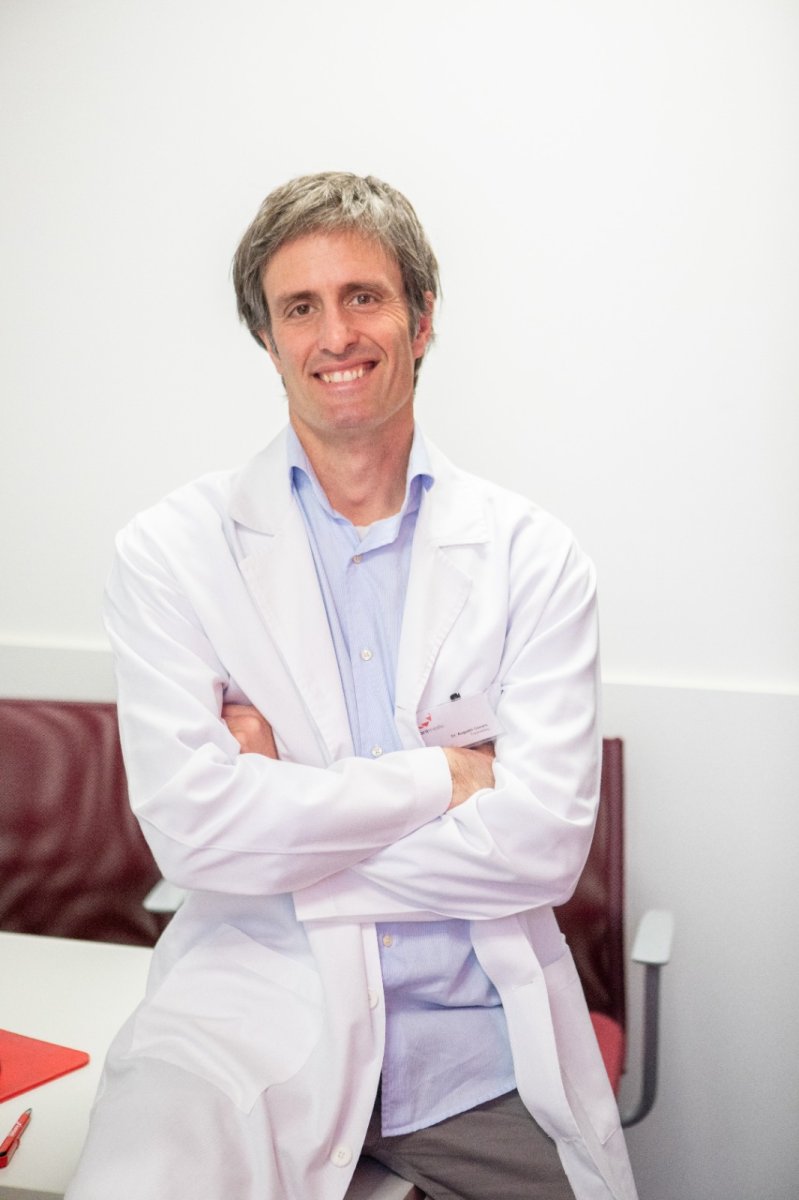
خبير في استئصال عنق الرحم مع أكثر من _doctor_4638_ سنوات من الخبرة في الجراحة النسائية - يمارس الدكتور باسولس عمله في مركز تكنون الطبي (Centro Médico Teknon) في برشلونة.
- أكمل تدريباً متخصصاً في التوليد وأمراض النساء في معهد ديكسوس الجامعي (Institut Universitari Dexeus)
- حاصل على شهادة في الجراحة النسائية بالمنظار من جامعة كليرمون فيران
- عضو في الطاقم الطبي لمركز تكنون الطبي منذ عام 1999

Antonio Fernandez Oliva
يجمع الدكتور فرنانديز أوليفا بين الممارسة السريرية والتعليم المستمر والعمل العلمي، وهو متخصص في أمراض النساء والتوليد.
- تدرب على الجراحة الروبوتية وبالمنظار في مستشفى فال ديبرون
- تخرج بمرتبة الشرف من جامعة برشلونة المستقلة
- محاضر في أكاديمية CTO الطبية
- أكمل فترة الإقامة في مستشفى فال ديبرون، برشلونة
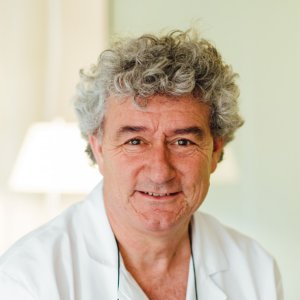
Jordi Antoni Vives
الدكتور جوردي أنطوني فيفيس اختصاصي أمراض النساء والتوليد في تيكنوجين (Centro Médico Teknon، برشلونة). يركّز على جراحة أورام أمراض النساء، وأمراض الرحم والحوض المعقّدة، وتنسيق لجنة الأورام. يقود قسم التوليد في مستشفى CIMA منذ 2015. وهو طبيب استشاري في Parc Taulí منذ 1990.
التعليم/الاعتمادات: درجة في الطب والجراحة، جامعة برشلونة (1983). إقامة MIR في أمراض النساء والتوليد (1990). دبلوم الجامعة الأوروبية في التنظير الجراحي في أمراض النساء، المستوى المتقدم (2000). اعتماد الجراحة الروبوتية ب
María Teresa Gómez Sugrañes
قصص فيديو من مرضى Bookimed
المراجعات
جميع المراجعات


مشاركة المحتوى
 Anna Leonova
أسئلة متكررة حول استئصال عنق الرحم في إسبانيا
هل يمكنني بالتأكيد إنجاب أطفال بعد عملية استئصال عنق الرحم؟
يحافظ استئصال عنق الرحم الجذري على الرحم وإمكانية الخصوبة للمريضات المصابات بسرطان عنق الرحم في مراحله المبكرة، ولكن الولادة الحية غير مضمونة. على الرغم من أن العديد من النساء يحملن بنجاح، إلا أن حالات الحمل تصنف على أنها عالية الخطورة بسبب إزالة عنق الرحم، مما يتطلب غالبًا رعاية توليدية متخصصة.
- معدلات الحمل: تنجح حوالي 55% من النساء اللاتي يحاولن الحمل، على الرغم من أن النجاح يعتمد على الأنسجة الندبية.
- معدل الولادة الحية: يظهر التحليل التلوي معدل ولادة حية بنسبة 75% لمن يحققن الحمل.
- متطلبات الولادة: الولادة المهبلية الطبيعية مستحيلة؛ يجب أن تخضع جميع المريضات لعملية قيصرية مخططة.
- مخاطر الولادة المبكرة: تؤدي ما يقرب من 49% من حالات الحمل الناجحة إلى ولادة مبكرة قبل الأسبوع 36.
رؤية خبير Bookimed: تتخصص مراكز الأورام الرائدة في إسبانيا، مثل Centro Médico Teknon وClínica Universidad de Navarra، في طب التوليد عالي الخطورة. تظهر البيانات أن الجراحين هنا، بما في ذلك الدكتور أنطونيو فرنانديز أوليفا، يركزون على فحص تسمم الحمل ومراقبة نمو الجنين. يعد طلب عيادة تقدم كلاً من جراحة الأورام والعناية المركزة لحديثي الولادة أمرًا حيويًا لتحقيق نتائج إيجابية على المدى الطويل.
إجماع المرضى: تؤكد المريضات أنه على الرغم من أن الإجراء يوفر الأمل، إلا أن الواقع يتضمن قلقًا كبيرًا بشأن حالات الإجهاض. يوصي معظمهم بالتأكد مما إذا كان ربط عنق الرحم جزءًا من الخطة الجراحية لدعم الحمل.
من هي المؤهلة لعملية استئصال عنق الرحم في إسبانيا؟
تشمل المرشحات لعملية استئصال عنق الرحم في إسبانيا النساء في سن الإنجاب، عادةً تحت سن 45 عاماً، اللواتي يرغبن في الحفاظ على الخصوبة أثناء علاج سرطان عنق الرحم في المراحل المبكرة. تتطلب الأهلية وجود سرطان الخلايا الحرشفية أو غدية محصورة في عنق الرحم دون مشاركة الغدد الليمفاوية، وتستهدف بشكل خاص المراحل السريرية IA2 أو IB1.
- حجم الورم: يجب أن يقيس حجم الأورام بشكل مثالي 2 سم أو أقل لضمان هوامش أمان.
- حالة الخصوبة: يجب ألا يكون لدى المريضات تاريخ سابق من ضعف الخصوبة الشديد قبل الجراحة.
- النهج الجراحي: تقدم المرافق الرائدة في برشلونة ومدريد تقنيات بالمنظار وبمساعدة الروبوت.
- إجراءات احتياطية: يمكن للجراحين الانتقال إلى استئصال الرحم الجذري إذا أظهرت النتائج أثناء العملية انتشاراً للمرض.
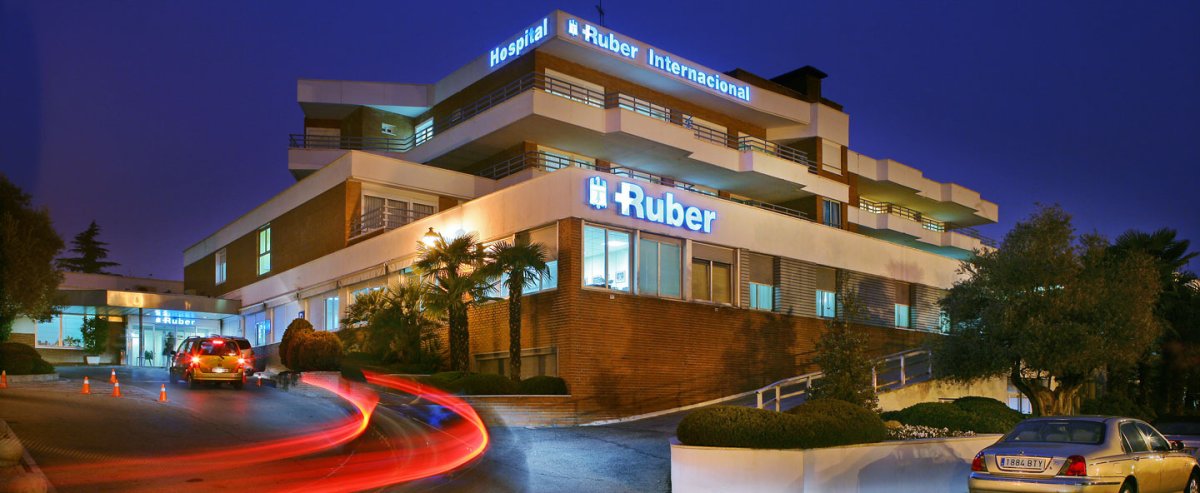
رأي خبير Bookimed: بينما يركز العديد من المرضى الدوليين على التكلفة، تدمج المراكز المتخصصة في إسبانيا مثل Centro Médico Teknon أو Hospital Ruber Internacional ربطاً دائماً لعنق الرحم أثناء الإجراء. هذه الخطوة التقنية حيوية لدعم حالات الحمل المستقبلية كاملة المدة، مما يجعل العيادات الإسبانية خياراً أولاً لأورام الجهاز التناسلي المعقدة مقارنة بمراكز الجراحة العامة.
إجماع المرضى: يؤكد المرضى أن هذا الإجراء هو بديل يغير الحياة بدلاً من استئصال الرحم للشابات اللواتي يخططن لبناء أسرة. إنهم يقدرون الراحة العاطفية الناتجة عن الحفاظ على الرحم مع علاج السرطان في مراحله المبكرة بفعالية.
ما هي التقنيات الجراحية المستخدمة لاستئصال عنق الرحم الجذري في إسبانيا؟
تستخدم عملية استئصال عنق الرحم الجذري في إسبانيا تقنيات مهبلية وبالمنظار وعبر البطن لعلاج سرطان عنق الرحم في المراحل المبكرة مع الحفاظ على الخصوبة. يقوم الجراحون بإزالة عنق الرحم والأنسجة المحيطة به، وعادة ما يضعون ربطاً لعنق الرحم (cerclage) لدعم حالات الحمل المستقبلية. كما تقوم معظم المراكز الإسبانية بإجراء تشريح للغدد الليمفاوية في الحوض بالمنظار أولاً للتأكد من عدم انتشار السرطان.
- نهج المنظار: تقنية طفيفة التوغل توفر إقامة أقصر في المستشفى لمدة يومين وتقليلاً لصدمة البطن.
- طريقة البطن: جراحة مفتوحة تُستخدم للأورام الأكبر التي تتطلب إزالة أكثر شمولاً للأنسجة المحيطة.
- النهج المهبلي: تزيل طريقة Dargent عنق الرحم عبر المهبل، وغالباً ما تُدمج مع استئصال الغدد الليمفاوية بالمنظار.
- ربط عنق الرحم: يضيف الجراحون بشكل روتيني غرزة دائمة لدعم الرحم لحالات الحمل المستقبلية.
رأي خبير Bookimed: تعطي العيادات الإسبانية مثل Hospital Ruber Internacional وCentro Médico Teknon الأولوية غالباً لنظام Da Vinci Xi لهذه الاستئصالات المعقدة. بينما تعتبر جراحة المنظار القياسية شائعة، توفر التقنيات بمساعدة الروبوت تصويراً فائقاً بالقرب من أعصاب الحوض الحساسة. تساعد هذه الدقة في الحفاظ على تدفق الدم إلى الرحم، وهو أمر بالغ الأهمية للمريضات اللواتي يأملن في الحمل بعد التعافي.
إجماع المرضى: يؤكد المرضى على أهمية التأكد مما إذا كانت التقنية المخطط لها هي جراحة مفتوحة أم بالمنظار، لأن ذلك يحدد فترة الإقامة في المستشفى من 2 إلى 5 أيام. تشير ال
أين يمكنني العثور على رعاية فائقة الجودة لاستئصال عنق الرحم في إسبانيا؟
تتركز رعاية استئصال عنق الرحم فائقة الجودة في إسبانيا في برشلونة ومدريد في مرافق معتمدة من اللجنة الدولية المشتركة (JCI) مثل Centro Médico Teknon وClinica Universidad de Navarra. تتخصص هذه المراكز في عملية استئصال عنق الرحم الجذري التي تحافظ على الخصوبة باستخدام تقنيات روبوتية وبالمنظار متقدمة لمريضات سرطان عنق الرحم في المراحل المبكرة.
- جراحون خبراء: يتمتع متخصصون مثل الدكتور غييرمو لويس باسولس في Teknon بعقود من الخبرة في أمراض النساء.
- التكنولوجيا المتقدمة: تستخدم المراكز أنظمة روبوتية Da Vinci Xi للحفاظ على الخصوبة بدقة وبأقل تدخل جراحي.
- مرافق معتمدة: تمتلك المستشفيات الرائدة شهادات JCI وISO، مما يضمن معايير دولية للسلامة والجودة.
- نهج متعدد التخصصات: يشمل العلاج بروتوكولات السلامة في علم الأورام مدمجة مع الاستشارة الإنجابية والمراقبة بعد العملية.
رأي خبير Bookimed: تظهر البيانات أن Centro Médico Teknon هو رائد في برشلونة من حيث حجم العمليات، حيث يجري أكثر من 23,500 عملية سنوياً. بالنسبة لاستئصال عنق الرحم، امنح الأولوية للعيادات مثل Teknon التي لديها منسقون طبيون مخصصون لإدارة الإقامة المعقدة في المستشفى لمدة 3-5 أيام.
إجماع المرضى: يؤكد المرضى على أهمية العثور على جراحين ذوي خبرة خاصة في استئصال عنق الرحم الجذري بدلاً من أمراض النساء العامة. ويسلطون الضوء
كيف أختار جراحاً مؤهلاً لعملية استئصال عنق الرحم (Trachelectomy) في إسبانيا؟
لاختيار جراح مؤهل في إسبانيا، أعط الأولوية للمتخصصين في الأورام النسائية الحاصلين على شهادات متقدمة في الجراحة بالمنظار والجراحة الروبوتية. تأكد من أنهم يعملون في مرافق معتمدة من اللجنة الدولية المشتركة (JCI) في مدن مثل برشلونة أو مدريد، والتي توفر فرقاً متعددة التخصصات لرعاية السرطان المعقدة التي تحافظ على الخصوبة.
- التركيز على التخصص: تأكد من أن الجراح طبيب أورام نسائية، وليس طبيب نسائية عام.
- المؤهلات التقنية: ابحث عن شهادة أوروبية في الجراحة بالمنظار أو تدريب في الجراحة الروبوتية.
- اعتماد المستشفى: اختر العيادات الحاصلة على شهادات اللجنة الدولية المشتركة (JCI) أو ISO 9001.
- الرعاية متعددة التخصصات: تأكد من أن المنشأة لديها قسم أورام متخصص للحصول على دعم شامل.
رأي خبير Bookimed: تحافظ العيادات الخاصة الرائدة في إسبانيا، مثل Centro Médico Teknon أو Clinica Universidad de Navarra، على أعداد كبيرة من المرضى مع حصولها على العديد من اعتمادات اللجنة الدولية المشتركة. تشير البيانات إلى أن هذه المؤسسات تدير غالباً ما بين 10,000 إلى 140,000 مريض سنوياً. يشير هذا الحجم إلى أن فرقهم الجراحية، مثل تلك الموجودة في برشلونة، تتعامل مع الحالات المعقدة بشكل متكرر أكثر من المراكز الإقليمية الأصغر.
إجماع المرضى: يؤكد المرضى على أهمية وجود جراح يقاتل بنشاط من أجل الحفاظ على الرحم. ويوصون بطلب رأي ثانٍ إذا اقترح الطبيب استئصال الرحم فقط دون مناقشة خيارات استئصال عنق الرحم.
كم من الوقت يجب أن أخطط للبقاء في إسبانيا للتعافي بعد عملية استئصال عنق الرحم (trachelectomy)؟
خطط لإقامة تتراوح بين 7 إلى 14 يوماً في إسبانيا للتعافي الأولي بعد استئصال عنق الرحم. تتيح هذه الفترة مراقبة دقيقة بعد الجراحة وإجراء فحوصات المتابعة الأساسية. ينصح معظم الجراحين بالانتظار لمدة لا تقل عن 14 يوماً قبل السفر جواً لتقليل مخاطر النزيف أو مضاعفات الغرز.
- الإقامة في المستشفى: توقع قضاء من 2 إلى 4 أيام تحت الرعاية الداخلية للمراقبة الأولية.
- سلامة السفر: تجنب السفر جواً لمدة 14 يوماً لمنع حدوث تجلط الأوردة العميقة.
- توقيت المتابعة: حدد موعداً لأول مراجعة جراحية رئيسية لك في غضون 7 إلى 10 أيام.
- التعافي البدني: حدد نشاطك لمدة أسبوعين قبل البدء في أداء المهام اليومية الخفيفة جداً.
رؤية خبير Bookimed: تستخدم مراكز الأورام الرائدة في إسبانيا مثل Clinica Universidad de Navarra أنظمة ذكاء اصطناعي وأنظمة روبوتية متقدمة يمكنها في بعض الأحيان تقليل فترات الإقامة في المستشفى. ومع ذلك، فإن استئصال عنق الرحم هو جراحة للحفاظ على الخصوبة تتطلب خياطة داخلية معقدة. تظهر البيانات أنه حتى مع المساعدة الروبوتية، تظل مرحلة الشفاء الداخلي هي العامل الأكثر أهمية للحصول على إذن السفر.
إجماع المرضى: يوصي العديد من المرضى بالبقاء لمدة 4 أسابيع إن أمكن لضمان استقرار الغرز الداخلية. غالباً ما يقترحون استخدام زيت ثمر الورد للعناية بالندبات مع تجنب شمس إسبانيا القوية خلال الأشهر الأولى من الشفاء.