جراحة العمود الفقري في إسبانيا — التكاليف 2026


تمت مراجعة المقالة طبيا من قبل
فهد مولود
ما هي تكلفة جراحة العمود الفقري في إسبانيا؟ اكتشف الآن
تتراوح تكلفة جراحة العمود الفقري في إسبانيا عادةً ما بين $16,200 و $45,000. تعتمد التكاليف الإجمالية على الإجراء المحدد، ومدى تعقيد الحالة، والتقنية المستخدمة. يمكن للمرضى غالباً توقع توفير ما بين 30-50% مقارنة بالولايات المتحدة للحصول على رعاية جراحية مماثلة.
تكاليف جراحة العمود الفقري النموذجية في إسبانيا
- الاستشارة مع وضع خطة العلاج: من $400
- تصوير الرنين المغناطيسي للعمود الفقري القطني: من $520
- جراحة الانزلاق الغضروفي: من $11,000
- العلاج الجراحي للجنف: من $56,200
- زرع نظام ApiFix: السعر عند الطلب
- استئصال القرص: من $17,200
- جراحة تكهف النخاع: السعر عند الطلب
- استئصال الصفيحة الفقرية: من $15,000
- استئصال القرص الرقبي الأمامي والدمج: السعر عند الطلب
- رأب الحدبة: من $33,700
تتركز المراكز الطبية الكبرى في برشلونة ومدريد وماربيا وتوريفايجا. وتكون الأسعار في ماربيا وتوريفايجا عموماً أقل بنحو 10% مما هي عليه في مدريد أو برشلونة. استشر أخصائي العمود الفقري للحصول على تسعير دقيق لاحتياجاتك الطبية المحددة.
| تركيا | إسبانيا | ألمانيا | |
|---|---|---|---|
| رأبُ الفقرة | من $4,000 | من $22,500 | ≈ $9,500 |
| جراحة دمج العمود الفقري بالحد الأدنى من التدخل | من $8,000 | من $14,600 | من $21,500 |
| جراحة الانزلاق الغضروفي | من $5,000 | من $11,000 | من $13,900 |
| العلاج الجراحي للجنف | من $15,000 | من $56,200 | من $35,000 |
| العلاج الجراحي لاعتلال الجذور | من $4,000 | ≈ $7,200 | ≈ $7,500 |
مزاياك وضماناتك مع Bookimed
أسعار مباشرة
Bookimed لا يضيف رسوماً إضافية على أسعار علاج جراحة العمود الفقري. الأسعار مأخوذة من قوائم الأسعار الرسمية للعيادات. تدفع مباشرة في العيادة مقابل علاجك عند وصولك إلى البلد.
عيادات وأطباء معتمدون فقط
Bookimed ملتزم بسلامتك. نحن نعمل فقط مع المؤسسات الطبية التي تحافظ على معايير دولية عالية في علاج جراحة العمود الفقري ولديها التراخيص اللازمة لخدمة المرضى الدوليين في جميع أنحاء العالم.
مساعدة مجانية على مدار الساعة
Bookimed يقدم مساعدة خبراء مجانية. منسق طبي شخصي يدعمك قبل وأثناء وبعد العلاج، ويحل أي مشاكل. لن تكون وحيداً أبداً في رحلة علاج جراحة العمود الفقري.

منسقك الطبي الشخصي في Bookimed
- يدعمك في كل مرحلة
- المساعدة في اختيار العيادة الطبية المناسبة والطبيب المناسب
- يضمن الوصول السريع والمريح إلى المعلومات
اكتشف أفضل عيادات جراحة العمود الفقري: 18 خيارات معتمدة والأسعار












SJD Barcelona Children’s Hospital








أفضل مراكز جراحة العمود الفقري في إسبانيا
- Centro Médico Teknon, إسبانيا
- Dr. Blum’s Biomechanics Center, إسبانيا
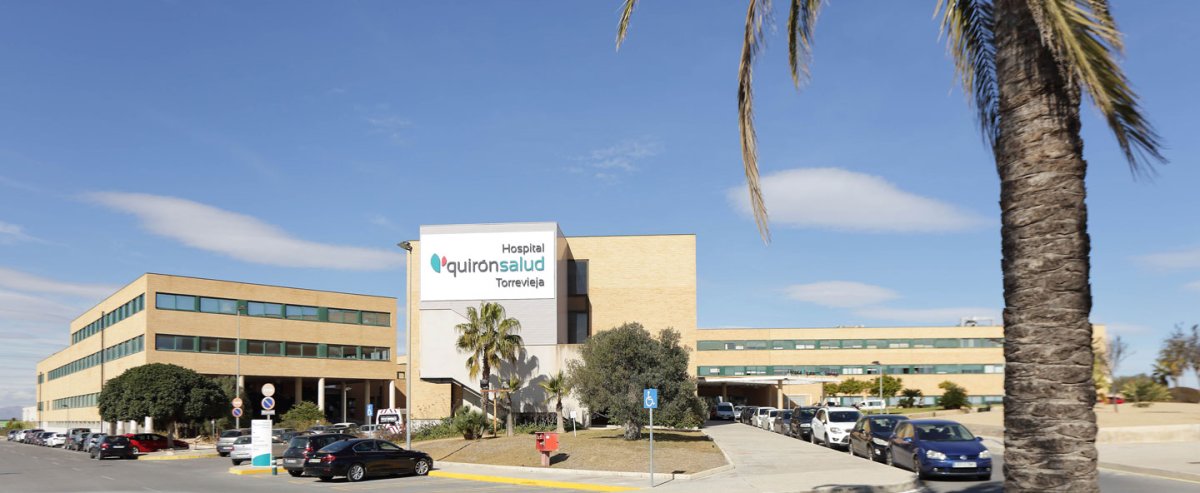
- Quironsalud Torrevieja, إسبانيا
- Quirónsalud Marbella, إسبانيا
- Quironsalud Madrid, إسبانيا
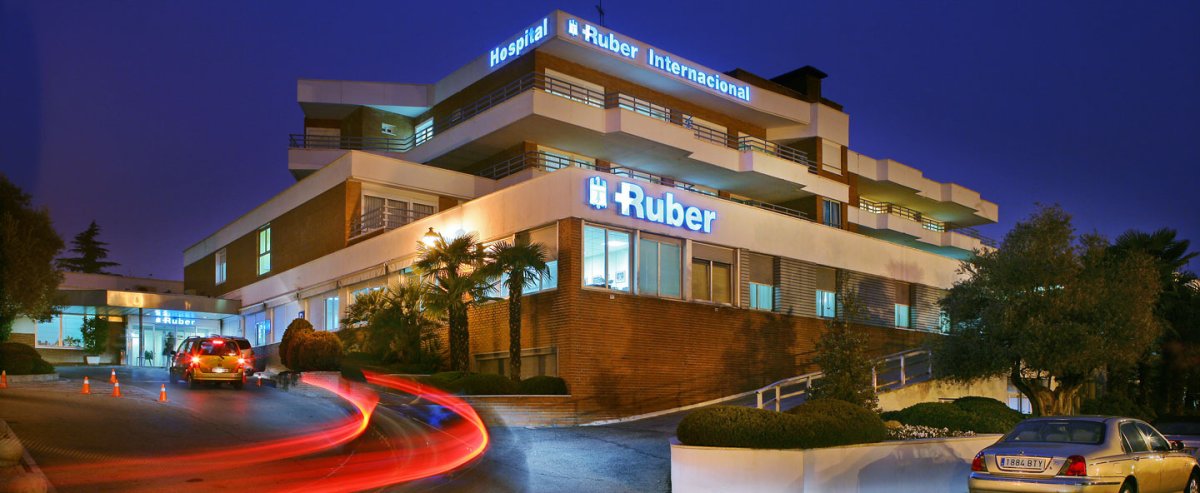
- مستشفى Ruber Internacional, إسبانيا
- SJD Barcelona Children’s Hospital, إسبانيا
- HM Hospitales, إسبانيا
- Clinica Universidad de Navarra (Navarra Hospital), إسبانيا
- Hospital HM Nou Delfos, إسبانيا
احصل على تقييم طبي لـ جراحة العمود الفقري في إسبانيا. استشر الآن 7 أطباء ذوي الخبرة.
عرض جميع الأطباء
Pablo Clavel
يقود الدكتور بابلو كلافيل قسم جراحة الأعصاب وجراحة العمود الفقري في معهد كلافيل، مستشفى كيرونسالود برشلونة، مع خبرة تزيد عن 20 عاماً.
- تلقى تدريبه في مؤسسات مرموقة بما في ذلك جامعة إيموري وجامعة كاليفورنيا في سان دييغو
- متخصص في الإجراءات المتقدمة مثل التحفيز العميق للدماغ ورأب الفقرات
- نشر أكثر من 26 ورقة بحثية في مجلات دولية
- يتقن لغات متعددة، مما يضمن تواصلًا واضحًا مع المرضى الدوليين
Roberto García Leal
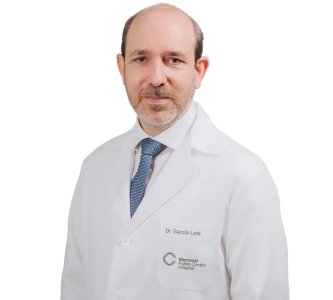
الدكتور روبرتو غارسيا ليال هو جراح أعصاب في مستشفى بوبليو كوردون التذكاري في مدريد. يعالج تمدد الأوعية الدموية الدماغية، ومرض مويامويا، وحالات أخرى لدى الأطفال والبالغين. كما يجري جراحات الأعصاب الوعائية والعمود الفقري.
يعمل الدكتور غارسيا ليال في منشأة معتمدة من اللجنة الدولية المشتركة (JCI) تضم أكثر من 100 طبيب في مختلف التخصصات الجراحية. يقوم الدكتور بإجراء عمليات استئصال أورام الدماغ، وجراحات تحويل السائل النخاعي لعلاج استسقاء الرأس، ويعالج مشاكل العمود الفقري التنكسية مثل اعتلال ال
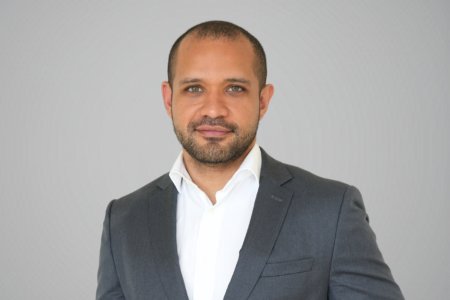

Drcovaro
يقدم الدكتور أوغوستو كوفارو تقنيات متقدمة في جراحة العمود الفقري إلى برشلونة، متخصصًا في العلاجات طفيفة التوغل لحالات العمود الفقري المعقدة.
- تدرب على جراحة العمود الفقري المعقدة من خلال زمالات تدريبية في الدنمارك والسويد
- خبير في علاج تضيق الفقرات القطنية، والانزلاق الغضروفي، والجنف
- مشارك نشط في أبحاث ومؤتمرات جراحة العمود الفقري الدولية
- يوفر رعاية شخصية في مستشفى جامعة كيرون-ديكسيوس
مشاركة المحتوى
قصص فيديو من مرضى Bookimed
 Anna Leonova
أسئلة متكررة حول جراحة العمود الفقري في إسبانيا
من سيجري جراحة العمود الفقري الخاصة بي وما هي مؤهلاتهم؟
يقوم جراحو الأعصاب أو جراحو العظام المتخصصون في العمود الفقري ذوو المؤهلات العالية بإجراء جراحات العمود الفقري في إسبانيا. يكمل هؤلاء المتخصصون عادةً من 11 إلى 13 عامًا من التدريب الطبي الصارم. غالبًا ما يحمل كبار الخبراء مثل الدكتور بابلو كلافيل في مستشفى كيرون برشلونة مؤهلات دولية من مؤسسات مرموقة مثل جامعة إيموري.
- أنواع المتخصصين: يتعامل جراحو الأعصاب مع المشكلات المتعلقة بالأعصاب، بينما يعالج جراحو العظام التشوهات الهيكلية المعقدة.
- التدريب السريري: يخضع الجراحون الإسبان لـ 5 سنوات من الإقامة الطبية (MIR) بعد الانتهاء من كلية الطب.
- مؤهلات الخبراء: غالبًا ما يكون كبار الأطباء أعضاء في الجمعية الأوروبية للعمود الفقري (Eurospine) أو الجمعية الإسبانية للعمود الفقري (GEER).
- حجم الحالات: يقوم المتخصصون ذوو الخبرة في المراكز الإسبانية الكبرى عادةً بإجراء أكثر من 500 عملية جراحية للعمود الفقري سنويًا.
رؤية خبير Bookimed: تظهر البيانات من الشبكات الإسبانية الكبرى مثل Quironsalud اتجاهًا نحو التخصص الدقيق. على سبيل المثال، أكمل الدكتور أوغستو كوفارو في مستشفى Quiron-Dexeus الجامعي زمالتين دوليتين منفصلتين في جراحة العمود الفقري المعقدة. غالبًا ما يضمن اختيار طبيب حاصل على زمالات متعددة في أمراض محددة مثل الجنف الوصول إلى تقنيات أكثر دقة وأقل توغلاً.
إجماع المرضى: يؤكد المرضى على ضرورة التأكد من الجراح المحدد الذي سيقود الإجراء. يلاحظ البعض أنه على الرغم من أن الجراحين النخبة يقدمون الاستشارة الأولية، إلا أن المساعدين قد
هل تتحدث الفرق الطبية الإنجليزية أو توفر خدمات الترجمة؟
غالبًا ما تتحدث الفرق الطبية في المستشفيات الخاصة الإسبانية الإنجليزية، خاصة الجراحين الكبار. توفر مرافق مثل Centro Médico Teknon وQuironsalud Torrevieja أقسامًا دولية متخصصة. تقدم هذه الفرق خدمات ترجمة ودعمًا متعدد اللغات لمساعدة المرضى في الاستشارات وإجراءات العمود الفقري المعقدة.
- التواصل مع الجراحين: العديد من المتخصصين، مثل الدكتور بابلو كلافيل، يتحدثون الإنجليزية بطلاقة.
- الأقسام الدولية: تقدم عيادات مثل Quironsalud Torrevieja دعمًا كاملاً للمرضى بلغات متعددة.
- خدمات الترجمة: يتوفر مترجمون فوريون محترفون للاجتماعات قبل الجراحة وعند الخروج من المستشفى.
- اختلافات الموظفين: قد يكون لدى موظفي الدعم والممرضين لغة إنجليزية محدودة أكثر من الجراحين.
رؤية خبير Bookimed: تظهر البيانات فجوة لغوية واضحة بين الطاقم الجراحي والإداري في إسبانيا. بينما تخدم عيادات مثل Hospital Ruber Internacional أكثر من 25,000 مريض سنويًا بدعم متعدد اللغات، غالبًا ما تظل فرق التمريض والعلاج الطبيعي تتحدث الإسبانية فقط. اختيار مرفق معتمد من JCI في برشلونة أو مدريد يضمن عادةً تواصلًا أكثر سلاسة أثناء التعافي.
إجماع المرضى: يشير المرضى إلى أنه على الرغم من أن الجراحين غالبًا ما يتحدثون الإنجليزية بطلاقة، فمن المفيد وجود مترجم للتفاعلات اليومية مع الممرضين. يوصي معظمهم بتنسيق الدعم اللغوي من خلال خدمة ثابتة قبل الوصول لإجراء الجراحة.
ما هي فترة الانتظار النموذجية لجراحة العمود الفقري؟
تختلف فترات الانتظار النموذجية لجراحة العمود الفقري في إسبانيا بشكل كبير بين أنظمة الرعاية الصحية العامة والخاصة. غالبًا ما تتطلب الإجراءات الاختيارية في القطاع العام من 6 إلى 12 شهرًا. توفر المستشفيات الخاصة وصولاً أسرع بكثير. يحصل المرضى بشكل متكرر على مواعيد للجراحة في غضون أسبوعين إلى 4 أسابيع في المرافق الخاصة.
- الانتظار في النظام العام: تواجه الحالات الاختيارية مثل استئصال القرص القطني عادةً طوابير انتظار تتراوح بين 6 إلى 9 أشهر.
- سرعة القطاع الخاص: غالبًا ما تقوم العيادات الخاصة بجدولة العمليات الجراحية في غضون 7 إلى 14 يومًا من الاستشارة.
- أولوية الحالات العاجلة: تتلقى حالات الطوارئ مثل متلازمة ذيل الفرس تدخلًا جراحيًا في غضون يوم إلى 3 أيام.
- الاختلاف الإقليمي: يمكن أن تصل فترات الانتظار في الأندلس إلى 18 شهرًا. يبلغ متوسط الانتظار في فالنسيا من 4 إلى 6 أشهر.
رؤية خبراء Bookimed: غالبًا ما تعمل المراكز ذات الحجم الكبير مثل Centro Médico Teknon أو Quironsalud Madrid على تبسيط التشخيص لتقليل إجمالي فترات الانتظار. تجري هذه المرافق أكثر من 23,000 عملية سنويًا. تسمح بنيتها التحتية المتكاملة للمرضى بإكمال فحوصات الرنين المغناطيسي واستشارات المتخصصين في نفس اليوم. يمكن لهذه الكفاءة أن تقلل مرحلة التخطيط قبل الجراحة بعدة أسابيع مقارنة بالعيادات الأصغر.
إجماع المرضى: يشير المرضى إلى أن الحصول على رنين مغناطيسي خاص يمكن أن يسرع عملية الإحالة بشكل كبير. يؤكد الكثيرون على أهمية توثيق مستويات الألم بدقة لمساعدة المتخصصي
كم من الوقت يجب أن أبقى في إسبانيا بعد الجراحة؟
عادة ما يبقى المرضى في إسبانيا لمدة 7 إلى 14 يوماً بعد جراحة العمود الفقري لضمان التعافي الآمن. قد تسمح الإجراءات البسيطة مثل استئصال القرص بالمنظار بالسفر في غضون 3 إلى 5 أيام. تتطلب الحالات الكبرى مثل دمج الفقرات ما لا يقل عن 10 أيام قبل الطيران لتقليل المضاعفات.
- الإقامة في المستشفى: توقع البقاء من 2 إلى 5 أيام في المستشفى اعتماداً على تعقيد الجراحة وسرعة التعافي.
- فترة التعافي: غالباً ما يفرض الجراحون 7 أيام من المراقبة المحلية للكشف عن العدوى والتئام الجروح.
- سلامة الطيران: الإقامة لمدة 10 أيام هي المعيار لمرضى دمج الفقرات لتقليل مخاطر جلطات الدم.
- رعاية المتابعة: تتم إزالة الغرز الأولية وتقييمات الحركة في غضون الأسبوعين الأولين.
رؤية خبير Bookimed: غالباً ما تطبق العيادات الإسبانية مثل Centro Médico Teknon بروتوكولات خروج أكثر تحفظاً من المراكز الطبية الأخرى. بينما تقوم بعض المناطق بتسريح المرضى بعد 48 ساعة، غالباً ما يطلب جراحو الأعصاب الإسبان أسبوعاً كاملاً من المراقبة المحلية. وهذا يضمن استقرار العلامات الحيوية ويمنع إعادة الإدخال الطارئ للمشاكل المتأخرة مثل تسرب السائل النخاعي.
إجماع المرضى: يلاحظ المرضى أن البقاء بالقرب من العيادة لبضعة أيام إضافية يوفر راحة البال. يقترح الكثيرون حجز شقة قريبة لمدة أسبوع على الأقل للتعامل مع التصريح الجراحي النهائي براحة.
هل يمكنني استشارة الجراح عن بُعد قبل السفر؟
يمكن للمرضى استشارة جراحي العمود الفقري الإسبان عن بُعد عبر منصات الفيديو قبل السفر. تقدم عيادات مثل Centro Médico Teknon وClinica Universidad de Navarra خدمات الطب عن بُعد للحالات الدولية. يساعد هذا في مراجعة فحوصات الرنين المغناطيسي وتحديد ما إذا كنت مرشحاً لإجراءات مثل جراحة الانزلاق الغضروفي.
- تكلفة الاستشارة: تتراوح جلسات المتخصصين الافتراضية عادةً بين من $400.
- الخدمات عن بُعد: يوفر Centro Médico Teknon استشارات عبر الإنترنت خصيصاً للمرشحين الدوليين للجراحة.
- مشاركة البيانات: يقوم الجراحون بمراجعة نتائج الرنين المغناطيسي والأشعة المقطعية عبر بوابات آمنة قبل إجراء المكالمات.
- الوصول إلى الخبراء: يمكن للمرضى التواصل مع متخصصين مثل الدكتور بابلو كلافيل الذين يتحدثون لغات متعددة.
رؤية خبير Bookimed: غالباً ما تستخدم العيادات الإسبانية ذات الحجم الكبير من المرضى الدوليين الطب عن بُعد لتصفية الحالات المعقدة في وقت مبكر. تُظهر البيانات أن مؤسسات مثل Clinica Universidad de Navarra، التي عالجت أكثر من 700,000 مريض دولي، تستفيد من الذكاء الاصطناعي والتصوير الرقمي لتقديم تقييمات دقيقة عن بُعد. غالباً ما تقلل هذه العملية من الوقت الفعلي المستغرق في إسبانيا للتشخيص.
إجماع المرضى: يجد المرضى أن مكالمات الفيديو عبر Zoom أو WhatsApp فعالة لتأكيد الجراحة. يشير البعض إلى أنه على الرغم من أن الاجتماعات الافتراضية توفر الوقت، إلا أن الفحص الشخصي عند الوصول لا يزال مطلوباً وقد يتضمن رسوماً منفصلة
هل يتم توفير رعاية لاحقة بعد عودتي إلى المنزل؟
تتضمن الرعاية اللاحقة لجراحة العمود الفقري في إسبانيا تخطيطًا منظمًا للخروج. توفر المستشفيات متابعة سريرية، ولكن عادة ما يتم ترتيب إعادة التأهيل في المنزل بشكل منفصل. تنسق المرافق الإسبانية مثل Centro Médico Teknon مراجعات جراحة الأعصاب المتخصصة. يعود المرضى عادةً لإجراء تقييمات جراحية بعد أسبوعين إلى 4 أسابيع.
- التعافي المتخصص: يوفر مركز الميكانيكا الحيوية التابع للدكتور بلوم برامج تجديد ودورة دموية خاصة.
- جدول المتابعة: يقوم الجراحون عادةً بمراجعة التقدم على فترات 2 و 8 و 12 أسبوعًا.
- الوصول إلى إعادة التأهيل: تعقد عيادات مثل مستشفى HM Nou Delfos شراكات مع متخصصين في إعادة التأهيل العصبي.
- دعم متعدد اللغات: يقدم Quironsalud Torrevieja دعمًا كاملاً للمرضى الدوليين أثناء التعافي.
رؤية خبير Bookimed: غالبًا ما تستخدم مراكز العمود الفقري الإسبانية ذات أحجام المرضى الكبيرة، مثل شبكة Quironsalud، بروتوكولات معتمدة من JCI للخروج. تقدم هذه العيادات بشكل متكرر استشارات عبر الإنترنت بعد الجراحة. يسمح هذا النمط للمرضى الدوليين بتلقي ملاحظات من جراحين خبراء من بلدهم الأصلي. وهذا يقلل بشكل كبير من الحاجة إلى السفر المتكرر خلال مرحلة التعافي المبكرة الحساسة.
إجماع المرضى: يشير المرضى إلى أنه على الرغم من أن المستشفيات تقدم أوراقًا واضحة للعناية بالجروح، إلا أن ترتيب العلاج الطبيعي الخاص بك مسبقًا أمر حيوي. يجد الكثيرون أنهم بحاجة إلى زيارة طبيبهم المحلي لتجديد الوصفات الطبية لأن الجراحين عادة ما يقدمون الوصفات الأولية فقط.
ما هي المدن الإسبانية الأكثر شهرة بمراكز جراحة العمود الفقري المتخصصة؟
تعد برشلونة ومدريد المركزين الرئيسيين لجراحة العمود الفقري المتخصصة في إسبانيا. تضم هذه المدن مراكز معتمدة من اللجنة الدولية المشتركة (JCI) مثل Centro Médico Teknon و Hospital Ruber Internacional. وهي متخصصة في الإجراءات المساعدة بالروبوت وتصحيحات الجنف المعقدة. كما توفر بامبلونا وماربيلا خبرات متقدمة في جراحة الأعصاب وإعادة التأهيل.
- برشلونة: يخدم Centro Médico Teknon 10,000 مريض سنوياً في مجالات جراحة الأعصاب وجراحة العظام المتقدمة.
- مدريد: يوفر Hospital Ruber Internacional و Quironsalud Madrid رعاية عالية المستوى لحالات العمود الفقري المعقدة.
- بامبلونا: Clinica Universidad de Navarra حاصلة على اعتماد JCI وتتعامل مع حالات أورام العمود الفقري المتقدمة.
- ماربيلا: يركز مركز الميكانيكا الحيوية للدكتور بلوم على إعادة تأهيل العمود الفقري المتخصص باستخدام 60 براءة اختراع.
رؤية خبراء Bookimed: غالباً ما تخدم عيادات برشلونة مثل Centro Médico Teknon رياضيين رفيعي المستوى. هذا الحجم من الحالات النخبوية يؤدي إلى تركيز كبار الجراحين في مدينة واحدة. اختيار هذه المراكز يعني غالباً الوصول إلى أطباء لديهم خبرة في أكثر من 23,000 عملية جراحية سنوياً. وهذا يضمن التعرض لأندر مضاعفات العمود الفقري.
إجماع المرضى: يشير المرضى إلى أن المراكز الخاصة في برشلونة ومدريد توفر جدولة أسرع بكثير من الأنظمة العامة. يؤكد الكثيرون على أهمية حجز جراحين ثنائيي اللغة لضمان تواصل واضح خلال مراحل التعافي المعقدة.
ما هي إجراءات العمود الفقري التي يمكن إجراؤها باستخدام تقنيات طفيفة التوغل في إسبانيا؟
تقوم المراكز الطبية الإسبانية بإجراء العديد من عمليات العمود الفقري باستخدام تقنيات طفيفة التوغل، بما في ذلك استئصال القرص بالمنظار، ورأب الحدبة، واستئصال القرص المجهري. يستخدم الجراحون شقوقاً صغيرة وأدوات متخصصة لعلاج الانزلاق الغضروفي، وتضيق العمود الفقري، وكسور الفقرات. هذه الأساليب المتقدمة تقلل بشكل كبير من تلف العضلات وتسرع أوقات تعافي المرضى.
- جراحة الانزلاق الغضروفي: إزالة مادة القرص بالمنظار أو المجهر من خلال شقوق بحجم 1 سم.
- الدمج طفيف التوغل: تثبيت الفقرات باستخدام براغي وقضبان عن طريق الجلد لعلاج عدم استقرار العمود الفقري.
- رأب الحدبة: تثبيت كسور انضغاط الفقرات عن طريق حقن إسمنت العظام تحت توجيه الأشعة السينية.
- استئصال الصفيحة الفقرية: تخفيف الضغط عن القناة الشوكية لعلاج التضيق مع الحد الأدنى من اضطراب الأنسجة.
- علاج الجنف: توفر الأنظمة المتقدمة مثل ApiFix تصحيحاً بدون دمج لانحناءات معينة في العمود الفقري.
رؤية خبير Bookimed: تظهر البيانات أن عيادات مثل Centro Médico Teknon وClinica Universidad de Navarra تجذب مرضى رفيعي المستوى بسبب معايير السلامة المعتمدة من قبل JCI. غالباً ما تدمج هذه المراكز الأنظمة الروبوتية والذكاء الاصطناعي، والتي تظهر سجلاتنا أنها مفضلة من قبل المرضى الذين يبحثون عن أعلى درجات الدقة في جراحة الأعصاب المعقدة. في إسبانيا، يؤدي اختيار منشأة خاصة عادةً إلى تجاوز قوائم الانتظار التي تصل إلى 6 أشهر والشائعة في الأنظمة العامة لإجراءات العمود الفقري الاختيارية.
إجماع المر
ما هي الجداول الزمنية النموذجية للتعافي وإعادة التأهيل للمرضى الدوليين؟
عادةً ما يبقى مرضى جراحة العمود الفقري الدوليون في إسبانيا في المستشفى لمدة تتراوح بين يومين إلى 5 أيام. عادة ما يكون السفر بالطائرة إلى الوطن آمنًا بعد 7 إلى 14 يومًا. غالبًا ما يتطلب التعافي الكامل من الإجراءات المعقدة مثل دمج الفقرات أو علاج الجنف من 6 إلى 12 شهرًا من إعادة التأهيل التدريجي.
- الإقامة في المستشفى: تستمر المراقبة الأولية بعد الجراحة عادةً من يومين إلى 5 أيام في المرافق الإسبانية.
- تصريح السفر: ينتظر المرضى عمومًا من 7 إلى 14 يومًا قبل السفر بالطائرة لإدارة مخاطر تخفيف الضغط.
- الحركة المبكرة: يتم تشجيع المشي في نفس يوم الجراحة لمنع تجلط الدم.
- العلاج الطبيعي: غالبًا ما تبدأ إعادة التأهيل المكثف عن بُعد أو محليًا بين شهر و 3 أشهر.
- التعافي الكامل: عادةً ما يكتمل اندماج العظام والاستقرار الهيكلي في غضون 6 إلى 12 شهرًا.
رؤية خبير Bookimed: تُظهر البيانات وجود صلة قوية بين نهج إسبانيا «الخالي من المخدرات» والحركة المبكرة الأسرع. تؤكد عيادات مثل Centro Médico Teknon على بروتوكولات المشي الفوري. غالبًا ما تؤدي هذه الممارسة إلى وصول المرضى إلى 10,000 خطوة يوميًا بحلول الشهر الثاني، متجاوزة بشكل كبير متوسطات التعافي القياسية.
إجماع المرضى: يشير المرضى إلى أنه على الرغم من أن المشي يبدأ على الفور تقريبًا، يجب أن تخطط للبقاء في إسبانيا لمدة أسبوعين على الأقل. من المفيد ترتيب جميع وسائل المساعدة على الحركة قبل السفر إلى الوطن لضمان انتقال سلس إلى الحياة المستقلة.
هل أحتاج إلى تأشيرة طبية، وكم من الوقت يمكنني البقاء لإجراء جراحة العمود الفقري؟
يحتاج مواطنو الدول غير الأعضاء في الاتحاد الأوروبي عادةً إلى تأشيرة شنغن (النوع C) لإجراء جراحة العمود الفقري في إسبانيا. تسمح هذه التأشيرة بالإقامة لمدة تصل إلى 90 يوماً. يجب عليك تقديم دعوة رسمية من العيادة وإثبات للدعم المالي. غالباً ما يدخل مواطنو المملكة المتحدة والولايات المتحدة بتصاريح سياحية قياسية للعلاجات الأقصر.
- الإقامة في المستشفى: توقع قضاء من 2 إلى 5 أيام في المستشفى لمعظم الإجراءات.
- المدة الإجمالية: يوصي المتخصصون بالتخطيط لإقامة إجمالية تتراوح بين 4 إلى 6 أسابيع من أجل تعافٍ آمن.
- تمديد التأشيرة: يمكن للمستشفيات المساعدة في تسهيل التمديدات إذا كانت الضرورة الطبية تتطلب إقامة أطول.
- سلامة السفر: ينصح الجراحون بالانتظار لمدة شهر واحد على الأقل قبل السفر جواً لمنع حدوث جلطات دموية.
رؤية خبراء Bookimed: تدير العيادات الإسبانية مثل Centro Médico Teknon أو Quironsalud Torrevieja أكثر من 10,000 مريض دولي سنوياً. تتعامل أقسامهم المخصصة مع خطابات دعوة التأشيرة بشكل أسرع بكثير من المستشفيات العامة. غالباً ما يؤدي اختيار منشأة معتمدة من اللجنة الدولية المشتركة (JCI) في برشلونة أو مدريد إلى تبسيط عملية التوثيق للمسافرين لأغراض طبية.
إجماع المرضى: يشير المرضى إلى أن العيادات الخاصة في برشلونة فعالة جداً في التعامل مع الأوراق. يقترح الكثيرون تخصيص ميزانية للعلاج الطبيعي المحلي لأنه غالباً ما يطيل فترة الإقامة ولكنه يحسن النتائج النهائية.