زرع نظام ApiFix في تركيا — احصل على 3 عيادات مطابقة مع التكاليف


تمت مراجعة المقالة طبيا من قبل
فهد مولود
ما هي تكلفة زرع نظام ApiFix في تركيا؟ اكتشف الآن
من $30,000. يعتمد السعر النهائي على مستوى العيادة، والمدينة، وخبرة الجراح في تصحيح الجنف. تشمل الباقات عادةً الغرسة، والجراحة، وإقامة عدة ليالٍ في المستشفى، وتنقّلات المطار.
- مدة الإقامة في المستشفى: تتضمن الباقات القياسية غالباً خمس ليالٍ في المستشفى وثلاث ليالٍ في فندق.
- الأدوات الجراحية المتخصصة: قد يؤدي استخدام التصوير ثلاثي الأبعاد أو الملاحة العصبية إلى زيادة تكلفة الإجراء بنسبة 10-15%.
- موقع المدينة: عادة ما تكون الأسعار في إسطنبول أو أنقرة أعلى منها في المراكز الطبية الإقليمية الصغيرة.
- أقدمية الجراح: يتقاضى الأساتذة الذين يمتلكون خبرة تتجاوز 30 عاماً أجراً أعلى للحالات المعقدة.
رأي خبراء Bookimed: يوفر اختيار باقة شاملة أفضل قيمة مقابل السعر للمرضى الدوليين. على سبيل المثال، تقدم مستشفى أداتيب الدولي باقة بحوالي 15,000 $. تشمل هذه الباقة الجراحة على يد دكتور أوركون كوبان وإقامة لمدة ثماني ليالٍ. يضمن اختيار مرافق معتمدة من JCI مثل ميموريال شيشلي معايير سلامة عالية مع الحفاظ على وفورات مالية كبيرة في السوق الطبي التركي.
المزايا الرئيسية
لماذا يختار المرضى تركيا لزراعة نظام ApiFix؟
- عيادات معتمدة: المستشفيات المعتمدة من JCI والمراكز المعتمدة من وزارة الصحة التركية تضمن رعاية عالية الجودة.
- أحدث التقنيات: نظام ApiFix هو جهاز طفيف التوغل لتصحيح الجنف. يتضمن تقنيات مثل جهاز تصحيح الجنف القصير المحيط، مما يضمن علاجًا فعالًا.
- معدلات نجاح عالية: يظهر زراعة نظام ApiFix معدل فعالية بنسبة 85% في تحسين انحناء العمود الفقري في حالات الجنف المجهول السبب لدى المراهقين.
- جراحون خبراء: يعتبر الجراحون الأرثوبيون الرائدون، مثل البروفيسور مصطفى أوزدمير، من ذوي الخبرة التي تزيد عن 20 عامًا. لقد قاموا بإجراء العديد من عمليات زراعة ApiFix الناجحة، مدعومين بتدريب واسع وشهادات متخصصة.
احصل على حلول متقدمة لزراعة نظام ApiFix في عيادات موثوقة من $30,000.
| تركيا | إسبانيا | ألمانيا | |
|---|---|---|---|
| زرع نظام ApiFix | من $30,000 | ≈ $17,500 | ≈ $22,000 |
مزاياك وضماناتك مع Bookimed
أسعار مباشرة
Bookimed لا يضيف رسوماً إضافية على أسعار زرع نظام ApiFix. الأسعار مأخوذة من قوائم الأسعار الرسمية للعيادات. تدفع مباشرة في العيادة مقابل زرع نظام ApiFix عند وصولك.
عيادات وأطباء معتمدون فقط
Bookimed ملتزم بسلامتك. نحن نعمل فقط مع المؤسسات الطبية التي تحافظ على معايير دولية عالية في زرع نظام ApiFix ولديها التراخيص اللازمة لخدمة المرضى الدوليين في جميع أنحاء العالم.
مساعدة مجانية على مدار الساعة
Bookimed يقدم مساعدة خبراء مجانية. منسق طبي شخصي يدعمك قبل وأثناء وبعد العلاج، ويحل أي مشاكل. لن تكون وحيداً أبداً في رحلة زرع نظام ApiFix.

منسقك الطبي الشخصي في Bookimed
- يدعمك في كل مرحلة
- المساعدة في اختيار العيادة الطبية المناسبة والطبيب المناسب
- يضمن الوصول السريع والمريح إلى المعلومات
اكتشف أفضل زرع نظام ApiFix العيادات في تركيا: 19 خيارات معتمدة والأسعار




Fizyomer Terapia Physical Therapy and Rehabilitation & Aesthetic & Dental Medical Center




Memorial Ankara Hospital



نظرة عامة على زرع نظام ApiFix في تركيا
- العلاج الجراحي للجنف - من $15,000
يصحح هذا العلاج انحناء العمود الفقري ، ويتضمن وضع المسامير والقضبان ويحسن الوضع والتنفس.
- العلاج المحافظ لحالات الجنف - من $2,500
يهدف هذا العلاج إلى إدارة انحناء العمود الفقري بدون جراحة ، وذلك باستخدام الأقواس والعلاج الطبيعي والتمارين الرياضية. إنها أقل خطورة وخطورة.
- زرع نظام ApiFix - من $30,000
يتضمن الإجراء جراحة طفيفة التوغل لتصحيح انحناء العمود الفقري باستخدام قضيب مرن للحركة الطبيعية.
اليوم 1:
- الوصول إلى البلاد والتوجه إلى الفندق.
- استرح واستعد لاستشارة اليوم التالي.
اليوم الثاني:
- توجه إلى العيادة للاستشارة قبل العملية.
- قابل أخصائي العظام لإجراء الفحص البدني.
- الخضوع للفحوصات الطبية اللازمة ، مثل الأشعة السينية وفحوصات الدم.
يوم 3:
- الحصول على نتائج الفحوصات الطبية التي أجريت أمس.
- قابل طبيب التخدير لمناقشة خيارات التخدير.
اليوم الرابع:
- إجراء جراحة زرع نظام ApiFix.
- يتم إعطاء التخدير العام.
- مدة الجراحة حوالي 2-3 ساعات.
يوم 5:
- بعد العملية ، ابق في العيادة للمراقبة.
- قابل أخصائي تقويم العظام للحصول على استشارة ما بعد الجراحة.
الأسبوع 1:
- يستمر التعافي في العيادة أو في الفندق.
- ابدأ تمارين حركية خفيفة حسب إرشادات المختص.
الأسبوع 2-4:
- تواصل مع تمارين إعادة التأهيل الموصى بها.
- زيادة مستويات النشاط البدني تدريجيًا.
الأسبوع السادس:
- عادة ما تكون العودة إلى العمل ممكنة بحلول هذا الوقت.
الأسبوع الثامن:
- العودة التدريجية لممارسة الرياضة والأنشطة الأخرى.
الأسبوع 12:
- من المتوقع رؤية النتيجة النهائية للجراحة.
يرجى ملاحظة أن الجدول الزمني للتعافي لكل مريض قد يختلف بناءً على الظروف الفردية.
- إيداع Bookimed: 200 دولار أو 200 يورو.
- وديعة العيادة: ادفع نسبة محددة مقدمًا.
احصل على تقييم طبي لـ زرع نظام ApiFix في تركيا. استشر الآن 38 أطباء ذوي الخبرة.
عرض جميع الأطباء
Susana Akdash
متخصص في علاجات زراعة الأسنان عالية التقنية، بما في ذلك زراعة نظام ApiFix، مع التركيز على الجماليات والوظائف.
- تخرج من جامعة إيجه بأطروحة حول أطقم الأسنان المزروعة والجماليات
- أكمل العديد من الدورات المتقدمة في زراعة الأسنان وتصميم الابتسامة الرقمي
- خبير في تقنيات زراعة الأسنان all-on-4 و all-on-6 و all-on-2
- حضر مؤتمرات وندوات طب الأسنان الدولية للتعلم المستمر

Bahtiyar Demiralp
يتمتع الدكتور ديميرالب بخبرة واسعة في جراحة الأورام العظمية وجراحة الإصابات، مع تدريب متخصص في عيادة مايو.
- أكثر من _doctor_8065_ سنوات من الخبرة في جراحة العظام والإصابات
- متخصص في تقنيات التثبيت الخارجي للحالات المعقدة
- عضو في العديد من جمعيات جراحة العظام المرموقة بما في ذلك TOTBİD و TMSTS
- أستاذ مشارك في برنامج الدراسات العليا لجراحة أورام العظام والإصابات

Erman Cekic
يتخصص الدكتور تشيكيتش في جراحة العمود الفقري، وقد أجرى العديد من إجراءات المفاصل والغضاريف، بما في ذلك التقنيات المتقدمة مثل علاجات الخلايا الجذعية.
- أجرى أكثر من 10,000 عملية استبدال لمفصل الركبة والورك
- تدرب على جراحة المفاصل والغضاريف في جامعة دوكوز إيلول
- خبير في العلاجات غير الجراحية وإعادة التأهيل بعد العمليات الجراحية
- حضر العديد من المؤتمرات الدولية حول جراحة المفاصل والغضاريف

Ismail Eser Bolat
مع _doctor_1855_سنوات_ من الخبرة العملية، يتخصص إسماعيل إيسر بولات في زراعة نظام ApiFix.
- تخرج من كلية طب الأسنان بجامعة مرمرة
- تدريب متقدم في جامعة كاليفورنيا، قسم جراحة الفم والوجه والفكين
- حضر الندوة السنوية الثانية لطب الأسنان
قصص فيديو من مرضى Bookimed
المراجعات
جميع المراجعات
مشاركة المحتوى
 Anna Leonova
أسئلة متكررة حول زرع نظام ApiFix في تركيا
من هو المرشح لإجراء ApiFix؟
المرشح المثالي لإجراء ApiFix هو مراهق يتراوح عمره بين 10 و 17 عامًا تم تشخيصه بالجنف المجهول السبب لدى المراهقين. يجب أن يكون لديه انحناء رئيسي واحد مرن يتراوح بين 35 و 60 درجة. يعمل هذا النظام كبديل يحافظ على الحركة بدلاً من جراحة دمج العمود الفقري التقليدية.
- نوع الانحناء: يجب أن يكون انحناءً صدريًا أو صدريًا قطنيًا من نوع Lenke 1 أو Lenke 5.
- المرونة: يجب أن يقل انحناء العمود الفقري إلى 30 درجة أو أقل أثناء اختبارات الانحناء الجانبي.
- جودة العظام: يحتاج المرضى إلى درجة T-score أعلى من -1.5 لضمان بقاء الغرسة آمنة.
- نمو الهيكل العظمي: أكثر فعالية للأطفال الذين ينمون، وتحديدًا أولئك الذين في مرحلة Risser من 0 إلى 2.
رؤية خبير Bookimed: بينما تشير الإرشادات العالمية إلى انحناءات تصل إلى 60 درجة، تحدد عيادات مثل مستشفى Memorial Şişli وLokman Hekim نطاق 45 إلى 55 درجة كنقطة النجاح المثالية. يعطي جراحون مثل الدكتور Orkun Koban الأولوية للمرضى الذين فشلوا في استخدام الدعامة الخارجية ولكنهم لا يزالون يحتفظون بحركة كبيرة في العمود الفقري.
إجماع المرضى: غالبًا ما تختار العائلات هذا الإجراء بدلاً من الدمج للحفاظ على حركة العمود الفقري، على الرغم من أن الكثيرين يؤكدون على أهمية التدخل المبكر قبل أن تتجاوز الانحناءات 60 درجة. يقدر المرضى عادةً فترات الإقامة في المستشفى الأقصر التي تبلغ 5 أيام مقارنة بالجراحات المفتوحة التقليدية.
ما هي المخاطر أو المضاعفات المحتملة لـ ApiFix؟
تحمل عملية زرع نظام ApiFix مخاطر تشمل إزاحة الغرسة، والفشل الميكانيكي لآلية السقاطة، والحاجة المحتملة لجراحة مراجعة. على الرغم من أنه أقل توغلاً من دمج الفقرات، إلا أن مضاعفات مثل ارتخاء البراغي، أو فقدان العظام الموضعي، أو تفاقم الانحناء قد تتطلب تحويل العلاج إلى دمج العمود الفقري التقليدي.
- الفشل الميكانيكي: يمكن أن ينكسر القضيب الديناميكي أو البراغي، أو ترتخي، أو تتحرك بمرور الوقت.
- جراحة المراجعة: قد يحتاج ما بين 12% إلى 18% من المرضى إلى إجراء تصحيحي ثانوي.
- قيود النشاط: يجب على المرضى تجنب الرياضات عالية التأثير مثل الجمباز أو التجديف لحماية الأجهزة.
- المخاطر البيولوجية: احتمالية حدوث عدوى في موقع الجراحة أو تراكم الحطام المعدني في الأنسجة المحيطة.
رؤية خبير Bookimed: تظهر البيانات من مراكز تركية رائدة مثل "لقمان حكيم" اتجاهاً نحو الجمع بين ApiFix وفحوصات كثافة العظام المحددة. يؤكد جراحون مثل الدكتور أوركون كوبان على هذه الفحوصات قبل الجراحة لأن معظم حالات هجرة الغرسات المبلغ عنها تحدث عندما تكون جودة العظام الأساسية غير كافية لدعم توتر الجهاز.
إجماع المرضى: غالباً ما يبلغ المرضى عن شعور مستمر بعدم الراحة أو إحساس بالتحرك بعد أشهر من الجراحة. يؤكد الكثيرون على أهمية تخصيص ميزانية لرحلة عودة محتملة إذا كشفت صور المتابعة أن الأجهزة قد ارتخت.
كيف يختلف نظام ApiFix عن دمج الفقرات التقليدي؟
ApiFix هو علاج للجنف يحافظ على الحركة ويستخدم قضيباً واحداً ذاتي الضبط ليعمل كدعامة داخلية. على عكس دمج الفقرات التقليدي، الذي يربط الفقرات بشكل دائم في كتلة عظمية صلبة، يسمح نظام ApiFix باستمرار نمو العمود الفقري والمرونة الطبيعية بعد الجراحة.
- النهج الجراحي: تستغرق الإجراءات متوسطة المدى من 2 إلى 3 ساعات باستخدام شقوق أصغر مقارنة بجراحات الدمج الأطول.
- نقاط التثبيت: يستخدم الجراحون عادةً 3 براغي فقط، بينما يتطلب الدمج التقليدي غالباً 10 براغي أو أكثر.
- الحفاظ على الحركة: تحافظ المفاصل متعددة المحاور في القضيب على حركة العمود الفقري بدلاً من تثبيت العمود الفقري بشكل صلب.
- عكس النظام: غالباً ما تتم إزالة القضبان بعد عام إلى عامين بمجرد استقرار تصحيح العمود الفقري.
رؤية خبير Bookimed: بينما يعتبر الدمج التقليدي دائماً، تم تصميم نظام ApiFix كدعامة داخلية مؤقتة صديقة للنمو. تظهر البيانات أن عيادات مثل مستشفى Adatip الدولي تقدم باقات تشمل إقامة في المستشفى لمدة 5 أيام، وهي فترة أطول من المتوسط في الولايات المتحدة. يتيح هذا الوقت الإضافي للجراحين مراقبة المراحل المبكرة لآلية التصحيح قبل الخروج.
إجماع المرضى: يقدر المرضى جدول التعافي الأسرع بشكل ملحوظ، والذي يستغرق أسابيع بدلاً من أشهر. يقترح الكثيرون تخصيص ميزانية لسفر المتابعة لأن تصحيح القضيب يتطلب غالباً مراقبة من قبل متخصصين على دراية بالجهاز.
ما هو الجدول الزمني للتعافي بعد جراحة ApiFix؟
يحقق معظم المرضى تعافياً كاملاً من جراحة ApiFix في غضون 3 إلى 6 أشهر. يسمح هذا الإجراء طفيف التوغل، والذي لا يتضمن دمج الفقرات، بشفاء أسرع بكثير من جراحة دمج الفقرات التقليدية. عادة ما يعود المرضى إلى المدرسة أو العمل المكتبي الخفيف في غضون 2 إلى 4 أسابيع مع الحفاظ على مرونة العمود الفقري.
- الإقامة في المستشفى: توقع الخروج في غضون 2 إلى 5 أيام بعد الإجراء.
- الحركة الفورية: يشجع الجراحون على المشي في غضون 24 ساعة لمنع تصلب العضلات.
- الالتزام بالمشد: غالباً ما يرتدي المرضى مشداً لمدة 23 ساعة يومياً لعدة أسابيع.
- الأنشطة الرياضية: تبدأ التمارين منخفضة التأثير في الأسبوع السادس، مع ممارسة الرياضة الكاملة بحلول الشهر السادس.
رؤية خبير Bookimed: على الرغم من أن التعافي سريع، إلا أن العيادات التركية مثل مستشفى Adatip الدولي غالباً ما تتضمن إقامات أطول في المستشفى لمدة 5 أيام مقارنة بمتوسط الولايات المتحدة. تضمن هذه المراقبة الموسعة من قبل متخصصين مثل الدكتور أوركون كوبان أن آلية السقاطة تتمدد بشكل صحيح قبل أن يبدأ المريض رحلة العودة الدولية إلى المنزل.
إجماع المرضى: يبلغ العديد من المرضى عن زيادة فورية في الثقة بالنفس، مشيرين إلى أنهم اكتسبوا ما يصل إلى بوصتين (حوالي 5 سم) في الطول بعد التصحيح بفترة وجيزة. يعتمد النجاح بشكل كبير على اتباع جدول ارتداء المشد الصارم والعلاج الطبيعي خلال الأشهر الثلاثة الأولى.
ما هي العيادات والأطباء في تركيا المتخصصون في إجراء ApiFix؟
توفر تركيا زراعة متقدمة لنظام ApiFix من خلال شبكة من المستشفيات المعتمدة من قبل اللجنة الدولية المشتركة (JCI) في إسطنبول وأنقرة وأنطاليا. يقدم جراحون متخصصون مثل الدكتور أوركون كوبان في مستشفى أداتيب الدولي والبروفيسور محمد أيدوغان في ميموريال شيشلي هذا البديل طفيف التوغل وغير المعتمد على الدمج لعلاج الجنف مجهول السبب لدى المراهقين.
- العيادات المتخصصة: توفر مستشفيات ميموريال شيشلي، وأداتيب الدولي، ومستشفى جامعة ميديبول ميجا مراكز متخصصة للعمود الفقري.
- الجراحون الخبراء: يتخصص الدكتور أوركون كوبان والبروفيسور إركان كابتان أوغلو في الجنف والجراحة بالمنظار.
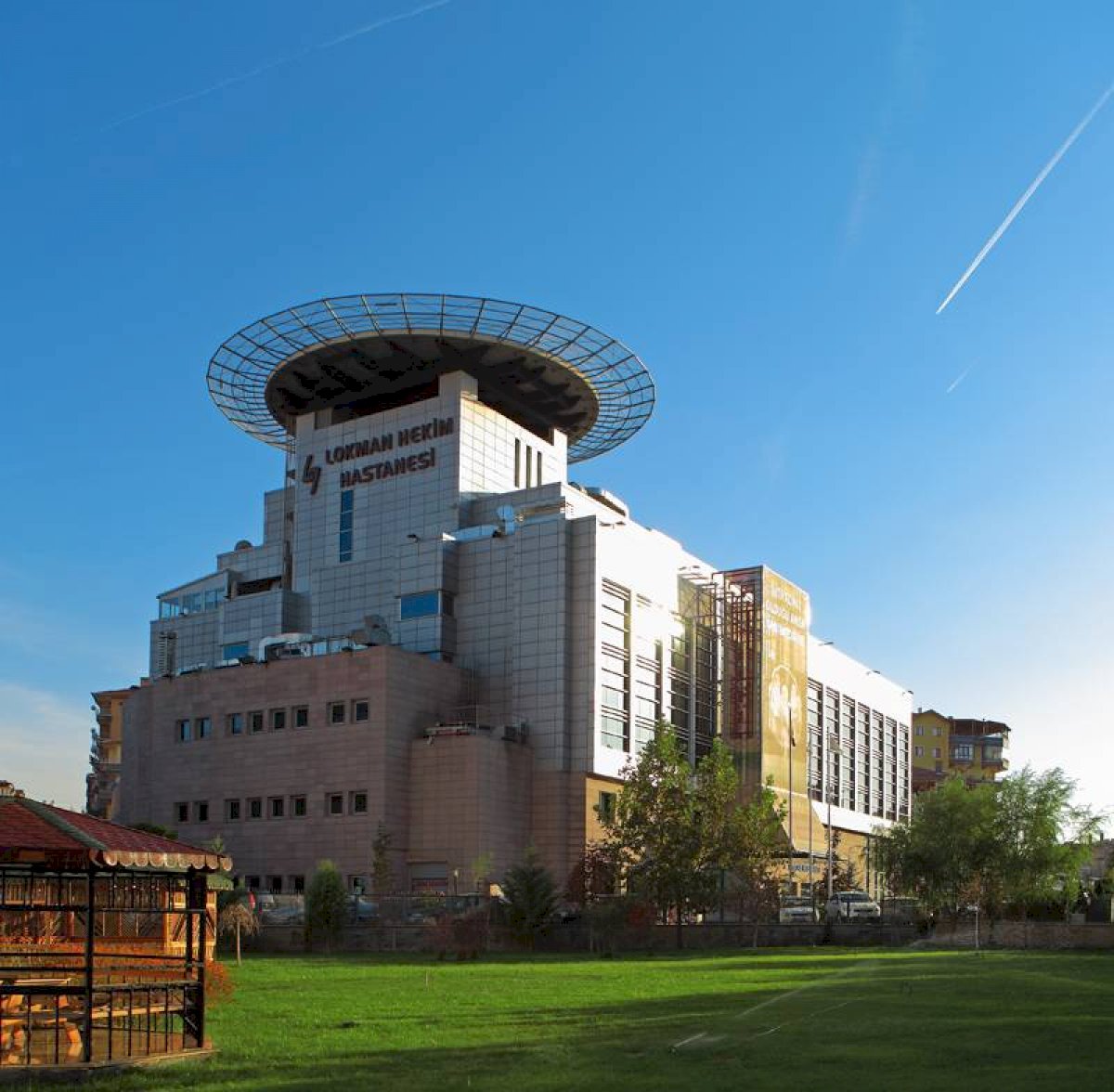
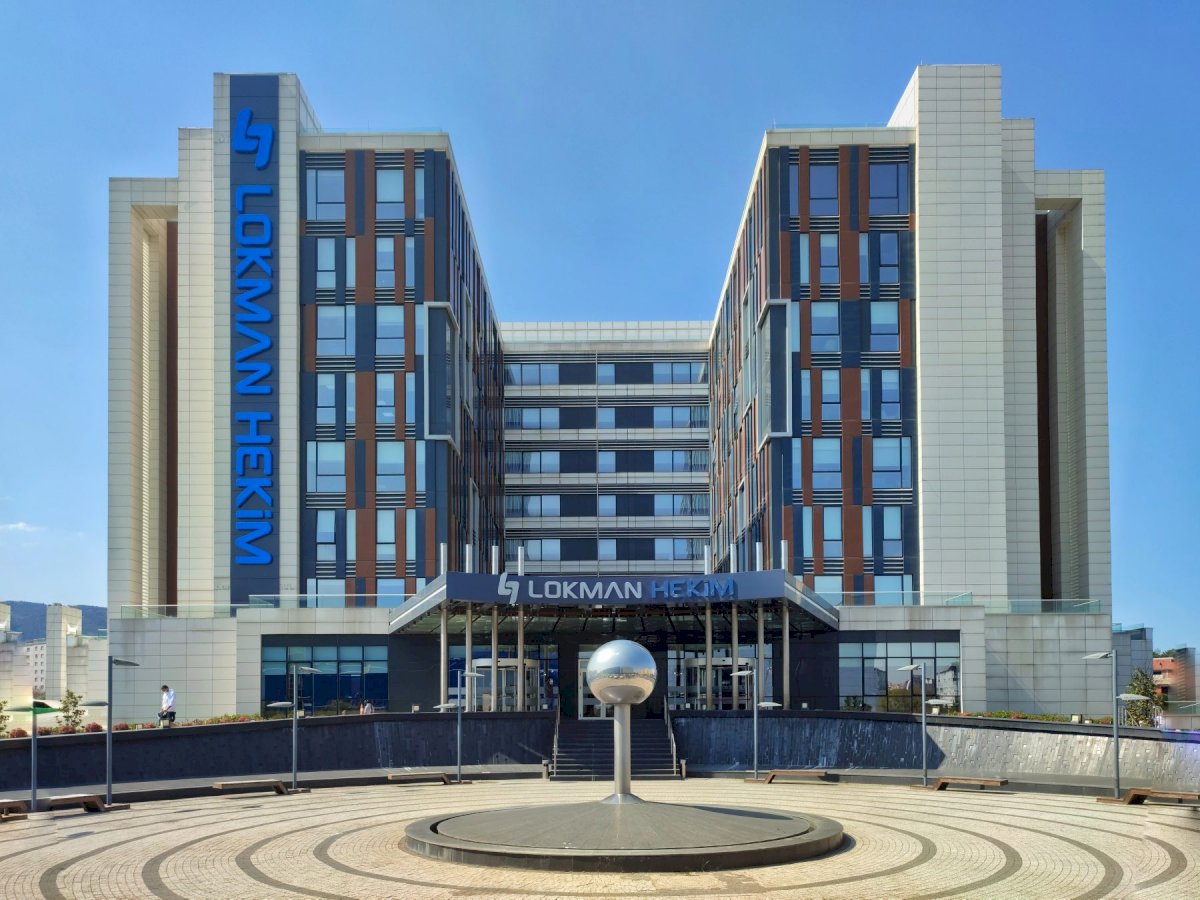
- البنية التحتية المتقدمة: تستخدم مرافق مثل لقمان حكيم مهابط طائرات هليكوبتر وأسرة عناية مركزة واسعة للحالات المعقدة.
- معايير الاعتماد: تحافظ المراكز رفيعة المستوى على شهادات اللجنة الدولية المشتركة (JCI) وISO لسلامة المرضى.
رؤية خبير Bookimed: بينما تقدم العديد من العيادات جراحة الجنف، فإن القليل منها فقط مثل مستشفى أداتيب الدولي يجمع نظام ApiFix في باقات ذات أسعار ثابتة. تتضمن هذه الباقات التي تبلغ قيمتها 15000 دولار عادةً 5 أيام من الاستشفاء، وهي فترة أطول من إقامات الدمج القياسية، مما يعكس المراقبة المتخصصة المطلوبة للقضبان ذاتية الضبط.
إجماع المرضى: يعتمد النجاح على التحقق من أن تشخيصك المحدد يتناسب مع معايير ApiFix بدلاً من الدمج التقليدي. يؤكد المرضى على اختيار الجراحين الذين يقدمون صورًا واضحة قبل وبعد العملية وخطة طويلة الأمد لرعاية المتابعة الدولية.