علاج شلل محيطي في إسبانيا: 2 مستشفيات


تمت مراجعة المقالة طبيا من قبل
فهد مولود
كيف نعمل؟
ما هي تكلفة شلل محيطي إجراءات التشخيص والعلاج في إسبانيا؟ اعرف الآن
اكتشف أفضل شلل محيطي العيادات في إسبانيا: 2 خيارات معتمدة والأسعار





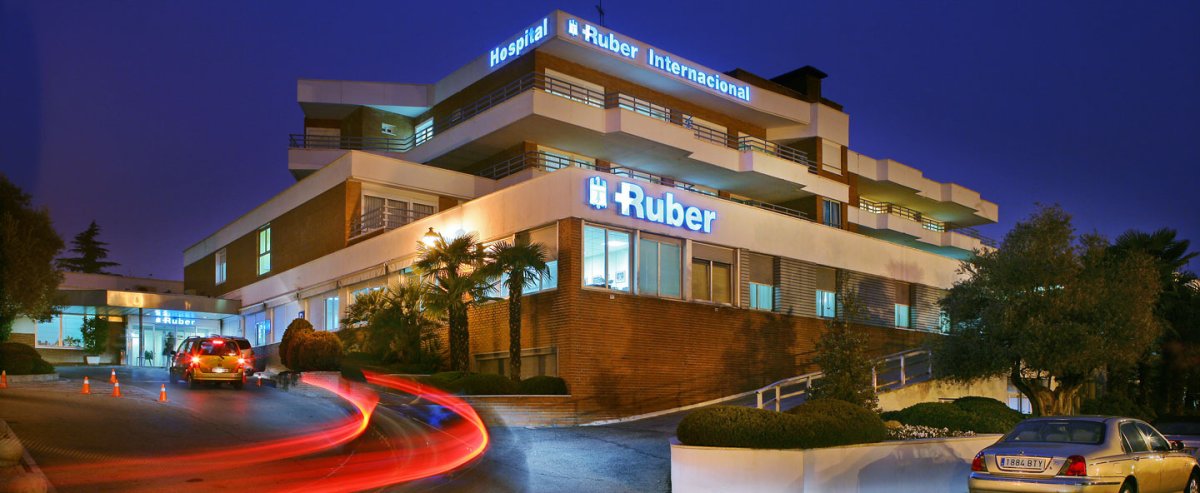

احصل على تقييم طبي لـ في إسبانيا. استشر الآن 6 أطباء ذوي الخبرة.
عرض جميع الأطباء
Erika María Torres San Narciso
رئيس وحدة علوم الأعصاب المتقدمة في Quirónsalud – الدكتور توريس متخصص في التشخيص العصبي المعقد والرعاية التي تركز على المريض.
- قاد فرق أعصاب متعددة التخصصات في مستشفى توريفاييخا الجامعي
- متخصص في تشخيص اضطرابات الحركة والصرع
- عضو في الجمعية الإسبانية لطب الأعصاب
- نشط في الأبحاث السريرية والتعليم في مجال طب الأعصاب

Rafael Arroyo González
رئيس قسم الأعصاب في مستشفى كيرونسالود الجامعي – يقود أكثر من 100 تجربة سريرية في علم الأعصاب.
- باحث رئيسي في علم الأعصاب في كيرونسالود مدريد منذ عام 2015
- نشر 139 مقالاً دولياً في مجلات مرموقة مثل نيو إنجلاند جورنال أوف ميديسين
- أستاذ الطب في الجامعة الأوروبية بمدريد
- متخصص في الحالات العصبية المعقدة
Irene Sánchez Miranda

Jesus Romero Imbroda
الدكتور روميرو إمبرودا، زميل المجلس الأوروبي لطب الأعصاب، يرأس وحدة طب الأعصاب في كيرونسالود ماربيا، وهو متخصص في اضطرابات الجهاز العصبي المعقدة.
- رئيس الجمعية الأندلسية لطب الأعصاب
- محاضر في جامعة غرناطة وحاصل على درجة الدكتوراه بامتياز مع مرتبة الشرف
- مؤلف للعديد من المنشورات العلمية الوطنية والدولية
- متخصص في الأمراض العصبية العضلية واعتلال الأعصاب المحيطية
- يستخدم تقنيات تشخيصية متقدمة لعلاجات مخصصة
مشاركة المحتوى
قصص فيديو من مرضى Bookimed
 Anna Leonova
أسئلة متكررة حول علاج شلل محيطي في إسبانيا
ما هي أدوات التشخيص المتقدمة التي تستخدمها العيادات الإسبانية لتقييم تلف الأعصاب الطرفية؟
تستخدم مراكز الأعصاب الإسبانية تصوير الأعصاب بالرنين المغناطيسي بقوة 3 تسلا وتصوير الأعصاب بالموجات فوق الصوتية عالي الدقة لتقييم تلف الأعصاب الطرفية. تستخدم العيادات المعتمدة من قبل اللجنة الدولية المشتركة (JCI) في مدريد وبرشلونة رسم الخرائط التشخيصية الكهربائية والاختبارات الحسية الكمية. تحدد هذه الأدوات ضغط الأعصاب والفجوات الهيكلية بدقة عالية لتوجيه علاج الشلل.
- الرنين المغناطيسي بقوة 3 تسلا: يلتقط التصوير عالي المجال مناظر هيكلية ثلاثية الأبعاد لأورام الأعصاب العميقة.
- تصوير الأعصاب بالموجات فوق الصوتية: يتتبع الموجات فوق الصوتية عالية التردد الأعصاب السطحية لقياس التورم في الوقت الفعلي.
- التشخيص الكهربائي: يقيس تخطيط كهربية العضل (EMG) قوة الإشارة لرسم خرائط اعتلال الأعصاب المحوري أو إزالة الميالين.
- خزعة الجلد: تحدد خزعات الثقب بقطر 3 مم ذات التدخل الجراحي البسيط كثافة الألياف العصبية المجهرية.
- الفحص المجهري البؤري: ترسم أدوات الليزر خرائط لتفرع أعصاب القرنية للكشف عن الضرر الجهازي المبكر.
رؤية خبير Bookimed: تبلغ مراكز الأعصاب الإسبانية مثل Centro Médico Teknon و Hospital Ruber Internacional عن أحجام كبيرة من المرضى، تصل إلى 25,000 مريض سنوياً. هذا الإنتاج المرتفع يعني أن أخصائييهم، مثل الدكتور خيسوس روميرو إمبرودا، غالباً ما يرون اعتلالات الأعصاب الطرفية النادرة أسبوعياً. تدمج هذه العيادات الرنين المغناطيسي بقوة 3 تسلا مع وحدات الفسيولوجيا العصبية لتسريع الانتقال من التشخيص إلى التدخل الجراحي.
ما هي المستشفيات الإسبانية الأكثر توصية لعلاجات الأعصاب الطرفية؟
تعد المستشفيات الإسبانية مثل Centro Médico Teknon و Hospital Ruber Internacional رائدة عالمياً في علاجات الأعصاب الطرفية. تستخدم هذه المرافق الجراحة المجهرية للأعصاب والتخطيط العصبي الفسيولوجي للشلل المعقد. يقدم متخصصون من النخبة في برشلونة ومدريد جراحة ترميمية وتشخيصات متقدمة للاضطرابات العصبية.
- اعتماد المستشفى: يحمل Centro Médico Teknon شهادات اللجنة الدولية المشتركة (JCI) و EFQM.
- وحدات متخصصة: يتميز Hospital Ruber Internacional بوحدات مخصصة لإصابات الأعصاب العضلية والطرفية.
- خبرة التشخيص: تستخدم المراكز التصوير بالرنين المغناطيسي 3-تسلا والتخطيط أثناء الجراحة لتحديد موقع العصب بدقة.
- علاجات متنوعة: يقوم جراحون متخصصون بإجراء عمليات ترقيع الأعصاب، ونقلها، وتحلل الأعصاب للإصابات الرضحية.
رؤية خبير Bookimed: تشير بيانات المرضى إلى أن أقسام الأعصاب الإسبانية رفيعة المستوى تعمل غالباً كمقدمي خدمات طبية رسميين للرياضيين النخبة والفعاليات الكبرى. على سبيل المثال، يعمل Centro Médico Teknon كمقدم رعاية صحية لكأس أمريكا السابع والثلاثين. تؤكد هذه البيئة عالية المخاطر خبرتهم في علاج إصابات الأعصاب الرضحية الشائعة في الرياضات الاحترافية.
إجماع المرضى: يؤكد المرضى أن النجاح يعتمد غالباً على العثور على جراح ذي خبرة خاصة في نقل الأعصاب بدلاً من طب الأعصاب العام. من الضروري إحضار جميع تقارير تخطيط العضلات الكهربائي (EMG) ومسحات الرنين المغناطيسي السابقة لضمان قدرة الفريق الجراحي على تقييم إمكانية التعافي بدقة.
ما هي الخيارات الجراحية المتاحة في إسبانيا لإصابات الأعصاب الطرفية الشديدة؟
توفر العيادات الإسبانية إصلاحات مجهرية متقدمة للشلل المحيطي. يستخدم الجراحون خياطة الأعصاب المباشرة، وترقيع الأعصاب الذاتي، ونقل الأعصاب لاستعادة الوظيفة. توظف المراكز المعتمدة من قبل اللجنة الدولية المشتركة (JCI) في مدريد وبرشلونة جراحي أعصاب متخصصين لإعادة بناء الضفيرة العضدية والأعصاب المعقدة.
- خياطة الأعصاب المباشرة: يقوم جراحو الأعصاب المجهريون بإعادة توصيل الأعصاب المقطوعة باستخدام خيوط دقيقة للغاية تحت مجاهر عالية التكبير.
- ترقيع الأعصاب: حصاد الأعصاب الحسية، وعادة ما يكون العصب الربلي، لسد الفجوات الكبيرة بين النهايات التالفة.
- نقل الأعصاب: يتم إعادة توجيه الأعصاب الوظيفية الزائدة لاستعادة الحركة في العضلات المشلولة بشدة.
- نقل العضلات الوظيفي: يقوم الجراحون بزراعة عضلات وأوعية دموية سليمة للحالات المزمنة ذات التدهور الدائم.
رؤية خبير Bookimed: تحتل إسبانيا المرتبة الثالثة في شبكتنا العالمية من حيث الطلبات التي تمت تلبيتها. يتركز هذا الحجم الكبير في مؤسسات مثل Centro Médico Teknon و Hospital Ruber Internacional. تجري هذه المراكز أكثر من 23,000 عملية جراحية سنويًا وتعالج رياضيين بارزين. يضمن هذا التدفق الهائل للمرضى احتفاظ الجراحين بكفاءتهم في التقنيات المجهرية النادرة. غالبًا ما يجد المرضى أن مدريد وبرشلونة توفران أعلى تركيز للخبرة العصبية المعتمدة من JCI.
إجماع المرضى: يؤكد المرضى أن السعي للحصول على تقييم مبكر أمر حيوي لتحقيق نتائج ناجحة. وغالبًا ما يشيرون إلى أن مراكز الجراحة المجهرية المتخصصة تقدم نتائج أف
هل توجد مراكز مخصصة لشلل العصب الوجهي في إسبانيا؟
تضم إسبانيا وحدات مخصصة لشلل الوجه داخل المستشفيات الكبرى متعددة التخصصات. تدمج هذه الوحدات الجراحة التجميلية، وطب الأعصاب، وطب الأنف والأذن والحنجرة لتوفير رعاية شاملة. تعطي المراكز المتخصصة في برشلونة ومدريد الأولوية لإعادة التأهيل المجهري. تستخدم المرافق ذات الحجم الكبير عمليات نقل الأعصاب المتقدمة وتخطيط العضلات الكهربائي لاستعادة تناسق الوجه.
- وحدات متخصصة: تدير مرافق مثل Centro Médico Teknon برامج تشخيص عصبية عالية الدقة.
- إجراءات متقدمة: يقوم الجراحون بإجراء عمليات معقدة لترقيع الأعصاب ونقل العضلات بالأوعية الدقيقة لإعادة التأهيل.
- اعتمادات الخبراء: يقدم متخصصون مثل الدكتور أوريول فرانش تشخيصات خبيرة في طب العيون العصبي وعلم الأمراض العصبية العضلية.
- التصنيفات السريرية: يصنف مستشفى روبير الدولي (Hospital Ruber Internacional) ضمن أفضل 6 مستشفيات في إسبانيا لجراحة الأعصاب المعقدة.
رؤية خبراء Bookimed: يعتمد المشهد الطبي الإسباني على متخصصين من النخبة بدلاً من العيادات المستقلة. غالبًا ما يختار المرضى المرافق المعتمدة من اللجنة الدولية المشتركة (JCI) مثل مستشفى روبير الدولي لحجم جراحاتهم المرتفع. يقدم الدكتور أوريول فرانش والبروفيسور الدكتور رافائيل أرويو غونزاليس خبرة عميقة في أمراض الأعصاب. تضمن هذه المعرفة الأكاديمية المركزة في المراكز الخاصة الكبرى تنسيقًا أفضل من الوحدات الصغيرة والمعزولة.
إجماع المرضى: يؤكد المرضى على أهمية العثور على طبيب لديه خبرة محددة في ترقيع الأعصاب أو نقل العضلة الماضغة. يعطي الكثيرو
ما هي العلاجات الطبية القياسية المستخدمة للشلل المحيطي المفاجئ؟
تُعطي العلاجات الطبية القياسية للشلل المحيطي المفاجئ الأولوية للكورتيكوستيرويدات بجرعات عالية لتقليل التهاب الأعصاب بسرعة. يجب على الأطباء أولاً استبعاد حالات الطوارئ في الجهاز العصبي المركزي مثل السكتات الدماغية. تكون العلاجات أكثر فعالية عند البدء بها في غضون 72 ساعة من ظهور الأعراض باستخدام التدخلات الدوائية أو المناعية.
- العلاج الدوائي: تعمل الستيرويدات مثل بريدنيزون على تقليل وذمة الأعصاب خلال المرحلة الحادة.
- مضادات الفيروسات: تُستخدم مع الستيرويدات إذا كان يُشتبه في وجود محفزات فيروسية مثل الهربس.
- العلاج المناعي: يعالج الغلوبولين المناعي الوريدي (IVIg) أو فصادة البلازما الحالات الجهازية مثل متلازمة غيلان باريه.
- دعم إعادة التأهيل: يبدأ العلاج الطبيعي بعد الاستقرار لمنع قصر العضلات الدائم.
- حماية الأعضاء: تحمي الدموع الاصطناعية والدروع الليلية العين من قرحة القرنية.
رؤية خبير Bookimed: توفر أقسام الأعصاب الإسبانية مستوى نخبوياً من الرعاية المتخصصة من خلال وحدات متكاملة. يقود الدكتور خيسوس روميرو إمبرودا في كيرونسالود ماربيا العمل بخبرة في كل من أمراض الأعصاب والعضلات وحالات الطوارئ الوعائية الدماغية. هذه الخبرة المزدوجة ضرورية لأن التشخيص المبكر يجب أن يميز بين ضغط العصب الموضعي والسكتة الدماغية. يضمن اختيار المراكز المعتمدة من اللجنة الدولية المشتركة (JCI) مثل مستشفى روبر الدولي الوصول إلى تقنية التصوير بالرنين المغناطيسي المتقدمة بقوة 3 تسلا للحصول على تصوير عصبي واضح.
إجماع المرضى:
كيف تبدو عملية إعادة التأهيل العصبي في إسبانيا؟
تتبع إعادة التأهيل العصبي في إسبانيا نهجاً منظماً ومتعدد التخصصات داخل مرافق معتمدة من قبل اللجنة الدولية المشتركة (JCI). تعطي المراكز المتخصصة الأولوية لرسم خرائط الأعصاب الشاملة والتحليل المعرفي قبل بدء العلاج. تدمج البرامج أنظمة مساعدة المشي الروبوتية، والتحفيز العصبي، وجلسات يومية مكثفة لاستعادة القدرة على الحركة والاستقلالية الوظيفية بعد الصدمات العصبية.
- رسم الخرائط التشخيصية: يستخدم الأطباء مقاييس التصوير بالرنين المغناطيسي والأشعة المقطعية لتحديد خطوط الأساس لوظيفة الأعصاب.
- كثافة العلاج: تتطلب برامج المرضى الداخليين من 3 إلى 4 ساعات من العلاج المتخصص يومياً.
- التكنولوجيا المتقدمة: تستخدم مرافق مثل مستشفى روبير الدولي (Hospital Ruber Internacional) التصوير بالرنين المغناطيسي بقوة 3 تسلا للتشخيص الدقيق.
- مدة الرعاية: تتراوح فترات الإقامة في المستشفى للحالات الصدمية الشديدة عادةً من 30 إلى 90 يوماً.
رؤية خبير Bookimed: تتميز إعادة التأهيل العصبي في إسبانيا بتركيز عالٍ من الخبراء الحاصلين على شهادات مزدوجة. بينما تركز العديد من البلدان فقط على العلاج الطبيعي، يحمل المتخصصون الإسبان مثل الدكتور خيسوس روميرو إمبرودا درجات علمية متقدمة في هندسة الأنسجة وعلم الأعصاب. يسمح هذا العمق الأكاديمي للعيادات بسد الفجوة بين إعادة التأهيل التقليدي وأبحاث الطب التجديدي.
إجماع المرضى: يشير المرضى إلى أن التقدم المبكر يُقاس بمعالم صغيرة مثل حركات أصابع القدم الأولى أو تقليل آلام الأعصاب. ويؤكدون أن اتباع خطة التمارين المنزلية لا