علاج سرطان المبيض في إسبانيا — احصل على 3 عيادات مختارة خصيصاً لك


تمت مراجعة المقالة طبيا من قبل
فهد مولود
كيف نعمل؟
ما هي تكلفة سرطان المبيض إجراءات التشخيص والعلاج في إسبانيا؟ اعرف الآن
تتراوح تكلفة علاج سرطان المبيض في إسبانيا عادةً ما بين السعر عند الطلب و السعر عند الطلب للتدخل الجراحي الأولي. تتراوح تكلفة التشخيصات الضرورية مثل فحص PET/CT ما بين $1,300 و $3,000، بينما تتراوح تكلفة العلاج الكيميائي المتخصص لسرطان المبيض ما بين السعر عند الطلب و السعر عند الطلب. تعتمد التكاليف الإجمالية على مرحلة المرض والدورات المطلوبة، مما يوفر وفورات بنسبة 40-60% مقارنة بالولايات المتحدة. تشمل المراكز الطبية الرائدة برشلونة ومدريد وبامبلونا.
تكاليف علاج سرطان المبيض النموذجية في إسبانيا
- استشارة طبيب الأورام: $280 – $450
- فحص PET/CT: $1,300 – $3,000
- مراجعة الأنسجة المرضية: من $350
- جراحة سرطان المبيض: السعر عند الطلب
- العلاج الكيميائي لسرطان المبيض: السعر عند الطلب
- العلاج الكيميائي داخل الصفاق بفرط الحرارة (HIPEC): من $82,100
- استئصال المبيض: من $10,100
- استئصال الرحم باستخدام روبوت دافنشي: من $21,600
- العلاج الهرموني: من $600
- استئصال الثرب: $9,500 – $15,500
رؤية خبراء Bookimed: يستفيد المرضى في المراحل المتقدمة من البنية التحتية عالية التقنية في المراكز الحاصلة على اعتماد اللجنة الدولية المشتركة (JCI) مثل مركز تيكنون الطبي (Centro Médico Teknon). بالنسبة لأولئك الذين يحتاجون إلى تدخل جراحي معقد، يجري مركز تيكنون أكثر من 23,500 عملية جراحية سنويًا باستخدام التقنيات الروبوتية. يجب على المرضى الذين يبحثون عن تجارب سريرية التفكير في مستشفى كيرونسالود مدريد (Quironsalud Madrid)، وهو عضو في المجموعة الفرعية الإسبانية لـ GCIG. يوفر هذا إمكانية الوصول إلى بروتوكولات جديدة غالبًا ما تكون غير متوفرة في العيادات الخاصة العادية.
اكتشف أفضل سرطان المبيض العيادات في إسبانيا: 8 خيارات معتمدة والأسعار
















احصل على تقييم طبي لـ في إسبانيا. استشر الآن 18 أطباء ذوي الخبرة.
عرض جميع الأطباء
Agusti Barnadas Molins
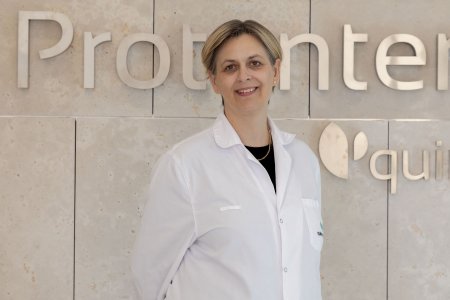
Stephanie Lilianne E Bolle
الدكتورة ستيفاني ليليان إي. بولي اختصاصية علاج الأورام بالإشعاع ورئيسة قسم علاج الأورام بالإشعاع في مركز كيرونسالود للعلاج بالبروتون في مدريد. تتولى قيادة القسم منذ يوليو/تموز 2024. يُعد المركز أول مرفق للعلاج بالبروتون في إسبانيا.
دكتوراه في الطب، جامعة لييج (1998). حاصلة على البورد في علاج الأورام بالإشعاع (2003). عضو نشط في الجمعية الأوروبية لطب أورام الأطفال وتعمل مع مجموعة أورام الدماغ ومجموعة عمل علاج الأورام بالإشعاع التابعة لها.
نشرت أكثر من 120 مقالة علمية حول أورام دما
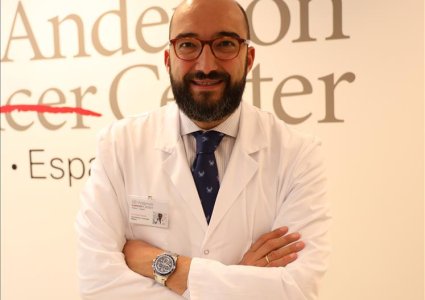
Enrique Grande
الدكتور إنريكي غراندي، MD, PhD، MSc، طبيب أورام طبية بخبرة تتجاوز 20 عامًا. وهو خبير دولي في أورام الجهاز البولي التناسلي والأورام العصبية الصماوية. يدير قسم الأورام الطبية وبرنامج One Oncology Madrid للسرطان في كيرونسالود، أكبر شبكة رعاية صحية خاصة في إسبانيا. ويقود نموذجًا متكاملًا متعدد التخصصات يتيح الوصول إلى العلاجات الموجهة والتجارب السريرية.
هو رائد في طب الأورام الدقيق؛ يستخدم التوصيف الجزيئي ورعاية قائمة على المؤشرات الحيوية. نشر أكثر من 300 مقالة مُحكّمة. يعمل باحثًا رئيسيًا
Silvia Daniela Camacho Arellano
الطبيب هو أخصائي أورام طبي مؤهل تأهيلاً عالياً ومتخصص في سرطان الثدي في جميع المراحل السريرية، بما في ذلك الرعاية العلاجية والتلطيفية. حصل الطبيب على شهادة الطب من الجامعة البابوية الكاثوليكية في الإكوادور وأكمل فترة إقامة لمدة خمس سنوات في مستشفى سانتا كرو إي سانت باو، كما يحمل درجة الماجستير في طب الأورام من الجمعية الإسبانية لطب الأورام (SEOM).
يمارس الطبيب عمله حالياً في المركز الدولي لسرطان الثدي (IBCC) ومعهد IOB للأورام في برشلونة، ويتمتع بخبرة واسعة في التجارب السريرية للمرحلة ال
المراجعات
جميع المراجعاتمشاركة المحتوى
قصص فيديو من مرضى Bookimed
 Anna Leonova
أسئلة متكررة حول علاج سرطان المبيض في إسبانيا
ما هي مراكز العلاج والمتخصصون الرائدون في علاج سرطان المبيض في إسبانيا؟
تشمل المراكز الإسبانية الرائدة لعلاج سرطان المبيض عيادة جامعة نافارا (Clinica Universidad de Navarra) ومركز تيكنون الطبي (Centro Medico Teknon). تحمل هذه المرافق اعتماد اللجنة الدولية المشتركة (JCI) وتقدم تقنيات متقدمة مثل HIPEC وجراحة دافنشي الروبوتية. يقود متخصصون مثل الدكتورة آنا أوكنين والدكتورة لوسيا غونزاليس كورتيخو تجارب سريرية لعلاجات مخصصة.
- معايير الاعتماد: تحمل عيادة جامعة نافارا شهادة الجمعية الأوروبية لعلم الأورام الطبي (ESMO).
- الإجراءات المتقدمة: يدير مركز تيكنون الطبي وحدة متخصصة لجراحة أورام الصفاق المعقدة.
- خبرة الخبراء: تتمتع الدكتورة لوسيا غونزاليس كورتيخو بأكثر من 20 عاماً من الخبرة في سرطانات النساء.
- التكنولوجيا المبتكرة: يدمج مستشفى كيرون برشلونة (Hospital Quiron Barcelona) تقنيات PET-CT والجراحات الروبوتية لتحديد مرحلة الورم بدقة.
رؤية خبير Bookimed: تحتل إسبانيا المرتبة الرابعة عالمياً في طلبات المرضى من خلال منصتنا، مما يعكس ثقة عالية في بنيتها التحتية للأورام. في حين تخدم المراكز الكبرى مثل عيادة جامعة نافارا 140,000 مريض سنوياً، غالباً ما توفر الوحدات المتخصصة الأصغر وصولاً أسرع إلى الأنظمة الروبوتية. تعد الدكتورة آنا أوكنين في مستشفى كيرون برشلونة خياراً بارزاً للمرضى الذين يسعون للوصول إلى التجارب السريرية العالمية.
إجماع المرضى: يشير المرضى إلى أن السفر إلى المراكز الكبرى مثل مدريد أو برشلونة ضروري للوصول إلى الجراحة الروبوتية المتخصصة. يؤكد أولئك الذين يختارون المرافق الخاصة على ميزة
ما هي التقنيات المتقدمة المستخدمة بشكل روتيني لجراحة سرطان المبيض في إسبانيا؟
تستخدم مراكز الأورام الإسبانية أنظمة مساعدة روبوتية مثل Da Vinci Xi والعلاج الكيميائي المسخن (HIPEC) لتحسين الدقة الجراحية. تسمح هذه التقنيات للجراحين بإجراء عمليات استئصال معقدة مع الحفاظ على الأنسجة السليمة. غالبًا ما تحمل المرافق اعتماد JCI وتصنيفات Newsweek للتميز السريري.
- الأنظمة الروبوتية: يتيح Da Vinci Xi التصور ثلاثي الأبعاد والدقة على مستوى المليمتر أثناء تحديد المرحلة.
- بروتوكول HIPEC: يتم تطبيق العلاج الكيميائي المسخن أثناء اختزال الخلايا للقضاء على الخلايا السرطانية المجهرية المتبقية.
- التشخيص المتقدم: تساعد ماسحات PET-CT وMRI عالية الدقة في رسم خرائط دقيقة للورم قبل الجراحة.
- أدوات طفيفة التوغل: استئصال المبيض بالمنظار واستئصال الرحم الروبوتي يقللان من أوقات التعافي بشكل كبير.
رؤية خبير Bookimed: تظهر البيانات تركيزًا للخبرة الجراحية في برشلونة ومدريد. تتعامل مراكز مثل Centro Médico Teknon وHM Hospitales Madrid مع أكثر من 23,000 عملية سنويًا. يسمح هذا الحجم الكبير لهذه المرافق بالحفاظ على بنية تحتية متقدمة مثل نظام Da Vinci Xi. يجب على المرضى إعطاء الأولوية للعيادات الحاصلة على اعتمادات متعددة، مثل JCI وEFQM، لضمان بروتوكولات سلامة متسقة.
إجماع المرضى: يلاحظ المرضى أن الجراحة الروبوتية في المراكز الخاصة في برشلونة ومدريد تقلل بشكل كبير من فترات الإقامة في المستشفى. يؤكد الكثيرون أنه على الرغم من أن HIPEC ليس عالميًا، إلا أنه يحظى بتقدير كبير لحالات التكرار العالي.
ما هي معدلات الفعالية والبقاء على قيد الحياة لمدة 5 سنوات التي تم الإبلاغ عنها لعلاج سرطان المبيض في إسبانيا؟
تُبلغ مراكز الأورام الإسبانية عن معدل بقاء على قيد الحياة لمدة 5 سنوات يتراوح بين 90% إلى 95% لسرطان المبيض في المرحلة الأولى. وتظهر الحالات المتقدمة معدل بقاء يبلغ حوالي 30% إلى 41% في المرحلة الثالثة. تعتمد الفعالية على الجراحة المتخصصة والعلاجات الموجهة مثل أولاباريب (Olaparib)، الذي يقلل من خطر تطور المرض بنسبة 70%.
- البقاء على قيد الحياة في المرحلة المبكرة: تحافظ حالات المرحلة الأولى على معدل بقاء لمدة 5 سنوات بنسبة 90% إلى 95%.
- البقاء على قيد الحياة في المرحلة المتقدمة: تشهد المريضات في المرحلة الثالثة معدل بقاء لمدة 5 سنوات بنسبة 30% إلى 41%.
- النجاح الجراحي: يحقق الجراحون استئصالاً جراحياً مثالياً في حوالي 70% من الحالات في المراكز الكبرى.
- العلاج الموجه: تُظهر علاجات الصيانة مثل نيراباريب (Niraparib) معدل بقاء إجمالي لمدة عامين بنسبة 65%.
رؤية خبير Bookimed: يتميز المشهد الأورامي في إسبانيا بأعداد كبيرة من المرضى والأبحاث الأكاديمية المتخصصة. يخدم مركز HM Madrid وحده 2.3 مليون مريض خارجي سنوياً. يسمح هذا الحجم الكبير لأطباء مثل الدكتورة آنا أوكنين بقيادة أكثر من 100 تجربة سريرية خضعت لمراجعة الأقران. هذه الخبرة حيوية لأن البيانات الإسبانية تظهر أن معدل البقاء على قيد الحياة لمدة 5 سنوات ينخفض من 70% لدى النساء الأصغر سناً إلى 19% لدى كبار السن. اختيار مركز يركز على الأبحاث مثل Clinica Universidad de Navarra يضمن الوصول إلى هذه البروتوكولات القائمة على التجارب للحالات المعقدة.
إجماع المرضى: يشير المرضى إلى أ
كم من الوقت يجب أن أخطط للبقاء في إسبانيا بعد جراحة كبرى لسرطان المبيض؟
يجب على المريضات التخطيط للبقاء في إسبانيا لمدة تتراوح بين 14 إلى 21 يوماً بعد جراحة كبرى لسرطان المبيض. يشمل ذلك 3 إلى 7 أيام من الاستشفاء تليها فترة مراقبة محلية. تتطلب معظم شركات الطيران شهادة طبية تثبت اللياقة للطيران في حال السفر خلال 14 يوماً من إجراء عمليات جراحية في البطن.
- مدة الإقامة في المستشفى: توقعي من 3 إلى 7 أيام لمراقبة العلامات الحيوية واستعادة وظائف الجهاز الهضمي.
- الإقامة بعد الخروج: ابقي في إسبانيا لمدة 7 إلى 14 يوماً إضافية لإجراء فحوصات متابعة الجروح.
- سلامة الطيران: ينصح الجراحون عادةً بالانتظار لمدة 14 يوماً لتقليل مخاطر حدوث جلطات دموية أثناء السفر.
- فترة التعافي الاحتياطية: خصصي ما مجموعه 3 إلى 4 أسابيع في البلاد إذا كان التخطيط للعلاج الكيميائي مطلوباً بعد الجراحة.
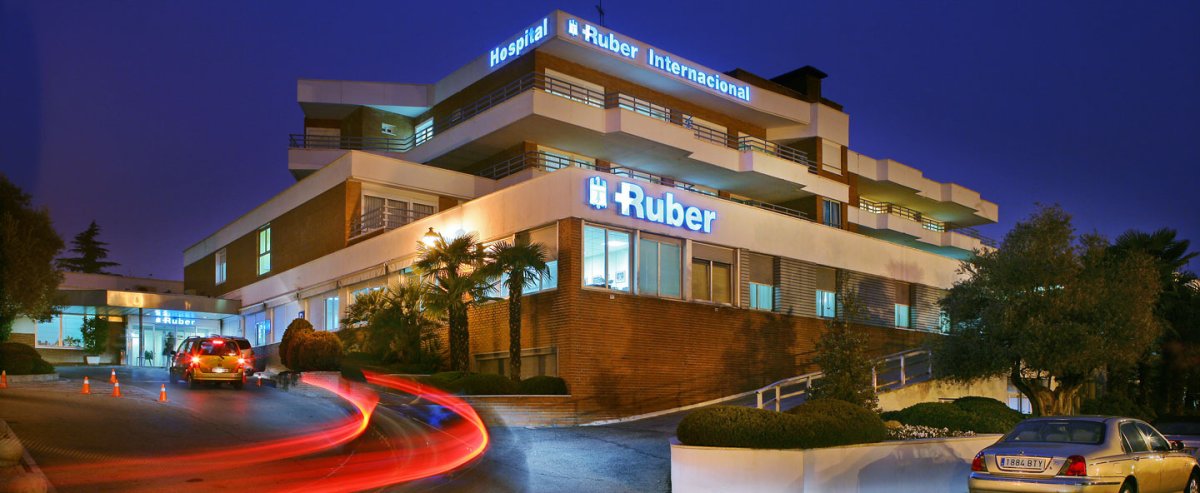
رؤية خبير Bookimed: بينما تشير الإرشادات الطبية العامة إلى إقامة لمدة 14 يوماً، توصي الباقات المتخصصة في مدريد، مثل تلك الموجودة في مستشفى روبر الدولي (Hospital Ruber Internacional)، بما يصل إلى 45 يوماً للتعافي المعقد. تأخذ هذه الفترة الممتدة في الاعتبار التنميط الجزيئي المتقدم وتنسيق العلاجات الجهازية التي تتبع غالباً جراحة استئصال الأورام.
إجماع المرضى: تؤكد المريضات على الحاجة إلى سكن مرن بالقرب من العيادة. ويشرن إلى أن المشاكل الشائعة مثل التعب وآلام الغازات غالباً ما تجعل الحد الأدنى للإقامة لمدة أسبوعين يبدو متسرعاً.
هل يمكن للمرضى الدوليين الانضمام إلى التجارب السريرية لعلاجات سرطان المبيض الجديدة في إسبانيا؟
يمكن للمرضى الدوليين الانضمام إلى التجارب السريرية لسرطان المبيض في إسبانيا إذا استوفوا بروتوكولات تجريبية محددة. تقدم مرافق مثل Quironsalud Madrid علاجاً مجانياً من خلال التجارب للمرشحين المؤهلين. يعتمد النجاح على علامات الورم، والعلاجات السابقة، والقدرة على البقاء في إسبانيا للمراقبة طويلة الأمد.
- أهلية التجربة: يحدد الرعاة معايير صارمة بما في ذلك العلامات الجينية ومرحلة السرطان.
- التغطية المالية: الأدوية التجريبية مجانية، لكن المرضى يدفعون تكاليف السفر والإقامة.
- متطلبات اللغة: نماذج الموافقة باللغة الإسبانية، مما يتطلب تواصلاً موثوقاً مع الطاقم الطبي.
- الخبرة السريرية: يقود أطباء مثل البروفيسورة الدكتورة آنا أوكنين تجارب كبرى لسرطان النساء.
رؤية خبير Bookimed: تتعامل مراكز الأورام الإسبانية مع أحجام هائلة من المرضى، حيث تخدم Clinica Universidad de Navarra 700,000 شخص سنوياً. هذا التدفق العالي يجعل إسبانيا مركزاً رئيسياً لتجارب المرحلة الثانية والثالثة. يجب على المرضى استهداف عيادات مثل Quironsalud Madrid حيث تعد التجارب السريرية ميزة ملحوظة. غالباً ما تمتلك هذه المؤسسات البنية التحتية لتقييم السجلات الطبية الدولية لمدى ملاءمة التجربة بشكل أسرع من المستشفيات العامة الأصغر.
إجماع المرضى: يؤكد المرضى أن الإقامة والبطاقات الصحية غالباً ما تكون عقبات أكبر من المعايير الطبية. يوصي الكثيرون بالتركيز على معاهد الأبحاث الخاصة في برشلونة أو مدريد لتجاوز قيود النظام العام المحلي.
هل الجراحة طفيفة التوغل (الروبوتية أو بالمنظار) خيار متاح لسرطان المبيض في إسبانيا؟
تعد الجراحة طفيفة التوغل خياراً متاحاً على نطاق واسع لعلاج سرطان المبيض في مراحله المبكرة في إسبانيا. يستخدم الجراحون تقنيات المنظار أو الجراحة بمساعدة الروبوت لإجراء عمليات تحديد المرحلة والحفاظ على الخصوبة. تستخدم مراكز مثل Centro Médico Teknon و Hospital Quirón Barcelona نظام Da Vinci Xi للعمليات الأورام عالية الدقة.
- التقنيات المتاحة: توفر المراكز الإسبانية استئصال المبيض بالمنظار واستئصال الرحم بمساعدة الروبوت.
- التركيز التكنولوجي: تستخدم العديد من المستشفيات الكبرى روبوت Da Vinci للحصول على دقة ثلاثية الأبعاد.
- الخبرة السريرية: تتخصص الدكتورة آنا أوكنين والدكتورة لوسيا غونزاليس كورتيخو في طب الأورام النسائية.
- التعافي القياسي: غالباً ما يعود المرضى إلى أنشطتهم الطبيعية في غضون أسبوعين تقريباً.
رؤية خبير Bookimed: بينما تخدم المراكز الكبرى مثل Hospital Universitario HM Madrid أكثر من 70,000 مريض داخلي سنوياً، تختلف الخبرة الروبوتية المحددة حسب المدينة. تظهر البيانات أن برشلونة ومدريد تستضيفان أعلى تركيز للمرافق المعتمدة من JCI، حيث غالباً ما يجمع الجراحون بين الجراحات الروبوتية والتشخيصات المتقدمة مثل PET-CT لضمان تحديد مرحلة الورم بشكل كامل.
إجماع المرضى: يشير المرضى إلى أن الجراحة الروبوتية أكثر سهولة في الوصول إليها في العيادات الخاصة في مدريد وبرشلونة لتجنب قوائم الانتظار. ويؤكدون على أهمية التحقق من حجم الحالات طفيفة التوغل التي أجراها الجراح قبل الالتزام بإجراء العملية.
ما هي المدن الإسبانية التي توفر أعلى تركيز لفرق الأورام الناطقة بالإنجليزية؟
تستضيف برشلونة ومدريد أعلى تركيز لفرق الأورام الناطقة بالإنجليزية في إسبانيا. تتميز هذه المدن بمراكز معتمدة من اللجنة الدولية المشتركة (JCI) مثل Centro Medico Teknon و Hospital Ruber Internacional. غالبًا ما توظف الأقسام المتخصصة متخصصين مدربين في الولايات المتحدة. وهذا يضمن تواصلًا سلسًا لعلاجات سرطان المبيض المعقدة والتجارب السريرية.
- المراكز المتخصصة: تضم مدريد أول مركز للعلاج بالبروتون في إسبانيا.
- أطباء الأورام الخبراء: الدكتورة لوسيا غونزاليس كورتيخو في مدريد تتحدث الإنجليزية بطلاقة.
- مراكز ذات حجم كبير: يخدم Centro Medico Teknon 10,000 مريض دولي كل عام.
- الريادة في الأبحاث: تقود عيادات برشلونة أكثر من 100 تجربة في سرطانات النساء.
رؤية خبير Bookimed: بينما تعد مدريد وبرشلونة مراكز رئيسية، تخدم Clinica Universidad de Navarra في بامبلونا 700,000 مريض دولي. وهي تحمل أول شهادة JCI تعادل المعايير الأمريكية في إسبانيا. يشير هذا إلى مستوى عالٍ من البنية التحتية الناطقة بالإنجليزية على الرغم من كونها خارج أكبر المناطق الحضرية. يبلغ هذا المركز عن معدل شفاء مرتفع بنسبة 74% للساركوما المعقدة.
إجماع المرضى: يلاحظ المرضى أن اختيار المراكز الخاصة يساعد في تجنب الحاجة إلى مترجمين مطلوبين في المستشفيات العامة. يتم الإشادة بالفرق ذات الخبرة في مدريد وبرشلونة بشكل خاص لشرح تجارب مثبطات PARP بوضوح باللغة الإنجليزية.