علاج سرطان الرئة في إسبانيا — احصل على 3 عيادات مختارة خصيصاً لك


تمت مراجعة المقالة طبيا من قبل
فهد مولود
كيف نعمل؟
ما هي تكلفة سرطان الرئة إجراءات التشخيص والعلاج في إسبانيا؟ اعرف الآن
| تركيا | إسبانيا | ألمانيا | |
|---|---|---|---|
| منظومة دا فينشي الجراحية | من $23,900 | ≈ $9,500 | ≈ $17,500 |
| سايبر نايف CyberKnife | من $4,900 | من $14,800 | من $9,000 |
| جراحة سرطان الرئة | من $8,500 | من $29,900 | من $26,500 |
| العلاج بالبروتون (انظر العلاج بحزم البروتون) | من $25,000 | من $43,300 | ≈ $24,000 |
| العلاج الإشعاعي الموضعي | من $6,500 | من $8,100 | من $8,000 |
اكتشف أفضل سرطان الرئة العيادات في إسبانيا: 10 خيارات معتمدة والأسعار






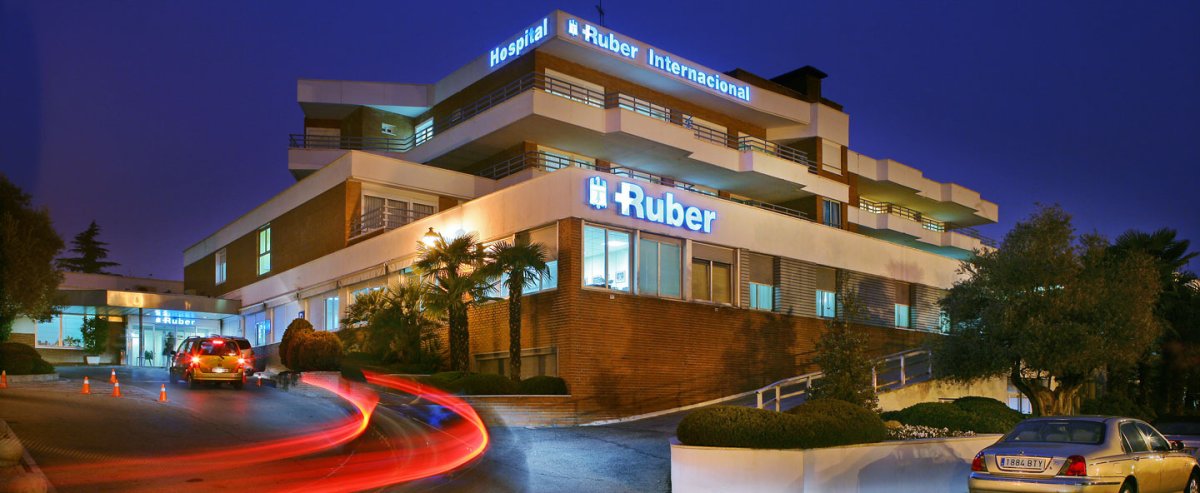


Hospital Quiron Barcelona
Enriqueta Felip






GenesisCare Clinics

احصل على تقييم طبي لـ في إسبانيا. استشر الآن 15 أطباء ذوي الخبرة.
عرض جميع الأطباء
Stephanie Lilianne E Bolle
الدكتورة ستيفاني ليليان إي. بولي اختصاصية علاج الأورام بالإشعاع ورئيسة قسم علاج الأورام بالإشعاع في مركز كيرونسالود للعلاج بالبروتون في مدريد. تتولى قيادة القسم منذ يوليو/تموز 2024. يُعد المركز أول مرفق للعلاج بالبروتون في إسبانيا.
دكتوراه في الطب، جامعة لييج (1998). حاصلة على البورد في علاج الأورام بالإشعاع (2003). عضو نشط في الجمعية الأوروبية لطب أورام الأطفال وتعمل مع مجموعة أورام الدماغ ومجموعة عمل علاج الأورام بالإشعاع التابعة لها.
نشرت أكثر من 120 مقالة علمية حول أورام دما
Enriqueta Felip
تقود تجارب سرطان الصدر في مستشفى كيرون برشلونة – البروفيسورة فيليب متخصصة في سرطان الرئة وأجرت أكثر من 900 إجراء.
- 39 سنة من الخبرة في علم الأورام
- رائدة في الأساليب الجديدة لعلم الصيدلة الجيني والعلاج المناعي
- عضو في قيادة ESMO و ASCO و IASLC
- حاصلة على جائزة ESMO للمرأة في علم الأورام
Santos Jiménez de los Galanes Marchán
Elena Gómez García
الدكتورة إيلينا غوميز غارسيا هي جراحة فم وفكين في مستشفى بوبليو كوردون التذكاري في مدريد. وهي تُجري جراحات تقويم الفكين، والإجراءات الترميمية، وعمليات إصلاح الشفة الأرنبية وشق الحنك، وجراحات تجميل عظام الوجه. تعالج الدكتورة غوميز غارسيا حالات ترميم الرأس والعنق عقب جراحات السرطان.
تعمل الدكتورة في مستشفى معتمد من قبل اللجنة الدولية المشتركة (JCI). وتعد المنشأة عضواً في الجمعية الأوروبية للتكاثر البشري وعلم الأجنة. وتُعد الدكتورة غوميز غارسيا جزءاً من فريق جراحي في مركز طبي خاص في إسباني
مواد ذات صلة
كم يكلف علاج سرطان الرئة
كتب بواسطة Halina Shubala
مشاركة المحتوى
قصص فيديو من مرضى Bookimed
 Anna Leonova
أسئلة متكررة حول علاج سرطان الرئة في إسبانيا
هل مراكز علاج سرطان الرئة في إسبانيا معتمدة دولياً؟
تحافظ مراكز سرطان الرئة في إسبانيا على معايير دولية عالية من خلال اعتماد اللجنة الدولية المشتركة (JCI) وتصنيفات نيوزويك. تتبع مرافق مثل مركز "Centro Médico Teknon" و"Clínica Universidad de Navarra" البروتوكولات العالمية. غالبًا ما تستخدم هذه المراكز لجان الورم متعددة التخصصات والتقنيات المتقدمة مثل التصوير المقطعي بالإصدار البوزيتروني أو الجراحة الروبوتية.
- الاعتماد الأساسي: تمثل معايير اللجنة الدولية المشتركة (JCI) المعيار العالمي لسلامة المرضى وجودة الرعاية السريرية.
- مؤهلات الخبراء: يشغل متخصصون مثل البروفيسور إنريكيتا فيليب وظائف قيادية في الجمعية الأوروبية للأورام الطبية.
- التكنولوجيا المتخصصة: تقدم المراكز علاجات متقدمة تشمل العلاج بالبروتون، وجهاز "CyberKnife"، وأنظمة "Da Vinci" الروبوتية.
- الاعتراف الأكاديمي: تحتل المرافق المميزة مراتب متقدمة بين أفضل المستشفيات في العالم في استطلاعات نيوزويك العالمية.
رأي الخبراء من "Bookimed": غالبًا ما ترتبط الجودة في إسبانيا بحجم المرضى الكبير والبحث السريري. على سبيل المثال، يخدم مستشفى "Hospital Quiron Barcelona" 40,000 مريض سنويًا. في الوقت نفسه، عالجت "Clinica Universidad de Navarra" 700,000 شخص من 70 دولة. اختيار هذه المراكز ذات حجم المرضى الكبير والمعتمدة من اللجنة الدولية المشتركة يضمن الوصول إلى متخصصين يشاركون في التجارب السريرية الدولية.
إجماع المرضى: يلاحظ المرضى أنه رغم أهمية الوضع المعتمد من اللجنة الدولية المشتركة، فإنهم يهتمون بالجراحين الذين هم أعضاء في ال
ما هي أنواع العلاجات المتقدمة لسرطان الرئة المقدمة في إسبانيا؟
تقدم إسبانيا علاجات متقدمة لسرطان الرئة تشمل العلاج المناعي باستخدام Keytruda، العلاجات الجزيئية المستهدفة، والإشعاع الدقيق. تستخدم المرافق العلاج بالبروتون بروتيوس ONE والجراحة الروبوتية دا فنشي لإزالة الأورام بدقة عالية. يتم توجيه الرعاية الشخصية من خلال الفحص الجيني للطفرات EGFR وALK وROS1.
- العلاج النظامي: العلاجات المناعية والأدوية المستهدفة تعالج الملفات الوراثية المحددة للأورام.
- تكنولوجيا الإشعاع: يوفر العلاج بالبروتون بروتيوس ONE وCyberKnife جرعات إشعاعية بدقة عالية.
- الابتكار الجراحي: تعمل استئصالية الفصوص والمقاطع بمساعدة الروبوت على تقليل وقت التعافي عبر نظام دا فنشي.
- التشخيص الدقيق: تكشف الخزعات السائلة والفحص الجيني NGS عن المؤشرات الحيوية للطب الشخصي.
رؤية الخبراء في Bookimed: تعد إسبانيا رائدة في علاج الأورام الإشعاعي، حيث استضافت أول مركز متخصص للعلاج بالبروتون في عام 2019. في حين أن العديد من المراكز الأوروبية تقدم العلاج الإشعاعي التقليدي، فإن العيادات الإسبانية مثل مركز علاج البروتون كويرونسالود قد أجرت بالفعل أكثر من 900 حالة. يؤدي هذا الحجم الكبير في كثير من الأحيان إلى بروتوكولات علاجية أكثر دقة للأورام القريبة من القلب أو العمود الفقري.
إجماع المرضى: يلاحظ المرضى أن العيادات الخاصة في برشلونة ومدريد تقدم وصولاً أسرع بكثير إلى العلاجات الشخصية. ويؤكدون على أهمية التوصيف الجيني المبكر، مما يساعد الأطباء في اختيار الأدوية المستهدفة الأكثر فعالية فوراً.
هل يتوفر استئصال الرئة بالروبوت ومن يقوم بإجرائه؟
استئصال الرئة باستخدام الروبوت متاح في المراكز الطبية الكبرى في إسبانيا في مدريد وبرشلونة و بامبلونا. يقوم جراحو الصدر المعتمدون بإجراء هذه العمليات باستخدام نظام الجراحة دا فينشي. هذه الطريقة الأقل تدخلاً تعالج سرطان الرئة في مراحله المبكرة من خلال شقوق أصغر. وتؤدي عادةً إلى فترات إقامة أقصر في المستشفى.
- الإجراءات المتاحة: يقوم الجراحون بإجراء استئصال الفصوص الروبوي، واستئصال الشرائح، واستئصال الأوتاد.
- التقنية الرائدة: تستخدم مرافق مثل مستشفى كيرون برشلونة نظام الجراحة الروبوي دا فينشي.
- خبرة الاختصاص: يقود جراحو الصدر المدربون خصيصًا على جراحة الصدر باستخدام الروبوت (RATS) هذه العمليات.
- التحقق السريري: مثالي للمرضى المصابين بسرطان الرئة ذو الخلايا غير الصغيرة في المرحلتين الأولى أو الثانية.
رأي خبير Bookimed: تحتل إسبانيا المرتبة السادسة عالميًا في شبكتنا فيما يخص طلبات الأورام، مما يعكس التخصص العالي في الجراحات المعقدة. وبينما يركز الكثيرون على التكنولوجيا، فإن خبرة الجراح هي العامل الأهم في جودة الأداء. كانت عيادة جامعة نافارا أولى المؤسسات في إسبانيا التي تحصل على شهادة JCI الأمريكية، مما يشير إلى التزام طويل الأمد بالبروتوكولات الدولية للسلامة في التدخلات الروبوي.
إجماع المرضى: يؤكد المرضى أن التعافي أسرع بكثير، ملاحظين العودة إلى الحياة اليومية في غضون 4-6 أسابيع. ويشير الكثيرون إلى أن التجربة الخاصة لاختصاصي الجراحة الصدرية تعتبر أكثر أهمية من الجهاز نفسه.
ما هو الإطار الزمني القياسي للتعافي بعد جراحة الرئة في إسبانيا؟
عادةً ما تستغرق فترة التعافي بعد جراحة الرئة في إسبانيا من 4 إلى 8 أسابيع للعودة إلى الأنشطة الأساسية. يبقى المرضى عادةً في المستشفى لمدة تتراوح بين 2 إلى 7 أيام. يمكن لتقنيات VATS طفيفة التوغل تقليل هذه الفترة إلى 3 أيام. تعود وظيفة الرئة الكاملة عادةً في غضون 6 إلى 12 شهرًا.
- الإقامة في المستشفى: يتم عادةً إخراج المرضى في غضون 2 إلى 7 أيام بعد العملية.
- الحركة الأولية: يشجع الطاقم المختص على المشي والجلوس خلال 12 ساعة.
- قيود الأنشطة: عادة ما يحد الجراحون من رفع الأثقال لمدة 6 إلى 8 أسابيع.
- العودة إلى العمل: يعود معظم المرضى إلى وظائفهم المهنية بعد 4 إلى 8 أسابيع.
رأي خبير من Bookimed: تظهر البيانات من المراكز الإسبانية المرموقة مثل مركز Centro Médico Teknon وQuironsalud اتجاهاً نحو الإجراءات الروبوتية وتقنيات VATS. غالباً ما تتيح هذه التقنيات الخروج من المستشفى في غضون 3 إلى 5 أيام فقط. اختيار منشأة معتمدة من JCI في برشلونة أو مدريد يضمن غالباً الوصول إلى هذه البروتوكولات الأسرع في التعافي.
إجماع المرضى: يبرز المرضى أن البدء في تمارين التنفس اعتباراً من اليوم الأول هو أمر ضروري للتقدم. يشير الكثيرون إلى أن التعب هو أكبر العقبات، مما يتطلب غالبًا شهرًا كاملاً من الواجبات الخفيفة قبل الشعور بالقدرة على استئناف الروتين اليومي.
متى يمكنني السفر إلى المنزل بعد علاج سرطان الرئة؟
يمكن لمعظم المرضى الطيران بأمان بعد 7 إلى 14 يومًا من جراحة الرئة الكبيرة في إسبانيا. يحتاج الأطباء إلى هذا الوقت للتأكد من امتصاص الهواء أو السوائل. يجب على الأشخاص الذين يخضعون للعلاج الكيميائي الانتظار 4 أسابيع بعد جلستهم الأخيرة. موافقة طبية بعد العلاج إلزامية.
- جراحة الصدر: الانتظار 7 إلى 14 يومًا للإجراءات القياسية مثل استئصال الفص.
- استئصال الرئة: قد يوصي الأطباء بالانتظار حتى 6 أشهر بعد استئصال الرئة بالكامل.
- العلاج الكيميائي: تجنب الطيران خلال فترة النيدير التي تتراوح بين 10 إلى 14 يومًا حيث يرتفع خطر العدوى.
- العلاج الإشعاعي: يسافر معظم المرضى على الفور، لكن البعض ينتظر 4 أسابيع بسبب التعب.
رؤية خبير Bookimed: تُظهر البيانات من مراكز المعتمدة من JCI مثل Centro Médico Teknon ومستشفى Quiron برشلونة تفضيلًا للرصد المطول. بينما 14 يومًا هو أمر شائع، ينصح متخصصون مثل البروفيسور إنريكيتا فيليب غالبًا ب 3 أسابيع للمرضى الدوليين. تساعد هذه الأسبوع الإضافي في ضمان استقرار تشبع الأكسجين خلال تغيرات الضغط في كابينة الطائرة على ارتفاع 30,000 قدم.
إجماع المرضى: يؤكد المرضى على حجز تذاكر مرنة لأنهم غالبًا ما يشعرون بالإرهاق الشديد للطيران في البداية. العديد يوصون برحلات مباشرة لتقليل الوقت الذي يقضونه في كبائن مضغوطة ويقترحون استخدام جوارب ضاغطة.
هل يحصل المرضى الدوليون على مساعدة فيما يتعلق باللغة والإقامة؟
تقدم مراكز الأورام الإسبانية الرئيسية أقساماً دولية مخصصة للمساعدة في اللغة واللوجستيات. توفر مرافق مثل مركز ميديكو تيكنون ومستشفى كيرون برشلونة منسقين طبيين. يدير هؤلاء المتخصصون خدمات الترجمة وتحديد المواعيد وتوصيات الإقامة القريبة لمرضى سرطان الرئة.
- خدمات الترجمة: يسهل المنسقون متعددو اللغات التواصل بين المرضى وأطباء الأورام خلال الاستشارات.
- دعم الإقامة: تقدم العيادات قوائم مختارة من الفنادق أو الشقق القريبة للإقامات الطويلة الأجل.
- تنسيق اللوجستيات: تساعد الفرق الدولية في وثائق تأشيرة العلاج الطبي وترتيبات النقل من وإلى المطار.
- الوصول إلى الخبراء: تضم مراكز مثل مستشفى كيرون برشلونة متخصصين معروفين مثل البروفيسور إنريكيتا فيليبيا.
رؤية خبير بوكيميد: تتطلب المراكز الإسبانية المتخصصة في العلاجات الفعالة مثل العلاج بالبروتونات إقامة تتراوح بين 25 إلى 60 يوماً. في حين أن الحزم في مركز العلاج بالبروتونات كيرونسالود لا تشمل تكاليف الإقامة، تنسق فرقهم بشكل خاص خيارات الفنادق للإقامة الممتدة. هذا مهم للمرضى الذين يخضعون لدورة كاملة من علاج بروتيوس وان.
اتفاق المرضى: يؤكد المرضى أن المستشفيات الخاصة في برشلونة ومدريد توفر جداول زمنية أسرع بشكل ملحوظ ودعماً أفضل للغة الإنجليزية مقارنة بالمرافق العامة. وغالباً ما يلاحظ أنه من المفيد الوصول قبل أسبوع إلى أسبوعين لإدارة الأوراق الإدارية ولوجستيات التأمين بشكل فعال.