علاج فقر الدم الانحلالي في إسبانيا — احصل على 3 عيادات مختارة خصيصاً لك


تمت مراجعة المقالة طبيا من قبل
فهد مولود
كيف نعمل؟
ما هي تكلفة فقر الدم الانحلالي إجراءات التشخيص والعلاج في إسبانيا؟ اعرف الآن
اكتشف أفضل فقر الدم الانحلالي العيادات في إسبانيا: 3 خيارات معتمدة والأسعار



SJD Barcelona Children’s Hospital


مشاركة المحتوى
قصص فيديو من مرضى Bookimed
 Anna Leonova
أسئلة متكررة حول علاج فقر الدم الانحلالي في إسبانيا
هل يتم علاج فقر الدم الانحلالي الخفيف دائمًا على الفور؟
نادرًا ما يتم علاج فقر الدم الانحلالي الخفيف على الفور إذا كان الجسم يعوض فقدان خلايا الدم الحمراء. يعطي أطباء أمراض الدم الإسبان الأولوية للمراقبة النشطة للمرضى الذين لا يعانون من أعراض. يتم حجز التدخل الفوري لحالات انخفاض الهيموجلوبين السريع أو المحفزات مثل سمية الأدوية والالتهابات التي تعطل إنتاج خلايا الدم.
- انحلال الدم المعوض: يعوض نخاع العظم تدمير خلايا الدم الحمراء، مما يحافظ على مستويات هيموجلوبين مستقرة بدون دواء.
- المراقبة التشخيصية: تشمل الاختبارات تعداد الخلايا الشبكية، والبيليروبين، والهابتوغلوبين لتتبع تطور المرض.
- الحالات الوراثية: غالبًا ما تتطلب الثلاسيميا الخفيفة أو كثرة الكريات الكروية الوراثية مراقبة مدى الحياة بدلاً من الجراحة.
- تحديد المحفزات: غالبًا ما يكون إيقاف الدواء المسبب هو العلاج الأساسي للحالات الناجمة عن الأدوية.
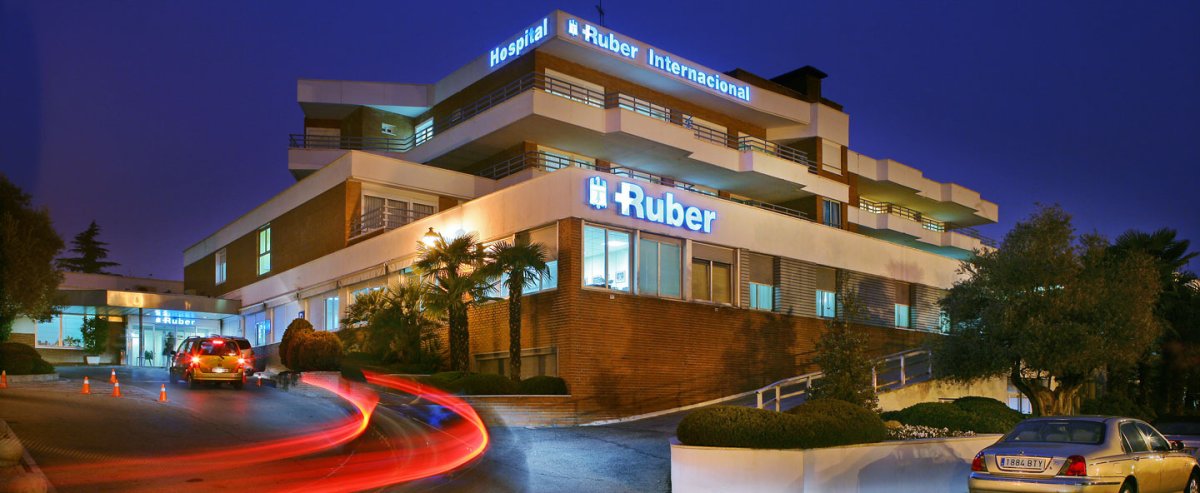
رؤية خبير Bookimed: تحتل إسبانيا المرتبة الرابعة عالميًا في طلبات أمراض الدم، مع مراكز مثل مستشفى روبر الدولي (Hospital Ruber Internacional) الحاصل على اعتماد JCI. تظهر البيانات أن هذه العيادات رفيعة المستوى تؤكد على التشخيص الجزيئي بدلاً من الاستخدام الفوري للستيرويدات. يساعد هذا النهج في تجنب الآثار الجانبية غير الضرورية الناتجة عن كبت المناعة طويل الأمد لدى المرضى المستقرين.
إجماع المرضى: يشير المرضى إلى أن الحالات الخفيفة حتى يمكن أن تسبب إرهاقًا كبيرًا أو ضبابية في التفكير. ويؤكدون أنه على الرغم من أن الأطباء قد ينتظرون قبل العلاج، إلا أن فحوصات الدم المنتظمة تظل ضرورية.<
ما هي علاجات الخط الأول لفقر الدم الانحلالي المناعي الذاتي (AIHA)؟
يركز علاج الخط الأول لفقر الدم الانحلالي المناعي الذاتي (AIHA) في إسبانيا على الكورتيكوستيرويدات مثل بريدنيزون لحالات AIHA الدافئة. يحقق هذا البروتوكول القياسي معدلات استجابة تتراوح بين 70% إلى 85%. يتطلب مرض الراصات الباردة نهجاً مختلفاً. يركز الأطباء على كبت المناعة، والرعاية الداعمة، وتعديلات نمط الحياة لاستقرار مستويات الهيموغلوبين.
- العلاج بالستيرويد: يتلقى المرضى عادةً 1–1.5 مجم/كجم من البريدنيزون يومياً لقمع الأجسام المضادة الذاتية.
- التخفيض التدريجي: يقوم الأطباء بتقليل الستيرويدات على مدار 4–12 شهراً لمنع انتكاس المرض.
- الأجسام المضادة أحادية النسيلة: يُستخدم ريتوكسيماب للأنواع الفرعية الباردة أو حالات AIHA الدافئة الشديدة.
- المكملات الداعمة: يحافظ حمض الفوليك اليومي على إنتاج خلايا الدم الحمراء أثناء انحلال الدم النشط.
رؤية خبير Bookimed: تحتل إسبانيا المرتبة بين أفضل 4 وجهات عالمية للرعاية المتخصصة على Bookimed. تحافظ عيادات مثل Ruber Internacional و SJD Barcelona على تصنيفات JCI و Newsweek. تعني هذه الكثافة العالية للمرافق المصنفة عالمياً أن المرضى يحصلون على تجارب سريرية. تقدم Quironsalud Madrid بشكل خاص تجارب سريرية توفر وصولاً مجانياً إلى العلاجات التجريبية.
إجماع المرضى: يشير المرضى إلى أنه على الرغم من أن الستيرويدات تبدأ في العمل بسرعة، إلا أن زيادة الوزن وتغيرات المزاج أمر صعب. غالباً ما تكون إدارة هذه الآثار الجانبية مع التخفيض التدريجي للجرعة هي أكبر تحدٍ للتعافي.
ماذا يحدث إذا فشلت الكورتيكوستيرويدات في تحقيق الهجوع؟
إذا فشلت الكورتيكوستيرويدات في تحقيق الهجوع في حالات فقر الدم الانحلالي، يُعتبر المرضى مقاومين للستيرويدات. ينتقل أطباء الدم الإسبان بعد ذلك إلى علاجات الخط الثاني مثل ريتوكسيماب أو استئصال الطحال. تهدف هذه العلاجات إلى وقف تدمير خلايا الدم الحمراء وتثبيت مستويات الهيموغلوبين بفعالية.
- علاج ريتوكسيماب: يستهدف هذا الجسم المضاد أحادي النسيلة الخلايا البائية لتقليل إنتاج الأجسام المضادة الذاتية.
- استئصال الطحال: يمنع الاستئصال الجراحي للطحال تدميره لخلايا الدم الحمراء السليمة.
- مثبطات المناعة: قد تُستخدم أدوية مثل آزاثيوبرين أو سيكلوسبورين كخيارات بديلة.
- التجارب السريرية: توفر المراكز الإسبانية الكبرى إمكانية الوصول إلى الأبحاث الجزيئية المبتكرة والأدوية الجديدة.
رؤية خبير Bookimed: تحتل الرعاية الصحية الإسبانية مرتبة عالية عالمياً، وتدمج عيادات مثل كيرونسالود مدريد أو إس جيه دي برشلونة الأبحاث مباشرة في الرعاية. بينما تعتمد العديد من المراكز الأصغر على البروتوكولات القياسية، غالباً ما توفر هذه المؤسسات رفيعة المستوى وصولاً مبكراً إلى الطب الجزيئي المتقدم. هذا أمر حيوي بشكل خاص لحالات الأطفال في إس جيه دي برشلونة، التي تخدم 450,000 مريض سنوياً وتقود تطوير العلاجات المبتكرة.
إجماع المرضى: غالباً ما يلاحظ المرضى أن الآثار الجانبية الشديدة مثل تغيرات المزاج أو مشاكل سكر الدم تدفع إلى الانتقال إلى علاجات الخط الثاني بقدر ما يدفع نقص الاستجابة. يؤكد الكثيرون على أهمية التمييز بين الاستجابة الجزئية والفشل التام قبل التحول إل
هل سأحتاج إلى خزعة نخاع العظم؟
خزعة نخاع العظم ليست إجراءً تلقائياً لفقر الدم الانحلالي. يستخدمها الأطباء في إسبانيا عندما لا تستطيع اختبارات الدم وحدها تفسير انخفاض الهيموغلوبين. فهي تساعد في استبعاد اضطرابات النخاع الأولية. يستغرق الإجراء حوالي 10 إلى 12 دقيقة في العيادات الخارجية.
- معايير التشخيص: تُستخدم إذا أظهرت المختبرات تعدادات خلايا دم مرتفعة أو منخفضة بشكل غير مبرر.
- موقع الإجراء: يقوم الجراحون عادةً بجمع عينة أنسجة صلبة من عظمة الورك.
- راحة المريض: تعمل التخديرات الموضعية على تخدير المنطقة لمنع الألم الحاد أثناء الإدخال.
- الهدف السريري: يستخدم المتخصصون النتائج لتقييم مخزون الحديد أو التحقق من وجود عدوى.
رؤية خبير Bookimed: تحتل إسبانيا المرتبة الرابعة عالمياً في شبكتنا لطلبات أمراض الدم، حيث تقود مراكز مثل Quironsalud Madrid حجم المرضى السنوي. بينما تركز بعض العيادات على رعاية ذات حجم كبير، تحافظ عيادات أخرى مثل مستشفى روبير الدولي (Hospital Ruber Internacional) على اعتماد اللجنة الدولية المشتركة (JCI) للسلامة. يشير هذا إلى أن أطباء أمراض الدم الإسبان يعطون الأولوية لبروتوكولات السلامة الإجرائية، وهو أمر حيوي للمرضى الذين يخضعون لاختبارات النخاع الغازية.
إجماع المرضى: يلاحظ المرضى أن الفحوصات تبدأ غالباً باختبارات الدم، بما في ذلك تعداد الخلايا الشبكية ومستويات LDH. يجد الكثيرون أن الشعور بالضغط أثناء الخزعة أكثر ترويعاً من الألم الفعلي ويوصون بالسؤال عن كيفية تغيير النتائج لخطة العلاج.
هل تتوفر علاجات متقدمة مثل فصادة البلازما أو زراعة نخاع العظم في إسبانيا؟
تقدم إسبانيا علاجات متقدمة مثل فصادة البلازما وزراعة نخاع العظم من خلال بنية تحتية صحية متطورة للغاية. يتم إجراء هذه العمليات بشكل روتيني في مرافق معتمدة من اللجنة الدولية المشتركة (JCI) ومستشفيات جامعية متخصصة. تتراوح معدلات نجاح عمليات زرع الدم في إسبانيا عادةً بين 70% و90%.
- طرق الزراعة: تجري العيادات عمليات زرع ذاتي، وزرع من متبرع، وزرع متطابق فردي متقدم.
- الفصادة المتقدمة: توفر الشبكات العامة والخاصة تبادل البلازما العلاجي والترشيح المزدوج.
- المراكز المتخصصة: تعتبر مرافق مثل مستشفى SJD برشلونة للأطفال رائدة في الحالات الطبية المعقدة للأطفال.
- المرافق المعتمدة: يحافظ مستشفى روبير الدولي (Ruber Internacional) على شهادات جودة صارمة من JCI وISO.
رؤية خبير Bookimed: تحتل إسبانيا المرتبة الرابعة عالمياً في شبكتنا للطلبات الطبية المعقدة. على الرغم من أن التكنولوجيا متاحة على نطاق واسع، إلا أن بياناتنا تظهر تركيزاً للخبرات في مدريد وبرشلونة. على سبيل المثال، يعد مستشفى كويرونسالود مدريد (Quironsalud Madrid) أكبر مركز في شبكته، بينما يخدم مستشفى روبير الدولي 25,000 مريض سنوياً. يعد اختيار هذه المراكز ذات الحجم الكبير أمراً ضرورياً لفقر الدم الانحلالي، حيث أن اتخاذ القرار من قبل المتخصصين غالباً ما يحدد الوصول إلى العلاج أكثر من توفر المعدات.
إجماع المرضى: يشير المرضى إلى أنه على الرغم من توفر هذه العلاجات المتقدمة على نطاق واسع، إلا أنها غالباً ما تتركز في مراكز المدن الكبرى. يؤكد الكثيرون أن الحصول على تشخيص دقيق أمر حي
ما هي أفضل المستشفيات في إسبانيا المعترف بها لعلاج فقر الدم الانحلالي؟
تضم إسبانيا مراكز أمراض دم من الدرجة الأولى مثل مستشفى SJD برشلونة للأطفال وQuironsalud Madrid. توفر هذه المؤسسات تشخيصات جزيئية وعلاجات مستهدفة لفقر الدم النادر. تحمل العديد من المرافق اعتماد اللجنة الدولية المشتركة (JCI). تدعم المختبرات المتخصصة العلاج الشخصي لحالات المناعة الذاتية والحالات الوراثية.
- رعاية الأطفال: يخدم مستشفى SJD برشلونة 450,000 مريض سنوياً لاضطرابات كريات الدم الحمراء النادرة.
- أمراض الدم للبالغين: يعد مستشفى كلينيك برشلونة مركزاً أوروبياً معترفاً به لأبحاث الدم.
- المرافق الخاصة: يحافظ مستشفى Ruber Internacional على معايير JCI مع أكثر من 40 قسماً.
- التشخيص المتقدم: تستخدم المراكز الرائدة الطب الجزيئي والفحوصات الجينية من أجل الدقة.
- التجارب السريرية: يوفر Quironsalud Madrid إمكانية الوصول إلى الدراسات البحثية لاضطرابات الدم المعقدة.
رؤية خبير Bookimed: غالباً ما يشير حجم المرضى إلى مكان العثور على المعدات المتخصصة. يعالج مستشفى SJD برشلونة للأطفال 450,000 مريض سنوياً ويضم مختبراً مخصصاً للطب الجزيئي. يسمح هذا الحجم الكبير ببروتوكولات تشخيصية أكثر دقة مقارنة بالعيادات العامة. عادةً ما توفر المراكز الجامعية الكبيرة في مدريد وبرشلونة وصولاً أسرع بكثير إلى الاختبارات الجينية النادرة.
إجماع المرضى: يؤكد المرضى على اختيار المستشفيات الثالثية الكبرى في مدريد أو برشلونة للوصول المباشر إلى أخصائيي الدم. يوصون بإحضار جميع نتائج مسحات الدم السابقة وقوائم الأدوية لتسريع عملية الاستش
هل يمكن للمرضى الدوليين العثور على أطباء أمراض دم يتحدثون الإنجليزية في إسبانيا؟
يجد المرضى الدوليون بسهولة أطباء أمراض دم يتحدثون الإنجليزية في إسبانيا داخل شبكات المستشفيات الخاصة في مدريد وبرشلونة. توظف المراكز الكبرى مثل مستشفى روبر الدولي (Hospital Ruber Internacional) وكويرونسالود مدريد (Quironsalud Madrid) متخصصين ثنائيي اللغة. توفر هذه المرافق أقساماً دولية مخصصة لإدارة المواعيد باللغة الإنجليزية، والسجلات الطبية، وخطط الرعاية المتخصصة.
- شبكات المستشفيات: تحتفظ كويرونسالود وHM للمستشفيات بفرق طبية متعددة اللغات في المدن الكبرى.
- دعم اللغة: توفر الأقسام الدولية منسقين للمرضى للترجمة والوثائق الطبية ثنائية اللغة.
- موقع العيادة: توفر مدريد وبرشلونة أعلى تركيز لأخصائيي أمراض الدم الذين يتحدثون الإنجليزية.
- الخبرة في طب الأطفال: يخدم مستشفى SJD برشلونة للأطفال 450,000 مريض سنوياً مع دعم ثنائي اللغة في أمراض دم الأطفال.
رؤية خبير Bookimed: تحتل إسبانيا المرتبة الرابعة عالمياً في السياحة العلاجية على Bookimed. تخدم المراكز ذات الحجم الكبير مثل مستشفى روبر الدولي 25,000 مريض سنوياً. وغالباً ما تحتفظ باعتماد JCI لضمان معايير السلامة الدولية. يجب على المرضى اختيار العيادات التي تضم أكثر من 40 قسماً لضمان التنسيق السلس بين أمراض الدم والتخصصات الأخرى.
إجماع المرضى: يجد المرضى أن المكاتب الدولية في المستشفيات الخاصة أكثر موثوقية للتواصل باللغة الإنجليزية من الاستقبال العام. إن حمل سجلات مترجمة للحالات المعقدة مثل فقر الدم الانحلالي يضمن بقاء مناقشات أمراض الدم الدقيقة دقيقة.