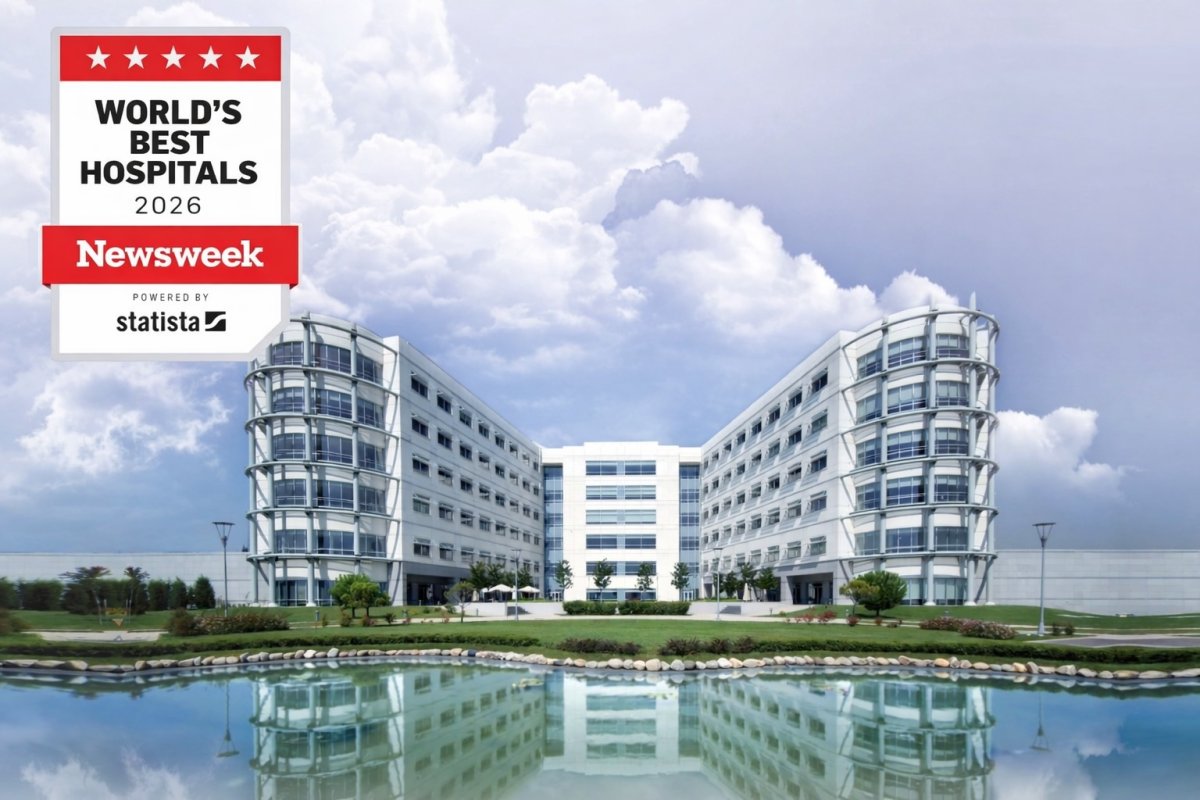
Anadolu Medical Center
تركيا, إسطنبول
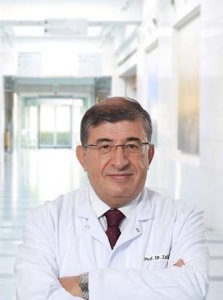
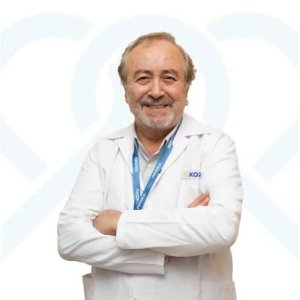
Zafer Gulbas
49سنة خبره ١٦ سنة • تم تنفيذ 3315+ علاجات
الاعتمادات : 
العيادة معتمدة من قبل : 



تمت مراجعة المقالة طبيا من قبل
فهد مولود
أسس الدكتور ظافر غولباش ويدير أكبر مركز لزراعة نخاع العظم في تركيا في مركز الأناضول الطبي. وهو طبيب أورام وأمراض دم متخصص في سرطانات الدم المعقدة واضطرابات التخثر. تدرب الدكتور غولباش في أفضل المؤسسات العالمية، بما في ذلك مركز إم دي أندرسون وفريد هاتشينسون في الولايات المتحدة الأمريكية. يقوم بإجراء عمليات زراعة ذاتية وخيفية لسرطان الدم (اللوكيميا) والليمفوما وفقر الدم اللاتنسجي.
الدكتور قدري ياماج طبيب باطني وأخصائي أمراض الدم. حصل على شهادة الطب من كلية الطب بجامعة أنقرة (1976–1982). أتمّ تدريب الباطنة في كلية الطب بجامعة غازي (1984–1989)، ثم أكمل التخصّص الدقيق في أمراض الدم في الكلية نفسها (1990–1993). أصبح أستاذًا مشاركًا في كلية الطب بجامعة غازي عام 1995، ورُقّي إلى أستاذ عام 2002.
الاهتمامات الطبية: فقر الدم، اضطرابات التخثّر، داء ترسّب الأصبغة الدموية، اللوكيميا اللمفاوية المزمنة، أمراض العقد اللمفاوية، اللمفوما اللاهودجكينية، ولمفوما هودجكين.
 Anna Leonova
تقدم مراكز أمراض الدم التركية علاجات شاملة لفقر الدم الانحلالي، بما في ذلك زراعة نخاع العظم، والعلاج المثبط للمناعة، واستئصال الطحال الجراحي. توفر وحدات متخصصة في العيادات المعتمدة من قبل اللجنة الدولية المشتركة (JCI) مثل مركز أناضولو الطبي وميديبول ميجا خيارات علاجية نهائية للحالات الوراثية مثل فقر الدم المنجلي والثلاسيميا من خلال زراعة الخلايا الجذعية المتقدمة.
رؤية خبير Bookimed: تبرز تركيا بحجمها، حيث تدير وحدات مثل ميديبول ميجا ومستشفى إيمسي مراكز لزراعة نخاع العظم بسعة 45 سريرًا. تسمح هذه القدرة العالية للبروفيسور الدكتور ظافر جولباس في أناضولو بالحفاظ على معدل نجاح يصل إلى 81٪ في عمليات الزراعة الذاتية. غالبًا ما يختار المرضى هذه المراكز لأنها تجمع بين الخبرة الكبيرة والارتباطات المباشرة بالمؤسسات الطبية الكبرى في الولايات المتحدة.
إجماع المرضى: يؤكد المرضى على ضرورة إجراء فحص دم دقيق أولاً، لأن السبب المحدد يحدد ما إذا كانوا سيتلقون الستيرويدات أو نقل الدم. يل
تستخدم المستشفيات التركية رحلان الهيموغلوبين الكهربائي عالي الدقة واختبارات الغلوبولين المناعي المباشرة لتحديد أنواع فقر الدم الانحلالي. تقوم المراكز المعتمدة من قبل اللجنة الدولية المشتركة (JCI) في إسطنبول بإجراء قياس التدفق الخلوي المتقدم والألواح الجينية للتمييز بين الاضطرابات الوراثية والمكتسبة. غالبًا ما يتضمن التشخيص أطباء أمراض دم معتمدين من مؤسسات مثل مركز أناضولو الطبي.
رؤية خبير Bookimed: في حين أن العديد من المستشفيات العامة توفر تعدادات دم أساسية، تقدم مراكز مثل مركز أناضولو الطبي وميديبول ميجا وحدات متخصصة لزراعة نخاع العظم وقياس التدفق الخلوي. تتعامل هذه المرافق مع حجم هائل من اضطرابات الدم المعقدة سنويًا. اختيار عيادة بها مختبر متكامل لقياس التدفق الخلوي يضمن نتائج أسرع للأنواع الفرعية النادرة من فقر الدم الانحلالي.
إجماع المرضى: ي
تُستخدم زراعة نخاع العظم (BMT) في تركيا كعلاج شافٍ لأنواع فقر الدم الانحلالي الحادة. يقوم الأخصائيون بإجراء هذا الإجراء للحالات الوراثية مثل الثلاسيميا الكبرى وفقر الدم المنجلي. توفر المراكز المعتمدة من اللجنة الدولية المشتركة (JCI) في إسطنبول عمليات زراعة الخلايا الجذعية المكونة للدم المعقدة هذه للأطفال والبالغين.
رؤية خبير Bookimed: بينما ينظر الكثيرون إلى زراعة نخاع العظم كإجراء عام، تقدم المراكز التركية مثل Medipol Mega ومستشفى Emsey وحدات متخصصة تركز على الأطفال. هذا التخصص أمر بالغ الأهمية لأن فقر الدم الانحلالي الوراثي يتم تشخيصه غالباً في مرحلة الطفولة. اختيار مركز ذو سعة سريرية كبيرة يضمن عادةً فترات انتظار أقصر للحصول على متبرع مطابق.
إجماع المرضى: يؤكد المرضى على ضرورة تشخيص النوع الفرعي بدقة قبل التفكير في الزراعة. ويشيرون إلى أن أخصائيي أمراض الدم الأتراك يركزون على زر