العودة إلى الصفحة الرئيسية

كيف نعمل؟

لقد قمنا بتحويل عملية البحث عن العيادة، وجعلناها بسيطة وسريعة وشخصية.
أجب عن بعض الأسئلة املأوا استمارة قصيرة لتخبرونا عن حالتكم الصحية واحتياجاتكم الطبية.
احصل على عروض مخصصة٣ عيادات تم اختيارها بعناية بناءً على إجاباتك، ستقدّم خطط علاج وتقديرات تكلفة مخصصة لك.
اختر الخيار الأفضلقارن بين العروض واختر العيادة الأنسب لك.
يمكنك أيضًا تصفح 11 عيادة أدناه.
820К+ مريضًا حصلوا على المساعدة منذ عام 2014
50 دول
1,500 عيادات
6K+ تقييمات
3K+ طبيب مؤهل

ما هي تكلفة فقدان السمع إجراءات التشخيص والعلاج في إسبانيا؟ اعرف الآن

السعر المتوسط لتشخيص وعلاج فقدان السمع في إسبانيا هو $77,214. الحد الأدنى للسعر هو $74,354 والحد الأقصى $80,074.
تركياإسبانياألمانيا
تركيب القوقعة الصناعيةمن $21,642من $19,446من $30,000
استئصال الركابيمن $2,300من $3,200من $3,500
تم التحقق من البيانات بواسطة Bookimed اعتبارًا من July 2026، استنادًا إلى طلبات المرضى والعروض الرسمية من 116 عيادة حول العالم. تستند التكاليف المتوسطة إلى الفواتير الحقيقية (2025–2026) ويتم تحديثها شهريًا. قد تختلف الأسعار الفعلية.

اكتشف أفضل فقدان السمع العيادات في إسبانيا: 11 خيارات معتمدة والأسعار

تم تصنيف العيادات بواسطة نظام Bookimed الذكي، باستخدام تحليل علوم البيانات عبر 5 معايير رئيسية.
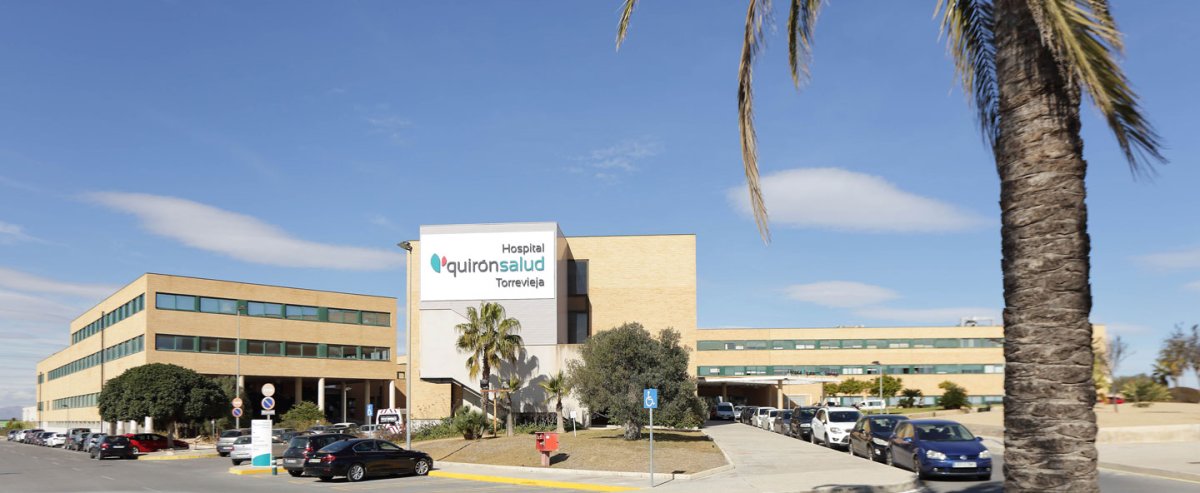
Quironsalud Torrevieja
Quironsalud Madrid
إعلان
Centro Médico Teknon
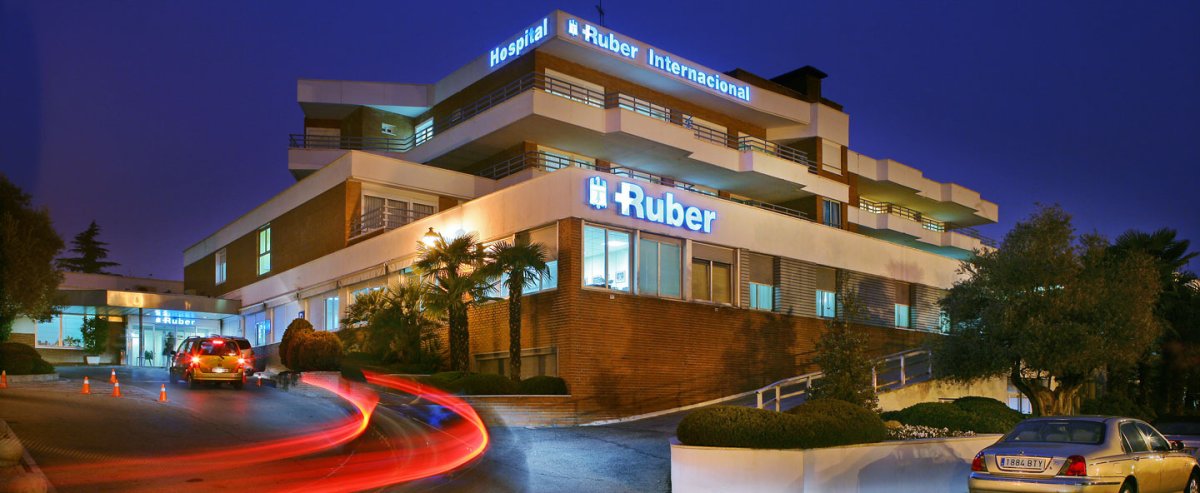
مستشفى Ruber Internacional
SJD Barcelona Children’s Hospital

لقد شاهدتم 4 من 11 عيادات

احصل على تقييم طبي لـ في إسبانيا. استشر الآن 7 أطباء ذوي الخبرة.

عرض جميع الأطباء
يؤكد

Jordi Coromina Isern

42سنة خبره ١٦ سنة

أجرى الدكتور كورومينا أكثر من 1,100 علاج متعلق بالسمع ويقود مركزاً متخصصاً لسمع الأطفال في مركز تكنون الطبي.

  • أكثر من 30 عاماً من التخصص في فقدان السمع لدى الأطفال والبالغين
  • خبير في جراحة زراعة القوقعة وإعادة بناء الأذن الوسطى
  • تدرب في مايو كلينك ومعهد هاوس للأذن
  • رائد التقنيات المساعدة بالليزر في إجراءات الأنف والأذن والحنجرة
  • حاصل على جائزة سيزار بيرتران للابتكار الجراحي
يؤكد

Gabriel Csanalonsi

36سنة خبره ١٦ سنة

أخصائي جراحة الأذن وطب الأعصاب السمعي - يركز الدكتور تشانالونسي على حالات فقدان السمع المعقدة في مركز تيكنون الطبي.

  • أكثر من 25 عاماً من الخبرة في طب الأنف والأذن والحنجرة
  • خبرة في فقدان السمع الحسّي العصبي وإعادة ترميم طبلة الأذن
  • تلقى تدريبه في معهد غارسيا إيبانيز لأمراض الأذن
  • الجمع بين الممارسة السريرية والعمل في طوارئ الأنف والأذن والحنجرة
يؤكد

Carlos Pollan

38سنة خبره ١٦ سنة • تم تنفيذ 435+ علاجات

الدكتور كارلوس بويان هو جراح أذن رائد متخصص في جراحات الأذن الوسطى وزراعة السماعات في مركز تيكنون الطبي.

  • أكثر من 25 عامًا من التميز الجراحي في مجال الأنف والأذن والحنجرة
  • خبير في إجراءات الأنف والأذن والحنجرة طفيفة التوغل والجراحة الروبوتية
  • تدرب على جراحة قاعدة الجمجمة بالمنظار في جامعة بيتسبرغ
  • نشر العديد من الأبحاث العلمية المحكمة
  • محاضر نشط في مؤتمرات الأنف والأذن والحنجرة الوطنية والدولية
يؤكد

O Connor Reina

21سنة خبره ١٦ سنة

رائد الدكتور أوكونور في أول عملية زرع سقف حلق رخو في إسبانيا، وأعد أول تقرير أوروبي عن عملية حقن الحنك (Snoreplasty) لعلاج اضطرابات النوم.

  • رئيس اللجنة الإسبانية لاضطرابات الجهاز التنفسي
  • المدير المشارك لقسم الأنف والأذن والحنجرة في كيرونسالود ماربيا منذ عام 2006
  • عضو الأكاديمية الأمريكية لأمراض الأنف والأذن والحنجرة
  • محاضر في كلية الطب بجامعة إشبيلية

مشاركة المحتوى

Twitter XLinkedinFacebookWhatsAppEmail
أحصل على الرابط

قصص فيديو من مرضى Bookimed

Dayana
جمعت بين إجازتي في أنطاليا والفحص الطبي.
إجراء: فحص صحة الإناث (انظر فحص النساء)
Igor
كان رائعاً! التنقلات والإقامة والعلاج - كل شيء مشمول.
إجراء: زرع الأسنان
مستشفى: WestDent Clinic
Marina
قام Bookimed بكل شيء من أجلي. لم أضطر للقلق بشأن أي شيء.
إجراء: فحص صحة الإناث (انظر فحص النساء)
مستشفى: Severance Hospital
محدث: 03/27/2025
تأليف
Anna Leonova
Anna Leonova
رئيس فريق تسويق المحتوى
محررة طبية معتمدة لديها خبرة تزيد عن 10 سنوات، طوّرت محتوى Bookimed الموثوق، مدعومة بماجستير في علم اللغة ومقابلات مع خبراء طبيين من جميع أنحاء العالم.
تمت المراجعة من قبل المستشار الطبي في Bookimed
فهد مولود
محرر طبي وعالم بيانات
طبيب عام. حاصل على 4 جوائز علمية. خدم في غرب آسيا. رئيس الفريق الطبي الناطق بالعربية سابقا ومسؤول عن معالجة البيانات ودقة المحتوى الطبي حاليا.
فهد مولود Linkedin
قد تحتوي هذه الصفحة على معلومات تتعلق بمختلف الحالات الطبية والعلاجات وخدمات الرعاية الصحية المتوفرة في بلدان مختلفة. يرجى العلم أن المحتوى مقدم لأغراض إعلامية فقط ولا ينبغي تفسيره على أنه نصيحة أو إرشادات طبية. يرجى استشارة طبيبك أو أخصائي طبي مؤهل قبل البدء أو تغيير العلاج الطبي.

أسئلة متكررة حول علاج فقدان السمع في إسبانيا

هذه الأسئلة الشائعة مأخوذة من مرضى حقيقيين يبحثون عن رعاية طبية عبر Bookimed. يتم تقديم الإجابات من قبل منسقين طبيين ذوي خبرة وممثلين موثوقين من العيادات.

Is hearing-loss treatment covered by Spain’s public health system?

Spains public health system covers diagnostic tests, ENT specialist referrals, and neonatal hearing screenings. Surgical treatments like cochlear implants or stapedectomy are typically fully funded. Hearing aid coverage is generally limited to patients under 26, those with low income, or individuals with recognized disabilities.

  • Diagnostic services: Hearing tests and specialist consultations are fully covered via public insurance.
  • Pediatric coverage: Children under 26 qualify for significant subsidies on hearing aid devices.
  • Surgical intervention: Cochlear implant placement is provided for both children and adult patients.
  • Adult subsidies: Adults aged 26+ usually pay full price unless having specific disabilities.

Bookimed Expert Insight: Many patients overlook that JCI-accredited centers like Centro Médico Teknon or Quirónsalud Madrid offer advanced robotic and laser options. Dr. Jordi Coromina Isern at Teknon introduced CO2 laser microlaryngology for precision and faster healing. Private clinics often bypass long public waitlists, currently exceeding 5,000 requests in Spain per Bookimed data.

Patient Consensus: Patients note that public system hearing aids are often basic and have 18-month wait times. Many recommend applying for disability certification to unlock higher subsidies and modern devices.

Which hospitals and specialists are most reputable for hearing-loss care in Spain?

Reputable hearing-loss care in Spain centers on JCI-accredited facilities like Centro Medico Teknon and Quironsalud Madrid. These institutions specialize in cochlear implants and middle-ear reconstruction. Leading experts include Dr. Jordi Coromina Isern and Dr. Gabriel Csanalonsi. They utilize robotic systems for high-precision auditory restoration.

  • Clinic credentials: Centro Medico Teknon holds multiple JCI accreditations for patient safety.
  • Specialist expertise: Dr. Jordi Coromina Isern has over 40 years of ENT experience.
  • Treatment volume: Spanish tertiary centers have performed over 900 successful cochlear implant procedures.
  • Pediatric outcomes: Early intervention programs report a 90% sound recognition rate for children.

Bookimed Expert Insight: While many choose Barcelona for ENT, Quironsalud Torrevieja serves 120,000 patients annually. This high volume across the Quironsalud network suggests robust standardized protocols. Specialists like Dr. Gabriel Csanalonsi at Teknon offer a rare depth of 35+ years experience. This level of expertise is vital for complex otoneurology cases.

Patient Consensus: Patients value the quick transition from diagnosis to surgical solutions. They often highlight the clear communication regarding what to expect during post-implant rehabilitation.

What are the main differences between public and private hearing-loss treatment in Spain?

Public hearing treatment in Spain provides free diagnosis but often requires waiting six to eighteen months for devices. Private clinics offer direct access to ENT specialists within days. Public coverage for adults is limited to specific disabilities, while private options include the latest technology paid out-of-pocket.

  • Specialist access: Private clinics like Quironsalud Madrid offer immediate consultations without general practitioner referrals.
  • Wait times: Public system patients may wait over six months for hearing aid fitting.
  • Device technology: Private centers provide current models from brands like Phonak or Oticon.
  • Surgical options: Joint Commission International-accredited facilities perform complex procedures like cochlear implants and stapedectomies.

Bookimed Expert Insight: Spain ranks third globally for medical requests in our system, showing massive demand for its private infrastructure. Large networks like Quironsalud manage over 120,000 patients annually in single locations. This high volume allows private hospitals to maintain specialized departments for hearing loss that see more cases than smaller public units. Choosing a JCI-accredited center in Madrid or Barcelona ensures high safety standards for surgical interventions like stapedectomy.

Patient Consensus: Patients note that while the public system is a financial lifesaver for pensioners, the long waits often push workers toward private care to stay functional. Many suggest that private audiologists provide much more detail during consultations, even if there is sometimes pressure to buy premium devices.

How common is hearing-aid adoption in Spain and what do users report?

Hearing aid adoption in Spain is characterized by high satisfaction and steady daily use. Approximately 80% of owners report significant quality of life gains. Most users wear devices for nearly 9 hours daily. Spain also maintains a very low device abandonment rate of 6%.

  • Daily usage: Users wear their hearing devices for 8.7 to 8.8 hours per day.
  • High satisfaction: Roughly 80% of Spanish hearing aid owners report being satisfied with devices.
  • Low abandonment: Only 4% to 6% of purchased aids go unused in Spain.
  • Social impact: Users report better social lives (77%) and improved mental health (58%).

Bookimed Expert Insight: Spanish healthcare centers like Quironsalud Torrevieja and HM Madrid manage massive patient volumes, reaching up to 2.3 million outpatients annually. This heavy institutional focus on diagnostics supports rapid hearing aid fine-tuning. While public subsidies often end at age 26, the high usage rates suggest that adults see private adoption as a vital investment for workplace utility and long-term social connectivity.

Patient Consensus: Many users admit they waited too long to seek help and regret the delay. Patients note that while embarrassment is a hurdle, the boost in personal safety and confidence makes the transition worthwhile.

What advanced surgical options are available in Spain for the treatment of severe hearing loss?

Surgical options in Spain include cochlear implants, stapedectomy, and middle-ear reconstruction. Centres like Centro Médico Teknon and Clinica Universidad de Navarra provide these procedures. Specialist teams manage severe sensorineural or conductive hearing loss using JCI-accredited facilities and robotic technology.

  • Cochlear implants: Surgeons place electronic devices to bypass damaged ear parts and stimulate nerves.
  • Stapedectomy: This procedure treats otosclerosis by replacing a small bone to restore sound conduction.
  • Middle-ear reconstruction: Specialists rebuild the ossicular chain to fix mechanical hearing issues.
  • Auditory brainstem implants: This rare neuro-prosthetic option bypasses the ear for complex nerve cases.

Bookimed Expert Insight: Spain ranks third globally for medical requests in our database. This reflects its high surgical standards. Dr Jordi Coromina Isern at Centro Médico Teknon introduced laser and Da Vinci robotic ENT surgeries in Spain. Choosing surgeons with such specific technology experience often leads to more precise implant placement and faster recovery.

Patient Consensus: Patients in Spain emphasise that finding a dedicated cochlear implant centre is vital. This is more important than visiting a general clinic. Experience highlights the need to confirm whether hearing loss is sensorineural or conductive before booking. This determination dictates the entire surgical path.

How do clinics in Spain determine which hearing loss treatment path is right for me?

Spanish clinics use a standardised diagnostic path to match hearing loss profiles with specific treatments. Specialists perform an otoscopy to check for obstructions. This is followed by tonal and speech audiometry in soundproof booths. These tests classify hearing loss as conductive, sensorineural, or mixed to determine the best intervention.

  • Physical evaluation: Otoscopy rules out wax build-up or infections affecting the ear canal.
  • Audiometry testing: Maps hearing thresholds across frequencies to identify the specific type of loss.
  • Speech recognition: Measures word understanding to guide the choice of amplification devices.
  • Vestibular workup: Tests balance and inner ear function using caloric and VEMP diagnostic assessments.

Bookimed Expert Insight: Spanish centres use a multi-specialist approach. An ENT, audiologist, and speech therapist review results together. At Centro Médico Teknon, this team uses robotic-assisted systems and laser suites for delicate middle-ear reconstructions. This collaborative model helps patients with complex mixed hearing loss. It provides a surgical plan that works with their long-term hearing aid or implant needs.

Patient Consensus: Patients note that Spanish clinics clearly explain how test results map to treatment paths. They often address physical causes before discussing devices or surgery. The process is thorough. It typically starts with an ENT review and detailed hearing tests for an accurate recommendation.

Which clinics in Spain are considered top-tier for auditory treatments?

Top-tier Spanish clinics for auditory treatment include Centro Médico Teknon, Clínica Universidad de Navarra, and SJD Barcelona Children's Hospital. These JCI-accredited facilities specialise in cochlear implants and middle-ear reconstructions. Expert surgeons use robotic systems and audiology labs to restore hearing for both adult and paediatric patients.

  • Centro Médico Teknon: Houses a multidisciplinary ENT unit and a dedicated paediatric hearing centre in Barcelona.
  • Paediatric excellence: SJD Barcelona is ranked among Europe's top three children's hospitals for infant diagnostics.
  • Specialist surgeons: Dr Jordi Coromina at Teknon performed fellowships at the Mayo Clinic and House Ear Institute.
  • Technology: Facilities use Da Vinci robotic systems and complex vestibular labs for balance disorders.

Bookimed Expert Insight: Spanish auditory centres combine surgical expertise with international credentials. Many European clinics focus only on surgery. However, specialists at Centro Médico Teknon and ANDSURGEONS often hold dual certifications. These include registrations with the UK General Medical Council or the American Board. This provides a standard of care and communication style familiar to Australians. It is especially helpful for complex cochlear or robotic ENT procedures.

Will the audiologists and medical staff at Spanish clinics speak English?

Private Spanish medical staff and audiologists often speak English. This is especially true at facilities focusing on international patients. Major centres in Madrid, Barcelona, and Alicante hire bilingual specialists trained in the US or UK. Many clinics also provide dedicated coordinators to assist English speakers throughout treatment.

  • Clinic networks: Major private groups like Quirónsalud support patients in 15 different languages.
  • Specialist training: Many doctors, such as Dr Jordi Coromina Isern, held fellowships in the USA.
  • UK-trained experts: ANDSURGEONS Clinic features senior specialists with current United Kingdom GMC certification.
  • Specific support: Facilities like Centro Médico Teknon employ medical coordinators for international patient communication.

Bookimed Expert Insight: Language proficiency often follows clinic accreditation and doctor training patterns. JCI-accredited clinics in Spain, like Hospital Ruber Internacional, frequently employ specialists who have trained at leading American institutions. This global background usually ensures clinical English for complex ENT and audiology consultations.

Patient Consensus: Patients note that private clinics usually have English-speaking desk staff. However, they recommend bringing a written hearing history. Confirming English support for follow-up visits and device fine-tuning in advance helps with smooth aftercare in Spain.

What does the post-treatment process look like for international patients receiving hearing loss treatment in Spain?

Spanish recovery pathways involve initial clinical observation followed by long-term auditory rehabilitation. Patients spending 7 to 10 days in-country undergo wound checks before departing. Clinics like Centro Médico Teknon use telemedicine for remote device programming. This allows Australian patients to receive adjustments from home via digital apps.

  • In-country healing: Stay 1 week for incision checks and stitch removal after surgery.
  • Device activation: Wait 4 weeks for cochlear implant activation once swelling subsides.
  • Auditory rehabilitation: Complete phased training focused on sound detection and speech comprehension.
  • Remote management: Use telemedicine apps for device fine-tuning and virtual specialist consultations.
  • Clinical handover: Collect translated medical reports for seamless care with local GPs.

Bookimed Expert Insight: Our data shows Spanish ENT centres specialise in multidisciplinary recovery. Dr Jordi Coromina Isern at Centro Médico Teknon leads a team of specialists. This team includes audiologists, speech therapists, and psychologists. This approach is vital because surgical success depends on the brain relearning sound processing.

Patient Consensus: Patients note that Spanish treatment is the first step in a longer journey. They emphasise getting a written aftercare plan. They also recommend confirming who handles device adjustments in Australia. Spain-based specialists often provide digital tools to help manage this transition effectively.

احصل على استشارة مجانية

حدد أفضل طريقة للاتصال بك