فقدان السمع العلاج في كوريا الجنوبية - التكاليف 2026


تمت مراجعة المقالة طبيا من قبل
فهد مولود
ما هي تكلفة فقدان السمع إجراءات التشخيص والعلاج في كوريا الجنوبية؟ اعرف الآن
| كوريا الجنوبية | تركيا | إسبانيا | |
|---|---|---|---|
| تركيب القوقعة الصناعية | ≈ $28,000 | من $14,000 | من $22,000 |
| استئصال الركابي | ≈ $5,200 | من $6,200 | ≈ $3,200 |
مزاياك وضماناتك مع Bookimed
أسعار مباشرة
Bookimed لا يضيف رسوماً إضافية على أسعار علاج فقدان السمع. الأسعار مأخوذة من قوائم الأسعار الرسمية للعيادات. تدفع مباشرة في العيادة مقابل علاجك عند وصولك إلى البلد.
عيادات وأطباء معتمدون فقط
Bookimed ملتزم بسلامتك. نحن نعمل فقط مع المؤسسات الطبية التي تحافظ على معايير دولية عالية في علاج فقدان السمع ولديها التراخيص اللازمة لخدمة المرضى الدوليين في جميع أنحاء العالم.
مساعدة مجانية على مدار الساعة
Bookimed يقدم مساعدة خبراء مجانية. منسق طبي شخصي يدعمك قبل وأثناء وبعد العلاج، ويحل أي مشاكل. لن تكون وحيداً أبداً في رحلة علاج فقدان السمع.

منسقك الطبي الشخصي في Bookimed
- يدعمك في كل مرحلة
- المساعدة في اختيار العيادة الطبية المناسبة والطبيب المناسب
- يضمن الوصول السريع والمريح إلى المعلومات
اكتشف أفضل فقدان السمع العيادات في كوريا الجنوبية: 7 خيارات معتمدة والأسعار






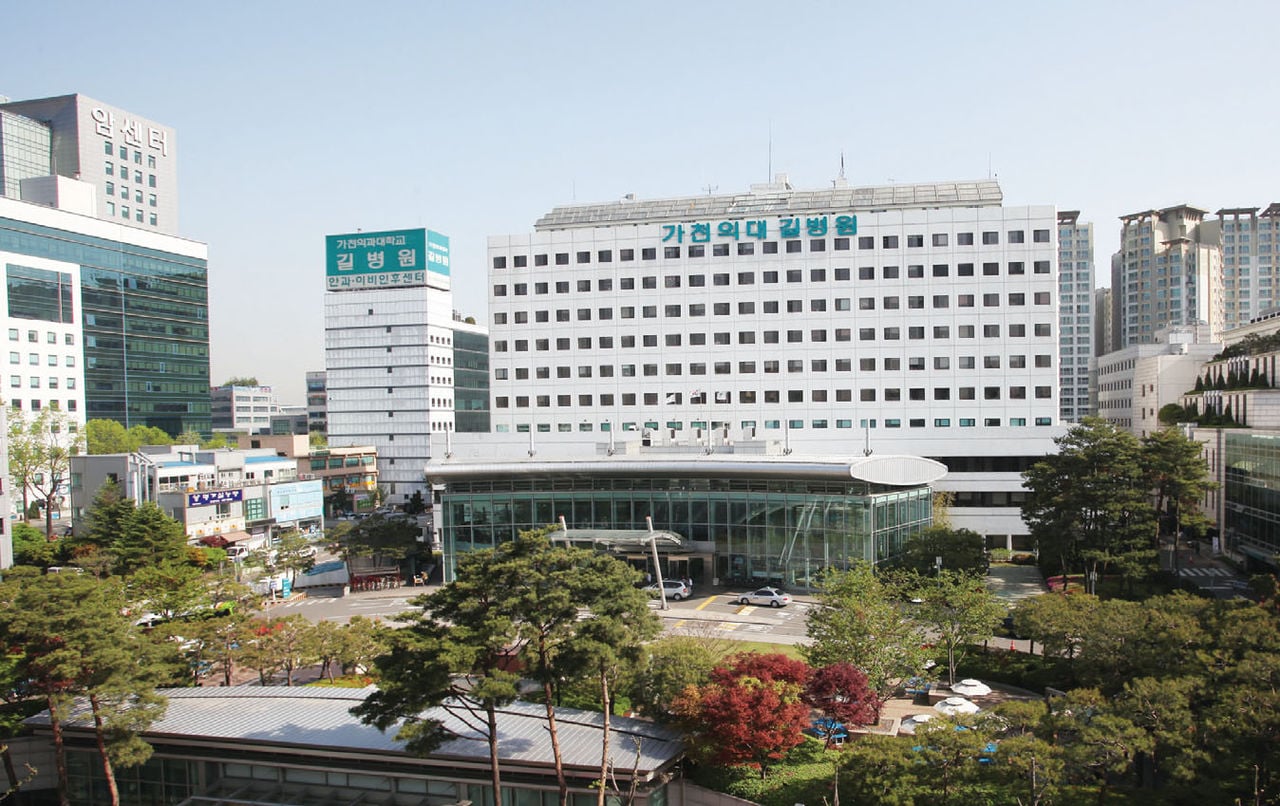






احصلوا على تقييم طبي لـ فقدان السمع في كوريا الجنوبية: استشيروا أطباء ذوي خبرة الآن
عرض جميع الأطباء
Kim Geonho
الدكتور كيم غونهو أخصائي ورئيس قسم الأنف والأذن والحنجرة في مستشفى نايون. يعالج أمراض اللوزتين واللحمية، والتهاب الجيوب الأنفية، والتهاب الأنف، كما يتعامل مع الشخير وانقطاع النفس أثناء النوم، وتغيرات الصوت الناجمة عن اضطرابات الأحبال الصوتية، وأمراض الغدد اللعابية واضطرابات الغدة الدرقية.
تخرّج من كلية الطب في جامعة هانيانغ، وأتمّ الامتياز والإقامة والزمالة السريرية في طب الأنف والأذن والحنجرة بمستشفى جامعة هانيانغ. شغل سابقاً منصب نائب مدير عيادة بارو (أنف وأذن وحنجرة). أكمل تدريباً م
Jwong Myeonghyeon
الدكتور Jwong Myeonghyeon اختصاصي الأنف والأذن والحنجرة (ENT). يحمل درجتي الطب (MD) والدكتوراه، ويشغل منصب المدير الطبي الفخري. يتركز عمله السريري على التهاب الأذن الوسطى، طنين الأذن، الدوخة والدوار، زراعة القوقعة، فقدان السمع، المعينات السمعية، وطب الأنف والأذن والحنجرة لدى الأطفال.
حصل على درجتي الطب (MD) والدكتوراه في الطب من جامعة يونسي، وأكمل زمالة في مختبر أبحاث طب الأذن بجامعة ولاية أوهايو في الولايات المتحدة.
شملت مناصبه القيادية منصب مدير مستشفى العيون والأنف والأذن وال
مشاركة المحتوى
قصص فيديو من مرضى Bookimed
 Anna Leonova
أسئلة متكررة حول علاج فقدان السمع في كوريا الجنوبية
ما هي خيارات العلاج الأساسية لفقدان السمع في كوريا الجنوبية؟
يركز علاج فقدان السمع في كوريا الجنوبية على التدخلات الجراحية المتقدمة. تتخصص المستشفيات الثالثية في زراعة القوقعة الصناعية واستئصال الركابة لحالات الفقدان الشديد. تستخدم العيادات الرائدة أنظمة تشخيص رقمية لضمان الدقة. يحصل المرضى على نظام طبي متدرج من العيادات المتخصصة إلى المراكز الجامعية الكبيرة.
- الغرسات الجراحية: أجرى مركز أسان الطبي أكثر من 2000 عملية زراعة قوقعة صناعية.
- حجم الخبرة: سجل مستشفى سيفيرانس أكثر من 3000 عملية جراحية ناجحة متعلقة بالسمع.
- التشخيص السريع: يقدم مستشفى جامعة سيول الوطنية في بوندانغ تحضيراً تشخيصياً خلال 48 ساعة.
- الإجراءات المتقدمة: يقوم المتخصصون بإجراء استئصال الركابة لفقدان السمع التوصيلي في مرافق معتمدة من اللجنة الدولية المشتركة (JCI).
رؤية خبير Bookimed: يوفر النظام الطبي المتدرج في كوريا ميزة سرعة واضحة للمرضى الدوليين. بينما تدير المستشفيات الجامعية مثل سيفيرانس أحجاماً هائلة تصل إلى 1.6 مليون مريض خارجي، تركز العيادات الخاصة المتخصصة مثل عيادة سوري للأذن حصرياً على صحة الأذن. قد يوفر اختيار عيادة متخصصة وصولاً أسرع إلى غرسات القوقعة الهجينة مقارنة بالمستشفيات العامة الكبيرة التي تضم 3700 سرير.
ما هي المستشفيات في كوريا الجنوبية الأكثر شهرة لعلاج فقدان السمع؟
تشمل المستشفيات الكورية الجنوبية الرائدة لعلاج فقدان السمع مركز أسان الطبي (Asan Medical Center)، ومستشفى جامعة سيول الوطنية (SNUH)، ومستشفى سيفيرانس (Severance Hospital). تتخصص هذه المراكز في زراعة القوقعة وجراحة الأذن بالمنظار. تحمل معظم المرافق اعتمادات JCI أو KOIHA ومعترف بها من قبل مجلة نيوزويك كقادة عالميين.
- مركز أسان الطبي: أجرى أكثر من 2000 عملية زراعة قوقعة مع التركيز على الحالات المعقدة.
- مستشفى سيفيرانس: مرفق معتمد من JCI يضم عيادة متخصصة في طب العيون والأنف والأذن والحنجرة.
- مستشفى جامعة سيول الوطنية: يدير 3000 عملية جراحية سنويًا من خلال عيادته المتخصصة في فقدان السمع والدوار.
- مستشفى جامعة سيول الوطنية في بوندانغ: يستخدم نظام BESTcare الرقمي لزيادة الأمان أثناء إجراءات السمع.
رؤية خبير Bookimed: بينما يعد مركزا أسان ومستشفى جامعة سيول الوطنية هما الأكبر من حيث حجم العمليات في سيول، يجب على المرضى الذين يبحثون عن وصول أسرع التفكير في مركز غاشون الجامعي الطبي (Gachon University Gil Medical Center) في إنتشون. يخدم هذا المستشفى متعدد التخصصات حوالي 38000 مريض سنويًا ويبعد ساعة واحدة فقط بالسيارة عن مطار إنتشون الدولي. وهو يوفر بديلاً عمليًا للمرضى الدوليين الذين يرغبون في تجنب فترات الانتظار التي غالبًا ما ترتبط بأكبر المراكز الطبية في العاصمة.
هل العلاج متاح للمرضى الذين لا يتحدثون الكورية؟
علاج فقدان السمع متاح للغاية للمرضى الذين لا يتحدثون الكورية. تضم المستشفيات الكبرى في سيول وإنشيون مراكز رعاية صحية دولية مخصصة. توفر هذه المرافق أطباء ومنسقين يتحدثون الإنجليزية لإدارة عمليات زراعة القوقعة. يساعد العديد من المنسقين في الخدمات اللوجستية والفواتير والترجمة.
- المراكز الدولية: توفر المستشفيات الكبرى مثل مستشفى سيفيرانس طاقم دعم متعدد اللغات.
- المرافق المعتمدة: تمتلك عيادات مثل مركز آسان الطبي شهادات JCI و ISO.
- التكامل الرقمي: يستخدم مستشفى جامعة سيول الوطنية أنظمة رقمية بالكامل لبيانات المرضى.
- دعم الطوارئ: تربط خدمة 119 المتصلين الأجانب بمترجمين لغويين محترفين.
رؤية خبير Bookimed: بينما تخدم المراكز الكبرى مثل مستشفى سيفيرانس أكثر من 1.6 مليون مريض خارجي سنويًا، غالبًا ما تفتقر العيادات الصغيرة إلى الدعم الإداري باللغة الإنجليزية. يجب على المرضى إعطاء الأولوية للمستشفيات الجامعية المعتمدة من JCI في سيول لضمان تواصل سلس أثناء إجراءات زراعة القوقعة المعقدة. غالبًا ما تمتلك هذه المؤسسات الكبيرة البنية التحتية الإدارية للتعامل مع التأمين الدولي ورعاية المتابعة دون حواجز لغوية.
إجماع المرضى: يشير المرضى إلى أنه من المهم اختيار مستشفيات بها مكاتب دولية مخصصة لتجنب فجوات التواصل. يعد استخدام تطبيقات الترجمة مفيدًا للاحتياجات الأساسية، ولكن المصطلحات الطبية المتخصصة تتطلب منسقين محترفين.