علاج فقدان السمع في الهند: 11 مستشفيات


تمت مراجعة المقالة طبيا من قبل
فهد مولود
ما هي تكلفة فقدان السمع إجراءات التشخيص والعلاج في الهند؟ اعرف الآن
| الهند | تركيا | إسبانيا | |
|---|---|---|---|
| تركيب القوقعة الصناعية | من $6,000 | من $14,000 | من $22,000 |
| استئصال الركابي | ≈ $3,200 | من $6,200 | ≈ $3,200 |
مزاياك وضماناتك مع Bookimed
أسعار مباشرة
Bookimed لا يضيف رسوماً إضافية على أسعار علاج فقدان السمع. الأسعار مأخوذة من قوائم الأسعار الرسمية للعيادات. تدفع مباشرة في العيادة مقابل علاجك عند وصولك إلى البلد.
عيادات وأطباء معتمدون فقط
Bookimed ملتزم بسلامتك. نحن نعمل فقط مع المؤسسات الطبية التي تحافظ على معايير دولية عالية في علاج فقدان السمع ولديها التراخيص اللازمة لخدمة المرضى الدوليين في جميع أنحاء العالم.
مساعدة مجانية على مدار الساعة
Bookimed يقدم مساعدة خبراء مجانية. منسق طبي شخصي يدعمك قبل وأثناء وبعد العلاج، ويحل أي مشاكل. لن تكون وحيداً أبداً في رحلة علاج فقدان السمع.

منسقك الطبي الشخصي في Bookimed
- يدعمك في كل مرحلة
- المساعدة في اختيار العيادة الطبية المناسبة والطبيب المناسب
- يضمن الوصول السريع والمريح إلى المعلومات
اكتشف أفضل فقدان السمع العيادات في الهند: 11 خيارات معتمدة والأسعار














Dr. Rela Institute & Medical Centre
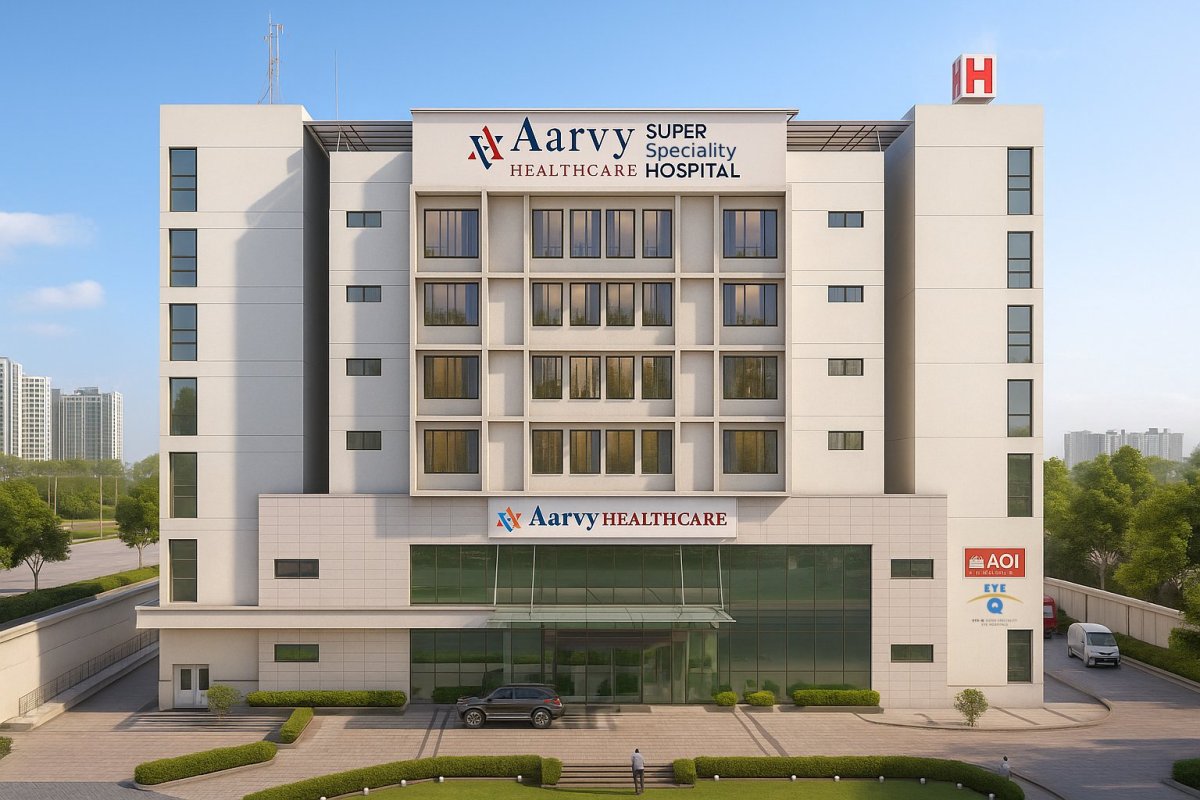
Aarvy Healthcare Super Speciality Hospital
احصلوا على تقييم طبي لـ فقدان السمع في الهند: استشيروا أطباء ذوي خبرة الآن
عرض جميع الأطباء
Rachna Shroff
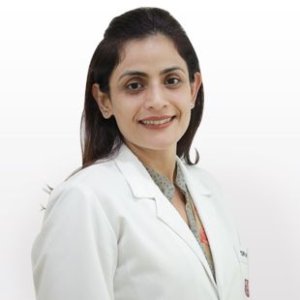
Neha Sood
مشاركة المحتوى
قصص فيديو من مرضى Bookimed
 Anna Leonova
أسئلة متكررة حول علاج فقدان السمع في الهند
هل جراحة زراعة القوقعة في الهند آمنة ويجريها جراحون مؤهلون؟
تعد جراحة زراعة القوقعة في الهند آمنة وناجحة للغاية عند إجرائها في مراكز ثالثية معتمدة. تبلغ المستشفيات الهندية الرائدة عن معدلات نجاح تتراوح بين 85% و95%. غالبًا ما يحمل أطباء الأنف والأذن والحنجرة المعتمدون زمالات متخصصة في طب الأعصاب والأذن. تحافظ العديد من المرافق على اعتماد اللجنة الدولية المشتركة (JCI) للسلامة.
- خبرة الجراح: غالبًا ما يحمل أخصائيو الأنف والأذن والحنجرة درجات MS أو DLO المتقدمة مع زمالات في طب الأعصاب والأذن.
- سجلات السلامة: تبلغ المراكز الكبرى عن معدلات مضاعفات منخفضة تتوافق باستمرار مع المعايير العالمية.
- المرافق المعتمدة: تحافظ أفضل المستشفيات مثل Artemis وApollo Indraprastha على شهادات JCI وNABH.
- الوصول إلى التكنولوجيا: يستخدم الجراحون غرسات متقدمة من قادة عالميين مثل Med-El وAdvanced Bionics.
رؤية خبير Bookimed: يعد الحجم السريري مؤشرًا موثوقًا للسلامة في السوق الهندي. أجرى مستشفى Apollo Indraprastha أكثر من 985 عملية زراعة. تخدم الشبكات الكبيرة مثل مستشفيات Manipal أكثر من 2,000,000 مريض سنويًا. يضمن اختيار المراكز ذات الحجم الكبير الوصول إلى فرق جراحية ذات خبرة وبروتوكولات رسم خرائط ما بعد الجراحة المعمول بها.
إجماع المرضى: يؤكد المرضى أن النتائج الناجحة تعتمد على اختيار الجراحين في المدن الكبرى ذات عدد الحالات المرتفع. يلاحظ الكثيرون أن الثقافة المحلية التي تركز على الأسرة تحسن بشكل خاص النجاح طويل المدى لعلاج النطق بعد الجراحة.
ما هو الجدول الزمني المتوقع لإعادة التأهيل السمعي بعد زراعة القوقعة في الهند؟
تتطلب إعادة تأهيل القوقعة في الهند عادةً من 12 إلى 24 شهرًا من العلاج النشط للحصول على نتائج مستقرة. يبدأ التعافي بفترة شفاء مدتها 3 أسابيع قبل تفعيل الجهاز. يخضع المرضى بعد ذلك لعملية رسم خرائط صوتية مكثفة وعلاج سمعي لفظي متخصص للتكيف مع الإشارات الكهربائية الجديدة.
- الشفاء الأولي: يستغرق تعافي الشق الجراحي الأساسي من 1 إلى 3 أسابيع قبل تفعيل المعالج.
- التفعيل الأول: يتم تشغيل معالجات الصوت بعد حوالي 3 إلى 4 أسابيع من الجراحة.
- رسم الخرائط المكثف: تحدث تعديلات منتظمة خلال الأشهر الثلاثة إلى الستة الأولى للمعايرة.
- إعادة التأهيل المنظم: يستمر علاج النطق المتخصص لمدة 12 إلى 24 شهرًا للأطفال.
رؤية خبير Bookimed: يعمل حجم المرضى كمؤشر جودة حاسم في الهند. تخدم مستشفيات مانيبال ومستشفى أبولو إندرابراستا ما بين 1,000,000 إلى 2,000,000 مريض سنويًا. غالبًا ما توفر هذه الشبكات ذات السعة العالية جلسات رسم خرائط أكثر تكرارًا. هذا الاتساق حيوي لأن رسم الخرائط الصوتية للأطفال يتطلب 3 جلسات في غضون أسبوعين لتقليل التغذية الراجعة.
إجماع المرضى: يلاحظ المرضى أن الأصوات تبدو في البداية آلية أو معدنية. ويؤكدون أن ارتداء الجهاز لأكثر من 10 ساعات يوميًا ضروري للتغلب على التعب السمعي والوصول إلى المعالم بشكل أسرع.
هل يمكن للأجانب إحضار عائلاتهم وكم من الوقت يجب أن يبقوا في الهند لإجراءات تتعلق بفقدان السمع؟
يمكن للأجانب إحضار ما يصل إلى فردين من أفراد الأسرة إلى الهند لعلاجات فقدان السمع. يسافر هؤلاء المرافقون بتأشيرة مرافق طبي (Medical Attendant Visa). عادة ما يبقى المرضى من 13 إلى 15 يوماً لزراعة القوقعة. يشمل ذلك الجراحة والتعافي الأولي. قد تتطلب تفعيل الجهاز إقامة لمدة 8 أسابيع.
- بدل العائلة: يمكن لما يصل إلى قريبين من الدرجة الأولى مرافقة المريض.
- مدة التأشيرة: تظل تأشيرة المرافق صالحة طوال فترة صلاحية التأشيرة الطبية للمريض.
- الإقامة في المستشفى: تتطلب الإجراءات الجراحية عادةً من 2 إلى 4 أيام من الإقامة في المستشفى.
- فترة التعافي: خطط لـ 9 إلى 11 يوماً خارج المستشفى للشفاء.
رؤية خبير Bookimed: تضم الهند شبكات طبية ضخمة مثل مستشفيات مانيبال (Manipal Hospitals) ومستشفيات أبولو (Apollo Hospitals). تخدم مانيبال 2,000,000 مريض سنوياً عبر مدن متعددة. يتميز مستشفى أبولو في دلهي بمختبر التشخيص المتقدم وسعة الأسرة الكبيرة. غالباً ما تتمتع هذه الشبكات الكبيرة بلوجستيات أكثر سلاسة للعائلات. وهي توفر أقساماً دولية راسخة للتعامل مع التسجيل الإلزامي للإقامات التي تزيد عن 180 يوماً.
إجماع المرضى: يشير المرضى إلى أن البقاء بالقرب من المستشفى في سكن محلي أمر عملي. يعد دعم الأسرة مفيداً بشكل خاص خلال المرحلة الحساسة لتفعيل الجهاز بعد الجراحة.
هل ستترك جراحة زراعة القوقعة ندوباً مرئية أو تغير المظهر؟
تترك جراحة زراعة القوقعة في الهند ندبة سرية خلف الأذن. عادة ما تكون الشقوق صغيرة ومخفية داخل ثنايا الجلد الطبيعية. يستخدم الجراحون تقنيات الوصول المحدود. وهذا يضمن بقاء الندبة غير مرئية إلى حد كبير. عادة ما يتم تغطية أي نتوء طفيف من المستقبل الداخلي بالشعر.
- موقع الشق: يقوم الجراحون بعمل شق بطول 5 سم في الثنية خلف الأذن.
- وضوح الندبة: عادة ما تتلاشى الندوب السرية وتصبح شاحبة في غضون 3 إلى 12 شهراً.
- العناية بالشعر: يقوم المتخصصون بحلق القليل جداً من الشعر. نمو الشعر يخفي موقع الجراحة بسرعة.
- التأثير على المظهر: قد يخلق المستقبل الداخلي النحيف نتوءاً تحت الجلد دقيقاً.
رؤية خبير Bookimed: تضم الهند شبكات طبية راسخة مثل مانيبال وأبولو. تخدم مستشفيات مانيبال 2,000,000 مريض سنوياً مع أكثر من 50 عاماً من الخبرة. غالباً ما ترتبط أحجام المرضى الكبيرة بتقنيات جراحية متطورة. وهذا يؤدي إلى نتائج تجميلية متسقة في إجراءات الأنف والأذن والحنجرة المعقدة. يجب على المرضى إعطاء الأولوية للمراكز الحاصلة على اعتمادات JCI و NABH للحصول على رعاية قياسية بعد الجراحة.
إجماع المرضى: يلاحظ المرضى أن المعالج الخارجي أكثر وضوحاً من الندبة الجراحية. يقترح الكثيرون استخدام صفائح السيليكون في وقت مبكر إذا كان نوع بشرتك عرضة لفرط التصبغ.
ما هي المدن في الهند التي تقدم خدمات متطورة لفقدان السمع مخصصة للمرضى الدوليين؟
تعد دلهي، وجورجاون، ومومباي، وتشيناي، وبنغالور المراكز الرئيسية في الهند لخدمات فقدان السمع الدولية. تتميز هذه المدن بمستشفيات معتمدة من اللجنة الدولية المشتركة (JCI) تقدم غرسات القوقعة الصناعية المتقدمة وإجراءات استئصال الركابة. تتخصص المرافق في إعادة التأهيل السمعي للأطفال والبالغين داخل أجنحة مخصصة للمرضى الدوليين لضمان رعاية سلسة.
- مركز جورجاون الطبي: تقدم Artemis و Medanta باقات متخصصة لغرسات القوقعة الصناعية مع رعاية متعددة التخصصات.
- رعاية عالية الكثافة في دلهي: يوفر مستشفى Indraprastha Apollo مختبرات تشخيصية متقدمة وخبرة جراحية واسعة في الأنف والأذن والحنجرة.
- مراكز تشيناي المتخصصة: معروفة بمعهد الدكتور ريلا (Dr. Rela Institute) وغرسات جذع الدماغ السمعية المتقدمة في مستشفى جلوبال (Global Hospital).
- تكنولوجيا بنغالور المبتكرة: تخدم مستشفيات مانيبال (Manipal Hospitals) 2,000,000 مريض سنويًا بعلاجات شاملة لفقدان السمع الحسي العصبي.
رؤية خبير Bookimed: بينما تهيمن مومباي ودلهي على حجم المرضى، غالبًا ما توفر عيادات جورجاون مثل Artemis و Medanta التجربة الأكثر انسيابية للزوار الدوليين. تم تصميم هذه المرافق كمجمعات طبية، مما يعني أن مراكز التشخيص، وأجنحة الجراحة، وفنادق التعافي طويلة الأمد تقع ضمن دائرة نصف قطرها 5 أميال. يقلل هذا الإعداد بشكل كبير من الضغوط اللوجستية للمرضى الذين يحتاجون إلى جلسات ضبط متابعة متعددة لأجهزة القوقعة الصناعية.
إجماع المرضى: غالبًا ما يؤكد المرضى أنه على الرغم من انخفاض التكاليف الجراح
هل أنا مرشح مناسب لعلاج فقدان السمع من خلال برنامج في الهند؟
تعتمد الملاءمة لبرامج علاج فقدان السمع الهندية على شدة حالتك ووضعك المالي. يعتبر المرضى الدوليون مرشحين مثاليين لزراعة القوقعة أو استئصال الركابة إذا فشلت المعينات السمعية التقليدية. عادةً ما يعاني المرشحون من فقدان سمع يزيد عن 60 ديسيبل أو فهم كلام أقل من 60٪.
- المعايير الطبية: مثالي لفقدان السمع الحسي العصبي الشديد إلى العميق.
- اللياقة الجراحية: يجب أن يكون المرشحون بصحة جيدة بما يكفي للتخدير العام.
- الوصول إلى البرنامج: البرامج الممولة من الحكومة مثل ADIP مخصصة للمواطنين الهنود.
- البرامج الدولية: يصل المرضى العالميون إلى المستشفيات الخاصة الحاصلة على اعتمادات JCI و NABH.
رؤية خبير Bookimed: غالبًا ما يتجاهل المرضى حجم المرافق عند الاختيار بين المدن. تخدم العمالقة الهنود مثل مستشفيات مانيبال وأبولو إندرابراستا أكثر من 1,000,000 مريض سنويًا. غالبًا ما توفر الشبكات الكبيرة لوجستيات أفضل للزوار الدوليين مقارنة بالعيادات المستقلة. يسمح اختيار منشأة ذات فروع إقليمية متعددة بخيارات متابعة أكثر مرونة.
إجماع المرضى: يؤكد المرضى أن الهند ممتازة للعمليات الجراحية المعقدة ولكنهم يحذرون من لوجستيات ما بعد الجراحة. من الضروري تأكيد توافق المعالج وخيارات إعادة التأهيل المحلية قبل العودة إلى المنزل.
هل هناك مخاطر طويلة المدى لفشل الغرسة أو العدوى التي تتطلب جراحة مراجعة في الهند؟
تتماشى المخاطر طويلة المدى لفشل الغرسة أو العدوى في الهند مع المعايير العالمية لعلاجات فقدان السمع. تشمل مسببات المضاعفات الرئيسية عدوى موقع الجراحة والمشاكل الميكانيكية مثل فشل القطب الكهربائي. تحافظ المراكز الطبية الهندية الكبرى على معدلات عدوى أقل من 2% في البيئات المعتمدة ذات الحجم الكبير.
- خطر العدوى: تعكس معدلات عدوى موقع الجراحة في المستشفيات المعتمدة المعايير الدولية التي تتراوح بين 1% و2%.
- الفشل الميكانيكي: قد يتطلب فشل المغناطيس أو القطب الكهربائي جراحة مراجعة بعد 4 إلى 10 سنوات.
- معدلات النجاح: يظل النجاح طويل المدى لغرسات السمع مرتفعاً بنسبة تقارب 90% على مدى عقد من الزمن.
- معايير الاعتماد: تتبع العيادات الحاصلة على شهادات JCI أو NABH بروتوكولات تعقيم صارمة لتقليل المخاطر.
رؤية خبير Bookimed: يعد حجم المرضى مؤشراً موثوقاً للسلامة في الهند. تدير مرافق مثل مستشفيات مانيبال ومستشفى أبولو إندرابراستا أكثر من 1,000,000 مريض سنوياً. يضمن هذا النطاق الهائل أن الجراحين في هذه المراكز يواجهون ويديرون حالات المراجعة المعقدة بشكل متكرر أكثر من نظرائهم في العيادات الأوروبية أو الأمريكية ذات الحجم الأقل.
إجماع المرضى: يشير المرضى إلى أنه على الرغم من أن خطر المراجعة هو واقع عالمي، فإن القدرة على تحمل التكاليف في الهند تجعل إدارة فشل الأجهزة أسهل بكثير. يؤكد الكثيرون على اختيار الجراحين الذين يركزون بشكل خاص على إجراءات الأنف والأذن والحنجرة والالتزام الصارم ببروتوكولات المضادات الحيوية خلال العام الأول.