علاج مرض الثدي الكيسي الليفي في إسبانيا — احصل على 3 عيادات مختارة خصيصاً لك


تمت مراجعة المقالة طبيا من قبل
فهد مولود
كيف نعمل؟
ما هي تكلفة مرض الثدي الكيسي الليفي إجراءات التشخيص والعلاج في إسبانيا؟ اعرف الآن
اكتشف أفضل مرض الثدي الكيسي الليفي العيادات في إسبانيا: 5 خيارات معتمدة والأسعار













احصلوا على تقييم طبي لـ مرض الثدي الكيسي الليفي في إسبانيا: استشيروا أطباء ذوي خبرة الآن
عرض جميع الأطباء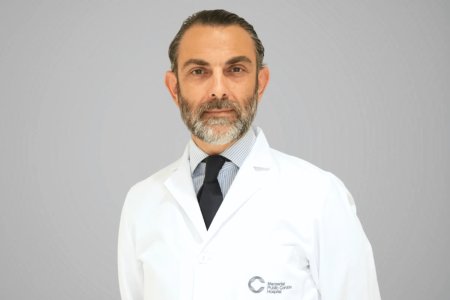
Jorge Ruiz Rodríguez
الدكتور خورخي رويز رودريغيز هو طبيب متخصص في أمراض النساء والتوليد وجراح ثدي في مستشفى بوبليو كوردون التذكاري في مدريد. يتخصص الدكتور في طب الثدي وجراحة الأورام الخاصة بسرطان الثدي، كما يعالج اعتلال الثدي الكيسي الليفي ويجري عمليات استئصال الأورام.
يعمل الدكتور في منشأة معتمدة من قبل اللجنة الدولية المشتركة (Joint Commission International). كما يحمل المستشفى اعتمادات من الجمعية الأوروبية للتكاثر البشري وعلم الأجنة. يضم الفريق الطبي زملاء من كلية الجراحين الأمريكية.
مشاركة المحتوى
قصص فيديو من مرضى Bookimed
 Anna Leonova
أسئلة متكررة حول علاج مرض الثدي الكيسي الليفي في إسبانيا
هل مرض الثدي الكيسي الليفي هو مرض فعلياً، وهل سيتحول إلى سرطان؟
مرض الثدي الكيسي الليفي ليس مرضاً طبياً. بل هو حالة حميدة تسمى الآن التغيرات الكيسية الليفية في الثدي. هذه الاختلافات في الأنسجة لا تتحول إلى سرطان. فهي تمثل استجابات تشريحية طبيعية للتحولات الهرمونية أثناء الدورة الشهرية لدى أكثر من 50% من النساء.
- حالة الحالة: يصنف المتخصصون الطبيون هذه التغيرات على أنها اختلافات طبيعية وليست مرضية.
- خطر الإصابة بالسرطان: الأنسجة الكيسية الليفية غير سرطانية تماماً ولا تتطور إلى ورم خبيث.
- التشخيص المخادع: يمكن للأنسجة الكثيفة أو المتكتلة أحياناً أن تجعل تفسير تصوير الثدي بالأشعة السينية أكثر صعوبة.
- علامات التحذير: استشر أخصائياً في حالة وجود إفرازات دموية من الحلمة، أو تنقير في الجلد، أو كتل صلبة مستمرة.
رؤية خبراء Bookimed: تظل إسبانيا وجهة رائدة للتشخيصات المعقدة، حيث تحتل المرتبة السابعة عالمياً في بيانات السوق الخاصة بنا. تدير مرافق مثل عيادة جامعة نافارا (Clinica Universidad de Navarra) أو مركز تيكنون الطبي (Centro Médico Teknon) أكثر من 140,000 إلى 400,000 مريض سنوياً. يضمن حجم عملهم المرتفع واعتماد اللجنة الدولية المشتركة (JCI) فحص حتى تغيرات الثدي الشائعة باستخدام تصوير متقدم لاستبعاد أي مشاكل كامنة بشكل قاطع.
إجماع المرضى: يشير المرضى إلى أنه من المهم تتبع كيفية تغير الكتل مع دورتك الشهرية لتقليل القلق. ويؤكد الكثيرون أن الحصول على نتيجة حميدة واضحة من الموجات فوق الصوتية يساعد في توفير راحة البال.
ما هي العلاجات الطبية الأساسية لإدارة الأعراض الشديدة؟
تركز الإدارة الطبية للأعراض الليفية الكيسية الشديدة في إسبانيا على التنظيم الهرموني وتسكين الألم الموجه المقدم في المراكز المعتمدة من قبل اللجنة الدولية المشتركة (JCI). تنشر فرق متخصصة الأدوية الموصوفة، والشفط بالإبرة، والتدخلات القائمة على الدورة الشهرية لتقليل ألم الثدي وتكتله. تعمل هذه العلاجات على استقرار جودة الحياة بشكل فعال أثناء نوبات التوهج.
- إدارة الألم: تستهدف الأدوية المضادة للالتهابات غير الستيرويدية (NSAIDs) بجرعات عالية أو العوامل الموضعية ألم الثدي البؤري.
- العلاج الهرموني: تنظم وسائل منع الحمل الموصوفة أو مثبطات الهرمونات التقلبات المرتبطة بالدورة الشهرية وتغيرات الثدي.
- شفط الكيس: يزيل الشفط بالإبرة الدقيقة السوائل من الأكياس المؤلمة لتخفيف الضغط الفوري.
- التتبع التشخيصي المتخصص: تستخدم مرافق مثل مستشفى HM Nou Delfos تصويرًا متقدمًا لمراقبة تغيرات الأنسجة.
رؤية خبير Bookimed: تسلط بيانات حجم المرضى الضوء على مستشفى HM Nou Delfos والمراكز الأكاديمية في إسبانيا كأقطاب مهيمنة، حيث تخدم ما يصل إلى 400,000 مريض سنويًا. يشير هذا النطاق الهائل إلى بروتوكولات تشخيصية مبسطة للغاية. في حين تعالج عيادات مثل Centro Médico Teknon رياضيين رفيعي المستوى، تضمن أقسامها الخمسون أن تظل رعاية أمراض النساء المتخصصة في متناول الجميع.
إجماع المرضى: يلاحظ المرضى أن الراحة غالبًا ما تتطلب مزيجًا مخصصًا من مسكنات الألم والتعديلات الهرمونية بدلاً من حبة واحدة فقط. يجد العديد من المرضى أن الشفط السريع بالإبرة هو الطريقة الأكثر
ما هي المرافق الطبية المتخصصة في علاج حالات الثدي الحميدة في إسبانيا؟
توفر المرافق الطبية الإسبانية رعاية متخصصة لحالات الثدي الحميدة من خلال وحدات أمراض الثدي المخصصة. تقدم مراكز مثل Centro Médico Teknon و Clínica Universidad de Navarra تشخيصات متكاملة ورعاية جراحية. تحمل هذه المؤسسات اعتماد اللجنة الدولية المشتركة (Joint Commission International). يضمن معظمها سير عمل سريع للتصوير والخزعات في غضون 24 ساعة.
- نهج متعدد التخصصات: تدمج الفرق بين أمراض النساء والأشعة وجراحة الثدي لإجراء تقييمات تشخيصية متزامنة.
- تشخيصات متقدمة: تستخدم المرافق تصوير الثدي بالأشعة الرقمي والموجات فوق الصوتية عالية الدقة للتمييز بين التغيرات الليفية الكيسية الحميدة.
- وحدات متخصصة: تدير مراكز مرجعية مثل Vall d'Hebron أحجاماً كبيرة من التشوهات غير السرطانية.
- المعايير الدولية: تحافظ أفضل المستشفيات الخاصة على شهادات ISO وتصنيفات من مجلة Newsweek.
رؤية خبير Bookimed: توفر مجموعات الرعاية الصحية الإسبانية مثل HM Hospitales ميزة لوجستية كبيرة للحالات الحميدة المزمنة. مع خدمة 400,000 مريض سنوياً عبر شبكتهم، توفر هذه المرافق مشاركة سلسة للبيانات بين مدريد وبرشلونة. وهذا يسمح للمرضى بالحفاظ على متابعات طويلة الأمد في مواقع مختلفة دون تكرار خطوات التشخيص الأولية.
إجماع المرضى: يؤكد المرضى على اختيار المرافق التي تقدم الموجات فوق الصوتية والخزعة ومراجعة الأخصائي في سير عمل واحد. يفضل الكثيرون مجموعات المستشفيات الكبيرة على العيادات المستقلة لضمان الوصول إلى جراحي ثدي ذوي خبرة لإزالة الكتل غير السرطانية.
هل تختفي هذه الحالة بشكل دائم في أي وقت؟
يُعتبر مرض الثدي الكيسي الليفي عمومًا نمطًا هرمونيًا متكررًا وليس حالة تختفي بشكل دائم. غالبًا ما تختفي الأعراض بشكل طبيعي بعد انقطاع الطمث مع استقرار مستويات الهرمونات. تتضمن إدارة الأعراض مراقبة طويلة الأمد ومخصصة في المراكز الإسبانية المعتمدة من قبل اللجنة الدولية المشتركة (JCI) مثل Centro Médico Teknon.
- الأنماط الهرمونية: تتبع التغيرات عادةً الدورة الشهرية أو التقلبات الهرمونية.
- التحسن بعد انقطاع الطمث: تتحسن الأعراض عادةً بشكل ملحوظ أو تختفي بعد انتهاء انقطاع الطمث.
- الإدارة طويلة الأمد: يركز الرعاية على التحكم في الأعراض بدلاً من علاج لمرة واحدة.
- تتبع العلامات التحذيرية: يراقب المتخصصون وجود كتل ثديية صلبة أو ثابتة أو تتغير بسرعة.
رؤية خبير Bookimed: تحافظ مراكز الأورام الإسبانية مثل Clinica Universidad de Navarra على حجم كبير من المرضى سنويًا. تساعد هذه الخبرة الكبيرة المتخصصين على التمييز بين التغيرات الكيسية الليفية الحميدة والأورام الخبيثة في مراحلها المبكرة. يستفيد المرضى من الخبرة الموجودة في المرافق التي تستقبل أكثر من 140,000 مريض كل عام.
إجماع المرضى: يلاحظ المرضى أن هذه التغيرات غالبًا ما تبدو كنمط متكرر بدلاً من كونها مرضًا لمرة واحدة. يجد معظمهم أنه من المهم تتبع ما إذا كانت أعراضهم تتزامن مع دورتهم الشهرية.
ما هي التشخيصات التي يجب أن أتوقعها أثناء فحص الثدي في إسبانيا؟
تتضمن فحوصات الثدي في إسبانيا عادةً فحصاً بدنياً، وتصوير الثدي بالأشعة الرقمية (الماموجرام) على الجانبين، وتصويراً إضافياً بالموجات فوق الصوتية. غالباً ما تجمع العيادات الخاصة المتخصصة بين اختبارات التصوير هذه في جلسة واحدة. تستخدم المراكز المعتمدة من قبل اللجنة الدولية المشتركة (JCI) في مدريد وبرشلونة تقنية التصوير المقطعي ثلاثي الأبعاد (Tomosynthesis) والخزعات بالإبرة الأساسية لتأكيد التشخيصات في غضون 24-48 ساعة.
- الفحص البدني: يقوم الأطباء بتقييم الأنسجة، والغدد الليمفاوية، وتاريخ التغيرات المرتبطة بالدورة الشهرية.
- تصوير الثدي بالموجات فوق الصوتية: يُستخدم كأداة أساسية للتمييز بين الأكياس المليئة بالسوائل والكتل.
- تصوير الثدي الرقمي: يتضمن الفحص القياسي قيام اثنين من أطباء الأشعة بإجراء قراءة مزدوجة إلزامية ومعمّاة للصور.
- الخزعة الموجهة: يقوم الجراحون بإجراء تقنيات الخزعة بالإبرة الأساسية أو الخزعة المساعدة بالتفريغ الهوائي للتحقق من الحالة المرضية.
رؤية خبير Bookimed: تحتل إسبانيا المرتبة السابعة عالمياً على Bookimed من حيث طلبات المرضى، وذلك بفضل إطار العمل المتخصص "Acto Unico". يسمح هذا النموذج للمرضى في مراكز مثل Centro Médico Teknon أو Clinica Universidad de Navarra بإكمال التصوير والخزعة في نفس اليوم. بالنسبة للأعراض الليفية الكيسية، يقلل هذا بشكل كبير من قلق الانتظار للمرضى الدوليين مقارنة بالبروتوكولات التقليدية.
إجماع المرضى: يشير المرضى إلى أن الموجات فوق الصوتية غالباً ما تكون الخطوة الأولى عند الشعور
كيف يمكنني الوصول إلى أخصائي ثدي من خلال نظام الرعاية الصحية الإسباني؟
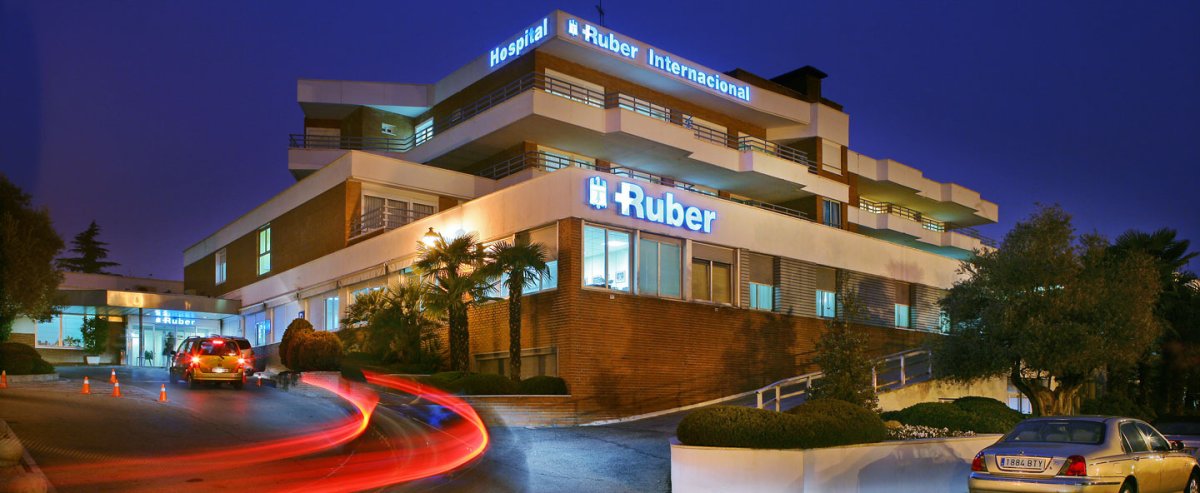
يتطلب الوصول إلى أخصائي ثدي في إسبانيا إحالة من طبيب عام للرعاية العامة. يجب عليك زيارة مركزك الصحي المحلي لإجراء تقييم أولي. يسمح التأمين الخاص بالحجز المباشر مع الأخصائيين في العيادات المعتمدة من قبل اللجنة الدولية المشتركة (JCI) مثل Centro Médico Teknon أو Hospital Ruber Internacional.
- الإحالة العامة: يصدر الأطباء العامون إحالة (volante) إلى وحدات الثدي في المستشفيات للضرورة الطبية.
- الوصول الخاص: يمكن للمرضى تجاوز الإحالات وحجز المواعيد مباشرة مع الأخصائيين في القطاع الخاص.
- سن الفحص: تقدم البرامج الوطنية تصوير الثدي بالأشعة السينية كل عامين للنساء اللاتي تتراوح أعمارهن بين 45 و74 عاماً.
- التسجيل: يتطلب الوصول العام بطاقة صحية يتم الحصول عليها باستخدام شهادة الإقامة.
رؤية خبير Bookimed: تحتل إسبانيا المرتبة السابعة عالمياً بوجود 83 عيادة متخصصة في شبكتنا. تتعامل المراكز الكبرى مثل Clinica Universidad de Navarra مع أكثر من 140,000 مريض سنوياً. على الرغم من وجود عيادات أصغر، غالباً ما تحصل هذه المرافق ذات الحجم الكبير على اعتماد JCI أولاً. نرى المرضى يختارون مدريد أو برشلونة للحصول على تقنيات تشخيصية متخصصة مثل تصوير EOS.
إجماع المرضى: يوصي المرضى بوصف كتل محددة أو تغيرات مستمرة بدلاً من الألم العام. يستخدم الكثيرون العيادات الخاصة لإجراء فحوصات أولية سريعة مع الحفاظ على التسجيل في النظام العام للمراقبة طويلة المدى.
ما هي تعديلات نمط الحياة والنظام الغذائي التي يمكن أن تساعد في تقليل آلام الثدي؟
يركز تقليل آلام الثدي على الاستقرار الهرموني والدعم البدني من خلال تعديلات محددة في نمط الحياة. تشمل التعديلات الرئيسية خفض مستويات الإستروجين من خلال الأنظمة الغذائية الغنية بالألياف وتقليل الالتهاب. يعد ارتداء حمالة صدر داعمة وتقليل تناول الكافيين من الطرق الأساسية لإدارة الحساسية في المرافق المعتمدة من JCI في إسبانيا.
- نظام غذائي قليل الدسم: تقليل الدهون يخفض مستويات الإستروجين لتقليل تورم الثدي الهرموني.
- تقييد الكافيين: يساعد الحد من القهوة والشوكولاتة في منع انقباض الأوعية الدموية.
- تقليل الصوديوم: يؤدي خفض تناول الملح إلى منع احتباس السوائل وألم الثدي الدوري.
- الدعم الميكانيكي: ارتداء حمالة صدر رياضية مناسبة بشكل احترافي يقلل من إجهاد الأنسجة المؤلم.
رؤية خبراء Bookimed: تحتل إسبانيا مرتبة عالية في الرعاية العالمية مع 83 عيادة متخصصة وأكثر من 500 طلب تم تلبيته. تعالج المؤسسات الكبيرة مثل Clinica Universidad de Navarra أكثر من 140,000 مريض سنويًا. تظهر بياناتنا أن هذه المراكز الأكاديمية تجمع بين تكنولوجيا التشخيص مثل التصوير بالرنين المغناطيسي عالي الدقة في مستشفى HM Nou Delfos والإدارة الهرمونية متعددة التخصصات.
إجماع المرضى: يؤكد المرضى أن تتبع الدورات يساعد في تحديد توقيت نوبات المرحلة الأصفرية (luteal phase). يشير الكثيرون إلى أنه على الرغم من تفاوت نتائج تقليل الكافيين، فإن الاستخدام المستمر للكمادات الدافئة يوفر راحة موثوقة.