علاج الدُّرَاق الجُحُوظِيّ أو مرض جريفز في إسبانيا — احصل على 3 عيادات مختارة خصيصاً لك


تمت مراجعة المقالة طبيا من قبل
فهد مولود
كيف نعمل؟
ما هي تكلفة الدُّرَاق الجُحُوظِيّ أو مرض جريفز إجراءات التشخيص والعلاج في إسبانيا؟ اعرف الآن
اكتشف أفضل الدُّرَاق الجُحُوظِيّ أو مرض جريفز العيادات في إسبانيا: 7 خيارات معتمدة والأسعار








SJD Barcelona Children’s Hospital







احصلوا على تقييم طبي لـ الدُّرَاق الجُحُوظِيّ أو مرض جريفز في إسبانيا: استشيروا أطباء ذوي خبرة الآن
عرض جميع الأطباء
José Gonzálbez Morgaez
يتخصص الدكتور مورغايز في الغدد الصماء في مركز تكنون الطبي (Centro Médico Teknon)، مع التركيز على اضطرابات محور الغدة النخامية والكظرية.
- أكثر من _doctor_8863_ سنوات من الخبرة في الغدد الصماء والتغذية
- محاضر في الغدد الصماء والتمثيل الغذائي في الجامعة الدولية في كتالونيا
- أبحاث منشورة حول مرض السكري واضطرابات محور الغدة النخامية والكظرية
- عضو في الطاقم الطبي في مركز تكنون منذ عام 2002
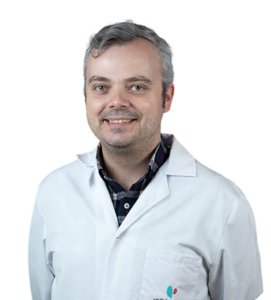
Jorge Cid Pérez
الطبيب متخصص في الغدد الصماء والتغذية، ويشغل حالياً منصب رئيس قسم الغدد الصماء والتغذية في مستشفى كيرونسالود توريفاييخا (Hospital Quirónsalud Torrevieja). بفضل حصوله على شهادة الطب من جامعة سانتياغو دي كومبوستيلا وإكماله التدريب التخصصي في مستشفى لوكوس أوغستي-لوغو الجامعي، يمتلك الطبيب خبرة واسعة في إدارة مرض السكري، والسمنة، واضطرابات الغدة الدرقية، والحالات الأيضية المعقدة.
مع التركيز على الإدارة الشاملة للمخاطر القلبية الأيضية، يؤكد الطبيب على الصحة طويلة الأمد من خلال تخطيط التغذية
مشاركة المحتوى
قصص فيديو من مرضى Bookimed
 Anna Leonova
أسئلة متكررة حول علاج الدُّرَاق الجُحُوظِيّ أو مرض جريفز في إسبانيا
ما هي العلاجات الرئيسية المتاحة في إسبانيا لتضخم الغدة الدرقية السمي المنتشر؟
تتبع إدارة تضخم الغدة الدرقية السمي المنتشر في إسبانيا إرشادات الجمعية الأوروبية للغدة الدرقية. توفر المراكز المتخصصة أدوية مضادة للغدة الدرقية، وعلاجاً باليود المشع، واستئصالاً كاملاً للغدة الدرقية. يبدأ العلاج بالاستقرار الطبي باستخدام ميثيمازول في مرافق معتمدة من اللجنة الدولية المشتركة (JCI) مثل Centro Médico Teknon أو Hospital Ruber Internacional.
- العلاج الطبي: الأدوية المضادة للغدة الدرقية هي خط العلاج الأول لمدة 12-18 شهراً.
- اليود المشع: خيار نهائي غير جراحي لحالات الانتكاس أو عدم تحمل الأدوية.
- استئصال الغدة الدرقية الكامل: يوصى به لتضخم الغدة الدرقية الكبير الذي يسبب صعوبة في البلع أو التنفس.
- الرعاية الداعمة: تعمل حاصرات بيتا على إدارة أعراض القلب مثل الخفقان أثناء الاستقرار الأولي.
رؤية خبير Bookimed: بينما تعالج العديد من المرافق فرط نشاط الغدة الدرقية، فإن البحث عن مركز متعدد التخصصات مثل Centro Médico Teknon يوفر الوصول إلى متخصصين مثل الدكتور خوسيه غونزالبيز مورغايز. خبرته في الجمع بين الممارسة السريرية وأبحاث الغدة النخامية والكظرية تضمن جرعات دقيقة لحالات المناعة الذاتية المعقدة.
إجماع المرضى: يشير المرضى إلى أنه من المهم الاستعداد لاستبدال الهرمونات مدى الحياة بعد اختيار اليود المشع أو الجراحة. يوصي الكثيرون بالبدء بالأدوية لمعرفة كيفية استجابة الجسم قبل اتخاذ قرار بشأن تدابير دائمة.
هل يمكنني الاحتفاظ بالغدة الدرقية وتجنب تناول الأدوية مدى الحياة؟
إن الحفاظ على الغدة الدرقية وتجنب تناول الأدوية مدى الحياة أمر ممكن من خلال الجراحة الجزئية أو الاستئصال غير الجراحي. تقنيات مثل الاستئصال بالترددات الراديوية تحمي الأنسجة السليمة تمامًا. بالنسبة للكثيرين، يسمح استئصال فص الغدة الدرقية للفص المتبقي بإنتاج كمية كافية من الهرمونات. يعتمد النجاح على ما إذا كانت حالتك موضعية أو منتشرة.
- الجراحة الجزئية: إزالة فص واحد تجنب تناول الأدوية لـ 60% إلى 80% من المرضى.
- علاج الاستئصال: تستخدم الترددات الراديوية الحرارة لتقليص العقيدات، مما يحافظ على 100% من الأنسجة السليمة.
- الأدوية المضادة للغدة الدرقية: غالبًا ما يؤدي العلاج لمدة 12-18 شهرًا إلى هدوء طويل الأمد دون جراحة.
- تقييم الخبراء: يحدد أطباء الغدد الصماء المتخصصون مثل الدكتور خوسيه غونزالبيز مورغايز ما إذا كان تضخم الغدة الدرقية موضعيًا.
رؤية خبير Bookimed: توفر العيادات الإسبانية مثل Centro Médico Teknon وHospital Ruber Internacional ميزة واضحة للمرضى الدوليين لأنها تجمع بين السلامة المعتمدة من JCI وحجم كبير يزيد عن 10,000 مريض سنويًا. هذا النطاق الهائل من الإجراءات يعني غالبًا أن الجراحين لديهم خبرة أكبر في إجراء عمليات الإزالة الجزئية الدقيقة بدلاً من مجرد اختيار عمليات الإزالة الكلية الأسهل. يجب أن تسأل تحديدًا عما إذا كان تضخم الغدة الدرقية لديك منتشرًا حقًا أو ما إذا كان استئصال الفص ممكنًا بناءً على فحوصات التصوير بالرنين المغناطيسي عالية الدقة بقوة 3 تسلا.
إجماع المرضى: يشير المرضى إلى أنه من الضروري السؤال عن م
كيف تؤكد العيادات الإسبانية تضخم الغدة الدرقية السام المنتشر؟
تؤكد العيادات الإسبانية تضخم الغدة الدرقية السام المنتشر باستخدام ملفات تعريف الهرمونات، وفحوصات الأجسام المضادة، وتصوير الغدة الدرقية داخل مرافق معتمدة من قبل اللجنة الدولية المشتركة (Joint Commission International). يتحقق المتخصصون من تثبيط هرمون TSH وارتفاع مستويات T4/T3. يتطلب التشخيص النهائي اختبار الأجسام المضادة TRAb وتصوير دوبلر بالموجات فوق الصوتية لتحديد زيادة الأوعية الدموية وتضخم الغدة المتماثل.
- ملف تعريف الهرمونات: تكشف اختبارات الدم عن انخفاض TSH وارتفاع مستويات T3/T4 لتأكيد فرط نشاط الغدة الدرقية.
- اختبار الأجسام المضادة: تميز فحوصات TRAb أو TSI مرض غريفز عن حالات الغدة الدرقية الأخرى بدقة.
- دوبلر ملون: يكشف التصوير بالموجات فوق الصوتية عن تدفق دم مرتفع، وغالباً ما يسمى "جحيم الغدة الدرقية"، بدون عقيدات.
- تصوير الغدة الدرقية الومضاني: تؤكد المسوحات النووية التي تظهر امتصاصاً متجانساً تضخم الغدة الدرقية المنتشر بدلاً من العقيدات السامة الموضعية.
رؤية خبراء Bookimed: تخدم العيادات الإسبانية مثل Centro Médico Teknon و Hospital HM Nou Delfos أكثر من 400,000 مريض سنوياً. يجمع كبار المتخصصين مثل الدكتور خوسيه غونزالبيز مورغايز، الذي يتمتع بخبرة تزيد عن 25 عاماً، بين فحوصات TRAb التفصيلية والتصوير المتقدم EOS أو 3-Tesla. تضمن هذه الخبرة عالية المستوى تمييزاً دقيقاً بين التهاب الغدة الدرقية العابر وتضخم الغدة الدرقية المناعي الذاتي المزمن.
إجماع المرضى: يشير المرضى إلى أن الأطباء يطلبون أدلة موضوعية من الدم و
كيف تبدو فترة التعافي بعد الاستئصال الجراحي للغدة الدرقية؟
التعافي بعد استئصال الغدة الدرقية سريع بشكل عام. يعود معظم المرضى إلى أنشطتهم الطبيعية في غضون أسبوعين إلى ثلاثة أسابيع. عادة ما تغادر المستشفى في غضون 24-48 ساعة. يركز الشفاء الأولي على العناية بالجرح، واستعادة الصوت، وتثبيت مستويات الهرمونات من خلال الأدوية.
- الإقامة في المستشفى: تقدم معظم العيادات الإسبانية خيار الخروج في نفس اليوم أو الإقامة لليلة واحدة.
- القيود البدنية: تجنب رفع أكثر من 10 أرطال (حوالي 4.5 كجم) لمدة ثلاثة أسابيع تقريبًا بعد الجراحة.
- تغيرات الصوت: عادة ما يزول بحة الصوت أو الضعف المؤقت في غضون بضعة أسابيع.
- نضج الندبة: عادة ما يتلاشى احمرار الجرح بشكل ملحوظ على مدار 12 إلى 18 شهرًا.
رؤية خبير Bookimed: بينما يركز الكثيرون على الجراحة، فإن الانتقال إلى الأدوية هو الجزء الأكثر أهمية في التعافي. تستضيف عيادات مثل Centro Médico Teknon متخصصين مثل الدكتور خوسيه غونزالبيز مورغايز، الذي يتمتع بخبرة تزيد عن 20 عامًا في فرط نشاط الغدة الدرقية. يضمن اختيار فريق بقيادة أطباء الغدد الصماء موازنة بدائل الهرمونات لديك بسرعة، مما يمنع التعب بعد الجراحة الشائع لدى مرضى الغدة الدرقية.
إجماع المرضى: يشير المرضى إلى أن الشعور بالضيق أو التيبس في الرقبة أكثر شيوعًا من الألم الحاد. ويؤكدون على ضرورة مراقبة وخز الشفاه أو الأصابع، حيث أن هذه الإشارة لنقص الكالسيوم هي مصدر قلقهم الأكثر شيوعًا بعد الجراحة.
ما هي التعديلات الغذائية الضرورية أثناء وبعد العلاج؟
تركز التعديلات الغذائية لعلاج تضخم الغدة الدرقية السمي المنتشر في إسبانيا على إدارة تناول اليود وتحسين امتصاص الأدوية. يتبع المرضى الذين يخضعون لعلاج اليود المشع عادةً نظامًا غذائيًا مؤقتًا منخفض اليود لتحسين فعالية العلاج. تؤكد أقسام الغدد الصماء الإسبانية على التوقيت الدقيق لأدوية الغدة الدرقية لضمان استقرار مستويات الهرمونات أثناء التعافي.
- تقييد اليود: تجنب المأكولات البحرية والأعشاب البحرية والملح المعالج باليود قبل علاج اليود المشع.
- تنظيم منتجات الألبان: قلل من الحليب والزبادي مؤقتًا خلال فترة تقييد اليود قبل العلاج.
- توقيت الدواء: تناول هرمونات الغدة الدرقية على معدة فارغة لتحقيق أقصى قدر من الامتصاص.
- فصل المكملات الغذائية: احتفظ بمكملات الكالسيوم والحديد منفصلة عن أدوية الغدة الدرقية.
رؤية خبير Bookimed: يركز متخصصون مثل الدكتور خوسيه غونزالبيز مورغايز في مركز تيكنون الطبي (Centro Médico Teknon) بشكل كبير على التفاعل بين التغذية واستقرار الغدد الصماء. تظهر بياناتنا أن المراكز الإسبانية الرائدة تدمج أخصائيي التغذية مباشرة في فريق رعاية الغدة الدرقية. هذا أمر حيوي لأن تغيرات الوزن بعد العلاج شائعة مع استقرار عملية التمثيل الغذائي. على عكس العيادات العامة، توفر هذه المؤسسات الإسبانية بروتوكولات محددة لإعادة إدخال الأطعمة الغنية باليود بمجرد انتهاء العلاج.
إجماع المرضى: يشير المرضى إلى أن إدارة اليود المخفي في المخبوزات ووجبات المطاعم هو الجزء الأكثر تحديًا في التحضير. يؤكد الكثيرون أن التحول إلى الملح غير المع