علاج خلل التنسج النمائي للورك (DDH) في إسبانيا: 5 مستشفيات


تمت مراجعة المقالة طبيا من قبل
فهد مولود
كيف نعمل؟
ما هي تكلفة خلل التنسج النمائي للورك (DDH) إجراءات التشخيص والعلاج في إسبانيا؟ اعرف الآن
من $30,300. تُعد فحوصات التصوير التشخيصي والاستشارات هي الأساس، بينما تتراوح تكلفة الإجراءات الكبرى مثل استبدال مفصل الورك بالكامل ما بين $11,500 و $15,500. تعتمد التكاليف الإجمالية على عمر المريض، وتعقيد الجراحة، واختيار العيادة، مما يوفر وفورات تتراوح بين 30-50% مقارنة بالولايات المتحدة. تشمل أفضل المدن لهذا العلاج برشلونة ومدريد.
التكاليف النموذجية لعلاج خلل التنسج الوركي النمائي في إسبانيا
- استبدال مفصل الورك بالكامل لعلاج خلل التنسج الوركي النمائي: من $30,300
- استبدال مفصل الورك بالكامل: $11,500 – $15,500
- جراحة مراجعة مفصل الورك: $13,500 – $21,000
- جراحة مراجعة مفصل الركبة: $15,000 – $23,000
رؤية خبراء Bookimed: يستفيد المرضى الأطفال من رعاية متخصصة للغاية في المراكز المعتمدة من اللجنة الدولية المشتركة (JCI) مثل مستشفى كيرونسالود مدريد (Quironsalud Madrid). يقدم الدكتور خافيير ألبينيانا علاجاً متخصصاً لخلل التنسج الوركي بخبرة تمتد لـ 38 عاماً. بالنسبة لحالات البالغين التي تتطلب إعادة بناء، يوفر مركز تكنون الطبي (Centro Médico Teknon) في برشلونة رعاية تقويم عظام متقدمة حاصلة على تقييم 4.7 نجوم. أما الاحتياجات التي تركز على إعادة التأهيل، فيتم تلبيتها بشكل أفضل في ماربيا، حيث تتخصص مراكز مثل عيادة الدكتور بلوم في التعافي الميكانيكي الحيوي.
| تركيا | إسبانيا | ألمانيا | |
|---|---|---|---|
| مراجعة تقويم مفصل الورك | من $8,000 | ≈ $13,500 | ≈ $17,500 |
| مراجعة تقويم مفصل الركبة | من $8,000 | ≈ $15,000 | من $11,200 |
| جراحة إعادة تسطيح مفصل الورك | ≈ $8,500 | ≈ $10,500 | ≈ $12,500 |
| الاستبدال الكلي للورك | من $14,500 | ≈ $11,500 | من $16,800 |
| استبدال مفصل الورك بالكامل لعلاج خلل التنسج النمائي في الورك | من $7,500 | من $30,300 | من $11,200 |
اكتشف أفضل خلل التنسج النمائي للورك (DDH) العيادات في إسبانيا: 5 خيارات معتمدة والأسعار







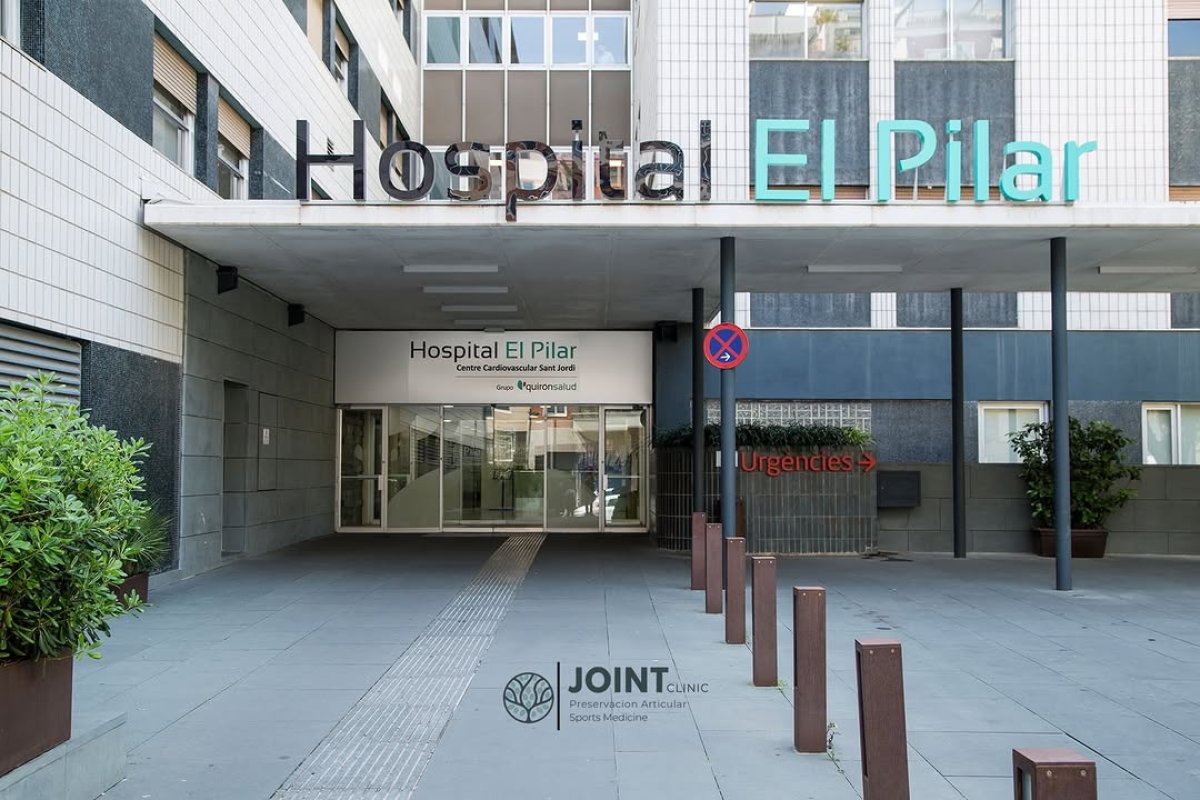
Joint Preservation Surgery Clinic
احصل على تقييم طبي لـ في إسبانيا. استشر الآن 7 أطباء ذوي الخبرة.
عرض جميع الأطباء
Francisco Aranda Murillo
بصفته متخصصاً في أمراض الورك والقدم، يجمع الدكتور أراندا بين خبرة طبية واسعة والتركيز على العلاجات المتعلقة بالورك.
- 43 سنة في جراحة العظام والكسور
- تخصص في معهد ديكسيوس، برشلونة
- طبيب إصابات في أولمبياد برشلونة عام 1992
- عضو نشط في الجمعية الإسبانية لجراحة الورك

Inmaculada Gómez Arrayás
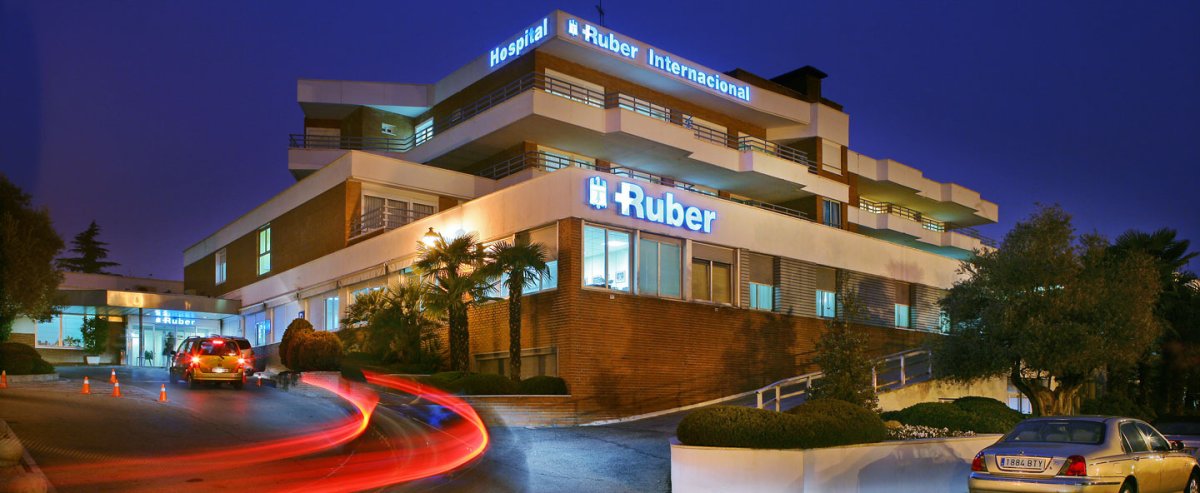
تُعد الدكتورة إنماكولادا غوميز أراياس واحدة من أفضل 100 طبيب في إسبانيا وفقاً لمجلة فوربس. تشغل منصب رئيس قسم جراحة العظام في مستشفى روبر الدولي في مدريد. تُعتبر الدكتورة أراياس رائدة في استخدام أنظمة الملاحة لإجراء جراحات دقيقة لاستبدال المفاصل. وهي متخصصة في الإجراءات طفيفة التوغل للورك والركبة وبروتوكولات التعافي السريع.
- حاصلة على شهادة ISO 9001 للجودة في جراحات استبدال الورك والركبة.
- تُجري عمليات تنظير الركبة والورك بالإضافة إلى عمليات إعادة بناء المفاصل المعقدة والمراج
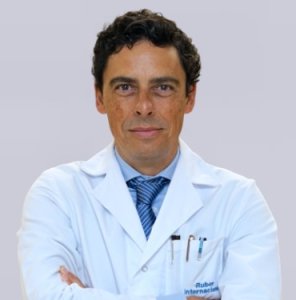
Pablo De La Cuadra
الدكتور بابلو دي لا كوادره (Pablo Cuadra de la Virgili) جرّاح عظام واختصاصي طب الرضوح في مدريد. يختص بإصابات الرياضيين وجراحة الكتف في Hospital Ruber Internacional، حيث يعمل منذ عام 1999. لديه خبرة تفوق 25 عامًا. يقود وحدة متعددة التخصصات ويرأس فريقًا متخصصًا في طب الرضوح. يُعد خبيرًا معترفًا به في اضطرابات الكتف المعقدة. يستخدم تقنيات تنظير مفصلي وترميم متقدمة لعلاج عدم الاستقرار وإصابات الكفة المدورة.
المؤهلات: دكتور في الطب (1993) ودكتوراه في الطب (2001) من جامعة مدريد المستقلة. اخت

Javier Albiñana
41 سنة متخصص في جراحة عظام الأطفال – يركز الدكتور ألبينيانا على خلل التنسج الوركي، والتشوهات، ومرض بيرثيس في مستشفى كيرونسالود مدريد.
- رئيس قسم جراحة عظام الأطفال في مستشفى لا باز – أحد مراكز الأطفال الرائدة في إسبانيا
- حاصل على زمالة من جامعة آيوا وجامعة أكسفورد
- نشر العديد من الدراسات حول علاجات خلل التنسج الوركي
- متحدث منتظم في مؤتمرات جراحة العظام الدولية
مشاركة المحتوى
قصص فيديو من مرضى Bookimed
 Anna Leonova
أسئلة متكررة حول علاج خلل التنسج النمائي للورك (DDH) في إسبانيا
ما هي طرق علاج خلل التنسج الوركي (DDH) الرئيسية المستخدمة في المستشفيات الإسبانية؟
تتخصص المستشفيات الإسبانية في علاجات خلل التنسج الوركي (DDH) المحددة حسب العمر، بدءاً من أحزمة بافليك للرضع وصولاً إلى الحفاظ على مفصل الورك لدى البالغين. يركز التدخل المبكر على استخدام الدعامات غير الجراحية. وتستخدم الحالات المتقدمة تقنية قطع العظم حول الحق طفيف التوغل أو إعادة بناء مفصل الورك بالكامل باستخدام الملاحة الجراحية ثلاثية الأبعاد وبروتوكولات التعافي السريع.
- تقويم عظام الرضع: تحافظ أحزمة بافليك على استقرار الورك لدى الرضع الذين تقل أعمارهم عن 6 أشهر.
- الرد الجراحي: يقوم الجراحون بإجراء عمليات رد مغلقة أو مفتوحة لإعادة محاذاة مفصل الورك.
- إعادة تشكيل العظام: تعمل عمليات قطع عظم الحوض والفخذ على تصحيح عدم المحاذاة الهيكلية لدى الأطفال الأكبر سناً.
- استبدال المفاصل: يتلقى البالغون المصابون بخلل التنسج المتقدم تقويم مفصل الورك بالكامل باستخدام أنظمة الملاحة.
رؤية خبير Bookimed: توفر إسبانيا تركيزاً فريداً من الخبرة في مجال الورك للأطفال والبالغين. يقدم الدكتور خافيير ألبينانا في مستشفى كيرونسالود مدريد أكثر من 35 عاماً من الخبرة المتخصصة. وفي الوقت نفسه، يحتفظ مستشفى روبر الدولي بشهادة ISO 9001 خصيصاً لجودة استبدال مفصل الورك. يغطي هذا حياة المريض بأكملها من الطفولة إلى البلوغ.
إجماع المرضى: يشير المرضى إلى أنه من المهم التأكد مما إذا كان المستشفى يعطي الأولوية لاستخدام الدعامات. كما يؤكدون على أهمية اختيار المراكز ذات الخبرة العميقة في إدارة الرعاية العائلية اليومية أثناء فترة التثبيت بالجبس.
كم من الوقت يجب أن نخطط للبقاء في إسبانيا لإجراء جراحة خلع الورك التطوري (DDH) للطفل؟
يجب على العائلات التخطيط للبقاء في إسبانيا لمدة تتراوح بين 3 إلى 6 أسابيع لإجراء جراحة خلع الورك التطوري للطفل. يسمح هذا الإطار الزمني بـ 5 أيام للاستشفاء و14 يوماً لمراقبة الجرح الأولية. يطلب معظم الجراحين شهادة لياقة للطيران قبل المغادرة.
- المرحلة قبل الجراحة: اقضِ من 2 إلى 3 أيام في إكمال التصوير والتقييمات العظمية للأطفال.
- الإقامة في المستشفى: توقع من 2 إلى 5 أيام للإجراء وإدارة الألم الأولية.
- التعافي الجراحي: خصص من 10 إلى 14 يوماً للمتابعة المحلية وفحص الجروح.
- تصريح السفر: خطط لمدة تتراوح بين 2 إلى 6 أسابيع اعتماداً على نوع الجبس ومدة الرحلة.
رؤية خبير Bookimed: تحتل إسبانيا المرتبة الرابعة عالمياً في شبكتنا الطبية، مما يعكس كثافة عالية من المراكز المعتمدة من قبل JCI مثل مستشفى روبر الدولي (Hospital Ruber Internacional) ومركز تكنون الطبي (Centro Médico Teknon). بالنسبة للحالات المعقدة للأطفال، يعد اختيار متخصصين في مدريد مثل الدكتور خافيير ألبينانا ميزة استراتيجية. فهو يتمتع بخبرة تزيد عن 35 عاماً تحديداً في أبحاث خلل التنسج الوركي ونتائج استخدام حزام بافليك، مما يقلل غالباً من الحاجة إلى فترات إقامة استكشافية طويلة.
كيف أختار أفضل أخصائي عظام أطفال في إسبانيا لعلاج خلل التنسج الوركي (DDH)؟
اختر جراح عظام أطفال في إسبانيا يركز حصرياً على نمو عظام الأطفال. اختر متخصصين في مراكز معتمدة من اللجنة الدولية المشتركة (JCI) مثل مستشفى روبر الدولي (Hospital Ruber Internacional) أو مركز تكنون الطبي (Centro Médico Teknon). أعط الأولوية للجراحين الأعضاء في الجمعية الإسبانية لجراحة الورك أو الجمعية الأوروبية لجراحة عظام الأطفال.
- اعتماد المتخصص: ابحث عن "Traumatólogo Infantil" (أخصائي إصابات أطفال) بدلاً من جراح عظام عام لعلاجات خلل التنسج الوركي.
- خبرة الخبراء: يتمتع الدكتور خافيير ألبينانا في كيرونسالود مدريد بأكثر من 35 عاماً من الخبرة في مجال الورك.
- التشخيص المتقدم: استخدم المراكز التي تحتوي على تصوير بالرنين المغناطيسي بقوة 3 تسلا وتصوير رقمي للورك لتحديد المرحلة بدقة.
- الرعاية متعددة التخصصات: تأكد من أن المنشأة توفر مسارات للعلاج الطبيعي للأطفال لإعادة التأهيل بعد إزالة الجبس.
رؤية خبير Bookimed: غالباً ما تتجاوز المراكز الخاصة الإسبانية المعايير الوطنية من خلال الجمع بين فرق متخصصة ووصول سريع. يقود الدكتور خافيير ألبينانا والدكتورة إنماكولادا غوميز أراياس فرقاً في مدريد تستخدم بروتوكولات ERAS. يمكن لهذه المسارات تقليل فترات الإقامة في المستشفى ومساعدة الأطفال على العودة إلى النشاط الطبيعي بشكل أسرع.
إجماع المرضى: يؤكد الآباء على اختيار فريق مرتاح مع المراقبة طويلة المدى وفحوصات مراحل النمو. من الضروري العثور على طبيب يشرح سبب اختيار علاج معين مثل حزام بافليك أو الجراحة.
هل تستخدم إسبانيا فحص الموجات فوق الصوتية الشامل أم الانتقائي لخلع الورك التطوري (DDH) عند حديثي الولادة؟
تستخدم إسبانيا فحص الموجات فوق الصوتية الانتقائي لخلع الورك التطوري (DDH) عند حديثي الولادة. تتبع مرافق مثل مستشفى روبر الدولي (Hospital Ruber Internacional) إطاراً سريرياً يعتمد على الفحوصات البدنية. يقوم الأخصائيون بإجراء مناورات أورتولاني وبارلو خلال الساعات الأولى من حياة الرضيع للكشف عن مشاكل الاستقرار أو أعراض الطقطقة.
- بروتوكول الفحص: يعطي أطباء الأطفال الأولوية للفحوصات البدنية السريرية على التصوير الروتيني لجميع الرضع.
- دواعي الموجات فوق الصوتية: يُستخدم التصوير إذا أظهرت الفحوصات البدنية عدم استقرار أو وجود عوامل خطر.
- عوامل الخطر: ينطبق الفحص الموجه على حالات المجيء المقعدي أو الرضع الذين لديهم تاريخ عائلي للإصابة بـ DDH.
- الاختلافات الإقليمية: قد تستخدم منطقة نافارا فحصاً شاملاً للفتيات تحديداً.
رؤية خبير Bookimed: يعكس التصنيف العالمي المرتفع لإسبانيا في الطلبات الطبية كثافة الخبرة العظمية من الدرجة الأولى. يتخصص الدكتور خافيير ألبينيانا في مستشفى كيرونسالود مدريد (Quironsalud Madrid) تحديداً في خلع الورك لدى الأطفال وقد نشر أبحاثاً مكثفة حول خلل التنسج الحقي. يشير هذا إلى أنه على الرغم من أن الفحص انتقائي، إلا أن العمق التشخيصي المتاح في مراكز مدريد الرئيسية مرتفع للغاية للحالات المعقدة.
إجماع المرضى: يجد الآباء أن رؤية أخصائي أطفال متخصص مثل الدكتور ألبينيانا يوفر وضوحاً تشتد الحاجة إليه بشأن صحة الورك على المدى الطويل. ويشيرون إلى أن النهج السريري أولاً يتجنب عمليات المسح غير الضرورية مع ضمان رعاية مت
هل يمكن للبالغين السفر إلى إسبانيا للحصول على علاجات تصحيحية لخلل التنسج الوركي (DDH) في مرحلة متأخرة؟
يمكن للبالغين السفر إلى إسبانيا للحصول على علاجات تصحيحية لخلل التنسج الوركي النمائي (DDH) في مرحلة متأخرة. تتخصص مراكز العظام الإسبانية في عمليات إعادة البناء المعقدة للبالغين. توفر هذه المرافق عمليات قطع العظم للحفاظ على المفاصل وتقويم مفصل الورك المتقدم. يستخدم المتخصصون التصوير بالرنين المغناطيسي 3-تسلا والملاحة ثلاثية الأبعاد لوضع الغرسات بدقة.
- التعقيد الجراحي: يعالج الجراحون التغيرات التشريحية الشديدة وفقدان العظام في حالات البالغين.
- خيارات العلاج: تشمل الإجراءات قطع العظم حول الحق (PAO) أو استبدال مفصل الورك الكلي المعقد.
- التكنولوجيا المتقدمة: تستخدم عيادات مثل مستشفى روبير الدولي (Hospital Ruber Internacional) أنظمة ملاحة جراحية ثلاثية الأبعاد متخصصة.
- اعتمادات الخبراء: يُعترف بمتخصصين مثل الدكتورة إنماكولادا غوميز أراياس كأحد أفضل الأطباء في إسبانيا.
رؤية خبير Bookimed: تحتل إسبانيا مرتبة عالية في جراحة العظام المعقدة بسبب حجم عملياتها الجراحية الهائل. يجري مستشفى روبير الدولي وحده أكثر من 6000 عملية جراحية سنويًا. هذا التردد العالي أمر بالغ الأهمية لـ DDH في مرحلة متأخرة. الجراحون الذين يجرون آلاف عمليات إعادة بناء المفاصل يديرون تشوهات العظام المعقدة بشكل أكثر فعالية. غالبًا ما يختار المرضى مدريد أو برشلونة لهذه المراكز المتخصصة ذات الحجم الكبير.
إجماع المرضى: يؤكد المرضى أن خبرة الجراح في حالات البالغين المتقدمة تهم أكثر من الموقع. يوصون بتأمين خطة واضحة لإعادة التأهيل بعد الجراحة قبل العودة إلى الوطن.
هل سيتحدث الطاقم الطبي وأخصائيو العلاج الطبيعي باللغة الإنجليزية أثناء علاج طفلي؟
غالبًا ما يتحدث الطاقم الطبي في المستشفيات الخاصة الإسبانية باللغة الإنجليزية. وعادةً ما يحافظ الجراحون والأخصائيون على كفاءتهم اللغوية بسبب التدريب الدولي. قد تكون كفاءة أخصائيي العلاج الطبيعي وطاقم التمريض محدودة. تستخدم المراكز المعتمدة من اللجنة الدولية المشتركة (JCI) في مدريد وبرشلونة منسقين طبيين لسد فجوات التواصل أثناء إعادة التأهيل للأطفال.
- كفاءة الأخصائيين: أكمل العديد من الجراحين زمالات في دول ناطقة بالإنجليزية مثل المملكة المتحدة أو الولايات المتحدة.
- الدعم اللغوي: توفر الأقسام الدولية في مستشفيات مثل تكنون (Teknon) منسقين لغير الناطقين بالإسبانية.
- التواصل في إعادة التأهيل: غالبًا ما يستخدم أخصائيو العلاج الطبيعي مزيجًا من الإيماءات والتعليمات المكتوبة المترجمة.
- نوع المنشأة: الكفاءة في اللغة الإنجليزية أعلى بكثير في المستشفيات الخاصة مقارنة بالعيادات الإقليمية.
رؤية خبير Bookimed: غالبًا ما يحمل جراحو العظام الإسبان مؤهلات دولية، مثل زمالات الدكتور خافيير ألبينانا في آيوا وأكسفورد. في حين أن هؤلاء الأطباء من المستوى الأول يتحدثون الإنجليزية بطلاقة، قد لا يكون الطاقم اليومي كذلك. أوصي باختيار المراكز المعتمدة من JCI مثل مستشفى روبر الدولي (Hospital Ruber Internacional). تخدم هذه المراكز أكثر من 25,000 مريض سنويًا وهي مجهزة بشكل أفضل بفرق تعافي ثنائية اللغة.
إجماع المرضى: يلاحظ الآباء أنه بينما يتحدث الجراحون الإنجليزية بشكل ممتاز، قد يعتمد المعالجون على الإيماءات. من المفيد طلب خطط تمارين مكتوبة باللغة ا