خلل التنسج النمائي للورك (DDH) العلاج في النمسا - التكاليف 2026


تمت مراجعة المقالة طبيا من قبل
فهد مولود
ما هي تكلفة خلل التنسج النمائي للورك (DDH) إجراءات التشخيص والعلاج في النمسا؟ اعرف الآن
تعتمد تكلفة علاج خلل التنسج الوركي النمائي (DDH) في النمسا عادةً على عمر المريض والتعقيد السريري للحالة. تتراوح تكلفة التدخلات الجراحية مثل استبدال مفصل الورك بالكامل لعلاج خلل التنسج الوركي النمائي بين $16,500 و $23,500. تختلف التكاليف بناءً على مستوى العيادة، وخبرة الجراح، وإجراءات إعادة التأهيل اللازمة. يمكن للمرضى القادمين من الولايات المتحدة توفير ما يقرب من 20-40% من تكاليف الإجراءات التقويمية المتقدمة في فيينا.
تكاليف علاج خلل التنسج الوركي النمائي (DDH) المعتادة في النمسا
- استبدال مفصل الورك بالكامل لعلاج خلل التنسج الوركي النمائي: $16,500 – $23,500
- استبدال مفصل الورك بالكامل: $15,500 – $22,000
- جراحة مراجعة مفصل الورك: $25,000 – $40,000
- جراحة مراجعة مفصل الركبة: $30,000 – $45,000
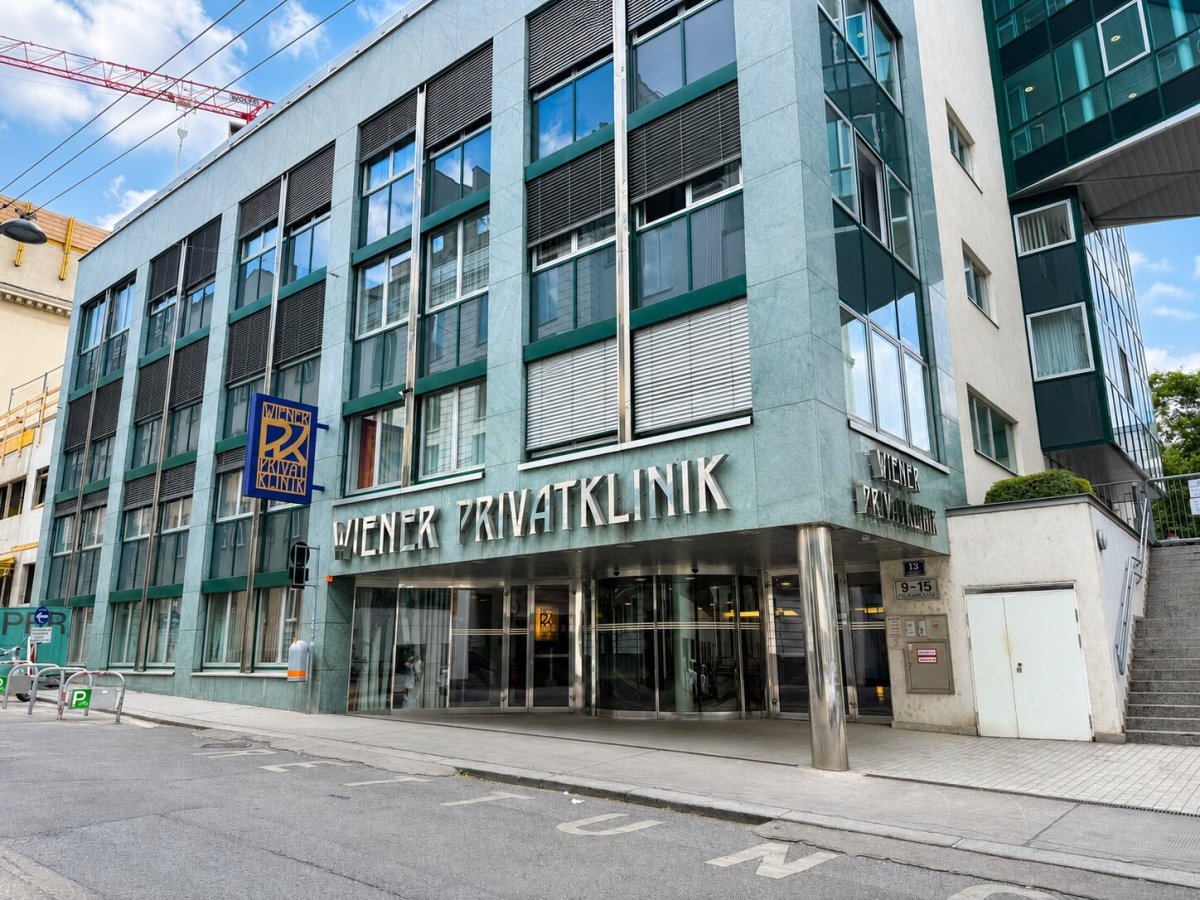
رؤية خبراء Bookimed: يستفيد البالغون المصابون بحالات متقدمة من خلل التنسج الوركي النمائي بشكل أكبر من مراكز الجراحة عالية الدقة. تُعد عيادة فيينا الخاصة (Wiener Privatklinik) خياراً ممتازاً لعمليات إعادة بناء الورك المعقدة. تضم المنشأة أساتذة من جامعة فيينا الطبية متخصصين في جراحة العظام. وقد تم تصنيف هذه العيادة من قبل مجلة نيوزويك كواحدة من أفضل المستشفيات في العالم. كما توفر بيئة متعددة اللغات مثالية للمرضى الدوليين الباحثين عن رعاية تقويمية معتمدة من الأيزو (ISO).
| النمسا | تركيا | إسبانيا | |
|---|---|---|---|
| مراجعة تقويم مفصل الورك | ≈ $25,000 | من $8,000 | ≈ $13,500 |
| مراجعة تقويم مفصل الركبة | ≈ $30,000 | من $8,000 | ≈ $15,000 |
| جراحة إعادة تسطيح مفصل الورك | ≈ $11,500 | ≈ $8,500 | ≈ $10,500 |
| الاستبدال الكلي للورك | ≈ $15,500 | من $14,500 | ≈ $11,500 |
| استبدال مفصل الورك بالكامل لعلاج خلل التنسج النمائي في الورك | ≈ $16,500 | من $7,500 | من $30,300 |
مزاياك وضماناتك مع Bookimed
أسعار مباشرة
Bookimed لا يضيف رسوماً إضافية على أسعار علاج خلل التنسج النمائي للورك (DDH). الأسعار مأخوذة من قوائم الأسعار الرسمية للعيادات. تدفع مباشرة في العيادة مقابل علاجك عند وصولك إلى البلد.
عيادات وأطباء معتمدون فقط
Bookimed ملتزم بسلامتك. نحن نعمل فقط مع المؤسسات الطبية التي تحافظ على معايير دولية عالية في علاج خلل التنسج النمائي للورك (DDH) ولديها التراخيص اللازمة لخدمة المرضى الدوليين في جميع أنحاء العالم.
مساعدة مجانية على مدار الساعة
Bookimed يقدم مساعدة خبراء مجانية. منسق طبي شخصي يدعمك قبل وأثناء وبعد العلاج، ويحل أي مشاكل. لن تكون وحيداً أبداً في رحلة علاج خلل التنسج النمائي للورك (DDH).

منسقك الطبي الشخصي في Bookimed
- يدعمك في كل مرحلة
- المساعدة في اختيار العيادة الطبية المناسبة والطبيب المناسب
- يضمن الوصول السريع والمريح إلى المعلومات
اكتشف أفضل خلل التنسج النمائي للورك (DDH) العيادات في النمسا: 1 خيار معتمدة والأسعار




مشاركة المحتوى
قصص فيديو من مرضى Bookimed
 Anna Leonova
أسئلة متكررة حول علاج خلل التنسج النمائي للورك (DDH) في النمسا
كيف يتم تنظيم فحص خلل التنسج الوركي في نظام الرعاية الصحية النمساوي؟
في النمسا، يُعدّ فحص خلع الورك جزءًا من برنامج الموجات فوق الصوتية الإلزامي على مستوى البلاد، والمشمول في تصريح سفر الوالدين والطفل. يخضع كل مولود جديد لفحص بالموجات فوق الصوتية للورك خلال الأسبوع الأول من حياته. وقد ساهم هذا النظام في خفض عدد حالات دخول المستشفى بسبب خلع الورك بأكثر من 60% منذ عام 1992.
- الفحص بالموجات فوق الصوتية الشامل: يستخدم الأطباء النمساويون طريقة غراف للقياس المبكر لنضج مفصل الورك.
- الحوافز المالية: للحصول على كامل مبلغ استحقاق رعاية الطفل، يجب عليك الخضوع لفحوصات إلزامية.
- بروتوكول من مرحلتين: يتم إجراء الفحوصات في الأسبوع الأول، ثم مرة أخرى من الأسبوع السادس إلى الأسبوع الثامن.
- الإحالة إلى أخصائيين: تؤدي الاختلافات في نتائج الفحص إلى إحالة فورية إلى أطباء تقويم العظام للأطفال لتطبيق الأجهزة التقويمية.
رأي خبراء بوكيميد: تُقدّم النمسا رعاية طبية متخصصة للغاية في مؤسسات خاصة، مثل مستشفى فيينا الخاص (Wiener Privatklinik). وقد صُنّف هذا المستشفى ضمن أفضل مستشفيات العالم لعام 2021 من قِبل مجلة نيوزويك. كما أن العديد من أطبائه البالغ عددهم 400 طبيب هم أساتذة في جامعة فيينا الطبية. وهذا يضمن استفادة حتى الحالات المعقدة في جراحة العظام للأطفال من ا
ما هو الخط الأول للعلاج عند تشخيص خلل التنسج الوركي لدى رضيع في النمسا؟
في النمسا، يشمل العلاج الأولي لخلل التنسج الوركي لدى حديثي الولادة استخدام أجهزة تقويمية محافظة مع أجهزة تبعيد. ومن الخيارات القياسية جبيرة توبنغن لثني الورك أو دعامة بافليك. وتُطبق النمسا فحصًا بالموجات فوق الصوتية لجميع الأطفال حديثي الولادة، مما يضمن إمكانية التدخل في معظم الحالات خلال الأسابيع الأولى من العمر.
- اختيار الجهاز: غالبًا ما تُستخدم جبائر توبنغن لعلاج خلل التنسج الوركي المستقر إلى المتوسط.
- الحالات الشديدة: يستخدم الأطباء ضمادات بافليك لعلاج عدم استقرار مفصل الورك الذي يتطلب إعادة التموضع الديناميكي.
- مدة العلاج: عادةً ما تكون مدة الارتداء ضعف أو ثلاثة أضعاف عمر الطفل.
- بروتوكول المراقبة: فحوصات منتظمة بالموجات فوق الصوتية كل 4 أسابيع لمراقبة عودة زوايا الورك إلى وضعها الطبيعي.
رأي خبراء بوكيميد: تُبرز البيانات السريرية من مؤسسات معتمدة من قبل اللجنة الدولية المشتركة (JCI) والمنظمة الدولية للمعايير (ISO)، مثل مستشفى فيينا الخاص، أهمية التدخل المبكر في جراحة العظام. فبينما تُركز العيادات عادةً على جراحات استبدال المفاصل المعقدة، تُولي البروتوكولات النمساوية اهتمامًا كبيرًا بفحص حديثي الولادة. وتستخدم أقسام جراحة العظام المتميزة طريقة غراف لتحديد أولويات
متى يحتاج الطفل المصاب بخلل التنسج الوركي في النمسا إلى إجراء عملية جراحية؟
في النمسا، يُعدّ التدخل الجراحي لعلاج خلل التنسج الوركي ضروريًا عندما تفشل الطرق غير الجراحية في تثبيت المفصل. ويوصي الأخصائيون بالتدخل إذا لم تُجدِ التقويمات نفعًا بعد ستة أشهر. كما يتطلب التشخيص المتأخر لدى الأطفال الذين بدأوا المشي إجراء تصحيح جراحي لمنع حدوث ضرر طويل الأمد للمفصل.
- فشل العلاج: يتم إجراء التدخل الجراحي بعد فشل استخدام ضمادات بافليك أو جبائر غراف.
- التشخيص المتأخر: الإجراءات إلزامية للأطفال الذين يتم تشخيصهم بعد 6-12 شهرًا.
- خلل التنسج المتبقي: تحدث تغيرات في شكل العظام إذا ظل التجويف ضحلاً بحلول سن الثانية.
- عدم استقرار المفصل: التدخل ضروري إذا استمر مفصل الورك في التحرك خارج المحاذاة على الرغم من استخدام دعامة.
رأي خبراء بوكيمد: على الرغم من أن النمسا تستخدم الفحص بالموجات فوق الصوتية بشكل شامل للحد من التدخلات الجراحية، إلا أن الحالات المعقدة تُحال غالبًا إلى مراكز خاصة مثل عيادة فيينا الخاصة. توفر هذه العيادة إمكانية الوصول المباشر إلى أساتذة من جامعة فيينا الطبية. يمارس هؤلاء الأخصائيون تقنيات متقدمة في جراحة استئصال عظم الحوض في الحالات التي لا يوفر فيها التثبيت القياسي للحوض لدى الرضع تغطية كافية لمفصل الورك.
ماذا لو أظهر فحص الموجات فوق الصوتية خلعًا شديدًا في مفصل الورك مباشرة بعد الولادة؟
يتطلب خلع الورك الشديد عند الولادة تدخلاً فورياً من قبل جراح عظام أطفال لتصحيح نمو المفصل. يشمل العلاج الأولي عادةً استخدام دعامة بافليك غير الجراحية لتثبيت رأس عظم الفخذ في التجويف الحقي. تتميز هذه الدعامة المرنة بنسبة نجاح تتراوح بين 85% و95% لدى حديثي الولادة عند استخدامها مبكراً.
- الإحالة إلى أخصائي: يحدد أطباء العظام للأطفال ما إذا كان الخلع قابلاً للرد أم أنه ثابت.
- دعامة بافليك: دعامات مصنوعة من قماش ناعم تثبت الساقين في وضعية الضفدع لمدة تتراوح من 6 إلى 12 أسبوعًا.
- التصوير بالموجات فوق الصوتية: تضمن فحوصات المتابعة كل 2-4 أسابيع أن يكون مفصل الورك في الوضع الصحيح.
- خيارات إجراء العملية: إذا لم ينجح التثبيت، يتم استخدام الرد المغلق تحت التخدير أو وضع جبيرة جبسية من نوع سبايكا.
رأي خبراء بوكيمد: تقدم النمسا رعاية تقويمية عالية الجودة في مراكز مثل عيادة فيينا الخاصة، التي يعمل بها أساتذة جامعيون. في حال فشل استخدام الدعامات، يُفضل الأخصائيون النمساويون إجراء ردّ مغلق بدلاً من الجراحة للحفاظ على صحة المفصل. كما أن التدخل المبكر في المراكز الخاصة المتخصصة يُتيح الوصول بشكل أسرع إلى هؤلاء الأخصائيين في طب الأطفال.
هل يمكن للبالغين المصابين بخلل التنسج الوركي غير المشخص أو المتبقي تلقي العلاج في النمسا؟
في النمسا، يتلقى المرضى البالغون المصابون بخلل التنسج الوركي غير المشخص أو المتبقي علاجًا متخصصًا. تقدم المراكز في فيينا جراحات متقدمة للحفاظ على مفصل الورك وإجراءات ترميمية معقدة. وتلتزم هذه المرافق بمعايير الجودة ISO. يستخدم الجراحون ذوو الخبرة تحليل المشية وتقنيات التصوير لتحديد مدى إمكانية الحفاظ على مفصل الورك.
- الخيارات الجراحية: يسمح قطع العظم حول الحُق (PAO) بالحفاظ على المفاصل الطبيعية لدى المرضى الذين تقل أعمارهم عن 40 عامًا.
- استبدال المفصل: يُستخدم استبدال مفصل الورك بالكامل لعلاج التهاب المفاصل الحاد الناتج عن خلل التنسج المتبقي.
- الوصول إلى الخبراء: يمكن للمرضى استشارة المتخصصين في عيادات مثل عيادة فيينا الخاصة في فيينا.
- الرعاية المتخصصة: يتخصص أساتذة الجامعات في علاج الحالات المعقدة والمتقدمة من العيوب الهيكلية في مفصل الورك.
رأي خبراء بوكيمد: بينما يعتبر الكثيرون العمر العامل الأساسي، يُولي الأخصائيون النمساويون أولويةً لحالات المفاصل. تربط عيادة فيينا الخاصة المرضى بأكثر من 400 طبيب، من بينهم أساتذة من جامعة فيينا. غالبًا ما يتولى هؤلاء الأخصائيون حالات قد يتجاهلها أطباء العظام العاديون. فهم يركزون على ترميم العظام واستقرار المفاصل، بدلًا من التركيز