علاج خلل التنسج النمائي للورك (DDH) في الصين: 4 مستشفيات


تمت مراجعة المقالة طبيا من قبل
فهد مولود
ما هي تكلفة خلل التنسج النمائي للورك (DDH) إجراءات التشخيص والعلاج في الصين؟ اعرف الآن
تتراوح تكلفة علاج خلل التنسج الوركي النمائي (DDH) في الصين عادةً ما بين $11,000 إلى $18,500 للتدخل الجراحي المتخصص. أما استبدال مفصل الورك بالكامل للحالات الأكثر تعقيداً فيتراوح سعره عموماً بين $9,500 و $18,000. تعتمد النفقات النهائية على مستوى المستشفى، ومواد الغرسات المختارة، والحاجة إلى تقنية المساعدة الروبوتية. غالباً ما يوفر المرضى ما يقرب من 50-70% مقارنة بالتكاليف الطبية في الولايات المتحدة. وتعد شنغهاي وبكين المدينتين الرئيسيتين لهذه الإجراءات التقويمية.
تكاليف علاج خلل التنسج الوركي النمائي (DDH) النموذجية في الصين
- استبدال مفصل الورك بالكامل لعلاج خلل التنسج الوركي النمائي: $11,000 – $18,500
- استبدال مفصل الورك بالكامل: $9,500 – $18,000
- جراحة مراجعة مفصل الورك: $14,000 – $23,000
- جراحة مراجعة مفصل الركبة: $12,500 – $21,000
رؤية خبراء Bookimed: بالنسبة لحالات خلل التنسج الوركي النمائي المعقدة، فإن البحث عن مرافق من الدرجة الثالثة (Class A level III) والمعتمدة من قبل JD يضمن أعلى المعايير السريرية في الصين. يتخصص خبراء مثل الدكتور وي لي في مستشفى بكين أمكير (Beijing Amcare Hospital)، الذي أجرى أكثر من 10,000 عملية جراحية، في استبدال مفاصل الورك والركبة. يستفيد المرضى الذين يحتاجون إلى تعافٍ بعد الجراحة من مراكز مثل مستشفى ياندا الدولي (Yanda International Hospital). تجمع هذه المنشأة بين التميز الجراحي وأجنحة إعادة التأهيل المخصصة للمرضى البالغين.
| الصين | تركيا | إسبانيا | |
|---|---|---|---|
| مراجعة تقويم مفصل الورك | ≈ $14,000 | من $8,000 | ≈ $13,500 |
| مراجعة تقويم مفصل الركبة | ≈ $12,500 | من $8,000 | ≈ $15,000 |
| جراحة إعادة تسطيح مفصل الورك | ≈ $14,000 | ≈ $8,500 | ≈ $10,500 |
| الاستبدال الكلي للورك | ≈ $9,500 | من $14,500 | ≈ $11,500 |
| استبدال مفصل الورك بالكامل لعلاج خلل التنسج النمائي في الورك | ≈ $11,000 | من $7,500 | من $30,300 |
مزاياك وضماناتك مع Bookimed
أسعار مباشرة
Bookimed لا يضيف رسوماً إضافية على أسعار علاج خلل التنسج النمائي للورك (DDH). الأسعار مأخوذة من قوائم الأسعار الرسمية للعيادات. تدفع مباشرة في العيادة مقابل علاجك عند وصولك إلى البلد.
عيادات وأطباء معتمدون فقط
Bookimed ملتزم بسلامتك. نحن نعمل فقط مع المؤسسات الطبية التي تحافظ على معايير دولية عالية في علاج خلل التنسج النمائي للورك (DDH) ولديها التراخيص اللازمة لخدمة المرضى الدوليين في جميع أنحاء العالم.
مساعدة مجانية على مدار الساعة
Bookimed يقدم مساعدة خبراء مجانية. منسق طبي شخصي يدعمك قبل وأثناء وبعد العلاج، ويحل أي مشاكل. لن تكون وحيداً أبداً في رحلة علاج خلل التنسج النمائي للورك (DDH).

منسقك الطبي الشخصي في Bookimed
- يدعمك في كل مرحلة
- المساعدة في اختيار العيادة الطبية المناسبة والطبيب المناسب
- يضمن الوصول السريع والمريح إلى المعلومات
اكتشف أفضل خلل التنسج النمائي للورك (DDH) العيادات في الصين: 4 خيارات معتمدة والأسعار



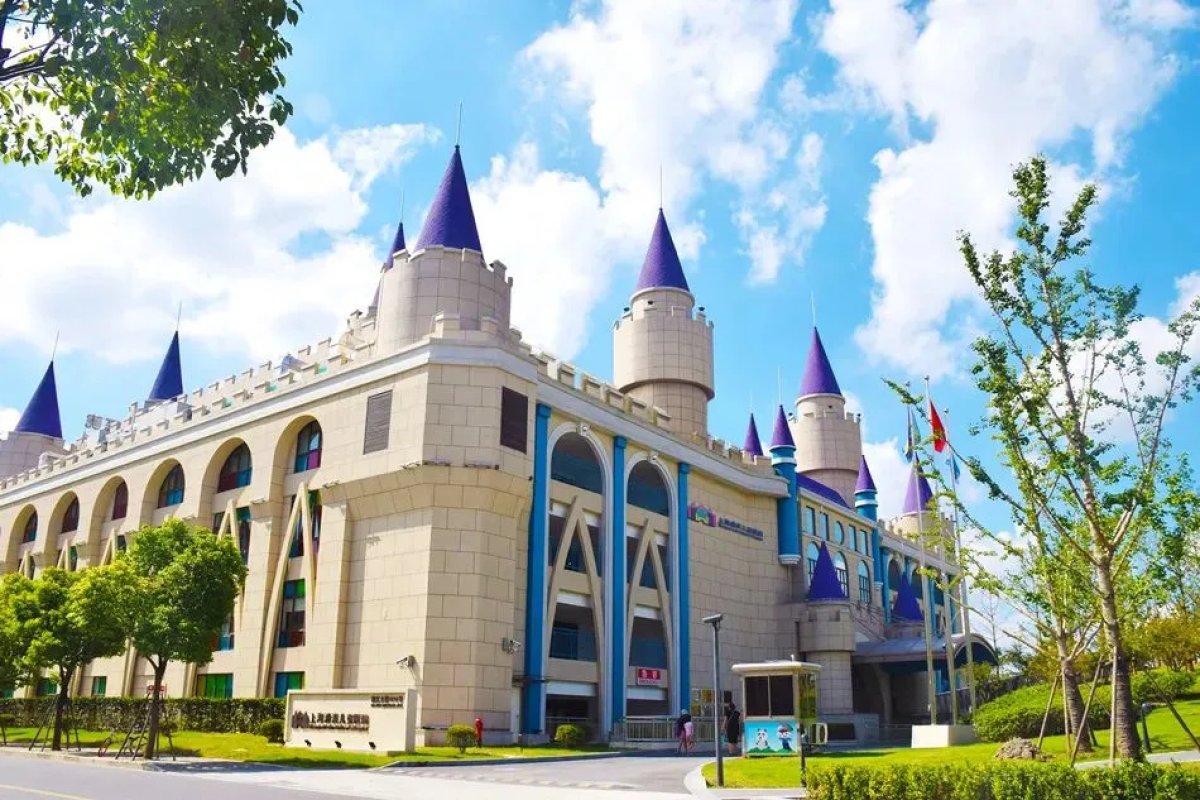
Shanghai Pubin Children’s Hospital
احصلوا على تقييم طبي لـ خلل التنسج النمائي للورك (DDH) في الصين: استشيروا أطباء ذوي خبرة الآن
عرض جميع الأطباء
Chen Biao
الأستاذ تشينغ بياو كبير الأطباء وأستاذ ومشرف دكتوراه في جراحة العظام بمستشفى تونغجي في شنغهاي. يتخصص في أمراض المفاصل المعقدة وإصابات الرياضة، ويركّز على استبدال المفاصل وتنظير المفاصل.
يشمل نطاق عمله استبدال الركبة والورك، واستئصال الغضروف الهلالي، وإصلاح الكفة المدورة والرباط الصليبي الأمامي وإصلاح بانكارت. ويعالج أيضًا خلل التنسج التطوري للورك (DDH)، وعدم ثبات الرضفة والكتف، والتهاب الفقار المحوري، ومرض كاشين–بيك، والفصال العظمي في المفاصل الكبيرة.
هو نائب رئيس مجموعة تنظير ا

Peng Hao
مشاركة المحتوى
قصص فيديو من مرضى Bookimed
 Anna Leonova
أسئلة متكررة حول علاج خلل التنسج النمائي للورك (DDH) في الصين
كيف يتم فحص وتشخيص خلل التنسج الوركي في المستشفيات الصينية؟
في الصين، يُشخَّص خلل التنسج الوركي باستخدام بروتوكولات خاصة بكل فئة عمرية، تجمع بين الفحص السريري والتصوير الطبي. يخضع الرضع حتى عمر 4 أشهر لفحص الموجات فوق الصوتية ثنائي الأبعاد. بعد 6 أشهر، ومع اكتمال نمو العظام، تلجأ المستشفيات إلى استخدام الأشعة السينية للحوض. وتستخدم المراكز المتخصصة طريقة غراف وتقنيات التشخيص القائمة على الذكاء الاصطناعي لتحسين دقة التشخيص.
- التشخيص المبكر: يعتبر التصوير بالموجات فوق الصوتية المعيار الذهبي لفحص الرضع الذين تقل أعمارهم عن 4 أشهر.
- الانتقال إلى مرحلة التعظم: بعد 6 أشهر، تصبح الأشعة السينية هي الأدوات التشخيصية الرئيسية.
- العلامات الجسدية: يفحص الأطباء وجود طيات جلدية غير متساوية ومحدودية في حركة الورك.
- الاختبارات الميكانيكية: يقوم الجراحون بإجراء مناورات أورتولاني وبارلو للكشف عن عدم استقرار المفصل.
- تصنيف غراف: يستخدم أخصائيو الأشعة زوايا ألفا وبيتا محددة لتصنيف درجة نضج مفصل الورك.
رأي خبراء بوكيمد: على الرغم من أن العديد من المؤسسات الطبية تقدم خدمات الفحص، إلا أن اختيار مستشفى من الفئة (أ) والمستوى الثالث، مثل مستشفى ياندا الدولي، يُعدّ أمرًا بالغ الأهمية للحال
ما هو العلاج غير الجراحي القياسي للمواليد الجدد في الصين؟
يركز العلاج غير الجراحي القياسي لحديثي الولادة في الصين على الفحص المبكر واستخدام الأجهزة التقويمية. يستخدم أطباء الأطفال دعامة بافليك لتثبيت خلع الورك. تُوجه هذه الطريقة نمو المفصل خلال الأسابيع الستة الأولى من العمر. تصل نسبة نجاح التصحيح المبكر إلى 95%.
- التثبيت المبكر: تعمل دعامات التباعد، مثل دعامة بافليك، على إبقاء الوركين في وضع مثالي.
- الفحص الروتيني: يسهل الفحص الشامل لحديثي الولادة الكشف السريع عن الأمراض والتدخل المبكر.
- الموجات فوق الصوتية: غالباً ما تستخدم العيادات تقنيات التصوير لمراقبة نمو مفصل الورك دون استخدام الإشعاع.
- العلاج المركب: يمكن استخدام التدليك المتخصص للأطفال بالاشتراك مع الأجهزة التقويمية لتحسين الحركة.
رأي خبراء بوكيمد: تتركز جودة رعاية حديثي الولادة في الصين بشكل كبير في مراكز المستوى الثالث. وقد أجرى أساتذة مثل الدكتور وي لي من مستشفى بكين أمكير أكثر من 10000 عملية جراحية تقويمية. ويُعطي هؤلاء الأخصائيون الأولوية للعلاجات التحفظية للرضع لتجنب العمليات الجراحية المستقبلية. كما أن مشاركة خبراء ذوي خبرة أكاديمية واسعة تُسهم في ضمان اختيار الأجهزة التقويمية المناسبة لحديثي الولادة بدقة.
ماذا يحدث إذا كان العلاج الأولي باستخدام الأجهزة التقويمية غير فعال أو تأخر التشخيص بعد مرحلة الرضاعة؟
يؤدي فشل العلاج التقويمي أو تأخر التشخيص إلى الانتقال من التقويم إلى التدخل الجراحي لإعادة تقويم العظام. وتعتمد النتائج على عمر المريض. يزيد تأخير العلاج من خطر الإصابة بهشاشة العظام المبكرة ونخر العظم اللاوعائي. قد يلجأ الجراحون إلى إجراء رد مفتوح أو قطع عظمي لتثبيت المفصل.
- الانتقال إلى طريقة علاج جديدة: بعد 6 أشهر من استخدام الضمادات، يتم استخدامها بشكل نادر للغاية بسبب انخفاض فعاليتها.
- الجراحة: يسمح التثبيت المفتوح بإزالة الأنسجة التي تسد التجويف وتثبيت العظم.
- تصحيح العظام: تعمل عملية قطع العظم على تغيير شكل الحوض أو عظم الفخذ لتغطية المفصل بشكل أفضل.
- متطلبات الجبيرة الجبسية: توفر الجبائر الجبسية من نوع سبايكا بعد العملية الجراحية عدم حركة مفصل الورك لمدة 3 أشهر تقريبًا.
رأي خبراء بوكيميد: يتمتع الجراحون ذوو الخبرة في الصين، مثل الدكتور وي لي من مستشفى بكين أمكير، بخبرة تزيد عن 40 عامًا في علاج الحالات المعقدة. غالبًا ما يستخدم الأخصائيون الذين يُجرون عددًا كبيرًا من العمليات الجراحية التصوير الديناميكي أثناء عمليات رد الكسور المغلقة لتجنب الجراحة المفتوحة غير الضرورية. هذه الدقة بالغة الأهمية لتقليل خطر النخر اللاإنتاني لدى الأطفال الأكبر سنًا.
كيف يمكن للوالدين رعاية طفل يرتدي دعامة بافليك على مدار الساعة طوال أيام الأسبوع؟
ينبغي على الوالدين مراقبة حالة دعامة بافليك، وتثبيتها في مكانها باستمرار لضمان وضعية الورك الصحيحة. يجب تعديل إجراءات النظافة والضمادات، مع الحرص على عدم إزالة الأشرطة. من الضروري مراقبة حالة الجلد بعناية. تمنع تقنيات التقميط الخاصة التلوث وتحمي الوركين في وضعية التباعد.
- نظافة الجلد: لتنظيف طيات الجلد، استخدم إسفنجة مع صابون لطيف، دون تبليل الأشرطة.
- كيفية تغيير الحفاض: ضعي حفاضة ذات حجم أكبر تحت الأشرطة الخلفية دون رفع ساقي الطفل.
- خيارات الملابس: ارتدي بذلات فضفاضة مزودة بأزرار كبس في الأمام أو سراويل بيجاما لتقليل تقييد الحركة.
- وضعية النوم: تأكد من أن المرتبة صلبة ومستوية حتى تتمكن ساقي طفلك من التمدد بشكل طبيعي.
رأي خبراء بوكيمد: يركز الجراحون ذوو الخبرة في الصين، مثل الدكتور وي لي من مستشفى بكين أمكير، على العلاج المتخصص للحالات المعقدة من خلل التنسج الوركي. وبينما يُعد العلاج العام هو المعيار، تُظهر بياناتنا أن العيادات التي تُجري أكثر من 10000 عملية جراحية تقويمية تستخدم غالبًا وسادات مُصممة خصيصًا لتحسين دعم مقعد السيارة. يُساعد هذا التعديل العملي على الحفاظ على زاوية الورك الصحيحة أثناء النقل دون المساس بالسلامة.
ما هو جبيرة الورك (الشوكة) بعد عملية التثبيت المغلقة أو المفتوحة وكيفية العناية بها؟
جبيرة الورك هي جبيرة صلبة مصنوعة من الجبس أو الألياف الزجاجية تُستخدم لتثبيت الحوض والساقين بعد عملية ردّ خلع الورك. تحافظ الجبيرة على الوضع الصحيح للورك لضمان الشفاء التام. تشمل العناية السليمة الحفاظ على جفاف الجبيرة ومراقبة الجلد.
- الهيكل والتغطية: يمتد من منتصف الصدر إلى إحدى الركبتين أو كلتيهما أو إلى الكاحلين.
- الحفاظ على النظافة: استخدم طريقة الحفاض المزدوج لمنع دخول الرطوبة إلى الجبيرة.
- الحاجة إلى تغيير وضعية الجسم: لمنع قرح الضغط، يجب تغيير وضعية المريض كل 2-4 ساعات.
- راقب الدورة الدموية: افحصها يومياً للتأكد من أن أصابع قدميك تظل وردية اللون ودافئة ويمكنها التحرك بحرية.
رأي خبراء بوكيمد: على الرغم من اعتقاد الكثيرين أن التجبير يتطلب معدات مساعدة متخصصة، فقد أثبت الدكتور وي لي من مستشفى بكين أمكير، الذي عالج أكثر من 10,000 حالة تقويم عظام، أن التعديلات المنزلية البسيطة، مثل الوسائد المائلة والملابس الفضفاضة، غالبًا ما تكون أكثر فعالية. ويتوافق هذا مع بيانات من مستشفيات صينية رائدة من المستوى الثالث، والتي تعالج أكثر من 2,500,000 مريض سنويًا.
ملاحظات المرضى: لاحظ الآباء أن أطفالهم يتأقلمون بسرعة،
ما هي خيارات العلاج المتاحة للشباب المصابين بخلل التنسج الوركي المصحوب بأعراض في الصين؟
في الصين، يُعالج خلل التنسج الوركي المصحوب بأعراض لدى الشباب بطرق تحفظية أو جراحات تحافظ على العضو، مثل قطع عظم الحوض حول الحُق. وفي الحالات المتقدمة، يلزم استبدال مفصل الورك بالكامل. وتستخدم المراكز المتخصصة في الصين غالبًا التخطيط ثلاثي الأبعاد قبل الجراحة والتوجيه الروبوتي لمعالجة المشكلات الهيكلية المعقدة والتهاب المفاصل الثانوي.
- العلاج التحفظي: يشمل تعديل النشاط والعلاج الطبيعي لمدة 3-6 أشهر.
- قطع العظم حول الحُق: جراحة إعادة توجيه العظام المفضلة المستخدمة لإعادة وضع الحُق الضحل فوق رأس عظم الفخذ.
- تنظير مفصل الورك: يساعد في الكشف عن تمزقات الشفا أو متلازمة الانحشار لدى المرضى الذين يعانون من خلل التنسج الحدّي في مفصل الورك.
- استبدال مفصل الورك بالكامل: جراحة ترميمية نهائية لتشوه المفصل الشديد أو فقدان الغضروف على نطاق واسع.
رأي خبراء بوكيمد: أجرى جراحون صينيون بارزون، مثل الدكتور وي لي من مستشفى بكين أمكير، أكثر من 10,000 عملية جراحية. يُعدّ هذا العدد الكبير من العمليات الجراحية سمةً مميزةً للمستشفيات من الفئة الأولى، المستوى الثالث، مثل مستشفى ياندا الدولي. ينبغي على المرضى إعطاء الأولوية لهذه المؤسسات المرموقة، إذ تُقدّم رعايةً متخصصةً لحالات خلل التنسج الورك