علاج داء القرص التنكسي في إسبانيا — احصل على 3 عيادات مختارة خصيصاً لك


تمت مراجعة المقالة طبيا من قبل
فهد مولود
كيف نعمل؟
ما هي تكلفة داء القرص التنكسي إجراءات التشخيص والعلاج في إسبانيا؟ اعرف الآن
| تركيا | إسبانيا | ألمانيا | |
|---|---|---|---|
| استئصال الصفيحة القطنية وتثبيت مستوى واحد | من $4,800 | من $31,400 | ≈ $12,500 |
| استئصال الصفيحة الرقبية وتثبيت مستوى واحد | ≈ $7,500 | من $28,100 | ≈ $16,500 |
اكتشف أفضل داء القرص التنكسي العيادات في إسبانيا: 2 خيارات معتمدة والأسعار


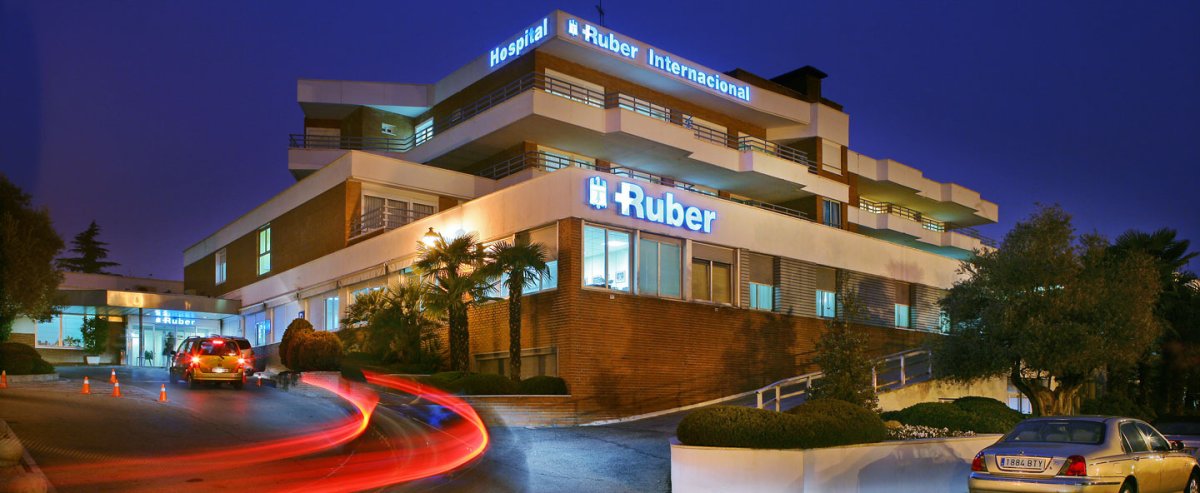


احصلوا على تقييم طبي لـ داء القرص التنكسي في إسبانيا: استشيروا أطباء ذوي خبرة الآن
عرض جميع الأطباء
Pablo De La Cuadra
الدكتور بابلو دي لا كوادره (Pablo Cuadra de la Virgili) جرّاح عظام واختصاصي طب الرضوح في مدريد. يختص بإصابات الرياضيين وجراحة الكتف في Hospital Ruber Internacional، حيث يعمل منذ عام 1999. لديه خبرة تفوق 25 عامًا. يقود وحدة متعددة التخصصات ويرأس فريقًا متخصصًا في طب الرضوح. يُعد خبيرًا معترفًا به في اضطرابات الكتف المعقدة. يستخدم تقنيات تنظير مفصلي وترميم متقدمة لعلاج عدم الاستقرار وإصابات الكفة المدورة.
المؤهلات: دكتور في الطب (1993) ودكتوراه في الطب (2001) من جامعة مدريد المستقلة. اخت
مشاركة المحتوى
قصص فيديو من مرضى Bookimed
 Anna Leonova
أسئلة متكررة حول علاج داء القرص التنكسي في إسبانيا
ما هي خيارات العلاج المتاحة في إسبانيا لمرض القرص التنكسي؟
توفر إسبانيا خيارات متقدمة لمرض القرص التنكسي تتراوح من جراحات الحفاظ على الحركة إلى العلاجات التجديدية. يعد استبدال القرص الاصطناعي متعدد المستويات وجراحة العمود الفقري بالمنظار الكامل من التخصصات الأساسية. يستفيد معظم المرضى من المرافق المعتمدة من قبل اللجنة الدولية المشتركة (JCI) في مدريد وبرشلونة التي تستخدم التصوير بالرنين المغناطيسي بقوة 3 تسلا لرسم خرائط تشخيصية دقيقة.
- الحفاظ على الحركة: يقوم الجراحون بإجراء استبدال القرص الاصطناعي للحفاظ على حركة العمود الفقري بعد التنكس.
- الجراحة طفيفة التوغل: تسمح تقنيات المنظار الكامل بإزالة ضغط العصب مع التعافي في غضون 24-48 ساعة.
- الطب التجديدي: تقدم المراكز المتخصصة حقن الخلايا الجذعية الوسيطة المستنبتة لاستعادة ارتفاع القرص.
- التشخيص الدقيق: تستخدم المرافق تصوير الرنين المغناطيسي بقوة 3 تسلا لتحديد المصادر الدقيقة للعجز العصبي.
رؤية خبير Bookimed: تبرز إسبانيا عالمياً لأن جراحين مثل الدكتور فيران بيليس أوركيزا يشغلون أدواراً قيادية في جمعية أبحاث الجنف. تقوم المراكز ذات الحجم الكبير مثل مستشفى روبر الدولي بإجراء أكثر من 6000 جراحة سنوياً. يضمن هذا التركيز في الحجم والقيادة الأكاديمية حصول المرضى على علاجات غالباً ما يكون من الصعب الوصول إليها في أماكن أخرى، مثل الحفاظ على الحركة متعدد المستويات.
إجماع المرضى: يؤكد المرضى على البدء بالعلاج الطبيعي والأدوية قبل التفكير في أي تدخلات جراحية. وينصحون بطلب تقييم طبي فوري إذا كنت تعاني من ضعف مفاجئ، أو تفاقم في التنميل، أو ت
هل التقنيات طفيفة التوغل شائعة وفعالة في إسبانيا؟
تعتبر التقنيات طفيفة التوغل شائعة للغاية وفعالة في إسبانيا لعلاج أمراض العمود الفقري التنكسية. تستخدم المراكز الإسبانية الأنظمة الروبوتية وتنظير البطن المتقدم كمعيار للرعاية. تقلل هذه الطرق بفعالية من فترات الإقامة في المستشفى وتقلل من أوقات التعافي. تدمج المرافق الحديثة تقنيات مثل Da Vinci Xi لتحقيق أقصى قدر من الدقة.
- انتشار الروبوتات: يعمل أكثر من 150 روبوتًا جراحيًا في المستشفيات الإسبانية العامة والخاصة.
- الفعالية السريرية: تقلل الطرق طفيفة التوغل من فترات الإقامة في المستشفى بنسبة 30% إلى 50%.
- الخبرة المتخصصة: يقود الدكتور فيران بيليس أوركيزا جراحة العمود الفقري مع اعتراف أكاديمي دولي.
- التكنولوجيا المتقدمة: تستخدم مرافق مثل مستشفى روبر الدولي (Hospital Ruber Internacional) تقنيات Da Vinci Xi و Gamma Knife.
رؤية خبير Bookimed: بينما تعد إسبانيا مركزًا للجراحة الروبوتية، فإن أفضل النتائج لأمراض العمود الفقري التنكسية تعتمد على حجم الحالات. يتمتع جراحون مثل الدكتور بابلو دي لا كوادرا في مستشفى روبر الدولي بخبرة تزيد عن 25 عامًا. غالبًا ما يضمن هذا المستوى من الأقدمية أن الخيارات طفيفة التوغل تستند إلى الضرورة السريرية وليس إلى اتجاهات التسويق. يجب على المرضى التحقق مما إذا كانت العيادة تجري ما لا يقل عن 1000 عملية جراحية سنويًا لضمان الكفاءة في استخدام هذه الأدوات عالية التقنية.
إجماع المرضى: يشير المرضى إلى أنه على الرغم من أن الطرق طفيفة التوغل توفر تعافيًا أسرع، إلا أن مهارة الجراح الفردية أكثر أهمية من التكن
كيف يمكنني اختيار جراح عمود فقري أو مستشفى مؤهل في إسبانيا؟
لاختيار جراح عمود فقري مؤهل في إسبانيا، أعط الأولوية للمتخصصين الحاصلين على زمالات دولية وعضوية في الجمعية الإسبانية للعمود الفقري (GEER). اختر المستشفيات المعتمدة من قبل اللجنة الدولية المشتركة (JCI) في مدريد أو برشلونة. توفر هذه المرافق تشخيصات بالرنين المغناطيسي بقوة 3 تسلا وفرقاً متعددة التخصصات لحالات العمود الفقري التنكسية المعقدة.
- أوراق اعتماد الجراح: تحقق من إكمال فترة إقامة لمدة 5 سنوات والعضوية في Eurospine أو GEER.
- اعتماد المستشفى: ابحث عن شهادات اللجنة الدولية المشتركة (JCI) أو ISO للسلامة.
- الحجم السريري: تجري المراكز الرائدة مثل مستشفى روبر الدولي (Hospital Ruber Internacional) أكثر من 6000 عملية جراحية سنوياً.
- الخبرة المتخصصة: اختر جراحين مثل الدكتور فيران بيليسيه، وهو متخصص في تشوهات العمود الفقري مصنف من قبل فوربس.
رؤية خبير Bookimed: يعمل حجم المرضى كمؤشر جودة حاسم في إسبانيا. على سبيل المثال، يدير مستشفى روبر الدولي أكثر من 93000 استشارة سنوياً. غالباً ما يرتبط هذا الحجم الكبير بنتائج أفضل في إجراءات العمود الفقري المعقدة. عند اختيار طبيب، ابحث عن أولئك الذين يحملون ألقاباً أكاديمية في جامعات كبرى. يوازن كل من الدكتور بابلو دي لا كوادرا والدكتور فيران بيليسيه بين الممارسة السريرية والتدريس. هذا يشير إلى أنهم يواكبون أحدث التقنيات الجراحية.
إجماع المرضى: يشير المرضى إلى أنه من الضروري سؤال الجراحين بالضبط عن عدد الإجراءات المحددة التي أجروها مؤخراً. ويؤكدون على اختيار متخصصين مكرسين حصرياً لرعاية
ما هو الجدول الزمني المتوقع للتعافي بعد جراحة العمود الفقري في إسبانيا؟
يستغرق التعافي بعد جراحة العمود الفقري في إسبانيا عادةً من 6 إلى 12 أسبوعًا للأنشطة الخفيفة. تتطلب الإجراءات الكبرى مثل دمج الفقرات من 6 إلى 12 شهرًا لتحقيق استقرار كامل للعظام. تستخدم المراكز المعتمدة من قبل JCI في مدريد وبرشلونة تقنيات طفيفة التوغل لتقليل فترات الإقامة في المستشفى إلى 24 أو 48 ساعة للعديد من المرضى.
- الإقامة في المستشفى: يبقى المرضى تحت الرعاية السريرية لمدة تتراوح بين 2 إلى 5 أيام بعد إجراءات العمود الفقري المعقدة.
- الحركة المبكرة: عادةً ما يساعد أخصائيو العلاج الطبيعي المرضى على المشي في غضون 24 ساعة بعد جراحة العمود الفقري.
- تصريح السفر: ينتظر المرضى الدوليون عادةً من 7 إلى 14 يومًا قبل السفر جوًا إلى الوطن بعد العمليات الكبرى.
- العودة إلى العمل: غالبًا ما يعود الموظفون المكتبيون إلى العمل بعد 6 إلى 8 أسابيع من الجراحة.
رؤية خبير Bookimed: توفر إسبانيا ميزة فريدة للتعافي من خلال مراكز إعادة التأهيل المتخصصة مثل مركز الدكتور بلوم للميكانيكا الحيوية في ماربيا. بينما تركز المستشفيات الكبيرة مثل مستشفى روبر الدولي على أكثر من 6000 جراحة معقدة يجرونها سنويًا، تستخدم هذه المراكز المتخصصة طرقًا ميكانيكية حيوية حاصلة على براءة اختراع لتسريع تجديد الخلايا. يسمح هذا النهج المتدرج للمرضى بالانتقال بفعالية من المراكز الجراحية عالية التقنية إلى برامج تعافي مكثفة تعتمد على الحركة.
إجماع المرضى: يشير المرضى إلى أن الأسبوع الأول غالبًا ما يكون الأكثر تحديًا أثناء التوقف عن تناول مسكنات الألم القوية. ويؤكدون أن
هل يمكنني الحصول على رأي ثانٍ مستقل من متخصصين إسبان قبل اتخاذ قرار بشأن الجراحة؟
يضمن القانون الطبي الإسباني حقك في الحصول على رأي ثانٍ للعمليات الجراحية الكبرى. يصل المرضى إلى متخصصين مستقلين من خلال استشارات خاصة لتجاوز قوائم انتظار النظام العام. تقدم المراكز المعتمدة من قبل JCI في مدريد وبرشلونة مراجعات مباشرة للتصوير التشخيصي وخطط العلاج لأمراض العمود الفقري التنكسية.
- أوراق اعتماد المتخصصين: يشغل جراحون مثل الدكتور فيران بيليس أوركيزا أدوارًا قيادية في جمعيات العمود الفقري الأوروبية.
- سرعة الوصول: تتجنب الاستشارات الخاصة قوائم الانتظار العامة الطويلة للمراجعات العصبية أو العظمية المعقدة.
- المراجعات عن بعد: غالبًا ما يقدم المتخصصون استشارات افتراضية باستخدام ملفات التصوير بالرنين المغناطيسي 3-تسلا أو الأشعة المقطعية التي يتم تحميلها.
- مراكز عالية الحجم: يجري مستشفى روبر الدولي أكثر من 6000 عملية جراحية و93000 استشارة كل عام.
رؤية خبير Bookimed: تدمج مراكز العمود الفقري الإسبانية مثل مستشفى روبر الدولي بين جراحة الأعصاب والخبرة العظمية في منشأة واحدة. وهذا يسمح برؤية أعمق لأمراض العمود الفقري التنكسية. عند البحث عن رأي ثانٍ، فإن اختيار متخصص مدرج في قائمة فوربس مثل الدكتور فيران بيليس أوركيزا يضمن مراجعة من قبل شخص معترف به للتعامل مع أكثر التشوهات تعقيدًا في أوروبا. وهذا يوفر مستوى أعلى من التدقيق مقارنة بالمراجعة القياسية.
إجماع المرضى: يؤكد المرضى أن الرأي الثاني غالبًا ما يكشف عن بدائل للجراحة، مثل العلاج الطبيعي المتخصص. يلاحظ الكثيرون أن إحضار ملفات التصوير بالرنين المغناطيسي الخام أكثر