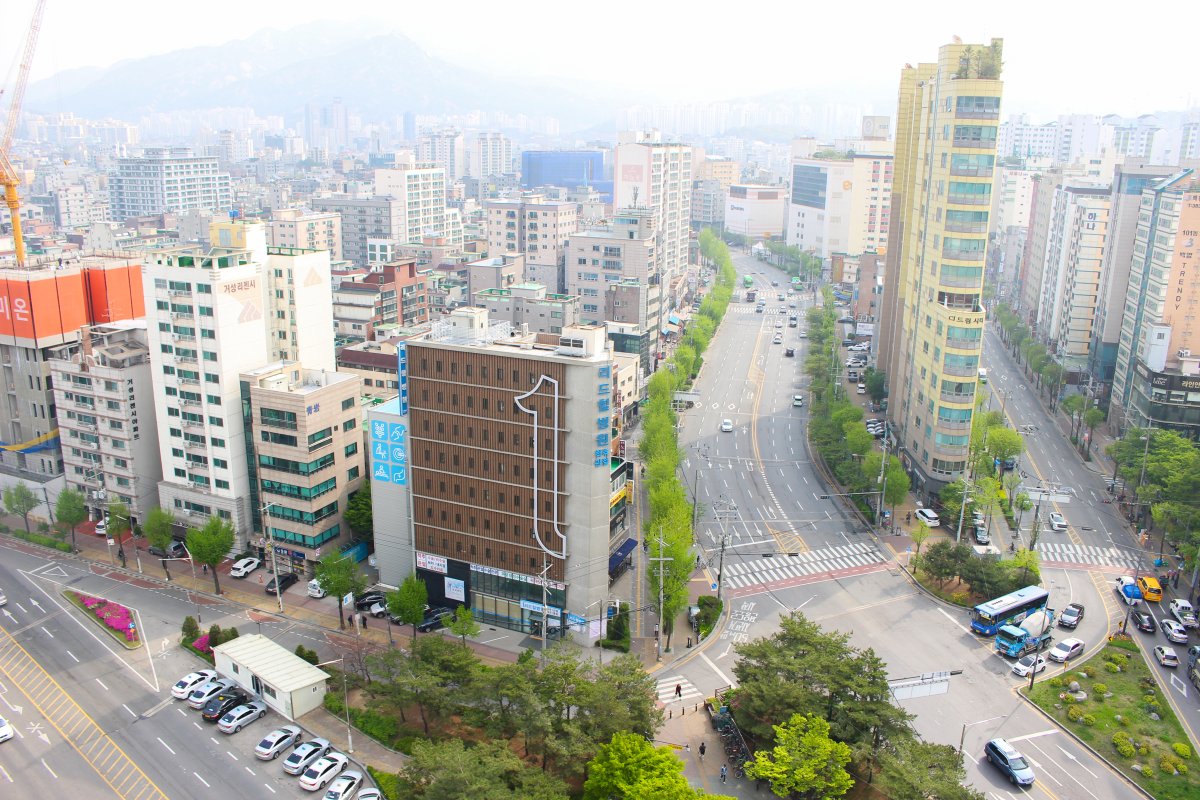
عيادة العمود الفقري والمفاصل Leadheal
كوريا الجنوبية, سول


تمت مراجعة المقالة طبيا من قبل
فهد مولود
| كوريا الجنوبية | تركيا | إسبانيا | |
|---|---|---|---|
| استئصال الصفيحة القطنية وتثبيت مستوى واحد | من $15,000 | من $4,800 | ≈ $11,500 |
| استئصال الصفيحة الرقبية وتثبيت مستوى واحد | من $15,000 | ≈ $7,500 | من $28,100 |
Bookimed لا يضيف رسوماً إضافية على أسعار علاج داء القرص التنكسي. الأسعار مأخوذة من قوائم الأسعار الرسمية للعيادات. تدفع مباشرة في العيادة مقابل علاجك عند وصولك إلى البلد.
Bookimed ملتزم بسلامتك. نحن نعمل فقط مع المؤسسات الطبية التي تحافظ على معايير دولية عالية في علاج داء القرص التنكسي ولديها التراخيص اللازمة لخدمة المرضى الدوليين في جميع أنحاء العالم.
Bookimed يقدم مساعدة خبراء مجانية. منسق طبي شخصي يدعمك قبل وأثناء وبعد العلاج، ويحل أي مشاكل. لن تكون وحيداً أبداً في رحلة علاج داء القرص التنكسي.

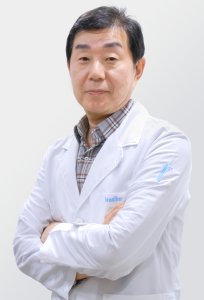
الدكتور جانغ هيو كيم جرّاح عظام يركّز على الحفاظ على المفاصل وإعادة البناء المعقّدة. يختص بمناظير المفاصل للكتف والركبة والكاحل والمرفق والمعصم. يُجري استبدال مفاصل الكتف والركبة والكاحل والمرفق والورك. يشمل عمله في العمود الفقري تثبيت ودمج الفقرات العنقية والقطنية. كما يُجري استئصال القرص، واستئصال الصفيحة الفقرية، وترميم الأعصاب، ورأب الفقرة. وتشمل ممارسته علاج الكسور وإصلاح العضلات والأربطة.
هو أستاذ منتسب في جامعة كيونغ هي، ويشغل منصب مدير مركز المفاصل في مستشفى فيري غود. وشغل سابق
 Anna Leonova
يجمع الرعاية غير الجراحية لمرض القرص التنكسي في كوريا بين العلاج الطبيعي الغربي والطب التقليدي. تشمل الخيارات الرئيسية تمارين تقوية الجذع، وحقن الستيرويد فوق الجافية، وتقويم العمود الفقري بطريقة "تشو-نا" (Chu-na). تعطي المراكز الرائدة مثل مستشفى Leadheal الأولوية لهذه الأساليب المحافظة لاستعادة القدرة على الحركة وتخفيف الألم المزمن دون تدخل جراحي.
رؤية خبير Bookimed: يدير مستشفى Leadheal أكثر من 44,000 مريض سنوياً على الرغم من امتلاكه 40 سريراً فقط. يشير هذا الحجم الكبير إلى تركيز أساسي على العلاجات الخارجية غير الجراحية. يمكن للمرضى الوصول إلى خبراء مثل الدكتور جانغ هيو كيم المعتمدين في علاج نقاط الزناد (TPI). يستهدف هذا الحقن المتخصص مباشرة العقد العضلية التي قد يغفل عنها المعالج الطبيعي العام.
إجماع المرضى: يؤكد المرضى على أهمية البدء بروتين التعافي القائم على المشي وتغيير وضعيات الجسم. ويلاحظون أن الحقن توفر سيطرة قصيرة المدى على الأعراض بينما يقدم العلاج الطبيعي خطة طويلة المدى.
تعد الجراحة ضرورية لمرض العمود الفقري التنكسي عندما تفشل العلاجات التحفظية بعد ستة أشهر. التدخل الطبي مطلوب في حالات ضعف العضلات التدريجي، أو الخدر المستمر، أو فقدان القدرة على الحركة. تعد الجراحة الطارئة إلزامية لمتلازمة ذيل الفرس التي تنطوي على فقدان السيطرة على الأمعاء أو المثانة.
رؤية خبير Bookimed: يدير مستشفى ليدهيل (Leadheal) في سيول أكثر من 44,000 مريض سنويًا باستخدام تقنيات تنظيرية متخصصة. أجرى الجراحون الخبراء مثل الدكتور سانغ وون هوانغ أكثر من 6000 إجراء للعمود الفقري. يسمح هذا الحجم الكبير بالاستقرار طفيف التوغل الذي يحافظ على القدرة على الحركة بشكل أفضل من الجراحة المفتوحة التقليدية. غالبًا ما تتضمن الباقات أربعة أيام من الاستشفاء مع رعاية تمريضية على مدار 24 ساعة لضمان تعافٍ مبكر وآمن.
إجماع المرضى: يؤكد المرضى على أن الأطباء يجب أن يعالجوا الأعراض بدلاً من مجرد نتائج التصوير بالرنين المغناطيسي. يشير الكثيرون إلى أن فقدان القدرة على المشي لمسافات معقولة كان العامل الحاسم في اتخاذ قرار الجراحة.
تتصدر كوريا الجنوبية عالميًا في جراحة العمود الفقري بالمنظار من خلال تقنيات رائدة في المنظار ثنائي المنفذ والجراحة المجهرية. تركز المراكز المتخصصة على الحفاظ على الأنسجة وإجراء العمليات بدون دم للحالات التنكسية. يستفيد المرضى من معدلات نجاح تتراوح بين 80-90%، وسرعة الحركة في نفس اليوم، وأوقات تعافي أقصر بشكل ملحوظ مقارنة بالطرق التقليدية.
رؤية خبير Bookimed: تتميز رعاية العمود الفقري الكورية لأن المتخصصين يركزون على الدقة المستندة إلى حجم العمل بدلاً من جراحة العظام العامة. في مستشفى ليدهيل، يتمتع كبير جراحي الأعصاب بأكثر من 30 عامًا من الخبرة في كل إجراء. يسمح هذا التخصص الفائق للعيادات بإدارة أكثر من 44,000 مريض سنويًا مع الحفاظ على دقة تقنية مذهلة.
إجماع المرضى: غالبًا ما يتفاجأ المرضى بمدى سرعة مشيهم بعد الجراحة. ويلاحظون أن العملية تبدو فعالة وسريعة جدًا مقارنة بتوقعاتهم.
تستغرق فترة التعافي بعد جراحة العمود الفقري في كوريا عادةً من 4 إلى 12 أسبوعًا. تسمح الإجراءات طفيفة التوغل للمرضى بالعودة إلى أنشطتهم المعتادة في غضون 6 أسابيع. يحدث الخروج من المستشفى بعد استئصال الصفيحة الفقرية عادةً في غضون 3 إلى 5 أيام. تتطلب عمليات دمج العمود الفقري المعقدة من 7 إلى 10 أيام من الرعاية الداخلية.
رؤية خبير Bookimed: يخدم مستشفى Leadheal في سيول 44000 مريض سنويًا على الرغم من أنه يمتلك 40 سريرًا فقط. هذا الدوران العالي ممكن بسبب تقنيات التنظير الفعالة. غالبًا ما تغطي الباقات المتخصصة 4 أيام من الإقامة في المستشفى. هذا يتوافق مع بروتوكولات التعافي السريع الشائعة في مراكز العمود الفقري الكورية.
إجماع المرضى: غالبًا ما يتفاجأ المرضى بمدى سرعة خروجهم من المستشفى بعد الجراحة. بينما يمشون فورًا تقريبًا، يلاحظ الكثيرون أن إدارة قيود الجلوس والانحناء تظل التحدي الأكبر.
تشمل المستشفيات الكورية الجنوبية الرائدة لاضطرابات العمود الفقري مراكز متخصصة مثل مستشفى Leadheal والمؤسسات الأكاديمية الكبرى مثل مركز سامسونج الطبي. تعطي هذه المرافق الأولوية للتقنيات طفيفة التوغل. وهي تعالج حالات معقدة مثل تضيق القناة الشوكية القطني والانزلاق الغضروفي بدقة عالية ومعايير رعاية بمستوى JCI.
رؤية خبير Bookimed: تظهر البيانات أن مراكز العمود الفقري المتخصصة في سيول تقدم باقات شاملة عالية القيمة. يوفر مستشفى Leadheal باقات بحوالي 25000 دولار. تشمل هذه غرف VIP ورعاية تمريضية على مدار 24 ساعة. غالبًا ما يفتقر الدعم الشامل كهذا في المستشفيات الجامعية العامة الأكبر. هذا يجعل المراكز المتخصصة خيارًا عمليًا للمرضى الدوليين الذين يحتاجون إلى تعافي مركز.
إجماع المرضى: يلاحظ المرضى أن المستشفيات الأكاديمية الرائدة توفر تصويرًا تشخيصيًا متفوقًا. يؤكدون على اختيار مرفق تتعاون فيه فرق جراحة العظام وجراحة الأعصاب في الحالات المعقدة.
يمكن للمرضى الحصول على استبدال القرص الاصطناعي في كوريا الجنوبية في مراكز العمود الفقري المتخصصة في سيول وإنتشون. يعالج الإجراء مرض العمود الفقري التنكسي من خلال جراحة الأعصاب المتقدمة. تبلغ العيادات الكورية عن معدل نجاح سريري بنسبة 76.9% للاستبدالات القطنية. يستخدم الجراحون المتخصصون عادة تقنيات طفيفة التوغل لتحسين النتائج.
رؤية خبير Bookimed: يخدم مستشفى Leadheal أكثر من 44000 مريض سنويًا مع التركيز على الاستقرار وتخفيف الضغط. بينما يسعى الكثيرون لاستبدال القرص، يعطي الجراحون الذين يتمتعون بخبرة تزيد عن 30 عامًا الأولوية للحركة طويلة المدى. غالبًا ما يقترح هؤلاء الخبراء حزم تثبيت بحوالي 25000 دولار عندما تُظهر الفحوصات وجود مرض متعدد المستويات. يضمن هذا الحجم الكبير من الحالات أن يحافظ الجراحون على ذروة الكفاءة الفنية.
إجماع المرضى: يلاحظ المرضى أن الجراحين يتبعون متطلبات ترشيح صارمة للغاية لاستبدال القرص. يؤكدون على ضرورة مراجعة فحوصات التصوير بالرنين المغناطيسي والأشعة المقطعية قبل السفر لإدارة التوقعات بشأن الدمج.
تقدم كوريا الجنوبية برامج متخصصة لمرضى العمود الفقري الدوليين. توفر هذه المسارات المخصصة رعاية منسقة، ومراجعات عن بُعد للسجلات الطبية، ومترجمين فوريين محترفين. تعالج المراكز ذات الحجم الكبير مثل مستشفى Leadheal أكثر من 44,000 مريض سنويًا. فهي تجمع بين إزالة الضغط بالمنظار المتقدمة والخدمات اللوجستية المنظمة للمسافرين الدوليين.
رؤية خبير Bookimed: ركز على حجم العمليات الجراحية بدلاً من عناوين البرامج العامة. أجرى الدكتور سانغ وون هوانغ في مستشفى Leadheal أكثر من 6,000 جراحة للعمود الفقري. هذا المستوى العالي من التخصص يترجم غالبًا إلى تعافٍ أكثر سلاسة. غالبًا ما تشمل الباقات التي تبلغ تكلفتها حوالي 25,000 دولار وجبات تحت إشراف أخصائي تغذية ورعاية تمريضية على مدار 24 ساعة.
إجماع المرضى: يؤكد المرضى على أهمية التأكد من توافر منسق مخصص للأجانب. كما يقترحون طلب عروض أسعار مفصلة لتوضيح ما إذا كانت إعادة التأهيل اللاحقة والتخدير مشمولة.