العودة إلى الصفحة الرئيسية
820К+ مريضًا حصلوا على المساعدة منذ عام 2014
50 دول
1,500 عيادات
6K+ تقييمات
3K+ طبيب مؤهل

ما هي تكلفة داء القرص التنكسي إجراءات التشخيص والعلاج في الهند؟ اعرف الآن

السعر يقدم بعد الطلب
الهندتركياإسبانيا
استئصال الصفيحة القطنية وتثبيت مستوى واحدمن $5,200من $4,820-
استئصال الصفيحة الرقبية وتثبيت مستوى واحدمن $4,800من $8,500-
تم التحقق من البيانات بواسطة Bookimed اعتبارًا من August 2026، استنادًا إلى طلبات المرضى والعروض الرسمية من 20 عيادة حول العالم. تستند التكاليف المتوسطة إلى الفواتير الحقيقية (2025–2026) ويتم تحديثها شهريًا. قد تختلف الأسعار الفعلية.

مزاياك وضماناتك مع Bookimed

أسعار مباشرة

Bookimed لا يضيف رسوماً إضافية على أسعار علاج داء القرص التنكسي. الأسعار مأخوذة من قوائم الأسعار الرسمية للعيادات. تدفع مباشرة في العيادة مقابل علاجك عند وصولك إلى البلد.

عيادات وأطباء معتمدون فقط

Bookimed ملتزم بسلامتك. نحن نعمل فقط مع المؤسسات الطبية التي تحافظ على معايير دولية عالية في علاج داء القرص التنكسي ولديها التراخيص اللازمة لخدمة المرضى الدوليين في جميع أنحاء العالم.

مساعدة مجانية على مدار الساعة

Bookimed يقدم مساعدة خبراء مجانية. منسق طبي شخصي يدعمك قبل وأثناء وبعد العلاج، ويحل أي مشاكل. لن تكون وحيداً أبداً في رحلة علاج داء القرص التنكسي.


لماذا نحن؟

منسقك الطبي الشخصي في Bookimed

  • يدعمك في كل مرحلة
  • المساعدة في اختيار العيادة الطبية المناسبة والطبيب المناسب
  • يضمن الوصول السريع والمريح إلى المعلومات

اكتشف أفضل داء القرص التنكسي العيادات في الهند: 1 خيار معتمدة والأسعار

تم تصنيف العيادات بواسطة نظام Bookimed الذكي، باستخدام تحليل علوم البيانات عبر 5 معايير رئيسية.
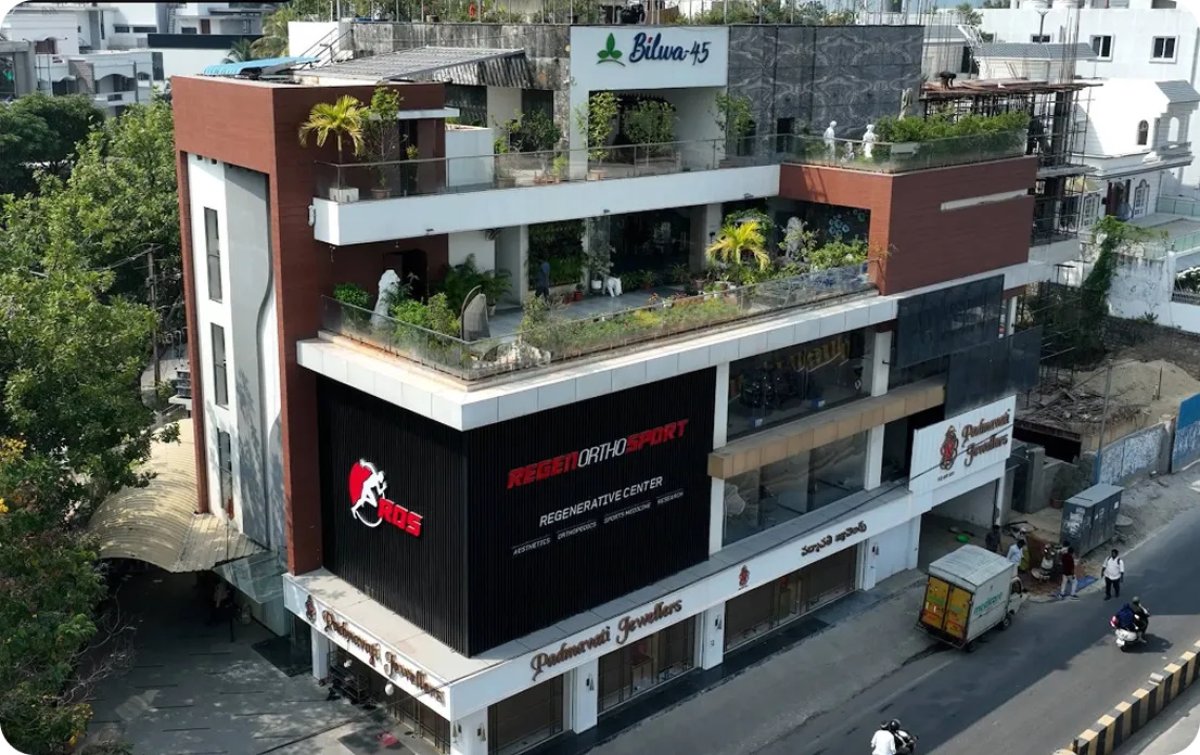
RegenOrthoSport India

احصلوا على تقييم طبي لـ داء القرص التنكسي في الهند: استشيروا أطباء ذوي خبرة الآن

عرض جميع الأطباء
يؤكد

Maitri Shah

7سنة خبره ١٦ سنة
Maitri Shah is a specialist at the clinic in Mumbai, combining pain medicine and anesthesiology with regenerative non-surgical orthopedics. She has over 7 years of experience and is trained in Interventional Pain Medicine and Anaesthesiology in Mumbai, with FIPM certification listed. Her care supports chronic spine and musculoskeletal conditions using PRP, Stem Cell Therapy for spine pain, and BMAC.

مشاركة المحتوى

Twitter XLinkedinFacebookWhatsAppEmail
أحصل على الرابط

قصص فيديو من مرضى Bookimed

Dayana
جمعت بين إجازتي في أنطاليا والفحص الطبي.
إجراء: فحص صحة الإناث (انظر فحص النساء)
Igor
كان رائعاً! التنقلات والإقامة والعلاج - كل شيء مشمول.
إجراء: زرع الأسنان
مستشفى: WestDent Clinic
Marina
قام Bookimed بكل شيء من أجلي. لم أضطر للقلق بشأن أي شيء.
إجراء: فحص صحة الإناث (انظر فحص النساء)
مستشفى: Severance Hospital
محدث: 07/14/2026
تأليف
Anna Leonova
Anna Leonova
رئيس فريق تسويق المحتوى
محررة طبية معتمدة لديها خبرة تزيد عن 10 سنوات، طوّرت محتوى Bookimed الموثوق، مدعومة بماجستير في علم اللغة ومقابلات مع خبراء طبيين من جميع أنحاء العالم.
تمت المراجعة من قبل المستشار الطبي في Bookimed
فهد مولود
محرر طبي وعالم بيانات
طبيب عام. حاصل على 4 جوائز علمية. خدم في غرب آسيا. رئيس الفريق الطبي الناطق بالعربية سابقا ومسؤول عن معالجة البيانات ودقة المحتوى الطبي حاليا.
فهد مولود Linkedin
قد تحتوي هذه الصفحة على معلومات تتعلق بمختلف الحالات الطبية والعلاجات وخدمات الرعاية الصحية المتوفرة في بلدان مختلفة. يرجى العلم أن المحتوى مقدم لأغراض إعلامية فقط ولا ينبغي تفسيره على أنه نصيحة أو إرشادات طبية. يرجى استشارة طبيبك أو أخصائي طبي مؤهل قبل البدء أو تغيير العلاج الطبي.

أسئلة متكررة حول علاج داء القرص التنكسي في الهند

هذه الأسئلة الشائعة مأخوذة من مرضى حقيقيين يبحثون عن رعاية طبية عبر Bookimed. يتم تقديم الإجابات من قبل منسقين طبيين ذوي خبرة وممثلين موثوقين من العيادات.

What is the success rate of degenerative spine disease treatment in India?

Treatment success rates for degenerative spine disease in India reach 85% to 95% for minimally invasive procedures. Artificial disc replacement shows over 90% success, while spinal fusion ranges between 70% and 90%. Specialists utilise robotic navigation and imaging to improve precision throughout the country.

  • Minimally invasive surgery: These techniques involve smaller incisions and report success rates up to 95%.
  • Regenerative therapy: Non-surgical options like PRP and stem cell therapy offer 75% to 90% improvement.
  • Advanced technology: Hospitals use computer-assisted navigation and robotic systems to increase surgical accuracy.
  • Specialist experience: Surgeons like Dr Venkatesh Movva at RegenOrthoSport India have performed 10,000+ procedures.

Bookimed Expert Insight: India is becoming a hub for non-surgical regenerative spine care alongside traditional surgery. Clinics like RegenOrthoSport India were founded by specialists with over 30 years of experience. They focus on injection-based therapies such as BMAC and PRP. For patients wanting to avoid the knife, these 90-minute procedures often provide relief within six weeks.

Patient Consensus: Patients note that outcomes are highly individual and depend on the number of affected spinal levels. Many emphasise that surgery helps. However, physiotherapy remains a vital part of managing long-term recovery in India.

When is surgery considered necessary for degenerative spine disease treatment in India?

Indian specialists consider spine surgery necessary when neurological deficits like muscle weakness, limb numbness, or loss of bowel control appear. Most surgeons only recommend operating after three to six months of failed conservative care. Procedures like laminectomy or spinal fusion address severe nerve compression and structural instability.

  • Neurological decline: Surgery is vital if limb weakness or numbness worsens over time.
  • Conservative failure: Persistent pain despite six months of physiotherapy often triggers surgical review.
  • Structural instability: Severe disc degeneration or stenosis confirmed by spinal MRI requires stabilisation.
  • Functional loss: Inability to stand or walk normally indicates a need for intervention.
  • Emergency cases: Rapid onset of bladder or bowel dysfunction requires immediate decompression surgery.

Bookimed Expert Insight: Indian clinics increasingly bridge the gap between physiotherapy and surgery using regenerative medicine. Specialists like Dr Maitri Shah at RegenOrthoSport India offer BMAC and PRP therapies for degenerative cases. These options serve as a final non-surgical check before proceeding to theatre for complex laminectomies.

Patient Consensus: Patients in India emphasise that imaging results alone rarely justify surgery. They must match physical symptoms. Experience shows that specialists often dismiss surgery for pain-only cases. They push physical therapy and activity modification as the primary recovery path.

Can degenerative spine disease be cured or reversed with treatment in India?

Degenerative spine disease is a progressive condition that cannot be fully reversed. However, Indian specialists effectively manage symptoms and slow progression. Clinics use regenerative therapies, such as bone marrow aspirate concentrate (BMAC). These are combined with surgical decompression to restore mobility and eliminate chronic pain.

  • Regenerative injections: Specialists use platelet-rich plasma (PRP) to help repair damaged spinal tissues.
  • Decompression: Procedures like laminectomy relieve pressure on the spinal cord and nerves.
  • Precision diagnostics: Centres utilise MRI and fluoroscopy-guided imaging to target specific degenerated discs.
  • Stabilisation surgery: Surgeons perform spinal fusion or stabilisation to manage extreme instability or wear.

Bookimed Expert Insight: Indian clinics are shifting toward non-surgical preservation. Dr Venkatesh Movva at RegenOrthoSport India has performed over 10,000 orthopaedic procedures. This high volume allows specialists to identify precisely which patients will benefit from 90-minute regenerative injections. These patients can avoid invasive spinal fusion surgery.

Patient Consensus: Patients in India warn against jumping straight into surgery. They emphasise that core strengthening and posture correction are essential for long-term relief from stiffness and nerve pain.

What are the common surgical options for degenerative spine disease in India?

India offers surgical options for degenerative spine disease. These include endoscopic decompression, artificial disc replacement, and spinal fusion. Specialists use minimally invasive spine surgery (MISS). It treats herniated discs or stenosis through 8mm incisions. These techniques lead to faster recovery, with many patients walking within hours.

  • Laminectomy and stabilisation: Surgeons remove parts of vertebrae to relieve nerve pressure while using rods for support.
  • Endoscopic spine surgery: This technique uses a small camera for high-precision repairs with minimal muscle damage.
  • Artificial disc replacement: This motion-preserving surgery replaces damaged discs, reporting 85% to 90% patient satisfaction.
  • Robotic-assisted fusion: Robotic systems help surgeons place screws and rods with high accuracy.

Bookimed Expert Insight: Surgery treats structural issues. However, pain physicians like Dr Maitri Shah at RegenOrthoSport India specialise in image-guided regenerative therapies. This approach uses ultrasound or fluoroscopy for 100% injection accuracy. It can often delay or replace the need for surgery in stable cases. This non-surgical approach is highly effective. It works well for patients with pain but no neurological weakness.

Patient Consensus: Patients in India find that endoscopic methods lead to less blood loss. They recommend patients confirm their case's needs before booking. It may require simple decompression or a complex fusion involving implants.

How long does recovery from spinal surgery for degenerative spine disease in India take?

Full recovery after spinal surgery for degenerative spine disease in India typically takes 6 to 12 months. Patients generally stay in hospital for 1 to 3 days. Most people return to light activities after 4 to 6 weeks. Bone fusion and nerve regeneration can take up to 2 years.

  • Hospitalisation phase: Most patients discharge within 3 days after minimally invasive spinal procedures.
  • Initial mobility: Walking and standing typically begin within 24 hours to manage early pain.
  • Work timeline: Returning to office-based work usually takes 4 to 6 weeks of recovery.
  • Fusion healing: Complete bone integration after spinal fusion requires 6 to 12 months of monitoring.
  • Nerve recovery: Significant nerve regeneration and strength rebuilding can continue for 24 months.

Bookimed Expert Insight: Indian clinics such as RegenOrthoSport India integrate regenerative methods. These include Platelet Rich Plasma (PRP) and stem cell therapy. Dr Maitri Shah uses these to support healing in degenerative cases. This approach can often provide relief within six weeks. It bridges the gap between surgical intervention and long-term biological recovery.

Patient Consensus: Patients find the first 4 to 8 weeks in India the most difficult. This is due to fatigue. Walking daily is the most effective tip for regaining strength. However, full running often takes 12 months.

What are the most effective non-surgical treatments for degenerative spine disease in India?

Non-surgical treatments in India effectively manage 90% of degenerative spine disease cases. Clinics use regenerative medicine and interventional pain management to achieve this. They specialise in Platelet-Rich Plasma (PRP) and Bone Marrow Aspirate Concentrate (BMAC) to repair tissue. These procedures avoid open surgery and usually take 90 minutes.

  • Regenerative therapies: PRP and stem cell injections promote natural disc repair and reduce pain.
  • Guided injections: Specialists use fluoroscopy or ultrasound for precise medication delivery.
  • Interventional medicine: Radiofrequency ablation and epidural steroid injections disable pain signals without surgery.
  • Targeted rehabilitation: Physiotherapy focuses on core-strengthening and McKenzie techniques to stabilise the spine.

Bookimed Expert Insight: Indian clinics like RegenOrthoSport offer a medical tourism pathway designed for international patients. Dr Venkatesh Movva has performed over 10,000 procedures, blending 30+ years of experience with rapid recovery protocols. Most patients report relief within six weeks, so these centres are highly efficient for those seeking long-distance care.

Patient Consensus: Patients find recovery is most consistent when combining core stability work, such as the McGill Big 3, with professional physiotherapy in India. Many note that walking and weight loss are vital for maintaining the pain relief achieved through clinical injections.

احصل على استشارة مجانية

حدد أفضل طريقة للاتصال بك