طب حديثي الولادة في إسبانيا — التكاليف 2026


تمت مراجعة المقالة طبيا من قبل
فهد مولود
ما هي تكلفة طب حديثي الولادة في إسبانيا؟ اكتشف الآن
مزاياك وضماناتك مع Bookimed
أسعار مباشرة
Bookimed لا يضيف رسوماً إضافية على أسعار علاج طب حديثي الولادة. الأسعار مأخوذة من قوائم الأسعار الرسمية للعيادات. تدفع مباشرة في العيادة مقابل علاجك عند وصولك إلى البلد.
عيادات وأطباء معتمدون فقط
Bookimed ملتزم بسلامتك. نحن نعمل فقط مع المؤسسات الطبية التي تحافظ على معايير دولية عالية في علاج طب حديثي الولادة ولديها التراخيص اللازمة لخدمة المرضى الدوليين في جميع أنحاء العالم.
مساعدة مجانية على مدار الساعة
Bookimed يقدم مساعدة خبراء مجانية. منسق طبي شخصي يدعمك قبل وأثناء وبعد العلاج، ويحل أي مشاكل. لن تكون وحيداً أبداً في رحلة علاج طب حديثي الولادة.

منسقك الطبي الشخصي في Bookimed
- يدعمك في كل مرحلة
- المساعدة في اختيار العيادة الطبية المناسبة والطبيب المناسب
- يضمن الوصول السريع والمريح إلى المعلومات
اكتشف أفضل عيادات طب حديثي الولادة: 1 خيار معتمدة والأسعار


مشاركة المحتوى
قصص فيديو من مرضى Bookimed
 Anna Leonova
أسئلة متكررة حول طب حديثي الولادة في إسبانيا
كيف يتم تصنيف وحدات رعاية حديثي الولادة في إسبانيا؟
تصنف إسبانيا وحدات حديثي الولادة إلى ثلاثة مستويات بناءً على التعقيد السريري وعمر الحمل. تتعامل وحدات المستوى الأول مع حديثي الولادة منخفضي المخاطر الذين تزيد أعمارهم عن 35 أسبوعًا. يوفر المستوى الثاني رعاية متوسطة للرضع من عمر 32 أسبوعًا. تدير مرافق المستوى الثالث الحالات الأكثر خطورة باستخدام دعم الحياة المكثف.
- وحدات المستوى الأول: توفر الإنعاش الأساسي والرعاية لحديثي الولادة الأصحاء الذين تزيد أعمارهم عن 35 أسبوعًا.
- وحدات المستوى الثاني: تدير الرضع من عمر 32 أسبوعًا من الحمل ويزنون أكثر من 1500 جرام.
- وحدات المستوى الثالث: تقدم رعاية مكثفة للأطفال الخدج للغاية الذين تقل أعمارهم عن 28 أسبوعًا من الحمل.
- المستوى المتقدم IIIC: يوفر خدمات متخصصة مثل جراحة القلب للأطفال وزراعة الأعضاء لحديثي الولادة.
- تصنيفات الجودة: تستخدم الوحدات مستويات من Q1 إلى Q3 لقياس معايير الرعاية السريرية.
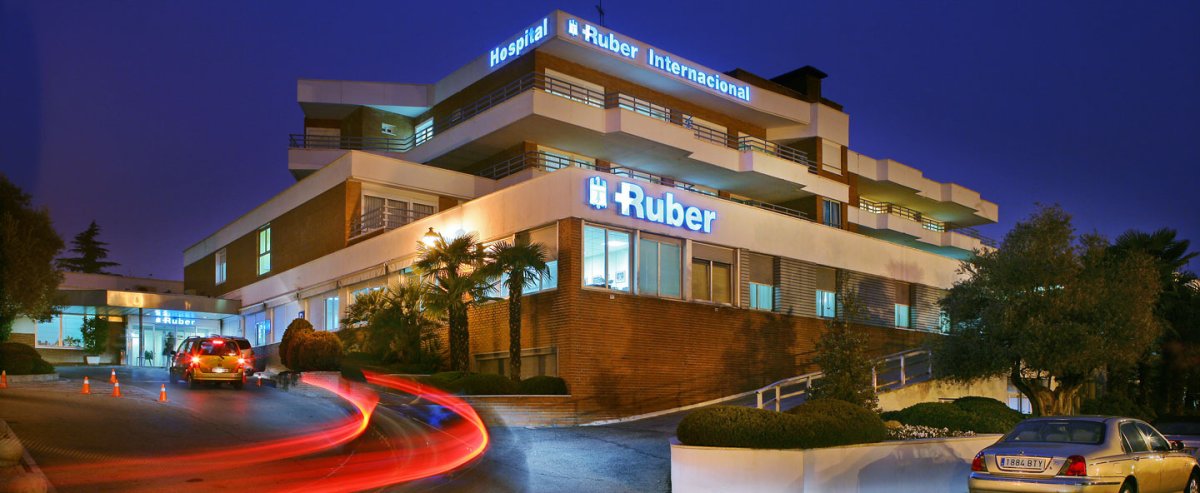
رؤية خبير Bookimed: غالبًا ما تتخصص مراكز الرعاية الصحية الإسبانية حسب حجم المرضى بدلاً من المعدات فقط. تحافظ مرافق مثل مستشفى روبير الدولي (Hospital Ruber Internacional) على معايير عالية بفضل شهادات JCI وISO. عادةً ما توفر الوحدات ذات الحجم الكبير نتائج أفضل للحالات المعقدة لحديثي الولادة بسبب الممارسة المتكررة. تحقق دائمًا مما إذا كانت العيادة تتعامل مع أكثر من 1500 حالة ولادة سنويًا لضمان توفر موارد أفضل.
إجماع المرضى: يشير المرضى إلى أنه على الرغم من أن الوحدات الخاصة توفر مزيدًا من الراحة، إلا أن مراكز المستو
ما هي الاختبارات والفحوصات الروتينية التي تجريها المستشفيات الإسبانية لحديثي الولادة؟
تطبق المستشفيات الإسبانية بروتوكول فحص موحد يشمل تقييم أبغار والفحوصات البدنية. يكشف اختبار وخز الكعب الإلزامي (Cribado Neonatal) عن أكثر من 20 اضطراباً استقلابياً. قبل الخروج من المستشفى، يخضع حديثو الولادة لفحوصات السمع عبر الانبعاثات الأذنية. كما يتم فحص قياس التأكسج النبضي للكشف عن عيوب القلب الخلقية الحرجة في غضون 24 ساعة.
- الفحص الاستقلابي: يكشف اختبار وخز الكعب عن بيلة الفينيل كيتون (PKU)، وقصور الغدة الدرقية، والتليف الكيسي.
- تقييم السمع: تحدد مجسات الأذن غير الغازية أكثر من 90% من مشاكل السمع المبكرة.
- فحص القلب: يقيس قياس التأكسج النبضي تشبع الأكسجين لاكتشاف عيوب القلب المحتملة.
- الرعاية الوقائية: تشمل الإجراءات القياسية حقن فيتامين K ومرهم العين بالإريثروميسين.
رؤية خبير Bookimed: تختلف البروتوكولات السريرية قليلاً بين المناطق الإسبانية على الرغم من التفويضات الوطنية. على سبيل المثال، تشمل منطقة غاليسيا ضمور العضلات الشوكي في حزمة الفحص الأولية. تحافظ المرافق المعتمدة من قبل JCI مثل مستشفى روبير الدولي (Hospital Ruber Internacional) في مدريد على معايير سلامة عالية. وهي تعالج أكثر من 25,000 مريض سنوياً عبر 42 قسماً طبياً متخصصاً. عند اختيار مرفق، تأكد مما إذا كانت الفحوصات الاختيارية مثل الموجات فوق الصوتية للورك مشمولة.
إجماع المرضى: يشير المرضى إلى أنه على الرغم من أن اختبار وخز الكعب عالمي، إلا أن متابعة النتائج تتطلب تتبعاً استباقياً. يؤكد البعض على ضرورة إحضار تطبيق ترجمة لنماذج الموافقة بلغات إقليمية
ما هي المستشفيات الإسبانية المعترف بها على نطاق واسع لرعاية حديثي الولادة عالية المستوى في إسبانيا؟
تضم إسبانيا العديد من المستشفيات ذات المستوى العالمي لرعاية حديثي الولادة. تشمل المؤسسات الرائدة مستشفى سانت جوان دي ديو في برشلونة ومستشفى لا باز الجامعي. تضم هذه المراكز وحدات العناية المركزة لحديثي الولادة (NICU) من المستوى الثالث. وهي متخصصة في علاج الأطفال الخدج للغاية والحالات الخلقية المعقدة باستخدام تكنولوجيا طبية متقدمة.
- سانت جوان دي ديو: يعالج أكثر من 150 رضيعاً ولدوا قبل الأسبوع 32 سنوياً في برشلونة.
- لا باز الجامعي: يدير وحدة حديثي الولادة متطورة للغاية وتصنف باستمرار كأفضل وحدة في إسبانيا.
- فال دي هيبرون: يعمل كمركز إحالة رئيسي لحالات الحمل عالية الخطورة والجراحات المعقدة.
- 12 دي أكتوبر: معترف به لتميزه في أبحاث حديثي الولادة وخبرة المتخصصين الكبار.
رؤية خبير Bookimed: غالباً ما ترتبط مؤشرات جودة رعاية حديثي الولادة في إسبانيا بحجم المرضى في المستشفى. تحافظ مرافق مثل مستشفى روبر الدولي على اعتماد JCI بينما تخدم 25,000 مريض سنوياً. تقدم المراكز الكبيرة في مدريد وبرشلونة عادةً أكثر التخصصات الفرعية للأطفال شمولاً داخل المستشفى. وهذا يضمن حصول الرضع على رعاية فورية متعددة التخصصات دون الحاجة إلى تحويلات خارجية.
إجماع المرضى: يؤكد الآباء غالباً أن وحدات المستوى الثالث العامة في مدريد وبرشلونة توفر أعلى كثافة رعاية للأطفال الخدج. ويشيرون إلى أنه حتى عند استخدام التأمين الخاص، غالباً ما يتم تحويل الحالات المعقدة إلى هذه المراكز العامة المتخصصة للحصول على معدات متقدمة.
هل يمكن للوالدين البقاء مع طفلهما في وحدة العناية المركزة لحديثي الولادة في إسبانيا؟
يتمتع الآباء في إسبانيا عادةً بوصول غير مقيد على مدار 24 ساعة إلى مولودهم الجديد في وحدة العناية المركزة لحديثي الولادة. تتبع معظم المرافق نماذج الرعاية التي تركز على الأسرة. يدمج هذا النهج الآباء في الفريق الطبي. يتم تشجيع التلامس الجلدي، المعروف باسم رعاية الكنغر، بنشاط لجميع الرضع.
- مدة الإقامة: يتمتع الآباء عمومًا بوصول على مدار الساعة طوال أيام الأسبوع للبقاء بجانب السرير.
- مرافق النوم: تتراوح الخيارات من كراسي الاستلقاء إلى غرف عائلية خاصة في الوحدات الحديثة.
- المشاركة في الرعاية: يشجع الموظفون الآباء على المساعدة في الاستحمام وتغيير الحفاضات والجولات السريرية.
- قواعد الزيارة: عادة ما يواجه الأجداد والأشقاء ساعات مقيدة، غالبًا من 8:00 إلى 21:00.
رؤية خبير Bookimed: غالبًا ما توفر المرافق الخاصة مثل مستشفى روبر الدولي (Hospital Ruber Internacional) في مدريد خيارات غرف عائلية أكثر مرونة. تعطي هذه البيئات الخاصة الأولوية لوصول كلا الوالدين. قد تقصر المستشفيات العامة الإقامة الليلية على أحد الوالدين بسبب قيود المساحة. تحقق مما إذا كانت المنشأة التي اخترتها توفر أسرّة مخصصة أو مجرد كراسي استلقاء.
إجماع المرضى: يوصي الآباء بإحضار وسادة شخصية ووجبات خفيفة للإقامات الطويلة في الوحدات ذات المرافق الأقل. يشير الكثيرون إلى أن المشاركة المبكرة في رعاية التلامس الجلدي غالبًا ما تؤدي إلى امتيازات إقامة أكثر مرونة.
ما هي المواقع في إسبانيا التي تضم أقوى تركيز لخدمات حديثي الولادة المتقدمة؟
تضم مدريد وبرشلونة أقوى تركيز لخدمات حديثي الولادة المتقدمة من المستوى الثالث في إسبانيا. تتميز هذه المدن بمراكز متخصصة مجهزة لحالات الخداج الشديد والحالات الجراحية المعقدة. وتعتبر مرافق مثل مستشفى سانت جوان دي ديو ومستشفى لا باز الجامعي رائدة في التميز في طب الأطفال وحديثي الولادة على مستوى البلاد.
- مركز مدريد: يستضيف أكبر عدد من مرافق حديثي الولادة من الدرجة الأولى بما في ذلك مستشفى 12 أكتوبر.
- الجراحة المتخصصة: توفر مراكز برشلونة تقنية الأكسجة الغشائية خارج الجسم (ECMO) لحديثي الولادة وأجنحة جراحية في الموقع للرضع غير المستقرين.
- القدرة البحثية: تدمج مرافق مدريد أبحاث حديثي الولادة المكثفة مع بروتوكولات الرعاية السريرية المكثفة.
- المرجعية الإقليمية: توفر فالنسيا وإشبيلية رعاية قوية من المستوى الثالث للمناطق الجنوبية والشرقية.
رؤية خبير Bookimed: على الرغم من أن المراكز الإقليمية في فالنسيا أو إشبيلية تتمتع بقدرات عالية، إلا أن المرضى الذين يعانون من حالات حمل عالية الخطورة غالباً ما يفضلون مدريد. يضم مستشفى 12 أكتوبر وحده أكثر من 50 سريراً في وحدة العناية المركزة لحديثي الولادة. تضمن هذه السعة الهائلة بقاء الموارد المتخصصة متاحة حتى خلال فترات ذروة الطلب.
إجماع المرضى: يؤكد الآباء أن المستشفيات الجامعية العامة غالباً ما توفر فرقاً أكثر خبرة في رعاية حديثي الولادة مقارنة بالعيادات الخاصة. ينصح الكثيرون بتأكيد بروتوكولات النقل في وقت مبكر، حيث يتم نقل الحالات المعقدة من المدن الصغيرة جواً بشكل متكرر إلى المراكز الرئ