العودة إلى الصفحة الرئيسية
820К+ مريضًا حصلوا على المساعدة منذ عام 2014
50 دول
1,500 عيادات
6K+ تقييمات
3K+ طبيب مؤهل

ما هي تكلفة طب حديثي الولادة في الصين؟ اكتشف الآن

السعر يقدم بعد الطلب

مزاياك وضماناتك مع Bookimed

أسعار مباشرة

Bookimed لا يضيف رسوماً إضافية على أسعار علاج طب حديثي الولادة. الأسعار مأخوذة من قوائم الأسعار الرسمية للعيادات. تدفع مباشرة في العيادة مقابل علاجك عند وصولك إلى البلد.

عيادات وأطباء معتمدون فقط

Bookimed ملتزم بسلامتك. نحن نعمل فقط مع المؤسسات الطبية التي تحافظ على معايير دولية عالية في علاج طب حديثي الولادة ولديها التراخيص اللازمة لخدمة المرضى الدوليين في جميع أنحاء العالم.

مساعدة مجانية على مدار الساعة

Bookimed يقدم مساعدة خبراء مجانية. منسق طبي شخصي يدعمك قبل وأثناء وبعد العلاج، ويحل أي مشاكل. لن تكون وحيداً أبداً في رحلة علاج طب حديثي الولادة.

لماذا نحن؟

منسقك الطبي الشخصي في Bookimed

  • يدعمك في كل مرحلة
  • المساعدة في اختيار العيادة الطبية المناسبة والطبيب المناسب
  • يضمن الوصول السريع والمريح إلى المعلومات

اكتشف أفضل عيادات طب حديثي الولادة: 2 خيارات معتمدة والأسعار

تم تصنيف العيادات بواسطة نظام Bookimed الذكي، باستخدام تحليل علوم البيانات عبر 5 معايير رئيسية.
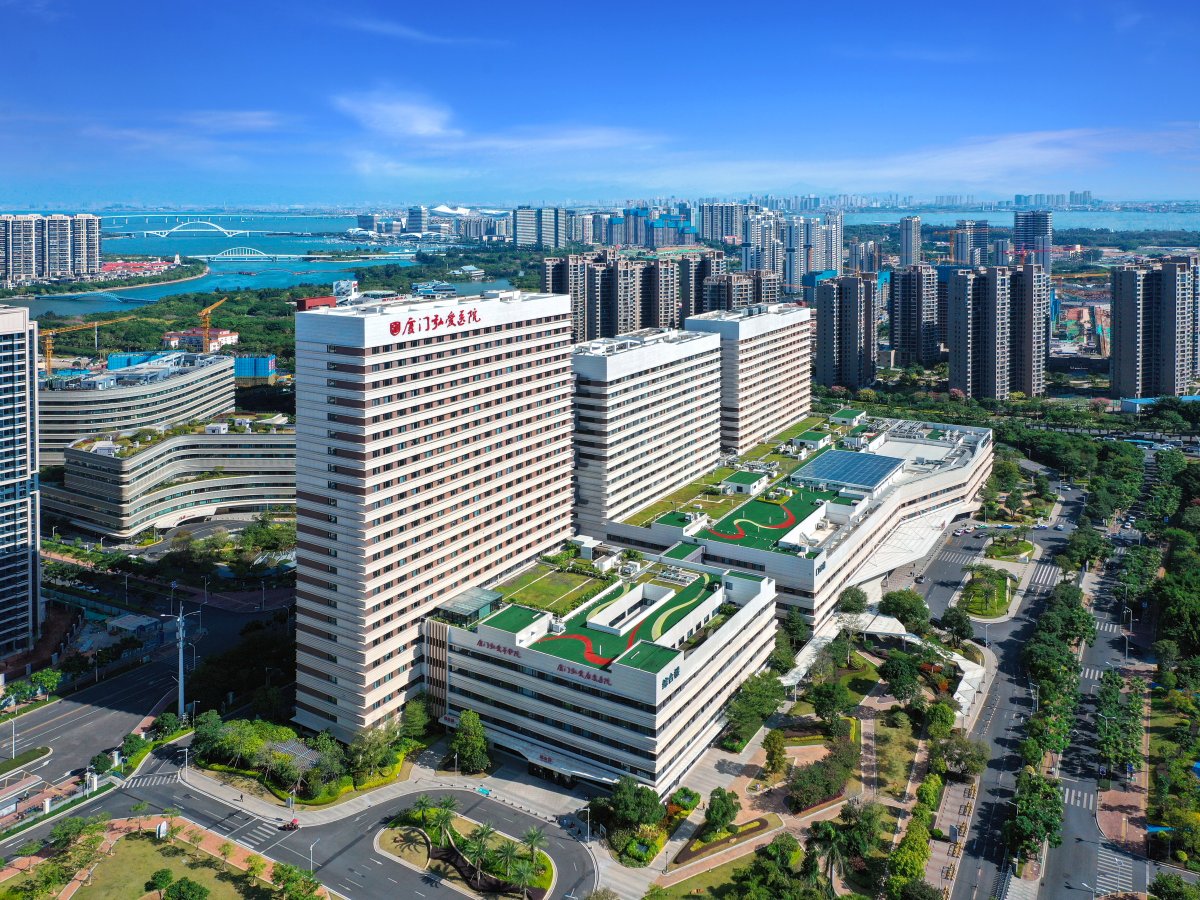
مستشفى شيامن هيومانيتي
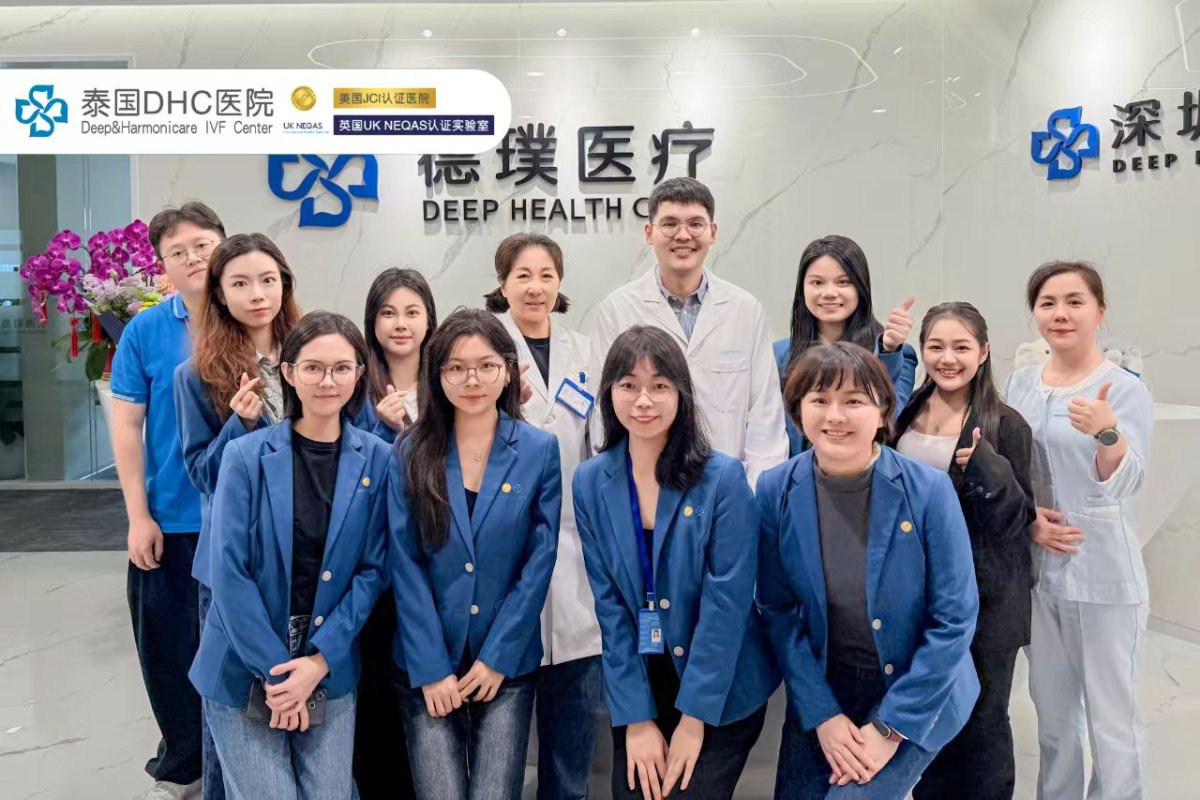
مركز DHC IVF Shenzhen Deep Health Care 德璞医疗 للخصوبة

مشاركة المحتوى

Twitter XLinkedinFacebookWhatsAppEmail
أحصل على الرابط

قصص فيديو من مرضى Bookimed

Dayana
جمعت بين إجازتي في أنطاليا والفحص الطبي.
إجراء: فحص صحة الإناث (انظر فحص النساء)
Igor
كان رائعاً! التنقلات والإقامة والعلاج - كل شيء مشمول.
إجراء: زرع الأسنان
مستشفى: WestDent Clinic
Marina
قام Bookimed بكل شيء من أجلي. لم أضطر للقلق بشأن أي شيء.
إجراء: فحص صحة الإناث (انظر فحص النساء)
مستشفى: Severance Hospital
محدث: 11/10/2025
تأليف
Anna Leonova
Anna Leonova
رئيس فريق تسويق المحتوى
محررة طبية معتمدة لديها خبرة تزيد عن 10 سنوات، طوّرت محتوى Bookimed الموثوق، مدعومة بماجستير في علم اللغة ومقابلات مع خبراء طبيين من جميع أنحاء العالم.
تمت المراجعة من قبل المستشار الطبي في Bookimed
فهد مولود
محرر طبي وعالم بيانات
طبيب عام. حاصل على 4 جوائز علمية. خدم في غرب آسيا. رئيس الفريق الطبي الناطق بالعربية سابقا ومسؤول عن معالجة البيانات ودقة المحتوى الطبي حاليا.
فهد مولود Linkedin
قد تحتوي هذه الصفحة على معلومات تتعلق بمختلف الحالات الطبية والعلاجات وخدمات الرعاية الصحية المتوفرة في بلدان مختلفة. يرجى العلم أن المحتوى مقدم لأغراض إعلامية فقط ولا ينبغي تفسيره على أنه نصيحة أو إرشادات طبية. يرجى استشارة طبيبك أو أخصائي طبي مؤهل قبل البدء أو تغيير العلاج الطبي.

أسئلة متكررة حول طب حديثي الولادة في الصين

هذه الأسئلة الشائعة مأخوذة من مرضى حقيقيين يبحثون عن رعاية طبية عبر Bookimed. يتم تقديم الإجابات من قبل منسقين طبيين ذوي خبرة وممثلين موثوقين من العيادات.

What is the standard of neonatal care in China?

Neonatal care in China follows a structured three-tier system based on clinical complexity. National standards have improved survival rates from 97% to 99.7% since 1990. High-level provincial centers provide advanced surgery and ventilation for infants born under 28 weeks. At least one skilled attendant attends every birth nationwide.

  • Three-tier system: Stratifies care levels by birth weight and gestational age requirements.
  • Resuscitation standards: National programs reduced asphyxia-related mortality to 0.19% by 2020.
  • Baby-friendly hospitals: Over 7,000 facilities prioritize breastfeeding and standardized newborn protocols.
  • Specialized networks: The Chinese Neonatal Network links 58 centers of excellence for quality improvement.

Bookimed Expert Insight: Patient volume often signals the most reliable care for complex neonatal cases. Facilities like Xiamen Humanity Hospital manage 1,000,000 patients annually across 47 departments. This massive scale allows tertiary hospitals to maintain high proficiency in rare neonatal subspecialties. Check if a hospital is a tertiary general facility to ensure full surgical support.

Patient Consensus: Parents note that top-tier hospitals in major cities offer modern NICU equipment and skin-to-skin care. However, many find that visitation rules remain stricter than in Western countries and suggest confirming English-speaking support early.

What specialized neonatal treatments and technologies are routinely available in leading Chinese hospitals?

Leading Chinese tertiary hospitals provide advanced neonatal intensive care using high-frequency oscillatory ventilation and extracorporeal membrane oxygenation. These facilities utilize real-time neuro-monitoring and precision genetic screening. Specialized units like those at Xiamen Humanity Hospital manage 1,000,000 patients annually across multiple disciplines.

  • Respiratory support: Systems include high-frequency ventilation and inhaled nitric oxide.
  • Advanced monitoring: Doctors use bedside ultrasound and continuous amplitude-integrated electroencephalography.
  • Genetic diagnostics: Centers perform high-throughput gene sequencing and chromosomal micro-array analysis.
  • Surgical interventions: Surgeons routinely perform laparoscopic repairs and patent ductus arteriosus ligation.

Bookimed Expert Insight: Clinical data from large facilities shows a focus on high-volume efficiency. Xiamen Humanity Hospital operates 1,000 beds and manages 460 doctors. This scale allows these centers to maintain Phase I-IV drug trial accreditations. Patients benefit from this intensive research environment through faster access to new medical devices.

Patient Consensus: Parents find that top-tier units provide care matching Western standards for complex conditions. Many recommend pre-arranging translation services as English-speaking staff are often limited to private wings.

Can parents stay with their babies in the Neonatal Intensive Care Unit (NICU)?

Parents in China can often stay with their babies in private or international Neonatal Intensive Care Units (NICU). These facilities follow family-centered care models. Most allow one parent to stay 24/7 in private rooms. High-end centers like Xiamen Humanity Hospital provide comprehensive pediatric support across 47 departments.

  • Access levels: International hospitals typically permit 24/7 parental presence in family rooms.
  • Public limits: Tier-3 public hospitals often restrict visiting to 2–4 hours daily.
  • Facility stays: Some units offer accompanying beds in side rooms for a fee.
  • Care participation: Parents participate in kangaroo care and daily feedings when stable.

Bookimed Expert Insight: Clinical data shows a major gap between public and private neonatal care in China. While Xiamen Humanity Hospital operates 1,000 beds as a massive tertiary center, its flexible drug and clinical trial accreditation suggests a high level of technical openness. Choosing private wings in such large-scale facilities usually guarantees the 24/7 bedside access that standard public wards cannot provide due to high patient volumes.

Patient Consensus: Patients note that private hospitals offer much better family access than public ones. Many recommend bringing breast pumps and setting up video calls to stay connected if direct overnight stays are restricted.

Are English-speaking doctors and International Medical Departments available to non-Mandarin-speaking families?

English-speaking doctors and International Medical Departments (IMD) are widely available in major Chinese cities. Centers in Beijing, Shanghai, and Guangzhou offer dedicated neonatology wings for non-Mandarin-speaking families. These facilities specialize in NICU care for preterm infants with full English-language support.

  • Private hospitals: These offer 24/7 English support and Western-standard neonatal intensive care.
  • International departments: Public Grade A hospitals provide English-fluent specialists and shorter wait times.
  • Specialized clinics: Facilities like Xiamen Humanity Hospital manage over 1,000,000 patients with 47 departments.
  • Geographic hubs: Reliable neonatal services are concentrated in Tier 1 cities like Beijing.

Bookimed Expert Insight: High-volume centers like Xiamen Humanity Hospital operate 47 clinical departments and serve a massive international patient base. This scale often means they have dedicated teams for foreign patients from Europe and Asia. For complex neonatal cases, these large-scale facilities offer more robust technical infrastructure than smaller boutique clinics.

Patient Consensus: Parents note that while private NICU care is expensive, having staff who speak English is essential during emergencies. Many families recommend keeping air evacuation insurance ready if traveling outside major hubs like Shanghai or Beijing.

Which hospital classification and cities should medical tourists choose for the highest level of neonatal care?

Medical tourists in China should select Grade III (Tier 3) hospitals in Beijing and Shanghai for elite neonatal care. These facilities offer advanced Neonatal Intensive Care Units (NICUs). They provide specialized services like Extracorporeal Membrane Oxygenation (ECMO) and therapeutic hypothermia. This level matches international standards for complex cases.

  • Hospital classification: Grade III hospitals provide the most advanced neonatal medical tech.
  • Top cities: Beijing and Shanghai house the leading neonatal centers with multidisciplinary teams.
  • Critical technology: Top-tier units utilize high-frequency ventilators and 24/7 dedicated neonatology specialists.
  • International standards: Facilities like Xiamen Humanity Hospital serve diverse international patient groups annually.

Bookimed Expert Insight: Grade III hospitals in major hubs like Beijing handle massive volumes, with some treating 1,000,000 patients yearly. This high case rotation ensures neonatologists maintain peak proficiency in rare congenital conditions. International wings in these large centers often bridge the gap between public efficiency and private comfort.

Patient Consensus: Parents note that top-tier NICUs in Shanghai and Beijing rival Western facilities. They suggest hiring a bilingual coordinator to manage hospital bureaucracy and ensure timely communication with medical staff.

How does the traditional `Sitting Month` (Zuo Yuezi) affect postnatal care logistics for overseas families?

Traditional Zuo Yuezi transforms postnatal care into a 30-to-40-day logistical operation for overseas families. It requires coordinating specialized warming diets and 24/7 newborn support. Families must manage environmental factors like indoor warmth. They also handle complex travel for elder relatives and specific meal deliveries.

  • Travel logistics: Families often fly in grandparents, requiring early visa and travel coordination.
  • Dietary management: Sourcing ginger, sesame oil, and pork knuckles requires local specialty suppliers.
  • Professional support: Many hire live-in Yue Sao nannies for overnight feeding and care.
  • Clinical coordination: Parents should discuss confinement diets with doctors before hospital discharge occurs.

Bookimed Expert Insight: Clinical data from large centers like Xiamen Humanity Hospital shows high patient volumes. For overseas families, this density underscores the need for early planning. High-capacity hospitals in Beijing often handle 1,000,000 patients annually across 47 departments. This scale suggests that families should integrate traditional practices with formal neonatology checkups early to avoid care gaps.

Patient Consensus: Patients note that blending traditions with modern hygiene like regular handwashing prevents complications. Many suggest using bilingual doulas or apps when international family travel becomes too difficult or expensive.

احصل على استشارة مجانية

حدد أفضل طريقة للاتصال بك