إستئصال اللوزتين في كوريا الجنوبية — احصل على 3 عيادات مطابقة مع التكاليف


تمت مراجعة المقالة طبيا من قبل
فهد مولود
ما هي تكلفة إستئصال اللوزتين في كوريا الجنوبية؟ اكتشف الآن
المزايا الرئيسية
لماذا يختار المرضى جمهورية كوريا لإجراء عملية استئصال اللوزتين؟
- العيادات المعتمدة: المستشفيات المعتمدة من JCI تقدم خدمات رعاية صحية عالية الجودة.
- أحدث التقنيات: تستخدم عملية استئصال اللوزتين بتقنية الكوبليشن نظام ArthroCare ENT Coblator II. توفر هذه الطريقة تقليل الألم وتسريع الشفاء مقارنة بالتقنيات التقليدية.
- نسب نجاح عالية: عمليات استئصال اللوزتين في كوريا الجنوبية تحقق معدل فعالية يصل إلى 95%. وهذا مفيد بشكل خاص للمرضى الذين يعانون من التهاب اللوزتين المزمن وانقطاع التنفس أثناء النوم وفقاً للدراسات.
- جراحون خبراء: يقوم أخصائيو الأنف والأذن والحنجرة الرائدون، مثل الدكتور كيم جون، بإجراء أكثر من 500 عملية استئصال لوزتين ناجحة سنوياً. وهم يحملون شهادات متقدمة من الجمعية الكورية لجراحة الأنف والأذن والحنجرة والرأس والعنق.
احصل على حلول متقدمة لاستئصال اللوزتين في عيادات موثوقة من $5,000.
مزاياك وضماناتك مع Bookimed
أسعار مباشرة
Bookimed لا يضيف رسوماً إضافية على أسعار إستئصال اللوزتين. الأسعار مأخوذة من قوائم الأسعار الرسمية للعيادات. تدفع مباشرة في العيادة مقابل إستئصال اللوزتين عند وصولك.
عيادات وأطباء معتمدون فقط
Bookimed ملتزم بسلامتك. نحن نعمل فقط مع المؤسسات الطبية التي تحافظ على معايير دولية عالية في إستئصال اللوزتين ولديها التراخيص اللازمة لخدمة المرضى الدوليين في جميع أنحاء العالم.
مساعدة مجانية على مدار الساعة
Bookimed يقدم مساعدة خبراء مجانية. منسق طبي شخصي يدعمك قبل وأثناء وبعد العلاج، ويحل أي مشاكل. لن تكون وحيداً أبداً في رحلة إستئصال اللوزتين.

منسقك الطبي الشخصي في Bookimed
- يدعمك في كل مرحلة
- المساعدة في اختيار العيادة الطبية المناسبة والطبيب المناسب
- يضمن الوصول السريع والمريح إلى المعلومات
اكتشف أفضل إستئصال اللوزتين العيادات في كوريا الجنوبية: 8 خيارات معتمدة والأسعار











نظرة عامة على إستئصال اللوزتين في كوريا الجنوبية
- إستئصال اللوزتين - من $5,000
يتضمن الإجراء إزالة اللوزتين للتخفيف من مشاكل مثل التهاب اللوزتين أو توقف التنفس أثناء النوم ، وتحسين صحة المريض.
- عبر الغدة النخامية عبر الفخذ (استئصال الغد) - من $18,000
تزيل هذه الجراحة أورام الغدة النخامية عن طريق الأنف ، مع فوائد تشمل تقليل الألم والتعافي بشكل أسرع.
- إزالة غداني - من $5,000
تقضي هذه العملية على الزوائد الأنفية للمساعدة في التنفس وتقليل مخاطر العدوى وتقليل مشاكل الجيوب الأنفية والأذن.
- جراحة بوليب الأنف - من $4,000
هذه العملية تزيل الأورام الحميدة في الأنف ، وتعزز التنفس وتقلل من مخاطر الإصابة بالتهاب الجيوب الأنفية.
اليوم الأول - الوصول
- الوصول إلى المستشفى للاستشارة قبل الجراحة.
- قابل طبيب التخدير وطبيب الأنف والأذن والحنجرة.
- الخضوع للفحوصات الطبية اللازمة بما في ذلك تحاليل الدم.
- تلقي تعليمات التحضير للجراحة.
اليوم 2 - ما قبل العملية
- ابدأ بالصيام حسب إرشادات طبيب التخدير.
- الوصول إلى المستشفى في الصباح الباكر.
- تسجيل الوصول في مكتب الدخول.
اليوم 3 - العملية
- الحصول على تخدير عام.
- إجراء عملية استئصال اللوزتين والتي تستغرق حوالي 30-60 دقيقة.
- انتقل إلى غرفة الإنعاش بعد الجراحة.
- ابق تحت الملاحظة حتى تزول آثار التخدير.
اليوم 4 - بعد العملية
- البقاء في المستشفى للمراقبة.
- ابدأ في اتباع نظام غذائي ناعم حسب إرشادات الطبيب.
- احصل على دواء للتحكم في الألم.
الأسبوع الأول - إعادة التأهيل
- الراحة والتعافي في المنزل.
- استمر في اتباع نظام غذائي ناعم.
- تناول الأدوية الموصوفة لإدارة الألم.
الأسبوع الثاني وما بعده
- العودة تدريجيًا إلى النظام الغذائي الطبيعي.
- المتابعة مع طبيب الأنف والأذن والحنجرة.
- العودة إلى العمل بعد أسبوعين إذا شعرت بالتحسن.
- استأنف الرياضة والأنشطة البدنية الشاقة بعد 3 أسابيع.
ملحوظة: عملية الشفاء لكل مريض فريدة وقد تختلف.
- إيداع Bookimed: 200 دولار أو 200 يورو.
- وديعة العيادة: ادفع نسبة محددة مقدمًا.
احصل على تقييم طبي لـ إستئصال اللوزتين في كوريا الجنوبية: اختر أخصائيك من بين الأفضل في هذا المجال
عرض جميع الأطباء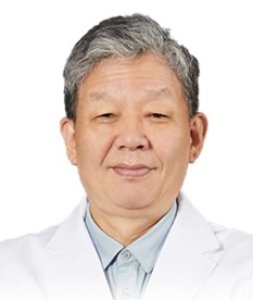
Kim Gyeonrae
الدكتور كيم غيون ري، MD، PhD، اختصاصي أنف وأذن وحنجرة (ENT). يشغل منصب المدير الطبي الفخري في قسم طب الأنف والأذن والحنجرة بمستشفى نايون. تتركز خبرته السريرية على أمراض الأنف، التهاب الأنف والجيوب الأنفية والتهاب الجيوب الأنفية المزمن، التهاب الأنف التحسسي، وجراحة الجيوب الأنفية بالمنظار الوظيفي (FESS).
المؤهلات: ماجستير في الطب (MMed)، جامعة هانيانغ. دكتوراه في الطب، جامعة وونغوانغ. تدريب زمالة في كلية الطب بجورجيا وكلية طب جامعة ولاية أوهايو (الولايات المتحدة). رئيس سابق لقسم طب الأن
قصص فيديو من مرضى Bookimed
مشاركة المحتوى
 Anna Leonova
أسئلة متكررة حول إستئصال اللوزتين في كوريا الجنوبية
ما هي أفضل المستشفيات والمراكز الطبية في كوريا الجنوبية التي تجري عمليات استئصال اللوزتين للمرضى الدوليين؟
تشمل أفضل المستشفيات لاستئصال اللوزتين في كوريا الجنوبية مركز أسان الطبي، ومستشفى سيفيرانس، ومستشفى جامعة سيول الوطنية. توفر هذه المرافق المعتمدة من قبل اللجنة الدولية المشتركة (JCI) مراكز رعاية صحية دولية مخصصة مع منسقين يتحدثون الإنجليزية وأقسام متقدمة للأنف والأذن والحنجرة لضمان نتائج جراحية آمنة للمرضى العالميين.
- مركز أسان الطبي: أكبر مستشفى في كوريا الجنوبية يوفر منسقين شخصيين وخدمات نقل مجانية من المطار.
- مستشفى سيفيرانس: يتميز بعيادة دولية ضخمة ويحمل اعتماد JCI للسلامة.
- جامعة سيول الوطنية: مؤسسة أكاديمية مرموقة تقدم خدمات ترجمة على مدار الساعة طوال أيام الأسبوع للمرضى الجراحيين من الخارج.
- جامعة إيهوا النسائية: معترف بها كواحدة من أفضل مستشفيات العالم وفقاً لمجلة نيوزويك مع قدرات متخصصة في الأنف والأذن والحنجرة.
رؤية خبير Bookimed: بينما تخدم مستشفيات سيول من الدرجة الأولى مثل سيفيرانس الملايين، توفر عيادات إنتشون مثل مستشفى نايون خبرة كبيرة. يعالج مستشفى نايون 500,000 مريض سنوياً ويضم متخصصين مثل كيم جيونراي، الذي أكمل زمالات أمريكية. اختيار مركز معتمد من KOIHA يضمن نفس معايير السلامة التي تتحقق منها الحكومة كما هو الحال في المرافق الجامعية الكبيرة.
إجماع المرضى: يؤكد المرضى أن المستشفيات الجامعية الكبرى هي الخيار الأكثر أماناً لإجراءات الأنف والأذن والحنجرة. يقترح الكثيرون الاتصال مباشرة بمكتب المرضى الدوليين للتعامل مع الأوراق وضمان التواصل المستمر مع الأطباء الذين يتحدثون الإنجليزية.
ما هي التقنيات الجراحية المتقدمة المستخدمة بشكل شائع لإزالة اللوزتين في العيادات الكورية؟
تستخدم أقسام الأنف والأذن والحنجرة المتقدمة في كوريا الجنوبية طرقاً دقيقة ومنخفضة الحرارة مثل استئصال اللوزتين بالبلازما (Coblation) والمشرط التوافقي لتحل محل التقنيات التقليدية ذات الحرارة العالية. تركز هذه الأساليب التي تحافظ على الأنسجة على تقليل الضرر الحراري والألم بعد الجراحة مع تحسين جداول التعافي في المرافق المعتمدة من قبل اللجنة الدولية المشتركة (JCI) مثل مستشفى سيفيرانس.
- استئصال اللوزتين بالبلازما (Coblation): يذيب الأنسجة عند درجة حرارة 40-70 درجة مئوية، مما يقلل من الإصابة الحرارية مقارنة بالكي الكهربائي القياسي.
- استئصال اللوزتين داخل المحفظة: يحافظ على محفظة اللوزة، مما يحمي العضلات العميقة لضمان تعافي أسرع في البلع.
- المشرط التوافقي: يستخدم اهتزازات فوق صوتية لقطع الأنسجة وإغلاقها في وقت واحد دون تشتت حراري عالٍ.
- تصغير اللوزتين بالليزر: يستهدف المشاكل المزمنة مثل حصوات اللوزتين من خلال التبخير الدقيق للأنسجة المصابة.
رأي خبير Bookimed: بينما تعطي المراكز الكبرى مثل مستشفى جامعة سيول الوطنية في بوندان الأولوية لأنظمة السلامة الرقمية، تكمن القيمة الحقيقية في تنوع التقنيات. غالباً ما يختار المرضى كوريا الجنوبية لعمليات الإزالة الجزئية المتخصصة (تحلل التشفير) التي قد لا تكون متاحة في أماكن أخرى. تحافظ العيادات هنا على أعداد كبيرة من المرضى، حيث يخدم مستشفى سيفيرانس 4 ملايين شخص سنوياً، مما يضمن كفاءة عالية للجراحين في استخدام هذه الأدوات المتقدمة.
إجماع المرضى: يعطي العديد من المرضى الأولوية للخيارات الأ
ما هي المدة التي يحتاجها المرضى الدوليون للبقاء في كوريا الجنوبية بعد إجراء عملية استئصال اللوزتين؟
يجب على المرضى الدوليين البقاء في كوريا الجنوبية لمدة تتراوح بين 10 إلى 14 يوماً بعد استئصال اللوزتين. وعلى الرغم من أن الخروج من المستشفى يتم عادةً في غضون ليلة أو ليلتين، فإن هذه الإقامة الممتدة تضمن السلامة خلال فترة خطر النزيف العالي وتسمح بإجراء متابعة أساسية مع أخصائيي الأنف والأذن والحنجرة في كوريا الجنوبية قبل السفر جواً.
- الإقامة في المستشفى: توقع إقامة لمدة ليلة أو ليلتين في مرافق مثل مستشفى Naeun.
- التعافي الأولي: عادة ما تكون الأيام من 2 إلى 5 هي الأكثر إيلاماً للمرضى.
- فترة الخطر العالي: يصل خطر النزيف الثانوي إلى ذروته بين اليومين 5 و10 مع انفصال القشور.
- سلامة الطيران: يوصي الجراحون بالانتظار لمدة 14 يوماً قبل الطيران لتجنب مضاعفات ضغط المقصورة.
- التصريح الطبي: حدد موعداً لفحص الجرح النهائي بعد 7 أيام من العملية قبل حجز رحلات العودة.
رؤية خبير Bookimed: بينما تقدم العديد من عيادات سيول مثل مركز أسان الطبي خدمات نقل مجانية من المطار، يجب على المرضى إعطاء الأولوية للمرافق الحاصلة على اعتماد JCI أو KOIHA. تظهر بياناتنا أن المستشفيات الكورية الرائدة تعالج أكثر من 1.5 مليون مريض سنوياً، مما يضمن خبرة عالية المستوى. يعد حجز إقامة لمدة 14 يوماً أمراً حيوياً لأن تغيرات الضغط الجوي أثناء الرحلات الجوية يمكن أن تؤدي إلى نزيف طارئ في أنسجة الحلق التي تلتئم.
إجماع المرضى: يؤكد المرضى على أهمية البقاء لمدة أسبوعين كاملين كإجراء وقائي. وغالباً ما يشيرون إلى أنه على الرغم من قصر فترة الإقامة
هل توفر المستشفيات الكورية خدمات الترجمة ومنسقين للمرضى الأجانب؟
توفر المستشفيات الكورية الكبرى خدمات ترجمة لغوية شاملة وخدمات تنسيق من خلال مراكز رعاية صحية دولية مخصصة. توفر مرافق مثل مستشفى جامعة سيول الوطنية خدمات ترجمة على مدار الساعة طوال أيام الأسبوع، بينما يقوم مركز أسان الطبي بتعيين منسقين شخصيين لتوجيه المرضى الأجانب خلال الاستشارات والعمليات الجراحية والأوراق الإدارية.
- الأقسام الدولية: تضم المراكز في مستشفى جامعة سيول الوطنية ومستشفى سيفيرانس مترجمين طبيين محترفين متعددي اللغات.
- اللغات المدعومة: تدعم المرافق الكبرى عادةً الإنجليزية والصينية والروسية واليابانية والعربية والمنغولية.
- المنسقون الشخصيون: توفر عيادات مثل مركز أسان الطبي موظفين مخصصين للجدولة والمتابعة.
- توافر الخدمة: تكون الترجمة أكثر موثوقية في المستشفيات الجامعية مقارنة بالعيادات المحلية الصغيرة.
رؤية خبير Bookimed: في حين يعتقد الكثيرون أن الترجمة تكلفة قياسية، تقدم المراكز ذات الحجم الكبير مثل مستشفى جانجنام سيفيرانس خدمات ترجمة مجانية خصيصاً للمرضى الذين تتجاوز فواتيرهم 4400 دولار. من $5,000.
إجماع المرضى: يجب عليك الاتصال بالمكتب الدولي قبل الحجز للتأكد مما إذا كان الدعم يغطي الموافقة الجراحية وتعليمات الخروج. يوصي المرضى بالخط الساخن للسياح 1330 كخيار احتياطي موثوق إذا كانت الترجمة الفورية في الموقع غير متاحة.