عيادات إستئصال اللوزتين في ألمانيا


تمت مراجعة المقالة طبيا من قبل
فهد مولود
ما هي تكلفة إستئصال اللوزتين في ألمانيا؟ اكتشف الآن
من $3,000. يعتمد السعر النهائي على الحالة الصحية ومستوى العيادة والتقنية الجراحية ومدة الإقامة بالمستشفى. تشمل الباقات الطبية الألمانية القياسية عادة أتعاب الجراح والتخدير والفحوصات قبل العملية والمراقبة الطبية اللازمة.
- استئصال اللحمية: من $1,800 إلى $3,200 عند إجرائها كإجراء منفصل.
- الحالات الورمية: تزيد جراحة سرطان اللوزتين عادة بنسبة 300-400% عن عمليات الاستئصال الروتينية.
- الإقامة بالمستشفى: توفر معظم العيادات الألمانية مراقبة لمدة 1-3 أيام لضمان سلامة المريض.
- الجراحة الروبوتية: قد تؤدي الأساليب المتقدمة مثل التدخلات الروبوتية عبر شقوق صغيرة إلى زيادة السعر الأساسي.
رأي خبراء Bookimed: يوفر اختيار مركز أورام معتمد مثل ميديكال سنتر في سولينغن قيمة كبيرة. يتخصص البروفيسور أندرياس سيسترهين هناك في التقنيات التنظيرية والروبوتية الدقيقة. ورغم أن الرعاية المتخصصة في مراكز رئيسية مثل هامبورغ أو فرانكفورت قد تزيد بنسبة 15-20%، إلا أن هذه المنشآت غالباً ما تحمل شهادات JCI أو ISO. يضمن ذلك الوصول إلى أحدث بروتوكولات السلامة الجراحية للحالات المعقدة.
| تركيا | إسبانيا | ألمانيا | |
|---|---|---|---|
| إستئصال اللوزتين | من $2,200 | ≈ $3,100 | من $3,000 |
| عبر الغدة النخامية عبر الفخذ (استئصال الغد) | من $10,000 | من $33,600 | ≈ $22,000 |
| جراحة بوليب الأنف | من $2,300 | من $6,700 | ≈ $3,400 |
| إزالة غداني | من $1,200 | من $3,900 | ≈ $1,800 |
مزاياك وضماناتك مع Bookimed
أسعار مباشرة
Bookimed لا يضيف رسوماً إضافية على أسعار إستئصال اللوزتين. الأسعار مأخوذة من قوائم الأسعار الرسمية للعيادات. تدفع مباشرة في العيادة مقابل إستئصال اللوزتين عند وصولك.
عيادات وأطباء معتمدون فقط
Bookimed ملتزم بسلامتك. نحن نعمل فقط مع المؤسسات الطبية التي تحافظ على معايير دولية عالية في إستئصال اللوزتين ولديها التراخيص اللازمة لخدمة المرضى الدوليين في جميع أنحاء العالم.
مساعدة مجانية على مدار الساعة
Bookimed يقدم مساعدة خبراء مجانية. منسق طبي شخصي يدعمك قبل وأثناء وبعد العلاج، ويحل أي مشاكل. لن تكون وحيداً أبداً في رحلة إستئصال اللوزتين.

منسقك الطبي الشخصي في Bookimed
- يدعمك في كل مرحلة
- المساعدة في اختيار العيادة الطبية المناسبة والطبيب المناسب
- يضمن الوصول السريع والمريح إلى المعلومات
اكتشف أفضل إستئصال اللوزتين العيادات في ألمانيا: 7 خيارات معتمدة والأسعار
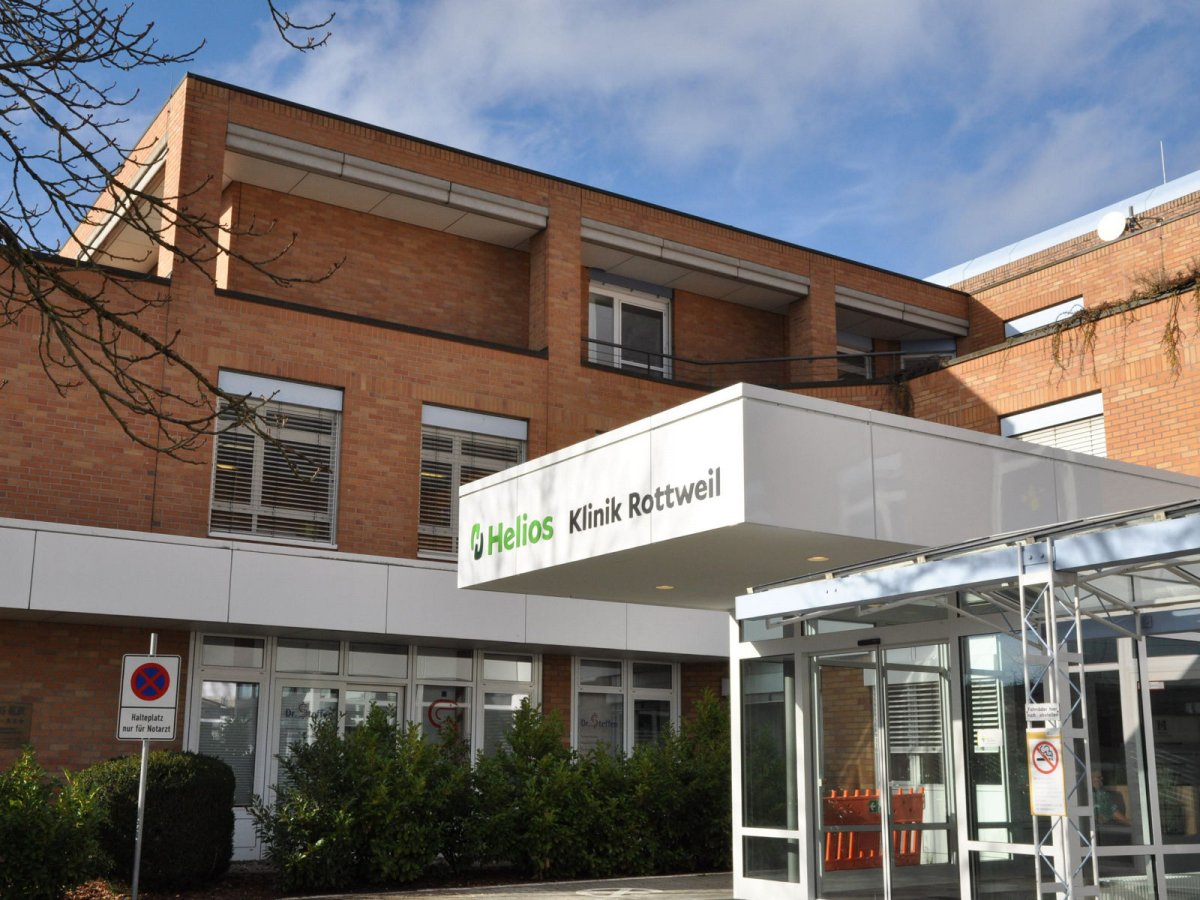





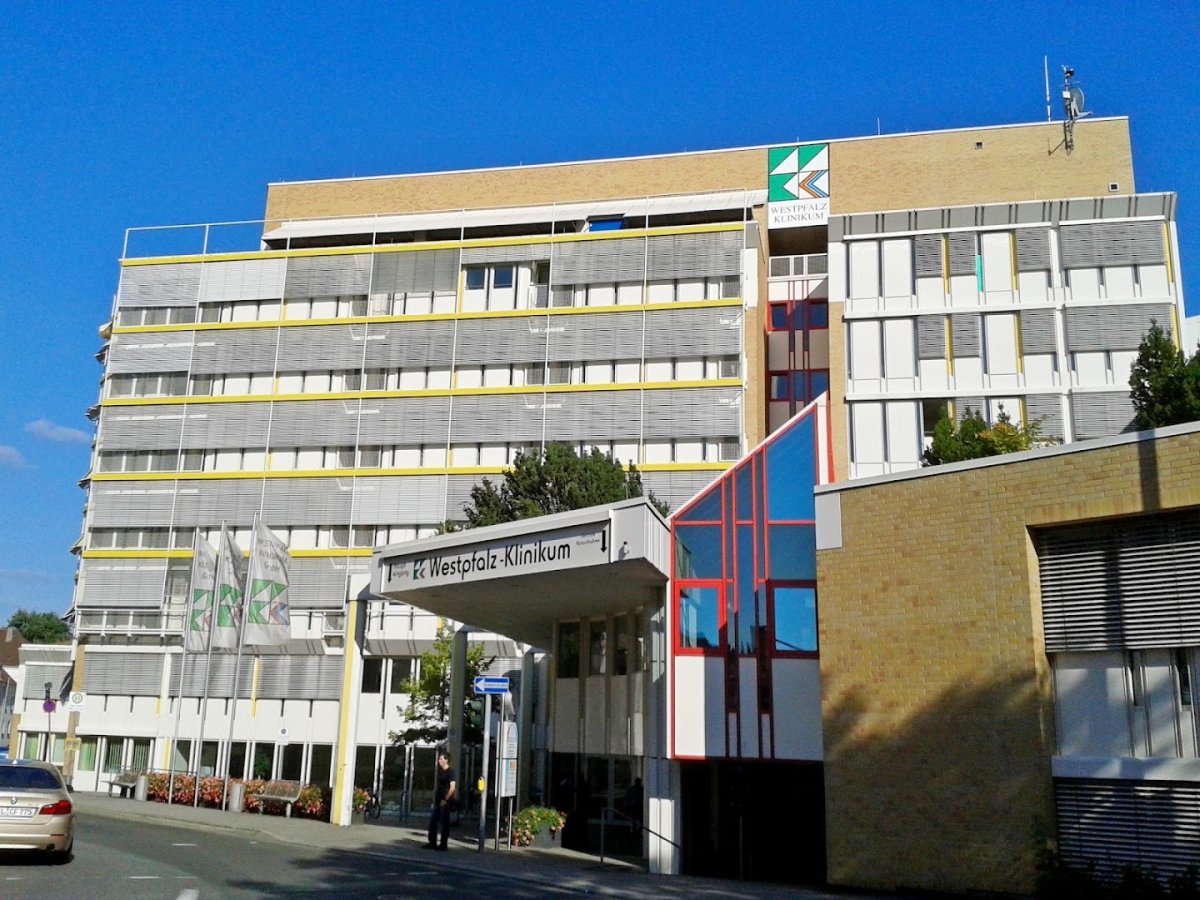
Westpfalz-Klinikum GmbH
نظرة عامة على إستئصال اللوزتين في ألمانيا
- إستئصال اللوزتين - من $3,000
يتضمن الإجراء إزالة اللوزتين للتخفيف من مشاكل مثل التهاب اللوزتين أو توقف التنفس أثناء النوم ، وتحسين صحة المريض.
- عبر الغدة النخامية عبر الفخذ (استئصال الغد) - من $22,000
تزيل هذه الجراحة أورام الغدة النخامية عن طريق الأنف ، مع فوائد تشمل تقليل الألم والتعافي بشكل أسرع.
- إزالة غداني - من $1,800
تقضي هذه العملية على الزوائد الأنفية للمساعدة في التنفس وتقليل مخاطر العدوى وتقليل مشاكل الجيوب الأنفية والأذن.
- جراحة بوليب الأنف - من $3,400
هذه العملية تزيل الأورام الحميدة في الأنف ، وتعزز التنفس وتقلل من مخاطر الإصابة بالتهاب الجيوب الأنفية.
اليوم الأول - الوصول
- الوصول إلى المستشفى للاستشارة قبل الجراحة.
- قابل طبيب التخدير وطبيب الأنف والأذن والحنجرة.
- الخضوع للفحوصات الطبية اللازمة بما في ذلك تحاليل الدم.
- تلقي تعليمات التحضير للجراحة.
اليوم 2 - ما قبل العملية
- ابدأ بالصيام حسب إرشادات طبيب التخدير.
- الوصول إلى المستشفى في الصباح الباكر.
- تسجيل الوصول في مكتب الدخول.
اليوم 3 - العملية
- الحصول على تخدير عام.
- إجراء عملية استئصال اللوزتين والتي تستغرق حوالي 30-60 دقيقة.
- انتقل إلى غرفة الإنعاش بعد الجراحة.
- ابق تحت الملاحظة حتى تزول آثار التخدير.
اليوم 4 - بعد العملية
- البقاء في المستشفى للمراقبة.
- ابدأ في اتباع نظام غذائي ناعم حسب إرشادات الطبيب.
- احصل على دواء للتحكم في الألم.
الأسبوع الأول - إعادة التأهيل
- الراحة والتعافي في المنزل.
- استمر في اتباع نظام غذائي ناعم.
- تناول الأدوية الموصوفة لإدارة الألم.
الأسبوع الثاني وما بعده
- العودة تدريجيًا إلى النظام الغذائي الطبيعي.
- المتابعة مع طبيب الأنف والأذن والحنجرة.
- العودة إلى العمل بعد أسبوعين إذا شعرت بالتحسن.
- استأنف الرياضة والأنشطة البدنية الشاقة بعد 3 أسابيع.
ملحوظة: عملية الشفاء لكل مريض فريدة وقد تختلف.
- إيداع Bookimed: 200 دولار أو 200 يورو.
- وديعة العيادة: ادفع نسبة محددة مقدمًا.
بصفتنا منصة السياحة العلاجية العالمية الرائدة في مجال استئصال اللوزتين في ألمانيا ، فإننا نتحمل مسؤولية كبيرة أمام عملائنا - المرضى والمراكز الطبية على حد سواء. تستند جميع المعلومات المقدمة على Bookimed.com إلى البحث والاستبصار والخبرة وتفي بالاهتمام الكبير المتعلق بالمنتج وما يلي:
نظام التصنيف التلقائي الذكي
نحن نشكل قوائمنا لعيادات وأطباء استئصال اللوزتين في ألمانيا مع لوائح صارمة لنظام التصنيف التلقائي الذكي الخاص بنا. يعتمد النظام على معدلات Bookimed الحقيقية للمرضى لتوفير المعلومات الأكثر موضوعية وشفافية حول عيادات استئصال اللوزتين والخدمات الطبية هناك.
يجمع عالم البيانات ذو الخبرة لدينا البيانات يوميًا ، ويراقب ويحسن نظام التصنيف باستخدام التعلم الآلي والذكاء الاصطناعي لضمان تحديث نظام التصنيف وتقديم نتائج دقيقة.
تجربة الناس الحقيقية فقط
نقوم بجمع آراء مرضى استئصال اللوزتين في ألمانيا فقط بعد الحصول على خبرة طبية مع العيادة - لذلك يمكن للجميع على المنصة الوثوق بالمنشأة التي يختارونها. نحن نسعى جاهدين لجعل المحتوى على منصتنا مفيدًا قدر الإمكان ونضمن حرية التعبير عن الآراء النقدية. وبالتالي ، ننشر مراجعات إيجابية وسلبية ، بهدف أن نكون مصدرًا لاتخاذ قرارات مستنيرة لعملائنا في المستقبل.
مواضيع ذات مستويات عالية من الخبرة والسلطة والجدارة بالثقة
قد تجد على Bookimed.com الاختيار والراحة للعثور على أفضل الحلول الطبية لاستئصال اللوزتين من كبار مزودي الخدمات الطبية في ألمانيا في مكان واحد فقط ، وغالبًا بأسعار تنافسية. للتأكد من تقديم أحدث المعلومات ، يقوم ممثلو العيادة بتحديث السير الذاتية للأطباء ، وقدرات العيادات ، والصور قبل وبعد ، والأسعار ، والحزم ، والعروض الخاصة بأنفسهم قريبًا. يمكنك مقابلة ممثل العيادة والتحقق من تاريخ المحتوى المحدث في صفحة كل عيادة للتأكد من مصداقيتها.
تم إنشاء مدونتنا والقطع الداعمة من قبل مؤلفين محترفين يتمتعون بخبرة لا تقل عن 3 سنوات في الكتابة الطبية ويتم تحريرها بواسطة متخصصين طبيين يتمتعون بخبرة إكلينيكية وبحثية ذات صلة - تم تعيينهم جميعًا بعناية في الفريق. نحن نسعى جاهدين لتعزيز وصول المريض إلى المعلومات الصحية ، مما يجعلها خبيرة ولكن يسهل فهمها. تتبع جميع القطع إرشادات التحرير الخاصة بـ Bookimed.
القيم المحجوزة
نحن مصنوعون من الناس ومن أجلهم - وهذه هي قيمتنا الأساسية. هذا هو السبب في أن جميع البيانات المقدمة على المنصة يتم جمعها وتحريرها ومراجعتها وتحديثها بانتظام من قبل مرضانا وعيادات استئصال اللوزتين الشريكة لنا في ألمانيا وفريقنا ، بما في ذلك المجلس الاستشاري الطبي Bookimed ، الذي يتكون من أطباء مشهورين عالميًا مع قيمة الخبرة على مدى 20 عامًا من الممارسة والسمعة الإيجابية. تعلم المزيد عنا وعن مهمتنا .
في حال وجدت أي خطأ أو لديك أي أسئلة حول المعلومات المقدمة على Bookimed.com ، فلا تتردد في الاتصال بنا على marketing@bookimed.com .
احصل على تقييم طبي لـ إستئصال اللوزتين في ألمانيا: اختر أخصائيك من بين الأفضل في هذا المجال
عرض جميع الأطباء
Ralf Buhl
الدكتور بول هو جراح أعصاب مشهور متخصص في جراحات الدماغ والحبل الشوكي المعقدة، ولديه أبحاث مكثفة في علم الأمراض العصبية.
- مؤلف 47 ورقة علمية في علم الأمراض العصبية
- خبير في جراحة الأعصاب طفيفة التوغل وبالمنظار
- مؤسس مشارك لصندوق مخصص لأبحاث أورام الدماغ
- متخصص في الملاحة العصبية المحوسبة للجراحات الدقيقة

Andreas Sesterhenn
يتخصص البروفيسور أندرياس سيسترهين في العلاج التحفظي لأورام الرأس والرقبة والمجاري التنفسية العلوية، ويجري جراحات بالمنظار والجراحة الروبوتية.
- كبير أطباء أقسام الأنف والأذن والحنجرة، وجراحة الرأس والرقبة، والجراحة التجميلية
- أكثر من _doctor_315_عاماً_ من الخبرة الجراحية
- مؤلف لـ 78 منشوراً علمياً
- يجري تدخلات روبوتية من خلال شقوق تصل إلى 1 سم
قصص فيديو من مرضى Bookimed
المراجعات
جميع المراجعاتمشاركة المحتوى
 Anna Leonova
أسئلة متكررة حول إستئصال اللوزتين في ألمانيا
هل يغطي التأمين الصحي القانوني الألماني هذا الإجراء؟
يغطي التأمين الصحي القانوني الألماني (GKV) استئصال اللوزتين عندما يرى الجراحون أن الإجراء ضروري طبياً. تعتمد التغطية على استيفاء إرشادات محددة للجنة الاتحادية المشتركة (G-BA). يتطلب هذا عادةً توثيق عدوى متكررة أو مضاعفات خطيرة مثل خراج حول اللوزتين أو انقطاع النفس النومي.
- الضرورة الطبية: مغطى إذا حدثت العدوى 3-7 مرات سنوياً على مدى سنوات متتالية.
- عملية الفوترة: تقوم المستشفيات بالفوترة مباشرة لشركات التأمين القانونية بمجرد تقديم أخصائي للإحالة.
- التوثيق السريري: يجب على الجراحين مثل الدكتور أندرياس سيسترين توثيق الالتهابات المزمنة أو الانسدادات.
- المساهمات المالية للمرضى: تتطلب الإقامة القياسية في المستشفى عادةً مساهمة يومية قدرها 10 يورو.
رؤية خبير Bookimed: على الرغم من أن GKV تغطي الجراحات الأساسية، إلا أن أوقات الانتظار في المستشفيات الجامعية الكبيرة مثل هيليوس فوبرتال قد تكون طويلة. غالباً ما يختار المرضى المراكز البلدية مثل سولينغن للوصول بشكل أسرع إلى كبار الأطباء. تحافظ هذه المرافق على معايير عالية مع إدارة أحجام هائلة تصل إلى 60,000 مريض سنوياً.
إجماع المرضى: يؤكد المرضى أن التهاب الحلق البسيط نادراً ما يؤدي إلى الموافقة. اضطر معظمهم إلى إثبات تناول دورات متعددة من المضادات الحيوية أو أيام عمل ضائعة قبل أن تأذن شركات التأمين بالجراحة.
ما هي المعايير الطبية الصارمة للتأهل لاستئصال اللوزتين في ألمانيا؟
تتبع أهلية استئصال اللوزتين في ألمانيا إرشادات AWMF-S2k الصارمة القائمة على الأدلة. يجب على المرضى توثيق 6 إصابات بكتيرية أو أكثر تم تشخيصها من قبل طبيب وعولجت بالمضادات الحيوية خلال 12 شهرًا للتأهل التلقائي. الحالات التي تتراوح بين 3 إلى 5 نوبات تتطلب فترة مراقبة إضافية مدتها 6 أشهر أو إثبات وجود تأثير شخصي حاد.
- قاعدة الـ 12 شهرًا: تتطلب 6 نوبات بكتيرية موثقة للحصول على توصية جراحية تلقائية.
- المؤشر المشروط: تستمر المراقبة السريرية إذا أبلغ المريض عن 3 إلى 5 نوبات سنوية فقط.
- معايير التحقق: يجب أن تتضمن كل نوبة تشخيصًا طبيًا وسجلات رسمية لوصف المضادات الحيوية.
- استثناءات الطوارئ: الجراحة الفورية مؤهلة في حالات انسداد مجرى الهواء، أو خراج حول اللوزتين، أو الاشتباه في وجود ورم خبيث.
رؤية خبير Bookimed: تؤكد العيادات الألمانية مثل المركز الطبي في سولينغن على الحفاظ على العضو من خلال استئصال اللوزتين الجزئي بدلاً من الإزالة الكاملة. تظهر البيانات أن متخصصين مثل الدكتور أندرياس سيسترين يعطون الأولوية للتقنيات الروبوتية والتنظيرية لشقوق بحجم 1 سم. يتماشى هذا النهج المحافظ مع الإرشادات الوطنية لتقليل مخاطر النزيف بعد الجراحة مع الحفاظ على وظيفة المناعة.
إجماع المرضى: يؤكد المرضى أن التهاب الحلق المبلغ عنه ذاتيًا غير كافٍ للموافقة. يعتمد النجاح على الاحتفاظ بسجل ورقي مفصل للحمى والقيح واختبارات بكتيريا العقدية التي تم التحقق منها مخبريًا على مدار عدة أشهر.
ما الفرق بين استئصال اللوزتين الكلي واستئصال اللوزتين الجزئي في ألمانيا؟
الفرق الرئيسي في ألمانيا يكمن في مدى إزالة الأنسجة. يتضمن استئصال اللوزتين الكلي (Tonsillectomy) إزالة كاملة للوزتين الحنكيتين والمحفظة لعلاج الالتهابات المتكررة. أما استئصال اللوزتين الجزئي (Tonsillotomy) فهو إزالة جزئية، حيث يتم تقليم الأنسجة البارزة فقط لحل مشاكل التنفس مع الحفاظ على المحفظة الواقية.
- النطاق الجراحي: يستأصل الاستئصال الكلي العضو بأكمله؛ بينما يقلّم الاستئصال الجزئي الأنسجة المعيقة فقط.
- دواعي الاستعمال الرئيسية: يجري الجراحون عمليات الاستئصال الكلي للالتهابات المزمنة، والاستئصال الجزئي لتضخم اللوزتين.
- الفئة العمرية للمرضى: تخصص العيادات الألمانية عادةً الاستئصال الجزئي للأطفال لتقليل الصدمة الجراحية.
- ملف التعافي: تؤدي الإزالة الجزئية إلى مخاطر نزيف أقل بكثير وشفاء أسرع.
رؤية خبير Bookimed: تعطي أقسام الأنف والأذن والحنجرة الألمانية الأولوية للجراحة التحفظية من خلال اعتماد الاستئصال الجزئي كخيار افتراضي لشخير الأطفال. تستخدم المراكز ذات الحجم الكبير مثل المركز الطبي في سولينجن هذه الإزالات الجزئية للحفاظ على السلامة. يقتصر الاستئصال الكلي على الحالات التي تعاني من 6 التهابات أو أكثر سنوياً.
إجماع المرضى: يقدر المرضى التعافي السريع الناتج عن الإزالة الجزئية لكنهم يشعرون بالقلق بشأن احتمالية نمو اللوزتين مجدداً. يوصي الكثيرون بتأكيد التقنية المحددة مع الجراح لإدارة التوقعات المتعلقة بالألم بعد العملية.
هل يتم إجراء استئصال اللوزتين كإجراء خارجي أم داخلي في ألمانيا؟
يتم إجراء استئصال اللوزتين في ألمانيا بشكل أساسي كإجراء داخلي يتطلب البقاء في المستشفى لمدة تتراوح بين 2 إلى 5 أيام. في حين تفضل دول أخرى الجراحة الخارجية، تتبنى العيادات الألمانية نهجاً محافظاً لمراقبة النزيف الثانوي، خاصة عند الأطفال والشباب تحت التخدير العام.
- دخول المستشفى: يبقى المرضى عادةً في المستشفى لمدة 2 إلى 5 أيام للمراقبة.
- التركيز على السلامة: تسمح الإقامة في المستشفى بالتدخل الطبي الفوري في حال حدوث نزيف بعد العملية.
- اختلافات الإجراء: من المرجح أن يتم تقديم استئصال اللوزتين الجزئي (بضع اللوزتين) كحالات خارجية.
- مراقبة البالغين: غالباً ما يواجه البالغون إقامة أطول حيث يتعامل الجراحون مع مخاطر ما بعد الجراحة بحذر أكبر.
رؤية خبير Bookimed: تتعامل العيادات الألمانية مثل المركز الطبي في سولينغن ومستشفى هيليوس الجامعي في فوبرتال بشكل متكرر مع أعداد كبيرة من المرضى، بمتوسط يزيد عن 60,000 إلى 150,000 مريض سنوياً. يسمح هذا النطاق للمراكز الأكاديمية الكبيرة بالحفاظ على أقسام متخصصة في الأنف والأذن والحنجرة تحت إشراف جراحين رائدين مثل البروفيسور أندرياس سيسترين. على الرغم من نمو استئصال اللوزتين الخارجي عالمياً، تظل هذه المرافق الألمانية من الدرجة الأولى أكثر سريرية وحذراً، حيث تعطي الأولوية لـ 716 إلى 1,051 سريراً متاحاً في المستشفى لإدارة التعافي بأمان داخل المنشأة الطبية بدلاً من المنزل.
إجماع المرضى: يتوقع العديد من المرضى الخروج في نفس اليوم ولكنهم يجدون أن الأطباء الألمان يفضلون بشدة الإقامة لليلة واحدة. وي
كم تبلغ مدة الإقامة في المستشفى؟
تستغرق الإقامة في المستشفى لإجراء عملية استئصال اللوزتين في ألمانيا عادةً من 0 إلى ليلة واحدة. غالبًا ما يقوم الجراحون بتسريح المرضى البالغين في نفس اليوم إذا ظلت حالتهم مستقرة، بينما يبقى الأطفال عادةً لمدة ليلة واحدة تحت الملاحظة لمراقبة التنفس ومستويات الترطيب.
- مدة التنويم: يعود معظم المرضى إلى منازلهم في نفس اليوم أو بعد ليلة واحدة من المراقبة السريرية.
- معايير الخروج: يؤكد الأطباء استقرار العلامات الحيوية، والترطيب الكافي، وعدم وجود علامات على حدوث نزيف جراحي.
- بروتوكول الأطفال: يبقى المرضى الأطفال عادةً لمدة 24 ساعة لضمان التعافي الآمن بعد التخدير العام.
- تمديدات محتملة: قد يؤدي ضعف تناول الطعام عن طريق الفم أو النزيف بعد العملية إلى إطالة فترة الإقامة في المستشفى.
رؤية خبراء Bookimed: تركز العيادات الألمانية مثل المركز الطبي في سولينغن على التقنيات طفيفة التوغل، مثل الجراحة الروبوتية بشقوق جراحية بحجم 1 سم، مما يساعد في تقليل صدمة الأنسجة. في حين أن العديد من العيادات الدولية تبقي المرضى روتينيًا لمدة 2 إلى 3 أيام، يستخدم أخصائيو الأنف والأذن والحنجرة الألمان أدوات عالية الدقة لإعطاء الأولوية للخروج الآمن في نفس اليوم للبالغين.
إجماع المرضى: يؤكد المرضى أنه على الرغم من التحكم في التهاب الحلق بالأدوية، يركز الفريق الطبي على القدرة على شرب السوائل قبل السماح للمريض بالخروج.
كيف يبدو الجدول الزمني للتعافي، وما هي المخاطر الرئيسية؟
يتطلب التعافي من استئصال اللوزتين في ألمانيا عادةً من 10 إلى 14 يومًا. يعاني المرضى من ألم شديد في الحلق لمدة أسبوع إلى أسبوعين، والذي غالبًا ما يصل إلى ذروته بين اليوم الخامس والعاشر مع ارتخاء القشور الجراحية. تشمل المخاطر الرئيسية النزيف بعد الجراحة والجفاف الناجم عن صعوبة البلع.
- ذروة الألم: غالبًا ما تزداد الشدة حوالي اليوم الخامس إلى العاشر عندما تنفصل القشور الجراحية بشكل طبيعي.
- خطر النزيف: يظل النزيف الثانوي مصدر قلق حتى يلتئم موقع الجراحة تمامًا بعد أسبوعين.
- الجفاف: يمكن أن يؤدي البلع المؤلم إلى انخفاض تناول السوائل، مما يبطئ عملية الشفاء الشاملة.
- مستويات النشاط: يجب على المرضى تجنب المجهود البدني الشاق لمدة 14 يومًا لمنع مضاعفات النزيف.
رؤية خبراء Bookimed: تحافظ العيادات الألمانية مثل المركز الطبي في سولينغن وعيادة نوردويست على معايير سلامة عالية مع شهادات TÜV و KTQ. غالبًا ما يستخدم كبار الأطباء مثل الدكتور أندرياس سيسترهين تقنيات تنظيرية موفرة. هذه الدقة حيوية لأن تعافي البالغين يكون أكثر كثافة وأطول بشكل ملحوظ من حالات الأطفال.
إجماع المرضى: توقع أن يزداد الألم سوءًا قبل أن يتحسن، خاصة خلال مرحلة سقوط القشرة. البقاء رطبًا كل ساعة أكثر أهمية للتعافي السلس من إجبار نفسك على تناول الطعام الصلب.
ما هي التقنيات الجراحية الحديثة المتاحة في عيادات الأنف والأذن والحنجرة الألمانية؟
تستخدم عيادات الأنف والأذن والحنجرة الألمانية تقنيات متقدمة طفيفة التوغل بما في ذلك الكوبليشن (Coblation)، والجراحة بمساعدة البلازما، وجراحة الجيوب الأنفية بالمنظار الوظيفي (FESS). يتخصص جراحون مثل البروفيسور أندرياس سيسترين في المركز الطبي في سولينغن في التدخلات الروبوتية وعلاجات أورام الرأس والرقبة التي تحافظ على الأنسجة باستخدام المداخل الأنفية بالمنظار.
- تقنية الكوبليشن: تستخدم حرارة أقل لإزالة الأنسجة، مما يقلل من الضرر الحراري والألم بعد الجراحة.
- التدخلات الروبوتية: تستخدم أدوات متخصصة من خلال شقوق صغيرة بحجم 1 سم لدقة جراحية عالية.
- الجراحة بمساعدة الملاحة: تستخدم أنظمة الكمبيوتر لرسم خرائط التشريح المعقد أثناء إجراءات الرأس والرقبة الدقيقة.
- تنظير الغدد اللعابية: تقنية طفيفة التوغل لعلاج حصوات الغدد اللعابية دون الحاجة إلى شقوق خارجية كبيرة.
رؤية خبير Bookimed: بينما يربط الكثيرون بين الحديث والليزر عالي التقنية، فإن الاتجاه الحقيقي في ألمانيا هو استئصال اللوزتين داخل المحفظة أو الجزئي. يختار كبار الجراحين في المراكز الجامعية طرق الحفاظ على الأنسجة بدلاً من الإزالة الكاملة. وهذا يقلل بشكل كبير من خطر النزيف بعد الجراحة ويسرع التعافي.
إجماع المرضى: يشير الكثيرون إلى أن التعافي لدى البالغين أكثر صعوبة مما كان متوقعاً، حيث غالباً ما يصل الألم إلى ذروته بعد عدة أيام من الجراحة. يوصي المرضى بالسؤال صراحة عما إذا كانت العيادة تستخدم الكوبليشن، حيث يرتبط ذلك غالباً بصدمة أقل في موقع الجراحة.
ما الفرق بين استئصال اللوزتين (Tonsillectomy) وبضع اللوزتين (Tonsillotomy) في الطب الألماني؟
يميز الطب الألماني بين هذه الإجراءات بناءً على حجم الأنسجة التي يتم إزالتها. يتضمن استئصال اللوزتين (Tonsillectomy) الإزالة الكاملة للوزتين وكبسولاتهما لعلاج الالتهابات المزمنة. أما بضع اللوزتين (Tonsillotomy) فهو تصغير جزئي، يحافظ على بعض الأنسجة لعلاج انسداد التنفس مع تقليل الألم بعد الجراحة ومخاطر النزيف بشكل كبير.
- نطاق الإزالة: يستأصل استئصال اللوزتين العضو بالكامل بما في ذلك الكبسولة الواقية المحيطة.
- الهدف الجراحي: يعالج بضع اللوزتين بشكل أساسي انقطاع النفس الانسدادي النومي وتضخم اللوزتين لدى الأطفال.
- ملف التعافي: توفر الإزالة الجزئية شفاءً أسرع ومخاطر أقل للنزيف الثانوي.
- المخاطر طويلة المدى: قد تنمو الأنسجة المتبقية بعد بضع اللوزتين مرة أخرى أو تتطلب تدخلاً جراحياً في المستقبل.
رؤية خبير Bookimed: بينما يكتسب بضع اللوزتين شعبية للأطفال، غالباً ما تفضل المستشفيات الجامعية الألمانية مثل مستشفى سولينغن استئصال اللوزتين الكامل للبالغين. يستخدم كبار الأطباء مثل البروفيسور أندرياس سيسترين تقنيات جراحية متخصصة لإدارة حالات الأنف والأذن والحنجرة المعقدة. يضمن اختيار عيادة ذات حالة مستشفى أكاديمي الوصول إلى أحدث البروتوكولات التي راجعها معهد IQWiG لإدارة الالتهابات.
إجماع المرضى: يؤكد المرضى على أهمية التحقق من المصطلح المحدد في نماذج الموافقة الألمانية لتجنب الارتباك بين الإزالة الكاملة والجزئية. أفاد العديد من الآباء أن الأطفال يمرون بتعافٍ أكثر سلاسة وأقل توتراً بعد إجراء بضع اللوزتين مقارنة بالإجراء التقليدي.
ما الذي يجب أن أتوقعه فيما يتعلق بإدارة الألم في ألمانيا؟
تتبع إدارة الألم في ألمانيا نهجاً منظماً ومتعدد الوسائط يعطي الأولوية للأدوية غير الأفيونية وسلامة المرضى. تؤكد البروتوكولات الألمانية على استخدام الباراسيتامول والإيبوبروفين بدلاً من المخدرات ذات الجرعات العالية. يقوم ممرضو الألم المتخصصون وأطباء التخدير بمراقبة التعافي الحاد في المرافق المعتمدة من قبل JCI أو KTQ لضمان عملية شفاء مريحة.
- معايير الأدوية: يركز التعافي القياسي على المسكنات غير الأفيونية مثل الباراسيتامول و400 ملغ من الإيبوبروفين.
- لوائح صارمة: تتطلب المواد الأفيونية القوية وصفات طبية صفراء خاصة (BtM) وبروتوكولات مراقبة فيدرالية مكثفة.
- العلاج متعدد الوسائط: يدمج الأطباء العلاج الطبيعي وتقنيات التبريد والترطيب في خطة التعافي الخاصة بك.
- المراقبة المتخصصة: تضم فرق المستشفيات خبراء ألم (Schmerzexperten) معتمدين ومدربين على الرعاية الحادة بعد الجراحة.
رؤية خبير Bookimed: على الرغم من أن ألمانيا معروفة بوصفاتها الطبية المحافظة، إلا أن عيادات مثل المركز الطبي في سولينغن ومجمع عيادات شمال الراين-وستفاليا تقدم رعاية شخصية للغاية. تعالج هذه المستشفيات الأكاديمية أكثر من 60,000 مريض سنوياً. يسمح حجمها بوجود فرق مخصصة لإدارة الألم تسد الفجوة بين اللوائح الصارمة واحتياجات الراحة الفردية.
إجماع المرضى: توقع أن يصل الألم إلى ذروته لاحقاً أثناء التعافي عندما تشتد قشور الحلق. ينصح المرضى بالحفاظ على رطوبة الجسم بشرب الماء المثلج والالتزام بروتين دوائي صارم ومجدول بدلاً من انتظار أن يصبح الألم لا يطاق.
هل يغطي التأمين الصحي القانوني الألماني (Gesetzliche Krankenversicherung) الجراحة؟
يغطي التأمين الصحي القانوني الألماني استئصال اللوزتين عندما يعتبر ذلك ضرورياً طبياً لاستعادة الصحة. تتطلب التغطية عادةً توثيقاً لالتهاب اللوزتين المتكرر، أو خراجات حول اللوزتين، أو اضطرابات التنفس أثناء النوم. تدفع شركات التأمين تكاليف رعاية المستشفى للمرضى الداخليين والإجراءات الخارجية التي يقوم بها جراحو الأنف والأذن والحنجرة المرخصون في ألمانيا.
- الضرورة الطبية: تتطلب إثباتاً للعدوى المتكررة، أو الالتهاب المزمن، أو ضعف التنفس الوظيفي.
- متطلبات التوثيق: يعتمد النجاح على السجلات التي تظهر الاستخدام المتكرر للمضادات الحيوية أو أيام العمل الضائعة.
- قواعد الدفع المشترك: يدفع المرضى عادةً رسوماً يومية للمستشفى بحد أقصى سنوي.
- الخدمات المشمولة: تشمل التغطية الرسوم الجراحية، والتخدير، وغرف المستشفى القياسية، ورعاية المتابعة اللازمة.
رؤية خبير Bookimed: بينما يتم تغطية الجراحة الأساسية، توفر المستشفيات الأكاديمية الرائدة مثل المركز الطبي في سولينغن أو عيادة نوردويست تقنيات روبوتية أو تنظيرية متقدمة. يغطي التأمين القانوني الإجراء القياسي، لكن المرضى غالباً ما يختارون تمويل المعدات المتخصصة أو ترقيات الغرف الخاصة في هذه المراكز ذات الحجم الكبير.
إجماع المرضى: تكون التغطية أكثر قابلية للتنبؤ عندما تحتفظ بسجل مفصل لكل عدوى. يجد المرضى أن وجود تاريخ موثق لعلاجات المضادات الحيوية يجعل عملية الموافقة على الجراحة مباشرة.