جراحة تكميم المعدة (تكميم المعدة) في كوريا الجنوبية — احصل على 3 عيادات مطابقة مع التكاليف


تمت مراجعة المقالة طبيا من قبل
فهد مولود
ما هي تكلفة جراحة تكميم المعدة (تكميم المعدة) في كوريا الجنوبية؟ اكتشف الآن
تتراوح تكلفة عملية تكميم المعدة في جمهورية كوريا عادةً بين $7,500 و $11,500. يعتمد السعر النهائي على التقنية الجراحية المستخدمة، سواء كانت بالمنظار أو الجراحة الروبوتية، وعلى المركز الطبي في سول أو إنتشون. تشمل باقات المستشفيات القياسية في كوريا الجنوبية الفحوصات قبل العملية، والجراحة، والتخدير، وإقامة قصيرة في المستشفى.
- جراحة تكميم المعدة بتقنية دافنشي: بين من $15,000 للحصول على دقة متقدمة بمساعدة الروبوت.
- النهج بمساعدة الروبوت: يزيد عادةً بنسبة 20-30% عن تقنيات المنظار العادية نظراً لاستخدام تقنيات متخصصة.
- تفاوت المدن: تشمل المراكز الطبية الرئيسية كل من سول وإنتشون وسونغنام.
- تصنيف المستشفى: قد تكون الأسعار في المستشفيات الجامعية المعتمدة دولياً أعلى بنسبة 15-20%.
رأي خبراء Bookimed: يوفر اختيار مرافق تعتمد على التقنيات الرقمية، مثل مستشفى جامعة سول الوطنية بوندانغ أو مركز آسان الطبي، قيمة استثنائية. تُصنف هذه المراكز باستمرار ضمن قائمة أفضل مستشفيات العالم وفقاً لمجلة نيوزويك. على الرغم من أن الجراحة الروبوتية تكلفتها أعلى، إلا أنها تخصص رائد في كوريا يحقق معدلات نجاح مرتفعة. على سبيل المثال، تتقاضى بعض مستشفيات المستوى الأول في سول ما يقرب من 11,300 $ إلى 12,900 $ للإجراءات القياسية. يضمن ذلك الوصول إلى تقنيات عالمية المستوى بجزء بسيط من تكاليف العلاج في السعودية.
| تركيا | تايلاند | كوريا الجنوبية | |
|---|---|---|---|
| جراحة تكميم المعدة (تكميم المعدة) | من $3,000 | من $9,000 | ≈ $7,500 |
| جراح تكميم المعدة بواسطة روبوت دافنشي | من $8,000 | ≈ $6,500 | من $15,000 |
مزاياك وضماناتك مع Bookimed
أسعار مباشرة
Bookimed لا يضيف رسوماً إضافية على أسعار جراحة تكميم المعدة (تكميم المعدة). الأسعار مأخوذة من قوائم الأسعار الرسمية للعيادات. تدفع مباشرة في العيادة مقابل جراحة تكميم المعدة (تكميم المعدة) عند وصولك.
عيادات وأطباء معتمدون فقط
Bookimed ملتزم بسلامتك. نحن نعمل فقط مع المؤسسات الطبية التي تحافظ على معايير دولية عالية في جراحة تكميم المعدة (تكميم المعدة) ولديها التراخيص اللازمة لخدمة المرضى الدوليين في جميع أنحاء العالم.
مساعدة مجانية على مدار الساعة
Bookimed يقدم مساعدة خبراء مجانية. منسق طبي شخصي يدعمك قبل وأثناء وبعد العلاج، ويحل أي مشاكل. لن تكون وحيداً أبداً في رحلة جراحة تكميم المعدة (تكميم المعدة).

منسقك الطبي الشخصي في Bookimed
- يدعمك في كل مرحلة
- المساعدة في اختيار العيادة الطبية المناسبة والطبيب المناسب
- يضمن الوصول السريع والمريح إلى المعلومات
اكتشف أفضل جراحة تكميم المعدة (تكميم المعدة) العيادات في كوريا الجنوبية: 9 خيارات معتمدة والأسعار
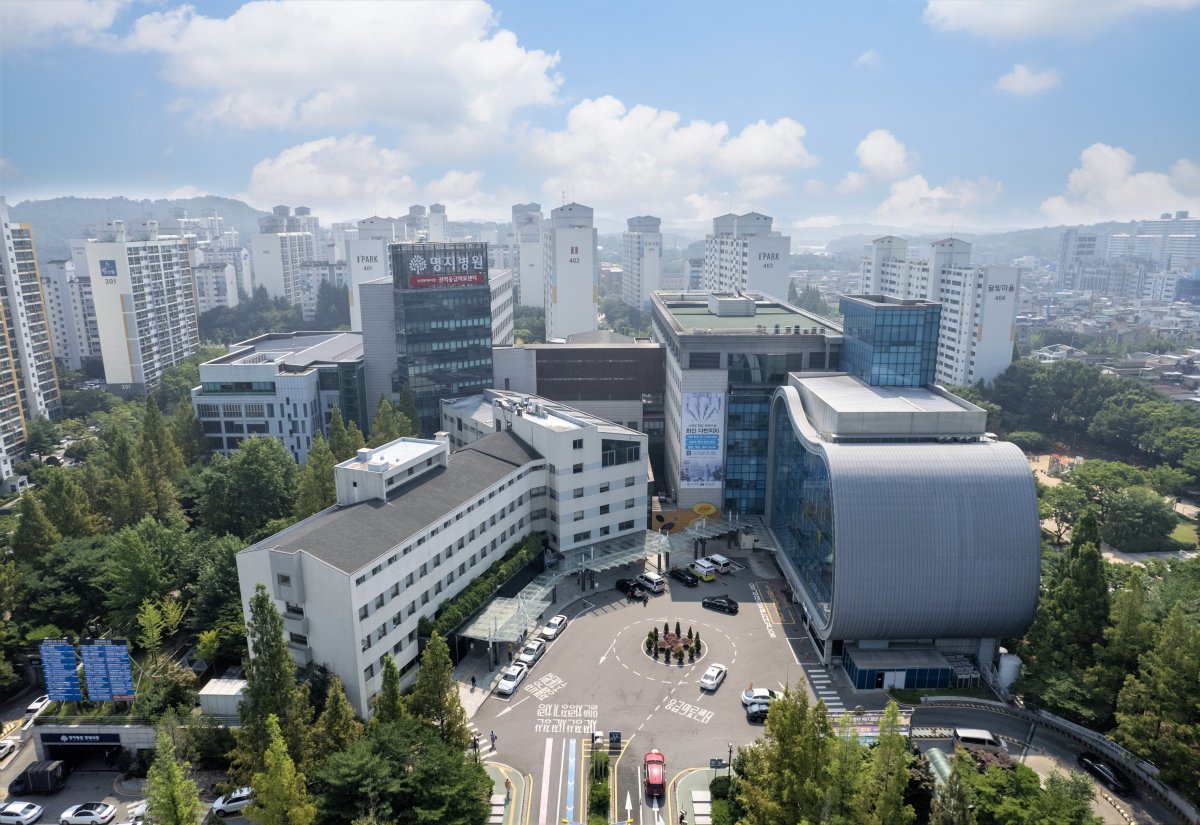









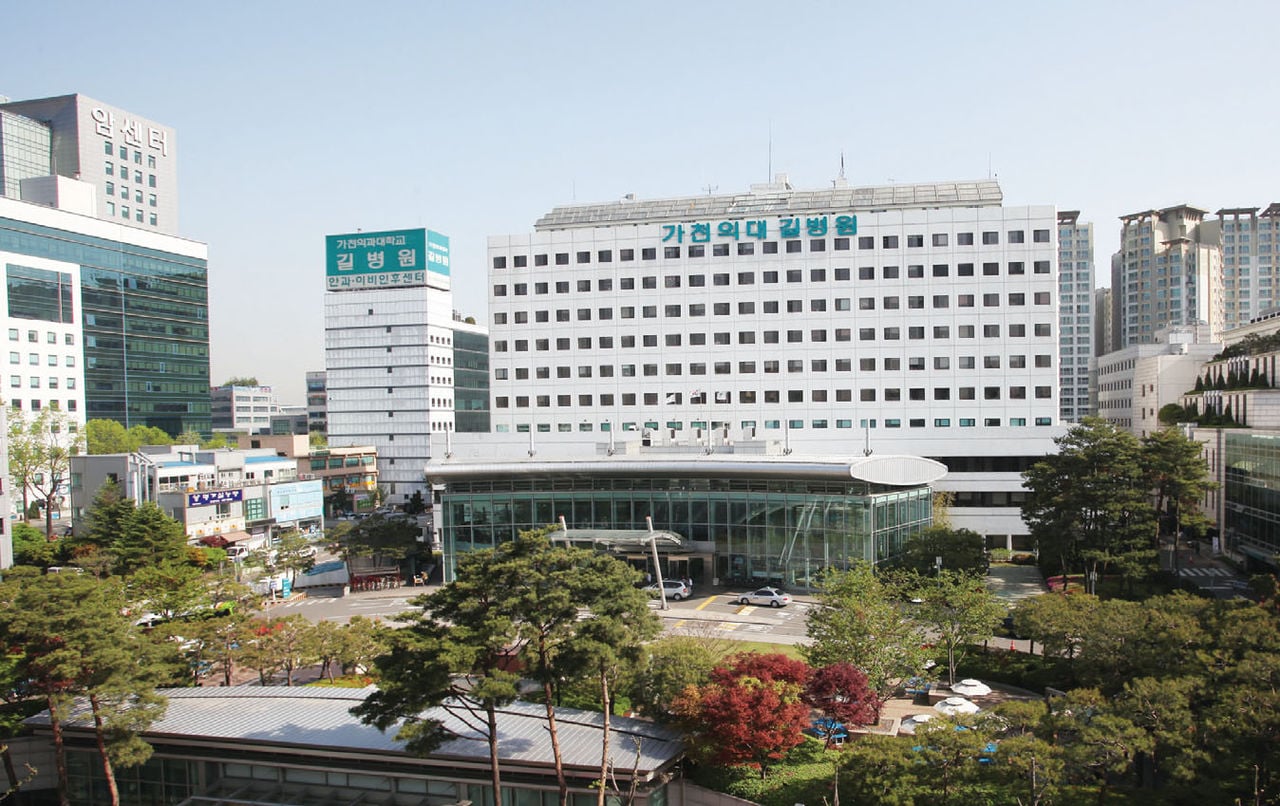



نظرة عامة على جراحة تكميم المعدة (تكميم المعدة) في كوريا الجنوبية
- جراحة تكميم المعدة (تكميم المعدة) - من $7,500
تعمل العملية على تقليل حجم المعدة ، والتحكم في تناول الطعام لفقدان الوزن. إنها أقل توغلًا مع فترات تعافي أسرع.
- جراح تكميم المعدة بواسطة روبوت دافنشي - من $15,000
يتضمن الإجراء استخدام نظام آلي لإجراء عملية جراحية أقل توغلًا ودقة لفقدان الوزن مع تعافي أسرع.
اليوم 1
- الوصول إلى المطار.
- نقل الشخصيات المهمة إلى العيادة.
- تسجيل الوصول في فندق 4 نجوم.
اليوم الثاني
- التشاور مع أخصائي التغذية.
- استشارة جراح السمنة.
- الاختبارات والتحقيقات قبل الجراحة.
يوم 3
- جراحة تكميم المعدة تحت التخدير العام.
- مدة الجراحة: 1-2 ساعة.
يوم 4-7
- رعاية ما بعد الجراحة في العيادة.
- فحوصات دورية من قبل الفريق الطبي.
- بدء نظام غذائي سائل.
الأسبوع 2-4
- يبدأ إعادة التأهيل بالمشي بشكل منتظم.
- الانتقال التدريجي إلى نظام غذائي ناعم.
الأسبوع الخامس
- العودة إلى أنشطة العمل الخفيفة.
الأسبوع السادس
- العودة إلى الأنشطة البدنية المعتدلة.
الأسبوع الثاني عشر
- الانتقال إلى نظام غذائي عادي.
- العودة إلى الأنشطة البدنية الكاملة.
6 أشهر بعد العملية
- النتيجة النهائية المتوقعة لفقدان الوزن.
يرجى ملاحظة أن هذا هو جدول زمني عام وقد يختلف تعافي كل فرد.
ماذا يحب المرضى:
- يكلف. تتراوح تكلفة تكميم المعدة في جمهورية كوريا من 10000 دولار إلى 12000 دولار. هذا أقل بكثير من متوسط التكلفة في الولايات المتحدة والذي يبلغ حوالي 20000 دولار.
- احتراف الأطباء . يتمتع الأطباء الكوريون بمهارات عالية مع الشهادات ذات الصلة والعضويات في المنظمات الطبية الدولية. لقد أجروا العديد من عمليات تكميم المعدة بنتائج ناجحة.
- مستوى الخدمة. يقدر المرضى المستوى العالي من الرعاية ، من استشارة ما قبل الجراحة إلى متابعة ما بعد الجراحة. الموظفون الداعمون والتواصل السلس يجعل العملية سلسة ومطمئنة.
- فعالية تكميم المعدة. أبلغ المرضى عن فقدان وزن كبير وتحسن النتائج الصحية بعد الجراحة. تضمن التقنيات الحديثة المستخدمة في كوريا الحد الأدنى من المضاعفات والتعافي السريع.
- الخدمات اللوجستية. يقدر المرضى الترتيب الخالي من المتاعب بما في ذلك النقل من المطار والإقامة والنقل المحلي.
ما لا يحبه المرضى:
- حاجز اللغة. يواجه بعض المرضى تحديات في التواصل بسبب حاجز اللغة. ومع ذلك ، يمكن التخفيف من ذلك عن طريق خدمات الترجمة.
- مسافة. بالنسبة للمرضى الدوليين ، يمكن أن تشكل المسافة الطويلة إلى كوريا تحديًا ، خاصة بالنسبة للمتابعة اللاحقة للعمليات الجراحية.
- وقت الانتظار. ذكر بعض المرضى فترات انتظار أطول بسبب ارتفاع الطلب على هذه الإجراءات في كوريا.
- إيداع Bookimed: 200 دولار أو 200 يورو.
- وديعة العيادة: ادفع نسبة محددة مقدمًا.
المراجعات
جميع المراجعاتمواد ذات صلة

من أين تحصل على جراحة تكميم المعدة الرخيصة: أفضل 5 دول
كتب بواسطة Anna Leonova

جراحة تكميم المعدة: كيف أصبح مريضنا أكثر نحافة وصحة
كتب بواسطة Anna Leonova

- 100 كجم بتكلفة ميسورة في تكميم المعدة
كتب بواسطة Ana Hurevska
مشاركة المحتوى
قصص فيديو من مرضى Bookimed
 Anna Leonova
أسئلة متكررة حول جراحة تكميم المعدة (تكميم المعدة) في كوريا الجنوبية
من هو المؤهل لجراحة تكميم المعدة في كوريا؟
يصبح المرضى في كوريا الجنوبية مؤهلين لجراحة تكميم المعدة إذا كان لديهم مؤشر كتلة جسم (BMI) يبلغ 35 أو أكثر. أما أولئك الذين لديهم مؤشر كتلة جسم يبلغ 30 أو أكثر فيتأهلون إذا كانوا يعانون من حالات مرتبطة بالسمنة مثل داء السكري من النوع الثاني، أو ارتفاع ضغط الدم، أو انقطاع النفس النومي.
- الحد الأدنى لمؤشر كتلة الجسم: تبدأ الأهلية عند مؤشر كتلة جسم 35 للمرضى الذين لا يعانون من مضاعفات صحية أخرى.
- الأمراض المصاحبة: يتأهل المرضى الذين لديهم مؤشر كتلة جسم 30 إذا كانوا يعانون من ارتفاع ضغط الدم أو ارتفاع الكوليسترول.
- الجراحة الأيضية: قد يتأهل الأفراد المصابون بداء السكري من النوع الثاني المقاوم للعلاج عند مؤشر كتلة جسم أقل يبلغ 27.5.
- التقييمات السريرية: يجب على المرشحين تقديم وثائق تثبت فشل محاولات إنقاص الوزن من خلال النظام الغذائي والتمارين الرياضية.
- متطلبات العمر: الجراحة مخصصة بشكل أساسي للبالغين الذين تبلغ أعمارهم 18 عاماً فما فوق بعد إجراء تقييمات غذائية ونفسية.
رؤية خبير Bookimed: غالباً ما يختبر المرضى الأجانب عملية أسرع بكثير من السكان المحليين في سيول. بينما يتعين على المحليين التعامل مع موافقات خدمة التأمين الصحي الوطنية (NHIS) الصارمة، يمكن للمرضى الدوليين في المراكز المعتمدة من JCI مثل مستشفى سيفيرانس إكمال الاستشارات والجراحة في غضون أسبوع واحد. يتجاوز هذا المسار المبسط التأخيرات المتعلقة بالتأمين والتي تعد نموذجية للمقيمين الذين لديهم مؤشر كتلة جسم يزيد عن 40.
إجماع المرضى: يقدر ال
ما هو الجدول الزمني النموذجي للتعافي ومدة الإقامة المطلوبة؟
يتطلب التعافي من عملية تكميم المعدة في كوريا الجنوبية عادةً إقامة في المستشفى لمدة 3 إلى 5 أيام للمراقبة. يعود معظم المرضى إلى الأنشطة الخفيفة في غضون 2 إلى 4 أسابيع، بينما يتطلب التعافي البدني الكامل وممارسة التمارين الشاقة عادةً من 4 إلى 6 أسابيع من الشفاء.
- الإقامة في المستشفى: توقع البقاء من 3 إلى 5 أيام للمراقبة في مرافق معتمدة من قبل اللجنة الدولية المشتركة (JCI).
- العودة إلى العمل: يعود معظم المرضى إلى الوظائف المكتبية في غضون 2 إلى 3 أسابيع بعد الجراحة.
- النشاط البدني: يبدأ المشي الخفيف على الفور، ولكن انتظر من 4 إلى 6 أسابيع قبل رفع الأثقال.
- الاستعداد للسفر: يوصي الجراحون بالبقاء في كوريا لمدة 5 إلى 7 أيام قبل السفر جواً إلى الوطن.
رؤية خبير Bookimed: بينما تفضل المستشفيات الأمريكية غالباً الخروج السريع، تعطي المراكز الرائدة في كوريا الجنوبية مثل مركز أسوان الطبي أو مستشفى سيفيرانس الأولوية لإقامات أطول تتراوح بين 3 إلى 5 أيام. يسمح هذا الوقت الإضافي للفرق السريرية بإدارة الغثيان المبكر بعد الجراحة وضمان الترطيب قبل السفر الدولي. إن إدراج أنظمة المراقبة الرقمية، مثل نظام BESTcare في مستشفى جامعة سيول الوطنية بوندانغ، يعزز السلامة بشكل أكبر خلال هذه الفترة الحرجة.
إجماع المرضى: يجد الكثيرون الأسبوع الأول في المنزل صعباً بسبب التعب وبروتوكولات النظام الغذائي السائل الصارمة. يوصى بشدة بالحصول على دعم مخصص من مقدم رعاية خلال الأيام السبعة الأولى لإدارة الترطيب ومنع مخاطر إعادة الإدخال الشائعة.
ما هي المستشفيات أو المرافق الأكثر خبرة في جراحة تكميم المعدة للمرضى الدوليين؟
تشمل أفضل المرافق الكورية الجنوبية لجراحة تكميم المعدة المراكز المعتمدة من قبل اللجنة الدولية المشتركة (JCI) مثل مستشفى سيفيرانس (Severance Hospital) ومركز جامعة إيهوا النسائية الطبي (Ewha Womans University Medical Center). تتخصص هذه المؤسسات التي تتخذ من سيول مقراً لها في تقنيات تنظير البطن طفيفة التوغل وتقنيات دافنشي الروبوتية، مما يوفر للمرضى الدوليين بنية تحتية جراحية متقدمة ومعدلات نجاح عالية.
- المراكز المعتمدة: يحمل مستشفى سيفيرانس ومركز جامعة إيهوا النسائية الطبي اعتماد اللجنة الدولية المشتركة (JCI).
- النطاق التكنولوجي: تقدم المرافق كلاً من جراحة تكميم المعدة بالمنظار القياسية وخيارات الجراحة المتقدمة بمساعدة الروبوت.
- حجم العمليات المرتفع: يعالج مركز آسان الطبي (Asan Medical Center) أكثر من 11,800 مريض خارجي يومياً، مما يضمن خبرة واسعة للفريق الجراحي.
- السلامة الرقمية: يستخدم مستشفى جامعة سيول الوطنية في بوندانغ (Seoul National University Bundang Hospital) أنظمة BESTcare الرقمية لمنع الأخطاء الطبية.
رؤية خبير Bookimed: بينما يركز الكثيرون على السعر، تكمن القيمة الحقيقية في كوريا في الخبرة في الجراحة `بدون ندبات`. يستهدف مركز جامعة إيهوا النسائية الطبي بشكل خاص النتائج الجمالية لتقليل الندبات المرئية. هذا التركيز على التعافي التجميلي هو معيار ثقافي فريد في جراحة السمنة الكورية نادراً ما تجده في المراكز الطبية الأخرى.
إجماع المرضى: يوصي المرضى باختيار مرافق في منطقة غانغنام للحصول على دعم أفضل باللغة الإنجليزية
هل تغطي التأمين العملية في كوريا؟
تغطى جراحة تكميم المعدة في كوريا الجنوبية من قبل خدمة التأمين الصحي الوطنية (NHIS) فقط للحالات الضرورية طبياً. تتطلب الأهلية مؤشر كتلة جسم (BMI) يزيد عن 35 أو مؤشر كتلة جسم يزيد عن 30 مع وجود أمراض مصاحبة مرتبطة بالسمنة مثل داء السكري من النوع 2 أو ارتفاع ضغط الدم. لا يتم تغطية إجراءات فقدان الوزن التجميلية البحتة.
- معايير الأهلية: تنطبق التغطية إذا تجاوز مؤشر كتلة الجسم 35 أو 30 مع وجود أمراض مصاحبة خطيرة.
- تسجيل الأجانب: يجب على المقيمين الذين يبقون لأكثر من 6 أشهر التسجيل في برنامج NHIS الإلزامي.
- نظام الدفع المشترك: تتراوح تكاليف المريض التي يدفعها من جيبه عادةً بين 20% إلى 30% للعمليات الجراحية المعتمدة.
- وضع السائح: السياح الطبيون الذين يحملون تأشيرات قصيرة الأجل غير مؤهلين ويجب عليهم دفع السعر النقدي الكامل.
رؤية خبير Bookimed: على الرغم من أن NHIS يمكن أن تغطي جزءاً كبيراً من التكلفة، إلا أن عملية الموافقة تتطلب غالباً 3-6 أشهر من العلاج التحفظي الموثق. للوصول بشكل أسرع، يختار العديد من المرضى مرافق من الدرجة الأولى مثل مستشفى سيفيرانس أو مركز آسان الطبي. تتعامل هذه المراكز مع أحجام كبيرة، حيث يجري مركز آسان أكثر من 65,000 عملية سنوياً، مما يؤدي غالباً إلى جدولة جراحية أكثر انسيابية للمرضى الدوليين الذين يدفعون بأنفسهم.
إجماع المرضى: يؤكد المرضى أن تأمين التغطية يتطلب اختبارات استقلابية وخطابات من أطباء الغدد الصماء. يجد معظم الزوار الدوليين أن الدفع من جيبهم ضروري لأن التأمين العام مخصص للمقيمين لفترات طويلة
ما هو التدرج الغذائي المطلوب بعد الجراحة؟
يتطلب التدرج الغذائي بعد جراحة تكميم المعدة في كوريا الجنوبية انتقالاً منظماً من أربع مراحل من السوائل الصافية إلى الأطعمة الصلبة على مدار 8 أسابيع. يحمي هذا النهج المرحلي خط التدبيس ويسمح لجيب المعدة المصغر بالالتئام مع إعطاء الأولوية لتناول كميات عالية من البروتين والترطيب المستمر.
- المرحلة 1 (الأيام 1–7): تشمل السوائل الصافية المرق، والجيلاتين الخالي من السكر، ومخفوقات البروتين المنكهة التي توفرها العيادة الكورية.
- المرحلة 2 (الأسابيع 2–3): تشمل السوائل الكاملة والمهروسات الزبادي، والحساء المصفى، والأطعمة اللينة الممزوجة.
- المرحلة 3 (الأسابيع 4–6): تشمل المواد الصلبة اللينة البيض والسمك والخضروات المهروسة؛ ويتم تجنب الأرز تماماً.
- طعام الانتقال (Juk): تستخدم البروتوكولات الكورية عصيدة الأرز (juk) كطريقة انتقال محددة إلى الأطعمة الصلبة.
رؤية خبير Bookimed: تدمج مراكز جراحة السمنة في كوريا الجنوبية مثل مستشفى جامعة سيول الوطنية ومستشفى سيفيرانس تطبيقات تتبع خاصة لمراقبة المدخول اليومي الإلزامي. تضمن هذه الرقابة الرقمية وصول المرضى إلى هدف 60-80 جراماً من البروتين في وقت مبكر. تظهر البيانات أن هذا الالتزام الصارم يقلل بشكل كبير من خطر استعادة الوزن بنسبة 70-80% الذي يظهر في البرامج الأقل مراقبة.
إجماع المرضى: يؤكد المرضى على استخدام ملاعق الأطفال للتحكم في الحصص الصغيرة، وعادة ما تكون من 1/4 إلى 1/2 كوب. لاحظ الكثيرون أن المشروبات الغازية ممنوعة بشكل دائم لمنع تمدد جيب المعدة الجراحي.
ما مدى سرعة عودتي إلى المنزل بالطائرة بعد الجراحة؟
يمكن لمعظم المرضى السفر جواً بأمان بعد 3 إلى 7 أيام من جراحة تكميم المعدة في كوريا الجنوبية. غالبًا ما يُسمح بالرحلات الجوية القصيرة التي تقل عن 6 ساعات بحلول اليوم الثالث، بينما تتطلب الرحلات الطويلة إلى الولايات المتحدة أو أوروبا عادةً الانتظار من 7 إلى 10 أيام لتقليل مخاطر الإصابة بتجلط الأوردة العميقة.
- الإقامة في المستشفى: توقع قضاء ليلتين إلى 3 ليالٍ من المراقبة السريرية الإلزامية قبل الخروج من عيادات سيول.
- التصريح السريري: احصل على شهادة طبية مكتوبة تفيد بصلاحيتك للطيران ووصفة طبية لمميعات الدم قبل الصعود إلى الطائرة.
- الوقاية من تجلط الأوردة العميقة: ارتدِ جوارب ضاغطة وامشِ في ممر الطائرة كل ساعة أثناء الرحلة.
- الرعاية أثناء الرحلة: أعطِ الأولوية لشرب الكثير من السوائل وراقب أي شعور بالغثيان أثناء تغيرات ضغط المقصورة.
رؤية خبير Bookimed: في حين أن معظم المرافق في سيول مثل مستشفى سيفيرانس أو SNUBH تسمح بالخروج بعد 48 ساعة، يستخدم المستشفى الرقمي الأول SNUBH مراقبة متخصصة لمنع الأخطاء. تُظهر البيانات أن المرضى الذين يسافرون إلى الولايات المتحدة يستفيدون من ليلتين إضافيتين في فندق في سيول. هذا الهامش الصغير يقلل بشكل كبير من خطر حدوث مضاعفات أثناء الرحلة بسبب الانتفاخ بعد الجراحة.
إجماع المرضى: يوصي المرضى بتخصيص ميزانية لإقامة قصيرة في فندق بعد الخروج من المستشفى لضمان الاستقرار. يؤكد المسافرون أن دفع 200 دولار مقابل راحة إضافية أكثر أمانًا من التعامل مع الألم الجراحي أثناء رحلة طيران مدتها 10 ساعات.
ما هي خدمات دعم اللغة والكونسيرج المتاحة للمرضى الأجانب؟
توفر العيادات الدولية في جمهورية كوريا تنسيقاً طبياً شاملاً، بما في ذلك دعم ثنائي اللغة على مدار الساعة طوال أيام الأسبوع ومساعدة في التأشيرات. توظف مرافق مثل مستشفى سيفيرانس ومركز أسان الطبي أقساماً دولية مخصصة لإدارة عمليات النقل من المطار، والسكن المحلي، والترجمة الطبية الفورية لمرضى تكميم المعدة.
- الترجمة الطبية: يقدم مترجمون معتمدون المساعدة الشخصية أو عبر الفيديو عن بُعد أثناء الاستشارات السريرية والجراحة.
- التنسيق اللوجستي: يدير الموظفون خدمات الاستقبال في المطار، وخدمات النقل بالسيارات الفاخرة، وحجوزات الفنادق المخفضة.
- التكامل الرقمي: تستخدم العيادات تطبيق Papago وأنظمة BESTcare لضمان تواصل سلس بين المريض والطبيب.
- الدعم الإداري: يتولى منسقون مخصصون التعامل مع وثائق التأشيرة الطبية، وتوحيد الفواتير، وتنسيق التأمين الدولي.
رؤية خبير Bookimed: في حين توفر المراكز الكبرى مثل مستشفى جامعة سيول الوطنية دعماً رقمياً عالي المستوى، تكمن القيمة الحقيقية في نسبة المنسقين إلى المرضى. في المرافق ذات التصنيف الأعلى، تتعامل أقسام المرضى الدوليين مع أكثر من 10,000 مريض خارجي يومياً، مما يعني أن لديهم بروتوكولات راسخة للجدولة السريعة التي يمكن أن تقلل من مدة إقامتك بمقدار 3 أو 4 أيام.
إجماع المرضى: يؤكد المرضى على أهمية وجود أخصائيي تغذية يتحدثون الإنجليزية بطلاقة لرعاية ما بعد الجراحة، ويوصون باستخدام WeChat أو Line للحصول على استجابات فورية من منسقي العيادة.