جراحة تكميم المعدة (تكميم المعدة) في ألمانيا — احصل على أفضل 3 عيادات مع التكاليف


تمت مراجعة المقالة طبيا من قبل
فهد مولود
كيف نعمل؟
ما هي تكلفة جراحة تكميم المعدة (تكميم المعدة) في ألمانيا؟ اكتشف الآن
تتراوح تكلفة عملية تكميم المعدة في ألمانيا عادةً بين $8,800 و $12,800. يعتمد السعر النهائي على موقع العيادة، وخبرة الجراح، واستخدام التقنيات الروبوتية. تشمل معظم العروض الألمانية الاستشارات السابقة للجراحة، والفحوصات المخبرية، والتخدير، والإقامة في المستشفى لمدة تتراوح بين يومين إلى 7 أيام.
- عملية تكميم المعدة بتقنية Da Vinci: تكلفتها من $9,800 إلى $13,800 مقابل دقة الجراحة الروبوتية.
- التقنية الروبوتية: تضيف حوالي 20-30 % إلى تكلفة تقنيات الجراحة بالمنظار التقليدية.
- التفاوت الإقليمي: تزيد عروض الباقات في دوسلدورف وهامبورغ عادةً عن نظيرتها في هايدلبرغ.
- أسعار المدن: تشمل مراكز الجراحة الرئيسية مدن دوسلدورف، وهامبورغ، وسولينغن، ودويسبورغ.
رأي خبراء Bookimed: يمنح اختيار مراكز متخصصة مثل مستشفى سانت مارتينوس في دوسلدورف قيمة استثنائية. يُعد هذا المركز واحداً من عيادتين ألمانيتين فقط معتمدتين من الاتحاد الدولي لجراحات السمنة والاضطرابات الأيضية (IFSO). تتوفر خيارات روبوتية متميزة في عيادة أسكليبيوس ألتونا، بينما توفر مراكز السمنة المعتمدة خبرات عالية الكفاءة. يضمن ذلك رعاية متخصصة من أطباء مصنفين في قائمة Focus مثل فيكتور ألكسندر كرول بأسعار تنافسية.
| ألمانيا | تركيا | تايلاند | |
|---|---|---|---|
| جراحة تكميم المعدة (تكميم المعدة) | ≈ $8,800 | من $3,000 | من $9,000 |
| جراح تكميم المعدة بواسطة روبوت دافنشي | ≈ $9,800 | من $8,000 | ≈ $6,500 |
اكتشف أفضل جراحة تكميم المعدة (تكميم المعدة) العيادات في ألمانيا: 3 خيارات معتمدة والأسعار

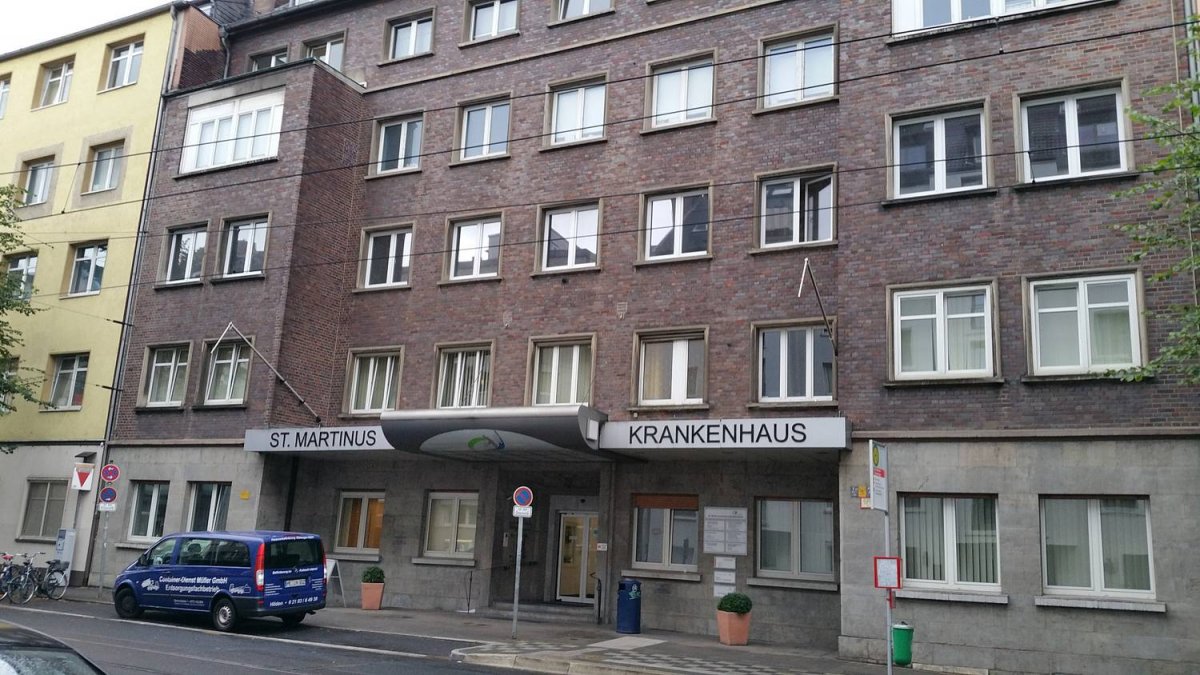
St. Martinus-Krankenhaus Düsseldorf

جراحة تكميم المعدة (تكميم المعدة) في ألمانيا: جدول زمني يومي
اليوم 1: الوصول إلى ألمانيا
- يجب أن تصل إلى ألمانيا وتنتقل إلى مكان إقامتك الذي تم ترتيبه مسبقاً. تأكد من حصولك على جميع الوثائق اللازمة، بما في ذلك خطاب الدعوة للعلاج، لتسهيل عبور الحدود.
- استرح وتأقلم مع المنطقة الزمنية المحلية للاستعداد للتقييمات الطبية والجراحة القادمة.
- تجنب تناول الوجبات الثقيلة أو الكحول في الليلة التي تسبق زيارتك الأولى للعيادة.
اليوم 2: الاستشارة والتشخيص قبل الجراحة
- تحتاج إلى زيارة العيادة لإجراء الاستشارات الأولية. ويشمل ذلك جلسة فحص سوابقك المرضية حيث ستتم مراجعة تاريخك الطبي.
- تقديم أي مواد تشخيصية تم الحصول عليها مسبقاً لتقييمها.
- الخضوع لفحص بدني وتشخيصات مخبرية لتقييم حالتك الصحية الحالية.
- المشاركة في التشخيص بالتصوير المرئي، مثل التصوير بالموجات فوق الصوتية أو التصوير المقطعي المحوسب، لتوفير صور مفصلة لمنطقة البطن.
- قد يتم إجراء تشخيصات وظيفية لتقييم مدى كفاءة أداء جسمك بشكل عام.
- ناقش النتائج مع البروفيسور أو الجراح الرئيسي لوضع اللمسات الأخيرة على خطة العلاج وتأكيد الجدول الزمني لجراحة تكميم المعدة (تكميم المعدة).
اليوم 3: يوم الجراحة
- يجب أن تصل إلى العيادة في الوقت المحدد لإجراء جراحة تكميم المعدة (تكميم المعدة).
- الخضوع لتحضيرات ما قبل الجراحة، بما في ذلك الصيام والتوقيع على استمارات الموافقة.
- سيتم إجراء الجراحة تحت التخدير العام. يتضمن الإجراء إزالة جزء من المعدة لإنشاء شكل يشبه الكم، مما يقلل من القدرة على تناول الطعام.
- بعد الجراحة، ستتم مراقبتك في غرفة الإفاقة لضمان استقرار العلامات الحيوية والتعافي الأولي من التخدير.
الأيام 4-5: الملاحظة بعد الجراحة
- البقاء في المستشفى للملاحظة بعد الجراحة. هذه الفترة ضرورية لمراقبة تعافيك والتعامل مع أي مضاعفات فورية.
- احصل على إرشادات بشأن الرعاية بعد الجراحة والنظام الغذائي وتغييرات نمط الحياة اللازمة للتعافي الأمثل والنجاح على المدى الطويل.
- احضر استشارات المتابعة مع الفريق الجراحي لتقييم تقدمك في التعافي.
- المشاركة في الأنشطة البدنية الخفيفة حسب نصيحة الفريق الطبي لتعزيز الدورة الدموية والشفاء.
اليوم 6: الخروج من المستشفى والاستعداد للمغادرة
- بعد التعافي المرضي والحصول على تصريح من الفريق الطبي، ستخرج من المستشفى.
- احصل على تعليمات مفصلة بشأن الرعاية بعد الجراحة، بما في ذلك الإرشادات الغذائية والقيود المفروضة على النشاط البدني.
- تأكد من حصولك على معلومات الاتصال بالعيادة إذا احتجت إلى التواصل مع العيادة في حالة وجود أي مخاوف أو حالات طارئة بعد العملية الجراحية بمجرد عودتك إلى المنزل.
اليوم 7: مغادرة ألمانيا
- يجب عليك تسجيل المغادرة من مكان إقامتك والتوجه إلى المطار لرحلتك إلى الوطن.
- أثناء السفر، أعط الأولوية لراحتك وتأكد من حصولك على أي أدوية أو ملابس داعمة يوصي بها مقدم الرعاية الصحية الخاص بك.
- استمر في اتباع جميع تعليمات الرعاية بعد العملية الجراحية وحدد موعداً للمتابعة مع مقدم الرعاية الصحية المحلي لمراقبة تعافيك المستمر.
بصفتنا المنصة العالمية الرائدة في مجال السياحة العلاجية ، فإننا نتحمل مسؤولية كبيرة أمام عملائنا - المرضى والمراكز الطبية على حد سواء. تستند جميع المعلومات المقدمة على Bookimed.com إلى البحث والاستبصار والخبرة وتفي بالاهتمام الكبير المتعلق بالمنتج وما يلي:
نظام التصنيف التلقائي الذكي
نحن نشكل قوائمنا للعيادات والأطباء مع لوائح صارمة لنظام التصنيف التلقائي الذكي الخاص بنا. يعتمد النظام على معدلات Bookimed الحقيقية للمرضى لتوفير المعلومات الأكثر موضوعية وشفافية حول عيادات تكميم المعدة والخدمات الطبية في ألمانيا هناك.
يجمع عالم البيانات ذو الخبرة لدينا البيانات يوميًا ، ويراقب ويحسن نظام التصنيف باستخدام التعلم الآلي والذكاء الاصطناعي لضمان تحديث نظام التصنيف وتقديم نتائج دقيقة.
تجربة الناس الحقيقية فقط
نقوم بجمع آراء عملاء Bookimed فقط بعد الحصول على خبرة طبية مع عيادة تكميم المعدة في ألمانيا - لذلك يمكن لأي شخص على المنصة الوثوق بالمنشأة التي يختارونها. نحن نسعى جاهدين لجعل المحتوى على منصتنا مفيدًا قدر الإمكان ونضمن حرية التعبير عن الآراء النقدية. وبالتالي ، ننشر مراجعات إيجابية وسلبية ، بهدف أن نكون مصدرًا لاتخاذ قرارات مستنيرة لعملائنا في المستقبل.
مواضيع ذات مستويات عالية من الخبرة والسلطة والجدارة بالثقة
قد تجد على Bookimed.com الاختيار والراحة للعثور على أفضل الحلول الطبية لتكميم المعدة من أفضل مزودي الخدمات الطبية في ألمانيا في مكان واحد فقط ، وغالبًا بأسعار تنافسية. للتأكد من تقديم أحدث المعلومات ، يقوم ممثلو العيادة بتحديث السير الذاتية للأطباء ، وقدرات العيادات ، والصور قبل وبعد ، والأسعار ، والحزم ، والعروض الخاصة بأنفسهم قريبًا. يمكنك مقابلة ممثل العيادة والتحقق من تاريخ المحتوى المحدث في صفحة كل عيادة للتأكد من مصداقيتها.
تم إنشاء مدونتنا والقطع الداعمة من قبل مؤلفين محترفين يتمتعون بخبرة لا تقل عن 3 سنوات في الكتابة الطبية ويتم تحريرها بواسطة متخصصين طبيين يتمتعون بخبرة إكلينيكية وبحثية ذات صلة - تم تعيينهم جميعًا بعناية في الفريق. نحن نسعى جاهدين لتعزيز وصول المريض إلى المعلومات الصحية ، مما يجعلها خبيرة ولكن يسهل فهمها. تتبع جميع القطع إرشادات التحرير الخاصة بـ Bookimed.
القيم المحجوزة
نحن مصنوعون من الناس ومن أجلهم - وهذه هي قيمتنا الأساسية. لهذا السبب يتم جمع جميع البيانات المقدمة على المنصة وتحريرها ومراجعتها وتحديثها بانتظام من قبل مرضانا وعياداتنا الشريكة وفريقنا ، بما في ذلك المجلس الاستشاري الطبي Bookimed ، الذي يتكون من أطباء مشهورين عالميًا يتمتعون بخبرة قيمة تزيد عن 20 سنوات من الممارسة ، وسمعة طيبة. تعلم المزيد عنا وعن مهمتنا .
في حال وجدت أي خطأ أو لديك أي أسئلة حول المعلومات المقدمة على Bookimed.com ، فلا تتردد في الاتصال بنا على marketing@bookimed.com .
احصل على تقييم طبي لـ جراحة تكميم المعدة (تكميم المعدة) في ألمانيا: اختر أخصائيك من بين الأفضل في هذا المجال
عرض جميع الأطباء
Viktor Alexander Krol
يقود الدكتور فيكتور ألكسندر كرول مركز علاج السمنة المعتمد في مستشفى سانت مارتينوس، وهو متخصص في إجراءات جراحة السمنة المتقدمة.
- رئيس قسم أمراض الجهاز الهضمي والطب الباطني بخبرة واسعة
- يقدم علاجات جراحية وبالمنظار لإنقاص الوزن
- يستخدم أحدث تقنيات التشخيص والعلاج
- يوفر رعاية فردية لكل مريض
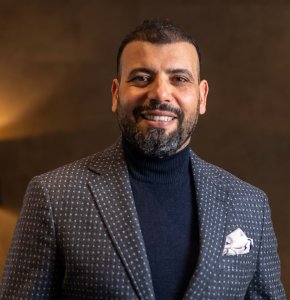
Walid Eljabu
حاصل على شهادة البورد في الجراحة التجميلية والترميمية، وجراحة اليد، وجراحة الإصابات – يجمع الدكتور الجابو بين الدقة والخبرة التشريحية الواسعة في مركز Esthétique du Nord.
- متخصص في إجراءات نحت الجسم بما في ذلك جراحة تكميم المعدة
- تدرب في المملكة المتحدة وألمانيا مع تدريب تجميلي إضافي في السويد وتركيا
- عضو في الجمعية الأمريكية لجراحي التجميل والجمعية الأوروبية لجراحي تجميل الأنف
- الرئيس التنفيذي وكبير الجراحين في Esthétique du Nord في هامبورغ
المراجعات
جميع المراجعاتمواد ذات صلة

من أين تحصل على جراحة تكميم المعدة الرخيصة: أفضل 5 دول
كتب بواسطة Anna Leonova

جراحة تكميم المعدة: كيف أصبح مريضنا أكثر نحافة وصحة
كتب بواسطة Anna Leonova

- 100 كجم بتكلفة ميسورة في تكميم المعدة
كتب بواسطة Ana Hurevska
مشاركة المحتوى
قصص فيديو من مرضى Bookimed
 Anna Leonova
أسئلة متكررة حول جراحة تكميم المعدة (تكميم المعدة) في ألمانيا
ما هي المعايير الطبية للتأهل لجراحة تكميم المعدة في ألمانيا؟
للتأهل لجراحة تكميم المعدة في ألمانيا، يجب أن يكون لدى المرضى البالغين مؤشر كتلة جسم (BMI) لا يقل عن 40 أو مؤشر كتلة جسم يتراوح بين 35-39.9 مع وجود أمراض مصاحبة كبيرة. تتطلب العيادات المعتمدة مثل مستشفى سانت مارتينوس في دوسلدورف إثباتاً سريرياً موثقاً لفشل العلاجات التحفظية، بما في ذلك الاستشارة الغذائية والتمارين الرياضية.
- عتبات مؤشر كتلة الجسم: يتأهل المرضى الذين لديهم مؤشر كتلة جسم 40+ تلقائياً دون الحاجة إلى أمراض ثانوية مرتبطة بالسمنة.
- متطلبات الأمراض المصاحبة: يتطلب مؤشر كتلة الجسم 35-39.9 وجود داء السكري من النوع 2، أو انقطاع النفس النومي، أو تنكس المفاصل الشديد.
- العلاج التحفظي: تطلب معظم شركات التأمين 6-12 شهراً من العلاج الغذائي والرياضي والسلوكي الموثق.
- الاستثناءات الطبية: الجراحة ممنوعة في حالات الاضطرابات النفسية غير المستقرة، أو تعاطي المخدرات النشط، أو الشره المرضي.
- الفحص قبل الجراحة: تنظير المعدة إلزامي لاستبعاد الارتجاع المعدي المريئي الشديد، الذي يرجح إجراء جراحة تحويل المسار.
رؤية خبير Bookimed: بينما يعتبر مؤشر كتلة الجسم 40 هو المعيار، تستخدم مراكز السمنة المتخصصة مثل مستشفى سانت مارتينوس في دوسلدورف اعتمادها من الاتحاد الدولي لجراحة السمنة والاضطرابات الأيضية لتسريع إجراءات المرضى الذين لديهم مؤشر كتلة جسم 50+. غالباً ما يمكن لهذه الحالات عالية الخطورة تجاوز العلاج متعدد الوسائط القياسي لمدة 6 أشهر إذا كان التدخل الأيضي الفوري منقذاً للحياة.
إجماع المرضى: يعتمد النجا
هل يغطي التأمين الصحي القانوني الألماني جراحة تكميم المعدة؟
يغطي التأمين الصحي القانوني الألماني (GKV) جراحة تكميم المعدة فقط كملاذ أخير وعلى أساس كل حالة على حدة. للتأهل، يجب أن يكون مؤشر كتلة الجسم لديك 40 أو أكثر، أو مؤشر كتلة جسم أعلى من 35 مع وجود أمراض مصاحبة خطيرة مثل مرض السكري من النوع 2 أو انقطاع النفس النومي.
- العلاج التحفظي: يجب توثيق 6-12 شهراً من النظام الغذائي الخاضع للإشراف، والتمارين الرياضية، والعلاج السلوكي.
- الضرورة الطبية: يجب ألا تكون السمنة ناتجة عن اضطرابات الغدد الصماء الكامنة مثل قصور الغدة الدرقية.
- التصريح النفسي: يتطلب تقييماً رسمياً يستبعد اضطرابات الأكل غير المستقرة أو الإدمان.
- المراجعة المستقلة: يجب أن يوافق الخدمة الطبية لصناديق التأمين الصحي (MDK) على طلبك.
رؤية خبير Bookimed: يعتمد النجاح بشكل كبير على اختيار مركز معتمد. مستشفى سانت مارتينوس في دوسلدورف هو واحد من عيادتين ألمانيتين فقط معترف بهما من قبل الاتحاد الدولي لجراحة السمنة والأمراض الأيضية. تمتلك العيادات الحاصلة على هذا الاعتماد بروتوكولات محددة لعملية تقديم طلبات GKV. وغالباً ما توفر سجلات التغذية المتخصصة والتصريح النفسي المطلوب لمنع الرفض الشائع من قبل شركات التأمين.
إجماع المرضى: يفيد المرضى بأن عملية التقديم بيروقراطية وغير متسقة. ويؤكدون أنه على الرغم من شيوع الرفض الأولي، فإن تقديم استئناف رسمي مع وثائق طبية أقوى يؤدي غالباً إلى الموافقة.
ما هي النسبة المئوية للوزن الزائد التي يفقدها المرضى عادةً بعد الإجراء؟
يفقد المرضى عادةً من 50% إلى 70% من وزن جسمهم الزائد في غضون 12 إلى 24 شهرًا بعد جراحة تكميم المعدة. يحقق معظم الأفراد إنجازات مهمة بسرعة، حيث يصلون إلى فقدان 25% إلى 35% بحلول الشهر الثالث وحوالي 60% بحلول السنة الأولى بعد الإجراء.
- إنجاز الثلاثة أشهر: يفقد المرضى عمومًا من 25% إلى 35% من الوزن الزائد خلال هذه الفترة.
- تقدم الستة أشهر: تصل خسارة الوزن عادةً إلى 45% إلى 55% مع تكيف الجسم.
- معيار السنة الواحدة: يحقق معظم المرضى خسارة من 60% إلى 70% من الوزن الزائد بعد 12 شهرًا.
- الحفاظ على المدى الطويل: يستقر متوسط فقدان الوزن عند 50% من الوزن الزائد بعد 5 سنوات.
رؤية خبراء Bookimed: تقدم ألمانيا مستوى نادرًا من الإشراف السريري للصحة الأيضية. مستشفى سانت مارتينوس في دوسلدورف هو واحد من عيادتين ألمانيتين فقط معتمدتين من قبل الاتحاد الدولي لجراحة السمنة والأمراض الأيضية. يساعد هذا التركيز المتخصص المرضى في الحفاظ على النتائج، حيث غالبًا ما تصل خسارة الوزن إلى ذروتها بين 9 و 18 شهرًا.
إجماع المرضى: يعتمد النجاح على تحويل التركيز من الوزن الخام إلى نسبة الوزن الزائد. يؤكد المرضى أن تجنب تناول الوجبات الخفيفة المستمر والسعرات الحرارية السائلة أمر حيوي لمنع استعادة الوزن بنسبة 5% إلى 15% التي تُلاحظ أحيانًا على المدى الطويل.
كيف تقلل عملية تكميم المعدة من الشهية، وهل هذا التأثير دائم؟
تعمل عملية تكميم المعدة على تقليل الشهية عن طريق إزالة قاع المعدة، مما يلغي الموقع الرئيسي لإنتاج هرمون الجوع (الجريلين). هذا التغيير الهيكلي الدائم يسرع أيضًا من إشارات الشبع من خلال تحفيز الأمعاء الدقيقة على إطلاق هرمونات مثل GLP-1 و PYY بشكل أسرع بكثير بعد الأكل.
- القمع الهرموني: تؤدي إزالة ما يصل إلى 80% من أنسجة المعدة إلى انخفاض حاد وفوري في هرمون الجريلين.
- إشارات الشبع: يؤدي مرور الطعام السريع إلى الأمعاء إلى إطلاق مبكر للهرمونات التي تشير إلى الامتلاء.
- التقييد الميكانيكي: تضمن سعة المعدة الأصغر بشكل ملحوظ شعورًا بالامتلاء الجسدي بعد تناول كميات صغيرة جدًا.
- ديمومة التأثير: يكون القمع الهرموني في أقوى حالاته لمدة 12 شهرًا قبل أن يتكيف الجسم جزئيًا.
رؤية خبراء Bookimed: بينما يركز الكثيرون على الحجم، تؤكد المراكز الألمانية الرائدة مثل مستشفى سانت مارتينوس في دوسلدورف أن النجاح الأيضي يعتمد على مرحلة "شهر العسل" الهرمونية. تستمر فترة قمع الجوع هذه عادةً من 12 إلى 24 شهرًا. تستخدم المراكز عالية التخصص هذه النافذة لدمج تقنيات دافنشي الروبوتية، والتي قد تحسن الدقة الجراحية وتدعم الاستقرار الأيضي على المدى الطويل.
إجماع المرضى: يجد الكثيرون أن غياب الجوع الأولي أمر مفاجئ، لكنهم يحذرون من أن "الجوع العاطفي" والرغبة الشديدة في الأكل قد تستمر. يعتمد النجاح على استغلال انخفاض الشهية لبناء عادات غذائية تعتمد على البروتين قبل أن تتلاشى التأثيرات الهرمونية بشكل طبيعي.
ما هي التغييرات الغذائية ونمط الحياة الإلزامية مدى الحياة بعد الجراحة؟
تشمل المتطلبات مدى الحياة بعد جراحة تكميم المعدة التحكم الصارم في الحصص الغذائية، وإعطاء الأولوية للبروتين في النظام الغذائي، وتناول المكملات الفيتامينية اليومية لمنع نقص العناصر الغذائية. يجب على المرضى فصل الأكل عن الشرب بشكل دائم وتجنب السعرات الحرارية السائلة أو تناول الوجبات الخفيفة المستمر للحفاظ على فقدان الوزن ومنع الانزعاج الهضمي.
- الأولوية الغذائية: يجب تناول البروتين الخالي من الدهون أولاً في كل وجبة للحفاظ على العضلات.
- توقيت الترطيب: يُمنع تناول السوائل قبل وبعد الوجبات بـ 30 دقيقة لمنع تدفق الطعام بسرعة.
- الالتزام بالفيتامينات: تناول الفيتامينات المتعددة اليومية، وفيتامين B12، والكالسيوم إلزامي لتجنب مشاكل سوء الامتصاص الحادة.
- الامتناع الصارم: يُقيد تناول الكحول والأدوية غير الستيرويدية المضادة للالتهابات (NSAIDs) مثل الإيبوبروفين لمنع قرحة المعدة.
رؤية خبير Bookimed: تضم ألمانيا بعض المرافق القليلة في العالم المعتمدة من قبل الاتحاد الدولي لجراحة السمنة واضطرابات التمثيل الغذائي، مثل مستشفى سانت مارتينوس في دوسلدورف. تعني هذه الشهادة عالية المستوى أن هذه العيادات توفر تدريباً متخصصاً مدى الحياة لأخصائيي التغذية وهو ما تغفله العديد من المستشفيات العادية. اختيار مركز سمنة ألماني معتمد يضمن أن خطة المتابعة طويلة الأمد الخاصة بك مبنية على معايير السلامة الدولية بدلاً من المبادئ التوجيهية الجراحية العامة.
إجماع المرضى: يؤكد المرضى أن شرب الماء برشفات صغيرة طوال اليوم يصبح وظيفة بدوام كامل لأن الرشفات الكبير
كيف يتم إجراء عملية تكميم المعدة فعلياً؟
تكميم المعدة هو استئصال عمودي قياسي للمعدة يزيل بشكل دائم 75% إلى 80% من العضو. يقوم الجراحون بإعادة تشكيل الجزء المتبقي إلى أنبوب ضيق باستخدام نهج تنظيري طفيف التوغل. يحد هذا الإجراء من تناول الطعام مع الحفاظ على الهضم المعوي الطبيعي ومسارات امتصاص العناصر الغذائية.
- الوصول الجراحي: يقوم الجراحون بعمل 4 إلى 5 شقوق صغيرة في البطن لإدخال المبازل.
- خيارات التقنية: تستخدم الإجراءات أدوات تنظيرية قياسية أو مساعدة روبوتية متقدمة من نوع Da Vinci.
- استئصال المعدة: يوجه أنبوب مرن (bougie) عملية التدبيس العمودي لضمان حجم تكميم متسق.
- بروتوكول السلامة: تستخدم اختبارات التسريب المتكاملة الهواء أو الصبغة للتحقق من سلامة خط التدبيس.
رؤية خبير Bookimed: تركز مراكز جراحة السمنة الألمانية مثل مستشفى سانت مارتينوس في دوسلدورف غالباً على الاستقرار الأيضي طويل الأمد بدلاً من مجرد تقليل الحجم. وهي من بين المرافق القليلة المعتمدة دولياً التي تطبق بصرامة التثقيف قبل الجراحة والمراقبة القياسية للمرضى الداخليين. اختيار مركز بهذه الشهادات المحددة يؤدي غالباً إلى مراحل غذائية أكثر صرامة بعد الجراحة.
إجماع المرضى: يجد العديد من المرضى أن الإزالة الجسدية لجزء من المعدة تمثل راحة مقارنة بالتدابير المؤقتة. يركز التعافي المبكر على إدارة آلام الغازات من خلال المشي المتكرر والالتزام الصارم بالانتقال من السوائل الصافية إلى الأطعمة الصلبة.
ما هي مدة الإقامة في المستشفى وفترة التعافي الموصى بها في البلد؟
تتطلب جراحة تكميم المعدة في ألمانيا عادةً إقامة في المستشفى تتراوح من يوم واحد إلى 3 أيام. يجب على المرضى التخطيط لفترة تعافي إجمالية في البلد تتراوح بين 7 إلى 14 يوماً قبل السفر جواً إلى الوطن لضمان الاستقرار، والتئام الجروح، والترطيب المناسب بعد الإجراء.
- الإقامة في المستشفى: يبقى معظم المرضى في المستشفى لمدة ليلة أو ليلتين للمراقبة.
- معايير الخروج: يجب أن يظهر المرضى تحكماً في الألم والقدرة على تحمل السوائل عن طريق الفم.
- سلامة الطيران: يوصي الخبراء الطبيون بالانتظار لمدة 10 أيام على الأقل قبل السفر جواً لمسافات طويلة.
- النهج الجراحي: تسهل طرق تنظير البطن والتنظير الداخلي في ألمانيا الحركة والخروج بشكل أسرع.
رؤية خبير Bookimed: توفر ألمانيا ميزة فريدة لمرضى السمنة، حيث تحمل عيادات مثل مستشفى سانت مارتينوس في دوسلدورف اعتماد الاتحاد الدولي لجراحة السمنة واضطرابات التمثيل الغذائي. غالباً ما يؤدي هذا المستوى العالي من التخصص إلى بروتوكولات تعافي مبسطة تعطي الأولوية للمشي المبكر، وهو أمر بالغ الأهمية لمنع المضاعفات بعد جراحة البطن.
إجماع المرضى: يشعر الكثيرون بالقدرة على الحركة بعد الجراحة بفترة وجيزة، لكنهم يجدون أن آلام الغازات والحاجة إلى الترطيب المستمر تجعل الأيام الخمسة الأولى صعبة. إن حمل الأمتعة أو التنقل في المطارات بمفردهم أصعب بكثير مما كان متوقعاً بسبب انخفاض مستويات الطاقة بعد الإجراء.
ما هي المستشفيات في ألمانيا التي تحظى بأعلى التقييمات في جراحة الأعصاب؟
تضم ألمانيا بعضًا من أرقى أقسام جراحة الأعصاب في العالم، بقيادة مستشفى شاريتيه الجامعي في برلين ومستشفى جامعة هايدلبرغ. وتتميز هذه المراكز بخبرتها الواسعة في علاج أورام الدماغ المعقدة وأمراض الأوعية الدموية الدماغية. ولتحقيق أقصى قدر من الفعالية في عملياتها، تستخدم هذه المراكز أحدث التقنيات، مثل التصوير بالرنين المغناطيسي أثناء الجراحة والتوجيه العصبي بمساعدة الحاسوب.
- مستشفى شاريتيه برلين: يُجري أكثر من 5000 عملية جراحية سنوياً. ويرأس العيادة جراح الأعصاب الشهير الدكتور بيتر فايكوتشي.
- المركز الطبي في سولينجن: أجرى الدكتور رالف بوهل أكثر من 4000 عملية جراحية، بما في ذلك جراحات العمود الفقري طفيفة التوغل.
- عيادة أسكليبيوس نورد: مجهزة بنظام التصوير بالرنين المغناطيسي الثنائي الوحيد في ألمانيا أثناء الجراحة لضمان الدقة الجراحية في الوقت الحقيقي أثناء إزالة الورم.
- عيادة نوردويست: تم الاعتراف بها من قبل مجلة نيوزويك كمستشفى رائد في مجال الابتكار في تكنولوجيا الموجات فوق الصوتية ثلاثية الأبعاد.
رأي خبراء بوكيمد: تشير البيانات إلى أن اختيار المراكز ذات الحجم الجراحي الكبير غالبًا ما يؤدي إلى توصيات علاجية أكثر تحفظًا. ففي مركز سولينجن الطبي، الذي يعالج أكثر من 60,000 مريض
ما هي نسب نجاح العمليات الجراحية العصبية المعقدة في ألمانيا؟
في ألمانيا، تتميز العمليات الجراحية العصبية بالغة التعقيد بمستوى أمان استثنائي. تصل نسبة نجاح عمليات دمج الفقرات إلى 99%، بينما تبلغ نسبة النجاة بعد استئصال أورام الدماغ الأولية 97%. كما يتمتع المرضى بقدرة عالية على الاعتماد على أنفسهم في أداء وظائفهم اليومية، حيث يغادر أكثر من 82% منهم المستشفى مباشرةً بعد العلاج. وتولي المراكز الألمانية اهتماماً بالغاً بالحفاظ على الوظائف العصبية باستخدام أحدث تقنيات التخطيط العصبي.
- استئصال الورم: يحقق الجراحون استئصالًا كاملاً للورم في 87.2% من حالات النقائل الدماغية.
- النجاح في علاج أمراض الأوعية الدموية: أفادت المستشفيات الألمانية بنسبة نجاة بلغت 98.7% لحالات تمدد الأوعية الدموية غير الممزقة.
- تحسن الحالة العصبية: يشهد ما يقرب من 43% من المرضى تحسناً في المعايير الوظيفية بعد عمليات الاستئصال المعقدة.
- سلامة التدخلات الجراحية: في المراكز الجراحية الكبيرة، تتراوح معدلات بقاء المرضى على قيد الحياة بعد جراحة العمود الفقري بين 98-99%.
رأي خبراء بوكيمد: يُجري جراحون ذوو خبرة، مثل الدكتور أوفه كولر من عيادة أسكليبيوس ألتونا، أكثر من 2000 عملية جراحية سنويًا. تُشير البيانات إلى أن هؤلاء المتخصصين يحافظون على معدلات نجاح تصل إلى 90%، حتى
ما هي التقنيات المتقدمة المتوفرة عادةً في عيادات جراحة الأعصاب الألمانية؟
تُدخل عيادات جراحة الأعصاب الألمانية بانتظام أدوات رقمية عالية الدقة وتقنيات تصوير فوري في الممارسة الجراحية. تشمل التقنيات الرئيسية الملاحة العصبية الحاسوبية لجراحات الدماغ والحبل الشوكي. تستخدم مؤسسات مثل عيادة أسكليبيوس نورد التصوير بالرنين المغناطيسي أثناء الجراحة للتحقق من استئصال الورم في الوقت الفعلي. توفر هذه الأنظمة للجراحين نظام ملاحة ثلاثي الأبعاد.
- الملاحة العصبية: توفر تصورًا ثلاثي الأبعاد وتتبعًا فوريًا للأدوات لتحقيق دقة جراحية تصل إلى مستوى أقل من المليمتر.
- التصوير أثناء العملية: تسمح أنظمة مثل التصوير بالرنين المغناطيسي أثناء العملية (iMRI) والتصوير المقطعي المحوسب ذي الذراع O (O-arm CT) بالتأكيد الفوري على نجاح عملية الاستئصال.
- المراقبة العصبية: تراقب الوظائف الحركية والحسية أثناء الجراحة لحماية الجهاز العصبي.
- التشخيص الفلوري: يتم استخدام صبغة 5-ALA لتسليط الضوء على حدود الورم من أجل إزالته بشكل أكثر اكتمالاً.
- المساعدة الروبوتية: تعمل أنظمة مثل نظام دافنشي على تحسين الدقة في الإجراءات المعقدة ذات التدخل الجراحي البسيط.
رأي خبراء بوكيمد: تُجري مراكز طبية كبيرة، مثل مستشفى شاريتيه الج