عيادات علاج قناة الجذر في كوريا الجنوبية


تمت مراجعة المقالة طبيا من قبل
فهد مولود
كيف نعمل؟
ما هي تكلفة علاج قناة الجذر في كوريا الجنوبية؟ اكتشف الآن
من $240. وتعتمد التكلفة النهائية على نوع السن، وعدد القنوات، ونوع التاج المستخدم للترميم. وغالباً ما تشمل باقات المرضى الدوليين الأشعة الرقمية والتخدير الموضعي.
- علاج التهاب اللب: من $180 لتنظيف لب السن المصاب.
- إزالة كيس الأسنان: من $350 إلى $900 في حال انتشار العدوى لعظم الفك.
- موقع السن: تزيد تكلفة الأضراس غالباً بنسبة 50-100% عن الأسنان الأمامية بسبب تعدد قنواتها.
- تيجان الأسنان: تزيد تيجان البورسلين أو الزيركون التجميلية عادةً ما بين 300 $ و 1,200 $ على التكلفة الإجمالية.
- المراكز الطبية: تتركز معظم خدمات طب الأسنان الدولية في مدينتي سول وإنشيون.
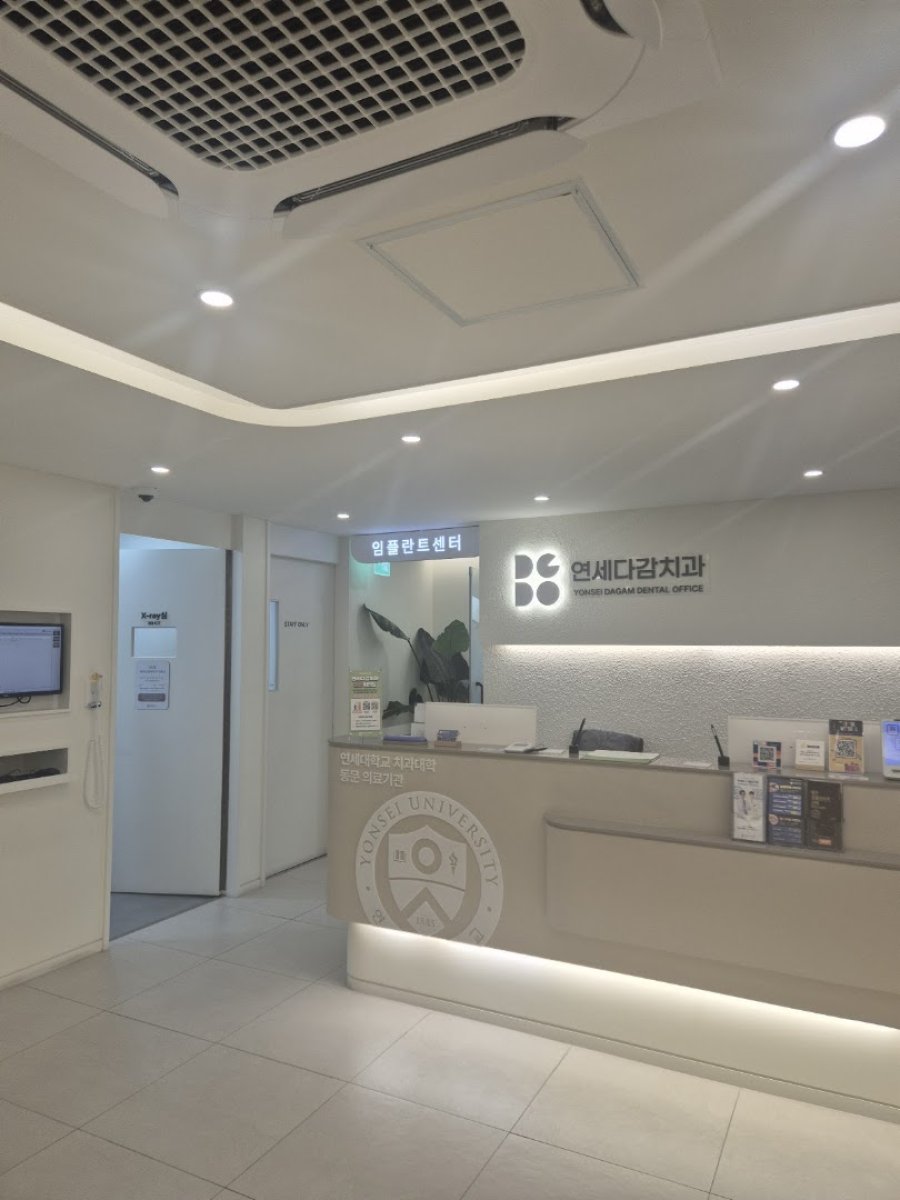
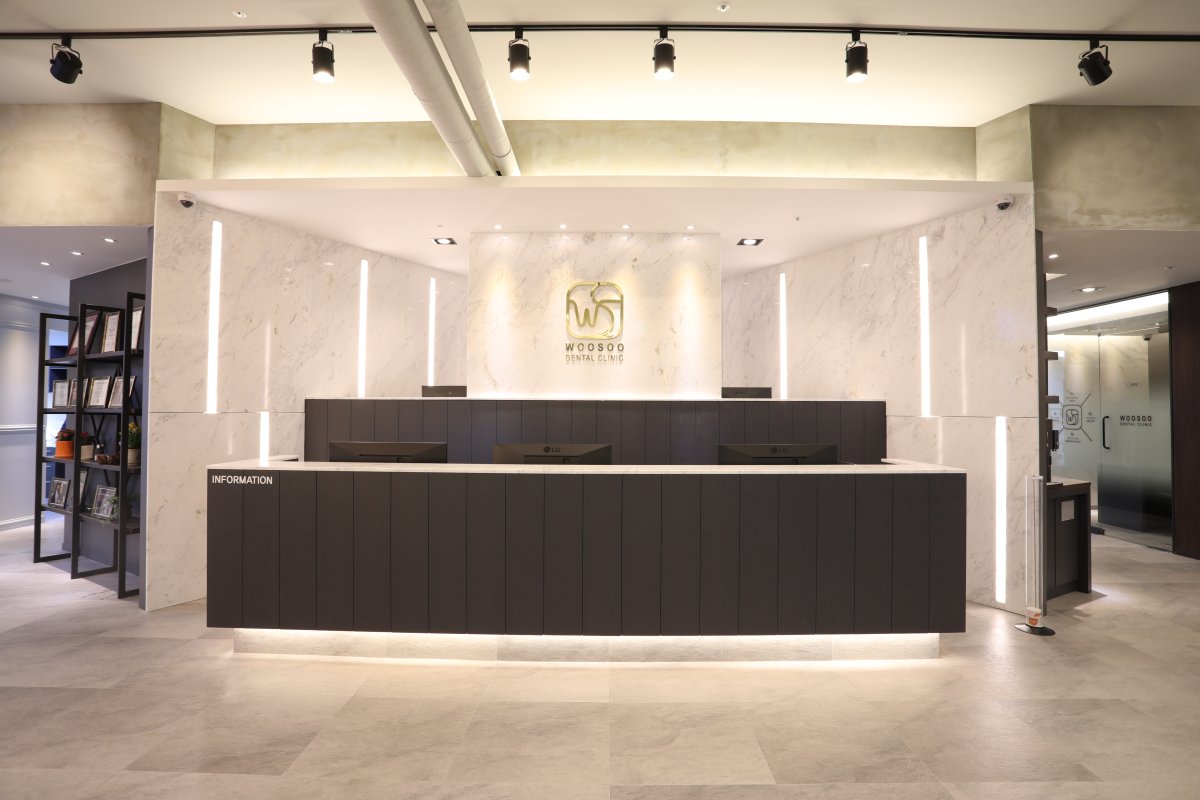
رأي خبراء Bookimed: يُحقق اختيار العيادات التي تضم أخصائيين معتمدين من البورد الأمريكي قيمة عالية. تضم عيادتا دارون (DARUN) ووسو (Woosoo) لطب الأسنان أخصائيين مدربين في أمريكا. أجرى مستشفى إس-بلانت (S-plant) أكثر من 23,000 عملية زراعة ويستخدم النمذجة ثلاثية الأبعاد للحالات المعقدة. يؤدي هذا الإقبال إلى إجراءات أسرع في نفس اليوم للمسافرين الدوليين. وتضمن هذه الخبرة دقة تنظيف القنوات ومتانة التيجان على المدى الطويل.
| تركيا | تايلاند | كوريا الجنوبية | |
|---|---|---|---|
| علاج قناة الجذر | من $80 | من $150 | من $240 |
| علاج التهاب اللب | من $130 | ≈ $220 | من $180 |
| إزالة كيس الأسنان | من $140 | ≈ $450 | ≈ $350 |
| إزالة الجسم الغريب في القنوات الجذرية باستخدام المجهر | ≈ $280 | ≈ $200 | ≈ $250 |
اكتشف أفضل علاج قناة الجذر العيادات في كوريا الجنوبية: 9 خيارات معتمدة والأسعار
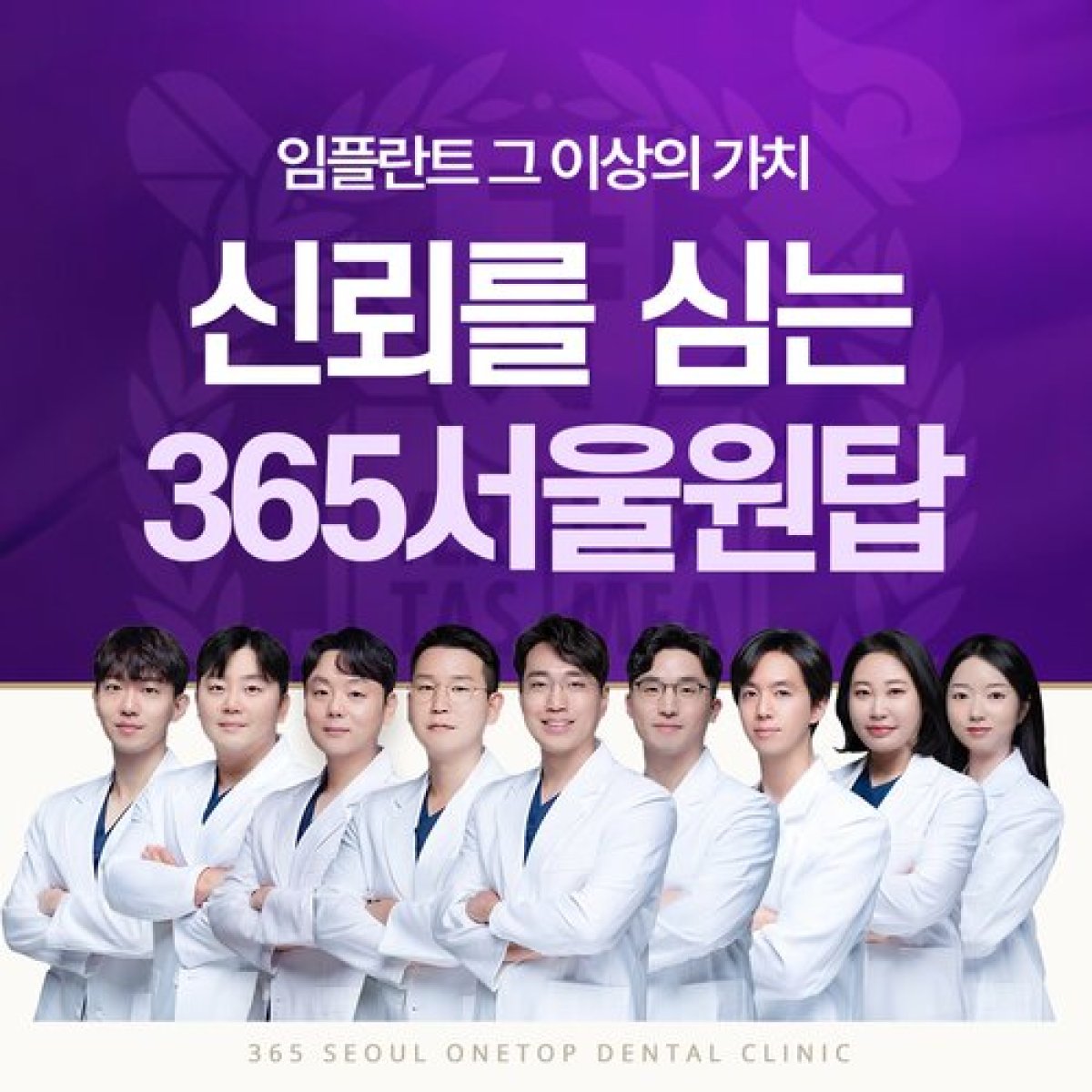
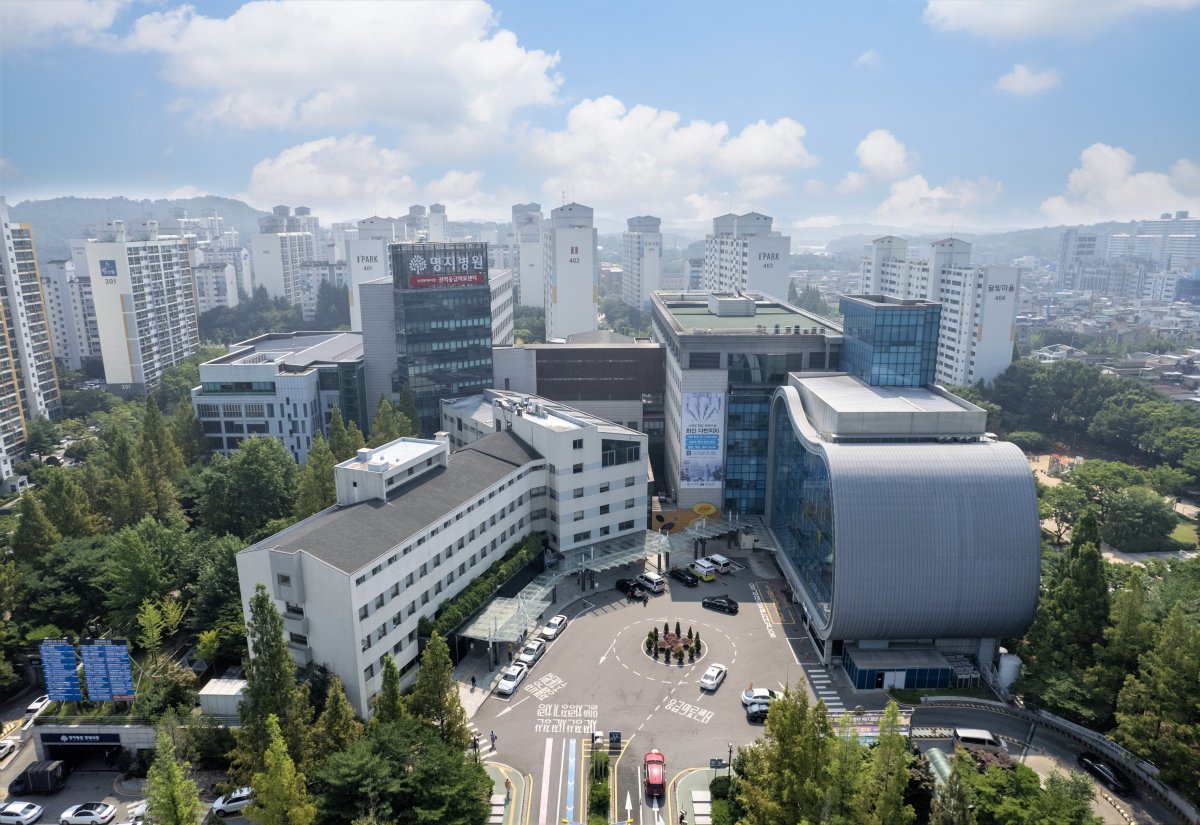

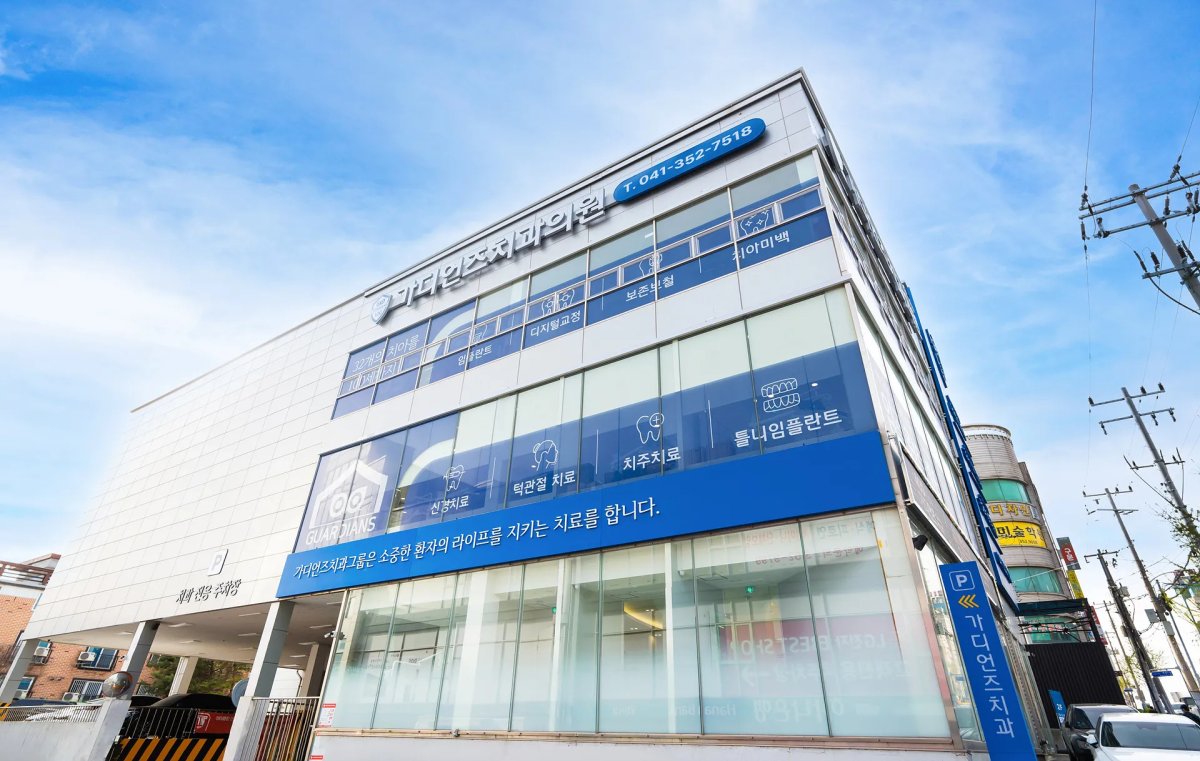
S-plant Dental Hospital






نظرة عامة على علاج قناة الجذر في كوريا الجنوبية
- علاج قناة الجذر - من $240
يعالج هذا الإجراء التهابات التجاويف العميقة ، وإزالة اللب من الأسنان ، وتطهيرها ، ثم إغلاقها.
- علاج التهاب اللب - من $180
يهدف هذا العلاج إلى التحكم في التهاب الأسنان ، بما في ذلك التنظيف والتطهير والحشو ، وبالتالي تخفيف الألم.
- إزالة كيس الأسنان - من $350
يقوم هذا الإجراء باستخراج كيس مملوء بسائل من الأسنان ، مما يعزز صحة الفم ويمنع المضاعفات.
يقوم هذا الإجراء بإزالة الحطام غير المرئي من جذور الأسنان ، مما يعزز الدقة والتعافي من خلال التصور المكبر.
اليوم 1
- الوصول إلى مطار الدولة.
- نقل الشخصيات المهمة إلى العيادة.
- استشارة أولية مع أخصائي طب الأسنان.
- تسجيل الوصول في فندق 4 نجوم طوال مدة العلاج.
اليوم الثاني
- اختبارات ما قبل العملية بما في ذلك الأشعة السينية للأسنان.
- مناقشة مع الطبيب حول خطة العلاج.
- التحضير لعلاج قناة الجذر.
يوم 3
- اخضع لعلاج قناة الجذر تحت التخدير الموضعي.
- قد يستمر الإجراء من ساعة إلى ساعتين حسب الحالة.
- الراحة بعد العملية في العيادة.
اليوم الرابع
- فحص ما بعد الجراحة مع أخصائي الأسنان.
- مناقشة حول الحاجة إلى تاج أو حشو الأسنان.
الأسبوع 1
- الراحة والانتعاش في الفندق.
- يوصى باتباع نظام غذائي ناعم في الأيام القليلة الأولى.
- مسكنات الألم العادية كما هو موصوف.
الأسبوع 2
- العودة إلى النظام الغذائي والنشاط الطبيعي.
- استشارة متابعة مع طبيب أسنان محلي إذا لزم الأمر.
- النتيجة النهائية التي تحققت بسن ملتئم بالكامل.
يرجى ملاحظة أن حالة كل مريض فريدة من نوعها وقد يختلف الجدول الزمني قليلاً بناءً على الحالة الصحية للفرد وسرعة الشفاء.
- إيداع Bookimed: 200 دولار أو 200 يورو.
- وديعة العيادة: ادفع نسبة محددة مقدمًا.
احصل على تقييم طبي لـ علاج قناة الجذر في كوريا الجنوبية. استشر الآن 9 أطباء ذوي الخبرة.
عرض جميع الأطباء
Ji Ho Ahn
يجمع الدكتور جي هو آهن بين الخبرة السريرية والقيادة الأكاديمية كأستاذ مساعد في جامعة سيول الوطنية.
- متخصص في التعويضات السنية وحاصل على درجة الدكتوراه من جامعة سيول الوطنية
- تدرب في مستشفى طب الأسنان بجامعة سيول الوطنية ومستشفى غانغنام سيفيرانس
- عضو في الأكاديمية الكورية للتعويضات السنية ووظائف الفم
- خبرة في مركز زراعة الأسنان بجامعة سيول الوطنية
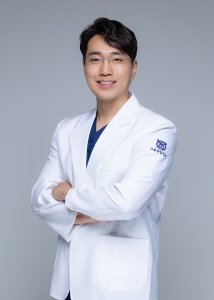
Kim Geun-il
يتخصص الدكتور كيم غيون إيل في العناية الشاملة بالفم، مع التركيز على علاجات قنوات الجذر الدقيقة في عيادة 365SeoulOneTop365 للأسنان.
- خريج كلية طب الأسنان بجامعة سيول الوطنية
- أخصائي في زراعة الأسنان معتمد من الحكومة
- عضو في العديد من جمعيات طب الأسنان المرموقة
- مدرب على تقنيات زراعة الأسنان المتقدمة بما في ذلك Osstem و MegaGen
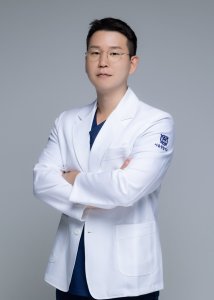
Kwon Jae-won
يتخصص الدكتور كوون في طب الأسنان المتكامل، مما يضمن تصميم العلاجات الضرورية فقط لصحة الفم المثالية.
- تخرج بمرتبة الشرف من كلية طب الأسنان بجامعة سيول الوطنية
- أكمل فترة الإقامة في مستشفى طب الأسنان بجامعة سيول الوطنية
- أخصائي في زراعة الأسنان وطب الأسنان المتكامل
- عضو في العديد من جمعيات طب الأسنان المرموقة
- معتمد في تقنيات زراعة الأسنان Osstem و MegaGen
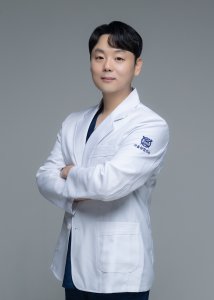
Lim Gi-hyeon
أخصائي معتمد في جراحة الفم والوجه والفكين، حاصل على الماجستير والدكتوراه من جامعة يونسي. يركز على راحة المريض والرعاية الدقيقة للإجراءات السنية.
- معتمد في طب الأسنان المتكامل من قبل وزارة الصحة والرعاية الاجتماعية
- تدرب في مستشفى جامعة يونسي لطب الأسنان - إحدى أفضل المؤسسات في كوريا
- عضو منتظم في الجمعية الكورية لجراحي الفم والوجه والفكين
- عضو اللجنة الاستشارية السريرية لشركة Osstem Implant
قصص فيديو من مرضى Bookimed
المراجعات
جميع المراجعاتمشاركة المحتوى
 Anna Leonova
أسئلة متكررة حول علاج قناة الجذر في كوريا الجنوبية
هل أنا مرشح جيد؟
أنت مرشح جيد لعلاج قناة الجذر في كوريا الجنوبية إذا كنت تعاني من ألم مستمر في الأسنان، أو حساسية، أو خراج، بشرط أن تظل بنية السن الطبيعية قابلة للترميم. يستخدم أخصائيو علاج الجذور في سيول وإنتشون تصوير الأشعة المقطعية ثلاثي الأبعاد لتأكيد أهليتك قبل بدء العلاج.
- قابلية ترميم السن: يتطلب النجاح وجود ما يكفي من المينا الصحية لدعم تاج دائم بعد الإجراء.
- السيطرة على العدوى: قد يبدأ المرشحون الذين يعانون من خراجات حادة في تناول المضادات الحيوية قبل يوم أو يومين من موعدهم المحدد.
- الصحة العامة: إدارة الحالات الجهازية مثل مرض السكري ضرورية لضمان الشفاء السليم للأنسجة حول الذروة.
- المدة: تناسب علاجات الجلسة الواحدة معظم المسافرين، على الرغم من أن القنوات المنحنية المعقدة قد تتطلب 2-3 زيارات.
رؤية خبير Bookimed: بينما يقوم العديد من أطباء الأسنان العامين بإجراء علاجات قناة الجذر، فإن البحث عن أخصائي حاصل على شهادة في طب الأسنان التحفظي يضمن نتائج أفضل. يستخدم مستشفى S-plant للأسنان بروتوكولاً محدداً لتقليل المضاعفات وهو فعال بشكل خاص للمرضى الدوليين الذين لديهم وقت محدود لرعاية المتابعة. يتخصص أطباء مثل كيم هيون جيونج في عيادة Yonsei Uline للأسنان في علاج الجذور، مما يوفر مستوى أعلى من الدقة للقنوات الضيقة أو المخفية التي غالباً ما تغفلها المعدات القياسية.
إجماع المرضى: يؤكد المرضى على إرسال صور الأشعة السينية الحديثة أو فحوصات CBCT رقمياً قبل السفر لتأكيد إمكانية إنقاذ السن. يوصي الكثيرون بتخصيص يوم إضافي لتعديلات التاج النه
هل الإجراء مؤلم؟
علاج قناة الجذر في كوريا الجنوبية غير مؤلم تقريبًا بفضل التخدير الموضعي المتقدم والتقنيات الحديثة مثل المبردات الدوارة. يبلغ معظم المرضى عن شعورهم فقط باهتزاز خفيف أو ضغط أثناء الإجراء الذي يستغرق 30 دقيقة. غالبًا ما تكمل العيادات المتخصصة في سيول العلاج بالكامل في زيارة واحدة.
- طريقة التخدير: يستخدم أطباء الأسنان حقن الليدوكائين الموضعية لتخدير منطقة العلاج تمامًا.
- التكنولوجيا الحديثة: تضمن المبردات الدوارة والتصوير المقطعي ثلاثي الأبعاد دقة عالية وإنجازًا أسرع.
- التعافي بعد العملية: توقع ألمًا خفيفًا لمدة يوم أو يومين، يمكن السيطرة عليه باستخدام الإيبوبروفين القياسي.
- سرعة العلاج: تقدم العديد من مستشفيات الأسنان الكورية إكمال العلاج في زيارة واحدة لتقليل انزعاج المريض.
رؤية خبير Bookimed: تستفيد مراكز الأسنان الكورية الجنوبية مثل مستشفى S-plant للأسنان من أعداد المرضى الكبيرة لتحسين البروتوكولات الفعالة والأقل توغلاً. غالبًا ما يسمح استخدامهم لتكنولوجيا النمذجة ثلاثية الأبعاد بإجراء علاجات قناة الجذر وتحضيرات التيجان في نفس اليوم. تقلل هذه الكفاءة بشكل كبير من الوقت الذي يقضيه المريض على الكرسي، وهو عامل رئيسي في تقليل القلق المرتبط بالإجراء.
إجماع المرضى: غالبًا ما يصف المرضى التجربة بأنها مريحة بشكل مدهش، ويقارنون الإحساس بحشوة الأسنان العادية. يلاحظ الكثيرون أن سرعة أطباء الأسنان الكوريين تجعل العملية تبدو سهلة للغاية مع القليل جدًا من الألم بعد العملية.
كم عدد المواعيد التي سأحتاجها؟
يتطلب علاج قناة الجذر في كوريا الجنوبية عادةً من موعد إلى موعدين اعتمادًا على نوع السن وشدة العدوى. غالبًا ما تنتهي الحالات البسيطة التي تشمل الأسنان الأمامية في جلسة واحدة. تتطلب الأضراس المعقدة أو إعادة العلاج عادةً زيارة ثانية لضمان التنظيف الشامل والإغلاق المناسب.
- حالات الزيارة الواحدة: الأسنان الأمامية أو الضواحك البسيطة باستخدام أنظمة مبرد دوارة متطورة.
- حالات الزيارتين: الأضراس المعقدة أو القنوات المصابة التي تتطلب مراقبة سريرية بين الجلسات.
- مدة الجلسة: تستغرق معظم المواعيد ما بين 60 إلى 90 دقيقة لكل زيارة.
- توقيت الترميم: يتوفر تصنيع التيجان في نفس اليوم في العيادات التي تستخدم تقنية CAD-CAM.
رؤية خبير Bookimed: تشير البيانات الواردة من كبار مقدمي الخدمات في سيول إلى أن اختيار العيادات التي تمتلك مختبرات CAD-CAM داخلية، مثل Woosoo Dental، يمكن أن يلغي فترة الانتظار التقليدية لمدة أسبوع واحد للحصول على التيجان. في حين تقدم المستشفيات الجامعية مثل SNUBH رعاية متميزة، فإنها غالبًا ما تقسم العلاجات إلى جلسات أكثر من العيادات الخاصة في جانجنام التي تعطي الأولوية للكفاءة في رحلة واحدة للمرضى الدوليين.
إجماع المرضى: يؤكد المرضى على أهمية طلب تصوير مقطعي ثلاثي الأبعاد (3D CT) أثناء الاستشارة الأولى للتأكد مما إذا كانت القنوات متكلسة. تساعد هذه الخطوة في تجنب مواعيد ثالثة غير متوقعة وتضمن قدرة الأخصائي على إكمال الإجراء خلال فترة السفر الأولية.
ما هو وقت التعافي المتوقع وما هي الرعاية اللاحقة؟
التعافي من علاج قناة الجذر في كوريا الجنوبية سريع، حيث يعود معظم المرضى إلى العمل في نفس اليوم. عادة ما يزول الحساسية الأولية عند العض في غضون 2 إلى 4 أيام. يتم استعادة الوظيفة الكاملة بعد تركيب تاج دائم، عادةً بعد أسبوع إلى أسبوعين من العلاج.
- التعافي الأولي: العودة إلى الأنشطة الطبيعية والعمل في غضون 24 ساعة بعد الإجراء.
- إدارة الألم: تستمر الحساسية الخفيفة لمدة 2 إلى 3 أيام، ويتم التحكم فيها بمسكنات الألم القياسية.
- القيود الغذائية: تجنب الأطعمة الصلبة أو الساخنة لمدة 48 ساعة لحماية الأنسجة الحساسة.
- الترميم الدائم: حدد موعدًا لتركيب التاج بعد 7 إلى 14 يومًا لمنع كسر السن.
رؤية خبير Bookimed: تستخدم عيادات مثل Woosoo Dental و DARUN التصوير المقطعي ثلاثي الأبعاد لرسم خرائط لهياكل القنوات المعقدة قبل البدء. غالبًا ما تسمح هذه الدقة بنهج متحفظ يقلل من التورم بعد الجراحة مقارنة بالطرق التقليدية. اختيار عيادة بها متخصصون معتمدون من الولايات المتحدة أو خريجو جامعة يونسي يضمن دقة تشخيصية عالية التقنية.
إجماع المرضى: يشعر المرضى أن التعافي يشبه الحصول على حشوة قياسية، مع الحد الأدنى من الانزعاج. يوصي معظمهم بتوفير أطعمة لينة لأول يومين وتحديد موعد التاج الدائم بسرعة لضمان النجاح على المدى الطويل.
هل يتوفر موظفون يتحدثون الإنجليزية؟
يتوفر الموظفون الناطقون بالإنجليزية بشكل متكرر في مراكز طب الأسنان الكبرى في سيول وإنتشون، وخاصة في مناطق مثل جانجنام وميونج دونج. العديد من أطباء الأسنان الكوريين الجنوبيين، مثل الدكتور سونغ هو كيم والدكتور جي هو آهن، حاصلون على درجات علمية من مؤسسات أمريكية مثل جامعة ولاية أوهايو وجامعة بنسلفانيا.
- العيادات المتخصصة: تعالج المراكز الدولية مثل مستشفى S-plant للأسنان مرضى من أكثر من 40 دولة سنويًا.
- مؤهلات الأطباء: العديد من المتخصصين معتمدون من مجالس أمريكية أو أكملوا زمالات في كلية الطب بجامعة هارفارد.
- الأدوات الرقمية: غالبًا ما تستخدم العيادات KakaoTalk أو Instagram للاستشارات الأولية باللغة الإنجليزية وجدولة المواعيد.
- عامل الموقع: تتركز الكفاءة العالية في اللغة الإنجليزية في مراكز سيول مقارنة بالممارسات الريفية الأصغر.
رؤية خبير Bookimed: تظهر البيانات ارتباطًا قويًا بين تركيز العيادة على التعويضات السنية والكفاءة في اللغة الإنجليزية. توظف العيادات مثل DARUN و S-plant، التي تتخصص في قنوات الجذر المعقدة والزراعات، موظفين مدربين خصيصًا لمساعدة المرضى الدوليين. إذا اخترت عيادة حاصلة على اعتماد اللجنة الدولية المشتركة (JCI)، فإن وجود منسقين يتحدثون الإنجليزية مضمون تقريبًا كجزء من معايير خدمة المرضى الدوليين لديهم.
إجماع المرضى: يفيد المرضى أنه على الرغم من أن أطباء الأسنان الرئيسيين في المناطق الكبرى غالبًا ما يتحدثون الإنجليزية بطلاقة، فإن إحضار تطبيق ترجمة مثل Papago مفيد لتوصيل احتياجات الراحة البسيطة لمساعدي ا
هل يجب أن أخطط لأيام إضافية في كوريا في حال حدوث مضاعفات؟
يوصى بالتخطيط لـ 3 إلى 5 أيام إضافية في كوريا الجنوبية لعلاجات قناة الجذر على الرغم من الكفاءة السريرية العالية. في حين أن الجلسات تستغرق عادةً من 90 إلى 120 دقيقة، قد يتطلب التورم المحتمل أو تعديلات المتابعة للأسنان الخلفية 48 ساعة من المراقبة المحلية قبل السفر.
- مدة التخزين المؤقت: يقترح المرضى 3 إلى 5 أيام لإدارة التورم النادر بعد الجراحة أو التعديلات.
- كفاءة الجلسة: تستخدم العيادات ذات الحجم الكبير في سيول ملفات دوارة وتصويرًا رقميًا لعلاج سريع.
- مخاطر السفر: موسم الأعاصير من يونيو إلى نوفمبر يعطل بشكل متكرر جداول الرحلات والسفر الإقليمي.
- لوجستيات المطار: تتطلب تعقيدات مطار إنتشون الدولي الوصول قبل 3 ساعات على الأقل من المغادرة.
رؤية خبير Bookimed: تظهر البيانات من المراكز الرائدة في سيول مثل مستشفى S-plant للأسنان أن طرق النمذجة ثلاثية الأبعاد تقلل بشكل كبير من مضاعفات الإجراءات. أوصي بجدولة المواعيد في الصباح الباكر. هذا يسمح بفترة بعد الظهر كاملة للمراقبة وإجراء تعديلات فورية في نفس اليوم في عيادات مثل عيادة DARUN للأسنان قبل رحلتك المسائية.
إجماع المرضى: يبلغ معظم المرضى عن إكمال العلاج في زيارة واحدة إلى زيارتين دون مشاكل. ومع ذلك، غالبًا ما يتمنى أولئك الذين يعالجون الأسنان الخلفية لو بقوا لفترة أطول للتأكد من أن العضة تبدو مثالية قبل المغادرة.
هل العلاج مغطى بالتأمين الصحي الوطني (NHIS)؟
يغطي التأمين الصحي الوطني (NHIS) في كوريا الجنوبية علاجات قناة الجذر جزئيًا للمقيمين، وعادة ما يتم دعمها بنسبة 30% إلى 50% للأضراس والضواحك. ومع ذلك، فإن المرضى الدوليين والسياح وغير المقيمين غير مؤهلين عمومًا لهذه الإعانات ويجب عليهم دفع الأسعار الطبية الخاصة الكاملة في عيادات الأسنان.
- نطاق التغطية: تنطبق إعانات NHIS بشكل أساسي على الأسنان الخلفية مثل الأضراس والضواحك.
- الأسنان المستثناة: غالبًا ما تحصل الأسنان الأمامية، بما في ذلك القواطع والأنياب، على تغطية ضئيلة أو معدومة.
- استثناءات الترميم: الترقيات المميزة مثل تيجان البورسلين أو حشوات الذهب غير مغطاة من قبل NHIS.
- معايير الأسعار: تتراوح الأسعار الخاصة لعلاجات قناة الجذر من $240.
رؤية خبير Bookimed: في حين يوفر NHIS شبكة أمان لعلاج جذور الأسنان الأساسي، فإن أكبر المدخرات للمرضى الدوليين تأتي من الأسعار الخاصة التنافسية في كوريا الجنوبية. بالنسبة للحالات المعقدة، قد يوفر اختيار المستشفيات الجامعية مثل مستشفى جامعة سيول الوطنية بوندانغ (SNUBH) هياكل أسعار أكثر توحيدًا مقارنة بسلاسل عيادات الأسنان الخاصة.
إجماع المرضى: يوصي المرضى بطلب تقدير مكتوب يفصل بوضوح التكاليف القابلة للتطبيق على NHIS عن العناصر غير المغطاة مثل المركبات المميزة. يلاحظ العديد من المسافرين أنه على الرغم من أن الإجراء الأساسي ميسور الت
ما هي العيادات الموصى بها للمرضى الدوليين؟
تشمل العيادات الموصى بها لعلاج قنوات الجذر الدولي في كوريا الجنوبية مراكز متخصصة في سيول وإنشيون مثل مستشفى S-plant للأسنان وعيادة Woosoo للأسنان. توفر هذه المرافق موظفين يتحدثون الإنجليزية، واعتماد اللجنة الدولية المشتركة (JCI)، وتصوير مقطعي ثلاثي الأبعاد متقدم لضمان رعاية لبية عالية الدقة.
- مستشفى S-plant للأسنان: يقدم تقنية النمذجة ثلاثية الأبعاد وعالج مرضى من أكثر من 40 دولة منذ عام 2008.
- مستشفى جامعة سيول الوطنية: مستشفى رقمي معتمد من JCI يضم أكثر من 700 طبيب وأنظمة تشخيص متقدمة BESTcare.
- عيادة Woosoo للأسنان: تتبع معايير النظافة العالمية وتركز على تقنيات غير مؤلمة مع تسعير شفاف.
- عيادة DARUN للأسنان: تضم أخصائيي تعويضات سنية معتمدين من المجلس الأمريكي وخدمات تعديل في نفس اليوم للمسافرين الدوليين.
رؤية خبير Bookimed: في حين أن المستشفيات العامة مثل مستشفى جامعة سيول الوطنية في بوندانغ توفر أمانًا هائلاً، غالبًا ما توفر مستشفيات الأسنان المتخصصة مثل S-plant تنسيقًا أسرع لقنوات الجذر. أجرت S-plant أكثر من 23,000 عملية زراعة، مما يشير إلى حجم كبير من الحالات الترميمية المعقدة التي غالبًا ما تتطلب أسسًا لبية خبيرة.
إجماع المرضى: يوصي المرضى باختيار العيادات الموجودة في جانجنام مع أطباء أسنان يتحدثون الإنجليزية لتجنب حواجز التواصل. يسلط الكثيرون الضوء على قيمة الضمانات لمدة 1-5 سنوات وكفاءة استخدام KakaoTalk للجدولة.