عيادات جراحة الأذن (انظر. تجميل الأذن) في كوريا الجنوبية


تمت مراجعة المقالة طبيا من قبل
فهد مولود
كيف نعمل؟
ما هي تكلفة جراحة الأذن (انظر. تجميل الأذن) في كوريا الجنوبية؟ اكتشف الآن
تتراوح تكلفة جراحة تجميل الأذن في كوريا الجنوبية بين $2,800 و $3,700. يعتمد السعر على التقنية الجراحية، ومستوى العيادة، وما إذا كانت الجراحة لأذن واحدة أو للأذنين معاً.
تشمل هذه الأسعار رسوم الجراح، والتخدير الموضعي أو العميق، والفحوصات الأولية، ورعاية ما بعد الجراحة.
- ترميم الأذن: من $4,500 إلى $8,500 للحالات المعقدة الناتجة عن عيوب خلقية أو إصابات بالغة.
- جراحة مراجعة الأذن: تزيد تكلفتها بنسبة 40% عن الجراحة الأولية نظراً لتعقيد الإجراء.
- عيادات حي جانجنام: غالباً ما تكون أسعارها أغلى بنسبة 20% مقارنة بعيادات أحياء سيول الأخرى.
- تصحيح الأذنين معاً: تزيد تكلفتها عادةً بنسبة 30-50% عن إجراء أذن واحدة لضمان تماثل الوجه.
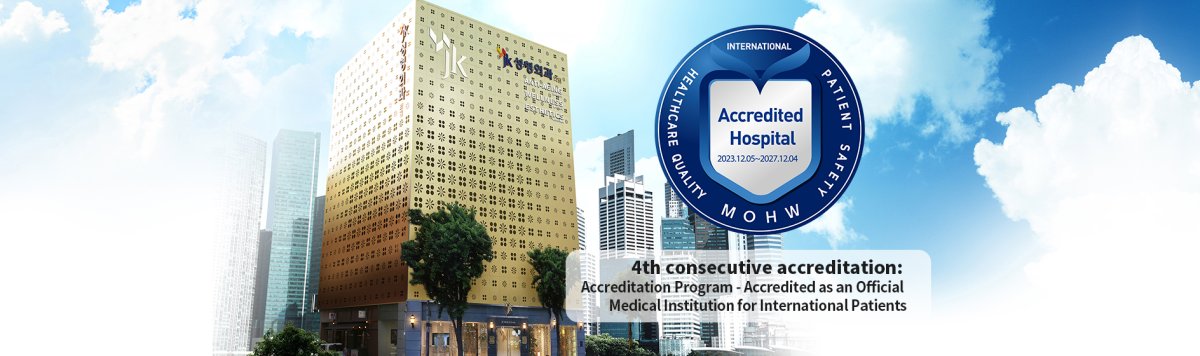
رأي خبراء Bookimed: يوفر اختيار عيادة مثل مركز جي كيه للجراحة التجميلية قيمة كبيرة. تعد هذه العيادة الأولى الحاصلة على اعتماد KAHF لسلامة المرضى الدوليين.
رغم ارتفاع أسعار عيادات جانجنام، إلا أنها توفر أنظمة أمان متقدمة ومرافق تعافٍ فاخرة. على سبيل المثال، يمتلك مركز سايرو للجراحة التجميلية خبرة تتجاوز 24 عاماً، ويُعد خياراً مفضلاً لمرضى الولايات المتحدة وأستراليا.
| تركيا | تايلاند | كوريا الجنوبية | |
|---|---|---|---|
| جراحة الأذن (انظر. تجميل الأذن) | من $1,500 | من $1,000 | من $2,800 |
| جراحة شد الأذن | من $1,800 | ≈ $1,500 | من $3,000 |
| إعادة بناء الأذن | من $3,200 | من $1,200 | ≈ $4,500 |
| إزالة الزائدة الجلدية أمام الأذن | ≈ $450 | ≈ $450 | ≈ $550 |
| أذن اصطناعية | من $6,800 | ≈ $2,800 | ≈ $4,500 |
اكتشف أفضل جراحة الأذن (انظر. تجميل الأذن) العيادات في كوريا الجنوبية: 8 خيارات معتمدة والأسعار

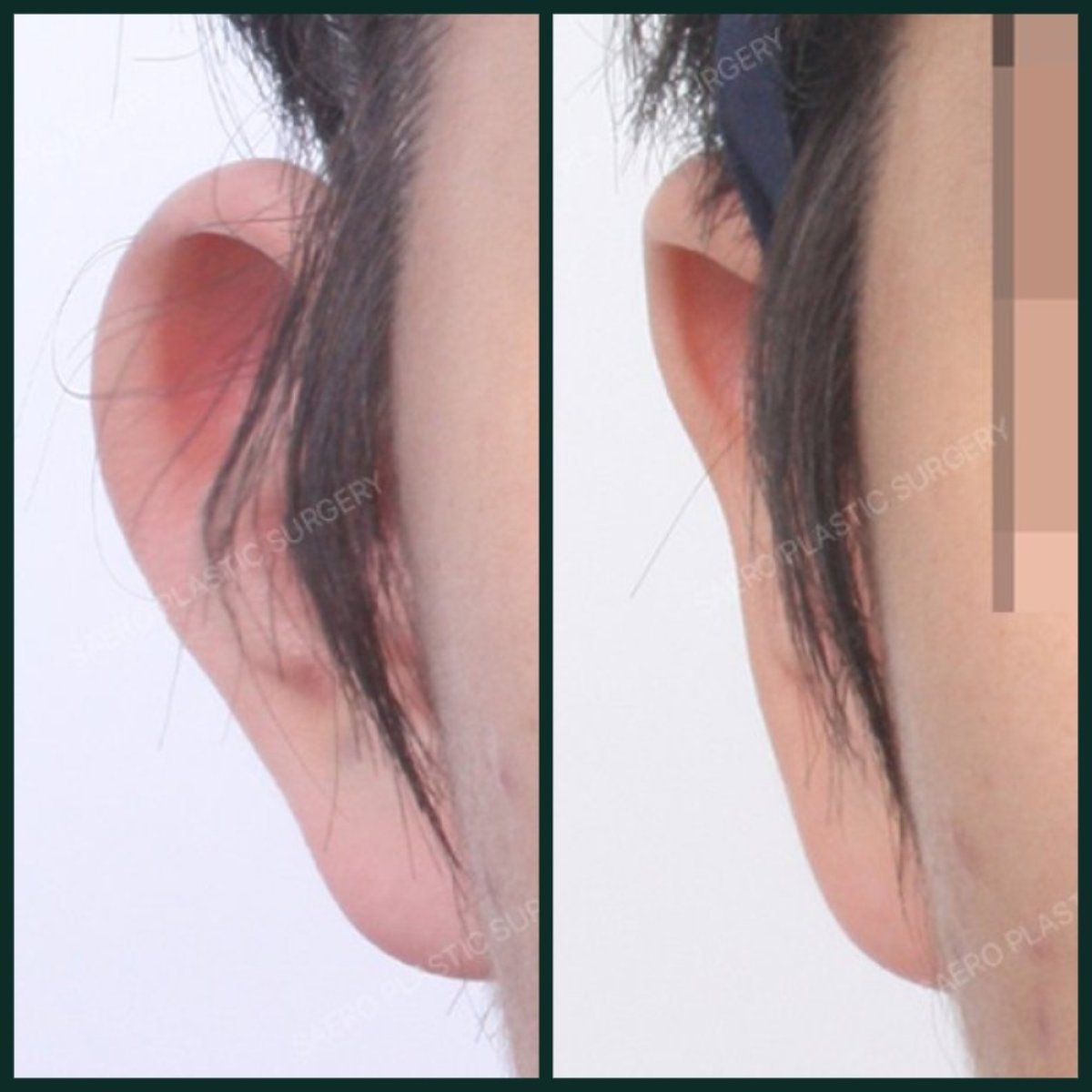
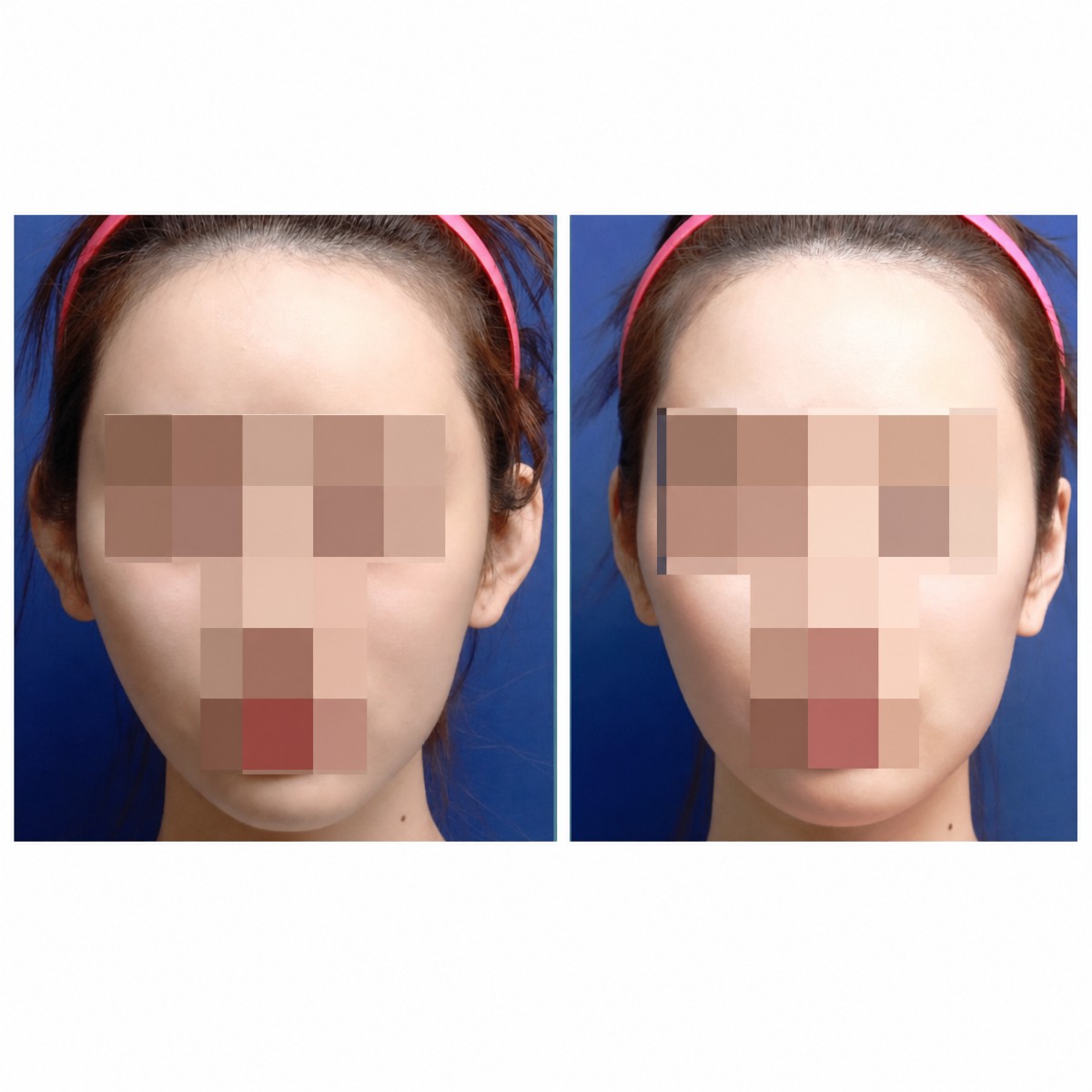
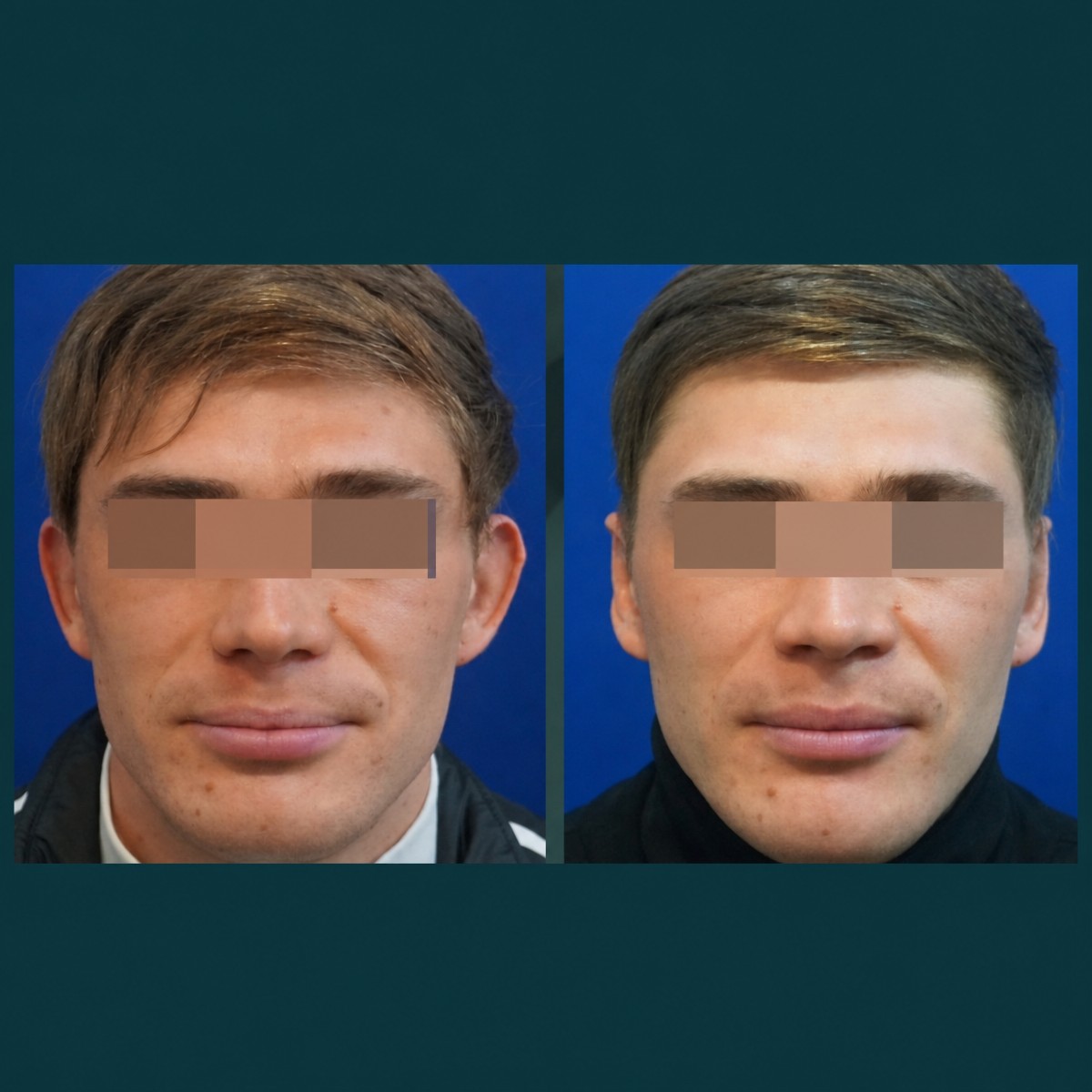
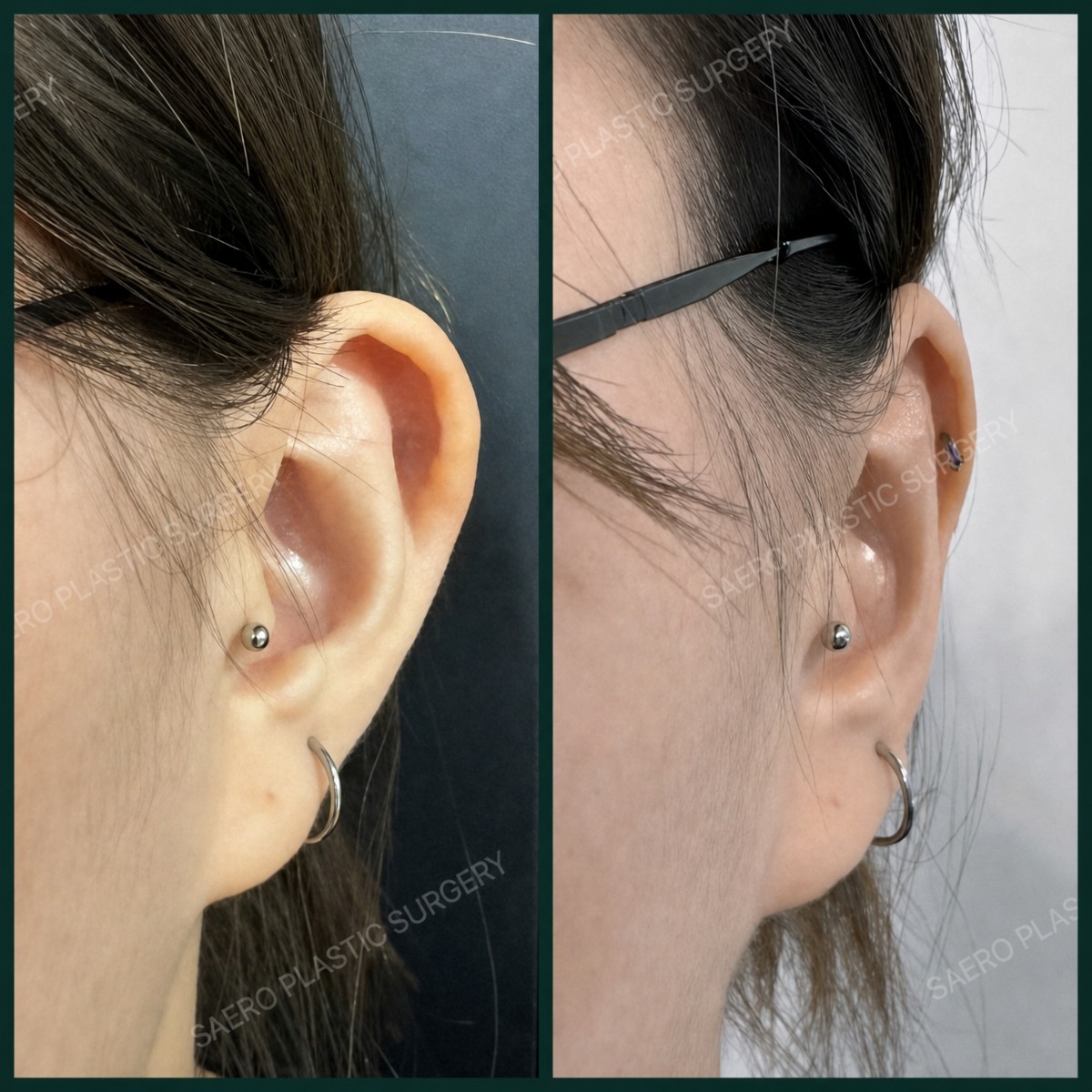

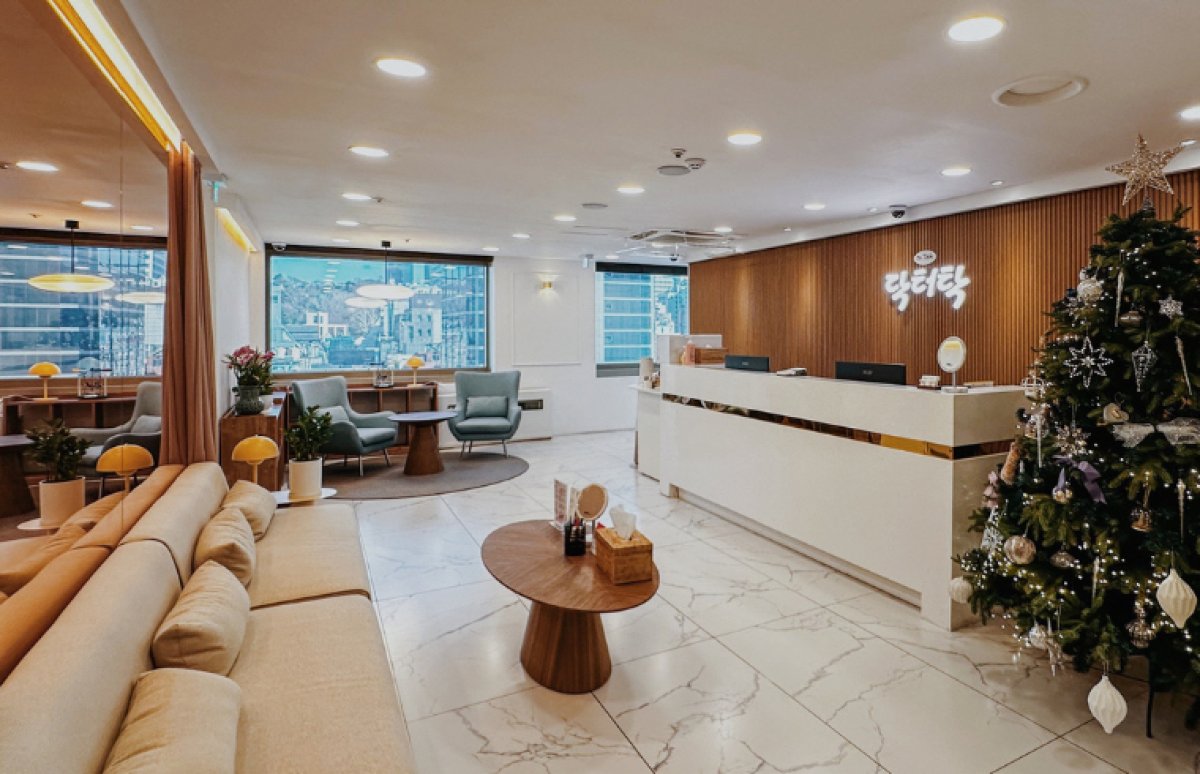
Wonjin Plastic Surgery Clinic
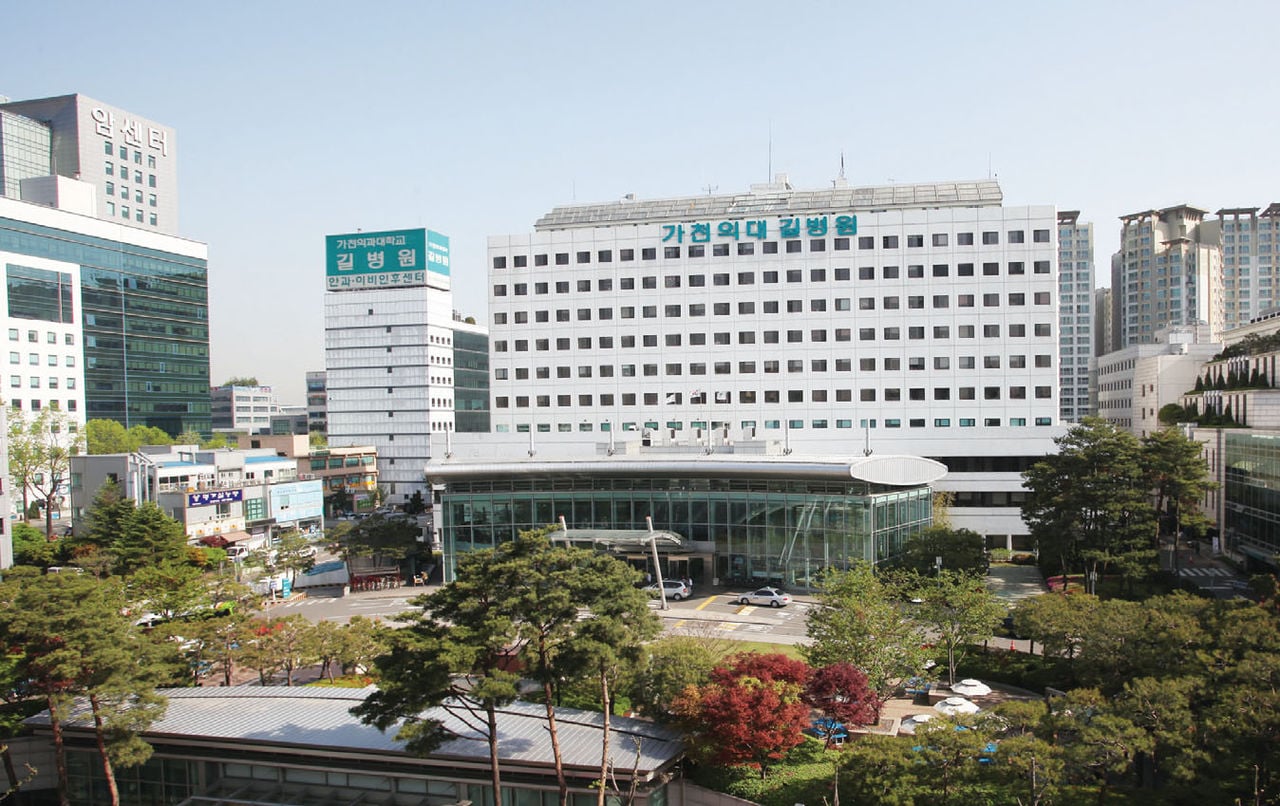


Banobagi Clinic
جراحة الأذن (انظر. تجميل الأذن) في كوريا الجنوبية: جدول زمني يومي
اليوم 1: الوصول إلى جمهورية كوريا
- يجب أن تصل إلى المطار وتنتقل إلى مكان إقامتك الذي تم ترتيبه مسبقاً.
- استرح وتأقلم مع المنطقة الزمنية المحلية.
- جهز جميع المستندات اللازمة، بما في ذلك جواز سفرك وأي سجلات طبية سابقة متعلقة بجراحة رأب الأذن.
- تأكد من حصولك على تفاصيل الاتصال بالعيادة لأي استفسارات أو مساعدة فورية.
اليوم 2: استشارة ما قبل العملية
- يجب عليك حضور الاستشارة الشخصية المقررة لك في العيادة.
- سيقوم الطبيب بتقييم حالتك ومناقشة إجراء عملية تجميل الأذن المناسب لك، مثل إجراء شق خلف الأذن لإزالة الغضروف أو طيه.
- الخضوع لفحوصات ما قبل الجراحة، بما في ذلك فحوصات الدم وتصوير الصدر بالأشعة السينية وتخطيط القلب حسب ما تتطلبه العيادة.
- مناقشة أي مخاوف أو أسئلة مع الطاقم الطبي وتأكيد الجدول الزمني للجراحة.
اليوم 3: يوم الجراحة
- يجب أن تصل إلى العيادة في الوقت المحدد لإجراء جراحة رأب الأذن.
- سيتم إجراء الجراحة تحت تأثير التخدير العميق لضمان الراحة وتقليل الألم.
- قد يتضمن الإجراء إجراء شق خلف الأذن لضبط الغضروف.
- بعد الجراحة، ستتم مراقبتك في منطقة الإفاقة قبل خروجك من المستشفى.
- يُنصح بوجود مقدم رعاية ليلي إذا أوصت العيادة بذلك، خاصةً إذا تم استخدام التخدير العام.
اليوم 4-7: مرحلة التعافي الأولية
- الراحة واتباع جميع تعليمات الرعاية بعد العملية التي تقدمها العيادة.
- تناول الأدوية الموصوفة لمدة 5 أيام للسيطرة على الألم والوقاية من العدوى.
- تجنب الأنشطة الشاقة وأبقِ رأسك مرفوعاً لتقليل التورم.
- اتصل بالعيادة إذا شعرت بأي أعراض غير معتادة أو كانت لديك مخاوف.
اليوم 8-10: موعد المتابعة
- يجب عليك العودة إلى العيادة لتحديد موعد للمتابعة لتقييم عملية الشفاء.
- قد يزيل الطبيب الغرز إذا كان الشفاء مُرضياً.
- ناقش أي رعاية أو احتياطات إضافية مطلوبة خلال فترة التعافي.
- استفسر عن أي تعديلات ضرورية على الأدوية أو الأنشطة.
اليوم 11-14: التعافي الممتد والاستعداد للمغادرة
- استمر في اتباع تعليمات الرعاية بعد الجراحة وحضور أي مواعيد إضافية للمتابعة إذا لزم الأمر.
- استعد للمغادرة من خلال التأكد من حصولك على جميع الوثائق اللازمة وتعليمات الرعاية بعد الجراحة.
- قم بتأكيد ترتيبات سفرك وتأكد من أن لديك خطة مريحة لرحلتك إلى المنزل.
- اتصل بالعيادة إذا كانت لديك أي أسئلة في اللحظة الأخيرة أو كنت بحاجة إلى مزيد من المساعدة.
اليوم 15: المغادرة من جمهورية كوريا
- يجب عليك تسجيل المغادرة من مكان إقامتك والتوجه إلى المطار لرحلتك إلى الوطن.
- تأكد من حصولك على جميع متعلقاتك وتعليمات الرعاية بعد العملية الجراحية لمواصلة التعافي في المنزل.
- ابقَ على اتصال بالعيادة للحصول على أي استشارات أو أسئلة للمتابعة بمجرد عودتك إلى المنزل.
تلتزم Bookimed، وهي منصة عالمية رائدة في مجال السياحة الطبية، بمساعدة العملاء الذين يبحثون عن جراحة الأذن في جمهورية كوريا من خلال تقديم مساعدة الخبراء والحلول الطبية الجديرة بالثقة لكل حالة. يُستخدم نظام التصنيف التلقائي الذكي لإنشاء قوائم عيادات شفافة، ويتم صيانتها بدقة بواسطة عالم بيانات يستخدم الذكاء الاصطناعي للتأكد من دقتها. تضمن المنصة الأصالة من خلال نشر مراجعات من مرضى حقيقيين بعد علاجهم. يقدم Bookimed حلولاً طبية شاملة، مع تحديثات من العيادات لضمان الثقة. المحتوى الخاص بعملية تجميل الأذن (جراحة الأذن) في جمهورية كوريا، والذي تم صياغته من قبل مؤلفين طبيين ذوي خبرة ومراجعته من قبل متخصصين، يلتزم بإرشادات Bookimed التحريرية ، مما يعكس التزام المنصة بتقديم معلومات صحية واضحة وعالية الجودة. لمزيد من التفاصيل أو الاستفسارات، لا تتردد في الاتصال بنا على Marketing@bookimed.com أو معرفة المزيد عنا وعن مهمتنا عن Bookimed .
احصل على تقييم طبي لـ جراحة الأذن (انظر. تجميل الأذن) في كوريا الجنوبية. استشر الآن 7 أطباء ذوي الخبرة.
عرض جميع الأطباء
Park Young Kyu
الدكتور بارك هو جراح تجميل معتمد متخصص في جراحة تجميل الأذن، ومعروف بدقته ورعايته التي تركز على المريض.
- حصل على جائزة أفضل طبيب مقيم من الجمعية الكورية لجراحي التجميل والترميم
- عضو كامل في الجمعية الكورية لجراحة التجميل
- أستاذ مساعد في مستشفى كانغنام للقلب المقدس
- متخصص في جراحات الأذن الترميمية والتجميلية

Yong Woo Kim
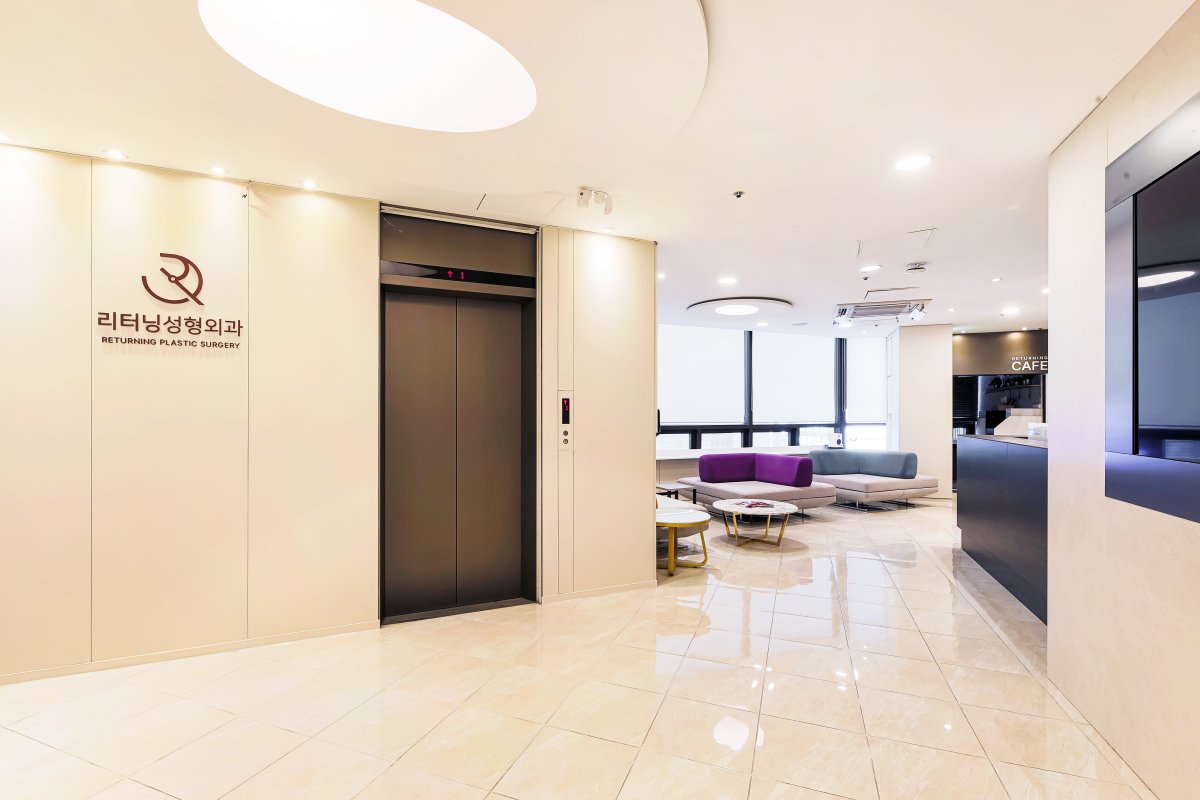
حصل الدكتور يونغ وو كيم على أعلى درجة في امتحان البورد للمقيمين في كوريا الجنوبية. وهو جراح تجميل معتمد في عيادة "ريترنينغ" (Returning Plastic Surgery) في سيول. أجرى الدكتور كيم أكثر من 1000 عملية جراحية. وهو متخصص في شد الوجه العميق، وتجميل الأنف، وتصحيح الجفون.
- تدرب في الجمعية الأمريكية للجراحة المجهرية الترميمية.
- حصل على جوائز "أفضل ورقة بحثية" من الجمعية الكورية لجراحي التجميل والترميم.
- عضو في الجمعية الكورية لجراحة التجميل.
- يعمل في عيادة معتمدة من KOIHA
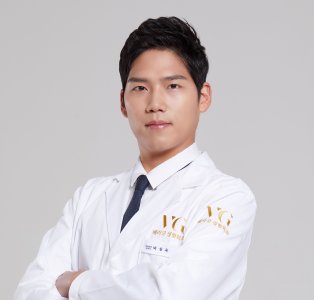
Park Sangwook
الدكتور بارك سانغ ووك هو جراح تجميل معتمد. يشغل منصب مدير عيادة VG لجراحة التجميل. أكمل إقامته في جراحة التجميل والترميم في مستشفى سيول سانت ماري، جامعة الكاثوليك في كوريا.
الدكتور بارك عضو كامل في الجمعية الكورية لجراحي التجميل والترميم (KSPRS)، والجمعية الكورية لجراحة التجميل (KSAPS)، والجمعية الكورية لجراحة الشفة والوجه والفكين (KCPCA). شغل سابقاً منصب مدير في عيادة DA لجراحة التجميل، ويقود حالياً عيادة VG لجراحة التجميل.
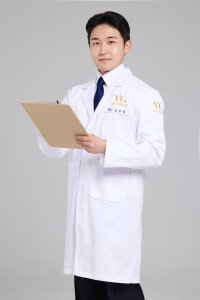
Yang Jong Phil
الدكتور يانغ جونغ فيل جرّاح تجميل معتمد في المركز الطبي لجامعة كوريا. حصل على درجة الدكتوراه في الطب (MD) من كلية الطب بجامعة كوريا. أنهى زمالة سريرية في جراحة التجميل والترميم في المركز الطبي لجامعة شيكاغو. وهو عضو نشط في مؤسسة AO.
تشمل عضوياته: الكونفدرالية الدولية لجراحة التجميل والترميم والجمالية (IPRAS)، والجمعية الأمريكية لجراحي التجميل والترميم (ASPRS)، والجمعية الأمريكية لجراحة التجميل الجمالية (ASAPS)، والجمعية الدولية لجراحة التجميل الجمالية. وهو أيضاً عضو في جمعيات كورية متخ
قصص فيديو من مرضى Bookimed
المراجعات
جميع المراجعات
جراحة الأذن (انظر. تجميل الأذن): صور قبل/بعد
عرض جميع الصور قبل وبعد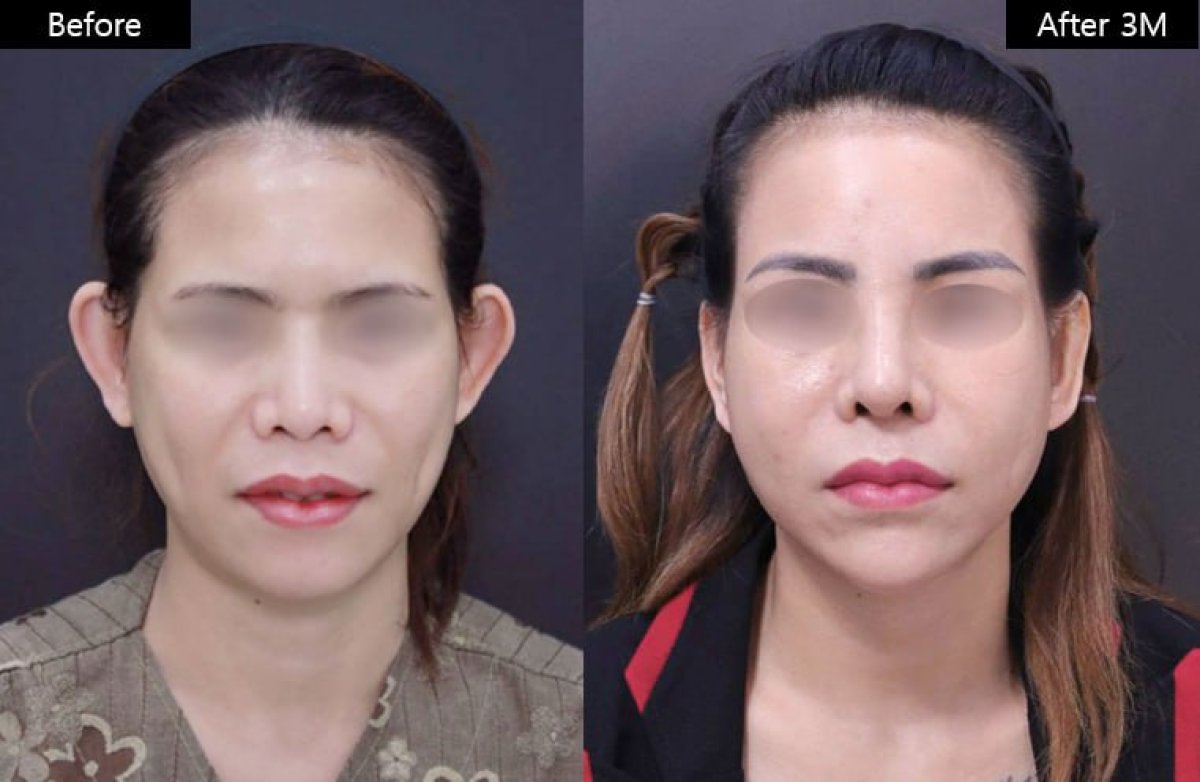
مواد ذات صلة
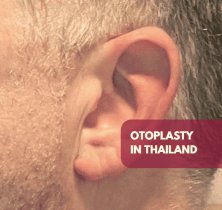
تصحيح شحمة الأذن اليسرى: رحلة مارك في عملية تجميل الأذن اليسرى
كتب بواسطة Kateryna Zamkovska
مشاركة المحتوى
 Anna Leonova
أسئلة متكررة حول جراحة الأذن (انظر. تجميل الأذن) في كوريا الجنوبية
ما الذي تتضمنه عادةً باقة عمليات تجميل الأذن في كوريا؟
تشمل باقات جراحة تجميل الأذن الكورية القياسية العملية الجراحية، والفحوصات قبل الجراحة، والتخدير الموضعي أو العام، والرعاية اللازمة بعد الجراحة. وتتضمن هذه الباقات الشاملة عادةً حقائب تعافي شخصية، وخدمات ترجمة متعددة اللغات، ومواعيد متابعة لإزالة الغرز خلال 7-14 يومًا في عيادات معتمدة في سيول.
- تشمل الخدمات السريرية تشكيل الغضروف، وتشكيل الأذن، والتخدير، وفحوصات الدم اللازمة قبل الجراحة.
- التعافي: يشمل ذلك مسكنات الألم والمضادات الحيوية وكمادات الثلج والإجراءات المتخصصة لتقليل التورم، مثل العلاج بالليزر.
- الدعم اللوجستي: يتم توفير منسقين دوليين متخصصين، وخدمة الاستقبال من المطار، والمساعدة في استرداد ضريبة القيمة المضافة بنسبة 7-10%.
- تختلف مدة الإقامة في المستشفى من إجراءات العيادات الخارجية إلى الإقامة الليلية للمرضى الداخليين، وذلك حسب مدى تعقيد الجراحة.
رأي خبراء بوكيمد: على الرغم من أن الأسعار الأساسية تتراوح بين $2,800 و $3,700، إلا أن القيمة الحقيقية في كوريا تكمن في المستوى العالي من الخبرة التخصصية. في مركز جي كي للجراحة التجميلية، يعالج الجراحون أكثر من 6000 مريض دولي سنويًا. غالبًا ما يسمح هذا الحجم للعيادات المتميزة بالتعاون مع الفنادق
ما هي العيادات في سيول التي تحظى بأعلى التقييمات في مجال جراحة تجميل الأذن؟
تضمّ سيول نخبة عيادات تجميل الأذن، منها عيادة سايرو للجراحة التجميلية، وعيادة في جي للجراحة التجميلية، ومركز جي كي للجراحة التجميلية. وتشتهر هذه المراكز بنسب نجاحها العالية، وبجراحيها المعتمدين مثل الدكتور بارك يونغ كيو، وبخدماتها المتخصصة لعلاج الأذن البارزة في منطقة غانغنام.
- عيادة سايرو للجراحة التجميلية: الدكتور بارك يونغ كيو بخبرة 24 عامًا وأكثر من 1100 عملية جراحية تم إجراؤها.
- مركز جي كي للجراحة التجميلية: منشأة معتمدة من قبل KAHF مع أكثر من 85000 عملية جراحية تجميلية ناجحة أجريت منذ عام 1998.
- عيادة VG للجراحة التجميلية: عيادة معتمدة من KOIHA تقدم أنظمة أمان متطورة وتصحيحًا متخصصًا لأذن الخفاش.
- مستشفى ID كوريا: المستشفى الوحيد المعتمد من قبل وزارة الصحة والرعاية الاجتماعية لتقديم محاكاة الإجراءات ثلاثية الأبعاد.
رأي خبراء بوكيمد: بينما تجذب المستشفيات الكبيرة مثل مستشفى آي دي أكبر عدد من السياح الطبيين، فإن المراكز الأصغر مثل مركز سايرو غالبًا ما توفر مستوى أعلى من استمرارية الرعاية. يتولى الدكتور بارك يونغ كيو في مركز سايرو جميع مراحل العلاج بدءًا من الاستشارة الأولية وحتى الخياطة. هذا الاهتمام المباشر يفسر ارتفاع معدلات رضا المرضى.
كم تستغرق العملية الجراحية وما نوع التخدير المستخدم؟
تستغرق عملية تجميل الأذن في جمهورية كوريا عادةً من ساعة إلى ثلاث ساعات، وذلك بحسب مدى تعقيد عملية تصحيح الأذن. ويُجري الجراحون العملية عادةً تحت التخدير الموضعي مع التخدير الوريدي للبالغين، مما يضمن تجربة مريحة وغير مؤلمة دون مخاطر التخدير العام.
- مدة العملية: تستغرق معظم العمليات الجراحية على كلتا الأذنين من ساعتين إلى ثلاث ساعات.
- نوع التخدير: عادةً ما يتم استخدام التخدير الموضعي مع التخدير الوريدي لضمان السلامة والراحة الأمثل.
- في ممارسة طب الأطفال، يُستخدم التخدير العام بشكل أساسي للأطفال أو المرضى الذين يعانون من قلق شديد.
- التقنيات المتقدمة: غالباً ما تقلل التقنيات الكورية الدقيقة من إصابات الأنسجة، مما يعزز التعافي العام بشكل أسرع.
رأي خبراء بوكيمد: يستخدم كبار المتخصصين الكوريين، مثل الدكتور بارك يونغ كيو من عيادة سايرو لجراحة التجميل، التخدير الموضعي المُعدَّل. يوفر هذا الأسلوب المتخصص استرخاءً أعمق من التخدير الموضعي التقليدي. تُظهر بياناتنا أن هذه التقنية مُفضَّلة في العيادات ذات الإقبال الكبير في منطقة غانغنام لتقليل الغثيان بعد الجراحة وتسريع الخروج من المستشفى.
آراء المرضى: غالباً ما يعبّر ا
هل النتائج دائمة؟
تُعتبر نتائج عملية تجميل الأذن في جمهورية كوريا دائمة، حيث تُعيد هذه العملية تشكيل غضروف الأذن أو تُزيله. ويحافظ معظم المرضى على النتائج مدى الحياة. ورغم أن التقدم في السن يؤثر على مرونة الجلد، إلا أن التغييرات الهيكلية التي يُحدثها جراحون معتمدون تظل ثابتة لعقود دون الحاجة إلى جراحة أخرى.
- نتائج تدوم طويلاً: يوفر إعادة تشكيل الغضروف تصحيحًا مدى الحياة للأذنين البارزتين أو غير المتماثلتين.
- الأساليب الجراحية: يستخدم الأخصائيون الكوريون خيوطًا غير قابلة للامتصاص لضمان تثبيت الأذنين في مكانهما.
- معدل التكرار: أقل من 5% من المرضى يعانون من انزياح طفيف للأمام في الأذنين.
- فترة الحماية: لضمان استقرار دائم، من الضروري تجنب الإصابة لمدة 6 أشهر بعد الجراحة.
رأي خبراء بوكيمد: تحقق عيادات في سيول، مثل مركز جي كي للجراحة التجميلية، استقرارًا عاليًا من خلال الجمع بين تشريح الغضروف والخياطة الداخلية الدائمة. وتشير البيانات إلى أن العيادات ذات الحجم الكبير، مثل مركز في جي للجراحة التجميلية الذي يعالج 1000 مريض سنويًا، تعطي الأولوية لهذه التقنيات متعددة المراحل لمنع الأذنين من العودة إلى شكلهما الأصلي.
آراء المرضى: أفاد
ما هو وقت التعافي؟
في كوريا الجنوبية، عادةً ما يعود المريض إلى العمل المكتبي بعد عملية تجميل الأذن في غضون 7 إلى 10 أيام. ويبلغ التورم ذروته في اليوم الثالث، وتُزال الغرز بين اليومين السابع والعاشر. أما تصحيح شكل الأذن بالكامل في عيادات سيول فيستغرق عادةً من 6 إلى 8 أسابيع.
- مدة الإقامة في المستشفى: في معظم المستشفيات الكورية، يتم تخريج المرضى في نفس اليوم بعد العملية، والتي تستغرق من ساعة إلى ساعتين.
- الملابس الضاغطة: يطلب منك جراحون مثل الدكتور بارك يونغ كيو ارتداء عصابة رأس لمدة 6-8 أسابيع.
- العودة إلى العمل: العمل المكتبي آمن بعد أسبوع واحد؛ تجنب التمارين الشاقة لمدة شهر واحد.
- النتيجة النهائية: يزول التورم الأولي بحلول الأسبوع الثالث، ويستغرق الشفاء التام من شهرين إلى ثلاثة أشهر.
رأي خبراء بوكيمد: بينما يقتصر استخدام عصابة الرأس في الولايات المتحدة عادةً على أسبوعين، فإن العيادات الكورية الرائدة مثل سايرو أو في جي للجراحة التجميلية تشترط ارتدائها لمدة تتراوح بين 6 و8 أسابيع. يساعد هذا النظام الضاغط الأكثر صرامة على ضمان استعادة دائمة لشكل الغضروف الحلزوني ويقلل من خطر عودة "ذاكرة" الغضروف.
رأي المريض: من المت
هل توجد أي قيود كبيرة خلال فترة التعافي؟
في كوريا الجنوبية، يُطلب من المرضى الذين خضعوا لعملية تجميل الأذن ارتداء عصابة رأس ضاغطة على مدار الساعة طوال الأيام الأربعة عشر الأولى لتثبيت الأذن. كما يُنصح المرضى بتجنب النوم على جانبهم، وارتداء النظارات، واستخدام سماعات الرأس لمدة أربعة أسابيع لمنع انزياح الغضروف أو حدوث شد في منطقة الشق الجراحي.
- حماية الأذن: ارتدِ عصابة الرأس التي توفرها العيادة بشكل مستمر لمدة أسبوعين، ثم كل ليلة لمدة شهر واحد.
- وضعية النوم: استخدم وسادة رقبة للسفر والتزم بالنوم على ظهرك لمدة 4 أسابيع.
- تجنب الضغط: تجنب النظارات وسماعات الرأس لمدة 4-6 أسابيع لحماية الأنسجة التي تلتئم.
- قيود النشاط: تجنب النشاط البدني الشاق لمدة 3 أسابيع والرياضات التي تتطلب احتكاكاً جسدياً لمدة 3 أشهر على الأقل.
- العناية بالنظافة: حافظ على المنطقة الجراحية جافة تمامًا، وتجنب غسل شعرك لمدة 5-7 أيام.
رأي خبراء بوكيمد: تقدم عيادات رائدة في سيول، مثل عيادة سايرو للجراحة التجميلية وعيادة في جي للجراحة التجميلية، خوذات جراحية أو واقيات أذن مصممة خصيصًا. وهي أكثر فعالية من الأربطة المطاطية القياسية المستخدمة في أماكن أخرى. استخدام هذه الأدوات الترميمية
في أي عمر يمكن إجراء عملية تجميل الأذن في كوريا؟
في جمهورية كوريا، تُجرى عملية تجميل الأذن عادةً للمرضى الذين تبلغ أعمارهم 5 سنوات فأكثر. في هذا العمر، يكون غضروف الأذن قد اكتمل نموه بنسبة 85% تقريبًا، ويصبح مستقرًا بما يكفي لإجراء عملية إعادة تشكيله. وتوصي العديد من العيادات الكورية بإجراء الجراحة قبل سن السابعة لتجنب الضغط النفسي الناتج عن التفاعل مع الأقران قبل بدء الدراسة.
- الحد الأدنى للسن: الأطفال الذين تتراوح أعمارهم بين 5 و 6 سنوات يستوفون متطلبات النمو الأساسية لجراحة الأذن.
- نمو المراهقين: يوصي بعض الجراحين ببدء الجراحة للمرضى الذكور الذين تتراوح أعمارهم بين 14 و 16 عامًا.
- المتطلبات القانونية: يجب على المرضى الذين تقل أعمارهم عن 18 عامًا تقديم موافقة الوالدين، ويجوز لهم الخضوع لفحص نفسي.
- إجراءات البالغين: لا يوجد حد أقصى للعمر لإجراء جراحة تصحيح الأذن في مراكز الجراحة التجميلية الكورية.
رأي خبراء بوكيمد: على الرغم من أن العديد من المراكز الكبيرة في سيول تركز على التناسق الجمالي، إلا أن العيادات المتخصصة غالبًا ما تجمع بين تجميل الأذن وتصغير شحمة الأذن لدى المرضى الصغار. يؤكد الدكتور بارك يونغ كيو من عيادة سايرو للجراحة التجميلية، الحاصل على تدريب دولي من جامعة كولومبيا، على أهمية تجنب الإفراط في العلاج ل