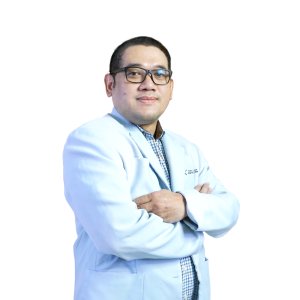
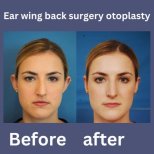
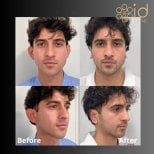
Thai otoplasty surgeons primarily conduct consultations in English and Thai for international patients. Leading specialists like Dr. Anuchit Kitsombat are fluent in English to facilitate clear communication. Major hospitals also provide dedicated translation services for Mandarin, Arabic, Japanese, and Korean to support diverse recovery needs.
- English proficiency: Most surgeons received training in the USA, UK, or Australia.
- Medical interpretation: Professional interpreters assist with technical terms during 24/7 care.
- Documentation support: Hospitals provide consent forms and recovery guides in multiple languages.
- Remote follow-ups: Video calls often include interpreters for international patients' post-operative checkups.
Bookimed Expert Insight: Data shows that otoplasty surgeons in Bangkok often hold certifications from international bodies like ISAPS or ASPS. Dr. Tanongsak Panyawirunroj and Dr. Chen Chaicharncheep have trained in multiple countries including Korea, Taiwan, and Italy. This global exposure means they are accustomed to Western medical terminology and diverse patient communication styles. Patients can expect detailed otoplasty consultations starting from $40 with specialists like Dr. Chen Chaicharncheep.
Patient Consensus: Patients note that consultations are often entirely in fluent English with no issues explaining surgical risks. Some were surprised to have dedicated language-specific nurses who checked their incisions weekly during recovery. Digital tools like translation apps or video calls help bridge any minor communication gaps during late-night follow-up questions.