جراحة الأذن (انظر. تجميل الأذن) في ألمانيا: 1 عيادة


تمت مراجعة المقالة طبيا من قبل
فهد مولود
ما هي تكلفة جراحة الأذن (انظر. تجميل الأذن) في ألمانيا؟ اكتشف الآن
من $3,400. يعتمد السعر النهائي على إجراء الجراحة لأذن واحدة أو كلتيهما، والتقنية المستخدمة، وموقع العيادة. تشمل عروض الأسعار غالباً أتعاب الجراح، والتخدير، والاستشارات الأولية.
- إعادة بناء الأذن: من $3,400 لتصحيح الهياكل المعقدة.
- جراحة شد الأذن: من $3,400.
- الأذن الصناعية: من $3,500 إلى $7,500.
- تصحيح الأذنين معاً: تزيد التكلفة غالباً بنسبة 15-25 % عن إجراء أذن واحدة.
رأي خبراء Bookimed: توفر ألمانيا خبرات متميزة بأسعار خاضعة للرقابة. يُعد مستشفى أسكليبيوس بارمبيك من المرافق الرائدة حسب تصنيف Focus. يستقبل المستشفى 80,000 مريض دولي سنوياً. يضمن اختيار جراحين حاصلين على ثلاث شهادات تخصصية، مثل دكتور وليد الجابو، جودة عالية. غالباً ما تشمل التكاليف المرتفعة في مراكز مثل هامبورغ خدمات متميزة ومعايير JCI. يُنصح بالتأكد من شمول التكلفة للتخدير، حيث تضعه بعض العيادات الألمانية في بند منفصل.
| ألمانيا | تركيا | تايلاند | |
|---|---|---|---|
| جراحة الأذن (انظر. تجميل الأذن) | من $3,400 | من $1,500 | من $1,000 |
| جراحة شد الأذن | من $3,400 | من $1,800 | ≈ $1,500 |
| إعادة بناء الأذن | من $3,400 | من $3,200 | من $1,200 |
| إزالة الزائدة الجلدية أمام الأذن | ≈ $650 | ≈ $450 | ≈ $450 |
| أذن اصطناعية | ≈ $3,500 | من $6,800 | ≈ $2,800 |
مزاياك وضماناتك مع Bookimed
أسعار مباشرة
Bookimed لا يضيف رسوماً إضافية على أسعار جراحة الأذن (انظر. تجميل الأذن). الأسعار مأخوذة من قوائم الأسعار الرسمية للعيادات. تدفع مباشرة في العيادة مقابل جراحة الأذن (انظر. تجميل الأذن) عند وصولك.
عيادات وأطباء معتمدون فقط
Bookimed ملتزم بسلامتك. نحن نعمل فقط مع المؤسسات الطبية التي تحافظ على معايير دولية عالية في جراحة الأذن (انظر. تجميل الأذن) ولديها التراخيص اللازمة لخدمة المرضى الدوليين في جميع أنحاء العالم.
مساعدة مجانية على مدار الساعة
Bookimed يقدم مساعدة خبراء مجانية. منسق طبي شخصي يدعمك قبل وأثناء وبعد العلاج، ويحل أي مشاكل. لن تكون وحيداً أبداً في رحلة جراحة الأذن (انظر. تجميل الأذن).

منسقك الطبي الشخصي في Bookimed
- يدعمك في كل مرحلة
- المساعدة في اختيار العيادة الطبية المناسبة والطبيب المناسب
- يضمن الوصول السريع والمريح إلى المعلومات
اكتشف أفضل جراحة الأذن (انظر. تجميل الأذن) العيادات في ألمانيا: 1 خيار معتمدة والأسعار


جراحة الأذن (انظر. تجميل الأذن) في ألمانيا: جدول زمني يومي
اليوم 1: الوصول إلى ألمانيا
- يجب عليك الوصول إلى ألمانيا وتسجيل الوصول إلى مكان إقامتك الذي تم ترتيبه مسبقاً. تأكد من حصولك على جميع المستندات اللازمة، بما في ذلك السجلات الطبية والهوية.
- اتصل بالعيادة لتأكيد وصولك وتحديد موعد لأي استشارات قبل الجراحة إذا لم تكن قد أجريت بالفعل.
- استرح وتأقلم مع المنطقة الزمنية المحلية. سيضمن لك ذلك أن تكون مرتاحاً جيداً للإجراء القادم.
اليوم 2: استشارة ما قبل العملية
- تحتاج إلى حضور استشارة مفصلة مع الجراح لمناقشة عملية تجميل الأذن. يعتمد اختيار الأسلوب الجراحي على نتائج التقييم التشخيصي واحتياجاتك الخاصة.
- قد يتم إجراء اختبارات تشخيصية للتأكد من لياقتك للجراحة. وقد يشمل ذلك اختبارات الدم أو التصوير بالأشعة إذا رأى الجراح ضرورة لذلك.
- ناقش أي مخاوف أو أسئلة مع الفريق الطبي. فهم موجودون لمساعدتك وتوضيح العملية والنتائج المتوقعة.
- تلقي شرحاً مفصلاً للخطة الجراحية، بما في ذلك الشكل المتوقع للأذنين ووضعهما بعد الجراحة.
اليوم 3: يوم الجراحة
- يجب أن تصل إلى العيادة في الوقت المحدد. تأكد من أنك صائم إذا طلب منك الفريق الطبي ذلك.
- سيتم إجراء عملية تجميل الأذن تحت تأثير التخدير الموضعي أو التخدير العام، حسب درجة تعقيد الجراحة وتفضيلاتك.
- تتضمن الجراحة عادةً إعادة تشكيل غضروف الأذن لتحقيق المظهر المطلوب. يمكن استخدام تقنيات مثل تقنية موستاردي أو تقنية فورناس المصممة خصيصاً لتلبية احتياجاتك الخاصة.
- بعد الجراحة، ستتم مراقبتك في غرفة الإفاقة حتى تزول آثار التخدير.
اليوم 4: رعاية ما بعد الجراحة
- ستحتاج إلى حضور فحص ما بعد الجراحة في العيادة للتأكد من تعافي موضع الجراحة بشكل صحيح.
- احصل على تعليمات حول كيفية العناية بأذنيك، بما في ذلك تنظيف المنطقة والتعامل مع أي ضمادات.
- ناقش أي خيارات لإدارة الألم مع طبيبك. قد يوصى باستخدام مسكنات الألم التي لا تستلزم وصفة طبية مثل الإيبوبروفين.
- من الضروري تجنب النوم على جانبك لمنع الضغط على الأذنين. ضع في اعتبارك استخدام وسادة السفر لدعم رقبتك وإبقاء رأسك مرتفعاً.
اليوم 5-7: فترة التعافي
- استمر في اتباع تعليمات الرعاية بعد العملية الجراحية بجدية. حافظ على منطقة الجراحة نظيفة وجافة.
- احضر أي مواعيد مجدولة للمتابعة لمراقبة عملية الشفاء.
- الحد من الأنشطة البدنية وتجنب أي تمارين شاقة للوقاية من المضاعفات.
- اتصل بالعيادة على الفور في حالة ظهور أي علامات للعدوى، مثل زيادة الاحمرار أو التورم أو الحمى.
اليوم 8: استشارة المتابعة
- يجب عليك العودة إلى العيادة لإجراء استشارة متابعة. سيقوم الجراح بتقييم تقدم الشفاء وإزالة أي غرز غير قابلة للفك إذا لزم الأمر.
- احصل على مزيد من الإرشادات حول متى يمكنك استئناف الأنشطة العادية، بما في ذلك ممارسة الرياضة والعمل.
- مناقشة أي مخاوف أو أسئلة حول نتائج الجراحة وأي رعاية إضافية مطلوبة.
اليوم 9: الاستعداد للمغادرة
- تأكد من حصولك على جميع مستلزمات الرعاية اللازمة بعد الجراحة لرحلتك إلى المنزل، مثل الضمادات أو الأدوية الموصوفة لك.
- قم بتأكيد ترتيبات سفرك وتأكد من إتاحة الوقت الكافي للتعافي قبل السفر.
- اتصل بالعيادة إذا كنت بحاجة إلى أي وثائق طبية أو دعم إضافي لرحلة العودة.
اليوم 10: العودة إلى المنزل
- يجب عليك العودة إلى المنزل مع الحرص على حماية أذنيك أثناء الرحلة. تجنب تغيرات الضغط باستخدام سدادات الأذن في حالة السفر بالطائرة.
- استمر في اتباع أي تعليمات رعاية متبقية بعد العملية الجراحية التي قدمها لك الجراح.
- حدد أي مواعيد متابعة ضرورية مع مقدم الرعاية الصحية المحلي لضمان استمرار الشفاء.
تلتزم Bookimed، وهي منصة عالمية رائدة في مجال السياحة الطبية، بمساعدة العملاء الذين يبحثون عن جراحة الأذن في ألمانيا من خلال تقديم مساعدة الخبراء والحلول الطبية الجديرة بالثقة لكل حالة. يُستخدم نظام التصنيف التلقائي الذكي لإنشاء قوائم عيادات شفافة، ويتم صيانتها بدقة بواسطة عالم بيانات يستخدم الذكاء الاصطناعي للتأكد من دقتها. تضمن المنصة الأصالة من خلال نشر مراجعات من مرضى حقيقيين بعد علاجهم. يقدم Bookimed حلولاً طبية شاملة، مع تحديثات من العيادات لضمان الثقة. المحتوى الخاص بعملية تجميل الأذن (جراحة الأذن) في ألمانيا، والذي تم صياغته من قبل مؤلفين طبيين ذوي خبرة ومراجعته من قبل متخصصين، يلتزم بإرشادات Bookimed التحريرية ، مما يعكس التزام المنصة بتقديم معلومات صحية واضحة وعالية الجودة. لمزيد من التفاصيل أو الاستفسارات، لا تتردد في الاتصال بنا على Marketing@bookimed.com أو معرفة المزيد عنا وعن مهمتنا عن Bookimed .
احصل على تقييم طبي لـ جراحة الأذن (انظر. تجميل الأذن) في ألمانيا: اختر أخصائيك من بين الأفضل في هذا المجال
عرض جميع الأطباء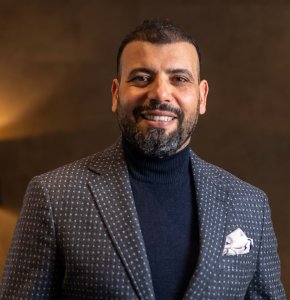
Walid Eljabu
يحمل الدكتور وليد الجابو شهادات البورد في الجراحة التجميلية والترميمية، وجراحة اليد، وجراحة الإصابات، مما يجمع بين خبرة نادرة لإجراء عمليات تجميل الأذن بدقة عالية.
- تدرب في المملكة المتحدة وألمانيا مع تدريب تجميلي متخصص في السويد وتركيا
- عضو في الجمعية الأوروبية لجراحي تجميل الأنف والجمعية الأمريكية لجراحي التجميل
- يستخدم تقنيات الجراحة المجهرية من جراحة اليد لتصحيح الأذن بأقل تدخل جراحي
- الرئيس التنفيذي وكبير الجراحين في Esthétique du Nord في هامبورغ
- حاصل على البورد الألماني في ثلاثة تخصصات جراحية مما يضمن إتقانًا تشريحيًا

Gerd Friedrich Westphal
يُعد الدكتور غيرد فريدريش ويستفال من بين أفضل جراحي تجميل الوجه في ألمانيا، ويتمتع بخبرة واسعة في الإجراءات التجميلية والترميمية.
- متخصص في جراحات تجميل الوجه والثدي
- استشاري أول في الجراحة التجميلية في Meoclinic
- عضو الجمعية الألمانية لجراحي التجميل
- طبيب زائر في Clínica de Cirurgia Plástica Uebel ومستشفيات Shriners للأطفال
قصص فيديو من مرضى Bookimed
مواد ذات صلة
تصحيح شحمة الأذن اليسرى: رحلة مارك في عملية تجميل الأذن اليسرى
كتب بواسطة Kateryna Zamkovska
مشاركة المحتوى
 Anna Leonova
أسئلة متكررة حول جراحة الأذن (انظر. تجميل الأذن) في ألمانيا
هل يغطي التأمين الصحي الألماني جراحة تجميل الأذن (Otoplasty)؟
يغطي التأمين الصحي القانوني في ألمانيا عادةً جراحة تجميل الأذن للأطفال حتى سن 14 عاماً لمنع الضيق النفسي الناتج عن التنمر. نادراً ما يتم تغطية البالغين ما لم تصحح الجراحة صدمة، أو تشوهات خلقية، أو مشاكل وظيفية بعد جراحة السرطان أو الحوادث الخطيرة.
- تغطية الأطفال: غالباً ما يوافق المؤمنون على الحالات للأطفال قبل بدء المدرسة الابتدائية.
- أهلية البالغين: تتطلب التغطية عادةً ضرورة طبية، مثل إعادة البناء بعد صدمة شديدة.
- عملية الموافقة: يجب على المرضى تقديم تقرير طبي (Attest) وطلب رسمي قبل الجراحة.
- العلاج الخاص: تتراوح التكاليف التي يتحملها البالغون في ألمانيا بين من $3,400.
رؤية خبير Bookimed: بينما يتبع التأمين العام حدوداً عمرية صارمة، فإن اختيار جراح معتمد ثلاثياً مثل الدكتور وليد الجابو في Esthétique du Nord يضمن أن حالات إعادة البناء تلبي معايير سريرية عالية. إذا كنت بالغاً تسعى لإجراء جراحة تجميل الأذن لأسباب تجميلية، فتوقع الدفع بشكل خاص لأن شركات التأمين تعطي الأولوية للاستعادة الوظيفية على المظهر. تظهر بياناتنا أن المراكز ذات الحجم الكبير في هامبورغ وبرلين تحافظ على أفضل توازن بين الرعاية المتخصصة والتسعير الشفاف للحالات الاختيارية.
إجماع المرضى: يؤكد المرضى على أهمية الحصول على تفويض مسبق مكتوب من Krankenkasse قبل حجز أي إجراءات. يجد معظمهم أن توثيق الضيق النفسي نادراً ما يكون كافياً لتغطية البالغين بدون تاريخ طبي وظيفي أو صدمي.
ما هو العمر المثالي لعملية تجميل الأذن في ألمانيا؟
العمر المثالي لعملية تجميل الأذن في ألمانيا يتراوح بين 5 و 7 سنوات. في هذه المرحلة، تكون الأذن قد وصلت إلى 85-90% من حجمها الكامل. يضمن هذا التوقيت نتائج هيكلية دائمة ويمنع الضغوط الاجتماعية قبل دخول الطفل إلى نظام المدرسة الابتدائية.
- مرونة الغضروف: تستفيد الجراحة المبكرة من الغضروف المرن الذي يعاد تشكيله بسهولة مع مقاومة جراحية ضئيلة.
- التوقيت النفسي: يساعد إجراء العملية قبل السنة الدراسية الأولى في تجنب التنمر أو السخرية الاجتماعية المحتملة.
- معايير التخدير: تجري العيادات الألمانية إجراءات الأطفال تحت التخدير العام لضمان سلامة المريض وهدوئه.
- حدود التأمين: تغطي شركات التأمين العامة غالباً التكاليف للمرضى الذين تقل أعمارهم عن 14 عاماً مع إحالة نفسية.
رؤية خبير Bookimed: على الرغم من تفضيل مرحلة الطفولة طبياً، يركز المتخصصون الألمان مثل الدكتور وليد الجابو في Esthétique du Nord بشكل كبير على جماليات البالغين. تظهر البيانات أن عيادات البالغين تخدم غالباً مرضى دوليين يبحثون عن خبرة معتمدة. إذا تم إجراء الجراحة بعد سن 14 عاماً، يصبح التخدير الموضعي خياراً شائعاً وأقل خطورة للمرضى المتعاونين.
إجماع المرضى: تختار العديد من العائلات فترة ما قبل المدرسة لحماية ثقة طفلهم. ومع ذلك، غالباً ما يبلغ البالغون عن نتائج ممتازة، مشيرين في كثير من الأحيان إلى أنهم يتمنون لو خضعوا للإجراء قبل سنوات.
ما هي التقنيات الجراحية التي تستخدمها العيادات الألمانية؟
تتخصص العيادات الألمانية في تقنيات تجميل الأذن طفيفة التوغل التي تركز على النتائج الطبيعية وإخفاء الندبات. يستخدم الجراحون بشكل أساسي غرز الغضروف من نوع Mustardé و Furnas جنبًا إلى جنب مع نهج الشق الخلفي. تعطي هذه المنهجيات الأولوية لإعادة تكوين الطيات الطبيعية والتناظر مع تجنب المظهر الاصطناعي المفرط في التصحيح الذي غالبًا ما يرتبط بجراحة تجميل الأذن التقليدية.
- تقنيات تجميل الأذن: تستخدم العيادات غرز الغضروف من نوع Mustardé و Furnas لإعادة تشكيل الأذن بدقة.
- نهج الشق: يقوم الجراحون بإجراء شقوق خلفية خلف الأذن لضمان بقاء الندبات الدائمة مخفية.
- إدارة الغضروف: تعالج تقنيات تنقيط وإعادة تشكيل الغضروف المتخصصة السماكة للحصول على وضع دائم وطبيعي.
- التركيز الجمالي: يعطي المتخصصون الألمان الأولوية لإعادة تكوين الطيات الطبيعية على التثبيت البسيط لمنع التصحيح المفرط.
رؤية خبير Bookimed: غالبًا ما يكون التميز الجراحي الألماني مدفوعًا بالخبرة متعددة التخصصات. على سبيل المثال، يحمل الدكتور وليد الجابو في Esthétique du Nord ثلاث شهادات في الجراحة التجميلية وجراحة اليد وجراحة الصدمات. يترجم هذا التدريب المكثف إلى دقة أعلى في عمليات إعادة بناء الأذن الدقيقة ومعدلات تكرار أقل مقارنة بالممارسات التجميلية العامة. غالبًا ما يضمن اختيار جراح لديه خلفية في الصدمات أو الجراحة الترميمية إدارة أفضل لذاكرة الغضروف أثناء عملية الشفاء.
إجماع المرضى: يؤكد المرضى أن فحوصات التناظر تتكرر طوال الإجراء لضمان نتائج متوازنة. يشير الكثيرون إلى أن فت
ما هو نوع التخدير المستخدم في جراحة تجميل الأذن؟
تُجرى جراحة تجميل الأذن في ألمانيا عادةً تحت التخدير الموضعي مع التخدير الوريدي للبالغين، مما يضمن تجربة مريحة وغير مؤلمة. غالبًا ما يستخدم الجراحون التخدير العام للأطفال للحفاظ على الراحة وعدم الحركة. يعتمد الاختيار على تعقيد الجراحة ومستويات قلق المريض في العيادات المعتمدة.
- تخدير البالغين: عوامل تخدير موضعية غالبًا ما تقترن بالتخدير الوريدي لاسترخاء أعمق.
- بروتوكولات الأطفال: التخدير العام هو المعيار للمرضى الأصغر سنًا لضمان الثبات التام.
- الإعداد الجراحي: تتم الإجراءات في عيادات خاصة أو مرافق متخصصة مثل Esthétique du Nord.
- راحة المريض: الخيارات الموضعية تمنع الألم بفعالية ولكنها تسمح للمرضى بالبقاء مستيقظين.
رؤية خبير Bookimed: تؤكد الثقافة الجراحية الألمانية على الاستشارات الدقيقة والهادئة التي تؤثر بشكل مباشر على اختيار التخدير. يحمل الأخصائي وليد الجابو في Esthétique du Nord شهادات البورد الألماني في تخصصات جراحية متعددة، مما يشير إلى بروتوكولات سلامة متطورة للغاية. يجب على المرضى ملاحظة أن العيادات الألمانية غالبًا ما تميز بين التصحيحات اللطيفة والأعمال الترميمية عند تحديد عمق التخدير.
إجماع المرضى: يجد العديد من المرضى أن التخدير الموضعي أقل إيلامًا مما كان متوقعًا، على الرغم من أن البعض يلاحظ ضغطًا أو أصوات شد. غالبًا ما يفضل أولئك الذين يعانون من قلق أعلى التخدير العام لتجنب الضغط النفسي الناتج عن البقاء مستيقظًا.
كيف تبدو فترة التعافي بعد الجراحة؟
تتضمن فترة التعافي بعد جراحة تجميل الأذن (otoplasty) في ألمانيا جدولاً زمنياً منظماً يركز على حماية وضع الأذن الجديد. يرتدي المرضى عادةً ضمادة رأس سميكة خلال الأيام الثلاثة إلى السبعة الأولى، تليها عصابة رأس داعمة في الليل لعدة أسابيع لمنع حدوث أي صدمات عرضية أثناء النوم.
- الإقامة في المستشفى: معظم الإجراءات تتم في العيادات الخارجية، على الرغم من أن بعض العيادات توفر ليلة واحدة للمراقبة.
- الشفاء الأولي: يصل التورم والكدمات إلى ذروتهما حوالي اليوم الثالث قبل أن يتلاشيا تدريجياً على مدار أسبوعين.
- مستويات النشاط: يمكن استئناف العمل المكتبي خلال 7 أيام، بينما تتطلب الرياضات التي تتطلب احتكاكاً جسدياً فترة راحة لمدة 6 أسابيع.
- إزالة الغرز: يقوم الجراحون عادةً بإزالة الغرز غير القابلة للامتصاص في غضون 7 إلى 10 أيام بعد الجراحة.
رؤية خبير Bookimed: تؤكد العيادات الألمانية مثل Esthétique du Nord أن مرحلة ارتداء عصابة الرأس الليلية هي أهم خطوة في التعافي. غالباً ما يوضح الجراحون المعتمدون مثل الدكتور وليد الجابو أنه على الرغم من أن الشق يلتئم بسرعة، إلا أن الغضروف الداخلي يحتاج إلى 6 أسابيع من الحماية ليستقر تماماً في وضعه الجديد.
إجماع المرضى: غالباً ما يجد المرضى أن النوم على الظهر وارتداء عصابة الرأس المقيدة أكثر صعوبة من الألم الجراحي الفعلي. يوصي الكثيرون باستخدام وسادة السفر لتجنب التدحرج على الجانب بينما تظل الأذنان حساسة ومخدرة خلال الأسابيع الأولى.
ما هي المستشفيات في ألمانيا التي تحظى بأعلى التقييمات في جراحة الأعصاب؟
تضم ألمانيا بعضًا من أرقى أقسام جراحة الأعصاب في العالم، بقيادة مستشفى شاريتيه الجامعي في برلين ومستشفى جامعة هايدلبرغ. وتتميز هذه المراكز بخبرتها الواسعة في علاج أورام الدماغ المعقدة وأمراض الأوعية الدموية الدماغية. ولتحقيق أقصى قدر من الفعالية في عملياتها، تستخدم هذه المراكز أحدث التقنيات، مثل التصوير بالرنين المغناطيسي أثناء الجراحة والتوجيه العصبي بمساعدة الحاسوب.
- مستشفى شاريتيه برلين: يُجري أكثر من 5000 عملية جراحية سنوياً. ويرأس العيادة جراح الأعصاب الشهير الدكتور بيتر فايكوتشي.
- المركز الطبي في سولينجن: أجرى الدكتور رالف بوهل أكثر من 4000 عملية جراحية، بما في ذلك جراحات العمود الفقري طفيفة التوغل.
- عيادة أسكليبيوس نورد: مجهزة بنظام التصوير بالرنين المغناطيسي الثنائي الوحيد في ألمانيا أثناء الجراحة لضمان الدقة الجراحية في الوقت الحقيقي أثناء إزالة الورم.
- عيادة نوردويست: تم الاعتراف بها من قبل مجلة نيوزويك كمستشفى رائد في مجال الابتكار في تكنولوجيا الموجات فوق الصوتية ثلاثية الأبعاد.
رأي خبراء بوكيمد: تشير البيانات إلى أن اختيار المراكز ذات الحجم الجراحي الكبير غالبًا ما يؤدي إلى توصيات علاجية أكثر تحفظًا. ففي مركز سولينجن الطبي، الذي يعالج أكثر من 60,000 مريض
ما هي نسب نجاح العمليات الجراحية العصبية المعقدة في ألمانيا؟
في ألمانيا، تتميز العمليات الجراحية العصبية بالغة التعقيد بمستوى أمان استثنائي. تصل نسبة نجاح عمليات دمج الفقرات إلى 99%، بينما تبلغ نسبة النجاة بعد استئصال أورام الدماغ الأولية 97%. كما يتمتع المرضى بقدرة عالية على الاعتماد على أنفسهم في أداء وظائفهم اليومية، حيث يغادر أكثر من 82% منهم المستشفى مباشرةً بعد العلاج. وتولي المراكز الألمانية اهتماماً بالغاً بالحفاظ على الوظائف العصبية باستخدام أحدث تقنيات التخطيط العصبي.
- استئصال الورم: يحقق الجراحون استئصالًا كاملاً للورم في 87.2% من حالات النقائل الدماغية.
- النجاح في علاج أمراض الأوعية الدموية: أفادت المستشفيات الألمانية بنسبة نجاة بلغت 98.7% لحالات تمدد الأوعية الدموية غير الممزقة.
- تحسن الحالة العصبية: يشهد ما يقرب من 43% من المرضى تحسناً في المعايير الوظيفية بعد عمليات الاستئصال المعقدة.
- سلامة التدخلات الجراحية: في المراكز الجراحية الكبيرة، تتراوح معدلات بقاء المرضى على قيد الحياة بعد جراحة العمود الفقري بين 98-99%.
رأي خبراء بوكيمد: يُجري جراحون ذوو خبرة، مثل الدكتور أوفه كولر من عيادة أسكليبيوس ألتونا، أكثر من 2000 عملية جراحية سنويًا. تُشير البيانات إلى أن هؤلاء المتخصصين يحافظون على معدلات نجاح تصل إلى 90%، حتى
ما هي التقنيات المتقدمة المتوفرة عادةً في عيادات جراحة الأعصاب الألمانية؟
تُدخل عيادات جراحة الأعصاب الألمانية بانتظام أدوات رقمية عالية الدقة وتقنيات تصوير فوري في الممارسة الجراحية. تشمل التقنيات الرئيسية الملاحة العصبية الحاسوبية لجراحات الدماغ والحبل الشوكي. تستخدم مؤسسات مثل عيادة أسكليبيوس نورد التصوير بالرنين المغناطيسي أثناء الجراحة للتحقق من استئصال الورم في الوقت الفعلي. توفر هذه الأنظمة للجراحين نظام ملاحة ثلاثي الأبعاد.
- الملاحة العصبية: توفر تصورًا ثلاثي الأبعاد وتتبعًا فوريًا للأدوات لتحقيق دقة جراحية تصل إلى مستوى أقل من المليمتر.
- التصوير أثناء العملية: تسمح أنظمة مثل التصوير بالرنين المغناطيسي أثناء العملية (iMRI) والتصوير المقطعي المحوسب ذي الذراع O (O-arm CT) بالتأكيد الفوري على نجاح عملية الاستئصال.
- المراقبة العصبية: تراقب الوظائف الحركية والحسية أثناء الجراحة لحماية الجهاز العصبي.
- التشخيص الفلوري: يتم استخدام صبغة 5-ALA لتسليط الضوء على حدود الورم من أجل إزالته بشكل أكثر اكتمالاً.
- المساعدة الروبوتية: تعمل أنظمة مثل نظام دافنشي على تحسين الدقة في الإجراءات المعقدة ذات التدخل الجراحي البسيط.
رأي خبراء بوكيمد: تُجري مراكز طبية كبيرة، مثل مستشفى شاريتيه الج
ما هي التدريبات المتخصصة التي يتلقاها جراحو الأعصاب الممارسون في ألمانيا؟
في ألمانيا، يتعين على جراحي الأعصاب إكمال برنامج إقامة تخصصي لمدة ست سنوات بعد التخرج من كلية الطب. يشمل هذا البرنامج المنظم العناية المركزة، والتدريب السريري، وكتابة مقالات في مجلة جراحية إلزامية. بعد ذلك، يجتاز المرشحون امتحانًا حكوميًا للحصول على لقب طبيب مقيم (Facharzt für Neurochirurgie).
- الإقامة السريرية: تتطلب من 48 إلى 72 شهرًا من الممارسة المتخصصة في جراحة الأعصاب.
- العناية المركزة: تتضمن فترة تدريب إلزامية لمدة 6 أشهر في وحدة العناية المركزة لجراحة الأعصاب.
- المجلة الجراحية: يوثق الجراحون مئات العمليات الجراحية، بما في ذلك عمليات فتح الجمجمة وجراحات العمود الفقري.
- امتحان الترخيص: يجب على المتقدمين اجتياز امتحان طبي شفوي وعملي تديره الدولة.
رأي خبراء بوكيميد: يركز التدريب الألماني في جراحة الأعصاب على الخبرة الجراحية الواسعة. فعلى سبيل المثال، أجرى الدكتور رالف بول من المركز الطبي في سولينجن أكثر من 4000 عملية جراحية. ويتمتع الدكتور يورغن كيويت من مستشفى ميوكلينيك بخبرة تزيد عن 25 عامًا. يضمن هذا النظام الدقيق أن يتعامل المتخصصون في المراكز الكبرى مع الحالات المعقدة بدقة مثبتة.
آراء المرضى: يشع
ما هي متطلبات اللغة والترخيص المطلوبة للجراحين الأجانب الراغبين في التدرب أو مراقبة العمليات الجراحية العصبية في ألمانيا؟
يجب على جراحي الأعصاب الأجانب استيفاء متطلبات لغوية وترخيصية صارمة للالتحاق بالتدريب أو فترة التدريب العملي في ألمانيا. يتطلب التدريب رخصة طبية سارية أو تصريحًا مؤقتًا. أما المتدربون، فيجب عليهم الحصول على إذن من مستشفى محدد. ويتطلب كلا الخيارين إتقانًا عاليًا للغة الألمانية للمشاركة في المناقشات السريرية وإجراء العمليات الجراحية المعقدة بأمان.
- المهارات اللغوية: مطلوب مستوى عام في اللغة الألمانية B2 ومستوى في اللغة الطبية C1 (Fachsprachprüfung) للتدريب السريري.
- الترخيص السريري: يحتاج الجراحون إلى تصريح لممارسة دائمة (Approbation) أو تصريح مهني (Berufserlaubnis) للتدريب الداخلي المؤقت الخاضع للإشراف.
- حالة المراقبة: يسمح دخول المستشفى بمراقبة العمليات الجراحية دون تحمل المسؤولية الطبية أو الحصول على ترخيص رسمي.
- تقييم المؤهلات: غالباً ما يتعين على خريجي الطب من خارج الاتحاد الأوروبي الخضوع لعملية التحقق من صحة الشهادة في غضون 3-6 أشهر.
رأي خبراء بوكيمد: غالبًا ما تُعطي العيادات الألمانية ذات الأعداد الكبيرة من المرضى، مثل عيادة نوردويست أو أسكليبيوس نورد، الأولوية للمرشحين الذين خضعوا بالفعل لتقييم أولي للوثائق. تُظهر بياناتنا أن أساتذة مثل الدكتور أوفه كولر والدكتور