عيادات استئصال الكتلة في ألمانيا


تمت مراجعة المقالة طبيا من قبل
فهد مولود
كيف نعمل؟
ما هي تكلفة استئصال الكتلة في ألمانيا؟ اكتشف الآن
من $8,000. تشمل معظم الباقات الطبية الألمانية للمرضى الدوليين التصوير التحضيري والعملية الجراحية والتخدير والتقارير النسيجية والإقامة في المستشفى لعدة أيام.
- المراكز الرئيسية: تشمل مدن العلاج الكبرى فرانكفورت وهامبورغ وسولينغن ودوسلدورف ودويسبورغ.
- موقع المستشفى: قد تزيد تكاليف المرافق في المدن الكبرى مثل فرانكفورت أو هامبورغ بنسبة تتراوح بين 10 و 20 %.
- الخبرة الطبية: يتطلب العلاج على يد طبيب رئيسي أو متخصص معتمد تكلفة إضافية تعكس جودة الرعاية.
- تعقيد الإجراء: تزيد تقنيات خزعة العقدة الليمفاوية الخافرة أو إعادة بناء الثدي من التكلفة الإجمالية.
رأي خبراء Bookimed: غالباً ما توفر الباقات في ألمانيا فرصة العلاج على يد متخصصين مرموقين عالمياً في علاج السرطان. على سبيل المثال، عالج البروفيسور مهدي رضائي في دوسلدورف أكثر من 21,000 مريضة بسرطان الثدي. كما تجمع الباقات عالية القيمة، مثل تلك المتوفرة في مستشفى نوردوست مقابل 13,500 $ تقريباً، بين استئصال الكتلة الورمية والتصوير بالموجات فوق الصوتية ثلاثي الأبعاد. يضمن هذا الإجراء دقة عالية ونتائج تجميلية للثدي في مراكز معتمدة من الجمعية الألمانية للسرطان.
| تركيا | إسبانيا | ألمانيا | |
|---|---|---|---|
| استئصال الكتلة | من $4,000 | من $11,200 | من $8,000 |
اكتشف أفضل استئصال الكتلة العيادات في ألمانيا: 6 خيارات معتمدة والأسعار








نظرة عامة على استئصال الكتلة في ألمانيا
- إستئصال الثدي - من $9,000
يزيل الإجراء الثدي كله أو جزء منه لعلاج سرطان الثدي أو الوقاية منه ، مما يحسن بقاء المريض على قيد الحياة.
- استئصال سرطان الثدي - من $8,000
تزيل هذه العملية الأنسجة السرطانية من الثدي ، مما يساعد على وقف نمو المرض والمساعدة في العلاج الشامل.
- استئصال الكتلة - من $8,000
يزيل الإجراء فقط أنسجة الثدي السرطانية ، مع الحفاظ على الجزء الصحي المتبقي ، مما يضمن التعافي بشكل أسرع.
اليوم الأول: الوصول
- نقل من المطار إلى المستشفى.
- سجِّل وصولك إلى جناحك المكون من سريرين.
- استشارة أولية مع جراحك.
اليوم الثاني: ما قبل العملية
- استشارة طبيب التخدير.
- الخضوع للفحوصات الطبية اللازمة.
- استكمل تفاصيل إجراء استئصال الكتلة الورمية.
اليوم الثالث: استئصال الكتلة الورمية
- الصيام من منتصف الليل قبل الجراحة.
- اعطاء التخدير العام.
- تستغرق عملية استئصال الكتلة الورمية عادةً ساعة إلى ساعتين.
- التعافي من التخدير في جناح ما بعد الجراحة.
اليوم 4-7: ما بعد العملية
- مراقبة العلامات الحيوية وعملية الشفاء.
- إدارة الألم بالأدوية حسب الحاجة.
- الخروج من المستشفى ، عادة في غضون أسبوع بعد الجراحة.
الأسبوع 1-4: إعادة التأهيل
- مواعيد المتابعة مع الجراح.
- العودة التدريجية إلى الأنشطة اليومية.
- الامتناع عن النشاط البدني الشاق.
- تظهر النتيجة النهائية بنهاية الشهر.
يرجى ملاحظة أن الجدول الزمني للتعافي لكل مريض قد يختلف بناءً على الظروف الفردية والصحة العامة.
- إيداع Bookimed: 200 دولار أو 200 يورو.
- وديعة العيادة: ادفع نسبة محددة مقدمًا.
بصفتها المنصة العالمية الرائدة في مجال السياحة العلاجية ، فإن Bookimed تتحمل مسؤولية كبيرة أمام عملائها ، بما في ذلك المرضى والمراكز الطبية في ألمانيا. تستند جميع المعلومات المقدمة على Bookimed.com إلى البحث والاستبصار والخبرة وتفي بالاهتمام الكبير المتعلق بالمنتج وما يلي:
نظام التصنيف التلقائي الذكي
نحن نشكل قوائمنا للعيادات والأطباء في ألمانيا مع لوائح صارمة لنظام التصنيف التلقائي الذكي الخاص بنا. يعتمد النظام على أسعار Bookimed الحقيقية للمرضى لتوفير المعلومات الأكثر موضوعية وشفافية حول العيادات والخدمات الطبية هناك.
يجمع عالم البيانات ذو الخبرة لدينا في ألمانيا البيانات يوميًا ، ويراقب ويحسن نظام التصنيف باستخدام التعلم الآلي والذكاء الاصطناعي لضمان تحديث نظام التصنيف وتقديم نتائج دقيقة.
تجربة الناس الحقيقية فقط
نقوم بجمع آراء عملاء Bookimed في ألمانيا فقط بعد الحصول على خبرة طبية مع العيادة - حتى يتمكن كل شخص على المنصة من الوثوق بالمنشأة التي يختارونها. نحن نسعى جاهدين لجعل المحتوى على منصتنا مفيدًا قدر الإمكان ونضمن حرية التعبير عن الآراء النقدية. وبالتالي ، ننشر مراجعات إيجابية وسلبية ، بهدف أن نكون مصدرًا لاتخاذ قرارات مستنيرة لعملائنا في المستقبل.
مواضيع ذات مستويات عالية من الخبرة والسلطة والجدارة بالثقة
على موقع Bookimed.com في ألمانيا ، قد تجد الاختيار والراحة للعثور على أفضل الحلول الطبية من كبار مزودي الخدمات الطبية في مكان واحد فقط ، وغالبًا بأسعار تنافسية. للتأكد من تقديم أحدث المعلومات ، يقوم ممثلو العيادة بتحديث السير الذاتية للأطباء ، وقدرات العيادات ، والصور قبل وبعد ، والأسعار ، والحزم ، والعروض الخاصة بأنفسهم قريبًا. يمكنك مقابلة ممثل العيادة والتحقق من تاريخ المحتوى المحدث في صفحة كل عيادة للتأكد من مصداقيتها.
تم إنشاء مدونتنا والقطع الداعمة في ألمانيا من قبل مؤلفين محترفين يتمتعون بخبرة لا تقل عن 3 سنوات في الكتابة الطبية ويتم تحريرها من قبل متخصصين طبيين ذوي خبرة سريرية وبحثية ذات صلة - تم تعيينهم جميعًا بعناية في الفريق. نحن نسعى جاهدين لتعزيز وصول المريض إلى المعلومات الصحية ، مما يجعلها خبيرة ولكن يسهل فهمها. تتبع جميع القطع إرشادات التحرير الخاصة بـ Bookimed.
القيم المحجوزة
نحن مصنوعون من الناس ومن أجلهم - وهذه هي قيمتنا الأساسية. هذا هو السبب في أن جميع البيانات المقدمة على المنصة يتم جمعها وتحريرها ومراجعتها وتحديثها بانتظام من قبل مرضانا وعياداتنا الشريكة وفريقنا ، بما في ذلك المجلس الاستشاري الطبي Bookimed ، الذي يتكون من الأطباء المشهورين عالميًا في ألمانيا ذوي القيمة خبرة تزيد عن 20 عامًا من الممارسة ، وسمعة طيبة. تعلم المزيد عنا وعن مهمتنا .
في حال وجدت أي خطأ أو لديك أي أسئلة حول المعلومات المقدمة على Bookimed.com في ألمانيا ، فلا تتردد في الاتصال بنا على marketing@bookimed.com .
احصل على تقييم طبي لـ استئصال الكتلة في ألمانيا. استشر الآن 7 أطباء ذوي الخبرة.
عرض جميع الأطباء
Manuela Seifert
تقود الدكتورة مانيلا سايفرت مركز سرطان الثدي في عيادة سولينجن، وهي متخصصة في استئصال الورم مع الحفاظ على الثدي بخبرة تزيد عن _doctor_1132_ عاماً.
- خبيرة في تقنيات الحفاظ على الثدي للحصول على أفضل النتائج الجمالية
- تجمع بين الدقة الجراحية ومهارات الترميم التجميلي
- رئيسة مركز سرطان الثدي في عيادة سولينجن
- تقدم رعاية شاملة تشمل الدعم النفسي

Séverine Iborra
تقود الدكتورة سيفيرين إيبورا قسم أمراض النساء والتوليد في مستشفى Städtisches Klinikum Solingen مع التركيز على أورام الثدي.
- متخصصة في أورام النساء مع شهادات في التشخيص الأورامي
- ذات خبرة في التقنيات طفيفة التوغل بما في ذلك تنظير البطن ونظام دافنشي الروبوتي
- عضو نشط في الجمعيات النسائية الألمانية الرائدة
- باحثة منشورة في مجال الأورام الجزيئية مع عروض تقديمية في المؤتمرات

Peter Schenker
كبير الجراحين في المستشفى الأكاديمي في زولينجن – أدخل أساليب جراحية حديثة وحسّن التعافي بعد الجراحة.
- متخصص في الجراحة طفيفة التوغل وجراحة الأورام
- منسق مركز سرطان البنكرياس (Oncocert)
- كبير جراحي أول مركز معتمد لسرطان القولون والمستقيم في ألمانيا
- باحث ومحاضر نشط في التقنيات الجراحية
Wolfgang Schröder
قصص فيديو من مرضى Bookimed
المراجعات
جميع المراجعاتمشاركة المحتوى
 Anna Leonova
حقائق سريعة عن استئصال الكتلة
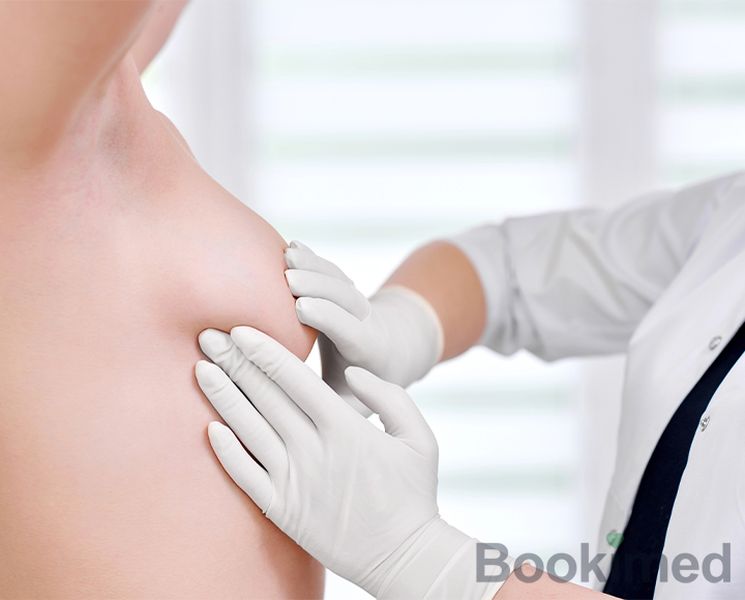
استئصال الورم
تتضمن جراحة الحفاظ على الثدي إزالة ورم الثدي وهامش صغير من الأنسجة المحيطة به لعلاج سرطان الثدي.
أسئلة متكررة حول استئصال الكتلة في ألمانيا
هل يتم تضمين تقنيات إعادة البناء أو التجميل في إجراء استئصال الورم؟
يركز استئصال الورم القياسي على إزالة الورم والحواف النظيفة بدلاً من المظهر. ومع ذلك، تدمج عملية استئصال الورم التجميلي (Oncoplastic lumpectomy) تقنيات تجميلية للحفاظ على شكل الثدي. تستخدم المراكز الألمانية مثل المركز الطبي في سولينجن طرق الحفاظ على الثدي حيث يجمع الجراحون المعتمدون مثل الدكتورة مانويلا سيفرت بين الأورام والجراحة التجميلية الاختيارية في إجراء واحد.
- الجراحة التجميلية للأورام: تجمع بين إزالة الورم وإعادة ترتيب الأنسجة الفورية لمنع حدوث انخفاضات أو عيوب مرئية.
- تكامل المستوى 1: يقوم الجراحون بنقل أنسجة الثدي المحلية لملء المساحات الفارغة أثناء جراحة السرطان الأولية.
- تخفيض المستوى 2: يتم إقران إزالة الورم الأكبر مع تصغير أو رفع الثدي للحصول على محيط مثالي.
- مطابقة التماثل: قد يقوم الجراحون بإجراء تصغير للثدي السليم لضمان مظهر متوازن.
رؤية خبير Bookimed: غالبًا ما تضم مراكز سرطان الثدي الألمانية رؤساء متخصصين مزدوجين وهم أطباء نساء وجراحو تجميل في نفس الوقت. على سبيل المثال، عالج الدكتور مهدي رضائي في مستشفى جامعة دوسلدورف أكثر من 21,000 مريض باستخدام تقنيات طفيفة التوغل للحفاظ على الثدي. يشير هذا الحجم الكبير إلى أن المرضى في ألمانيا لديهم فرصة أفضل للوصول إلى إعادة البناء التجميلي المتكامل دون الحاجة إلى جراحة ثانية منفصلة.
إجماع المرضى: يؤكد المرضى على ضرورة طلب إعادة التشكيل التجميلي أثناء التخطيط الأولي. في حين أن الاستئصال الصغير قد يلتئم بشكل طبيعي، فإن عمليات الإزالة الأكبر غالبًا ما تتطلب تقنيات
ما هي معدلات النجاح والبقاء على قيد الحياة لعمليات استئصال الورم في ألمانيا؟
تعد معدلات نجاح استئصال الورم في ألمانيا استثنائية، حيث تصل معدلات البقاء على قيد الحياة لمدة 5 سنوات إلى 95% إلى 97% لسرطان الثدي في مراحله المبكرة. تحافظ العيادات الألمانية على هذه المعايير العالية من خلال العلاج الإشعاعي الإلزامي بعد الجراحة والرعاية متعددة التخصصات في مراكز الثدي المتخصصة المعتمدة من قبل الجمعية الألمانية للسرطان.
- البقاء على قيد الحياة بشكل عام: يتراوح معدل البقاء على قيد الحياة لمدة 10 سنوات للأورام الموضعية من 83% إلى 90%.
- النجاح الجراحي: يعطي الجراحون الأولوية لهوامش جراحية نظيفة لتقليل خطر التكرار الموضعي بنسبة 5%.
- البنية التحتية السريرية: تستخدم مرافق مثل المركز الطبي في سولينجن تصوير الثدي بالأشعة ثلاثي الأبعاد لاستئصال الورم بدقة.
- الخبرة المتخصصة: توفر المراكز الرائدة جراحة تجميلية متكاملة لإعادة البناء الجمالي بعد إزالة الورم.
رؤية خبير Bookimed: تظل معدلات البقاء على قيد الحياة في ألمانيا مرتفعة لأن العلاج يتم في مراكز معتمدة يقودها خبراء ذوو حجم حالات كبير. عالج الدكتور مهدي رضائي في مستشفى جامعة دوسلدورف أكثر من 21,000 مريض. تضمن هذه الخبرة الهائلة تنظيف الهوامش بدقة في المحاولة الأولى، وهو العامل الأكثر أهمية للنجاح على المدى الطويل.
إجماع المرضى: يقدر المرضى سرعة الحصول على نتائج علم الأمراض في ألمانيا مما يقلل من توتر انتظار النتائج. تظل الهوامش النظيفة في الجراحة الأولى مصدر قلقهم الرئيسي لراحة البال.
ما هي مدة الإقامة المعتادة، وكم من الوقت يجب أن يخطط المسافرون لأغراض طبية للبقاء في ألمانيا؟
تتطلب عملية استئصال الورم المعتادة في ألمانيا إقامة في المستشفى لليلة واحدة أو ليلتين للمراقبة. يجب على المسافرين لأغراض طبية التخطيط للبقاء في ألمانيا لمدة تتراوح بين 7 إلى 10 أيام لحضور فحوصات الجروح اللاحقة والحصول على شهادة اللياقة للطيران (Fit to Fly) المطلوبة قبل السفر إلى الوطن.
- الإقامة في المستشفى: تتطلب معظم جراحات الحفاظ على الثدي ليلة أو ليلتين فقط للمراقبة المهنية بعد الجراحة.
- الحركة: عادة ما يكون المرضى قادرين على الحركة في غضون 24-48 ساعة بعد عملية استئصال الورم طفيفة التوغل.
- المتابعة: يلزم إجراء فحص أساسي واحد على الأقل قبل الخروج من الرعاية الألمانية.
- السفر الدولي: خطط لفترة انتظار مدتها 3 أيام بعد الخروج من المستشفى قبل حجز أي رحلات طيران طويلة المدى.
رؤية خبراء Bookimed: تفضل مراكز الأورام الألمانية مثل المركز الطبي في سولينغن أو مستشفى جامعة دوسلدورف تقنيات الحفاظ على الثدي. أجرى الدكتور مهدي رضائي أكثر من 21,000 إجراء، مؤكداً أن المراكز المتخصصة تعطي الأولوية للتعافي السريع. يضمن البقاء بالقرب من فرانكفورت أو دوسلدورف سهولة الوصول إلى المراكز الرئيسية للمغادرة الدولية بعد الحصول على التصريح.
إجماع المرضى: يوصي المسافرون بحجز أماكن إقامة قريبة من العيادة خلال الأسبوع الأول. يؤكد الكثيرون على أهمية التأكد من كيفية تلقي نتائج علم الأمراض النهائية رقمياً بعد العودة إلى المنزل.
ما هو النهج القياسي لاستئصال الورم في العيادات الألمانية؟
يتبع استئصال الورم القياسي في ألمانيا إرشادات الممارسة S3 القائمة على الأدلة لإعطاء الأولوية للعلاج المحافظ على الثدي من خلال مجالس الأورام متعددة التخصصات. تستخدم عيادات مثل المركز الطبي في سولينغن وعيادة نوردويست تحديدًا دقيقًا للموقع بدون أسلاك وإعادة بناء تجميلية للأورام لضمان هوامش سلبية مع الحفاظ على جماليات الثدي الطبيعية داخل مراكز السرطان المعتمدة.
- مراجعة مجلس الأورام: يؤكد التعاون متعدد التخصصات الإلزامي أهلية الجراحة لكل حالة مريض.
- دقة الهامش: تتطلب البروتوكولات استئصال R0 مما يعني عدم ملامسة أي خلايا سرطانية لحواف الأنسجة.
- تحديد مرحلة الإبط: خزعة العقدة الليمفاوية الخافرة هي المعيار لتقليل مخاطر الوذمة الليمفاوية.
- إعادة البناء المتكاملة: يتم إجراء تقنيات تجميل الأورام أثناء الجراحة الأولية من أجل التماثل.
رؤية خبير Bookimed: يتميز النهج الألماني بمراكز الثدي المتخصصة المعتمدة من قبل الجمعية الألمانية للسرطان (DKG). يعمل الجراحون ذوو الخبرة العالية، مثل الدكتور مهدي رضائي في مستشفى جامعة دوسلدورف الذي عالج أكثر من 21000 مريض، ضمن نظام يكون فيه الإشعاع إلزاميًا تقريبًا بعد استئصال الورم لتقليل مخاطر التكرار.
إجماع المرضى: يقدر المرضى النظام المبرمج للغاية ولكنهم يؤكدون على الحاجة إلى طلب تقارير علم الأمراض المكتوبة وتفاصيل حالة الهامش بلغة واضحة. يظل التركيز بشدة على الحفاظ على الثدي كلما سمح حجم الورم وموقعه بالاستئصال الآمن.
ما هي فترات الانتظار النموذجية لاستئصال الورم في ألمانيا؟
تتراوح فترات الانتظار النموذجية لاستئصال الورم في ألمانيا بين 28 و36 يوماً بعد تشخيص مؤكد لسرطان الثدي. يعطي نظام الرعاية الصحية الألماني الأولوية للحالات الأورام، مما يضمن خضوع معظم المرضى لجراحة الحفاظ على الثدي في غضون 4 إلى 5 أسابيع لتلبية إرشادات السلامة الدولية لعلاج السرطان.
- الجدول الزمني للتشخيص: يستغرق الفحص حتى الخزعة عادةً 14 يوماً مع ظهور النتائج في غضون 7 أيام.
- استراتيجية تحديد الأولويات: تعطي مراكز الأورام الأولوية لجراحة الحفاظ على الثدي باعتبارها حساسة للوقت، مما يقلل من التأخيرات الإدارية غير الطبية.
- تأثير التأمين: غالباً ما يحصل المرضى الخاصون أو الذين يدفعون بأنفسهم على مواعيد للاستشارة والتصوير أسرع بـ 1-2 أسبوع.
- تأثير العلاج: تؤدي العلاجات المساعدة مثل العلاج الكيميائي إلى تأجيل مواعيد الجراحة عمداً لعدة أشهر.
رؤية خبير Bookimed: نادراً ما يكون انتظار الجراحة هو العائق؛ بل إن الوقت المستغرق في جمع نتائج الخزعة والفحوصات قبل الجراحة هو ما يحدد الجدول الزمني. لتسريع العملية، اختر منشأة شاملة مثل المركز الطبي في سولينغن أو مستشفى جامعة دوسلدورف حيث يتم التشخيص والجراحة تحت سقف واحد. يمكن لهذا التنسيق الداخلي أن يقلل من وقت الانتظار الإداري بما يصل إلى 10 أيام مقارنة باستخدام عيادات تشخيص منفصلة.
إجماع المرضى: يؤكد المرضى أن التنقل في النظام العام يتطلب صبراً مع الأوراق، في حين أن اختيار مواقع مرنة غالباً ما يفتح مواعيد أبكر. يشير الكثيرون إلى أن الانتظار العاطفي لنتائج الخزعة يبدو أطول من الانتظ
هل ستكون هناك حاجة إلى علاجات إضافية بعد استئصال الورم؟
تعتبر العلاجات بعد الجراحة قياسية بعد استئصال الورم للقضاء على الخلايا السرطانية المجهرية المتبقية. يحتاج معظم المرضى إلى العلاج الإشعاعي، بينما يعتمد العلاج الهرموني أو الكيميائي أو العلاجات الموجهة على نتائج علم الأمراض وتوصيات مجلس الأورام في المرافق المعتمدة من قبل جمعية السرطان الألمانية مثل مركز سولينجن الطبي.
- العلاج الإشعاعي: يبدأ المتابعة القياسية بعد 4-12 أسبوعاً من الجراحة لضمان السيطرة المحلية.
- مراجعة علم الأمراض: تقوم مجالس الأورام بتحليل الهوامش وحالة المستقبلات وبروتينات HER2 لتخصيص العلاج.
- العلاجات الجهازية: يتم وصف العلاج الهرموني أو الكيميائي لمراحل أو أنواع معينة من السرطان.
- المتابعة الجراحية: يحتاج حوالي 20% من المرضى إلى إعادة الاستئصال إذا أظهر علم الأمراض هوامش إيجابية.
رؤية خبير Bookimed: تستخدم العيادات الألمانية مثل مستشفى جامعة دوسلدورف مجالس أورام متعددة التخصصات حيث يقوم متخصصون، بما في ذلك الدكتور مهدي رضائي، بمراجعة كل حالة. هذا النهج الجماعي هو السبب في أن مراكز الأورام الألمانية تحافظ على معدلات نجاح عالية. يجب أن يلاحظ المرضى أن كبار الجراحين مثل الدكتورة مانويلا سيفرت غالباً ما يدمجون إعادة البناء التجميلي أثناء استئصال الورم لمنع تشوه الثدي قبل بدء الإشعاع.
إجماع المرضى: العلاج الإضافي هو خطوة روتينية، وليس علامة على فشل جراحي. توقع أن يستمر جدول الإشعاع الخاص بك من 5 إلى 6 أسابيع واستعد لإرهاق الجلد بحلول الأسبوع الثالث.
ما هي التقنيات المتقدمة المستخدمة أثناء استئصال الورم في ألمانيا؟
يستخدم استئصال الورم المتقدم في ألمانيا أدوات تقييم الحواف في الوقت الفعلي وتحديد الموقع اللاسلكي لضمان حواف خالية من الأورام مع الحفاظ على جماليات الثدي. تعطي مراكز الثدي الألمانية الأولوية لتقنيات الحفاظ على الثدي باستخدام العلاج الإشعاعي أثناء الجراحة (IORT) والمشارط التوافقية لتقليل تلف الأنسجة ومنع العمليات الجراحية الثانوية.
- تقييم الحواف: يقوم تحليل طيف الترددات الراديوية والمجهر الليزري متحد البؤر بتحليل حواف الأنسجة داخل غرفة العمليات.
- تحديد الموقع اللاسلكي: تحل البذور المغناطيسية أو مشابك RFID محل الأسلاك التقليدية لرسم خرائط دقيقة للورم.
- الإشعاع أثناء الجراحة: يوفر نظام Zeiss INTRABEAM إشعاعًا مستهدفًا فور إزالة الورم.
- إعادة البناء التجميلي: يستخدم الجراحون تقنيات الأورام التجميلية والأنظمة الروبوتية للحفاظ على شكل الثدي الطبيعي.
رؤية خبير Bookimed: توفر مراكز سرطان الثدي الألمانية المعتمدة من قبل الجمعية الألمانية للسرطان ميزة متميزة من خلال خبرتها القائمة على الحجم. على سبيل المثال، عالج الدكتور مهدي رضائي في مستشفى جامعة دوسلدورف أكثر من 21000 مريض. يسمح هذا الحجم الكبير لهذه المراكز بدمج تقنيات متخصصة مثل نظام دافنشي الروبوتي والموجات فوق الصوتية ثلاثية الأبعاد في بروتوكولات استئصال الورم القياسية.
إجماع المرضى: يقدر المرضى تحديد الموقع بدون أسلاك لأنه يلغي الانزعاج الناتج عن وضع الأسلاك قبل الجراحة. تشير التعليقات إلى أن تقنيات الأورام التجميلية تقلل بشكل كبير من القلق بشأن التغيرات التجميلية بعد ا
هل تتم إزالة العقد الليمفاوية دائمًا أثناء الإجراء؟
لا تتم إزالة العقد الليمفاوية دائمًا أثناء استئصال الورم في ألمانيا. تعطي مراكز الثدي الألمانية الأولوية للعلاج المحافظ للثدي وتحديد المرحلة الانتقائية. يقوم الجراحون بشكل متكرر بإجراء خزعة العقدة الليمفاوية الخافرة، حيث يزيلون من 1 إلى 3 عقد فقط إذا لزم الأمر لتحديد المرحلة، بدلاً من تشريح الإبط الكامل.
- الإزالة الانتقائية: يستخدم الجراحون خزعة العقدة الليمفاوية الخافرة لتحديد مرحلة حالات سرطان الثدي المبكرة.
- معايير التشخيص: يحدد تصوير الثدي بالأشعة ثلاثي الأبعاد قبل الجراحة والموجات فوق الصوتية ما إذا كانت إزالة العقد ضرورية.
- النهج المحافظ: يتم حجز التشريح الكامل للحالات المؤكدة لانتشار السرطان إلى العقد الإقليمية.
- الرعاية المتخصصة: تعطي المراكز المعتمدة من قبل الجمعية الألمانية للسرطان الأولوية للحفاظ على الجهاز الليمفاوي.
رؤية خبير Bookimed: غالبًا ما تجمع المستشفيات الجامعية الألمانية، مثل تلك الموجودة في دوسلدورف وفوبرتال، بين استئصال الورم واختبار العقد أثناء الجراحة. وهذا يسمح للجراحين مثل الدكتور مهدي رضائي، الذي عالج 21000 مريض، بتحديد ما إذا كانت هناك حاجة إلى مزيد من الإزالة على الفور. غالبًا ما تمنع هذه الممارسة إجراء جراحة ثانية مع ضمان مسار العلاج الأكثر تحفظًا.
إجماع المرضى: يؤكد المرضى أن إزالة العقد هي خطوة منفصلة لتحديد المرحلة. أفاد الكثيرون أنه تم أخذ عينات من عدد قليل فقط من العقد الخافرة لتقليل المخاطر طويلة المدى لتورم الذراع والخدر.
ما هي مدة الإقامة في المستشفى وفترة التعافي؟
عادةً ما يتضمن التعافي من استئصال الورم في ألمانيا الخروج في نفس اليوم أو إقامة قصيرة في المستشفى لمدة ليلة أو ليلتين للمراقبة. يعود معظم المرضى إلى الأنشطة الخفيفة والعمل المكتبي في غضون 3-7 أيام، بينما يحدث التعافي البدني الكامل عادةً في غضون 1-3 أسابيع اعتمادًا على إزالة العقد الليمفاوية الإضافية.
- الإقامة في المستشفى: غالبًا ما يتم إجراؤها كجراحة في العيادات الخارجية مع الخروج في نفس اليوم أو المبيت لليلة واحدة.
- التعافي الأولي: تشمل أول 48-72 ساعة الشعور بالتعب، والدوخة، وألم موضعي في الكتف أو الذراع.
- قيود النشاط: يجب على المرضى تجنب رفع الأشياء الثقيلة وممارسة الرياضة العنيفة لمدة 1-3 أسابيع.
- الشفاء طويل الأمد: قد يؤدي الشفاء الكامل للأنسجة ودورات الإشعاع إلى تمديد الجدول الزمني لعدة أشهر.
رؤية خبير Bookimed: تؤكد العيادات الألمانية مثل مستشفى جامعة دوسلدورف ومركز سولينجن الطبي على تقنيات الحفاظ على الثدي التي تتجنب فترات الاستشفاء الطويلة. تظهر البيانات أن جراحين مثل الدكتور مهدي رضائي أجروا أكثر من 21,000 عملية جراحية، مع التركيز على الأساليب طفيفة التوغل. غالبًا ما يؤدي هذا الحجم الكبير إلى بروتوكولات تعافي أكثر كفاءة مقارنة بمراكز الجراحة القياسية.
إجماع المرضى: يجد العديد من المرضى أنهم يستطيعون استئناف المشي والعمل المكتبي الخفيف في غضون أيام قليلة. وغالبًا ما يشيرون إلى أن ألم الكتف هو التحدي الأولي الأكثر شيوعًا، مما يتطلب عودة تدريجية إلى الحركة الكاملة.
كيف يمكن للمرضى التأكد من اختيار عيادة من الدرجة الأولى في ألمانيا؟
لتحديد العيادات الألمانية من الدرجة الأولى، يجب على المرضى التحقق من الشهادات الخاصة بالمرافق من الجمعية الألمانية للسرطان (DKG) ومراجعة أحجام الإجراءات السنوية من خلال تقارير الجودة الرسمية. أعط الأولوية للمستشفيات الجامعية أو مراكز الثدي المتخصصة التي تستخدم مجالس الأورام متعددة التخصصات وتحمل اعتماد ISO 9001 أو KTQ الدولي.
- التحقق من الشهادة: ابحث عن أختام الجمعية الألمانية للسرطان (DKG) التي تضمن معايير رعاية الأورام المتخصصة.
- حجم الإجراءات: تظهر المراكز ذات الحجم الكبير التي تجري أكثر من 400 عملية جراحية سنويًا إحصائيًا معدلات مضاعفات أقل.
- المؤهلات الأكاديمية: يقود المتخصصون الحاصلون على ألقاب أستاذ أو PD بنشاط الأبحاث والتجارب السريرية.
- مستوى المرفق: توفر المستشفيات الجامعية بنية تحتية متعددة التخصصات ضرورية للحالات المعقدة أو النادرة.
رؤية خبير Bookimed: الجودة في ألمانيا خاصة بالقسم وليس بالمستشفى ككل. على سبيل المثال، يخدم المركز الطبي في سولينجن وعيادة نوردويست أكثر من 60,000 مريض سنويًا، لكن قوتهم تكمن في المراكز المتخصصة المعتمدة. عالج الدكتور مهدي رضائي في دوسلدورف 21,000 مريض، مما يثبت أن حجم عمل الجراح الفردي هو المؤشر الأكثر موثوقية للنجاح.
إجماع المرضى: يؤكد المرضى على اختيار العيادات التي تضم مراكز ثدي مخصصة بدلاً من الأقسام العامة لضمان رعاية متكاملة من قبل مجلس الأورام. تسلط المراجعات الضوء على أن التواصل الواضح فيما يتعلق بمكان الشق وخيارات الترميم التجميلي يقلل بشكل كبير من القلق قبل الجراحة.