كيس العمود الفقري العلاج في كوريا الجنوبية - التكاليف 2026


تمت مراجعة المقالة طبيا من قبل
فهد مولود
ما هي تكلفة كيس العمود الفقري إجراءات التشخيص والعلاج في كوريا الجنوبية؟ اعرف الآن
مزاياك وضماناتك مع Bookimed
أسعار مباشرة
Bookimed لا يضيف رسوماً إضافية على أسعار علاج كيس العمود الفقري. الأسعار مأخوذة من قوائم الأسعار الرسمية للعيادات. تدفع مباشرة في العيادة مقابل علاجك عند وصولك إلى البلد.
عيادات وأطباء معتمدون فقط
Bookimed ملتزم بسلامتك. نحن نعمل فقط مع المؤسسات الطبية التي تحافظ على معايير دولية عالية في علاج كيس العمود الفقري ولديها التراخيص اللازمة لخدمة المرضى الدوليين في جميع أنحاء العالم.
مساعدة مجانية على مدار الساعة
Bookimed يقدم مساعدة خبراء مجانية. منسق طبي شخصي يدعمك قبل وأثناء وبعد العلاج، ويحل أي مشاكل. لن تكون وحيداً أبداً في رحلة علاج كيس العمود الفقري.

منسقك الطبي الشخصي في Bookimed
- يدعمك في كل مرحلة
- المساعدة في اختيار العيادة الطبية المناسبة والطبيب المناسب
- يضمن الوصول السريع والمريح إلى المعلومات
اكتشف أفضل كيس العمود الفقري العيادات في كوريا الجنوبية: 9 خيارات معتمدة والأسعار












احصلوا على تقييم طبي لـ كيس العمود الفقري في كوريا الجنوبية: استشيروا أطباء ذوي خبرة الآن
عرض جميع الأطباء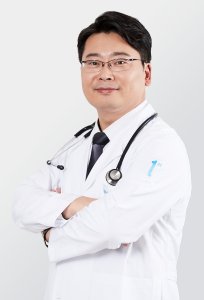
Sangwon Hwang
الدكتور سانغ وون هوانغ جرّاح أعصاب متخصص في جراحة العمود الفقري. يمتلك نحو 30 عاماً من الخبرة وأجرى أكثر من 6,000 عملية على العمود الفقري. يتقن التقنيات طفيفة التوغل والتنظيرية، ويُجري أيضاً استبدال القرص الصناعي العنقي. يهدف نهجه إلى تعافٍ أسرع وألم أقل ونتائج أفضل.
يدير حالات معقدة، بما في ذلك أورام العمود الفقري وجراحات المراجعة. يعتمد على تشخيص دقيق وخطط علاج شخصية.
الرئيس التنفيذي، رئيس جراحة العمود الفقري، ومدير مركز العمود الفقري في مستشفى ليد هيل. حاصل على درجة الطب (MD)
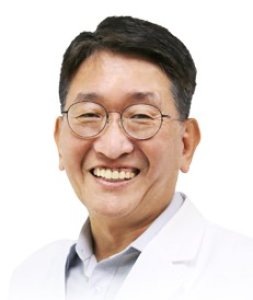
Lee Sanggu
الدكتور لي سانغو (MD, PhD) جرّاح أعصاب. يشغل منصب المدير الطبي الفخري ومدير مركز العمود الفقري، وهو أيضاً أستاذ جراحة الأعصاب في مركز غيل الطبي بجامعة غاتشون.
تشمل مجالات تركيزه السريري أورام العمود الفقري واضطراباته، وجراحة العمود الفقري قليلة التوغل، واضطرابات الفقرات العنقية. تشمل الإجراءات PEN وPNP، والحصر العصبي الانتقائي، واستئصال القرص بالميكروسكوب أو بالمنظار، واستبدال القرص الصناعي، والالتحام الفقري قليل التوغل، ورأب الفقرات.
نال درجة الدكتوراه في الطب من جامعة هانيانغ.

Iltae Jang
تم اختياره كواحد من أفضل أطباء العمود الفقري في كوريا الجنوبية من قبل الصحف الرائدة – يتخصص الدكتور جانغ في جراحة العمود الفقري المجهرية في مستشفى نانوري.
- أكثر من _doctor_3788_عاماً_ من الخبرة في جراحة الأعصاب
- رئيس جمعية مستشفيات العمود الفقري الكورية
- حاصل على زمالة تدريبية في فرنسا للتقنيات المتقدمة في العمود الفقري
- نشر أكثر من 20 بحثاً علمياً حول اضطرابات العمود الفقري

Jaehyeon Lim
قدم الدكتور ليم جراحة ثقب الفقرات العنقية الأمامية إلى كوريا وطور تقنيات جراحة دمج الفقرات غير المؤلمة.
- أستاذ في مستشفى جامعة إينجي بايك منذ عام 2003
- متخصص في جراحة العمود الفقري المجهرية وأورام العمود الفقري
- مدير الجمعية الكورية لجراحة أعصاب العمود الفقري
- عضو في العديد من الجمعيات الطبية المرموقة
مشاركة المحتوى
قصص فيديو من مرضى Bookimed
 Anna Leonova
أسئلة متكررة حول علاج كيس العمود الفقري في كوريا الجنوبية
ما هي خيارات العلاج الشائعة للكيسات الشوكية في كوريا الجنوبية؟
تركز خيارات العلاج الشائعة للكيسات الشوكية في كوريا الجنوبية على التقنيات ذات التدخل الجراحي المحدود مثل جراحة العمود الفقري بالمنظار والاستئصال المجهري. تعطي العيادات المتقدمة الأولوية لفك ضغط العصب مع الحفاظ على الأنسجة العضلية. تستخدم المراكز الرائدة مثل مستشفى نانوري (Nanoori Hospital) أساليب جلدية متخصصة وموجهة بالروبوت أو التصوير لضمان تعافي أسرع.
- جراحة العمود الفقري المجهرية: يستخدم الجراحون مجاهر عالية التكبير لإزالة الكيسات مع حماية جذور الأعصاب الحساسة.
- جراحة العمود الفقري بالمنظار: تستخدم هذه الطريقة ذات التدخل الجراحي المحدود للغاية كاميرات صغيرة لفك ضغط الأعصاب مع الحد الأدنى من فقدان الدم.
- استبدال القرص العنقي: يمكن للأقراص الاصطناعية أن تحل محل الهياكل التالفة إذا كانت الكيسات مرتبطة بعدم استقرار شديد في العمود الفقري.
- الشفط الجلدي: يستخدم الأطباء تقنيات تعتمد على الإبر وموجهة بالتصوير لتصريف سائل الكيس وتخفيف الألم الفوري.
رؤية خبراء Bookimed: تعد كوريا الجنوبية مركزاً عالمياً لحجم جراحات العمود الفقري، حيث يجري مركز أسان الطبي (Asan Medical Center) أكثر من 65,000 عملية سنوياً. تظهر بياناتنا توجهاً حيث تكون مستشفيات العمود الفقري المتخصصة مثل مستشفى نانوري غالباً أسرع في التشخيص. أجرى الدكتور سانغوون هوانغ في مستشفى ليدهيل (Leadheal Hospital) أكثر من 6,000 إجراء. تتيح هذه الخبرة الكبيرة للجراحين استخدام تقنيات المنظار بنجاح للكيسات المعقدة التي قد تتطلب في أماكن أخرى جراحة مفتوحة أكثر توغلاً.
إجماع المرضى:
ما هي فترة التعافي بعد جراحة كيس العمود الفقري في كوريا؟
يتعافى معظم المرضى من جراحة كيس العمود الفقري في كوريا خلال 3 إلى 6 أشهر. تسمح التقنيات التنظيرية المتقدمة بحركة أولية سريعة. عادة ما يتم الخروج من المستشفى في غضون يومين إلى 5 أيام. يمكنك غالباً استئناف الأنشطة الخفيفة بعد 4 إلى 6 أسابيع من إعادة التأهيل.
- الإقامة في المستشفى: توقع الخروج خلال يومين إلى 5 أيام لإجراءات العمود الفقري طفيفة التوغل.
- الحركة الأولية: عادة ما يشجع الجراحون على المشي في غضون 3 أيام لتعزيز تدفق الدم الصحي.
- استئناف الأنشطة: تستأنف الروتينات اليومية الخفيفة عادةً في غضون 4 إلى 6 أسابيع بعد العملية.
- تعافي الأعصاب: غالباً ما يحدث انخفاض كبير في الألم بسرعة، على الرغم من أن الأعصاب قد تستغرق ما يصل إلى 6 أشهر للشفاء.
رؤية خبير Bookimed: بينما توفر العديد من المستشفيات العامة رعاية قياسية، تركز مراكز متخصصة مثل مستشفى نانوري (Nanoori Hospital) حصرياً على صحة العمود الفقري. تُظهر بياناتنا أن هؤلاء المتخصصين، مثل الدكتور سانغ وون هوانغ الذي أجرى أكثر من 6,000 عملية جراحية، يعطون الأولوية لجراحات دمج الفقرات الصغرى (mini spinal fusion). غالباً ما تقلل هذه التقنيات المحددة الإقامة في المستشفى إلى يوم أو يومين فقط مقارنة بالبروتوكولات القياسية.
إجماع المرضى: يشير المرضى إلى أن المشي أسهل من الجلوس خلال الأسابيع القليلة الأولى. ويؤكدون على اتباع جداول الحركة الصارمة التي يقدمها الجراحون الكوريون للتعامل بفعالية مع نوبات الألم المبكرة أثناء التعافي.
هل توجد علاجات من الطب الكوري التقليدي لأكياس العمود الفقري؟
يقدم الطب الكوري التقليدي طرقاً غير جراحية للتعامل مع أعراض أكياس العمود الفقري. تشمل الأساليب التكاملية الوخز بالإبر العشبي، والعلاج اليدوي تشونا (Chuna)، والطب العشبي. تهدف هذه العلاجات إلى تقليل الالتهاب والألم. وهي تدعم التعافي الطبيعي، لكنها تعمل بشكل أفضل جنباً إلى جنب مع تقييم خبير في جراحة الأعصاب.
- الطب العشبي: توفر تركيبات محددة مثل Cheongpajeon تأثيرات مضادة للالتهابات وواقية للأعصاب.
- الوخز الدوائي: يقوم الأطباء المتخصصون بحقن أدوية عشبية منقية مباشرة في نقاط قريبة من الكيس.
- علاج تشونا (Chuna): يستخدم الممارسون تقنيات يدوية لاستعادة التوازن الهيكلي للعمود الفقري.
- امتصاص الكيس: تظهر بعض التقارير السريرية اختفاء أكياس المفاصل الوجيهية بعد العلاج غير الجراحي.
رؤية خبير Bookimed: بينما أجرى متخصصون مثل الدكتور سانغوون هوانغ في مستشفى Leadheal أكثر من 6000 عملية جراحية، غالباً ما تعطي المراكز الكورية الأولوية للعلاج بالتمارين غير الجراحية أولاً. مستشفى نانوري (Nanoori) معتمد من قبل وزارة الصحة والرعاية الاجتماعية كمستشفى متخصص في العمود الفقري. يضمن هذا الوضع الفريد تقديم رعاية متوازنة بين إدارة الألم التقليدية وجراحة الأعصاب المتقدمة.
إجماع المرضى: يشير المرضى إلى أنه على الرغم من أن العلاجات التقليدية مثل الوخز بالإبر تساعد في الحركة، إلا أنها غالباً لا تقضي على الكيس الفعلي. يؤكد الكثيرون على ضرورة إجراء تصوير بالرنين المغناطيسي على الفور إذا شعرت بتنميل أو ضعف لتجنب تأخير الرعاية الجراحية.
ما هي أفضل المستشفيات في كوريا الجنوبية لعلاج كيسات العمود الفقري؟
تشمل أفضل المستشفيات لعلاج كيسات العمود الفقري في كوريا الجنوبية مراكز متخصصة مثل مستشفى نانوري (Nanoori Hospital) ومستشفى ووريدول للعمود الفقري (Wooridul Spine Hospital)، إلى جانب مرافق أكاديمية كبرى مثل مستشفى سيفيرانس (Severance Hospital) ومركز أسان الطبي (Asan Medical Center). تستخدم هذه المؤسسات بروتوكولات معتمدة من اللجنة الدولية المشتركة (JCI) وKOIHA لجراحة العمود الفقري بالمنظار والمجهر.
- مستشفى نانوري: يحمل تصنيف وزارة الصحة والرعاية الاجتماعية كمستشفى متخصص في العمود الفقري.
- مستشفى سيفيرانس: يوظف فرق جراحة أعصاب معتمدة من JCI ويدير 1.6 مليون مريض خارجي سنوياً.
- مركز أسان الطبي: يجري أكثر من 65000 عملية جراحية سنوياً كأكبر منشأة متعددة التخصصات في كوريا الجنوبية.
- جراحون متخصصون: يقود خبراء مثل د. إيلتاي جانغ التركيز على التحرير المجهري لكيسات العمود الفقري.
رؤية خبراء Bookimed: بينما يستهدف المرضى غالباً المراكز الثالثية الضخمة مثل SNUH، توفر العيادات المتخصصة مثل مستشفى نانوري ميزة فريدة للكيسات غير المعقدة. تحتفظ هذه المراكز بشهادات تخصص العمود الفقري من وزارة الصحة وغالباً ما توفر وصولاً مباشراً أكثر إلى كبار الأساتذة مثل د. جاي هيون ليم، الذي ابتكر تقنيات دمج مصغرة محددة تُستخدم في إجراءات التثبيت المتعلقة بالكيسات.
إجماع المرضى: يلاحظ المرضى أهمية إعطاء الأولوية لخبرة جراح الأعصاب في الحالات المتعلقة بالأعصاب على حساب السمعة العامة للمستشفى. ويجدون أن إحضار صور الرنين المغناطيسي عالية الدقة من بلدهم ي
هل أحتاج إلى تحويل لرؤية أخصائي العمود الفقري في كوريا؟
لا يحتاج المرضى الدوليون عادةً إلى تحويل طبي لرؤية أخصائيي العمود الفقري في كوريا الجنوبية. تسمح المراكز الخاصة المتخصصة والمستشفيات المعتمدة من اللجنة الدولية المشتركة (JCI) بحجز الاستشارات مباشرة. يتجاوز هذا الوصول المباشر النظام متعدد المراحل المطلوب للمقيمين المحليين الذين يستخدمون التأمين الصحي الوطني.
- الوصول المباشر: تقبل مراكز العمود الفقري الخاصة مثل مستشفى نانوري (Nanoori Hospital) المرضى الدوليين بدون تحويلات من الرعاية الأولية.
- أنواع المستشفيات: تسهل المرافق المعتمدة من JCI مثل مستشفى سيفيرانس (Severance Hospital) المواعيد المباشرة لرعاية جراحة الأعصاب المتخصصة.
- تأثير التأمين: تنطبق قواعد التحويل بشكل أساسي على المقيمين الذين يسعون للحصول على أقصى تغطية بموجب التأمين الصحي الوطني.
- تركيز الأخصائي: يمكن للمرضى طلب جراحي أعصاب مباشرة، مثل د. هيون-سونغ هاريسون كيم، لعلاج الكيسات.
رؤية خبراء Bookimed: على الرغم من أن التحويلات ليست إلزامية، إلا أن عيادات العمود الفقري المتخصصة تعطي الأولوية غالباً للمرضى الذين يقدمون صوراً طبية سابقة. على سبيل المثال، يخدم مستشفى نانوري 58000 مريض سنوياً ويستهدف الحالات الدولية بشكل خاص. توفير صور الرنين المغناطيسي أو الأشعة المقطعية الخاصة بك أثناء الاستفسار الأولي غالباً ما يضمن الحصول على استشارة جراحية أسرع من الحضور لتقييم عام.
إجماع المرضى: يلاحظ المرضى أن إحضار نسخ رقمية واضحة من الفحوصات الحديثة أكثر أهمية من خطاب التحويل. ويؤكد الكثيرون على طلب جراح أعصاب بدلاً من