علاج كيس العمود الفقري في ألمانيا — احصل على 3 عيادات مختارة خصيصاً لك


تمت مراجعة المقالة طبيا من قبل
فهد مولود
كيف نعمل؟
ما هي تكلفة كيس العمود الفقري إجراءات التشخيص والعلاج في ألمانيا؟ اعرف الآن
اكتشف أفضل كيس العمود الفقري العيادات في ألمانيا: 7 خيارات معتمدة والأسعار










احصلوا على تقييم طبي لـ كيس العمود الفقري في ألمانيا: استشيروا أطباء ذوي خبرة الآن
عرض جميع الأطباء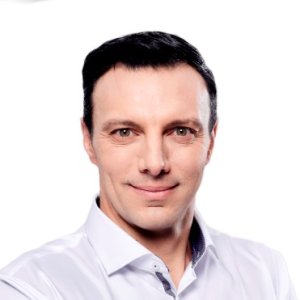
Elias Lemonas
مشاركة المحتوى
قصص فيديو من مرضى Bookimed
 Anna Leonova
أسئلة متكررة حول علاج كيس العمود الفقري في ألمانيا
ما هي أنواع كيسات العمود الفقري التي يتم علاجها في عيادات جراحة الأعصاب الألمانية؟
تعالج عيادات جراحة الأعصاب الألمانية كيسات العمود الفقري المتنوعة بما في ذلك الأنواع الزلالية والعقدية الشائعة، والكيسات العنكبوتية النادرة، وكيسات تارلوف المعقدة. يستخدم المتخصصون في مؤسسات مثل مجمع عيادات شمال الراين وستفاليا الاستئصال المجهري الجراحي والنافذة التنظيرية. تعطي هذه الإجراءات الأولوية للحفاظ على حركة العمود الفقري مع تخفيف ضغط العصب.
- الكيسات الزلالية: تتطور هذه الكيسات القطنية الشائعة من تآكل المفاصل الوجيهية وتسبب تضيقًا.
- كيسات تارلوف: يعالج جراحو الأعصاب الألمان هذه الأكياس المملوءة بالسوائل التي تتشكل على جذور الأعصاب العجزية.
- الكيسات العنكبوتية: يقوم الجراحون بإجراء نافذة لهذه الأكياس التي تنمو بين أغشية الحبل الشوكي.
- الكيسات الخلقية: تدير المراكز الأكاديمية تكهف النخاع المعقد والكيسات العصبية المعوية النادرة من خلال التحويلات المتخصصة.
رؤية خبير Bookimed: تُظهر العيادات الألمانية مثل شاريتيه أو نوردويست اتجاهًا واضحًا نحو التخصص عالي الحجم. تخدم شاريتيه وحدها أكثر من 800,000 مريض سنويًا عبر 100 قسم. يسمح هذا النطاق الهائل لجراحي الأعصاب برؤية حالات نادرة مثل الكيسات العصبية المعوية بشكل متكرر. غالبًا ما تؤدي خبرتهم إلى نهج متحفظ حيث لا يوصى بالجراحة إلا إذا كانت الصور تتطابق تمامًا مع الأعراض العصبية.
إجماع المرضى: يشير المرضى إلى أنه من المهم إحضار صور الرنين المغناطيسي الأصلية بدلاً من التقارير فقط. غالبًا ما يشعر المصابون بكيسات تارلوف بالارتياح عندما يؤكد المتخصصون الألمان أخيرًا أن آلام
هل أحتاج تلقائيًا إلى جراحة لكيس في العمود الفقري في ألمانيا؟
الجراحة ليست تلقائية لكيس العمود الفقري في ألمانيا. يعطي المتخصصون الألمان الأولوية للمسارات المحافظة ما لم تكن هناك أعراض عصبية حادة. يبدأ العلاج عادةً بالمراقبة أو العلاج الطبيعي المتخصص أو حقن الستيرويد. يتم حجز التدخل الجراحي لحالات الضعف التدريجي أو فقدان الإحساس أو الحالات التي تفشل فيها الرعاية غير الجراحية.
- المراقبة بدون أعراض: يوصي الأطباء بالمراقبة إذا كانت الأكياس العرضية لا تسبب ألمًا أو انزعاجًا.
- علاج التسلل: تقلل الحقن الموجهة من التهاب الأعصاب الموضعي لتقليص كيس العمود الفقري.
- محفزات الجراحة: يوصى بالجراحة في حالات ضعف العضلات أو تدلي القدم أو خلل الأمعاء.
- الحفاظ على الأنسجة: يفضل الجراحون تخفيف الضغط المجهري على الدمج للحفاظ على استقرار العمود الفقري الطبيعي.
رؤية خبير Bookimed: تتعامل العيادات الألمانية مثل مجمع عيادات شمال الراين-وستفاليا مع أحجام هائلة من المرضى، وغالبًا ما تتجاوز 145,000 سنويًا. يسمح هذا التدفق العالي للمتخصصين مثل الدكتور إلياس ليموناس برؤية متغيرات الأكياس النادرة بشكل متكرر. تشير البيانات إلى أن المرضى غالبًا ما يجدون أن المستشفيات الجامعية الألمانية، مثل شاريتيه، توفر وصولًا إلى المزيد من التجارب السريرية للمواد البيولوجية غير الجراحية مقارنة بالمراكز الخاصة الأصغر.
إجماع المرضى: يؤكد المرضى أن العلاج يعتمد كليًا على الأعراض وليس فقط على فحص التصوير بالرنين المغناطيسي. وغالبًا ما يلاحظون أن الحصول على مراجعة من جراح أعصاب متخصص أفضل من طبيب عام.
ما هي التقنيات الجراحية التي يستخدمها أخصائيو العمود الفقري الألمان؟
يستخدم أخصائيو العمود الفقري الألمان تقنيات الحفاظ على الحركة والتقنيات طفيفة التوغل للغاية لعلاج حالات العمود الفقري. تشمل الأساليب الرئيسية استبدال القرص الاصطناعي وجراحة العمود الفقري بالمنظار الكامل. تعطي هذه الطرق الأولوية للحركة الطبيعية وتخفيف الضغط عن الأعصاب مع تقليل الصدمات للأنسجة العضلية المحيطة.
- الحفاظ على الحركة: يحاكي استبدال القرص الاصطناعي حركة العمود الفقري الطبيعية وامتصاص الصدمات.
- جراحة المنظار: يستخدم الجراحون شقوقاً صغيرة لإزالة الأكياس أو الأقراص المنفتقة.
- استئصال القرص المجهري: تسمح الكاميرات المجهرية عالية الدقة بتخفيف الضغط عن الأعصاب بدقة.
- التثبيت الديناميكي: تعمل القضبان المرنة على تثبيت العمود الفقري غير المستقر دون دمج صلب.
رؤية خبير Bookimed: تعمل العيادات الألمانية مثل مجمع عيادات شمال الراين-وستفاليا وشاريتيه برلين كمراكز بحثية ذات حجم كبير، حيث تخدم ما يصل إلى 845,000 مريض سنوياً. يسمح هذا الحجم الهائل من المرضى لجراحي الأعصاب مثل الدكتور إلياس ليموناس باكتساب خبرة واسعة في عمليات إعادة بناء العمود الفقري المعقدة. تظهر البيانات أن هذه المراكز تعطي الأولوية لنهج التشخيص أولاً، وغالباً ما تستخدم الموجات فوق الصوتية ثلاثية الأبعاد المتقدمة والتصوير الرقمي قبل التوصية بالجراحة.
إجماع المرضى: يشير المرضى إلى أن الجراحين الألمان حذرون وعادة ما يوصون بالجراحة فقط عندما يُظهر التصوير وجود ضغط واضح على الأعصاب. إنهم يقدرون التركيز على الخيارات طفيفة التوغل مثل التقنيات الأنبوبية لتسريع ال
هل سأحتاج إلى دمج الفقرات بعد إزالة الكيس؟
دمج الفقرات ليس إلزاميًا بعد إزالة الكيس. يخضع معظم المرضى لعملية تخفيف الضغط البسيطة لإزالة الكيس وتخفيف الضغط عن الأعصاب. لا يكون الدمج ضروريًا إلا إذا أظهرت صور ما قبل الجراحة عدم استقرار في العمود الفقري. يستخدمه الجراحون أيضًا إذا كانت هناك حاجة لإزالة كمية كبيرة من العظام للوصول إلى الكيس بأمان.
- تخفيف الضغط فقط: تسمح التقنيات طفيفة التوغل بتعافي أسرع وإقامة أقصر في المستشفى.
- معايير التثبيت: يوصى بالدمج إذا كانت الفقرات تظهر حركة غير طبيعية أو انزلاقًا.
- منع التكرار: يؤدي تثبيت المفصل إلى تقليل خطر تكرار الكيس الزلالي إلى ما يقرب من 0%.
- الحفاظ على العظام: يهدف الجراحون إلى الحفاظ على المفاصل الوجيهية لتجنب الحاجة إلى أدوات معدنية.
رؤية خبير Bookimed: بينما يركز المرضى غالبًا على الكيس نفسه، يعطي جراحو الأعصاب الألمان مثل الدكتور إلياس ليموناس الأولوية للاستقرار الميكانيكي الحيوي للمفصل الوجيهي. تظهر البيانات من مجمع عيادات شمال الراين-وستفاليا أن علاج أكثر من 145,000 مريض سنويًا يسمح بتخصص عالٍ. غالبًا ما يستخدم الجراحون الخبراء هنا تشخيصات متقدمة لتحديد ما إذا كان تخفيف الضغط الأقل توغلاً آمنًا. وهذا يمنع الحاجة إلى جراحة دمج كبيرة للمرضى المستقرين.
إجماع المرضى: يشير المرضى إلى أن التوصيات تختلف بين الأطباء، حيث يفضل البعض نهج الدمج أولاً بينما يكون البعض الآخر أكثر تحفظًا. يؤكد الكثيرون أن جراحة الظهر السابقة غالبًا ما تجعل الدمج أكثر احتمالًا بسبب التغيرات الموجودة في تشريح العمود الفقري.
ما هو الجدول الزمني النموذجي للتعافي بعد الجراحة؟
يستغرق التعافي بعد جراحة كيس العمود الفقري في ألمانيا عادةً من 3 إلى 6 أشهر لإعادة التأهيل الكامل. يحقق معظم المرضى القدرة على الحركة الأساسية في غضون أسبوعين. تعود الاستقرار الهيكلي بحلول الأسبوع السادس مع تشكل الأنسجة الندبية. يستمر التئام الأعصاب على المدى الطويل وإعادة تأهيل العضلات لمدة تصل إلى عام واحد.
- الإقامة في المستشفى: يراقب المرضى عادةً العلامات الحيوية لمدة 24 إلى 72 ساعة بعد العملية.
- الحركة الأولية: غالبًا ما يشجع الجراحون على المشي الخفيف في اليوم الأول لمنع حدوث جلطات.
- العناية بالجروح: عادةً ما يقوم أخصائي بإزالة الغرز أو الدبابيس بعد 10 إلى 14 يومًا.
- قيود النشاط: يُمنع منعًا باتًا رفع أكثر من 10 أرطال (حوالي 4.5 كجم) خلال الأسابيع الأربعة إلى الستة الأولى.
رؤية خبير Bookimed: تؤكد مراكز جراحة الأعصاب الألمانية مثل Bremen-Mitte أو Nordrhein-Westfalen أن التعافي العصبي يتأخر عن الشفاء الجسدي. في حين أن الألم غالبًا ما ينخفض على الفور، قد يستمر التنميل أو الوخز لأشهر مع تجدد الأعصاب. اختيار مركز ذو حجم كبير أمر حيوي، حيث تتعامل مؤسسات مثل عيادة Nordwest مع أكثر من 61,000 مريض سنويًا.
إجماع المرضى: يلاحظ المرضى أن الجلوس غالبًا ما يكون أكثر إيلامًا من المشي أثناء التعافي المبكر. يؤكد الكثيرون أنه على الرغم من أن تخفيف الألم سريع، إلا أن استعادة قوة الأعصاب تستغرق وقتًا أطول بكثير.
ما هي المستشفيات في ألمانيا التي تحظى بأعلى التقييمات في جراحة الأعصاب؟
تضم ألمانيا بعضًا من أرقى أقسام جراحة الأعصاب في العالم، بقيادة مستشفى شاريتيه الجامعي في برلين ومستشفى جامعة هايدلبرغ. وتتميز هذه المراكز بخبرتها الواسعة في علاج أورام الدماغ المعقدة وأمراض الأوعية الدموية الدماغية. ولتحقيق أقصى قدر من الفعالية في عملياتها، تستخدم هذه المراكز أحدث التقنيات، مثل التصوير بالرنين المغناطيسي أثناء الجراحة والتوجيه العصبي بمساعدة الحاسوب.
- مستشفى شاريتيه برلين: يُجري أكثر من 5000 عملية جراحية سنوياً. ويرأس العيادة جراح الأعصاب الشهير الدكتور بيتر فايكوتشي.
- المركز الطبي في سولينجن: أجرى الدكتور رالف بوهل أكثر من 4000 عملية جراحية، بما في ذلك جراحات العمود الفقري طفيفة التوغل.
- عيادة أسكليبيوس نورد: مجهزة بنظام التصوير بالرنين المغناطيسي الثنائي الوحيد في ألمانيا أثناء الجراحة لضمان الدقة الجراحية في الوقت الحقيقي أثناء إزالة الورم.
- عيادة نوردويست: تم الاعتراف بها من قبل مجلة نيوزويك كمستشفى رائد في مجال الابتكار في تكنولوجيا الموجات فوق الصوتية ثلاثية الأبعاد.
رأي خبراء بوكيمد: تشير البيانات إلى أن اختيار المراكز ذات الحجم الجراحي الكبير غالبًا ما يؤدي إلى توصيات علاجية أكثر تحفظًا. ففي مركز سولينجن الطبي، الذي يعالج أكثر من 60,000 مريض
ما هي نسب نجاح العمليات الجراحية العصبية المعقدة في ألمانيا؟
في ألمانيا، تتميز العمليات الجراحية العصبية بالغة التعقيد بمستوى أمان استثنائي. تصل نسبة نجاح عمليات دمج الفقرات إلى 99%، بينما تبلغ نسبة النجاة بعد استئصال أورام الدماغ الأولية 97%. كما يتمتع المرضى بقدرة عالية على الاعتماد على أنفسهم في أداء وظائفهم اليومية، حيث يغادر أكثر من 82% منهم المستشفى مباشرةً بعد العلاج. وتولي المراكز الألمانية اهتماماً بالغاً بالحفاظ على الوظائف العصبية باستخدام أحدث تقنيات التخطيط العصبي.
- استئصال الورم: يحقق الجراحون استئصالًا كاملاً للورم في 87.2% من حالات النقائل الدماغية.
- النجاح في علاج أمراض الأوعية الدموية: أفادت المستشفيات الألمانية بنسبة نجاة بلغت 98.7% لحالات تمدد الأوعية الدموية غير الممزقة.
- تحسن الحالة العصبية: يشهد ما يقرب من 43% من المرضى تحسناً في المعايير الوظيفية بعد عمليات الاستئصال المعقدة.
- سلامة التدخلات الجراحية: في المراكز الجراحية الكبيرة، تتراوح معدلات بقاء المرضى على قيد الحياة بعد جراحة العمود الفقري بين 98-99%.
رأي خبراء بوكيمد: يُجري جراحون ذوو خبرة، مثل الدكتور أوفه كولر من عيادة أسكليبيوس ألتونا، أكثر من 2000 عملية جراحية سنويًا. تُشير البيانات إلى أن هؤلاء المتخصصين يحافظون على معدلات نجاح تصل إلى 90%، حتى
ما هي التقنيات المتقدمة المتوفرة عادةً في عيادات جراحة الأعصاب الألمانية؟
تُدخل عيادات جراحة الأعصاب الألمانية بانتظام أدوات رقمية عالية الدقة وتقنيات تصوير فوري في الممارسة الجراحية. تشمل التقنيات الرئيسية الملاحة العصبية الحاسوبية لجراحات الدماغ والحبل الشوكي. تستخدم مؤسسات مثل عيادة أسكليبيوس نورد التصوير بالرنين المغناطيسي أثناء الجراحة للتحقق من استئصال الورم في الوقت الفعلي. توفر هذه الأنظمة للجراحين نظام ملاحة ثلاثي الأبعاد.
- الملاحة العصبية: توفر تصورًا ثلاثي الأبعاد وتتبعًا فوريًا للأدوات لتحقيق دقة جراحية تصل إلى مستوى أقل من المليمتر.
- التصوير أثناء العملية: تسمح أنظمة مثل التصوير بالرنين المغناطيسي أثناء العملية (iMRI) والتصوير المقطعي المحوسب ذي الذراع O (O-arm CT) بالتأكيد الفوري على نجاح عملية الاستئصال.
- المراقبة العصبية: تراقب الوظائف الحركية والحسية أثناء الجراحة لحماية الجهاز العصبي.
- التشخيص الفلوري: يتم استخدام صبغة 5-ALA لتسليط الضوء على حدود الورم من أجل إزالته بشكل أكثر اكتمالاً.
- المساعدة الروبوتية: تعمل أنظمة مثل نظام دافنشي على تحسين الدقة في الإجراءات المعقدة ذات التدخل الجراحي البسيط.
رأي خبراء بوكيمد: تُجري مراكز طبية كبيرة، مثل مستشفى شاريتيه الج
ما هي التدريبات المتخصصة التي يتلقاها جراحو الأعصاب الممارسون في ألمانيا؟
في ألمانيا، يتعين على جراحي الأعصاب إكمال برنامج إقامة تخصصي لمدة ست سنوات بعد التخرج من كلية الطب. يشمل هذا البرنامج المنظم العناية المركزة، والتدريب السريري، وكتابة مقالات في مجلة جراحية إلزامية. بعد ذلك، يجتاز المرشحون امتحانًا حكوميًا للحصول على لقب طبيب مقيم (Facharzt für Neurochirurgie).
- الإقامة السريرية: تتطلب من 48 إلى 72 شهرًا من الممارسة المتخصصة في جراحة الأعصاب.
- العناية المركزة: تتضمن فترة تدريب إلزامية لمدة 6 أشهر في وحدة العناية المركزة لجراحة الأعصاب.
- المجلة الجراحية: يوثق الجراحون مئات العمليات الجراحية، بما في ذلك عمليات فتح الجمجمة وجراحات العمود الفقري.
- امتحان الترخيص: يجب على المتقدمين اجتياز امتحان طبي شفوي وعملي تديره الدولة.
رأي خبراء بوكيميد: يركز التدريب الألماني في جراحة الأعصاب على الخبرة الجراحية الواسعة. فعلى سبيل المثال، أجرى الدكتور رالف بول من المركز الطبي في سولينجن أكثر من 4000 عملية جراحية. ويتمتع الدكتور يورغن كيويت من مستشفى ميوكلينيك بخبرة تزيد عن 25 عامًا. يضمن هذا النظام الدقيق أن يتعامل المتخصصون في المراكز الكبرى مع الحالات المعقدة بدقة مثبتة.
آراء المرضى: يشع
ما هي متطلبات اللغة والترخيص المطلوبة للجراحين الأجانب الراغبين في التدرب أو مراقبة العمليات الجراحية العصبية في ألمانيا؟
يجب على جراحي الأعصاب الأجانب استيفاء متطلبات لغوية وترخيصية صارمة للالتحاق بالتدريب أو فترة التدريب العملي في ألمانيا. يتطلب التدريب رخصة طبية سارية أو تصريحًا مؤقتًا. أما المتدربون، فيجب عليهم الحصول على إذن من مستشفى محدد. ويتطلب كلا الخيارين إتقانًا عاليًا للغة الألمانية للمشاركة في المناقشات السريرية وإجراء العمليات الجراحية المعقدة بأمان.
- المهارات اللغوية: مطلوب مستوى عام في اللغة الألمانية B2 ومستوى في اللغة الطبية C1 (Fachsprachprüfung) للتدريب السريري.
- الترخيص السريري: يحتاج الجراحون إلى تصريح لممارسة دائمة (Approbation) أو تصريح مهني (Berufserlaubnis) للتدريب الداخلي المؤقت الخاضع للإشراف.
- حالة المراقبة: يسمح دخول المستشفى بمراقبة العمليات الجراحية دون تحمل المسؤولية الطبية أو الحصول على ترخيص رسمي.
- تقييم المؤهلات: غالباً ما يتعين على خريجي الطب من خارج الاتحاد الأوروبي الخضوع لعملية التحقق من صحة الشهادة في غضون 3-6 أشهر.
رأي خبراء بوكيمد: غالبًا ما تُعطي العيادات الألمانية ذات الأعداد الكبيرة من المرضى، مثل عيادة نوردويست أو أسكليبيوس نورد، الأولوية للمرشحين الذين خضعوا بالفعل لتقييم أولي للوثائق. تُظهر بياناتنا أن أساتذة مثل الدكتور أوفه كولر والدكتور