علاج فقدان السمع الحسي العصبي في كوريا الجنوبية: 5 مستشفيات


تمت مراجعة المقالة طبيا من قبل
فهد مولود
ما هي تكلفة فقدان السمع الحسي العصبي إجراءات التشخيص والعلاج في كوريا الجنوبية؟ اعرف الآن
| كوريا الجنوبية | تركيا | إسبانيا | |
|---|---|---|---|
| تركيب القوقعة الصناعية | ≈ $28,000 | من $14,000 | من $22,000 |
مزاياك وضماناتك مع Bookimed
أسعار مباشرة
Bookimed لا يضيف رسوماً إضافية على أسعار علاج فقدان السمع الحسي العصبي. الأسعار مأخوذة من قوائم الأسعار الرسمية للعيادات. تدفع مباشرة في العيادة مقابل علاجك عند وصولك إلى البلد.
عيادات وأطباء معتمدون فقط
Bookimed ملتزم بسلامتك. نحن نعمل فقط مع المؤسسات الطبية التي تحافظ على معايير دولية عالية في علاج فقدان السمع الحسي العصبي ولديها التراخيص اللازمة لخدمة المرضى الدوليين في جميع أنحاء العالم.
مساعدة مجانية على مدار الساعة
Bookimed يقدم مساعدة خبراء مجانية. منسق طبي شخصي يدعمك قبل وأثناء وبعد العلاج، ويحل أي مشاكل. لن تكون وحيداً أبداً في رحلة علاج فقدان السمع الحسي العصبي.

منسقك الطبي الشخصي في Bookimed
- يدعمك في كل مرحلة
- المساعدة في اختيار العيادة الطبية المناسبة والطبيب المناسب
- يضمن الوصول السريع والمريح إلى المعلومات
اكتشف أفضل فقدان السمع الحسي العصبي العيادات في كوريا الجنوبية: 5 خيارات معتمدة والأسعار














احصلوا على تقييم طبي لـ فقدان السمع الحسي العصبي في كوريا الجنوبية: استشيروا أطباء ذوي خبرة الآن
عرض جميع الأطباء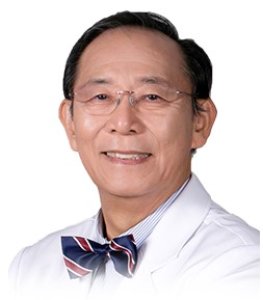
Jwong Myeonghyeon
الدكتور Jwong Myeonghyeon اختصاصي الأنف والأذن والحنجرة (ENT). يحمل درجتي الطب (MD) والدكتوراه، ويشغل منصب المدير الطبي الفخري. يتركز عمله السريري على التهاب الأذن الوسطى، طنين الأذن، الدوخة والدوار، زراعة القوقعة، فقدان السمع، المعينات السمعية، وطب الأنف والأذن والحنجرة لدى الأطفال.
حصل على درجتي الطب (MD) والدكتوراه في الطب من جامعة يونسي، وأكمل زمالة في مختبر أبحاث طب الأذن بجامعة ولاية أوهايو في الولايات المتحدة.
شملت مناصبه القيادية منصب مدير مستشفى العيون والأنف والأذن وال
مشاركة المحتوى
قصص فيديو من مرضى Bookimed
 Anna Leonova
أسئلة متكررة حول علاج فقدان السمع الحسي العصبي في كوريا الجنوبية
ما هو العلاج القياسي لفقدان السمع الحسي العصبي المفاجئ في كوريا الجنوبية؟
يتبع العلاج القياسي لفقدان السمع الحسي العصبي المفاجئ في كوريا الجنوبية بروتوكولاً صارماً لمدة 14 يوماً يُعرف بـ "النافذة الذهبية". يستخدم المتخصصون العلاج بالستيرويد الجهازي بجرعات عالية مع التصوير التشخيصي. تعطي المراكز المعتمدة من اللجنة الدولية المشتركة (JCI) في سيول الأولوية لدخول المستشفى الفوري لضمان تقديم الدواء بشكل متسق ومراقبة السمع بسرعة.
- بروتوكول الستيرويد: يقوم الأطباء بإعطاء الستيرويدات الفموية بجرعات عالية لمدة 7 إلى 10 أيام بشكل أساسي.
- الحقن داخل الطبلة: يقوم المتخصصون بإجراء حقن مباشرة في الأذن للحالات الشديدة أو كعلاج إنقاذ.
- الإقامة في المستشفى: يتلقى المرضى عادةً من 7 إلى 10 أيام من الرعاية السريرية الخاضعة للإشراف داخل المستشفى.
- التشخيص المتقدم: تشمل البروتوكولات تقييمات سريعة لعتبة السمع وصور الأشعة المقطعية للجيوب الأنفية.
رؤية خبراء Bookimed: تحتل كوريا الجنوبية مرتبة عالمية عالية في الكفاءة الطبية بسبب نهجها القائم على البروتوكول. تدير المراكز الكبيرة مثل مستشفى سيفيرانس أو مركز أسان الطبي أحجاماً كبيرة من المرضى يومياً. يسمح هذا النطاق لأقسام الأنف والأذن والحنجرة بتقديم اختبار السمع في نفس اليوم والبدء الفوري في تناول الستيرويدات. يضمن اختيار مستشفى تابع للجامعة الوصول إلى فرق متعددة التخصصات إذا كان فقدان السمع مرتبطاً بمشاكل عصبية كامنة.
إجماع المرضى: يشير المرضى إلى أن رعاية الأنف والأذن والحنجرة في كوريا سريعة بشكل استثنائي. ويؤكدون أن بدء العلاج في الأيام القليلة الأولى أمر حيوي لل
ما مدى سرعة طلب الرعاية الطبية لفقدان السمع المفاجئ في كوريا؟
اطلب الرعاية الطبية في غضون 24 إلى 72 ساعة من بداية فقدان السمع المفاجئ. تتحسن معدلات نجاح التعافي بشكل كبير عند بدء العلاج ضمن هذا الإطار الزمني. يؤكد الأخصائيون الكوريون أن التأخير لأكثر من أسبوعين قد يؤدي إلى تلف عصبي حسي دائم.
- الموعد النهائي للعلاج: يجب أن تبدأ التدخلات الطبية بشكل مثالي في غضون 72 ساعة للحصول على نتائج مثالية.
- معدلات النجاح: حوالي 80% من المرضى يظهرون تحسناً إذا تم علاجهم في غضون 14 يوماً.
- الوصول إلى الأخصائيين: ابحث عن طبيب أنف وأذن وحنجرة، ويُعرف في كوريا بأخصائي Ibi-inhu-gwa.
- معايير الطوارئ: تعامل مع كتمان السمع في جانب واحد أو طنين الأذن المفاجئ كحالة طبية طارئة مباشرة.
رؤية خبير Bookimed: تتفوق كوريا في التشخيص السريع للحالات المعقدة. تعالج مراكز كبيرة مثل مستشفى سيفيرانس (Severance Hospital) أكثر من 1.6 مليون مريض خارجي سنوياً. تدمج هذه المرافق تصويراً متطوراً مثل الأشعة المقطعية وأقسام الأنف والأذن والحنجرة المتخصصة. يسمح حجم المرضى الكبير هذا بخبرة أسرع في الحالات العصبية الحسية التي تعتمد على الوقت.
إجماع المرضى: يؤكد المرضى على الذهاب مباشرة إلى عيادة الأنف والأذن والحنجرة أو غرفة الطوارئ فوراً. لا تخلط بين فقدان السمع المفاجئ وتراكم الشمع البسيط أو الاحتقان المؤقت.
هل يمكنني الحصول على زراعة قوقعة في كوريا لفقدان السمع الحسي العصبي الشديد؟
يمكنك الحصول على زراعة قوقعة في كوريا الجنوبية لفقدان السمع الحسي العصبي الشديد. توفر المستشفيات الرائدة والمعتمدة من JCI في سيول هذه الإجراءات. تشمل بروتوكولات التشخيص المتقدمة الأشعة المقطعية للجيوب الأنفية. تقدم المراكز المتخصصة برامج إعادة تأهيل سمعية واسعة النطاق لاستعادة السمع.
- أهلية العلاج: يتطلب التقييم اختبارات التعرف على الكلام، وقياسات السمع، وتجارب السماعات الطبية.
- سعة المستشفى: أجرى مركز أسان الطبي 2,000 عملية زراعة قوقعة بحلول عام 2023.
- معايير الاعتماد: تحافظ المرافق الكبرى مثل مستشفى سيفيرانس على اعتماد اللجنة الدولية المشتركة.
- أوقات الانتظار: يستأنف المرضى عادة أنشطتهم اليومية الطبيعية بعد يوم أو يومين من الجراحة.
رؤية خبير Bookimed: كوريا هي وجهة ذات حجم كبير، حيث تحتل المرتبة الثالثة عالمياً في طلبات المرضى لدينا. تخدم المستشفيات الجامعية الكبيرة مثل مستشفى جامعة سيول الوطنية أكثر من 10,000 مريض يومياً. يضمن هذا الحجم الضخم أن يحافظ الجراحون على مستويات عالية من الخبرة من خلال الممارسة السريرية المستمرة.
إجماع المرضى: يشير المرضى إلى أن عمل التعافي الحقيقي يبدأ بعد تنشيط الجهاز. ويؤكدون أن إعادة التأهيل ومواعيد الضبط (Mapping) المنتظمة أمر حيوي للنجاح على المدى الطويل.
ما هي الخيارات المتاحة إذا لم تستعد الستيرويدات السمع في كوريا؟
إذا فشلت الستيرويدات في استعادة السمع في كوريا، غالباً ما يخضع المرضى لحقن داخل الطبلة أو علاج بالأكسجين عالي الضغط. تقدم مراكز متخصصة مثل مستشفى سيفيرانس عمليات زراعة القوقعة الجراحية لفقدان السمع العميق. تساعد التشخيصات المتقدمة مثل الأشعة المقطعية للجيوب الأنفية في تحديد مسار إعادة التأهيل الأكثر فعالية.
- حقن الستيرويد داخل الطبلة: توصيل الدواء مباشرة إلى الأذن الوسطى للوصول إلى القوقعة.
- الأكسجين عالي الضغط: زيادة توصيل الأكسجين إلى الأذن الداخلية في غرفة مضغوطة.
- زراعة القوقعة: استعادة إدراك الصوت للفقدان الشديد عبر الزرع الجراحي لجهاز إلكتروني.
- تقييم السماعات الطبية: توفير تضخيم غير جراحي إذا كان مستوى السمع المتبقي يسمح بتحسن وظيفي.
رؤية خبير Bookimed: تعد كوريا الجنوبية رائدة في الرعاية الصحية الرقمية، حيث تجري مراكز مثل مستشفى جامعة سيول الوطنية في بوندانغ أكثر من 32,500 عملية سنوياً. على الرغم من أن علاجات الإنقاذ شائعة، إلا أن بياناتنا تظهر أن تكلفة زراعة القوقعة قد تتراوح بين 28,500 و 41,500 دولار. اختيار مستشفى معتمد من قبل اللجنة الدولية المشتركة (JCI) مثل سيفيرانس يضمن أعلى المعايير لهذه العمليات الجراحية المعقدة للأذن.
إجماع المرضى: يؤكد المرضى على أهمية التصرف بسرعة وطلب قياسات سمع متكررة مباشرة بعد فشل الستيرويدات. ويشيرون إلى أن السماعات الطبية غالباً ما توفر تحسينات كبيرة في جودة الحياة حتى مع التعافي الجزئي.
هل تتوفر أي علاجات متطورة أو تجريبية لفقدان السمع الحسي العصبي في كوريا؟
تقدم كوريا الجنوبية علاجات متطورة لفقدان السمع الحسي العصبي من خلال التجارب السريرية والغرسات الجراحية المتقدمة. تقود مؤسسات مثل مستشفى سيفيرانس ومستشفى جامعة سيول الوطنية الأبحاث في إصلاح المشابك العصبية وتجديد الأعصاب. تشمل العلاجات مرشحات دوائية خاصة وعلاجات تجديدية يتم توصيلها مباشرة إلى القوقعة.
- إصلاح المشابك العصبية: تطور شركات التكنولوجيا الحيوية الكورية أدوية NS101 لاستعادة الروابط بعد فشل الستيرويد.
- منصات التجديد: توفر منصة Osprey العلاج بالخلايا لتجديد خلايا العصب السمعي.
- الغرسات الجراحية: تقوم المراكز المعتمدة من JCI مثل مستشفى سيفيرانس بعمليات زراعة القوقعة المعقدة للتعافي.
- التشخيص الرقمي: تستخدم المرافق الرقمية بالكامل نظام BESTcare لضمان تخطيط دقيق للعلاج.
رؤية خبير Bookimed: تعد كوريا رائدة عالمياً في الرقمنة الطبية، حيث يعمل مستشفى جامعة سيول الوطنية رقمياً بالكامل منذ عام 2004. تسمح هذه البنية التحتية بتتبع تشخيصي عالي الدقة لتلف الأعصاب بمرور الوقت. تعالج عيادات مثل مستشفى سيفيرانس أكثر من 1,000,000 مريض سنوياً، مما يوفر الحجم الكبير اللازم للمشاركة القوية في التجارب السريرية.
إجماع المرضى: يشير المرضى إلى أن مستشفيات سيول الكبرى توفر وصولاً سريعاً إلى أخصائيي الأنف والأذن والحنجرة للحصول على آراء ثانية. ويؤكدون أن العلاجات التجريبية يتم الوصول إليها بشكل أفضل من خلال تجارب بحثية رسمية تقودها الجامعات بدلاً من العيادات الخاصة.
هل تمتلك المستشفيات الكورية خبرة في علاج المرضى الدوليين؟
تمتلك مستشفيات كوريا الجنوبية خبرة واسعة في علاج المرضى الدوليين وتعمل كمركز طبي عالمي. تمتلك المنشآت الرئيسية في سيول اعتماد اللجنة الدولية المشتركة (JCI). وتوفر مراكز مخصصة للأجانب مع مترجمين للغات الإنجليزية والروسية والعربية لضمان رعاية سلسة.
- معايير الاعتماد: تمتلك العيادات اعتماد JCI واعتماد الرعاية الصحية العالمية (GHA) لسلامة المرضى الدوليين.
- دعم اللغة: توفر المراكز الدولية المخصصة مترجمين فوريين محترفين ومنسقين طبيين يتحدثون الإنجليزية.
- حجم كبير من المرضى: تعالج المراكز الرائدة مثل مركز آسان الطبي أكثر من 11,000 مريض خارجي يوميًا.
- خبرة في الأنف والأذن والحنجرة: تتخصص المستشفيات الجامعية الكبرى مثل مستشفى سيفيرانس في عمليات زراعة القوقعة المعقدة.
رؤية خبير بوكيميد: على الرغم من أن العديد من العيادات تحظى بتقييم عالٍ، إلا أن الخبرة تختلف حسب حجم القسم. يضم مستشفى سيفيرانس 3700 سرير وقسمًا ضخمًا للأنف والأذن والحنجرة. تظهر بياناتنا أن هذه المراكز الجامعية الكبيرة تتعامل مع الخدمات اللوجستية للمرضى الأجانب بكفاءة أكبر من عيادات الأنف والأذن والحنجرة الخاصة الصغيرة. وغالبًا ما يكون لديهم بروتوكولات محددة لنقل الصور الرقمية والسجلات الطبية إلى بلدك الأصلي.
إجماع المرضى: يشير المرضى إلى أن مستشفيات سيول الكبرى معتادة جدًا على الأجانب، لكنهم يقترحون إحضار نسخ مادية من الفحوصات السابقة. ويؤكد الكثيرون أنه على الرغم من أن الأطباء يتحدثون الإنجليزية، فإن وجود منسق مخصص يعد ضروريًا للتواصل مع طاقم التمريض أثناء فترة
ما الذي يجب أن أحضره في موعدي الأول مع أخصائي فقدان السمع في كوريا؟
أحضر جواز سفرك، ونتائج تخطيط السمع السابقة، وتقارير الرنين المغناطيسي أو الأشعة المقطعية في زيارتك الأولى لأخصائي السمع في كوريا. قم بتضمين ملاحظات طبيب الأنف والأذن والحنجرة وإعدادات سماعات الأذن الحالية إن وجدت. تستخدم العيادات الكورية المعتمدة من اللجنة الدولية المشتركة (JCI) أنظمة رقمية لتتبع تطور فقدان السمع الحسي العصبي. إثبات الهوية إلزامي للتسجيل.
- الهوية: احمل جواز سفرك أو بطاقة تسجيل الأجانب للتسجيل في المستشفى.
- السجلات الطبية: قدّم نتائج تخطيط السمع وقياس الطبلة السابقة لتتبع التغيرات في السمع.
- التصوير التشخيصي: أحضر تقارير الرنين المغناطيسي أو الأشعة المقطعية الحالية المتعلقة بحالة أذنك.
- الجدول الزمني للأعراض: دوّن متى بدأ فقدان السمع وأي علامات لطنين الأذن.
رؤية خبراء Bookimed: المراكز الكبرى مثل مستشفى جامعة سيول الوطنية ومستشفى سيفيرانس رقمية بالكامل. فهي تستخدم أنظمة مثل BESTcare لإدارة بيانات المرضى وتقليل الأخطاء الطبية. إن إحضار نسخ ورقية من التقارير المتخصصة يضمن تحميل تاريخك الطبي بدقة في هذه الشبكات الإلكترونية المتقدمة خلال زيارتك الأولى.
إجماع المرضى: يشير المرضى إلى أنه من الضروري إحضار قائمة مكتوبة بالأسئلة حول المنشطات والجراحة. كما يؤكدون على أهمية وجود تطبيق ترجمة أو صديق مستعد لمناقشة أعراضك المحددة بوضوح.