علاج فقدان السمع الحسي العصبي في الصين: 2 مستشفيات


تمت مراجعة المقالة طبيا من قبل
فهد مولود
ما هي تكلفة فقدان السمع الحسي العصبي إجراءات التشخيص والعلاج في الصين؟ اعرف الآن
| الصين | تركيا | إسبانيا | |
|---|---|---|---|
| تركيب القوقعة الصناعية | ≈ $24,000 | من $14,000 | من $22,000 |
مزاياك وضماناتك مع Bookimed
أسعار مباشرة
Bookimed لا يضيف رسوماً إضافية على أسعار علاج فقدان السمع الحسي العصبي. الأسعار مأخوذة من قوائم الأسعار الرسمية للعيادات. تدفع مباشرة في العيادة مقابل علاجك عند وصولك إلى البلد.
عيادات وأطباء معتمدون فقط
Bookimed ملتزم بسلامتك. نحن نعمل فقط مع المؤسسات الطبية التي تحافظ على معايير دولية عالية في علاج فقدان السمع الحسي العصبي ولديها التراخيص اللازمة لخدمة المرضى الدوليين في جميع أنحاء العالم.
مساعدة مجانية على مدار الساعة
Bookimed يقدم مساعدة خبراء مجانية. منسق طبي شخصي يدعمك قبل وأثناء وبعد العلاج، ويحل أي مشاكل. لن تكون وحيداً أبداً في رحلة علاج فقدان السمع الحسي العصبي.

منسقك الطبي الشخصي في Bookimed
- يدعمك في كل مرحلة
- المساعدة في اختيار العيادة الطبية المناسبة والطبيب المناسب
- يضمن الوصول السريع والمريح إلى المعلومات
اكتشف أفضل فقدان السمع الحسي العصبي العيادات في الصين: 2 خيارات معتمدة والأسعار


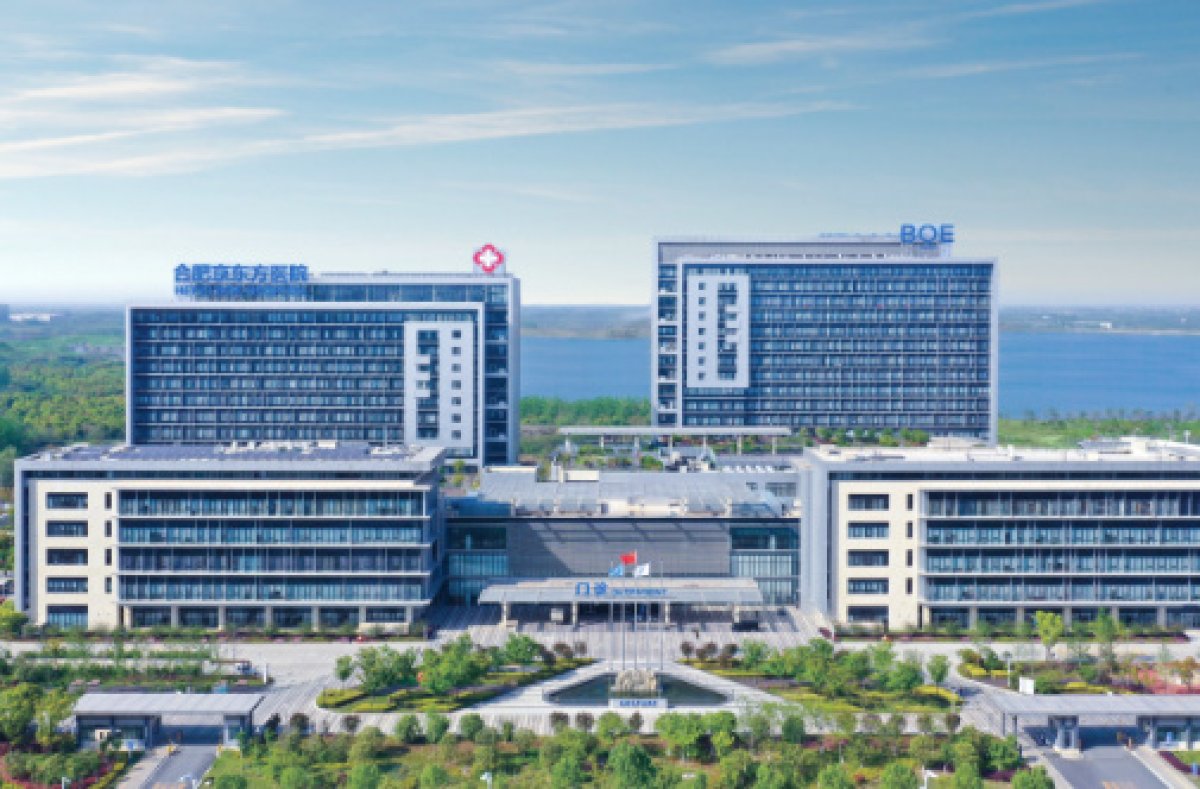
مشاركة المحتوى
قصص فيديو من مرضى Bookimed
 Anna Leonova
أسئلة متكررة حول علاج فقدان السمع الحسي العصبي في الصين
كيف يختلف علاج فقدان السمع الحسي العصبي في الصين عن الدول الغربية؟
تعالج الصين فقدان السمع الحسي العصبي من خلال نموذج طبي متكامل يجمع بين علم الأدوية الغربي والطب الصيني التقليدي. في حين تعتمد البروتوكولات الغربية على الكورتيكوستيرويدات وإعادة التأهيل السمعي، غالبًا ما تضيف العيادات الصينية الوخز بالإبر، والأدوية العشبية، وموسعات الأوعية الدموية الوريدية لتعزيز الدورة الدموية الدقيقة في الأذن الداخلية واستعادة الأعصاب.
- البروتوكولات التكاملية: يجمع العلاج من الخط الأول بين الستيرويدات الجهازية والوخز بالإبر حول الأذن ومغلي الأعشاب.
- دعم الدورة الدموية الدقيقة: تستخدم العيادات بشكل متكرر الحقن الوريدي مثل ألبروستاديل لتحسين تدفق الدم.
- التدخلات الجسدية: يُقترن العلاج بالأكسجين عالي الضغط بشكل شائع بالوخز بالإبر الكهربائي الإيقاعي لعلاج طنين الأذن.
- التركيز على الأطفال: تعطي البرامج الكبيرة الممولة من الحكومة الأولوية للتسليم السريع والواسع النطاق لزراعة القوقعة للأطفال.
رؤية خبير Bookimed: تسمح البنية التحتية للرعاية الصحية في الصين بحجم كبير للغاية من المرضى، مما يسرع من الخبرة السريرية. على سبيل المثال، يخدم مستشفى ياندا الدولي 2,500,000 شخص سنويًا. هذا التركيز في الحالات يمكّن عيادات الفئة (أ) من المستوى الثالث من إدارة عمليات زراعة القوقعة المعقدة وإعادة التأهيل متعدد الوسائط على نطاق نادرًا ما يُرى في المراكز الغربية الخاصة.
إجماع المرضى: يلاحظ المرضى أن الأطباء الصينيين يتحركون بسرعة كبيرة مع العلاجات المكثفة. غالبًا ما يجمعون بين علاجات متعددة في وقت واحد بدلاً من استخدام النه
ما هو العلاج الجيني الرائد في الصين للصمم الخلقي؟
العلاج الرائد في الصين هو علاج جيني ثنائي الناقل لفقدان السمع الحسي العصبي DFNB9. تم تطويره في جامعة فودان، ويستهدف طفرات جين OTOF. يستخدم هذا النهج فيروسين غير ضارين لنقل المواد الجينية إلى القوقعة. وهو يعيد بنجاح إنتاج البروتين لنقل الصوت.
- الجين المستهدف: يعالج العلاج طفرات OTOF التي تسبب الصمم المتنحي المرتبط بالصبغيات الجسدية 9.
- معدل النجاح: أفادت التجارب السريرية باستعادة السمع الوظيفي لدى حوالي 90% من المرضى.
- سرعة التعافي: غالبًا ما يستجيب المرضى للصوت في غضون أسابيع من الحقن الدقيق.
- الابتكار التقني: يتغلب نظام الناقل المزدوج على سعة الفيروس المحدودة عن طريق تقسيم الجين.
رؤية خبير Bookimed: في حين يمثل العلاج الجيني علامة فارقة علمية، تظل البنية التحتية الطبية في الصين تركز بشكل كبير على الجراحة ذات الحجم الكبير. على سبيل المثال، يخدم مستشفى ياندا الدولي 2,500,000 مريض سنويًا ويجري 9,000 عملية جراحية. يشير هذا إلى أنه على الرغم من أن الاختراقات الجينية تتصدر العناوين الرئيسية، تظل زراعة القوقعة التقليدية هي المسار الأساسي للغالبية العظمى من المرضى الدوليين حتى يتم توحيد البروتوكولات الجينية.
إجماع المرضى: يلاحظ المرضى أن السمع يستعيد عافيته تدريجيًا وليس فورًا. يؤكد الكثيرون على أهمية العلاج المبكر وتأكيد طفرات جينية محددة قبل متابعة هذه العلاجات الجديدة.
هل الوخز بالإبر فعال لفقدان السمع الحسي العصبي، وكيف يعمل؟
تظهر التجارب السريرية أن الوخز بالإبر فعال لفقدان السمع الحسي العصبي عند دمجه مع الطب التقليدي. يعمل عن طريق تحفيز تدفق الدم المحلي إلى الخلايا الشعرية في القوقعة وتنشيط القشرة السمعية في الدماغ. تكون معدلات النجاح أعلى عندما يبدأ العلاج في غضون 14 يوماً من ظهور الأعراض.
- الدورة الدموية: يؤدي الوخز في نقاط محلية إلى توسيع الأوعية وزيادة توصيل الأكسجين إلى الأذن الداخلية.
- التنشيط العصبي: يحفز الوخز مناطق الدماغ المسؤولة عن فهم الكلام ومعالجة الصوت.
- تقليل الالتهاب: تشير المؤشرات الإجرائية إلى انخفاض في الضرر الخلوي المؤكسد داخل القوقعة.
- البروتوكولات المشتركة: يوفر الدمج مع الكورتيكوستيرويدات وموسعات الأوعية معدلات استجابة أعلى بكثير من الأدوية وحدها.
رؤية خبير Bookimed: يوضح مستشفى ياندا الدولي في بكين توجهاً متزايداً للمرافق من الفئة (أ) المستوى الثالث لدمج البروتوكولات. بينما يخدم 2,500,000 مريض سنوياً باستخدام تقنيات حديثة، يضمن اعتماد JCI الخاص به أن الأساليب الصينية التقليدية تلبي معايير السلامة الدولية. يشير هذا التكامل إلى أن النتائج الأكثر موثوقية تأتي من المستشفيات ذات الحجم الكبير التي تتعامل مع الوخز بالإبر كأداة إعادة تأهيل بدلاً من كونه علاجاً مستقلاً.
إجماع المرضى: يلاحظ المرضى أنه على الرغم من أن الوخز بالإبر نادراً ما يستعيد الديسيبل المفقود في الحالات المزمنة، إلا أنه يقلل بشكل كبير من الضغط العاطفي الناتج عن طنين الأذن. يؤكد الكثيرون على استخدامه كإضافة مبكرة للرعاية الطبية العاجلة بدلاً من انتظار
كيف يعالج أطباء الأنف والأذن والحنجرة الصينيون فقدان السمع الحسي العصبي المفاجئ (SSNHL)؟
يعالج أطباء الأنف والأذن والحنجرة الصينيون فقدان السمع الحسي العصبي المفاجئ (SSNHL) باستخدام بروتوكولات قوية تعتمد على مخطط السمع. إنهم يعطون الأولوية للتدخل الفوري في غضون 72 ساعة. يشمل العلاج جرعات عالية من الكورتيكوستيرويدات، وعوامل تحسين الدورة الدموية الدقيقة، والأكسجين عالي الضغط. غالبًا ما تجمع الأساليب التكاملية بين الأدلة السريرية الغربية والوخز بالإبر لتعظيم إمكانات التعافي.
- تصنيف الأنواع الفرعية: يقوم الأطباء بتكييف العلاج مع أربعة أشكال محددة لمنحنيات فقدان السمع.
- إعطاء الكورتيكوستيرويدات: تستخدم العيادات الستيرويدات الجهازية التي غالبًا ما تُدمج مع حقن داخل الطبلة أو خلف الأذن.
- دعم الدورة الدموية: تشمل البروتوكولات الباتروكسوبين والجنكة بيلوبا لتحسين تدفق الدم في الأذن الداخلية.
- دمج الوخز بالإبر: يستخدم المتخصصون الوخز بالإبر الكهربائي في نقاط عصبية محددة حول الأذن لتحفيز المسارات العصبية.
رؤية خبير Bookimed: يوضح مستشفى ياندا الدولي في بكين معيار المستشفيات الصينية من الفئة (أ) المستوى الثالث. تتعامل هذه المرافق مع أعداد هائلة من المرضى، تصل إلى 2,500,000 مريض سنويًا. يسمح هذا النطاق للأطباء بمعالجة SSNHL كبروتوكول طوارئ حقيقي. غالبًا ما يجمعون بين المعايير الدولية المعتمدة من قبل JCI والتقنيات التقليدية. يضمن اختيار هذه المراكز عالية المستوى الوصول إلى علاجات متخصصة للدورة الدموية الدقيقة مثل الباتروكسوبين التي لا توجد دائمًا في أماكن أخرى.
إجماع المرضى: يؤكد المرضى أن الوقت هو العامل الأكثر أهمية
ما هي العلاجات العشبية للطب الصيني التقليدي (TCM) المستخدمة لفقدان السمع الحسي العصبي؟
يعالج الطب الصيني التقليدي (TCM) فقدان السمع الحسي العصبي من خلال تركيبات تعمل على تقوية الكلى وتصفية حرارة الكبد. غالبًا ما يصف الممارسون دواء Er-Long-Zuo-Ci-Wan للتدهور المرتبط بالعمر. تهدف هذه العلاجات العشبية إلى حماية الخلايا الشعرية في القوقعة وتحسين الدورة الدموية الدقيقة في الأذن الداخلية ضمن بيئات الرعاية المتكاملة.
- التركيبات الكلاسيكية: يستهدف Er-Long-Zuo-Ci-Wan نقص الكلى وطنين الأذن عالي النبرة.
- العلاج الحاد: يعالج Tong-Qiao-Er-Long-Wan الفقدان المفاجئ المرتبط بالتوتر.
- أعشاب الدورة الدموية الدقيقة: يركز الجنكة بيلوبا والمريمية (Salvia miltiorrhiza) على تدفق الدم في الأذن الداخلية.
- الدعم التجديدي: قد تحمي جذور القتاد (Radix Astragali) عصبونات العقدة الحلزونية من التلف.
رؤية خبراء Bookimed: تقدم المستشفيات الصينية رفيعة المستوى مثل مستشفى ياندا الدولي رعاية متكاملة من خلال الجمع بين التشخيصات الحديثة والبروتوكولات التقليدية. تظهر بياناتنا أن هذه المرافق من الفئة (أ) تتعامل مع أعداد هائلة من المرضى، تصل إلى 2,500,000 سنويًا. يسمح هذا التردد العالي للأطباء بتحسين جرعات الأعشاب جنبًا إلى جنب مع علاجات الأنف والأذن والحنجرة القياسية للحصول على نتائج ذاتية أفضل.
إجماع المرضى: يشير المرضى إلى أن الأعشاب أكثر فعالية في إدارة الطنين والتوتر بدلاً من استعادة الديسيبل المفقود. يؤكد الكثيرون على أن التعامل مع فقدان السمع المفاجئ يعد حالة طبية طارئة تتطلب تقييمًا عاجلاً في المستشفى قبل البدء في العلاج العشبي التكميل
هل يمكن للمرضى الدوليين السفر إلى الصين لعلاج فقدان السمع الحسي العصبي؟
يمكن للمرضى الدوليين السفر إلى الصين لعلاج فقدان السمع الحسي العصبي. تقدم المؤسسات الطبية تجارب العلاج الجيني وزراعة القوقعة. توفر المرافق المتخصصة في المدن الكبرى رعاية تكاملية لحالات الفقدان المفاجئ. يحتاج المرضى إلى تأشيرة طبية رسمية للخضوع للإجراءات السريرية بشكل قانوني.
- خيارات العلاج: تستهدف تجارب العلاج الجيني الصمم الوراثي الناتج عن طفرات OTOF.
- البروتوكولات المتكاملة: تجمع العيادات بين الكورتيكوستيرويدات والوخز بالإبر لعلاج فقدان السمع المفاجئ.
- الرعاية الجراحية: تجري المستشفيات الجامعية جراحات متقدمة لزراعة القوقعة وإعادة التأهيل.
- الوضع السريري: يحمل مستشفى ياندا الدولي اعتماد JCI لمعايير الجودة.
رؤية خبير Bookimed: بينما يسعى الكثيرون للحصول على تجارب متطورة، فإن الهيكل اللوجستي للرعاية الصحية الصينية يفضل المراكز واسعة النطاق. يتعامل مستشفى ياندا الدولي مع 2,500,000 مريض سنوياً على الرغم من امتلاكه 3,000 سرير فقط. يشير هذا الحجم الكبير إلى التركيز على التشخيص الخارجي وسرعة دوران الإجراءات. يجب على المرضى إعطاء الأولوية للمستشفيات التي لديها أقسام دولية مخصصة لإدارة احتياجات الفواتير والترجمة بفعالية.
إجماع المرضى: يؤكد المرضى على ضرورة علاج فقدان السمع المفاجئ في غضون فترة زمنية قصيرة. ويشيرون إلى أن ضمان الدعم الدولي لعلامات تجارية محددة لزراعة القوقعة أمر حيوي للرعاية طويلة الأمد.