Men's Health Clinics
تركيا, إسطنبول
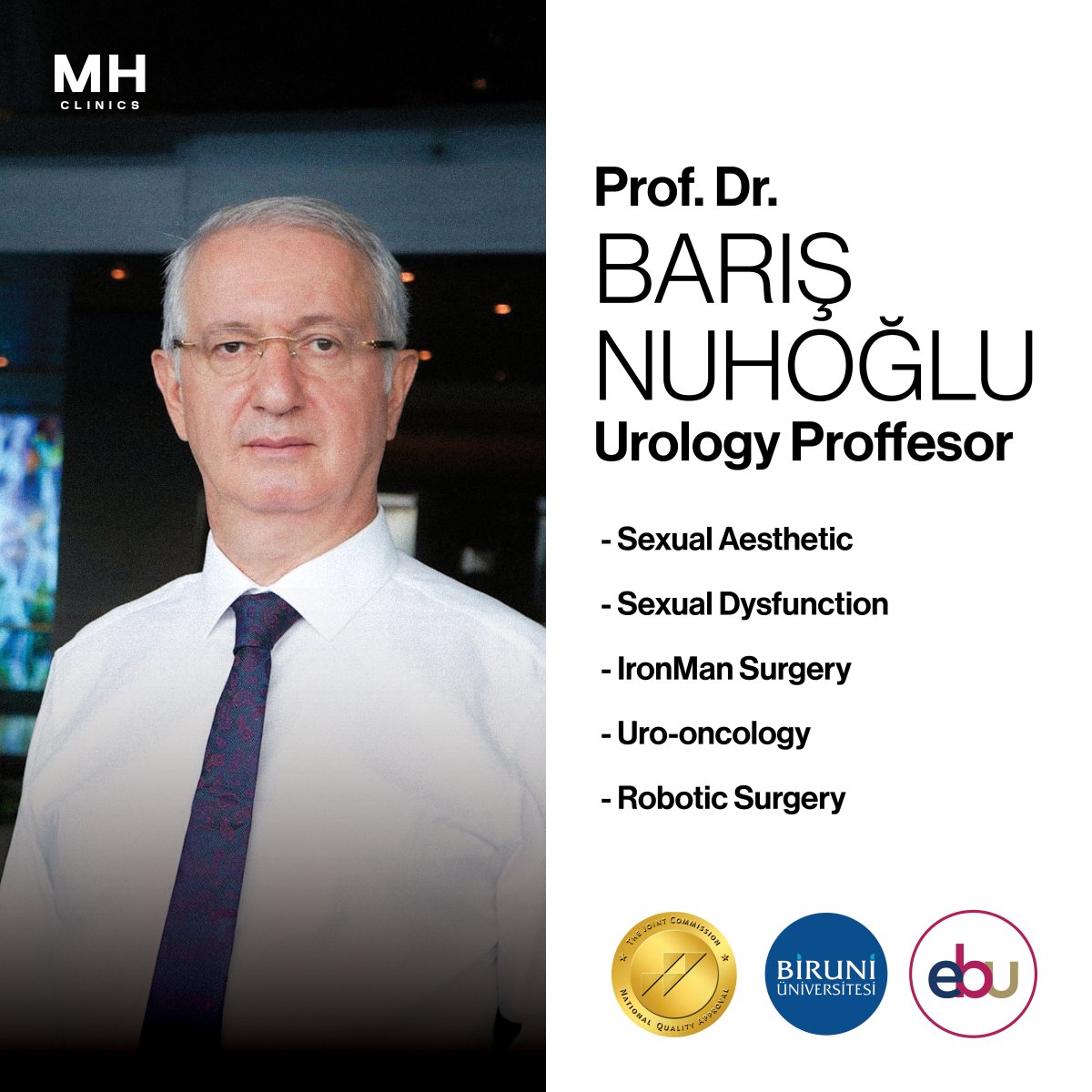
Baris Nuhoglu
29سنة خبره ١٦ سنة

حافظة الجراح
العيادة معتمدة من قبل : 





تمت مراجعة المقالة طبيا من قبل
فهد مولود
تختلف التكلفة الإجمالية لعلاج تضخم البروستاتا في تركيا بناءً على خطة العلاج والإجراء المختار. يكلف الفحص $120، بينما يتم تسعير استئصال البروستاتا باستخدام ليزر الثوليوم بـ $8,500، بما في ذلك الإقامة في المستشفى. بدلاً من ذلك، تتراوح تكلفة العلاج باستخدام HIFU بين $9,400 و $13,000. بالإضافة إلى ذلك، يتم تسعير الاستشارات وخزعة البروستاتا الموجهة بالرنين المغناطيسي بـ $200 و $6,500 على التوالي. تكلف الدراسات الباثولوجية حوالي $750. يتم تقديم خزعة البروستاتا متعددة البؤر عبر المستقيم تحت الموجات فوق الصوتية بسعر $850. يتم تخصيص خطة العلاج بعد تقييم حالة المريض.
| تركيا | إسبانيا | ألمانيا | |
|---|---|---|---|
| شق البروستاتا عبر الاحليل (TUIP) | من $2,000 | من $5,600 | ≈ $3,600 |
| العلاج بالموجات الدقيقة عبر الإحليل (TUMT) | من $12,000 | ≈ $3,600 | ≈ $3,600 |
| التبخير (باستخدام ليزر GreenLight) | من $3,000 | من $7,500 | من $5,500 |






مئات من عمليات تجميل الصفن والعضو الذكري الناجحة – يتخصص الدكتور بوغرا تشيتين في الجراحات المسالك البولية المتقدمة في مستشفى باهتشيليفلر ميديكال بارك.
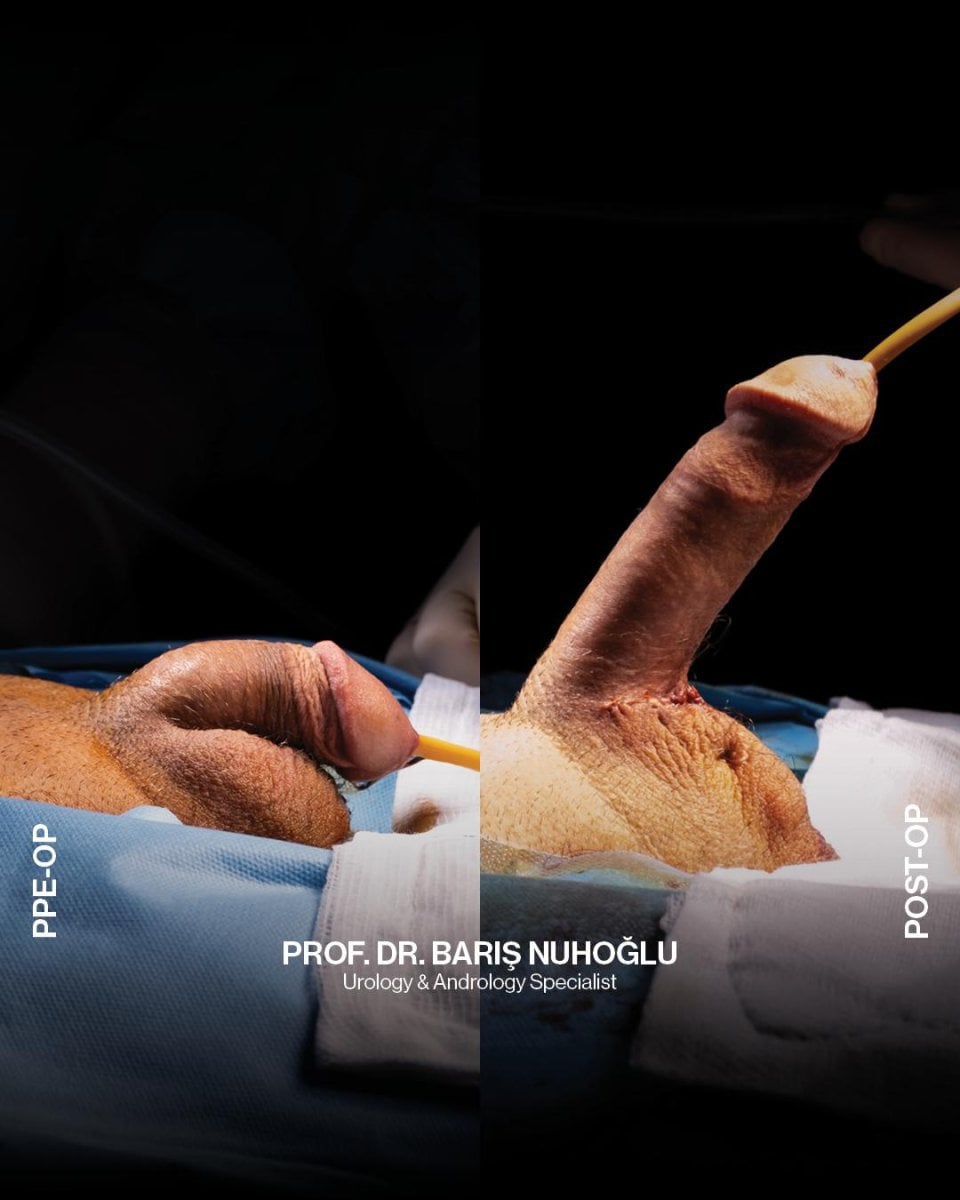
تم إجراء أكثر من 900 علاج – البروفيسور الدكتور باريش نوهوغلو هو أستاذ في طب المسالك البولية يتمتع بخبرة 29 سنة، ومتخصص في تضخم البروستاتا.

يتخصص الأستاذ المشارك الدكتور جنك أكار في علاجات البروستاتا المتقدمة، بما في ذلك أكثر من 250 عملية استئصال البروستاتا بالليزر (HOLEP) لتضخم البروستاتا الحميد.
يتخصص الأستاذ المشارك بصري جاكيروغلو في جراحة المسالك البولية بالمنظار وطب أورام المسالك البولية، ويتمتع بخبرة واسعة في علاج تضخم البروستاتا في مستشفى هيسار إنتركونتيننتال.
 Anna Leonova
تضخم البروستاتا الحميد (BPH) ليس سرطانًا. يتضمن تضخم البروستاتا الحميد نمو خلايا غير سرطانية في غدة البروستاتا. لا تنتشر هذه الخلايا إلى أعضاء أخرى. على الرغم من أن تضخم البروستاتا الحميد لا يزيد من خطر الإصابة بالسرطان، إلا أن كلتا الحالتين تشتركان في أعراض متشابهة مثل كثرة التبول أو ضعف تدفق البول.
رؤية خبير Bookimed: غالبًا ما تدير مراكز الأورام التركية حالات تضخم البروستاتا الحميد داخل أقسام المسالك البولية المتخصصة لديها. مركز الأناضول الطبي تابع لمستشفى جونز هوبكنز. وهذا يضمن حصول المرضى على فحص تشخيصي بمستوى السرطان حتى للحالات الحميدة. قد تكلف حزمة TUIP في مستشفى حصار حوالي 3250 دولارًا لإقامة ليلة واحدة.
إجماع المرضى: يؤكد المرضى أن كلمة "حميد" لا تعني غير ضار. ويشيرون إلى أن التأكيد المهني ضروري لأن الأعراض مثل مشاكل التبول وحدها لا يمكنها التمييز بين تضخم البروستاتا الحميد والسرطان.
يمكن أن تؤثر علاجات تضخم البروستاتا على الوظيفة الجنسية، وغالباً ما تسبب تغييرات في القذف. قد يؤدي تبخير البروستاتا بالليزر وشق البروستاتا عبر الإحليل (TUIP) إلى قذف مرتجع. تظل جودة الانتصاب والرغبة الجنسية مستقرة عادةً. يستخدم أطباء المسالك البولية الأتراك تقنيات متقدمة للحفاظ على الإحساس ووظيفة النشوة الجنسية أثناء الإجراءات.
رؤية خبراء Bookimed: يعطي المرضى الأولوية لعيادات مثل مركز الأناضول الطبي (Anadolu Medical Center) أو ميموريال شيشلي (Memorial Şişli) لأنها تقدم علاجات مسالك بولية متنوعة. تظهر البيانات أن الجراحين المتخصصين مثل الدكتور مراد بينباي، الذي أجرى أكثر من 600 جراحة روبوتية في أورام المسالك البولية، يوفرون دقة أعلى. هذه الخبرة حيوية للحفاظ على الحزم العصبية المسؤولة عن الوظيفة الجنسية أثناء إجراءات البروستاتا المعقدة.
إجماع المرضى: يشير المرضى إلى أنه من المهم التمييز بين النشوة الجنسية والقذف قبل الجراحة. ويقترح الكثيرون سؤال الجراحين تحديداً عن الخيارات
يبدأ تحسن الأعراض بعد علاج تضخم البروستاتا في تركيا عادةً في غضون 24 إلى 72 ساعة. وفي حين يزداد تدفق البول بعد إجراءات الليزر أو الشق الجراحي بفترة قصيرة، فإن التخلص التام من الإلحاح وتكرار التبول غالباً ما يستغرق عدة أسابيع. يعتمد التعافي الفردي على التقنية المستخدمة والحالات المرضية السابقة في المثانة.
رؤية خبراء Bookimed: تظهر البيانات أن باقات الإقامة لمدة ليلة واحدة، مثل تلك الموجودة في مستشفى هيسار إنتركونتيننتال (Hisar Hospital Intercontinental)، تعطي الأولوية للتحرك السريع. وعلى الرغم من تركيز الكثيرين على الجراحة، فإن خبرة طبيب المسالك البولية هي المحرك الحقيقي للتعافي. وقد وثق البروفيسور الدكتور أوغور بويولو والبروفيسور الدكتور مراد بينباي مئات الحالات الجراحية الروبوتية وطيفة التوغل. إن اختيار متخصصين أجروا أكثر من 600 عملية ناجحة يرتبط غالباً بقلة التهيج بعد الجراحة واستقرار أسرع في المسالك البولية.
إجماع المرضى: يشير المرضى إلى أنه أثناء وجود القسطرة، يصعب الحكم على التقدم. ويؤكدون أنه على الرغم من تحسن التدفق فوراً تقريباً، فإن الراحة الحقيقية تعود تدريجي
يختار الأطباء علاج تضخم البروستاتا المناسب بناءً على شدة الأعراض ونتائج التشخيص. تشمل المؤشرات الرئيسية حجم البروستاتا، ومعدل تدفق البول، وكفاءة إفراغ المثانة. يعطي المتخصصون الأتراك الأولوية للتقنيات طفيفة التوغل مثل HoLEP أو ليزر GreenLight عندما لا توفر الأدوية راحة كافية.
رؤية خبير Bookimed: تظهر البيانات اتجاهاً واضحاً حيث يختار المرضى العيادات بناءً على تكنولوجيا محددة بدلاً من السمعة العامة. في حين يقدم مستشفى Hisar باقات TUIP متخصصة مقابل 3,250 دولاراً، يختار العديد من المرضى مركز الأناضول الطبي تحديداً بسبب انتمائه لـ Johns Hopkins وخبرته الروبوتية. يشير هذا إلى أنه بالنسبة لمشاكل البروستاتا، غالباً ما تملي التكنولوجيا المتاحة اختيار العيادة.
إجماع المرضى: يؤكد المرضى أن قرارات العلاج يجب أن تعتمد على شدة الأعراض وليس فقط على نتائج الفحوصات. يوصي الكثيرون بطلب اختبارات موضوعية مثل تخطيط تدفق البول قبل الموافقة على أي إجراء جراحي.
يحتاج المرضى عادةً إلى إقامة تتراوح من 3 إلى 7 أيام في تركيا لعلاج تضخم البروستاتا. تتضمن معظم الإجراءات طفيفة التوغل ليلة واحدة في المستشفى تليها 2 إلى 4 أيام من التعافي المحلي. يتمتع المرضى الدوليون بالحماية من خلال سياسة تركيا للإعفاء من التأشيرة لمدة 90 يوماً للعلاج والتعافي.
رؤية خبير Bookimed: بينما تركز الباقات الأساسية مثل عرض TUIP في مستشفى هيسار إنتركونتيننتال على ليلة واحدة في المستشفى، يجب على المرضى تخصيص ميزانية لثلاثة أيام إضافية في الفندق. يسمح هذا الوقت الإضافي للدكتور بصري شاكير أوغيره من أطباء المسالك البولية بإجراء فحوصات المتابعة الضرورية. إن إكمال هذه الاختبارات محلياً يضمن استقرار حالتك قبل رحلة العودة الطويلة إلى الوطن.
إجماع المرضى: يؤكد المرضى على ضرورة البقاء حتى يتم إزالة القسطرة بأمان. كما يوصون بتخصيص بضعة أيام إضافية لإدارة أي أعراض بولية قبل السفر.
تتطلب جراحة البروستاتا لعلاج التضخم عادةً قسطرة مؤقتة. تستخدم مراكز المسالك البولية التركية هذه القسطرة لتصريف المثانة أثناء الشفاء الأولي. يحتفظ المرضى بالأنبوب عادةً لمدة يوم إلى 3 أيام. يمنع الاستخدام قصير الأمد احتباس البول ويعالج تورم ما بعد الجراحة الشائع.
رؤية خبير بوكيميد: بينما يفترض الكثيرون أن علاجات الليزر الحديثة تتجنب القسطرة تماماً، تظهر البيانات أن معظم باقات الإقامة لمدة ليلة واحدة تشملها. يستخدم البروفيسور الدكتور مراد بينباي وغيره من المتخصصين القسطرة حتى في الحالات الروبوتية لضمان تعافي آمن. يجب على المرضى إعطاء الأولوية للعيادات التي تقدم إقامة من ليلة إلى ليلتين في المستشفى لضمان الإزالة المهنية قبل الخروج.
إجماع المرضى: يشير المرضى إلى أنهم غالباً ما يستيقظون والقسطرة موضوعة بالفعل. ويؤكدون أنه على الرغم من أن الجهاز قد يسبب تشنجات خفيفة، إلا أن عملية الإزالة أسرع وأسهل بكثير مما كان متوقعاً.
يمكن لمعظم المرضى السفر إلى المنزل بعد 3 إلى 5 أيام من علاج تضخم البروستاتا في تركيا. يعتمد التوقيت الدقيق على إزالة القسطرة والتبول بنجاح. غالباً ما تسمح الإجراءات طفيفة التوغل مثل TUIP بالسفر في وقت أقرب من العمليات الجراحية الأكثر تعقيداً.
رؤية خبير بوكيميد: تظهر بيانات بوكيميد أن العديد من الباقات التركية لعملية TUIP تشمل ليلة واحدة فقط في المستشفى. يشير هذا إلى تعافي أولي سريع. ومع ذلك، غالباً ما يبقى المرضى لمدة تتراوح بين 2 إلى 4 أيام إجمالاً في البلاد للتأكد من قدرتهم على التبول دون مساعدة. نادراً ما يسمح الجراحون ذوو الخبرة مثل الدكتور بصري جاكيروغلو للمرضى برحلات دولية حتى تعمل المثانة بشكل جيد بدون قسطرة.
إجماع المرضى: يشير المرضى إلى أنه من الضروري الانتظار حتى تتم إزالة القسطرة. يصبح السفر أسهل بكثير بمجرد أن تتمكن من التبول بمفردك دون ألم أو إلحاح.