العودة إلى الصفحة الرئيسية
820К+ مريضًا حصلوا على المساعدة منذ عام 2014
50 دول
1,500 عيادات
6K+ تقييمات
3K+ طبيب مؤهل

ما هي تكلفة صداع الراس إجراءات التشخيص والعلاج في الصين؟ اعرف الآن

السعر يقدم بعد الطلب

مزاياك وضماناتك مع Bookimed

أسعار مباشرة

Bookimed لا يضيف رسوماً إضافية على أسعار علاج صداع الراس. الأسعار مأخوذة من قوائم الأسعار الرسمية للعيادات. تدفع مباشرة في العيادة مقابل علاجك عند وصولك إلى البلد.

عيادات وأطباء معتمدون فقط

Bookimed ملتزم بسلامتك. نحن نعمل فقط مع المؤسسات الطبية التي تحافظ على معايير دولية عالية في علاج صداع الراس ولديها التراخيص اللازمة لخدمة المرضى الدوليين في جميع أنحاء العالم.

مساعدة مجانية على مدار الساعة

Bookimed يقدم مساعدة خبراء مجانية. منسق طبي شخصي يدعمك قبل وأثناء وبعد العلاج، ويحل أي مشاكل. لن تكون وحيداً أبداً في رحلة علاج صداع الراس.

لماذا نحن؟

منسقك الطبي الشخصي في Bookimed

  • يدعمك في كل مرحلة
  • المساعدة في اختيار العيادة الطبية المناسبة والطبيب المناسب
  • يضمن الوصول السريع والمريح إلى المعلومات

احصلوا على تقييم طبي لـ صداع الراس في الصين: استشيروا أطباء ذوي خبرة الآن

عرض جميع الأطباء
يؤكد

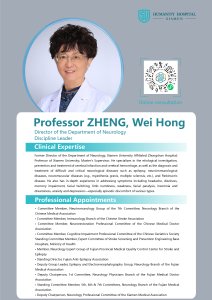
Zheng Wei Hong

45سنة خبره ١٦ سنة

البروفيسور تشنغ وي هونغ هو مدير قسم طب الأعصاب وقائد التخصص. شغل سابقًا منصب مدير قسم الأعصاب في مستشفى تشونغشان التابع لجامعة شيامن. وهو أستاذ بجامعة شيامن ومشرف على طلاب الماجستير.

يركّز عمله السريري على الاستقصاء السببي والوقاية وعلاج احتشاء الدماغ والنزف الدماغي. كما يشخّص ويعالج الأمراض العصبية المعقّدة، بما فيها الصرع، والاضطرابات العصبية‑المناعية والعصبية‑العضلية (الوهن العضلي الوبيل، التصلّب المتعدد)، ومرض باركنسون.

العضويات والمناصب: عضو في مجموعة علم المناعة العصبية (فرع طب الأعصاب بالجمعية الطبية الصينية)، وفرع علم المناعة (جمعية السكتة الدماغية الصينية)، ولجنة ترميم الجهاز العصبي (رابطة الأطباء الصينية)، ولجنة اضطرابات الإدراك (الجمعية الصينية لطب المسنين). عضو باللجنة الدائمة للجنة خبراء المستشفيات القاعدية لمشروع فحص السكتة الدماغية والوقاية منها (وزارة الصحة). عضو مجموعة خبراء طب الأعصاب بمركز فوجيان الإقليمي لمراقبة جودة الرعاية الطبية للسكتة والصرع. مدير دائم بجمعية مكافحة الصرع في فوجيان. نائب قائد مجموعة الصرع وتخطيط الدماغ الكهربائي (فرع طب الأعصاب بالجمعية الطبية في فوجيان). نائب رئيس الدورة الأولى للجنة فرع أطباء الأعصاب (رابطة الأطباء في فوجيان). عضو اللجنة الدائمة (الدورات الخامسة–السابعة) لفرع طب الأعصاب (الجمعية الطبية في فوجيان). نائب رئيس اللجنة المتخصصة لطب الأعصاب (الجمعية الطبية في شيامن).

يؤكد

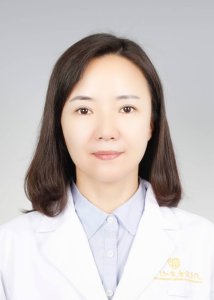
Fan Yun Pin

37سنة خبره ١٦ سنة

الموهبة الإكلينيكية الوطنية المتميزة في الطب الصيني - يقود الدكتور فان يون بين فريق الطب التكاملي الصيني والغربي لعلاج الصداع بالمستشفى الدولي ياندا.

  • 36 عامًا من الخبرة في أمراض الأعصاب وإدارة الصداع
  • رئيس مجموعة الطب الصيني والغربي التكاملي في المركز السريري الوطني للأمراض العصبية
  • مؤلف لأكثر من 180 مقالاً علمياً و8 كتب عن الحالات العصبية
  • حائز على جائزة بكين للعلوم والتكنولوجيا في الأبحاث الطبية

مشاركة المحتوى

Twitter XLinkedinFacebookWhatsAppEmail
أحصل على الرابط

قصص فيديو من مرضى Bookimed

Dayana
جمعت بين إجازتي في أنطاليا والفحص الطبي.
إجراء: فحص صحة الإناث (انظر فحص النساء)
Igor
كان رائعاً! التنقلات والإقامة والعلاج - كل شيء مشمول.
إجراء: زرع الأسنان
مستشفى: WestDent Clinic
Marina
قام Bookimed بكل شيء من أجلي. لم أضطر للقلق بشأن أي شيء.
إجراء: فحص صحة الإناث (انظر فحص النساء)
مستشفى: Severance Hospital
محدث: 05/27/2022
تأليف
Anna Leonova
Anna Leonova
رئيس فريق تسويق المحتوى
محررة طبية معتمدة لديها خبرة تزيد عن 10 سنوات، طوّرت محتوى Bookimed الموثوق، مدعومة بماجستير في علم اللغة ومقابلات مع خبراء طبيين من جميع أنحاء العالم.
تمت المراجعة من قبل المستشار الطبي في Bookimed
فهد مولود
محرر طبي وعالم بيانات
طبيب عام. حاصل على 4 جوائز علمية. خدم في غرب آسيا. رئيس الفريق الطبي الناطق بالعربية سابقا ومسؤول عن معالجة البيانات ودقة المحتوى الطبي حاليا.
فهد مولود Linkedin
قد تحتوي هذه الصفحة على معلومات تتعلق بمختلف الحالات الطبية والعلاجات وخدمات الرعاية الصحية المتوفرة في بلدان مختلفة. يرجى العلم أن المحتوى مقدم لأغراض إعلامية فقط ولا ينبغي تفسيره على أنه نصيحة أو إرشادات طبية. يرجى استشارة طبيبك أو أخصائي طبي مؤهل قبل البدء أو تغيير العلاج الطبي.

أسئلة متكررة حول علاج صداع الراس في الصين

هذه الأسئلة الشائعة مأخوذة من مرضى حقيقيين يبحثون عن رعاية طبية عبر Bookimed. يتم تقديم الإجابات من قبل منسقين طبيين ذوي خبرة وممثلين موثوقين من العيادات.

Is headache treatment in China safe for international patients?

Headache treatment in China is safe for international patients seeking care at JCI-accredited Class A Level III hospitals. These facilities merge Western neurology with evidence-based traditional medicine. Top-tier centers follow international safety protocols. They employ specialists who integrate brain diagnostics with standardized therapies.

  • Accreditation standards: Hospitals like Yanda International maintain Joint Commission International (JCI) safety certification.
  • Highest hospital tier: Class A Level III status represents the top rank for Chinese medical quality.
  • Integrative expertise: Specialists like Dr. Fan Yun Pin combine neurology with advanced traditional medicine.
  • Patient volume: Major centers like Yanda manage 2,500,000 patients annually with established protocols.

Bookimed Expert Insight: The distinction between tiered hospitals is the most reliable safety signal in China. Class A Level III hospitals, such as Yanda International, are academic hubs that must pass rigorous state inspections. These centers often feature specialized departments like the Integrative Chinese and Western Medicine Group. Choosing a hospital with JCI accreditation ensures that despite varying local standards, international safety benchmarks are met.

Patient Consensus: Patients note that safety depends heavily on selecting high-tier hospitals with dedicated international departments. Many recommend hiring a professional bilingual escort to prevent communication errors during complex neurological workups.

Which types of headaches are routinely treated in China?

Chinese hospitals routinely treat primary headaches including migraines, tension-type, and cluster headaches. Medical centers like Yanda International Hospital integrate Western neurology with Traditional Chinese Medicine. Specialists address secondary types caused by sinus issues or cervical spine problems using hybrid protocols within JCI-accredited facilities.

  • Treatment synergy: Clinics combine Western pharmaceutical protocols with traditional herbal decoctions and acupuncture.
  • Specialized neurology: Expert neurologists like Dr. Fan Yun Pin manage complex demyelinating diseases.
  • TCM diagnostics: Practitioners categorize pain based on specific meridians like Taiyang or Yangming channels.
  • Manual therapies: Routine care includes Tuina massage, Gua Sha, and moxibustion for chronic pain.

Bookimed Expert Insight: While many countries treat headaches as isolated symptoms, China’s Class A level III hospitals like Yanda International Hospital apply integrative neurology. Our data shows these centers serve over 2,500,000 patients annually because they offer specialized Western diagnostics alongside TCM. Leaders like Dr. Zheng Wei Hong bring deep expertise in neuroimmunology to routine headache management. This dual-pathway approach is vital for patients with `semi-illness states` like chronic fatigue and complex dizziness.

Patient Consensus: Patients note that acupuncture and chrysanthemum-based herbal teas are highly effective for relieving debilitating auras and tension. Many emphasize the convenience of seeking TCM clinics for immediate relief from stress-related headaches without needing long-term appointments.

What diagnostic technology can I expect on arrival?

Patients arriving in China for headache treatment can expect immediate access to high-resolution imaging at Class A Level III medical centers. Facilities like Yanda International Hospital specialize in neurology and integrate traditional diagnostics with over 28,000 modern technologies. Standard protocols include 3T MRI, CT angiography, and EEG monitoring shortly after admission.

  • Imaging efficiency: Tier 3 hospitals often provide MRI or CT scans within hours.
  • Neurological screening: Evaluations include fundoscopy and eye pressure tests to check vascular health.
  • Vascular diagnostics: Portable ultrasound screens neck vessels for carotid issues during the first visit.
  • Specialized expertise: Leading neurologists like Dr. Fan Yun Pin oversee complex headache workups.

Bookimed Expert Insight: While many global institutions have long waitlists, China's Class A Level III hospitals are built for extreme volume. Yanda International Hospital handles 2,500,000 patients annually and operates 3,000 beds. This massive scale ensures that even complex neurological equipment is nearly always available for same-day diagnostic use without a prior referral.

Patient Consensus: Patients note that while imaging is incredibly fast and efficient, doctors may order multiple scans quickly. It is helpful to request a full medical history review first to ensure each targeted scan is necessary.

How long will I need to stay in China for a complete headache evaluation and initial treatment?

A complete headache evaluation and initial treatment in China typically requires 5 to 15 days. Rapid diagnostics like MRIs often finish within 3 hours. Comprehensive programs at Class A Level III hospitals combine neurology with Traditional Chinese Medicine and usually follow a structured 15-day clinical timeline.

  • Diagnostic phase: Consultations and advanced imaging generally conclude within 1 to 4 days.
  • Treatment integration: Combined Western and Chinese therapies often require 15 days for stabilization.
  • Hospital stay: Some facilities mandate 48-hour observation after procedures like nerve blocks.
  • Chronic protocols: Clinical guidelines suggest 28 days to evaluate herbal medicine efficacy fully.

Bookimed Expert Insight: Yanda International Hospital in Beijing operates as a JCI-accredited Class A Level III facility. It treats 2,500,000 patients annually and integrates traditional methods with 28,500 modern technologies. This high volume allows specialists like Dr. Fan Yun Pin to manage complex cases efficiently. Patients should choose these top-tier institutions to access both advanced neurology and high-level integrative medicine in one location.

Patient Consensus: Patients note that while scans are fast, you should allow extra days for English translations. Using digital payment apps like Alipay can significantly speed up the hospital administrative process.

Do Chinese clinics combine Western medicines with traditional headache therapies?

Chinese clinics frequently combine Western pharmaceuticals with Traditional Chinese Medicine to treat headaches and migraines. This integrative approach is a national standard in hospitals. Doctors commonly prescribe triptans or painkillers alongside herbal formulas and acupuncture to maximize efficacy and reduce attack frequency.

  • Hybrid protocols: Clinics combine Western medications like sumatriptan with acupuncture and cupping.
  • Expert groups: Specialist teams like the Integrative Chinese and Western Medicine Group manage neurology.
  • Department standards: Large hospitals often feature dedicated departments for integrated headache diagnosis.
  • Regional access: Major cities like Beijing and Shanghai offer the most seamless integrative care.

Bookimed Expert Insight: Yanda International Hospital maintains the high Class A level III ranking while serving 2,500,000 patients annually. This massive volume supports their specialized neurology protocols led by experts like Dr. Fan Yun Pin. He has authored 8 books on integrative medicine. This highlights that Chinese headache treatment is not just traditional. It is a scientifically documented medical field combining over 28,500 modern technologies with herbal expertise.

Patient Consensus: Patients note that ER visits in major hubs like Shanghai may include IV fluids and acupuncture on the same day. Many suggest bringing a translation app to discuss how traditional herbs might interact with Western prescriptions.

What follow-up care is provided after I return home?

Follow-up care for headache treatment in China involves a digital discharge plan. It includes remote symptoms monitoring and medication management via online consultations. Specialists organize virtual visits to review progress. They also adjust therapies integrating Chinese and Western medicine after you return home.

  • Remote consultations: Access digital follow-up via video calls for ongoing neurologic monitoring.
  • Medication review: Specialists adjust pharmacological or herbal headache protocols based on your response.
  • Symptom monitoring: Doctors track pain triggers and frequency through standardized mobile health reports.
  • Integrative guidance: Patients receive custom home instructions for lifestyle changes and preventive therapies.

Bookimed Expert Insight: While many expect standard Western protocols, our data shows top Beijing clinics specialize in integrative care. Dr. Fan Yun Pin at Yanda International Hospital focuses on combining neurology and Traditional Chinese Medicine. This approach often means your follow-up plan includes both neurological medication and specific herbal or metabolic guidelines tailored to chronic fatigue or semi-illness states.

Patient Consensus: Patients find the transition home manageable when clinics provide clear digital copies of diagnostic results. They highly value doctors who maintain communication through international service departments to answer post-treatment questions.

Will I need a visa and is there help with medical letters?

Most international travelers require a visa to enter China for headache treatment. You can typically apply for an L tourism visa or an M business visa. Specialized medical letters and hospital invitations are essential for the application process and any necessary stay extensions.

  • Visa type: Most patients enter on an L visa for medical travel purposes.
  • Invitation letters: JCI-accredited clinics like Yanda International Hospital provide official invitation documents.
  • Processing time: Top Chinese hospitals usually issue these letters within 1 to 2 days.
  • Stay extensions: Patients can apply for 30–90 day extensions at local Public Security Bureaus.

Bookimed Expert Insight: China's Class A Level III hospitals, such as Yanda International Hospital, handle 2,500,000 patients annually. These high-volume centers have dedicated systems to produce travel documentation quickly. Our data shows that clinics integrating Western neurology with traditional Chinese medicine provide the most comprehensive supporting letters for visa boards.

Patient Consensus: Patients emphasize contacting the hospital international office 4 to 6 weeks early. They note that carrying printed copies of all medical letters is vital for local police checks.

احصل على استشارة مجانية

حدد أفضل طريقة للاتصال بك