الزرق او الجلوكوما العلاج في كوريا الجنوبية - التكاليف 2026


تمت مراجعة المقالة طبيا من قبل
فهد مولود
ما هي تكلفة الزرق او الجلوكوما إجراءات التشخيص والعلاج في كوريا الجنوبية؟ اعرف الآن
تتراوح تكلفة علاج الجلوكوما (المياه الزرقاء) في جمهورية كوريا عادةً ما بين $300 للفحص العيني المفصل و $150 للاستشارات المتخصصة. تعتمد التكاليف الإجمالية بشكل عام على مرحلة المرض وما إذا كان يتطلب علاجاً بالليزر أو تدخلاً جراحياً. يمكن للمرضى توقع توفير ما يقرب من 20-40% مقارنة بالولايات المتحدة، مع تركز الرعاية عالية المستوى في سيول، وإنتشون، وبوسان.
تكاليف علاج الجلوكوما النموذجية في جمهورية كوريا
- الفحص العيني: من $300
- التصوير المقطعي للترابط البصري (OCT): $90 – $190
- استشارة طبيب عيون: $70 – $150
رؤية خبراء Bookimed: يستفيد المرضى في المراحل المبكرة بشكل أكبر من المراقبة الرقمية في مراكز متخصصة مثل مستشفى جامعة سيول الوطنية في بوندانغ (SNUBH)، الذي يستخدم النظام الرقمي BESTcare. بالنسبة للحالات المعقدة، يوفر مستشفى سيفيرانس الحاصل على اعتماد اللجنة الدولية المشتركة (JCI) أقسام عيون متقدمة بمعايير سلامة عالية. يمكن للمرضى الباحثين عن رعاية جراحية متخصصة العثور على أطباء معتمدين في عيادة جانجنام جراند للعيون (Gangnam Grand Eye Clinic)، حيث أجرى الأطباء أكثر من 30,000 إجراء طبي.
| كوريا الجنوبية | تركيا | إسبانيا | |
|---|---|---|---|
| رأب التربيق بالليزر | ≈ $450 | من $800 | من $2,800 |
| استئصال الشبكة التربيقية | ≈ $2,600 | من $2,100 | من $5,600 |
مزاياك وضماناتك مع Bookimed
أسعار مباشرة
Bookimed لا يضيف رسوماً إضافية على أسعار علاج الزرق او الجلوكوما. الأسعار مأخوذة من قوائم الأسعار الرسمية للعيادات. تدفع مباشرة في العيادة مقابل علاجك عند وصولك إلى البلد.
عيادات وأطباء معتمدون فقط
Bookimed ملتزم بسلامتك. نحن نعمل فقط مع المؤسسات الطبية التي تحافظ على معايير دولية عالية في علاج الزرق او الجلوكوما ولديها التراخيص اللازمة لخدمة المرضى الدوليين في جميع أنحاء العالم.
مساعدة مجانية على مدار الساعة
Bookimed يقدم مساعدة خبراء مجانية. منسق طبي شخصي يدعمك قبل وأثناء وبعد العلاج، ويحل أي مشاكل. لن تكون وحيداً أبداً في رحلة علاج الزرق او الجلوكوما.

منسقك الطبي الشخصي في Bookimed
- يدعمك في كل مرحلة
- المساعدة في اختيار العيادة الطبية المناسبة والطبيب المناسب
- يضمن الوصول السريع والمريح إلى المعلومات
اكتشف أفضل الزرق او الجلوكوما العيادات في كوريا الجنوبية: 8 خيارات معتمدة والأسعار







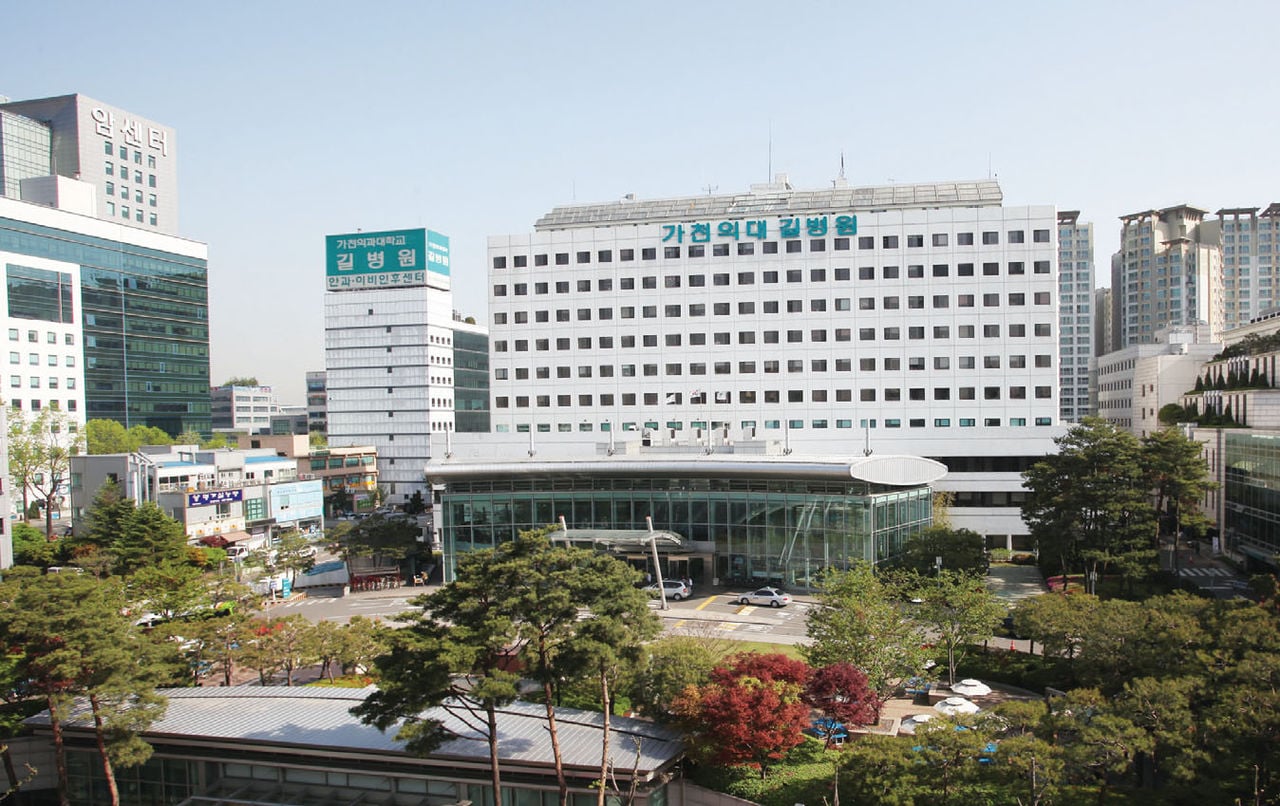





Bumin Hospital Seoul


احصل على تقييم طبي لـ في كوريا الجنوبية. استشر الآن 6 أطباء ذوي الخبرة.
عرض جميع الأطباء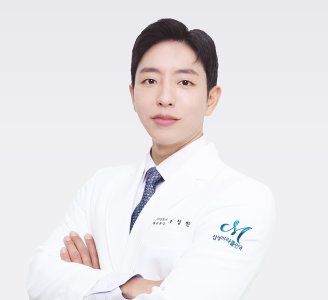
Sungwon Cho
الدكتور سونغ-وون تشو مدير قسم طب العيون وأخصائي جراحة الانكسار في Samsung Miracle Eye Clinic بغانغنام، سيول. حاصل على شهادة البورد. أتمّ سنة الامتياز وإقامة طب العيون في Korea University Anam Hospital. حصل على درجة البكالوريوس من Boston University. يركز على تصحيح الإبصار المتقدم، بما في ذلك SMILE وLASIK. شغل سابقاً منصب المدير في Blue World Eye Clinic، كما عمل استشارياً لطب العيون بالعيادات الخارجية في Inha University Hospital.
الاعتمادات: ZEISS SMILE Excellent Surgeon (معتمد). العضويا

Chong Gi Von
عالج بنجاح أكثر من 500,000 مريض – الدكتور تشونغ جي فون هو أخصائي رائد في جراحات العيون المتقدمة في مستشفى BGN للعيون.
- جراح معتمد لعمليات SMILE و LASIK/LASEK وزراعة العدسات ICL
- المدير العام والجراح الرئيسي في مستشفى BGN للعيون
- متحدث دائم في مؤتمرات طب العيون الدولية
- عضو في العديد من الجمعيات المرموقة بما في ذلك ASCRS و ESCRS
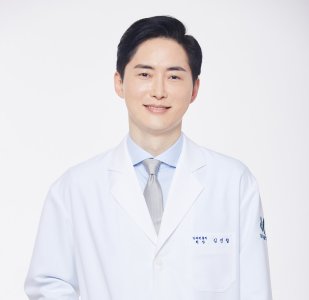
Jinchul Kim
الدكتور جينتشول كيم هو المدير وطبيب العيون في عيادة سامسونغ ميراكل للعيون في غانغنام، سيول. وهو متخصص في جراحات تصحيح الإبصار، بما في ذلك SMILE والإجراءات الليزرية، وفي جراحات الساد وعدسات باطن العين (IOL) مع تخطيط عدسات مخصص. حصل على درجة دكتور في الطب (M.D.) من كلية الطب بجامعة سيول الوطنية. أنهى تدريب التخصص في طب العيون في مستشفى سامسونغ بسيول، ويعمل حالياً أستاذاً زائراً هناك. كما تلقى تدريباً سريرياً متقدماً في مايو كلينك بالولايات المتحدة.
تشمل إنجازاته «معادلة ميراكل»، أول برنا
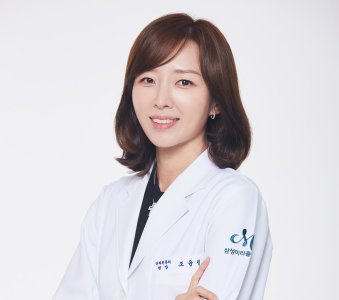
Yoonjung Jo
د. يون-جونغ جو طبيبة عيون حاصلة على البورد وتشغل منصب مديرة في عيادة سامسونغ ميراكل آي للعيون (غانغنام، سيول). حصلت على درجة الطب (MD) وأتمّت إقامة تخصص العيون في المركز الطبي لجامعة هاليم. شغلت لاحقًا منصب أستاذة زائرة وعضو هيئة تدريس سريري، كما تولّت إدارة عيادة تشونان كيم للعيون.
وهي متخصصة في جراحة الانكسار، ويشمل تركيزها SMILE وLASIK وتصحيح اللابؤرية والرؤية المخصص فرديًا (1:1). د. جو حاصلة على اعتماد ZEISS SMILE Excellent Surgeon، وهي عضو نشط في KOS وAAO وAPAO وKSCRS وESCRS وASCR
مشاركة المحتوى
قصص فيديو من مرضى Bookimed
 Anna Leonova
أسئلة متكررة حول علاج الزرق او الجلوكوما في كوريا الجنوبية
هل يتم علاج الجلوكوما بشكل مختلف في كوريا الجنوبية بسبب الجينات الآسيوية؟
يقوم أطباء العيون في كوريا الجنوبية بتكييف استراتيجيات علاج الجلوكوما لمعالجة السمات الجينية المحددة لشرق آسيا. يركز الأطباء على الجلوكوما ذو الضغط الطبيعي، الذي يصيب 77% من المرضى الكوريين. كما تتطلب معدلات قصر النظر المرتفعة وهياكل العين ذات الزاوية الضيقة برامج تشخيص متخصصة وعلاجات ليزر وقائية للتحكم في الضغط بفعالية.
- الضغط المستهدف: يستهدف الأطباء مستويات ضغط منخفضة للغاية تتراوح بين 10-12 ملم زئبق.
- التشخيص المتقدم: تستخدم العيادات تتبعاً بيومترياً مصمماً خصيصاً لهياكل العين الآسيوية.
- الليزر الوقائي: يعد بضع القزحية المحيطي بالليزر شائعاً للمرضى الذين يعانون من زوايا تصريف ضيقة.
- التكيف الجراحي: يستخدم الجراحون أدوية مضادة للندبات أثناء عمليات استئصال التربيق بسبب أنماط الشفاء الجينية.
رؤية خبراء Bookimed: طور المتخصصون الكوريون أدوات خاصة مثل "Miracle Formula" في عيادة Samsung Miracle Eye. يأخذ هذا البرنامج الأول من نوعه في العالم لحساب قوة العدسة داخل العين (IOL) في الاعتبار الملفات البيومترية الآسيوية بشكل خاص. تدير المراكز الكورية الجنوبية مثل مركز أسان الطبي ومستشفى سيفيرانس أحجاماً هائلة من المرضى، حيث تخدم أكثر من 10,000 مريض خارجي يومياً. تسمح لهم هذه الخبرة بتحسين العلاجات لحالات قصر النظر الشديد التي غالباً ما يتم تشخيصها بشكل خاطئ في أماكن أخرى.
إجماع المرضى: يلاحظ المرضى أن الزوايا الضيقة غالباً ما يتم اكتشافها دون أعراض أثناء الفحوصات الروتينية. ويؤكد الكثيرون على أهمية الرعاية الوقائية بالليزر فو
ما هي تقنيات التشخيص التي تستخدمها عيادات العيون في كوريا الجنوبية؟
تستخدم عيادات العيون في كوريا الجنوبية فحص الذكاء الاصطناعي للتعلم العميق وتقنية OCT ذات المصدر المكنوس (Swept-Source) على مستوى الميكرون للكشف عن الجلوكوما وأمراض الشبكية. تدمج هذه المرافق التصوير الرقمي في شبكات موحدة لتخطيط الجراحة. تستخدم المراكز الرائدة المعتمدة من JCI في سيول تصوير مقطعي Pentacam لرسم خرائط القرنية ثلاثية الأبعاد لضمان دقة جراحية عالية.
- تصوير الشبكية: يقوم OCT-A عالي السرعة برسم خرائط الأوعية الدقيقة دون استخدام أصباغ التباين.
- الفحص البانورامي: توفر الكاميرات ذات المجال الواسع للغاية رؤية للشبكية بزاوية 200 درجة دون الحاجة إلى توسيع حدقة العين.
- رسم خرائط القرنية: يولد التصوير المقطعي Pentacam خرائط ثلاثية الأبعاد لاكتشاف العيوب الهيكلية الدقيقة.
- التكامل الجراحي: تقوم بيانات القياسات الحيوية في الوقت الفعلي بحساب قوة العدسة تلقائيًا أثناء الإجراءات الروبوتية.
رؤية خبير Bookimed: ميزة رئيسية في كوريا الجنوبية هي استخدام خوارزميات تشخيصية محلية. طور الدكتور جينتشول كيم في عيادة سامسونج ميركل للعيون صيغة المعجزة (Miracle Formula). هذا البرنامج هو أول حساب لقوة عدسة داخل العين (IOL) مصمم خصيصًا للملفات الشخصية البيومترية الآسيوية. اختيار عيادة بها مثل هذه الأدوات المتخصصة غالبًا ما يؤدي إلى نتائج تصحيح رؤية أكثر دقة.
هل جراحة الجلوكوما طفيفة التوغل (MIGS) متاحة في كوريا الجنوبية؟
تتوفر جراحة الجلوكوما طفيفة التوغل (MIGS) على نطاق واسع في كوريا الجنوبية في مراكز طب العيون المتخصصة. تستخدم المستشفيات المعتمدة من قبل اللجنة الدولية المشتركة (JCI) في سيول وإنشيون دعامات دقيقة وغرسات تصريف متقدمة. تعالج هذه الإجراءات عادةً الجلوكوما الخفيفة إلى المتوسطة عن طريق خفض ضغط العين مع فترات تعافي أقصر.
- التقنيات المعتمدة: تستخدم العيادات iStent inject W، ودعامات XEN Gel، وشفرات Kahook المزدوجة.
- المؤسسات الرائدة: تتوفر الرعاية المتخصصة في مستشفى سيفيرانس ومركز آسان الطبي.
- الخبرة الجراحية: غالبًا ما يجمع الجراحون المعتمدون بين جراحة MIGS وجراحة المياه البيضاء (الكاتاركت) للحصول على نتائج أفضل.
- معايير الاعتماد: تمتلك معظم أقسام العيون رفيعة المستوى شهادات JCI أو KOIHA التي تضمن السلامة.
رؤية خبير Bookimed: تتمتع كوريا الجنوبية بمكانة فريدة في رعاية الجلوكوما بفضل المراكز ذات الحجم الكبير مثل مستشفى سيفيرانس. حيث يخدم 1.6 مليون مريض خارجي سنويًا. يسمح هذا النطاق الهائل للجراحين باكتساب خبرة واسعة في أجهزة MIGS المتخصصة بشكل أسرع من معظم البلدان. عند اختيار عيادة، أعط الأولوية لتلك التي تضم أقسامًا متخصصة في طب العيون والأنف والأذن والحنجرة بدلاً من مراكز الجراحة العامة. غالبًا ما تحتوي هذه الوحدات المخصصة على أحدث معدات التشخيص مثل التصوير المقطعي للترابط البصري (OCT) المطلوب لتخطيط دقيق لجراحة MIGS.
إجماع المرضى: يؤكد المرضى أن جراحة MIGS هي الأفضل لأولئك الذين يعانون من حالات خفيفة ويتطلعون إلى تقليل اس
هل يتوفر العلاج بالليزر كبديل للأدوية اليومية؟
يُعد رأب التربيق بالليزر الانتقائي (SLT) بديلاً أساسياً لأدوية الجلوكوما اليومية في كوريا الجنوبية. فهو يخفض ضغط العين بفعالية عن طريق تحسين تصريف السوائل. وعلى الرغم من أنه ليس بديلاً عالمياً، إلا أنه يقلل بشكل كبير من الاعتماد على قطرات العين للمرضى الذين يعانون من الجلوكوما مفتوح الزاوية.
- نوع العلاج: يستهدف رأب التربيق بالليزر الانتقائي خلايا صبغية محددة.
- الفائدة الرئيسية: يساعد العلاج بالليزر الانتقائي في تجنب الآثار الجانبية لقطرات العين اليومية.
- المعيار السريري: تستخدم المراكز المعتمدة من اللجنة الدولية المشتركة (JCI) مثل مركز أسان الطبي التصوير الرقمي.
- أدوات التشخيص: يستخدم المتخصصون التصوير المقطعي للترابط البصري لرسم خرائط دقيقة للأعصاب.
- الخيارات الجراحية: قد تتطلب الحالات المتقدمة إجراء بضع التربيق إذا كان العلاج بالليزر غير كافٍ.
رؤية خبير Bookimed: نمط مميز في طب العيون الكوري الجنوبي هو التركيز على التخصيص البيومتري. طور الدكتور جينتشول كيم في عيادة سامسونج ميركل للعيون تركيبة متخصصة لملفات تعريف العين الآسيوية. هذا المستوى من الدقة التشريحية يحسن النتائج للعلاجات القائمة على الليزر والعدسات. بالنسبة للمرضى، هذا يعني تحكماً أكثر دقة في الضغط مقارنة بالبروتوكولات العامة.
إجماع المرضى: غالباً ما يختار المرضى العلاج بالليزر لحل مشكلة المعاناة اليومية في تذكر قطرات العين. يلاحظ الكثيرون أنه بينما يوفر الليزر راحة طويلة الأمد، فإنهم يقدرون وجوده كخطوة لتأجيل الجراحة الأكثر توغلاً
هل يمكن دمج جراحة المياه البيضاء (الكاتاركت) والمياه الزرقاء (الجلوكوما) في إجراء واحد في كوريا الجنوبية؟
تقوم مراكز طب العيون في كوريا الجنوبية بشكل روتيني بإجراء جراحات مشتركة للمياه البيضاء والمياه الزرقاء في جلسة واحدة. يستخدم الجراحون نفس الشق لإزالة المياه البيضاء وتنفيذ تصريف المياه الزرقاء. هذا النهج المزدوج يخفض ضغط العين بفعالية مع استعادة وضوح الرؤية خلال فترة تعافٍ واحدة.
- أنواع الإجراءات: يقدم الجراحون تقنية فايتكو-MIGS للحالات الخفيفة وتقنية فايتكو-استئصال التربيق للجلوكوما المتقدمة.
- خيارات طفيفة التوغل: تستخدم المرافق دعامات دقيقة مثل iStent أو XEN لتسهيل تصريف السوائل.
- معايير السلامة: تحافظ المستشفيات الكبرى في سيول على اعتماد اللجنة الدولية المشتركة (JCI) لجراحات العيون المعقدة.
- فترة التعافي: يكمل المرضى عادةً الجدول الزمني للشفاء بعد الجراحة في غضون 6 أسابيع.
رؤية خبير Bookimed: تعد كوريا الجنوبية خياراً استراتيجياً للمرضى الآسيويين لأن متخصصين مثل الدكتور جينتشول كيم في عيادة Samsung Miracle Eye Clinic طوروا "Miracle Formula". تعمل هذه التقنية على تحسين قوة العدسة خصيصاً للملفات البيومترية للعين الآسيوية. اختيار مركز يركز على هذه الخصائص الإقليمية يمكن أن يؤدي إلى نتائج انكسارية أكثر قابلية للتنبؤ بعد الجراحة المشتركة.
إجماع المرضى: يشير المرضى إلى أن دمج الإجراءات يبسط لوجستيات السفر. يؤكد الكثيرون على أهمية توضيح ما إذا كانت الجراحة تهدف إلى التخلص من قطرات العين أو مجرد إدارة مستويات الضغط.
هل تلبي عيادات العيون في كوريا الجنوبية احتياجات المرضى الدوليين؟
تتخصص عيادات العيون في كوريا الجنوبية بشكل كبير في خدمة المرضى الدوليين من خلال مراكز عالمية مخصصة. تمتلك المرافق الرئيسية في سيول وإنشيون اعتماد الرعاية الصحية العالمية (GHA). وهي توفر منسقين يتحدثون الإنجليزية وبروتوكولات تشخيصية مبسطة. توفر معظم المراكز سجلات طبية رقمية بالكامل لضمان رعاية متابعة سلسة في الخارج.
- المرافق المعتمدة: عيادات مثل مستشفى سيفيرانس حاصلة على شهادة اللجنة الدولية المشتركة (JCI) للسلامة.
- دعم اللغة: توظف المراكز الرائدة فرقاً مخصصة للمتحدثين بالإنجليزية والروسية والصينية واليابانية.
- التكامل الرقمي: تستخدم مستشفيات مثل SNUBH نظام BESTcare لتقليل الأخطاء الطبية بكفاءة.
- تشخيص الجلوكوما: تشمل الاختبارات المتخصصة التصوير المقطعي للترابط البصري (OCT) والتحقيق الشامل عبر الذكاء الاصطناعي.
رؤية خبير Bookimed: تظهر البيانات تمييزاً واضحاً بين عيادات تصحيح النظر المتخصصة والمستشفيات الثالثية الكبيرة. بينما تركز العيادات الخاصة على إجراءات ليزر SMILE السريعة، يجب على المرضى الدوليين الذين يعانون من حالات معقدة مثل الجلوكوما اختيار مراكز ثالثية مثل مركز آسان الطبي. تدير هذه المؤسسات أكثر من 11,000 مريض خارجي يومياً وتمتلك البنية التحتية اللازمة لتخطيط الأدوية على المدى الطويل والتقارير التفصيلية باللغة الإنجليزية المطلوبة لإدارة أمراض العيون المزمنة.
إجماع المرضى: يشير المرضى إلى أنه على الرغم من كفاءة العيادات العالية، إلا أن الاستشارات قد تبدو موجزة وموجهة نحو العملية. من المهم طلب نسخ مادية من جمي