| الهند | تركيا | إسبانيا | |
| رأب التربيق بالليزر | من $350 | من $500 | من $1,200 |
| استئصال الشبكة التربيقية | من $1,200 | من $1,500 | من $2,500 |
Bookimed لا يضيف رسوماً إضافية على أسعار علاج الزرق او الجلوكوما. الأسعار مأخوذة من قوائم الأسعار الرسمية للعيادات. تدفع مباشرة في العيادة مقابل علاجك عند وصولك إلى البلد.
Bookimed ملتزم بسلامتك. نحن نعمل فقط مع المؤسسات الطبية التي تحافظ على معايير دولية عالية في علاج الزرق او الجلوكوما ولديها التراخيص اللازمة لخدمة المرضى الدوليين في جميع أنحاء العالم.
Bookimed يقدم مساعدة خبراء مجانية. منسق طبي شخصي يدعمك قبل وأثناء وبعد العلاج، ويحل أي مشاكل. لن تكون وحيداً أبداً في رحلة علاج الزرق او الجلوكوما.
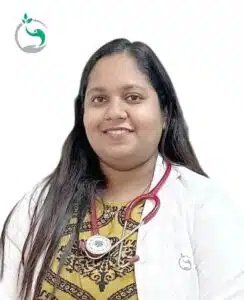
تتخصص الدكتورة لاكشمي ماهيش في علاج المياه الزرقاء (الجلوكوما) في مستشفيات مانيبال، حيث تقدم خبرة مركزة في التعامل مع هذه الحالة العينية المعقدة.
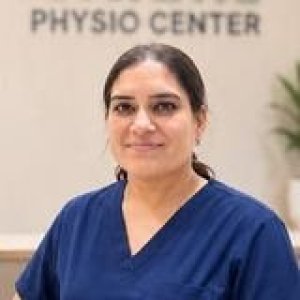
الدكتورة أغاروال أخصائية في زراعة القرنية - وهي مهارة دقيقة للغاية تفيد بشكل مباشر حالات الجلوكوما المعقدة. تمارس عملها في فورتم غوروغرام.
لا يمكن علاج الجلوكوما تماماً في الهند لأن تلف العصب البصري لا رجعة فيه. ومع ذلك، يقوم المتخصصون في المرافق المعتمدة من قبل اللجنة الدولية المشتركة (JCI) بإدارة الحالة بفعالية. تنجح العلاجات المتقدمة مثل رأب التربيق بالليزر وزراعة أجهزة التصريف في التحكم في ضغط العين للحفاظ على الرؤية المتبقية ومنع التدهور.
رؤية خبير Bookimed: تحتل الهند المرتبة الثامنة عالمياً في شبكة خدماتنا، مع 92 عيادة متخصصة تقدم رعاية العيون. بينما يركز الكثير منها في المدن الكبرى، تستضيف بنغالورو وجورجاون مؤسسات مثل مستشفيات مانيبال وفورتيس جورجاون، التي تدير أكثر من 2,000,000 و 3,500 مريض سنوياً على التوالي. يسمح هذا الحجم الهائل للمتخصصين الهنود بتطوير كفاءة لا مثيل لها في إدارة حالات الجلوكوما المعقدة والمقاومة التي تتطلب صمامات تصريف متقدمة.
إجماع المرضى: يؤكد المرضى أن النجاح يعني استقرار الرؤية بدلاً من الشفاء التام. ويشيرون إلى أهمية المراقبة المنتظمة وإيجاد مراكز متخصصة في الجلوكوما بدلاً من عيادات العيون العامة.
Glaucoma surgery in India reports success rates between 70% and 90%. Outcomes typically depend on the glaucoma type and disease stage. Indian centres maintain low resurgery rates. Only 2.6% of patients require a second procedure within the first year after primary surgery.
Bookimed Expert Insight: Indian ophthalmology networks like Manipal Hospitals serve 2,000,000 patients annually. This massive volume allows specialists to handle rare glaucoma variants. Smaller clinics might see such variants only once. Doctors like Dr Lakshmi Mahesh have performed over 5,000 successful procedures. This high case volume is a strong indicator of surgical proficiency in complex eye pressure management.
Patient Consensus: Patients note that long-term control often requires shunt implants for aggressive cases. They advise verifying if a clinic specialises in glaucoma rather than just vision correction.
Selective Laser Trabeculoplasty (SLT) is often better than daily drops for early-to-moderate open-angle glaucoma in India. It lowers eye pressure by 20–30% without the side effects of medications. Specialists at JCI-accredited Indian hospitals use laser therapy to reduce or eliminate the need for daily commitment.
Bookimed Expert Insight: Indian clinics often serve 2,000,000+ patients annually across networks like Manipal Hospitals. Our data shows that while SLT is a powerful first-line tool, specialists here often combine it with diagnostic investigations to catch aggressive cases early. If laser relief is short-lived, major centres in Gurgaon and Bengaluru move quickly to shunt implants like Xen or Ahmed for better long-term control.
Patient Consensus: Patients note that while SLT significantly drops pressure, it might only last 5 months for aggressive cases. Many find shunts are better for severe glaucoma, though laser is a helpful way to reduce the daily drop burden in India.
Glaucoma cannot be cured, as vision loss is permanent. Indian specialists focus on managing intraocular pressure to preserve remaining sight. Treatment options include trabeculoplasty and trabeculotomy. These are available at JCI-accredited centres like Artemis Hospitals and Manipal Hospitals. These procedures prevent further damage.
Bookimed Expert Insight: Indian hospital networks like Manipal Hospitals serve over 2,000,000 patients annually. This massive volume allows specialists to see rare glaucoma variants frequently. Australian patients may find that Indian specialists often recommend surgery earlier for advanced cases. This approach helps maintain lower pressure more consistently than medication alone.
Patient Consensus: Patients in India recommend southern states for superior eye care and specialist expertise. They emphasise using eye drops religiously. They also suggest adding daily meditation or light walks to help manage eye pressure.
Glaucoma treatment in India focuses on lowering intraocular pressure via eye drops, laser therapy, and surgery. Major hubs such as Bengaluru, Delhi, and Gurgaon offer modern procedures like Selective Laser Trabeculoplasty and trabeculectomy. Specialist clinics maintain Joint Commission International accreditation for high safety standards.
Bookimed Expert Insight: Indian eye hospitals like Manipal Hospitals serve over 2,000,000 patients annually. This massive volume allows specialists such as Lakshmi Mahesh to perform 5,000+ procedures. Patients often find that these high-volume centres develop immense expertise. This expertise allows them to handle complex or refractory glaucoma cases.
Patient Consensus: Patients in India find success by strictly using daily eye drops and attending three-monthly check-ups. Many note that government hospitals and NGOs provide free surgeries, while private centres offer comfort and advanced technologies.
Surgery is not the only option. Indian specialists use medicated eye drops and laser therapies as first-line treatments for glaucoma. These include Selective Laser Trabeculoplasty (SLT). These non-invasive methods aim to lower intraocular pressure and protect the optic nerve. They do not require surgical incisions.
Bookimed Expert Insight: Patient volume data highlights India as a major hub for complex eye care. Manipal Hospitals alone treats 2 million patients annually. This massive scale allows specialists to focus on tailored non-surgical plans. They often adjust drop strengths for months. The goal is to hit specific pressure targets before considering surgery.
Patient Consensus: Many patients avoid surgery entirely. They do this by using prescription drops strictly. They also choose SLT laser therapy in major hubs like Delhi or Chennai. Managing blood circulation and lifestyle factors alongside medical treatment in India is helpful.
India hosts world-leading glaucoma surgeons at JCI-accredited facilities like Artemis Hospitals and Manipal Hospitals. These specialists perform laser trabeculoplasty and trabeculotomy to lower eye pressure. Centres in Bengaluru, Delhi, and Gurgaon offer diagnostics like OCT to help save sight.
Bookimed Expert Insight: Patients seeking specialised eye care should look beyond general ophthalmology clinics. Data shows that large multidisciplinary hubs offer higher safety benchmarks. Examples include Manipal Hospitals and Artemis. They maintain JCI standards and host doctors with 5,000+ procedure records. This volume usually leads to better surgical precision in complex glaucoma cases.
Patient Consensus: Patients in India recommend southern states for superior care. However, those in Delhi highlight Dr Harsh Kumar for successful complex surgeries. They stress that using eye drops religiously and attending three-monthly check-ups is vital. This supports long-term recovery.