عيادة العمود الفقري والمفاصل Leadheal
كوريا الجنوبية, سول


تمت مراجعة المقالة طبيا من قبل
فهد مولود
من $55
تكاليف علاج الفصال العظمي النموذجية في جمهورية كوريا
رؤية خبراء Bookimed: يجب على المرضى الذين يبحثون عن دقة عالية التقنية إعطاء الأولوية للمستشفيات الجامعية في سيول. يستخدم مستشفى جامعة سيول الوطنية في بوندانغ نظام BESTcare الرقمي لتقليل الأخطاء الجراحية. بالنسبة لأولئك الذين يحتاجون إلى تعافٍ مكثف بعد الجراحة، يعد مستشفى كانغ دونغ في بوسان خياراً مثالياً، حيث كان رائداً في علاجات العظام متعددة الجوانب ويضم مركزاً مخصصاً لإعادة التأهيل. يستفيد المرضى الدوليون من المرافق الحاصلة على اعتماد اللجنة الدولية المشتركة (JCI) مثل مستشفى سيفيرانس، الذي يستقبل أكثر من 1.6 مليون مريض خارجي سنوياً.
| كوريا الجنوبية | تركيا | إسبانيا | |
|---|---|---|---|
| تنظير مفصل الركبة | من $8,000 | من $2,500 | من $10,100 |
| انسداد الشريان الركبي | ≈ $4,500 | من $16,000 | ≈ $3,600 |
| العلاج بالخلايا الجذعية للركبتين | من $10,000 | من $4,000 | من $35,000 |
| العلاج بالخلايا الجذعية لالتهاب المفاصل | من $19,000 | من $4,400 | من $15,000 |
| العلاج بالخلايا الجذعية | من $3,500 | من $1,600 | من $33,600 |
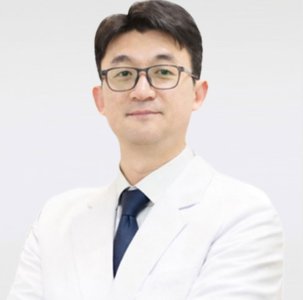
الدكتور كيم جو يونغ هو جراح عظام في عيادة سامسونج بالانس في سيول. وهو متخصص في العلاجات التجديدية وإعادة بناء المفاصل. شغل الدكتور كيم منصب مدير جراحة العظام في فرقة حفظ السلام في العراق. وهو يعالج حالات معقدة مثل هشاشة العظام في الركبة، وتمزق الغضروف المفصلي، وتيبس الكتف.
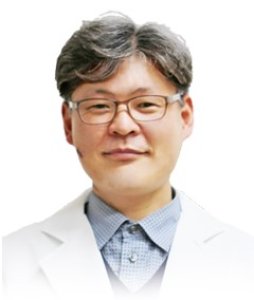
الدكتور يانغ يونغجون جرّاح عظام متخصص في رعاية المفاصل وتنظيرها. يعالج اضطرابات الركبة والكتف، ويُجري الجراحة التنظيرية للمفاصل واستبدال المفاصل (رأب المفصل). كما يعالج الرضوض والحالات المرتبطة بالرياضة، بما في ذلك إصابات الرياضيين، ومشكلات القدم والكاحل، ومتلازمة النفق الرسغي، والكسور.
أكمل برنامج الإقامة في جراحة العظام بالمركز الطبي الكاثوليكي، ثم زمالة في مستشفى سانت بول التابع للمركز نفسه. وهو عضو عامل في جمعية التنظير المفصلي الكورية، وجمعية الركبة الكورية، وجمعية الكتف والمرفق ا
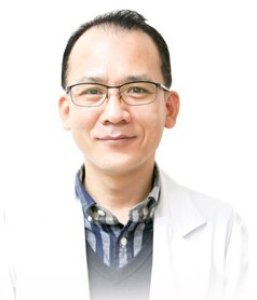
الدكتور لي دونغيوب جرّاح عظام متخصص في تنظير المفاصل واستبدال المفاصل. يجري جراحة تنظير المفاصل (المنظار المفصلي) واستبدال مفصل الركبة الكلي. ويعالج اضطرابات الكتف والإصابات الرياضية وحالات الركبة المزمنة.
المؤهلات: برنامج مشترك MD-PhD بكلية الدراسات العليا للطب في الجامعة الكاثوليكية في كوريا. سنة الامتياز وبرنامج الإقامة في جراحة العظام بالمركز الطبي الكاثوليكي التابع للجامعة الكاثوليكية في كوريا. مُدرّس سريري (زميل) في مستشفى سانت ماري في سيول، الجامعة الكاثوليكية في كوريا.
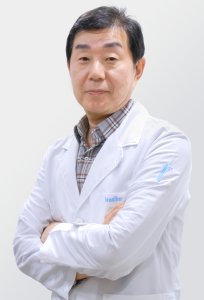
الدكتور جانغ هيو كيم جرّاح عظام يركّز على الحفاظ على المفاصل وإعادة البناء المعقّدة. يختص بمناظير المفاصل للكتف والركبة والكاحل والمرفق والمعصم. يُجري استبدال مفاصل الكتف والركبة والكاحل والمرفق والورك. يشمل عمله في العمود الفقري تثبيت ودمج الفقرات العنقية والقطنية. كما يُجري استئصال القرص، واستئصال الصفيحة الفقرية، وترميم الأعصاب، ورأب الفقرة. وتشمل ممارسته علاج الكسور وإصلاح العضلات والأربطة.
هو أستاذ منتسب في جامعة كيونغ هي، ويشغل منصب مدير مركز المفاصل في مستشفى فيري غود. وشغل سابق
 Anna Leonova
تقدم كوريا الجنوبية علاجات مبتكرة لالتهاب المفاصل مثل العلاج المتقدم بالخلايا الجذعية بالحقن المزدوج والبروتوكولات التي تركز على الغضاريف والتي لا تتوفر على نطاق واسع في أماكن أخرى. غالبًا ما تجمع هذه العلاجات بين تنظير المفاصل وعلاجات الليزر والحقن التجديدية لعلاج تنكس المفاصل. تستخدم المرافق تقنيات عالية الدقة تسرع التعافي وتحسن الحركة.
رؤية خبير Bookimed: غالبًا ما تجمع العيادات الكورية بين التصوير التشخيصي والحقن التجديدية في بروتوكولات سريعة لمدة يوم واحد. على سبيل المثال، تقدم عيادة Samsungbalance حزمة غير جراحية بحوالي 7000 دولار باستخدام تقنيات الحقن المزدوج والترددات الراديوية. هذا التنسيق الفعال مثالي للمرضى الدوليين الذين يحتاجون إلى رعاية شاملة للمفاصل خلال إطار زمني محدود للسفر.
إجماع المرضى: يشير المرضى إلى أن علاجات الغضاريف المتقدمة هي إجراءات روتينية في كوريا بينما غالبًا ما تعتبر تجريبية في بلدانهم الأصلية. ويؤكدون على أهمية التأكد من أن طبيبهم المحلي سيتولى الرعاية اللاحقة قبل السفر لهذه الإجراءات المتخصصة.
تضم كوريا الجنوبية مرافق رائدة لعلاج الفصال العظمي، بما في ذلك المؤسسات المعتمدة من اللجنة الدولية المشتركة (JCI) مثل مستشفى سيفيرانس ومركز أسان الطبي. تتخصص هذه المراكز في استبدال المفاصل بمساعدة الروبوت والعلاجات التجديدية المتقدمة. يستخدم جراحو العظام الرائدون أنظمة الملاحة الرقمية لضمان نتائج جراحية دقيقة للحالات المعقدة.
رؤية خبير Bookimed: في حين تتعامل المستشفيات الجامعية الكبيرة مثل أسان أو SNUBH مع أحجام هائلة من المرضى، توفر العيادات المتخصصة قيمة فريدة. على سبيل المثال، توفر عيادة سامسونج بالانس باقات مكثفة تتراوح تكلفتها بين 10,000 إلى 15,000 دولار. تشمل هذه الباقات تنظير المفاصل، والعلاج بالخلايا الجذعية، والعلاج الطبيعي اليدوي. غالباً ما توفر هذه الباقات المتكاملة إعادة تأهيل فردية أكثر كثافة من المستشفيات العامة الأكثر ازدحاماً.
إجماع المرضى: يشير المرضى إلى أن التنقل في المستشفيات الكورية غالباً ما يتطلب منسقاً لسد فجوة اللغة. وكثيراً ما يؤكدون أن تكاليف إجراءات المفاصل أقل بكثير مما هي عليه في الولايات المتحدة.
يتم علاج الفصال العظمي على نطاق واسع بدون جراحة في كوريا الجنوبية من خلال علاجات تجديدية متقدمة وطب تكاملي. تستخدم المؤسسات الرائدة حقن الخلايا الجذعية، وعلاج الترددات الراديوية، والعلاج بالليزر لإصلاح الغضاريف. تنجح هذه البروتوكولات غير الغازية في تأخير أو منع الحاجة إلى استبدال المفاصل في معظم الحالات.
رؤية خبير Bookimed: تشير البيانات إلى أن عيادات محددة مثل عيادة سامسونج للتوازن تقدم باقات غير جراحية متدرجة. اختيار باقة بدون تنظير مفصلي يمكن أن يقلل التكاليف إلى حوالي 7000 دولار. تسمح هذه الخيارات الخارجية للمرضى بتلقي علاج متقدم بالحقن المزدوج دون إقامة في المستشفى. هذا مثالي لأولئك الذين يسعون للحفاظ على المفاصل دون وقت التعافي المرتبط بالإجراءات الغازية.
إجماع المرضى: يشير المرضى إلى أن العلاج في المرحلة المبكرة حيوي للنجاح. أفاد الكثيرون أن الجمع بين الحقن التجديدية والعلاج الطبيعي أدى إلى إدارة الألم بفعالية لعدة سنوات.
يجب على السياح الطبيين التخطيط للبقاء من 2 إلى 4 أسابيع في كوريا بعد إجراءات المفاصل الكبرى. يبقى معظم المرضى لمدة 14 يوماً بعد الجراحة لضمان الشفاء الأولي قبل رحلات الطيران الطويلة. غالباً ما تستمر إعادة التأهيل داخل المستشفى من 7 إلى 14 يوماً لاستبدال المفاصل الكبرى لزيادة الحركة المبكرة إلى أقصى حد.
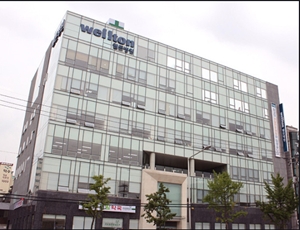
رؤية خبير Bookimed: بينما تتطلب العمليات الجراحية الكبرى مثل استبدال الورك أو الركبة في مراكز مثل مستشفى Wellton أسابيع من التعافي، توفر الخيارات التجديدية تعافياً أسرع بكثير. لا تحدد باقات عيادة Samsungbalance للعلاج بالحقن المزدوج للخلايا الجذعية أي إقامة في المستشفى. وهذا يسمح للمرضى بالتركيز على العلاج الطبيعي اليدوي في العيادات الخارجية مباشرة بعد الإجراء.
إجماع المرضى: يشير المرضى إلى أنه من المهم الاستفادة من إعادة التأهيل المكثف داخل المستشفى المقدم في كوريا. يجد الكثيرون أن بدء العلاج الطبيعي الموجه خلال اليومين الأولين يساعدهم على الشعور بمزيد من الاستقرار قبل السفر إلى المنزل.
تقبل المستشفيات الكورية الكبرى التأمين الدولي لتشخيصات الفصال العظمي القياسية والعمليات الجراحية الضرورية طبياً. يعتمد التغطية على بوليصتك المحددة والإجراء. غالباً ما تكون العلاجات التجديدية المتخصصة مثل العلاج بالخلايا الجذعية غير قابلة للاسترداد. يجب على المرضى الحصول على ضمان دفع مكتوب قبل بدء أي علاج.
رؤية خبير Bookimed: بينما تتعامل المراكز المتميزة مثل مستشفى جامعة سيول الوطنية بوندانغ مع 1.5 مليون مريض سنوياً، قد لا تقدم فواتير مباشرة للبروتوكولات الأحدث. تقدم عيادة سامسونج بالانس باقات خلايا جذعية تبدأ من 2500 دولار تجمع علاجات متعددة في جلسة واحدة. غالباً ما يكون من الأكثر فعالية من حيث التكلفة اختيار هذه الباقات الخارجية المجمعة مسبقاً بدلاً من التفاوض على مطالبات التغطية الفردية.
إجماع المرضى: يؤكد المرضى على الحصول على تفويض مسبق مكتوب لأن الموافقات الشفهية غالباً لا يتم الالتزام بها لاحقاً. يوصون بطلب فواتير باللغة الإنجليزية على ورق رسمي لتجنب رفض مطالبات التأمين الشائعة.
يجب على المرضى التخطيط للبقاء في كوريا الجنوبية لمدة تتراوح من أسبوع إلى 3 أسابيع لعلاج الفصال العظمي. تسمح علاجات الخلايا الجذعية غير الجراحية برحلات أقصر مدتها 5 أيام. تتطلب العمليات الجراحية الكبرى مثل استبدال الركبة أو الورك ما لا يقل عن 21 يوماً للتعافي الأساسي والعلاج الطبيعي ومعايير سلامة الطيران.
رؤية خبير Bookimed: تُظهر البيانات من عيادات مثل samsungbalance توجهاً نحو البروتوكولات التكاملية. غالباً ما يجمعون بين حقن الخلايا الجذعية والعلاج الطبيعي اليدوي وعلاجات الليزر. على الرغم من أن الحقن سريعة، إلا أن هذه الجلسات المشتركة تتطلب عادةً يوماً واحداً من الاستشفاء. يضمن اختيار هذه الباقات المجمعة مراقبة احترافية خلال ذروة الالتهاب الأولية التي تستمر 24 ساعة، وهي شائعة بعد الإجراءات التجديدية.
إجماع المرضى: يشير المرضى إلى أن سلالم مترو سيول صعبة أثناء فترة التعافي المبكرة. يوصي الكثيرون باستخدام تطبيقات سيارات الأجرة وحجز فنادق على مسافة قريبة من العيادة لتجنب أوقات السفر الطويلة بينما يكون التورم مرتفعاً.
يتحدث العديد من أخصائيي العظام في كوريا الجنوبية اللغة الإنجليزية. تتوفر خدمات الترجمة الفورية المهنية على نطاق واسع من خلال مراكز الرعاية الصحية الدولية. وتكون الكفاءة في اللغة الإنجليزية في أعلى مستوياتها في المرافق الكبرى مثل مستشفى جامعة سيول الوطنية في بوندانغ أو مستشفى سيفيرانس. غالبًا ما تستخدم العيادات الصغيرة تطبيقات الترجمة أو الخطوط الساخنة التي توفرها الحكومة.
رؤية خبير Bookimed: على الرغم من أن كبار الجراحين في مراكز مثل مستشفى ليدهيل أو مستشفى كانغ دونغ يتحدثون الإنجليزية، إلا أن طاقم الدعم غالبًا لا يتحدثها. يجب على المرضى اختيار العيادات التي لها تاريخ يمتد لـ 40 عامًا أو أكثر. عادةً ما تمتلك هذه المرافق الراسخة، مثل مستشفى سيفيرانس، أقسامًا دولية أكثر قوة. وهذا يضمن تواصلًا سلسًا أثناء التعافي وجلسات العلاج الطبيعي.
إجماع المرضى: يشير المرضى إلى أنه على الرغم من قدرة الجراحين على شرح خطط الجراحة، فمن المهم وجود مترجم للمناقشات مع الممرضات. يفضل الكثيرون السفر إلى سيول أو بوسان للوصول إلى العيادات التي تضم منسقين متخصصين يتحدثون الإ