علاج التهاب المفاصل في تايلاند — احصل على 3 عيادات مختارة خصيصاً لك


تمت مراجعة المقالة طبيا من قبل
فهد مولود
كيف نعمل؟
ما هي تكلفة التهاب المفاصل إجراءات التشخيص والعلاج في تايلاند؟ اعرف الآن
من $100 / 3,400฿. تتراوح تكاليف الخيارات الجراحية مثل استبدال الركبة من $7,000 / 238,000฿ إلى $10,100 / 343,400฿، بينما تتراوح تكاليف استبدال مفصل الورك من $8,600 / 292,400฿ إلى $12,000 / 408,000฿. تعتمد التكاليف الإجمالية على مستوى المستشفى، والغرسات المختارة، واستخدام المساعدة الروبوتية. غالبًا ما يوفر المرضى ما بين 50-70% مقارنة بالولايات المتحدة. توجد معظم الرعاية المتخصصة في بانكوك وباتايا.
تكاليف علاج الفصال العظمي النموذجية في تايلاند
- استشارة مع طبيب عظام (جراح إصابات): من $100 / 3,400฿
- العلاج بالخلايا الجذعية للركبتين: من $2,200 / 74,800฿
- استبدال الركبة: $7,000 / 238,000฿ – $10,100 / 343,400฿
- استبدال مفصل الورك: $8,600 / 292,400฿ – $12,000 / 408,000฿
- تنظير الركبة: من $6,600 / 224,400฿
- العلاج بالخلايا الجذعية لالتهاب المفاصل: من $2,500 / 85,000฿
- استبدال مفصل الورك الكلي بتقنية MAKOplasty: من $15,700 / 533,800฿
- العلاج بالخلايا الجذعية: $1,500 / 51,000฿ – $5,200 / 176,800฿
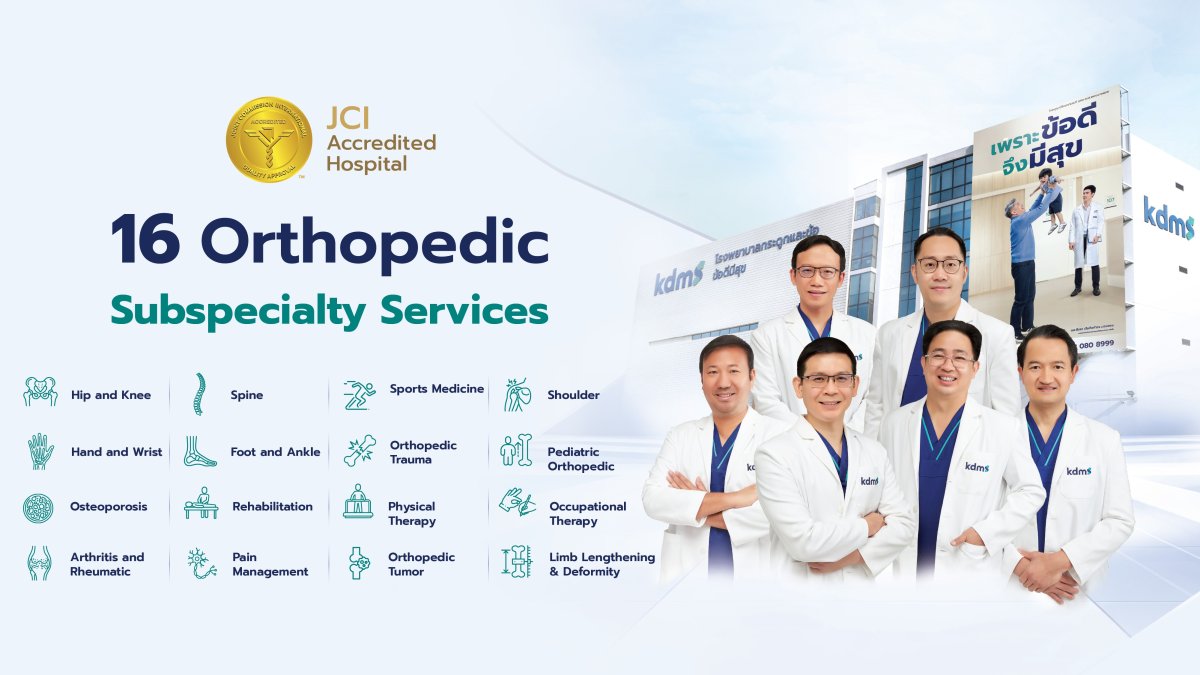
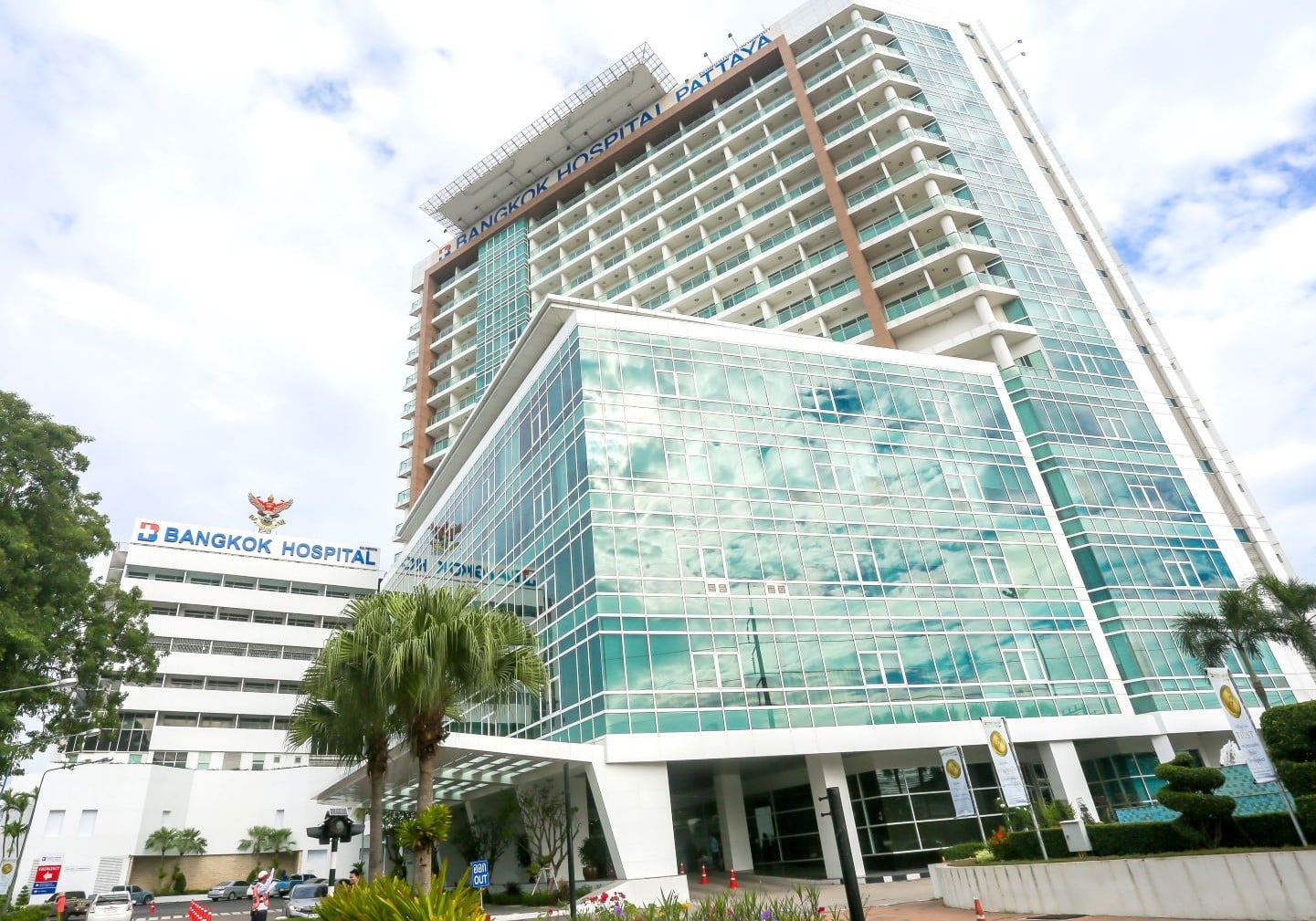
رؤية خبراء Bookimed: يجب على المرضى الذين يبحثون عن رعاية مركزة التفكير في مستشفى KDMS التخصصي للعظام، وهو المرفق الوحيد في تايلاند المخصص حصريًا لجراحة العظام. بالنسبة للحالات المتقدمة التي تتطلب معايير دولية، يدير مستشفى بامرونجراد الدولي الحاصل على اعتماد اللجنة الدولية المشتركة (JCI) مليون مريض سنويًا مع قدرات جراحية روبوتية. يتم التعامل مع الخيارات التجديدية مثل العلاج بالخلايا الجذعية بشكل أفضل في مراكز متخصصة مثل عيادة The Demarest Clinic، التي تستخدم عمليات خلوية معتمدة من AABB.
اكتشف أفضل التهاب المفاصل العيادات في تايلاند: 8 خيارات معتمدة والأسعار







MedConsult Bangkok Medical Clinic



The Demarest Clinic
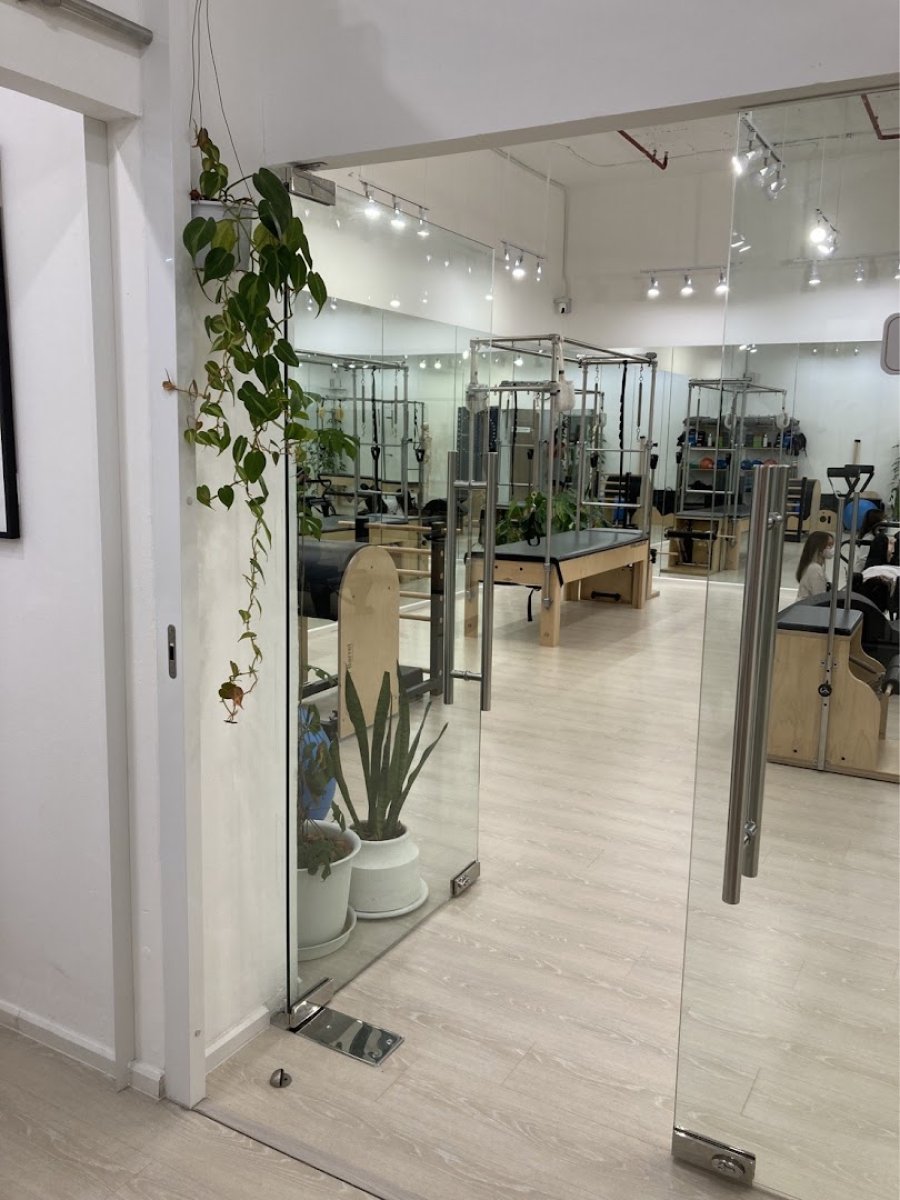
Le Physio Clinic
احصل على تقييم طبي لـ في تايلاند. استشر الآن 9 أطباء ذوي الخبرة.
عرض جميع الأطباء
Dr Theeracha Wuttiphan
يتخصص الدكتور ثيراشا ووتيفان في الجراحة بالمنظار والعلاج بالخلايا الجذعية لآلام المفاصل في عيادة ID Clinic في بانكوك.
- حاصل على دبلوم في العظام والمفاصل
- جراح بالمنظار في مستشفى فيموت فيبافادي
- رائد في علاج التهاب المفاصل وآلام الركبة بالخلايا الجذعية
- جراح عظام في مستشفى جامعة تاماسات

Dr Piya Assawaboonyadej
الدكتور بيا أساوابونيادج هو جراح عظام يتمتع بخبرة 18 سنة، متخصص في جراحة أورام الجهاز العضلي الهيكلي وأجرى أكثر من 1100 عملية علاجية.
- حاصل على زمالة في أورام العظام من جامعة أيوا، الولايات المتحدة الأمريكية
- عضو في الجمعية التايلاندية لأورام الجهاز العضلي الهيكلي والكلية الملكية لجراحي العظام
- مؤلف منشورات حول أورام العظام وتقنيات تنظير المفاصل
- محاضر سابق في قسم جراحة العظام بمستشفى جامعة ناريسوان
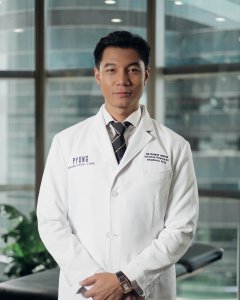
Kantaphong Thongrong
يجمع الدكتور كانتافونغ ثونغرونغ بين الروبوتات المتقدمة والتقنيات غير الجراحية لتعزيز إعادة التأهيل من الفصال العظمي في مجموعة PYONG لإعادة التأهيل.
- طبيب فيزيائي معتمد من المجلس ولديه خبرة في إدارة الألم المزمن
- رائد في التدريب على المشي باستخدام الروبوتات والهياكل الخارجية القابلة للارتداء
- رئيس قسم إعادة التأهيل في مستشفى الملك مونغكوت تشاوخونثاهان
- متخصص في التدخلات الموجهة بالموجات فوق الصوتية والتحلل المائي
- مؤسس مجموعة PYONG لإعادة التأهيل التي تركز على العلاجات المبتكرة
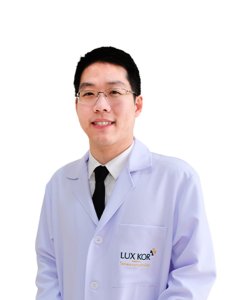
Wittawat Mingmongkolchaikul
الطبيب هو جراح عظام مؤهل تأهيلاً عالياً ومتخصص في جراحات استبدال الركبة والورك. بفضل خلفية أكاديمية قوية، حصل الطبيب على درجة دكتور في الطب بمرتبة الشرف الأولى من جامعة ماهيدول في عام 2010.
يحمل الطبيب دبلوم من المجلس التايلاندي لجراحة العظام، والذي أكمله في كلية الطب بمستشفى سيريراج. علاوة على ذلك، يتمتع الطبيب بتدريب سريري متقدم من خلال زمالة في جراحة العظام الترميمية للبالغين، مع التركيز بشكل خاص على إجراءات الركبة والورك المعقدة. يؤكد هذا التدريب المكثف على الالتزام بالتميز في رعاية
مشاركة المحتوى
قصص فيديو من مرضى Bookimed
 Anna Leonova
أسئلة متكررة حول علاج التهاب المفاصل في تايلاند
هل الفصال العظمي هو نفسه التهاب المفاصل؟
الفصال العظمي والتهاب المفاصل حالتان مرتبطتان ولكنهما مختلفتان. التهاب المفاصل هو فئة واسعة لالتهاب المفاصل. الفصال العظمي هو نوع محدد من أمراض المفاصل التنكسية. يحدث عندما يتآكل الغضروف. تُعرف هذه الحالة أيضًا باسم الفصال العظمي.
- الطبيعة الأساسية: يعكس التهاب المفاصل الالتهاب بينما يتضمن الفصال العظمي تآكلًا هيكليًا.
- الأسباب الرئيسية: ينتج التهاب المفاصل عن المناعة الذاتية أو العدوى. ينبع الفصال العظمي من الشيخوخة.
- محفزات الأعراض: عادة ما يؤدي النشاط إلى تفاقم ألم الفصال العظمي. الراحة توفر عادة الراحة.
- تصلب الصباح: عادة ما يتلاشى تصلب الفصال العظمي في غضون 30 دقيقة من الاستيقاظ.
رؤية خبير Bookimed: تظهر البيانات السريرية أن المرضى غالبًا ما يخلطون بين هذه المصطلحات عند البحث عن رعاية متخصصة. تركز معظم مراكز العظام ذات الحجم الكبير في تايلاند على علاجات الفصال العظمي. يشمل ذلك العلاجات التجديدية واستبدال المفاصل بمساعدة الروبوت. يطلب العديد من المرضى عن طريق الخطأ أطباء روماتيزم لمشاكل التآكل الميكانيكي. نوصي برؤية جراح عظام في حالة الاشتباه في الإصابة بالفصال العظمي.
إجماع المرضى: يلاحظ المرضى أن فهم الفرق يساعدهم في العثور على الطبيب المناسب. يسلط الكثيرون الضوء على أن العلاج الطبيعي غالبًا ما يعمل بشكل أفضل للفصال العظمي من الأدوية.
هل من الآمن السفر إلى تايلاند لإجراء جراحة العظام؟
تعد جراحة العظام في تايلاند آمنة وتتبع المعايير الدولية. تحافظ المستشفيات التايلاندية على مستويات عالية من النظافة. تصل معدلات النجاح إلى 90% في جراحات المفاصل. تمتلك المرافق الرائدة اعتماد JCI. غالبًا ما يتدرب الجراحون المتخصصون في الولايات المتحدة أو المملكة المتحدة. تستخدم معظم العيادات تقنيات طفيفة التوغل.
- معايير الاعتماد: تضمن المستشفيات المعتمدة من JCI سلامة المرضى والرعاية الجيدة.
- خبرة الجراح: يعالج جراحو العظام التايلانديون أعدادًا كبيرة من المرضى الدوليين.
- استخدام التكنولوجيا: تستخدم المرافق جراحة MAKO بمساعدة الروبوت لاستبدال المفاصل بدقة.
- الرعاية بعد الجراحة: تقدم العديد من المستشفيات مراكز إعادة تأهيل مخصصة لتعافي أسرع.
- معدلات عدوى منخفضة: تقلل البروتوكولات الصارمة من العدوى المكتسبة في المستشفى أثناء الإقامات الجراحية.
رؤية خبير Bookimed: تعطي المراكز الطبية التايلاندية الأولوية للخبرة الجراحية ذات الحجم الكبير. يعالج مستشفى بامرونجراد الدولي أكثر من 1.1 مليون مريض سنويًا. يضمن هذا النطاق الهائل بقاء الجراحين ماهرين. يرتبط حجم المرضى المرتفع ارتباطًا مباشرًا بنجاح الإجراءات. غالبًا ما تضم المرافق الكبيرة مراكز فرعية متخصصة في الفصال العظمي. هذا التركيز للموارد يقلل من المخاطر للمسافرين.
إجماع المرضى: غالبًا ما يلاحظ المرضى التنسيق السلس من المطار إلى أجنحة المستشفى. وكثيرًا ما يذكرون المستوى العالي من اهتمام الممرضات أثناء التعافي.
ما هي أكثر العلاجات غير الجراحية شيوعاً لالتهاب المفاصل في تايلاند؟
تشمل العلاجات غير الجراحية الشائعة لالتهاب المفاصل في تايلاند حقن البلازما الغنية بالصفائح الدموية والعلاج المتقدم بالخلايا الجذعية. كما توفر المرافق الرائدة حقن حمض الهيالورونيك لتزييت أسطح المفاصل. تهدف هذه التقنيات التجديدية إلى إصلاح الغضاريف التالفة. ويدعم العلاج الطبيعي المتخصص وبروتوكولات إدارة الوزن صحة المفاصل على المدى الطويل.
- الحقن التجديدية: تستخدم البلازما الغنية بالصفائح الدموية (PRP) دم المريض نفسه لتقليل الالتهاب.
- العلاج بالخلايا: تساعد حقن الخلايا الجذعية في تجديد أنسجة المفاصل وتحسين وظائفها.
- علاج التزييت: تعمل حقن حمض الهيالورونيك على توسيد المفاصل بفعالية لتخفيف الألم المزمن.
- علاج الإكسوسومات: يعزز هذا النهج التكنولوجي الحيوي الدقيق الشفاء الطبيعي على المستوى الخلوي.
- التعافي النشط: يعمل العلاج المائي والعلاج الطبيعي المستهدف على تقوية العضلات التي تدعم المفاصل المصابة.
رؤية خبير Bookimed: يعطي المرضى الأولوية لتايلاند في الطب التجديدي لأن مراكز مثل مستشفى Vejthani توفر بدائل عالية التقنية للجراحة. غالباً ما تتضمن هذه العلاجات البيولوجية المتقدمة فحوصات التصوير بالرنين المغناطيسي التشخيصية مباشرة ضمن الباقة. وهذا يضمن تحديد موقع الحقن بدقة مثالية لتحقيق أقصى قدر من إصلاح الغضاريف. اختيار مركز تقويم عظام متخصص يزيد من احتمالية تجنب استبدال المفاصل في المستقبل.
إجماع المرضى: يلاحظ المرضى أن الجمع بين الحقن التجديدية والعلاج الطبيعي التايلاندي يساعدهم على استعادة الحركة.
كم من الوقت يجب أن أخطط للبقاء في تايلاند لعلاج الفصال العظمي والتعافي؟
خطط لإقامة تتراوح بين 10 إلى 14 يوماً في تايلاند لعلاج الفصال العظمي. تغطي هذه المدة الإجراءات الطبية الأولية ومراحل التعافي المبكرة الأساسية. يحتاج معظم المتخصصين إلى هذه الفترة لمراقبة نجاح ما بعد الجراحة. كما أنها تسمح بالحصول على تصريح السفر الآمن بعد رحلات الطيران الطويلة.
- الإقامة في المستشفى: تتطلب معظم إجراءات تقويم العظام من ليلتين إلى 3 ليالٍ من الرعاية الداخلية.
- الحركة الأولية: غالباً ما يبدأ المرضى في المشي بدعم في غضون 24 ساعة بعد الجراحة.
- العناية بالجروح: عادة ما يتم إزالة الغرز بعد 10 إلى 12 يوماً من الإجراء.
- العلاج الطبيعي: يبدأ التأهيل المكثف عادةً بعد 3 إلى 5 أيام من الجراحة.
- تصريح السفر: يوصي الأطباء بالبقاء لمدة أسبوعين قبل السفر جواً لمنع حدوث مشاكل طبية.
رؤية خبير Bookimed: غالباً ما تقوم المرافق الطبية التايلاندية بتجميع جلسات علاجية متعددة في أسبوع واحد. تستخدم المراكز ذات الكثافة العالية بروتوكولات التعافي السريع لتقليل ليالي المستشفى. يساعد هذا النهج المرضى النشطين على استعادة الحركة بشكل أسرع من الإقامات التقليدية في المستشفى. تحقق دائماً مما إذا كانت باقتك تتضمن جلسات علاج طبيعي بعد الخروج.
إجماع المرضى: يلاحظ المسافرون أن مناخ تايلاند الرطب يساعد في تقليل تيبس المفاصل الصباحي. ينصح الكثيرون باختيار فنادق بها دشات يسهل الوصول إليها للبقاء مرتاحين خلال أسابيع التعافي الأولى.
هل يمكنني الجمع بين علاج الفصال العظمي في تايلاند وقضاء عطلة؟
يمكن الجمع بين علاج الفصال العظمي في تايلاند وقضاء عطلة بسهولة. يختار العديد من السياح الطبيين بانكوك أو بوكيت لخبرتهما السريرية. معظم المرافق معتمدة من قبل اللجنة الدولية المشتركة (JCI) وتقدم علاجات متقدمة بالخلايا الجذعية. غالبًا ما يستمتع المرضى ببيئات التعافي الاستوائية بين جلسات العلاج غير الجراحية.
- مدة الإقامة: خطط لمدة تتراوح بين 10 إلى 14 يومًا للحصول على أفضل علاج وتعافٍ.
- مراكز العلاج: تدير مراكز محددة في بانكوك وبوكيت وساموي السياح الطبيين.
- خيارات متقدمة: توفر المرافق علاجًا بالخلايا الجذعية غير جراحي وإجراءات طفيفة التوغل.
- فائدة المناخ: يساعد الطقس الدافئ في تايلاند على تقليل تيبس المفاصل أثناء إعادة التأهيل الأولي.
رؤية خبير Bookimed: تعطي المستشفيات التايلاندية الأولوية للسرعة لأنها تعمل كمراكز ضيافة فاخرة. تجمع العديد من المرافق بين التصوير التشخيصي والعلاج الأولي في غضون 48 ساعة. تسمح هذه الكفاءة للمرضى بقضاء 70% من رحلتهم في مشاهدة المعالم السياحية. يمكنك علاج آلام المفاصل وزيارة شواطئ بوكيت في غضون أسبوع واحد.
إجماع المرضى: يشير المرضى إلى أنه من المهم حزم أحذية مشي عالية الجودة لجولات المعابد. يقترحون استخدام بخاخات المغنيسيوم الخفيفة المتاحة محليًا للتحكم في التورم بعد العلاج أثناء الرحلات الجوية.