












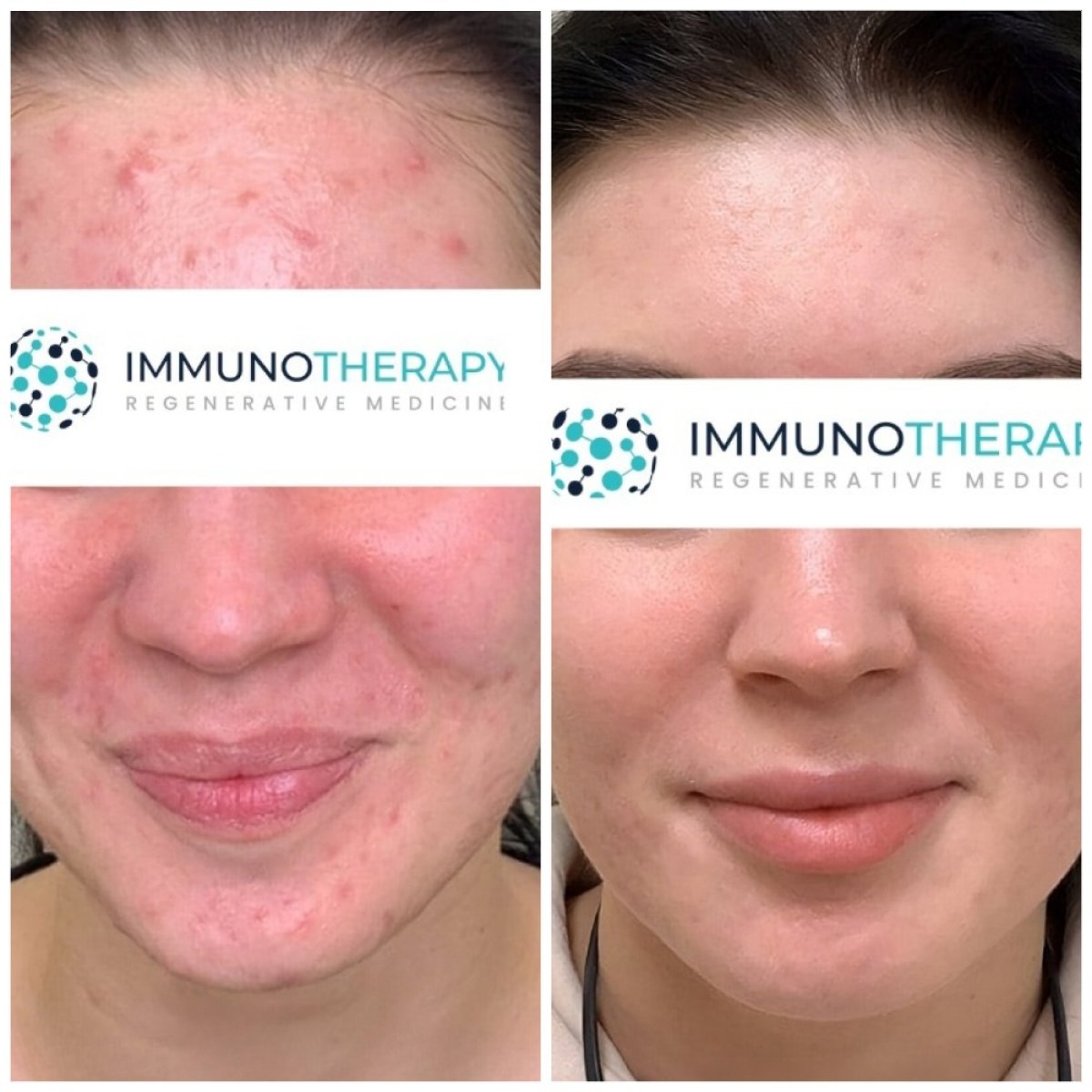
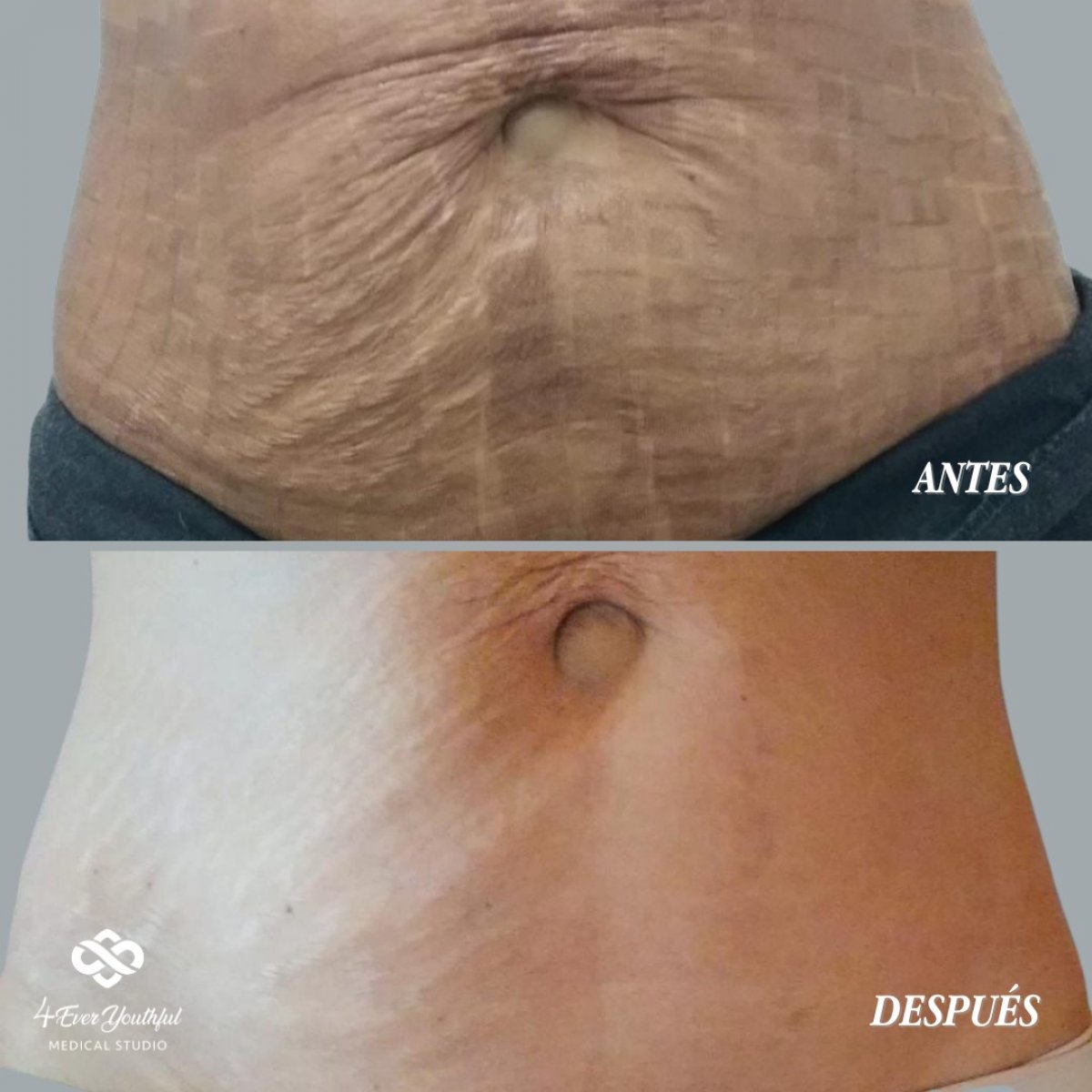


Laser skin resurfacing uses focused light to soften fine lines, fade acne or surgical scars, and even out patchy pigment. Achieving a safe result in Mexico depends on more than the clinic you choose. It requires a board-certified surgeon and a genuine, registered laser device. You can verify both before your treatment.
How to Check Your Doctor's Credentials in Mexico
You can confirm a Mexican specialist's credentials yourself. A licensed clinic and a certified specialist aren't the same thing, and safe treatment requires both.
Clinic license vs. specialist certification
COFEPRIS, Mexico's health safety regulator, licenses facilities to operate, confirming that a clinic meets hygiene and safety standards. A doctor's specialist training is certified separately by a national board to confirm proper surgical training. So a licensed clinic on its own doesn't guarantee the doctor's specific qualifications.
What credentials to request
Ask your doctor for their specialist license, called a "cédula de especialidad". Then confirm their board certification in a field that performs laser resurfacing. Plastic surgeons are certified by the CMCPER board and dermatologists by the CMD board, both of which operate under the national council CONACEM. During your consultation, you can ask your surgeon to provide these details.
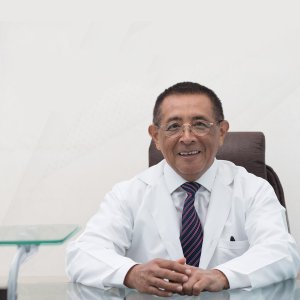
You can review these credentials on a doctor's Bookimed profile before your consultation. For example, plastic surgeon Dr. Romel Francisco Castañeda Zigala lists his cédula de especialidad number directly on his profile, allowing you to verify his licensing.
Verifying the Clinic's Laser Device
You can confirm that the clinic uses a genuine laser with a few direct questions. A well-maintained, regulated laser delivers its energy evenly to ensure smooth results.
Two questions to ask about the equipment
Before undergoing treatment, request the following details from the clinic:
- Make and model. Ask for a globally recognized, regulated system – for example, Candela, Lumenis, or DEKA – and note the exact model name. Some Mexican clinics specify the laser category they use, such as a CO2 laser for treating scars, wrinkles, and pigmentation.
- Device registration. Confirm that the specific device holds a COFEPRIS sanitary registration, which is the health safety registration issued for medical devices in Mexico.
Device registration and the FDA label
Mexican device regulations differ from the U.S. FDA system. While an "FDA-cleared" designation provides extra assurance, COFEPRIS registration in a licensed Mexican clinic establishes that the equipment meets national health standards. Checking the specific device during your consultation ensures it is certified for clinical use.
Is Laser Resurfacing Safe for Medium and Dark Skin Tones?
Yes, laser resurfacing can be done safely on medium and dark skin tones. It works when the laser type and pigment care match your skin tone. Your complexion determines which laser a doctor selects and how they prepare your skin before the procedure.
Why skin tone changes the plan
Darker skin holds more pigment, which increases its reaction to the laser's heat. After treatment, the targeted area can temporarily darken (hyperpigmentation) or, less commonly, lighten (hypopigmentation). Because medium-to-dark skin carries a higher risk of hyperpigmentation or scarring, your doctor will adjust both the laser settings and the pigment care.
Gentler laser options and pigment management
To protect the pigment-rich surface, doctors adjust the treatment plan around three key safeguards:
- Selecting non-ablative lasers. Practitioners use gentler, lower-energy or non-ablative devices, such as MOXI, Affirm, VBeam, or specific Erbium settings, that leave the outer skin layer intact while targeting deeper tissues.
- Pre-conditioning the skin. Your doctor may prescribe a skin cream to calm the pigment for a few weeks before treatment. This lowers the risk of dark patches.
- Applying strict sun protection. Newly treated skin remains sensitive to ultraviolet light for months. Strict daily sun protection after the procedure is the main way to prevent lasting dark patches.
When the laser type and the pigment plan match your skin tone, the result stays even and dark patches fade.
What to Prepare Before You Travel to Mexico
Some of the most important preparations happen well before your flight. Several key steps must begin days or even weeks prior to your departure.
Pre-trip preparations at home
Handle these with your doctor before you leave home:
- Full-face or around-the-mouth laser resurfacing can reactivate the virus that causes cold sores. A preventive oral antiviral prescription, started one day before treatment and taken for about a week, is standard protocol.
- For medium-to-dark skin tones, your doctor may prescribe pigment-calming cream. You will need to start applying it several weeks before your treatment.
Pause your active skincare
Pause strong active skincare before and after your procedure. You should stop using ingredients like retinoids, glycolic acid, and vitamin C beforehand and not restart them for about six weeks. The clinic will ask about your recent skincare and any history of eczema or psoriasis. Pause these products well ahead so your skin is calm and ready on the day of treatment.
Which Mexican City Suits Your Recovery
Match your destination to the recovery environment you prefer. Then apply the same doctor and equipment checks regardless of where you travel. Because healing skin is sensitive, local climate impacts your comfort during the initial recovery weeks.
We list clinics in several Mexican cities, and their recovery conditions differ a lot:
| City type | Recovery environment | Ideal candidates |
|---|---|---|
| Coastal and resort cities (Cancún, Puerto Vallarta, Playa del Carmen) | Intense year-round sunlight requiring total shade and daily mineral sunscreen for weeks | Patients who can commit to covered, indoor recovery and skip the beach |
| High-altitude Mexico City (about 2,240 meters) | Drier, thinner air that accelerates skin dehydration; plan indoor, humidity-controlled recovery and use a rich moisturizer | Patients who want the widest choice of certified specialists |
| Border cities (Tijuana, Mexicali) | Typical city climate with the shortest land route back to the United States | US patients who plan to drive home |
The largest number of certified specialists work in the big cities: Mexico City, Guadalajara, and Monterrey. Once you verify your specialist’s credentials and the laser equipment, choosing a destination comes down to personal travel convenience and climate preferences.
How to Care for Your Skin as It Heals
Healing typically involves temporary redness, swelling, and peeling. Following a consistent care routine helps to ensure a comfortable recovery.
What to expect in the first days
Immediately after the treatment, the skin feels warm, like a moderate sunburn, and mild swelling may occur, particularly around the eyes. Sleeping propped up on an extra pillow and applying cool compresses will help to ease the swelling, which subsides over the following days as the surface starts to heal.
Your daily post-procedure routine
Once you're back at your accommodation, recovery relies on a simple, consistent skincare routine:
- At first, the skin may ooze slightly and form thin protective crusts. Cleanse it gently a few times a day and keep it moist with a plain petroleum jelly ointment. Let the crusts fall away on their own.
- As the skin dries and begins to peel, switch to a gentle, non-comedogenic moisturizer that won't clog pores.
- Once the skin barrier has fully closed, use mineral sunscreen with zinc oxide or titanium dioxide (SPF 30 or higher) daily. Keep up careful sun protection for about six months.
Adhering to these steps protects your healing skin and ensures the smooth results of your treatment.
Getting Home: Crossing the Border and Flying Safely
Plan the journey home around your healing timeline. Selecting the appropriate travel documents speeds up border re-entry. After a deeper treatment, give your skin time to recover before a long flight. For US patients visiting our partner clinics in border cities like Tijuana or Mexicali, the trip home is a simple short drive.
Crossing the border by land
If you drive back across the border, a couple of documents make re-entry smoother:
- A Ready Lane card. US Customs and Border Protection Ready Lanes reduce travel wait times. These lanes require an RFID-enabled document, such as a US Passport Card, an Enhanced Driver's License, SENTRI, or Global Entry card. Standard passport books aren't accepted in Ready Lanes.
- The FMM tourist permit. Land travelers may require a Multiple Immigration Form (FMM) issued by Mexico's National Immigration Institute. Whether you need it depends on the duration of your stay and the distance you travel.
When it is safe to fly
After a deeper, ablative treatment that removes outer layers of your skin, give it time before a long flight. Dry cabin air draws moisture from healing skin. Ask your surgeon for written clearance to fly, and set your travel date around that medical approval.