












تعد كل صفحة عيادة تركية بـ "ليزر ثاني أكسيد الكربون" (CO2 laser) الذي يزيل التجاعيد وندبات حب الشباب في أسبوع. فيزياء الجهاز، والفحص الطبي، وبروتوكول التعافي هي ما يحدد ما إذا كنت ستحصل على نتيجة مذهلة أم حروق.
ما وراء الأسماء التجارية: كيف تميز ليزر UltraPulse CO2 الحديث عن الأجهزة القديمة
تبدو جميع أجهزة ليزر ثاني أكسيد الكربون متشابهة على صفحات العيادات. الفرق بين المنصة الآمنة والمنصة القديمة يكمن في مدة النبضة.
الطول الموجي واحد، لكن مدة النبضة هي الأهم
يعمل كل ليزر ثاني أكسيد الكربون بطول موجي 10,600 نانومتر، والذي يمتصه الماء الموجود في خلايا جلدك فوراً. ما يميز المنصة المصممة جيداً عن تلك الخطرة هو سرعة إيصال الطاقة في كل نبضة. تعمل أجهزة UltraPulse والنبضات الفائقة الحديثة في أقل من 1 مللي ثانية. وهذا يحصر الضرر الحراري الجانبي في منطقة تخثر تتراوح بين 100 – 150 ميكرومتر، وفقاً لبيانات الجهاز التي خضعت لمراجعة الأقران. وهذا يبقي الضرر الحراري المحيط في حدود عرض شعرتين أو ثلاث. وهذا يعني تورماً أقل، ومخاطر أقل للندبات، وشفاءً أسرع، وفقاً للأبحاث التي خضعت لمراجعة الأقران.
أسئلة يجب طرحها على العيادة حول الجهاز
- النوع الدقيق، والطراز، ووضع النبض لجهاز ليزر ثاني أكسيد الكربون.
- ما إذا كان العلاج سطحياً (تخدير موضعي فقط) أم عميقاً.
- ما إذا كان البروتوكول الأعمق يتطلب تخدير الأعصاب وفترة نقاهة تتراوح بين 7 إلى 10 أيام.
جلسة التخدير الموضعي وجلسة العلاج العميق التي تتطلب تخدير الأعصاب ليستا نفس الإجراء. البروتوكول الأعمق فقط هو الذي يحفز إعادة بناء الكولاجين بشكل حقيقي. للبدائل غير الاستئصالية، راجع علاج فراكسل في تركيا أو خيار HALO.
نتائج واقعية: ما تقوله البيانات التي خضعت لمراجعة الأقران حول تحسن التجاعيد والندبات
توثق البيانات التي خضعت لمراجعة الأقران حول أجهزة ليزر ثاني أكسيد الكربون الحديثة تحسناً متوسطه 45% في تجاعيد الوجه. يتم تقييم النتائج عادةً بعد 3 – 6 أشهر من دورة علاج واحدة. بالنسبة لندبات حب الشباب الضامرة، يوفر العلاج الأحادي بليزر ثاني أكسيد الكربون المجزأ 40 – 70% من التخلص من الندبات، وفقاً لـ مراجعة PMC وتحليل شمل 121 مريضاً.
لمحة سريعة عن النتائج
| النتيجة | النتيجة مع ليزر ثاني أكسيد الكربون المجزأ الحديث | التوقيت |
|---|---|---|
| تحسن تجاعيد الوجه | 45% | يتم التقييم بعد 3 – 6 أشهر من العلاج |
| التخلص من ندبات حب الشباب الضامرة | 40 – 70% | 1 – 3 دورات علاجية |
| تقشر الجلد | يختفي تماماً | في غضون 14 يوماً |
| احمرار متبقٍ | يتلاشى تدريجياً إلى لون الجلد الطبيعي | يختفي خلال 2 – 3 أشهر |
ما مقدار التحسن المتوقع
نوع الندبة مهم. تستجيب ندبات "بوكس كار" (Boxcar) والندبات المتموجة (Rolling) بشكل أفضل للعلاج الأحادي بليزر ثاني أكسيد الكربون. أما ندبات "آيس بيك" (Ice-pick) والندبات الملتصقة فتحتاج عادةً إلى علاج مركب مثل الجراحة تحت الجلد (Subcision) أو تقنية TCA CROSS. يقوم طبيب الجلدية الجيد بتحديد أنواع ندباتك أثناء الاستشارة.
الجدول الزمني للشفاء على مرحلتين
يتم الشفاء على مرحلتين. أولاً، انكماش فوري للكولاجين أثناء الإجراء. ثم تكوين كولاجين جديد تدريجي لمدة 3 – 6 أشهر، وفقاً لـ كليفلاند كلينك. ينتهي التقشر المرئي في غضون 14 يوماً. تصل جودة ملمس الجلد النهائية إلى ذروتها حوالي الشهر الثالث وتتحسن حتى الشهر السادس. قد يلاحظ المرضى في مرحلة ما قبل انقطاع الطمث وما بعده بطئاً في استعادة حاجز الجلد، لأن انخفاض الإستروجين يرتبط بجلد أرق. تقوم العيادة الجيدة بتعديل الكثافة والطاقة وفقاً لذلك.
قائمة الفحص الطبي: من يجب ألا يخضع لليزر ثاني أكسيد الكربون الاستئصالي
سيقوم طبيب الجلدية التركي الجيد باستبعادك إذا انطبق عليك أي من هذه الشروط. من الأفضل أن تعرف قبل حجز رحلتك. يقوم منسقو Bookimed بمراجعة هذه القائمة مع كل مريض أثناء الاستشارة المجانية. في بياناتنا حول استفسارات ليزر ثاني أكسيد الكربون في تركيا، تعود معظم حالات الإلغاء بعد الفحص إلى توقيت تناول الإيزوتريتينوين أو عدم التوقف عن تناول مضاد حيوي مسبب للحساسية الضوئية.
موانع الاستعمال المطلقة
- تناول الإيزوتريتينوين (أكوتان) خلال الـ 12 – 18 شهراً الماضية. يغير الدواء وظيفة الغدد الدهنية ويزيد من خطر حدوث ندبات غير نمطية.
- تاريخ من الندبات الضخامية أو الجدرة، أو مرض السكري غير المنضبط، أو أمراض النسيج الضام (مثل الذئبة أو تصلب الجلد)، أو اضطرابات الدورة الدموية (مثل رينود).
- وجود عدوى هربس أو عدوى جلدية نشطة في الموقع، أو الخضوع الحالي للعلاج الكيميائي أو الإشعاعي.
- الحمل أو الرضاعة الطبيعية، أو المرضى الذين تقل أعمارهم عن 18 عاماً.
فترات التوقف عن الأدوية
يجب التوقف عن تناول المضادات الحيوية المسببة للحساسية الضوئية، مثل الدوكسيسيكلين والمينوسيكلين، قبل 4 أسابيع على الأقل. فهي تسبب حساسية حرارية يمكن أن تحول الجلسة إلى حروق، وفقاً لمركز ميموريال سلون كيترينج. يجب التوقف عن تناول مميعات الدم (الأسبرين، الإيبوبروفين، النابروكسين، فيتامين E، الجنكة بيلوبا) قبل أسبوع واحد على الأقل. تأكد من قائمة الأدوية التي يجب التوقف عنها مع العيادة وطبيبك العام في بلدك معاً.
الوقاية التي يجب أن تتوقعها
بالنسبة لأنواع البشرة من Fitzpatrick IV – VI (ألوان البشرة المتوسطة إلى الداكنة)، فإن 4 – 8 أسابيع من تحضير الصبغة باستخدام الهيدروكينون أو الرتينويدات هو إجراء قياسي. يفضل العديد من أطباء الجلدية الأتراك استخدام ليزر Er:YAG أو بروتوكول ليزر ثاني أكسيد الكربون المجزأ المتحفظ لتقليل خطر فرط التصبغ. تبدأ مضادات الفيروسات الفموية (الأسيكلوفير أو الفالاسيكلوفير) قبل الإجراء بـ 1 – 2 يوم وتستمر حتى الأسبوع الأول، وفقاً لإرشادات ASDS، إلى جانب مضاد حيوي واسع الطيف.
لماذا يمكن أن تؤدي العودة إلى الوطن مبكراً جداً إلى إفساد نتيجة ليزر ثاني أكسيد الكربون
غالباً ما تنخفض رطوبة مقصورة الطائرة التجارية عن 10%. هذا الهواء الجاف والمضغوط يجفف البشرة الخام التي تتعافى. لذا يمكن أن يتشقق الحاجز الجلدي وينزف في الجو، مما يزيد من خطر العدوى والندبات. يمكن أن تؤدي تغيرات ضغط المقصورة أيضاً إلى تورم شديد حول العينين في الجلد الذي لا يزال يسرب اللمف.
توصي الممارسات الدولية بالبقاء لمدة 7 – 10 أيام على الأقل في تركيا بعد جلسة ليزر ثاني أكسيد الكربون الاستئصالية القوية قبل القيام برحلة طويلة. الطبيب الذي فحص جلدك في اليوم الخامس هو الوحيد الذي يمكنه السماح لك بالسفر.
فحص اليوم 1 / 3 / 5 المعتمد من JCI
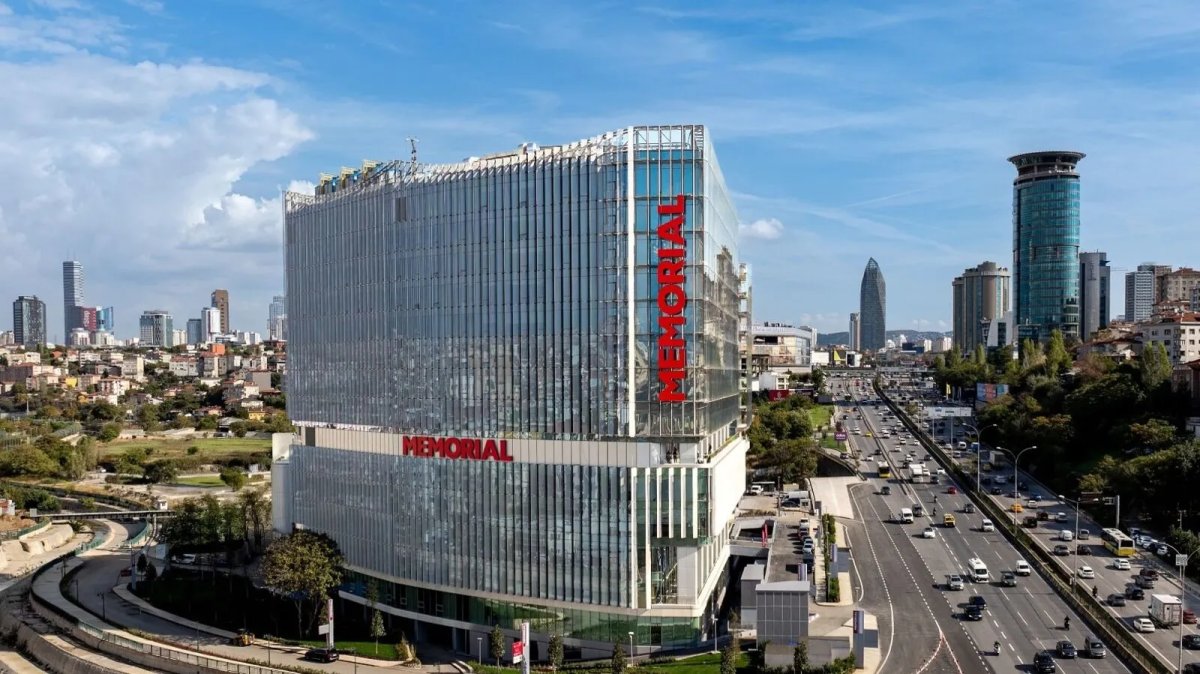
تجري المستشفيات المعتمدة من JCI في تركيا التعافي وفق جدول اليوم 1 / اليوم 3 / اليوم 5. يؤكد اليوم الخامس إغلاق الحاجز الجلدي ويسمح بالسفر. هذا يتوافق مع إرشادات ASPS قبل السفر ونصائح ISAPS بعد الجراحة. في تنسيقنا لحالات ليزر ثاني أكسيد الكربون في تركيا، نحجز رحلة العودة بعد تصريح اليوم الخامس، وليس قبله. تشمل المستشفيات التي تتبع هذا الجدول ميموريال شيشلي وليف هوسبيتال أولوس.
التعافي يوماً بعد يوم الذي يمكنك القيام به فعلياً من غرفة الفندق
المراحل الثلاث: الأيام 1 – 3، 4 – 7، 8 – 14
- الأيام 1 – 3 (مرحلة الالتهاب): احمرار شديد، تورم كبير، نضح نقطي، وإحساس بحروق الشمس الساخنة. نم ورأسك مرفوع على 2 – 3 وسائد لتقليل التورم حول العينين.
- الأيام 4 – 7 (مرحلة التقشير): مظهر برونزي، قشور دقيقة، وتقشير نشط. لا تلمس الجلد. العبث بالقشور هو أكبر سبب للندبات التي يمكن تجنبها.
- الأيام 8 – 14 (إعادة التظهير): يغلق الحاجز الجلدي ويكون معظم المرضى مستعدين للظهور في الأماكن العامة. يستمر الاحمرار المتبقي لمدة 2 – 3 أشهر بينما يستمر الكولاجين في إعادة البناء.
أساسيات العناية بالجروح (نقع الخل + التغطية)
نقع الخل المضاد للميكروبات هو أساس التعافي في الفندق. الوصفة: ملعقة كبيرة من الخل الأبيض المقطر (USP) في كوبين من الماء المقطر البارد. ضعه بضمادات شاش نظيفة 4x4 من 4 – 8 مرات في اليوم. اتبعه بتغطية كاملة لأول 5 – 7 أيام: طبقة سميكة مستمرة من Aquaphor أو الفازلين. لا تدع الجلد يجف أو تتكون قشور.
الوقاية وقائمة الممنوعات
إعادة تنشيط الهربس على الجلد المعالج هي واحدة من أكثر المضاعفات شيوعاً التي يمكن الوقاية منها. لهذا السبب تهم مضادات الفيروسات قبل الإجراء. توقف عن استخدام الرتينويدات، وأحماض الساليسيليك/الجليكوليك/اللاكتيك، وبيروكسيد البنزويل، والمنتجات المعطرة، والمكياج على الجلد الخام. تجنب ممارسة الرياضة، والساونا، وأحواض الاستحمام الساخنة لمدة 1 – 2 أسبوع. بمجرد إغلاق الحاجز الجلدي، استخدم واقي شمس معدني SPF 30+ وقبعة واسعة الحواف في الخارج.
حقيبة مستلزمات الفندق:
- خل أبيض مقطر (USP)؛
- ماء مقطر معبأ، لا تستخدم ماء الصنبور على الجلد الذي يتعافى؛
- مرهم Aquaphor العلاجي (أنبوب كبير)؛
- ضمادات شاش غير منسوجة 4x4 (عبوة من 100)؛
- واقي شمس معدني لما بعد اليوم الثامن؛
- مضادات فيروسات ومضادات حيوية موصوفة من العيادة؛
- قبعة واسعة الحواف.
العيادات التي تدمج هذا التنسيق في الباقة، مثل Soraca Med في أنطاليا، تجعل الإقامة في الفندق أسهل. فهي توفر مراقبة على مدار الساعة طوال أيام الأسبوع بعد العلاج وإقامة شاملة.
حمايتك القانونية في تركيا: عقد النتيجة وتأمين المضاعفات
Eser Sozlesmesi، قاعدة "عقد النتيجة"
بموجب قانون الالتزامات التركي، تُعامل التدخلات التجميلية قانونياً كـ "عقد عمل"، أو Eser Sozlesmesi. يلتزم الطبيب تعاقدياً بنتيجة بصرية متفق عليها، وليس فقط بالعناية الدؤوبة.
تؤكد قرارات المحكمة العليا التركية ذلك. يمكن تحميل الطبيب الذي لا يحقق النتيجة المتفق عليها المسؤولية بغض النظر عن المهارة التقنية. يمكن للمرضى طلب مراجعة مجانية، أو تخفيض الرسوم، أو استرداد الأموال.
تأمين المضاعفات: ما يغطيه وما يستثنيه
قد تقدم بعض العيادات تأمين مضاعفات السياحة العلاجية للمرضى الدوليين الذين يخضعون لإجراءات جراحية، كما هو موثق في تقارير الصناعة.
حيثما يتم تقديمه، تغطي هذه السياسة عادةً الجراحة التصحيحية، ودخول المستشفى، ورعاية العناية المركزة، والتشخيص، والأدوية، وسفر المتابعة داخل تركيا. استثناء رئيسي واحد: "عدم الرضا الناشئ عن التفضيلات الجمالية الشخصية" لا يتم تعويضه. فقط المضاعفات الموضوعية المحددة طبياً هي المؤهلة.
كيف تحافظ على حقوقك
إذا حدثت مضاعفات، أبلغ شركة التأمين في غضون 48 – 72 ساعة. احتفظ بكل سجل طبي وإيصال، وأكمل نموذج المطالبة. يحتفظ منسقونا بنسخ من سجلاتك أيضاً، وهو بالضبط ما تحتاجه مطالبة التأمين. اطلب الاتفاقية المكتوبة باللغة الإنجليزية قبل دفع العربون.
كيفية التحقق من بيانات اعتماد العيادة التركية قبل الحجز
تُوجه كل من الجمعية الجمالية (The Aesthetic Society) والمجلس الأمريكي للجراحة التجميلية المرضى الدوليين للتأكد من الترخيص والاعتماد قبل اختيار العيادة. في الولايات المتحدة والمملكة المتحدة، يعد استخدام الليزر التجميلي قانونياً ممارسة للطب. تلبي العيادة التركية الجيدة هذا المعيار، حيث يقوم طبيب مرخص بإجراء أو الإشراف على كل جلسة.
بيانات اعتماد مستوى العيادة التي يجب السؤال عنها
- شهادة ترخيص السياحة الصحية الدولية، الصادرة عن وزارة الصحة التركية بعد تدقيق النظافة والفواتير.
- ختم الجودة Health Turkiye، وهو شعار وزارة الصحة للامتثال الوطني للسياحة الصحية.
- اعتماد اللجنة الدولية المشتركة (JCI)، بالإضافة إلى ISO 9001 أو ISO 14001.
- عضوية نشطة في ISAPS أو الجمعية الطبية التركية (TTB) للطبيب المعالج.
بيانات اعتماد مستوى الطبيب التي يجب السؤال عنها
يجب أن يكون الشخص الذي يحمل الجهاز طبيب جلدية أو جراح تجميل معتمداً، وليس خبير تجميل. من شبكة Bookimed في إسطنبول، الأستاذ المساعد أصلي تاتليبارماك هي طبيبة جلدية في مستشفى ميموريال بهجيليفلر ولديها 50 منشوراً دولياً ووطنياً وعضوية في EADV. الدكتور جونيت كارا هو عضو في الجمعية التركية للأمراض الجلدية، مع إقامة في مستشفى السلطان عبد الحميد خان.
جميع عيادات ليزر ثاني أكسيد الكربون في تركيا التي تم التحقق منها من قبل Bookimed والمدرجة أعلاه تحمل واحدة على الأقل من بيانات الاعتماد هذه. أمثلة: اعتماد JCI لمستشفى ميموريال شيشلي، وعضوية ISAPS لمستشفى كوارتز، وشهادة ترخيص السياحة لـ Soraca Med. للتصفية حسب الطبيب، راجع قائمة أطباء ليزر ثاني أكسيد الكربون في تركيا.