الساد (الماء الأبيض) العلاج في ليتوانيا - التكاليف 2026


تمت مراجعة المقالة طبيا من قبل
فهد مولود
ما هي تكلفة الساد (الماء الأبيض) إجراءات التشخيص والعلاج في ليتوانيا؟ اعرف الآن
مزاياك وضماناتك مع Bookimed
أسعار مباشرة
Bookimed لا يضيف رسوماً إضافية على أسعار علاج الساد (الماء الأبيض) . الأسعار مأخوذة من قوائم الأسعار الرسمية للعيادات. تدفع مباشرة في العيادة مقابل علاجك عند وصولك إلى البلد.
عيادات وأطباء معتمدون فقط
Bookimed ملتزم بسلامتك. نحن نعمل فقط مع المؤسسات الطبية التي تحافظ على معايير دولية عالية في علاج الساد (الماء الأبيض) ولديها التراخيص اللازمة لخدمة المرضى الدوليين في جميع أنحاء العالم.
مساعدة مجانية على مدار الساعة
Bookimed يقدم مساعدة خبراء مجانية. منسق طبي شخصي يدعمك قبل وأثناء وبعد العلاج، ويحل أي مشاكل. لن تكون وحيداً أبداً في رحلة علاج الساد (الماء الأبيض) .

منسقك الطبي الشخصي في Bookimed
- يدعمك في كل مرحلة
- المساعدة في اختيار العيادة الطبية المناسبة والطبيب المناسب
- يضمن الوصول السريع والمريح إلى المعلومات
اكتشف أفضل الساد (الماء الأبيض) العيادات في ليتوانيا: 2 خيارات معتمدة والأسعار



احصلوا على تقييم طبي لـ الساد (الماء الأبيض) في ليتوانيا: استشيروا أطباء ذوي خبرة الآن
عرض جميع الأطباء
Darius Aukstikalnis
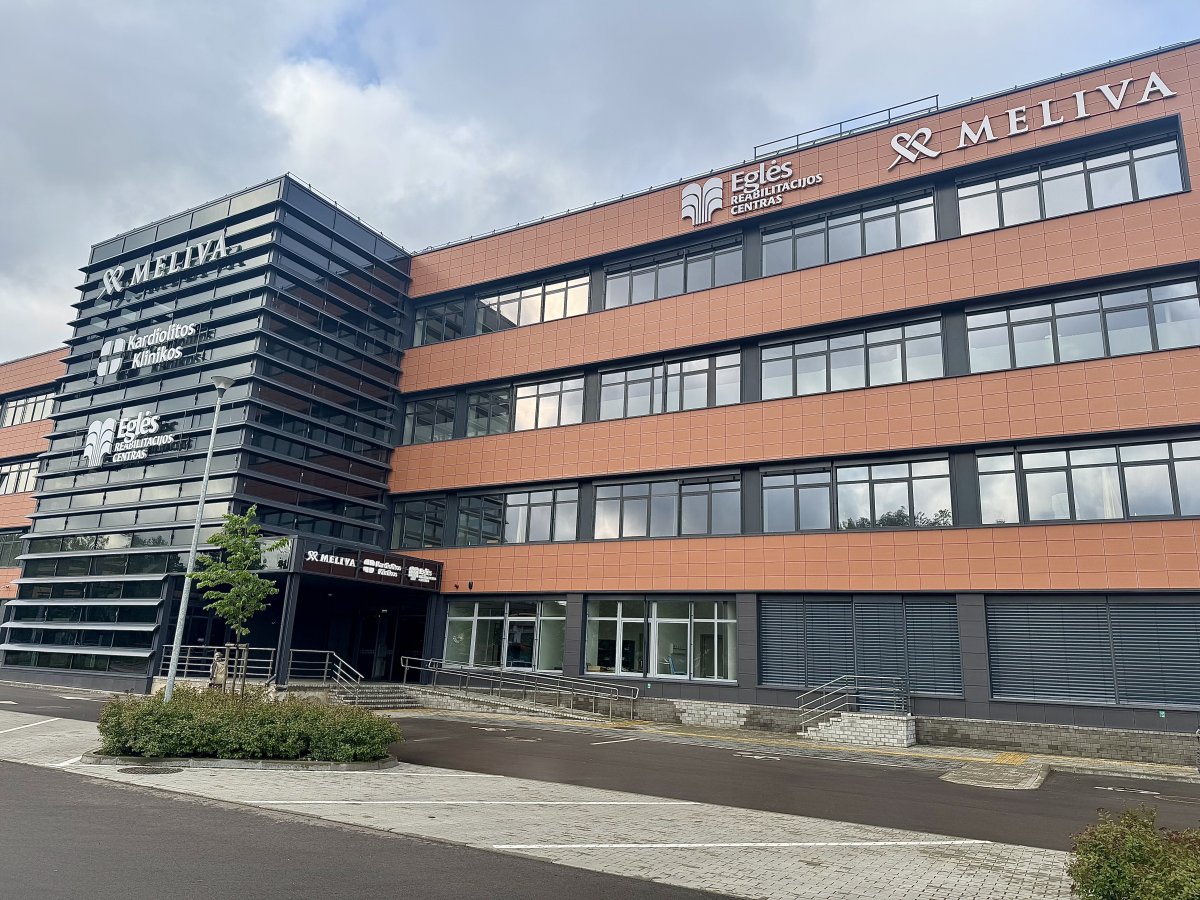
داريوس أوكستيكالنيس، طبيب عيون ذو خبرة متخصص في علاج المياه البيضاء (الكاتاراكت) في مستشفى ميليفا كارديوليتا.
- يركز على جراحات المياه البيضاء
- خبير في تقنيات زراعة العدسات داخل العين المختلفة
- يعمل باستخدام معدات تشخيصية وجراحية حديثة

Paulus Rudaliavitchus
متخصص حصرياً في علاج المياه البيضاء (الكاتاراكت) – يقوم بزراعة العدسات داخل العين وإجراء عمليات تصحيح الإبصار في المركز الطبي للتشخيص والعلاج.
- خريج جامعة فيلنيوس الوطنية
- تدرب على يد البروفيسور فيتاوتاس جاسينكاس، وهو جراح عيون مجهري أوروبي شهير
- يمارس المهنة منذ عام 2005 ولديه خبرة دولية واسعة
- تطوع مع منظمة Mercy Ships، حيث ساهم في استعادة البصر في أفريقيا وشمال الهند
مشاركة المحتوى
قصص فيديو من مرضى Bookimed
 Anna Leonova
أسئلة متكررة حول علاج الساد (الماء الأبيض) في ليتوانيا
ما هي المرافق الأكثر شهرة في ليتوانيا لجراحة المياه البيضاء (الكاتاراكت)؟
تقع المرافق الأكثر شهرة لجراحة المياه البيضاء في ليتوانيا في فيلنيوس. تحمل هذه المراكز اعتمادات دولية من اللجنة الدولية المشتركة (JCI) وTemos. تجذب المعايير السريرية العالية وتقنيات العدسات المتقدمة المرضى من المملكة المتحدة وأيرلندا والدول الاسكندنافية لاستعادة الرؤية بسرعة.
- مستشفى ميليفا كارديوليتا (Meliva Kardiolita): يعالج هذا المرفق المعتمد من JCI في فيلنيوس 298,000 مريض سنوياً.
- رعاية جراحية متخصصة: يقدم الدكتور داريوس أوكستيكالنيس خدمات طب العيون المتخصصة في كارديوليتا.
- المركز الطبي التشخيصي (Medical Diagnostic Center): عيادة معتمدة من Temos حيث يأتي 10% من المرضى من الخارج.
- جراحة مجهرية متخصصة: يركز الدكتور بولوس روداليفيتشوس على زراعة عدسات المياه البيضاء وتصحيح الرؤية.
رؤية خبير Bookimed: بينما يختار الكثيرون المستشفيات الكبيرة، يتميز مركز التشخيص والعلاج الطبي بتركيزه الدولي. يأتي مريض واحد من كل 10 مرضى من الخارج، وتحديداً من المملكة المتحدة والدول الاسكندنافية. يعني هذا الحجم الدولي الكبير أن الموظفين يتقنون اللغة الإنجليزية بشكل استثنائي ولديهم خبرة في التنسيق الجراحي المسبق عن بُعد. تم تصميم بنيتهم التحتية خصيصاً لإعادة التأهيل السريع، وهو أمر حيوي للمرضى الذين يسافرون دولياً لإجراء جراحة العيون.
إجماع المرضى: يشير المرضى إلى أن العيادات الخاصة في فيلنيوس توفر أوقات انتظار أقصر بكثير من الخيارات العامة. يوصي الكثيرون بترتيب استشارات عن بُعد أولاً للتأكد من وضوح جميع خيارات العدسات وخطوات التعافي قبل
هل تتوفر باقات سياحة علاجية شاملة لجراحة المياه البيضاء (الكاتاراكت) في فيلنيوس؟
تقدم فيلنيوس باقات سياحة علاجية شاملة لجراحة المياه البيضاء في مرافق معتمدة. تدمج هذه الباقات عادةً استبدال العدسة بالجراحة المجهرية، والتشخيص قبل الجراحة، والخدمات اللوجستية المحلية. غالبًا ما يصل المرضى الدوليون إلى هذه الخدمات من خلال مستشفيات معتمدة من اللجنة الدولية المشتركة (JCI) توفر دعمًا باللغة الإنجليزية وإقامات تعافي منسقة.
- المشمولات الأساسية: تغطي الباقات عادةً أتعاب الجراح، والعدسات داخل العين، والتخدير.
- الدعم اللوجستي: غالبًا ما تشمل الخدمات الاستقبال في المطار والتنقلات بين العيادات.
- اعتمادات المرافق: تمتلك المراكز الرائدة مثل مستشفى ميليفا كارديوليتا (Meliva Kardiolita) اعتماد JCI المرموق.
- الرعاية الجراحية المتخصصة: يقوم متخصصون مثل الدكتور باولوس روداليفيتشوس بإجراء عمليات زرع عدسات داخل العين متقدمة.
رؤية خبير Bookimed: تظهر البيانات أن عيادات فيلنيوس متخصصة للغاية في خدمة السكان الدوليين. يفيد مركز التشخيص والعلاج الطبي أن 10% من مرضاهم يسافرون من الخارج. يعني هذا الحجم الكبير من المرضى الأجانب أن هذه المرافق لديها بروتوكولات ثابتة لجداول زمنية جراحية سريعة تتراوح بين 5 إلى 7 أيام. يجب على المرضى التحقق مما إذا كانت العدسات متعددة البؤر الممتازة مشمولة، حيث غالبًا ما تكون هذه العلامات التجارية المحددة خارج أسعار الباقات القياسية.
إجماع المرضى: يلاحظ المرضى أن التعافي غالبًا ما يكون أسرع من المتوقع. يشير الكثيرون إلى العودة إلى الأنشطة الطبيعية في غضون 3 أيام ويؤكدون على أهمية التأكد مما إذا كان