الساد (الماء الأبيض) العلاج في الولايات المتحدة الامريكيه - التكاليف 2026


تمت مراجعة المقالة طبيا من قبل
فهد مولود
ما هي تكلفة الساد (الماء الأبيض) إجراءات التشخيص والعلاج في الولايات المتحدة الامريكيه؟ اعرف الآن
تتضمن تكلفة علاج المياه البيضاء (الكاتاركت) في الولايات المتحدة الأمريكية عادةً استشارة مع طبيب عيون تتراوح تكلفتها من $300 إلى $450، والإجراءات الأولية مثل جراحة المياه البيضاء (للعين الواحدة) التي تتراوح تكلفتها من $3,800 إلى $6,800. تعتمد النفقات الإجمالية على نوع العدسة المختارة، والتكنولوجيا الجراحية المستخدمة، وإعدادات العيادة. تشمل أهم المدن المتخصصة في رعاية العيون بالتيمور، ونيويورك، ولوس أنجلوس.
تكاليف علاج المياه البيضاء النموذجية في الولايات المتحدة الأمريكية
- استشارة مع طبيب عيون: $300 – $450
- فحص العيون: $300 – $550
- فحص المصباح الشقي (Slit lamp): $250 – $500
- تصوير العين بالموجات فوق الصوتية: $250 – $600
- جراحة المياه البيضاء مع استبدال العدسة داخل العين (IOL): $3,500 – $5,500
- جراحة المياه البيضاء (للعين الواحدة): $3,800 – $6,800
- جراحة المياه البيضاء (لكلا العينين): $7,500 – $11,500
- ليزر الفيمتو ثانية: $3,600 – $5,200
- استئصال الزجاجية: $9,500 – $19,000
- تحليل دم شامل: من $250
رؤية خبراء Bookimed: يجب على المرضى الذين يبحثون عن التميز الأكاديمي التفكير في المؤسسات متعددة التخصصات للحالات المعقدة. يخدم مستشفى جونز هوبكنز في ماريلاند مرضى من 49 ولاية. يُعد هذا المركز مثالياً لأولئك الذين يحتاجون إلى رعاية متكاملة من متخصصين من الجيل التالي. إن اختيار كليات الطب ذات الكثافة العالية يضمن الوصول إلى أحدث الابتكارات الجراحية. بالنسبة للإجراءات القياسية، غالباً ما توفر المراكز الجراحية المستقلة خيارات أكثر فعالية من حيث التكلفة للمرضى الخارجيين مقارنة بأقسام المستشفيات الكبيرة.
| الولايات المتحدة الامريكيه | تركيا | إسبانيا | |
|---|---|---|---|
| فيمتوثانية الليزر | ≈ $3,600 | من $890 | من $1,000 |
| جراحة الساد مع زراعة عدسة داخل العين | ≈ $3,500 | من $1,300 | من $10,100 |
| جراحة الساد (كلتا العينين) | ≈ $7,500 | من $2,300 | من $10,100 |
| جراحة الساد (عين واحدة) | ≈ $3,800 | من $1,200 | من $3,500 |
| استئصال الزجاجية | ≈ $9,500 | من $4,600 | من $3,900 |
مزاياك وضماناتك مع Bookimed
أسعار مباشرة
Bookimed لا يضيف رسوماً إضافية على أسعار علاج الساد (الماء الأبيض) . الأسعار مأخوذة من قوائم الأسعار الرسمية للعيادات. تدفع مباشرة في العيادة مقابل علاجك عند وصولك إلى البلد.
عيادات وأطباء معتمدون فقط
Bookimed ملتزم بسلامتك. نحن نعمل فقط مع المؤسسات الطبية التي تحافظ على معايير دولية عالية في علاج الساد (الماء الأبيض) ولديها التراخيص اللازمة لخدمة المرضى الدوليين في جميع أنحاء العالم.
مساعدة مجانية على مدار الساعة
Bookimed يقدم مساعدة خبراء مجانية. منسق طبي شخصي يدعمك قبل وأثناء وبعد العلاج، ويحل أي مشاكل. لن تكون وحيداً أبداً في رحلة علاج الساد (الماء الأبيض) .

منسقك الطبي الشخصي في Bookimed
- يدعمك في كل مرحلة
- المساعدة في اختيار العيادة الطبية المناسبة والطبيب المناسب
- يضمن الوصول السريع والمريح إلى المعلومات
اكتشف أفضل الساد (الماء الأبيض) العيادات في الولايات المتحدة الامريكيه: 2 خيارات معتمدة والأسعار
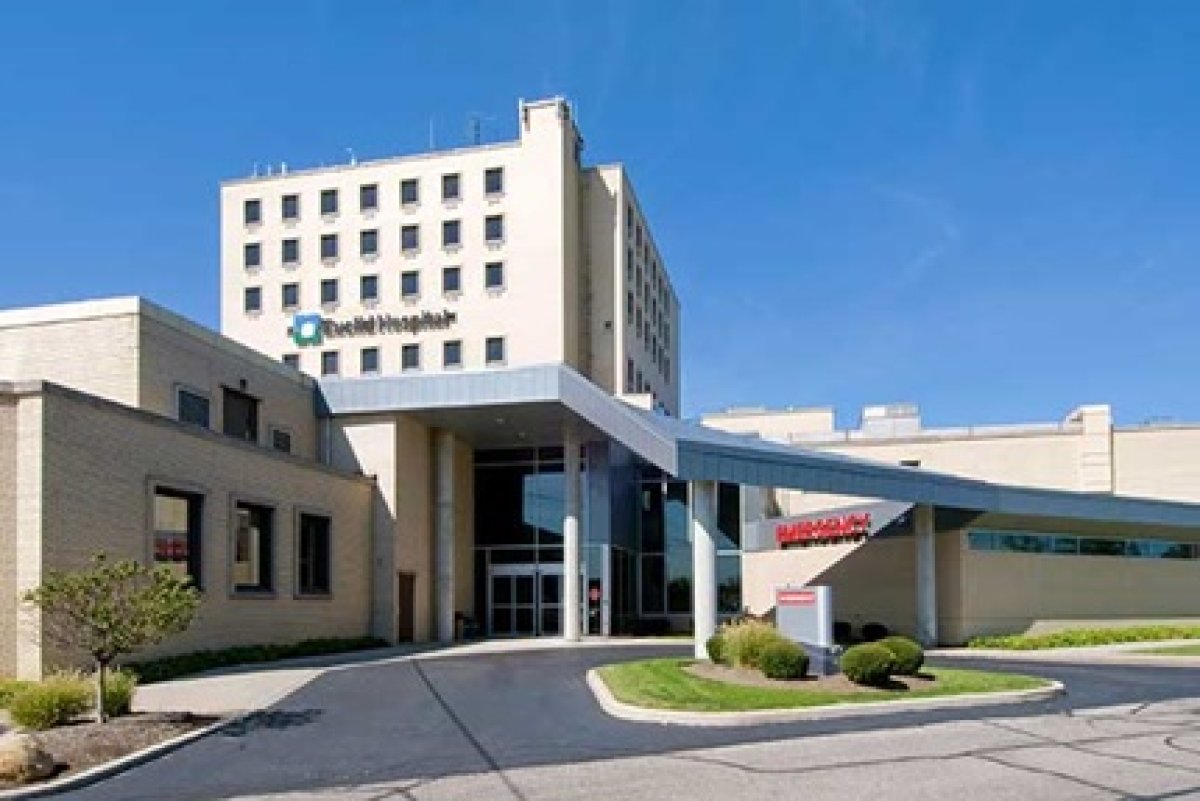





Johns Hopkins Hospital
مشاركة المحتوى
قصص فيديو من مرضى Bookimed
 Anna Leonova
أسئلة متكررة حول علاج الساد (الماء الأبيض) في الولايات المتحدة الامريكيه
كيف أعرف ما إذا كنت بحاجة فعلًا إلى جراحة المياه البيضاء (الكتاركت)؟
يحتاج المرضى إلى جراحة المياه البيضاء بمجرد أن تتداخل العتامة مع الأنشطة اليومية مثل القيادة أو القراءة. تشمل الأعراض الشائعة وهج الليل، والهالات حول أعمدة الإنارة، وتلاشي إدراك الألوان. يوصي المتخصصون بالجراحة عندما يحد فقدان البصر من الاستقلالية أو يمنع مراقبة حالات العين الخطيرة الأخرى مثل الجلوكوما.
- التأثير اليومي: الجراحة ضرورية عندما يمنعك فقدان البصر من العمل أو الطهي.
- مخاطر السلامة: تشير صعوبة القيادة ليلاً بسبب الوهج والهالات إلى الحاجة الجراحية.
- الضرورة الطبية: يجب إزالة المياه البيضاء الكثيفة لمراقبة الشبكية أو التنكس البقعي.
- التشخيص المتقدم: يستخدم الجراحون التصوير المقطعي للتماسك البصري (OCT) وفحوصات المصباح الشقي لتأكيد مرحلة المياه البيضاء.
رؤية خبير Bookimed: يجب على المرضى في الولايات المتحدة التحقق مما إذا كانت رؤيتهم 20/40 أو أسوأ قبل اختيار الجراحة. غالبًا ما يستخدم مقدمو التأمين وMedicare هذا المعيار لأهلية التغطية. في حين أن باقات العين الواحدة تكلف حوالي 3500 إلى 6000 دولار، فإن تأكيد الضرورة السريرية يتجنب التكاليف النثرية المبكرة.
إجماع المرضى: يشير المرضى إلى أنه من الضروري الحصول على رأي ثانٍ لتجنب التسرع. يدير الكثيرون الأعراض الخفيفة بنجاح لسنوات باستخدام نظارات محدثة قبل اتخاذ قرار بشأن الجراحة.
ما هي الأنواع الرئيسية لجراحة المياه البيضاء (الكاتاراكت) المتاحة في الولايات المتحدة؟
تتضمن جراحة المياه البيضاء في الولايات المتحدة بشكل أساسي ثلاث تقنيات لاستبدال العدسات المعتمة. يظل استحلاب العدسة (Phacoemulsification) هو المعيار الوطني نظرًا لطبيعته طفيفة التوغل. كما يقدم الجراحون خيارات بمساعدة الليزر لزيادة الدقة. يتم حجز الاستخراج خارج المحفظة للحالات المتقدمة والكثيفة التي تتطلب إزالة يدوية.
- استحلاب العدسة: يستخدم موجات فوق صوتية لتفتيت العدسة من خلال شق صغير بحجم 2-3 مم.
- الجراحة بمساعدة الليزر: تستخدم ليزر الفيمتو ثانية لإجراء الشقوق وتليين العدسة قبل إزالتها.
- الاستخراج خارج المحفظة: يتطلب شقًا أكبر بحجم 10-12 مم لإزالة المياه البيضاء الصلبة والكثيفة جدًا.
- استبدال العدسة داخل العين (IOL): تشمل جميع الأنواع عدسة صناعية دائمة لاستعادة رؤية واضحة وحادة.
رؤية خبير Bookimed: على الرغم من أن الجراحة بمساعدة الليزر تكلف ما بين 4,200 إلى 8,000 دولار تقريبًا، إلا أن بيانات السوق تظهر أن استحلاب العدسة القياسي يحقق نتائج بصرية مماثلة. تخدم المراكز الأمريكية المتخصصة مثل مستشفى جونز هوبكنز مرضى من 49 ولاية. غالبًا ما يؤثر اختيار العدسة داخل العين المناسبة على الرضا طويل الأمد أكثر من الطريقة الجراحية المستخدمة.
إجماع المرضى: يشير المرضى إلى أن الجراحة القياسية سريعة وموثوقة. يقترح الكثيرون إعطاء الأولوية لنوع العدسة على ترقية الليزر لتجنب التكاليف الإضافية غير الضرورية.
ما هي المضاعفات أو المشاكل طويلة المدى التي يجب أن أكون على دراية بها؟
تتمتع جراحة المياه البيضاء (الكاتاراكت) في الولايات المتحدة بنسبة نجاح تصل إلى 95%. تشمل المشاكل الشائعة طويلة المدى عتامة المحفظة الخلفية (PCO). يؤثر هذا على 20% إلى 50% من المرضى في غضون 5 سنوات. تحدث مخاطر جسيمة مثل انفصال الشبكية أو التهاب باطن العين في أقل من 1% من الحالات.
- عتامة المحفظة: تسبب عتامة المحفظة الخلفية رؤية ضبابية بعد سنوات. يمكن إصلاحها بسرعة باستخدام ليزر YAG.
- اضطرابات بصرية: يؤثر الوهج أو الهالات على 5% إلى 10% من مستخدمي العدسات متعددة البؤر الممتازة.
- مشاكل السطح: يمكن للجراحة أن تزيد من جفاف العين. وهذا يتطلب غالبًا قطرات طبية طويلة الأمد.
- إزاحة العدسة: قد تدور العدسات الحيدية الممتازة لدى 1% إلى 2% من المرضى.
رؤية خبير Bookimed: تختلف تكاليف جراحة المياه البيضاء في الولايات المتحدة بشكل كبير حسب نوع العدسة. تبدأ باقات العدسات أحادية البؤرة الأساسية بحوالي 3500 دولار. اختيار عدسة متعددة البؤر لكلتا العينين قد يرفع التكلفة الإجمالية إلى حوالي 11500 دولار. تتخصص المراكز ذات الحجم الكبير مثل مستشفى جونز هوبكنز في الحالات المعقدة. غالبًا ما يفضل المرضى القادمون من 49 ولاية هذه المراكز لتقنياتها المتقدمة بمساعدة الليزر.
إجماع المرضى: يتمنى العديد من المرضى لو أنهم عالجوا أعراض جفاف العين قبل تحديد موعد الجراحة. كما يلاحظون أن الرؤية الضبابية بعد سنوات عادة ما تكون مجرد عتامة محفظة خلفية، وليست مياه بيضاء جديدة.
ما هي فترة التعافي بعد جراحة المياه البيضاء (الكاتاراكت)؟
يستغرق التعافي الكامل من جراحة المياه البيضاء عادةً من 4 إلى 8 أسابيع. يلاحظ معظم المرضى رؤية أوضح في غضون 24 إلى 48 ساعة. عادةً ما يلتئم الشق الجراحي تماماً بحلول الأسبوع السادس. يسمح استقرار الرؤية النهائي بالحصول على وصفات طبية جديدة للنظارات في هذه المرحلة.
- الرؤية الفورية: يحقق العديد من المرضى رؤية 20/40 أو أفضل بحلول اليوم التالي.
- استئناف النشاط: يعود معظم الأشخاص إلى العمل المكتبي والقراءة في غضون 2 إلى 4 أيام.
- القيود البدنية: تجنب رفع الأشياء الثقيلة والانحناء لمدة أسبوع إلى أسبوعين على الأقل.
- حماية العين: ارتدِ واقياً للعين أثناء النوم خلال الأيام الأربعة عشر الأولى.
رؤية خبير Bookimed: بينما يستغرق الشفاء الكامل أسابيع، فإن النافذة الوظيفية أقصر بكثير. تشير البيانات الصادرة عن مؤسسات رائدة مثل مستشفى جونز هوبكنز إلى أن أعداد المرضى الكبيرة تؤدي إلى بروتوكولات فعالة وموحدة لما بعد الجراحة. غالباً ما يغفل المرضى أن 20% إلى 30% من الحالات تعاني من تفاقم مؤقت لجفاف العين. يساعد تخزين الدموع الاصطناعية الخالية من المواد الحافظة قبل الجراحة في إدارة هذه المرحلة الشائعة بفعالية.
إجماع المرضى: يشير المرضى إلى أن الرؤية قد تظل ضبابية لبضعة أيام بسبب قطرات الستيرويد المطلوبة. ويؤكدون أن الالتزام الصارم بجدول قطرات العين هو الجزء الأكثر أهمية لتعافي سلس.
ما هي خيارات زراعة العدسات (IOL) المتاحة، وكيف تؤثر على الرؤية؟
تستخدم جراحة المياه البيضاء (الكاتاركت) في الولايات المتحدة عدسات داخل العين (IOL) لاستعادة الرؤية. توفر العدسات أحادية البؤرة القياسية وضوحاً على مسافة واحدة. توفر الخيارات المتميزة مثل العدسات متعددة البؤر، وثلاثية البؤر، وعدسات عمق التركيز الممتد (EDOF) نطاقاً أوسع. كما تعمل بعض التصميمات المتقدمة على تصحيح الاستجماتيزم أو تسمح بإجراء تعديلات بعد الجراحة.
- العدسات أحادية البؤرة: توفر رؤية حادة للمسافات ولكنها تتطلب عادةً نظارات قراءة.
- العدسات متعددة البؤر وثلاثية البؤر: تخلق مناطق تركيز متعددة لتقليل الاعتماد على النظارات.
- عدسات EDOF: تعمل تصميمات عمق التركيز الممتد على سد الفجوة للعمل على الكمبيوتر.
- الغرسات التوريكية: أشكال متخصصة تصحح استجماتيزم القرنية لرؤية عامة أكثر وضوحاً.
- العدسات القابلة للتعديل بالضوء: تسمح هذه الغرسات الحساسة للضوء للأطباء بضبط الرؤية بدقة بعد الجراحة.
رؤية خبير Bookimed: بينما يركز الكثيرون على العلامات التجارية للعدسات، فإن اختيار التقنية الجراحية لا يقل أهمية. تخدم المراكز الأكاديمية مثل مستشفى جونز هوبكنز مرضى من 49 ولاية باستخدام طرق متقدمة. وغالباً ما يجمعون بين عدسات IOL المتميزة وتقنية ليزر الفيمتو ثانية للحصول على دقة أعلى في التثبيت. هذا المزيج فعال بشكل خاص للعدسات التوريكية، حيث تؤثر حتى الدورات الطفيفة على الوضوح.
إجماع المرضى: يشير المرضى إلى أن العدسات أحادية البؤرة توفر الرؤية الليلية الأكثر موثوقية مع الحد الأدنى من الوهج. يذكر أولئك الذين يخت
هل يغطي برنامج ميديكير أو التأمين الخاص جراحة المياه البيضاء (الكاتاراكت) والعناصر ذات الصلة؟
يغطي برنامج ميديكير والتأمين الصحي الخاص عادةً جراحة المياه البيضاء عندما تكون ضرورية طبيًا. يغطي الجزء ب (Part B) من ميديكير الإجراء في العيادات الخارجية. تشمل التغطية أتعاب الجراح وتكاليف المنشأة والعدسات أحادية البؤرة القياسية. يتم تغطية زوج واحد من النظارات أو العدسات اللاصقة بعد الجراحة.
- ميديكير الجزء ب: يدفع المرضى عادةً 20% من المبلغ المعتمد من ميديكير.
- متطلبات الخصم: يجب استيفاء الخصم السنوي للجزء ب قبل بدء التغطية.
- التأمين الخاص: تغطي معظم الخطط الجراحة الأساسية بمجرد تأكيد ضعف البصر سريريًا.
- ترقيات مميزة: يدفع المرضى عادةً من جيبهم الخاص مقابل العدسات متعددة البؤر أو العدسات الحيدية لتصحيح الاستجماتيزم.
رؤية خبير Bookimed: غالبًا ما تتجاوز التكاليف الواقعية التوقعات الأساسية بسبب رسوم المنشأة. بينما يغطي ميديكير الجراحة، قد تفرض مراكز العيادات الخارجية رسومًا منفصلة. يجب على المرضى التأكد مما إذا كان جراحهم والمنشأة كلاهما داخل الشبكة. هذا يمنع فواتير الرصيد، والتي يمكن أن تضيف 1000 دولار إلى الفاتورة النهائية. تتخصص المراكز ذات الحجم الكبير مثل مستشفى جونز هوبكنز في إدارة مطالبات التأمين المعقدة هذه للمرضى من 49 ولاية.
إجماع المرضى: يقترح العديد من المرضى تخصيص ميزانية تتراوح بين 500 إلى 1000 دولار للجراحة القياسية حتى مع وجود تأمين. ويشيرون إلى أن الحصول على تفويض مسبق مبكرًا يساعد في تجنب تأخيرات الموافقة الشائعة التي تستغرق ثلاثة أسابيع.
هل يغطي برنامج ميديكير (Medicare) تكاليف النظارات بعد جراحة المياه البيضاء (الكاتاراكت)؟
يغطي الجزء ب (Part B) من برنامج ميديكير زوجاً واحداً من النظارات أو العدسات اللاصقة بعد كل جراحة للمياه البيضاء تتضمن زراعة عدسة داخل العين. تنشأ هذه الضرورة الطبية لأن الجراحة تغير قياسات النظر. يدفع المرضى 20% من المبلغ المعتمد من ميديكير بعد استيفاء مبلغ الخصم السنوي.
- حد التغطية: يدفع ميديكير تكلفة إطارات قياسية وعدسات أساسية واحدة.
- متطلبات المزود: يجب عليك شراء النظارات من مورد مسجل في برنامج ميديكير.
- تكاليف الترقية: يتحمل المرضى جميع التكاليف الإضافية للعدسات المتدرجة أو الطلاءات المضادة للانعكاس.
- فترة الانتظار: يوصي الأطباء بالانتظار من 4 إلى 6 أسابيع حتى يستقر النظر.
رؤية خبراء Bookimed: غالباً ما يواجه المرضى في المراكز الكبيرة مثل مستشفى جونز هوبكنز فجوة في التغطية عند استخدام العدسات داخل العين الفاخرة. يقوم ميديكير بتوحيد مزايا النظارات بغض النظر عن نوع العدسة المزروعة أثناء الجراحة. إذا اخترت عدسات متعددة البؤر أو توريكية، فإن البرنامج لا يزال يعوض فقط عن النظارات الأساسية ذات الرؤية الواحدة. اختيار أخصائي بصريات خارج المستشفى لإطاراتك غالباً ما يقلل من الرصيد المتبقي الذي تدفعه من جيبك بعد تطبيق بدل ميديكير.
إجماع المرضى: يشير المرضى إلى أن ميديكير يغطي وصفة طبية واحدة محددة فقط. شراء أزواج احتياطية أو إطارات من ماركات عالمية يتطلب عادةً دفع كامل سعر التجزئة من مالك الخاص.