رأب الأوعية الشريانية داخل القحف وتركيب الدعامات في إيطاليا — احصل على 3 عيادات مطابقة مع التكاليف


تمت مراجعة المقالة طبيا من قبل
فهد مولود
ما هي تكلفة رأب الأوعية الشريانية داخل القحف وتركيب الدعامات في إيطاليا؟ اكتشف الآن
تتراوح تكلفة قسطرة وتركيب دعامة للشرايين داخل الجمجمة في إيطاليا بين $15,000 و $23,000. يعتمد السعر النهائي على تعقيد الحالة العصبية الوعائية، والمدينة، والتقنيات المستخدمة. تشمل الأسعار عادةً استشارة الأخصائي، والعملية الجراحية، والإقامة بالمستشفى لمدة تتراوح بين ثلاثة إلى سبعة أيام.
- مستشفيات الأبحاث التخصصية: ترتفع التكلفة في ميلانو بنسبة 15-20 % نظراً لتوفر تقنيات مراقبة عصبية متقدمة.
- التفاوت الإقليمي: غالباً ما تكون الإجراءات في مراكز ثانوية مثل نابولي أقل تكلفة مقارنة بمدن الشمال.
- الحالات الوعائية المعقدة: تزيد التداخلات المتقدمة التي تتطلب تصوير 4K 3D دقيقاً من التكلفة الإجمالية.
- التصوير التشخيصي: تُضاف رسوم إضافية تبلغ حوالي 250 $ لإجراء أشعة مقطعية وعائية قبل العملية.
رأي خبراء Bookimed: يوفر اختيار مركز متعدد التخصصات مثل مستشفى ماريا سيسيليا قيمة عالية. يحمل هذا المرفق اعتماد اللجنة الدولية المشتركة (JCI) ويجري أكثر من 15 % من جراحات القلب في إيطاليا. تضمن هذه الأعداد الكبيرة وصولاً أفضل لبروتوكولات جراحة الأعصاب المتطورة. يقدم جراحون بارزون، مثل البروفيسور جوزيبي سبيزيالي الذي ينسق جراحات القلب في مراكز GVM Care & Research، إشرافاً وخبرة على أعلى مستوى.
| إيطاليا | تركيا | إسبانيا | |
|---|---|---|---|
| رأب الأوعية الشريانية داخل القحف وتركيب الدعامات | ≈ $15,000 | من $7,000 | ≈ $14,000 |
مزاياك وضماناتك مع Bookimed
أسعار مباشرة
Bookimed لا يضيف رسوماً إضافية على أسعار رأب الأوعية الشريانية داخل القحف وتركيب الدعامات. الأسعار مأخوذة من قوائم الأسعار الرسمية للعيادات. تدفع مباشرة في العيادة مقابل رأب الأوعية الشريانية داخل القحف وتركيب الدعامات عند وصولك.
عيادات وأطباء معتمدون فقط
Bookimed ملتزم بسلامتك. نحن نعمل فقط مع المؤسسات الطبية التي تحافظ على معايير دولية عالية في رأب الأوعية الشريانية داخل القحف وتركيب الدعامات ولديها التراخيص اللازمة لخدمة المرضى الدوليين في جميع أنحاء العالم.
مساعدة مجانية على مدار الساعة
Bookimed يقدم مساعدة خبراء مجانية. منسق طبي شخصي يدعمك قبل وأثناء وبعد العلاج، ويحل أي مشاكل. لن تكون وحيداً أبداً في رحلة رأب الأوعية الشريانية داخل القحف وتركيب الدعامات.

منسقك الطبي الشخصي في Bookimed
- يدعمك في كل مرحلة
- المساعدة في اختيار العيادة الطبية المناسبة والطبيب المناسب
- يضمن الوصول السريع والمريح إلى المعلومات
اكتشف أفضل رأب الأوعية الشريانية داخل القحف وتركيب الدعامات العيادات في إيطاليا: 3 خيارات معتمدة والأسعار







نظرة عامة على رأب الأوعية الشريانية داخل القحف وتركيب الدعامات في إيطاليا
- الدعامات الوعائية المحيطية - من $11,000
يفتح هذا العلاج الأوعية الضيقة عبر أنابيب صغيرة ، مما يساعد على تدفق الدم ويقلل الألم ، ويوفر الشفاء السريع.
- رأب الأوعية الدموية - من $4,500
يعمل هذا العلاج على توسيع الشرايين الضيقة باستخدام بالون صغير ودعامات لتحسين تدفق الدم بشكل فعال وآمن.
- رأب الأوعية السباتية والدعامات - من $11,500
يوسع الإجراء الشرايين الضيقة في الرقبة عن طريق نفخ البالون ووضع الدعامة ، مما يقلل من خطر الإصابة بالسكتة الدماغية.
- رأب الأوعية الشريانية داخل القحف وتركيب الدعامات - من $15,000
هذا الإجراء يفتح الشرايين الضيقة بالمخ ويدخل دعامة لمنع السكتة الدماغية ، مما يعزز تدفق الدم بكفاءة.
- رأب الشريان الفقري والدعامة - من $11,500
تتضمن العملية توسيع الشرايين الفقرية الضيقة ووضع دعامة لتحسين تدفق الدم لتقليل مخاطر السكتة الدماغية.
يوسع هذا العلاج الأوعية الدموية الضيقة باستخدام بالون ويضع دعامة للانفتاح المستمر ، مما يحسن تدفق الدم.
- وضع دعامات لتسلخ الشرايين - من $5,500
يتضمن هذا العلاج إدخال أنبوب شبكي لفتح الشريان الممزق ، وتعزيز التدفق الآمن للدم والوقاية من المضاعفات.
اليوم 1
- الوصول إلى المستشفى والتسجيل في مكتب القبول.
- استشارة طبيب أعصاب وأخصائي أمراض القلب والأوعية الدموية.
- يتم إجراء فحوصات الدم و EKG و MRI.
اليوم الثاني
- قابل طبيب التخدير لمناقشة خيارات التخدير.
- التحضير للعملية ، بما في ذلك الصيام بعد منتصف الليل.
يوم 3
- يتم إجراء العملية ، وتستمر حوالي 2-3 ساعات.
- يستخدم التخدير الموضعي أو التخدير العام.
- يتم إدخال قسطرة في شريان الفخذ للوصول إلى المخ.
- يتم نفخ البالون لتوسيع الشريان ، ويتم وضع دعامة.
اليوم الرابع - اليوم السابع
- التعافي بعد الجراحة في العيادة ، مع المراقبة الدقيقة.
- يوصف الدواء لمنع تجلط الدم.
- يبدأ العلاج الطبيعي في تحسين الحركة.
الأسبوع الثاني - الأسبوع الرابع
- تواصل جلسات العلاج الطبيعي في المنزل.
- يتم تشجيع العودة التدريجية إلى الأنشطة العادية ، وتجنب المجهود الشاق.
الأسبوع السادس
- إعادة التقييم من قبل طبيب الأعصاب لتقييم تقدم التعافي.
- العودة إلى العمل ، اعتمادًا على المتطلبات الجسدية للوظيفة.
الأسبوع الثامن
- استأنف الرياضة والأنشطة الشاقة الأخرى إذا نصح بذلك الطبيب.
الأسبوع الثاني عشر
- يمكن رؤية الشفاء الكامل والنتيجة النهائية.
تذكر أن عملية الشفاء لكل مريض قد تختلف بناءً على الظروف الصحية الفردية ومدى تعقيد الإجراء.
- إيداع Bookimed: 200 دولار أو 200 يورو.
- وديعة العيادة: ادفع نسبة محددة مقدمًا.
احصل على تقييم طبي لـ رأب الأوعية الشريانية داخل القحف وتركيب الدعامات في إيطاليا: اختر أخصائيك من بين الأفضل في هذا المجال
عرض جميع الأطباء
Prof Giuseppe Speziale
يتخصص البروفيسور جوزيبي سبيزيالي في جراحة القلب طفيفة التوغل، بما في ذلك إصلاح الصمامات وإجراءات الشريان الأورطي الصدري، في مستشفى سانتا ماريا.
- مدير جراحة القلب في العديد من المستشفيات المرموقة
- المؤسس المشارك ورئيس أكاديمية ميترال (Mitral Academy)
- عضو في الجمعية الأمريكية لجراحة الصدر (AATS) والجمعية الدولية لجراحة القلب طفيفة التوغل (ISMICS)
- مؤلف أكثر من 90 بحثاً في جراحة القلب والصدر
- حاصل على جائزة 'أفضل الأطباء' (Top Doctors Awards) لعام 2021
قصص فيديو من مرضى Bookimed
المراجعات
جميع المراجعاتمشاركة المحتوى
 Anna Leonova
حقائق سريعة عن رأب الأوعية الشريانية داخل القحف وتركيب الدعامات
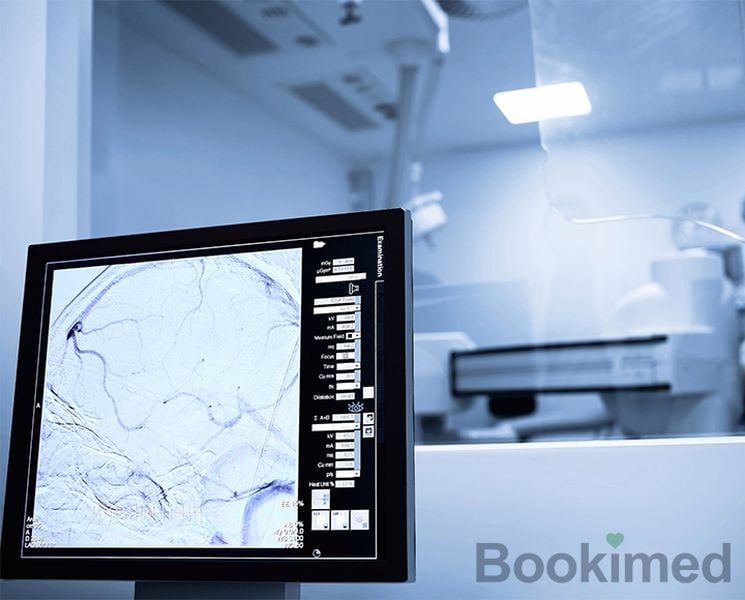
رأب الأوعية الشريانية داخل الجمجمة وتركيب الدعامات
يتضمن هذا الإجراء توسيع الشرايين الضيقة داخل الجمجمة باستخدام بالون ووضع دعامة للحفاظ على تدفق الدم ومنع السكتة الدماغية.
أسئلة متكررة حول رأب الأوعية الشريانية داخل القحف وتركيب الدعامات في إيطاليا
من هو المرشح لعملية رأب الأوعية الدموية داخل الجمجمة ووضع الدعامة؟
عادةً ما يعاني المرشحون المثاليون لعملية رأب الأوعية الدموية داخل الجمجمة ووضع الدعامة من تضيق شرياني عرضي يتراوح بين 70% و 99%. ويشمل ذلك المرضى الذين عانوا من سكتات دماغية حديثة أو نوبات نقص تروية عابرة على الرغم من تلقي أقصى قدر من العلاج الطبي، مثل الستاتينات ومميعات الدم.
- فشل العلاج الطبي: عانى المرشحون من سكتات دماغية متكررة أثناء خضوعهم لعلاجات قوية مضادة للصفيحات أو لضغط الدم.
- توقيت محدد: عادةً ما يتم إجراء العمليات بعد 7 إلى 21 يوماً من آخر حدث عصبي.
- أبعاد الأوعية الدموية: يجب أن يكون للشرايين المستهدفة قطر مرجعي لا يقل عن 2 إلى 3 مم.
- الحالة الوظيفية: يحتاج المرضى عموماً إلى درجة 3 أو أقل على مقياس رانكين المعدل.
رؤية خبير Bookimed: تعطي المراكز الإيطالية مثل مستشفى ماريا سيسيليا الأولوية للمرضى الذين فشلوا في الإدارة الطبية للشرايين المخية الوسطى أو القاعدية. على الرغم من أن الكثيرين يعتبرون هذا الملاذ الأخير، إلا أن العيادات ذات الحجم الكبير في إيطاليا غالباً ما تجري أكثر من 9000 إجراء جراحي سنوياً. يسمح هذا النطاق باختيار أكثر دقة للمرضى. على سبيل المثال، غالباً ما يفضل المرضى الأصغر سناً الذين تقل أعمارهم عن 65 عاماً بسبب مرونة الأوعية الدموية الأفضل ومخاطر التكلس المنخفضة.
إجماع المرضى: يجد العديد من المرضى أن التصوير السريري مثل تصوير الأوعية هو العامل الحاسم النهائي للترشح. يؤكد معظمهم أن وضع الدعامة لا يتم مناقشته إلا بعد فشل الأسبرين والكلوبيدوجريل في منع الأعراض المتكررة.
ما هي نسبة نجاح رأب الأوعية الدموية داخل الجمجمة ووضع الدعامات؟
يحقق رأب الأوعية الدموية داخل الجمجمة ووضع الدعامات معدلات نجاح تقنية تتراوح بين 96.7% و100%. في حين أن الإجراء يفتح الشرايين الضيقة بفعالية، فإن النجاح السريري يعتمد على استقرار المريض. يتراوح خطر الإصابة بسكتة دماغية أو الوفاة أثناء الإجراء عادةً بين 4.4% و14.7%، اعتماداً على الإدارة الطبية واختيار الجهاز.
- الكفاءة التقنية: تصل أنظمة الدعامات مثل Wingspan إلى معدلات نجاح تقنية تبلغ 98.8%.
- النتائج السريرية: يحقق المرضى المستقرون نتائج وظيفية جيدة بنسبة 97% بعد 6 أشهر.
- معدلات إعادة التضيق: تقلل الدعامات من مخاطر إعادة التضيق إلى 7.5% مقارنة بـ 50% لرأب الأوعية.
- الوقاية طويلة الأمد: تقلل الإجراءات الناجحة من معدلات السكتة الدماغية السنوية إلى ما يصل إلى 1.8%.
رؤية خبير Bookimed: تتعامل المراكز الإيطالية مثل مستشفى ماريا سيسيليا مع أكثر من 15% من جراحات القلب الوطنية. هذا الحجم الكبير هو مؤشر جودة حاسم. تشير البيانات إلى أن العيادات الحاصلة على اعتماد اللجنة الدولية المشتركة (JCI) تحافظ على معايير سلامة أعلى. يجب على المرضى اختيار المراكز ذات الحجم الكبير في روما أو بولونيا لضمان مخاطر أقل أثناء الإجراء.
إجماع المرضى: يجد العديد من المرضى أن النجاح التقني لا يضمن دائماً تخفيف الأعراض. يؤكد معظمهم على أهمية التصوير المتابعة بعد 6 أشهر لمراقبة احتمالية إعادة التضيق.
ما هي فترة التعافي بعد رأب الأوعية الدموية داخل الجمجمة وتركيب الدعامة؟
يتطلب التعافي بعد رأب الأوعية الدموية داخل الجمجمة وتركيب الدعامة عادةً من يوم إلى 3 أيام من المراقبة في المستشفى في إيطاليا. يستأنف المرضى عمومًا العمل المكتبي في غضون 7 إلى 14 يومًا. غالبًا ما يستغرق الشفاء الداخلي الكامل واستقرار الدعامة من شهر إلى 6 أشهر.
- الإقامة في المستشفى: يقضي معظم المرضى من يوم إلى 3 أيام تحت المراقبة للكشف عن أي نزيف في موقع الفخذ.
- حدود النشاط: تجنب رفع أكثر من 10 أرطال (4.5 كجم) وممارسة التمارين الشاقة لمدة 4 إلى 6 أسابيع.
- بروتوكول الأدوية: الأدوية المسيلة للدم مثل الأسبرين والكلوبيدوجريل إلزامية لمدة شهر إلى 6 أشهر.
- تصوير المتابعة: يحدد الأطباء مواعيد لتصوير الأوعية الدماغية أو الأشعة المقطعية في الشهر السادس لضمان نفاذية الأوعية.
رؤية خبير Bookimed: غالبًا ما تجمع المراكز الإيطالية مثل مستشفى ماريا سيسيليا بين رعاية معايير JCI والفرق متعددة التخصصات في القلب والأعصاب. يجب أن يلاحظ المرضى أنه على الرغم من عودة الحركة البدنية في غضون 24 ساعة، فإن التعب الإدراكي أمر شائع. غالبًا ما تفضل العيادات الإيطالية المتخصصة إقامة لمدة يومين في وحدة العناية المركزة تليها الخروج في اليوم الرابع من أجل السلامة.
إجماع المرضى: توقع صداعًا مستمرًا لمدة أسبوعين تقريبًا وضبابية ذهنية محتملة خلال الشهر الأول. يقترح معظم المرضى ترتيب مساعدة منزلية لمدة 7 أيام على الأقل لإدارة التعب بعد الجراحة بفعالية.
ما هي المستشفيات الرائدة في إيطاليا في مجال رأب الأوعية الدموية داخل الجمجمة وتركيب الدعامات؟
تضم إيطاليا مراكز عصبية وعائية رائدة مثل مستشفى ماريا سيسيليا (Maria Cecilia Hospital) ومستشفى سان رافاييل (Ospedale San Raffaele)، المتخصصة في التدخلات المعقدة داخل الجمجمة. تستخدم هذه المرافق تصويرًا متطورًا بدقة 4K ثلاثي الأبعاد وغرف عمليات هجينة لإجراء عمليات رأب الأوعية وتركيب الدعامات بدقة عالية لعلاج تضيق الشريان الدماغي.
- مستشفى ماريا سيسيليا: منشأة معتمدة من اللجنة الدولية المشتركة (JCI) في بولونيا، ومعترف بها من قبل المرضى لخبرتها الجراحية العصبية الفائقة.
- مستشفى سان رافاييل: يتميز بوحدات جراحة أعصاب ذات حجم عمل كبير، حيث يجري ما يقرب من 1000 إجراء دماغي متقدم سنويًا.
- مستشفى سانتا ماريا: بقيادة البروفيسور جوزيبي سبيزيالي، ويدير برامج شاملة للأوعية الدموية والتدخل العصبي.
- مجموعة سان دوناتو: تجري أكثر من 9400 عملية جراحية وعائية طفيفة التوغل سنويًا عبر شبكتها.
رؤية خبير Bookimed: يتميز مستشفى ماريا سيسيليا بسلامة التدخل العصبي لأنه حاصل على اعتماد JCI ويدير 15% من جراحات القلب في إيطاليا. يضمن هذا الحجم الجراحي الكبير أن فرق الأوعية العصبية لديها خبرة واسعة في تركيب الدعامات المعقدة والوصول عبر القسطرة.
إجماع المرضى: يؤكد المرضى على أهمية اختيار المستشفيات الجامعية التعليمية في ميلانو أو روما التي توفر دعمًا للتدخل العصبي على مدار الساعة طوال أيام الأسبوع. يوصي الكثيرون بطلب منسق يتحدث الإنجليزية في وقت مبكر للتنقل بفعالية عبر التفسيرات التقنية قبل الإجراء.