رأب الأوعية الشريانية داخل القحف وتركيب الدعامات في إسبانيا: 1 عيادة


تمت مراجعة المقالة طبيا من قبل
فهد مولود
ما هي تكلفة رأب الأوعية الشريانية داخل القحف وتركيب الدعامات في إسبانيا؟ اكتشف الآن
تتراوح تكلفة رأب الأوعية الدموية داخل الجمجمة وتركيب الدعامات في إسبانيا عادةً من $14,000 إلى $21,000. يمكن أن تختلف الأسعار حسب المستشفى، وخبرة أخصائي الأشعة العصبية التدخلي، ونوع الدعامة المستخدمة (دوائية أو معدنية)، وتعقيد حالة المريض. في ألمانيا، يبلغ متوسط التكلفة $21,800 (حسب DGNR). هذا يعني أن المرضى يمكن أن يتوقعوا دفع حوالي 36% أقل لهذا الإجراء في إسبانيا مقارنة بألمانيا.
عادةً ما تشمل المستشفيات الإسبانية التصوير قبل العملية (الأشعة المقطعية، التصوير بالرنين المغناطيسي، تصوير الأوعية)، الإجراء نفسه تحت التخدير العام، دعامات عالية الجودة، الإقامة في المستشفى (1–3 أيام)، والرعاية اللاحقة ضمن السعر الأساسي. في ألمانيا، قد يشمل السعر الأساسي الإجراء فقط، مع احتساب التصوير، والتخدير، والدعامات، والإقامة المطولة بشكل منفصل. يجب دائمًا التأكد من العيادة المختارة حول الخدمات المشمولة في الباقة.
| تركيا | إسبانيا | ألمانيا | |
|---|---|---|---|
| رأب الأوعية الشريانية داخل القحف وتركيب الدعامات | من $7,000 | ≈ $14,000 | ≈ $17,000 |
مزاياك وضماناتك مع Bookimed
أسعار مباشرة
Bookimed لا يضيف رسوماً إضافية على أسعار رأب الأوعية الشريانية داخل القحف وتركيب الدعامات. الأسعار مأخوذة من قوائم الأسعار الرسمية للعيادات. تدفع مباشرة في العيادة مقابل رأب الأوعية الشريانية داخل القحف وتركيب الدعامات عند وصولك.
عيادات وأطباء معتمدون فقط
Bookimed ملتزم بسلامتك. نحن نعمل فقط مع المؤسسات الطبية التي تحافظ على معايير دولية عالية في رأب الأوعية الشريانية داخل القحف وتركيب الدعامات ولديها التراخيص اللازمة لخدمة المرضى الدوليين في جميع أنحاء العالم.
مساعدة مجانية على مدار الساعة
Bookimed يقدم مساعدة خبراء مجانية. منسق طبي شخصي يدعمك قبل وأثناء وبعد العلاج، ويحل أي مشاكل. لن تكون وحيداً أبداً في رحلة رأب الأوعية الشريانية داخل القحف وتركيب الدعامات.

منسقك الطبي الشخصي في Bookimed
- يدعمك في كل مرحلة
- المساعدة في اختيار العيادة الطبية المناسبة والطبيب المناسب
- يضمن الوصول السريع والمريح إلى المعلومات
اكتشف أفضل رأب الأوعية الشريانية داخل القحف وتركيب الدعامات العيادات في إسبانيا: 1 خيار معتمدة والأسعار


نظرة عامة على رأب الأوعية الشريانية داخل القحف وتركيب الدعامات في إسبانيا
- الدعامات الوعائية المحيطية - من $7,200
يفتح هذا العلاج الأوعية الضيقة عبر أنابيب صغيرة ، مما يساعد على تدفق الدم ويقلل الألم ، ويوفر الشفاء السريع.
- رأب الأوعية الدموية - من $3,800
يعمل هذا العلاج على توسيع الشرايين الضيقة باستخدام بالون صغير ودعامات لتحسين تدفق الدم بشكل فعال وآمن.
- رأب الأوعية السباتية والدعامات - من $17,100
يوسع الإجراء الشرايين الضيقة في الرقبة عن طريق نفخ البالون ووضع الدعامة ، مما يقلل من خطر الإصابة بالسكتة الدماغية.
- رأب الأوعية الشريانية داخل القحف وتركيب الدعامات - من $14,000
هذا الإجراء يفتح الشرايين الضيقة بالمخ ويدخل دعامة لمنع السكتة الدماغية ، مما يعزز تدفق الدم بكفاءة.
- رأب الشريان الفقري والدعامة - من $11,500
تتضمن العملية توسيع الشرايين الفقرية الضيقة ووضع دعامة لتحسين تدفق الدم لتقليل مخاطر السكتة الدماغية.
يوسع هذا العلاج الأوعية الدموية الضيقة باستخدام بالون ويضع دعامة للانفتاح المستمر ، مما يحسن تدفق الدم.
- وضع دعامات لتسلخ الشرايين - من $6,500
يتضمن هذا العلاج إدخال أنبوب شبكي لفتح الشريان الممزق ، وتعزيز التدفق الآمن للدم والوقاية من المضاعفات.
اليوم 1
- الوصول إلى المستشفى والتسجيل في مكتب القبول.
- استشارة طبيب أعصاب وأخصائي أمراض القلب والأوعية الدموية.
- يتم إجراء فحوصات الدم و EKG و MRI.
اليوم الثاني
- قابل طبيب التخدير لمناقشة خيارات التخدير.
- التحضير للعملية ، بما في ذلك الصيام بعد منتصف الليل.
يوم 3
- يتم إجراء العملية ، وتستمر حوالي 2-3 ساعات.
- يستخدم التخدير الموضعي أو التخدير العام.
- يتم إدخال قسطرة في شريان الفخذ للوصول إلى المخ.
- يتم نفخ البالون لتوسيع الشريان ، ويتم وضع دعامة.
اليوم الرابع - اليوم السابع
- التعافي بعد الجراحة في العيادة ، مع المراقبة الدقيقة.
- يوصف الدواء لمنع تجلط الدم.
- يبدأ العلاج الطبيعي في تحسين الحركة.
الأسبوع الثاني - الأسبوع الرابع
- تواصل جلسات العلاج الطبيعي في المنزل.
- يتم تشجيع العودة التدريجية إلى الأنشطة العادية ، وتجنب المجهود الشاق.
الأسبوع السادس
- إعادة التقييم من قبل طبيب الأعصاب لتقييم تقدم التعافي.
- العودة إلى العمل ، اعتمادًا على المتطلبات الجسدية للوظيفة.
الأسبوع الثامن
- استأنف الرياضة والأنشطة الشاقة الأخرى إذا نصح بذلك الطبيب.
الأسبوع الثاني عشر
- يمكن رؤية الشفاء الكامل والنتيجة النهائية.
تذكر أن عملية الشفاء لكل مريض قد تختلف بناءً على الظروف الصحية الفردية ومدى تعقيد الإجراء.
- إيداع Bookimed: 200 دولار أو 200 يورو.
- وديعة العيادة: ادفع نسبة محددة مقدمًا.
احصل على تقييم طبي لـ رأب الأوعية الشريانية داخل القحف وتركيب الدعامات في إسبانيا: اختر أخصائيك من بين الأفضل في هذا المجال
عرض جميع الأطباء
José Ángel Cabrera Rodríguez
رئيس قسم أمراض القلب في كيرونسالود مدريد منذ عام 2006 - يتمتع الدكتور كابريرا بعقود من القيادة في رعاية القلب.
- متخصص في أمراض القلب التداخلية مع تدريب في لندن ومدريد
- أستاذ في الجامعة الأوروبية بمدريد، ويقود أبحاث أمراض القلب الانتقالية
- عضو في الجمعية الأوروبية لأمراض القلب وجمعية نظم القلب
- خبرة واسعة في إدارة عدم انتظام ضربات القلب والفيزيولوجيا الكهربائية

Francisco Javier Alzueta Rodriguez
خبير في عدم انتظام ضربات القلب وطب القلب التداخلي، مع أكثر من _doctor_8310_ سنوات من الخبرة في الدراسات الفيزيولوجية الكهربائية المتقدمة وزراعة الأجهزة.
- محاضر أول في جامعة مالقة، يدرس أمراض الدورة الدموية
- مؤلف لأكثر من 100 منشور علمي و23 كتاباً/فصلاً
- رئيس سابق لوحدة عدم انتظام ضربات القلب في عيادة بويرتا دي هييرو
- عضو في الجمعية الأوروبية لأمراض القلب وجمعية إيقاع القلب
- يجري عمليات استئصال معقدة بالقسطرة وزراعة أجهزة تنظيم ضربات القلب

Angel Pinto Gonzalez
الدكتور أنخيل بينتو غونزاليس هو استشاري أمراض القلب التداخلية في مستشفى جامعة إتش إم مونتيبرينسيبي (Hospital Universitario HM Montepríncipe) في مدريد. يعالج الدكتور حالات مرض الشريان التاجي، وتصلب الشرايين، واضطرابات صمامات القلب. كما يجري عمليات تركيب الدعامات، والاستئصال بالترددات الراديوية، وتركيب أجهزة تنظيم ضربات القلب. يعمل في مستشفى معتمد من المنظمة الدولية للمعايير (ISO) يستقبل 500,000 مريض سنوياً.
- يجري عمليات رأب الأوعية السباتية وتركيب الدعامات للوقاية من السكتات الدماغية
قصص فيديو من مرضى Bookimed
المراجعات
جميع المراجعاتمشاركة المحتوى
 Anna Leonova
حقائق سريعة عن رأب الأوعية الشريانية داخل القحف وتركيب الدعامات
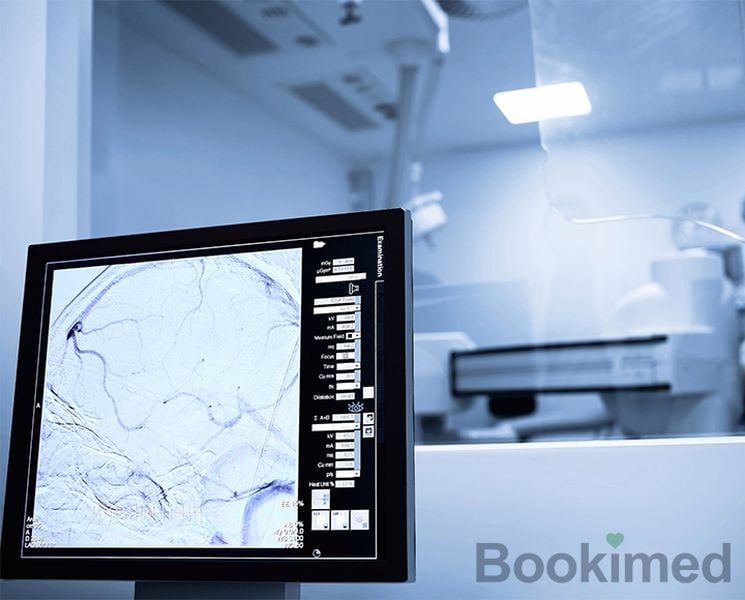
رأب الأوعية الشريانية داخل الجمجمة وتركيب الدعامات
يتضمن هذا الإجراء توسيع الشرايين الضيقة داخل الجمجمة باستخدام بالون ووضع دعامة للحفاظ على تدفق الدم ومنع السكتة الدماغية.
أسئلة متكررة حول رأب الأوعية الشريانية داخل القحف وتركيب الدعامات في إسبانيا
ما هو رأب الأوعية الدموية داخل الجمجمة ووضع الدعامات؟
رأب الأوعية الدموية داخل الجمجمة ووضع الدعامات هو إجراء طفيف التوغل داخل الأوعية الدموية مصمم لفتح شرايين الدماغ الضيقة. يستخدم قسطرة ذات طرف بالوني لتوسيع الوعاء ودعامة شبكية للحفاظ على تدفق الدم، مما يقلل بشكل فعال من مخاطر السكتة الدماغية الإقفارية عندما تفشل الأدوية.
- نوع النهج: يستخدم الجراحون تقنيات داخل الأوعية الدموية غير جراحية عادةً من خلال الفخذ أو الرسغ أو الرقبة.
- التكنولوجيا المستخدمة: يستخدم أطباء الأشعة العصبية التداخلية التصوير بالرنين المغناطيسي بقوة 3 تسلا وتوجيه التصوير لوضع القسطرة بدقة.
- فترة التعافي: يستغرق الشفاء الأولي من 1 إلى 3 أسابيع مع بروتوكولات صارمة لمميعات الدم لمدة 3 إلى 6 أشهر.
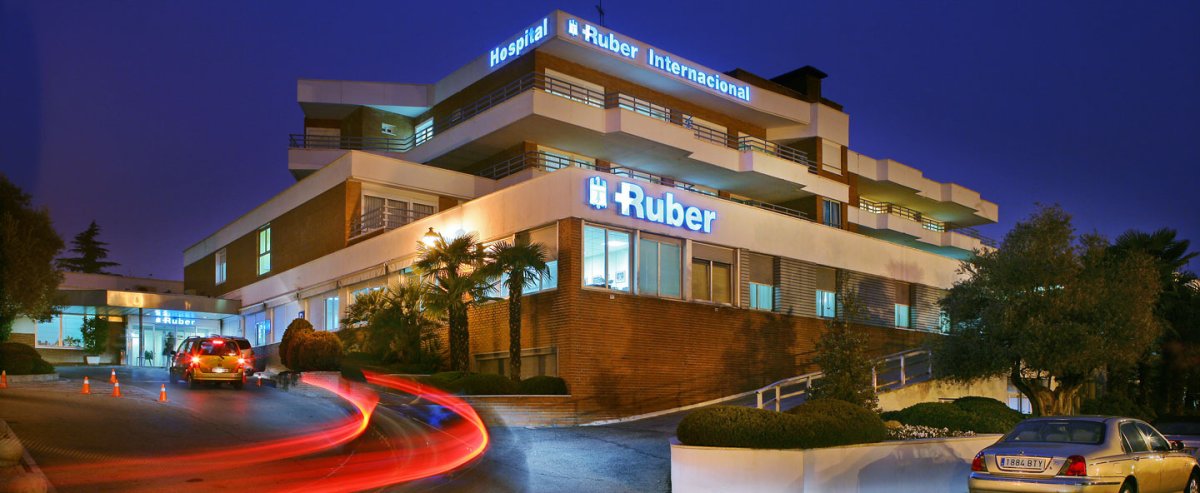
- معايير المنشأة: تمتلك المراكز الإسبانية الرائدة مثل مستشفى روبر الدولي (Hospital Ruber Internacional) اعتمادات JCI و ISO 9001.
رؤية خبير Bookimed: بينما يركز العديد من المرضى على الجراحة، فإن النجاح طويل الأمد للدعامات في إسبانيا يعتمد غالبًا على التصوير المتخصص بعد العملية. تستخدم مراكز مثل مستشفى روبر الدولي تقنية التصوير بالرنين المغناطيسي المتقدمة بقوة 3 تسلا وتقنية جاما نايف. يضمن هذا الرصد عالي الدقة بقاء الدعامة مستقرة خلال الأشهر الستة الأولى الحرجة من تكامل الأنسجة.
إجماع المرضى: غالبًا ما يشعر المرضى بالراحة من الصداع المزمن وطنين الأذن النابض مباشرة بعد الإجراء. يبلغ البعض عن كدمات مؤقتة في موقع البزل ويؤكدون على أهمية تجنب الأنشطة الشاقة أثناء تناول مميعات الدم.
ما هي المخاطر والمضاعفات المحتملة لرأب الشرايين داخل الجمجمة؟
تشمل المخاطر المحتملة لرأب الشرايين داخل الجمجمة السكتة الدماغية الإقفارية، وتمزق الأوعية الدموية، وتشريح الشرايين. غالبًا ما تنجم المضاعفات المرتبطة بالإجراء عن انفصال اللويحات أو تلف جدار الوعاء الدموي. عادةً ما يخصص المتخصصون في إسبانيا هذا التدخل للمرضى الذين يعانون من أعراض مع تضيق شرياني حاد يتجاوز 70% لتحسين نتائج السلامة.
- السكتة الدماغية أو النوبة الإقفارية العابرة (TIA): أحداث انسدادية ناتجة عن انفصال اللويحات أثناء عملية القسطرة.
- إصابة الأوعية الدموية: احتمال تمزق أو انفجار جدران الأوعية الدموية الهشة داخل الجمجمة.
- انسداد الأوعية المثقبة: انسداد الأوعية الصغيرة المتفرعة، مما قد يؤدي إلى نقص تروية موضعي في الدماغ.
- إعادة التضيق: تضيق تدريجي في جزء الشريان المعالج على مدى عدة أشهر.
- مشاكل موقع الوصول: احتمال حدوث نزيف أو كدمات أو تنميل في موقع إدخال القسطرة في الشريان الفخذي.
رؤية خبير Bookimed: يوفر اختيار منشأة حاصلة على شهادات JCI و ISO، مثل مستشفى روبير الدولي (Hospital Ruber Internacional) في مدريد، طبقة إضافية من الأمان. تنظم هذه المعايير الدولية بصرامة كيفية إدارة العيادات للمخاطر الجراحية. غالبًا ما يستخدم المتخصصون ذوو الخبرة العالية في إسبانيا، مثل الحاصلين على زمالات الجمعية الأوروبية لأمراض القلب، تصويرًا متقدمًا مثل التصوير بالرنين المغناطيسي بقوة 3 تسلا لتخطيط الأوعية قبل التدخل.
إجماع المرضى: يعبر العديد من الأفراد عن قلقهم بشأن الطبيعة الدائمة للدعامات داخل الجمجمة
من هو المرشح لإجراء رأب الأوعية الدموية داخل الجمجمة ووضع الدعامة؟
يشمل المرشحون لإجراء رأب الأوعية الدموية داخل الجمجمة ووضع الدعامة المرضى الذين يعانون من تضيق شرياني مصحوب بأعراض يتجاوز 70% ولم يستجيبوا للأدوية. يساعد هذا الإجراء طفيف التوغل داخل الأوعية الدموية في منع تكرار السكتات الدماغية أو النوبات الإقفارية العابرة لدى الأفراد غير المناسبين لجراحة الدماغ المفتوحة التقليدية.
- شدة التضيق: المرضى الذين يعانون من انسداد في الشريان الدماغي بنسبة لا تقل عن 70% على الرغم من العلاج الطبي.
- فشل العلاج الطبي: الأفراد الذين يعانون من أعراض سكتة دماغية مستمرة أثناء تناول مميعات الدم أو أدوية ضغط الدم.
- المؤشرات السريرية: أولئك الذين يعانون من مرض تصلب الشرايين داخل الجمجمة (ICAD) المؤكد سريريًا والذي يتطلب تدخلاً متخصصاً.
- تحمل الأدوية: يجب أن يكون المريض قادراً على اتباع نظام علاج مزدوج مضاد للصفيحات لمدة 6 أشهر بعد الإجراء.
رؤية خبير Bookimed: تجمع المراكز الإسبانية مثل مستشفى روبر الدولي (Hospital Ruber Internacional) بين السلامة المعتمدة من JCI والخبرة الجراحية الكبيرة، حيث تجري أكثر من 6000 عملية جراحية سنوياً.
إجماع المرضى: يؤكد العديد من المرضى على الحاجة إلى تصوير الأوعية التشخيصي لتأكيد تدرجات الضغط عبر الأوعية الضيقة.
ما هو معدل نجاح رأب الأوعية الدموية داخل الجمجمة وتركيب الدعامات في إسبانيا؟
يُظهر رأب الأوعية الدموية داخل الجمجمة وتركيب الدعامات في إسبانيا معدل نجاح تقني بنسبة 80% لحالات تصلب الشرايين الشديد. وتُبلغ مراكز الأعصاب والأوعية الدموية المتخصصة عن معدل نجاح خالٍ من المضاعفات بنسبة 90.5%. يتم إجراء العمليات بشكل متكرر في مرافق معتمدة من قبل JCI مثل مستشفى روبر الدولي (Hospital Ruber Internacional) على يد متخصصين معتمدين في مدريد وبرشلونة.
- معدل النجاح: يبلغ متوسط النجاح التقني 80% لاستعادة تدفق الدم في الشرايين الضيقة.
- ملف السلامة: تُظهر الحالات المتخصصة معدل نجاح بنسبة 90.5% دون مضاعفات إجرائية كبيرة.
- خطر إعادة التضيق: يحدث إعادة تضيق للشريان المعالج في ما يقرب من 20% من الحالات.
- وقت التعافي: يبقى المرضى عادةً في المستشفى لمدة يوم إلى يومين.
رؤية خبير Bookimed: يعتمد الأداء العصبي الوعائي في إسبانيا بشكل كبير على الخبرة المؤسسية. تخدم العيادات الكبرى مثل مستشفى روبر الدولي 25,000 مريض سنوياً. يرتبط حجم العمليات الكبير بنتائج متسقة. يتمتع جراحون مثل فرانسيسكو خافيير ألزويتا رودريغيز بخبرة تزيد عن 40 عاماً في مجال القلب والأوعية الدموية. هذا المستوى من الأقدمية نادر خارج المراكز الأوروبية الكبرى.
إجماع المرضى: يقدر المرضى كفاءة الإجراء الذي يستغرق ساعتين والإقامة القصيرة في المستشفى. يشعر معظمهم بالاطمئنان بفضل الدقة التقنية الموجودة في المراكز الطبية المعتمدة دولياً في مدريد.
ما هي المؤهلات التي يجب أن يتمتع بها الفريق الطبي لإجراء هذا التدخل؟
يجب أن يضم الفريق الطبي لإجراء رأب الأوعية الدموية داخل الجمجمة ووضع الدعامات في إسبانيا أطباء تدخل عصبي أو جراحي أعصاب حاصلين على تدريب زمالة متخصص في التدخلات الوعائية الدماغية. يجب أن يمتلك هؤلاء المتخصصون خبرة في التعامل مع الأوعية الدموية الدقيقة في الدماغ باستخدام تقنيات تصوير متقدمة مثل التصوير بالرنين المغناطيسي بقوة 3 تسلا وتقنيات القسطرة المتخصصة.
- مؤهلات المتخصص: يجب أن يكون الجراحون حاصلين على زمالة في الأشعة التداخلية العصبية أو جراحة الأعصاب الوعائية.
- اعتماد المستشفى: ابحث عن المرافق المعتمدة من قبل JCI مثل مستشفى روبير الدولي (Hospital Ruber Internacional) التي تحافظ على معايير سلامة عالية.
- فريق متعدد التخصصات: يتطلب النجاح التعاون بين جراحي الأعصاب وأطباء الأعصاب وأطباء التخدير العصبي المتخصصين لتقديم رعاية خاصة بالدماغ.
- عضوية الجمعيات: غالباً ما يكون كبار الأطباء أعضاء في الجمعية الإسبانية لأمراض القلب أو ما يعادلها.
رؤية خبير Bookimed: على الرغم من أن أطباء القلب التداخلي العامين مثل الدكتور فرانسيسكو خافيير ألثويتا رودريغيز هم خبراء في دعامات القلب، إلا أن إجراءات داخل الجمجمة تنطوي على مخاطر أعلى. تظهر بياناتنا أن المستشفيات الإسبانية من الدرجة الأولى، مثل مستشفى روبير الدولي، تفصل بين أقسام القلب والأوعية الدموية الدماغية لضمان خبرة جراحية خاصة بالدماغ. تأكد دائماً من أن جراحك يركز حصرياً على التدخلات الوعائية الدماغية بدلاً من رعاية القلب العامة.
إجماع المرضى: يؤكد المرضى على أهمية العثور على
ما هي عملية التعافي بعد رأب الأوعية الدموية داخل الجمجمة ووضع الدعامة؟
يتضمن التعافي مراقبة مكثفة في وحدة أعصاب متخصصة لمدة 24 إلى 48 ساعة لضمان استقرار تدفق الدم في الدماغ. يظل المرضى في راحة تامة في الفراش لمدة 6 إلى 12 ساعة في البداية. يتضمن التعافي الكامل عادةً 8 أسابيع من النشاط الخفيف وعلاجاً يومياً مضاداً للصفيحات مدى الحياة.
- الإقامة في المستشفى: ينتقل معظم المرضى إلى المنزل بعد ليلة واحدة من المراقبة في عيادات مدريد أو ماربيا.
- حد النشاط: تجنب رفع الأثقال والمهام الشاقة لمدة تصل إلى 8 أسابيع بعد الإجراء.
- المراقبة العصبية: يتم إجراء تصوير منتظم مثل الأشعة المقطعية أو تصوير الأوعية بالرنين المغناطيسي في الأشهر 3 و 6 و 12.
- الرعاية طويلة الأمد: الاستخدام مدى الحياة للأسبرين أو كلوبيدوجريل يمنع تكون جلطات الدم على الدعامة.
رؤية خبير Bookimed: تستخدم مراكز جراحة الأعصاب الرائدة في إسبانيا مثل مستشفى روبر الدولي بروتوكولات معتمدة من JCI تعطي الأولوية للتصوير متعدد المراحل. بعد وضع الدعامة، غالباً ما يستهدف الجراحون مستويات كوليسترول LDL أقل من 70 مجم/ديسيلتر. هذا التركيز المحدد على إدارة الدهون يقلل بشكل كبير من خطر حدوث أحداث وعائية رئيسية لاحقة.
إجماع المرضى: توقع صداعاً شديداً خلال الأسبوع الأول حيث يتكيف الوعاء الدموي مع الدعامة. يوصي المرضى بالبقاء ثابتين تماماً لمدة 10 ساعات بعد البزل لتجنب حدوث ورم دموي في موقع الفخذ.
كم من الوقت يحتاج المريض للبقاء في إسبانيا لإجراء رأب الأوعية الدموية داخل الجمجمة ووضع الدعامة؟
يجب على المرضى التخطيط لإقامة تتراوح بين 7 إلى 14 يوماً في إسبانيا لإجراء رأب الأوعية الدموية داخل الجمجمة ووضع الدعامة. تضمن هذه الفترة الزمنية المراقبة العصبية الآمنة والحصول على التصريح الطبي قبل السفر جواً. يقضي معظم الأفراد من 2 إلى 5 أيام في مستشفى معتمد من قبل اللجنة الدولية المشتركة (JCI) مثل مستشفى روبير الدولي (Hospital Ruber Internacional) للمراقبة المكثفة بعد العملية.
- فترة التنويم في المستشفى: توقع من 1 إلى 5 أيام للمراقبة الحرجة لضغط الدم والمراقبة العصبية.
- المراقبة بعد العملية: تتطلب عادةً 48 ساعة في المستشفى لإدارة المخاطر المحتملة أو الصداع.
- تصريح السفر: يطلب الأطباء عادةً من 7 إلى 10 أيام قبل الموافقة على الرحلات الجوية الطويلة.
- الجدول الزمني للتعافي: غالباً ما يستمر تصلب الرقبة الخفيف أو الصداع لمدة 10 أيام تقريباً بعد الإجراء.
رؤية خبير Bookimed: يستخدم كبار أخصائيي الأوعية العصبية في إسبانيا، مثل أولئك الموجودين في كيرونسالود مدريد (Quironsalud Madrid)، التصوير بالرنين المغناطيسي بقوة 3 تسلا للتقييم الدقيق بعد وضع الدعامة. في حين أن رأب الأوعية الأساسي يبدأ من حوالي $3,800، يمكن أن تصل تكلفة الإجراء المعقد داخل الجمجمة إلى $21,000. غالباً ما يضمن اختيار منشأة معتمدة من JCI في مدريد الوصول إلى تقنيات مراقبة متقدمة يمكن أن تقصر فترات الإقامة في المستشفى.
إجماع المرضى: غالباً ما يؤكد الأفراد على الحاجة إلى توضيح بروتوكولات ما بعد الجراحة مباشرة مع المستشفى. يقترح الكثيرون ا