عيادات رأب الأوعية السباتية والدعامات في إيطاليا


تمت مراجعة المقالة طبيا من قبل
فهد مولود
ما هي تكلفة رأب الأوعية السباتية والدعامات في إيطاليا؟ اكتشف الآن
تتراوح تكلفة قسطرة الشريان السباتي وتركيب الدعامة في إيطاليا بين $11,500 و $16,500. يعتمد السعر النهائي على مستوى المستشفى ومدينة العلاج ونوع الدعامة المستخدمة. تشمل هذه التكاليف عادةً العملية الجراحية والإقامة اللازمة في المستشفى والفحوصات الأولية.
- موقع المستشفى: تفرض المرافق في ميلانو رسوماً أعلى بنسبة 15-20% مقارنة بالمراكز الإقليمية.
- الحالة البحثية السريرية: تطلب المستشفيات البحثية التي تستخدم تقنيات تصوير متقدمة سعراً أعلى نظير خدماتها.
- اختيار المواد: تضيف الدعامات الدوائية أو الثنائية المتخصصة آلاف الدولارات إلى السعر الأساسي.
- مدة الإقامة: تغطي الباقات الطبية القياسية في إيطاليا عادةً فترة إقامة تتراوح بين 4 إلى 7 أيام.
رأي خبراء Bookimed: يوفر اختيار فريق قلب متعدد التخصصات قيمة وأماناً فائقين للحالات الوعائية المعقدة. يجري مستشفى ماريا سيسيليا أكثر من 15% من جميع جراحات القلب في إيطاليا وهو معتمد من JCI. يتمتع جراحون بارزون مثل البروفيسور جوزيبي سبيزالي والدكتور كارلو سافيني بخبرة واسعة في تقنيات التدخل الجراحي المحدود. يمكن للمرضى الحصول على رعاية متخصصة عالية المستوى في مراكز طبية رئيسية مثل روما وبولونيا وباري.
| إيطاليا | تركيا | إسبانيا | |
|---|---|---|---|
| رأب الأوعية السباتية والدعامات | ≈ $11,500 | من $9,000 | من $17,100 |
مزاياك وضماناتك مع Bookimed
أسعار مباشرة
Bookimed لا يضيف رسوماً إضافية على أسعار رأب الأوعية السباتية والدعامات. الأسعار مأخوذة من قوائم الأسعار الرسمية للعيادات. تدفع مباشرة في العيادة مقابل رأب الأوعية السباتية والدعامات عند وصولك.
عيادات وأطباء معتمدون فقط
Bookimed ملتزم بسلامتك. نحن نعمل فقط مع المؤسسات الطبية التي تحافظ على معايير دولية عالية في رأب الأوعية السباتية والدعامات ولديها التراخيص اللازمة لخدمة المرضى الدوليين في جميع أنحاء العالم.
مساعدة مجانية على مدار الساعة
Bookimed يقدم مساعدة خبراء مجانية. منسق طبي شخصي يدعمك قبل وأثناء وبعد العلاج، ويحل أي مشاكل. لن تكون وحيداً أبداً في رحلة رأب الأوعية السباتية والدعامات.

منسقك الطبي الشخصي في Bookimed
- يدعمك في كل مرحلة
- المساعدة في اختيار العيادة الطبية المناسبة والطبيب المناسب
- يضمن الوصول السريع والمريح إلى المعلومات
اكتشف أفضل رأب الأوعية السباتية والدعامات العيادات في إيطاليا: 3 خيارات معتمدة والأسعار






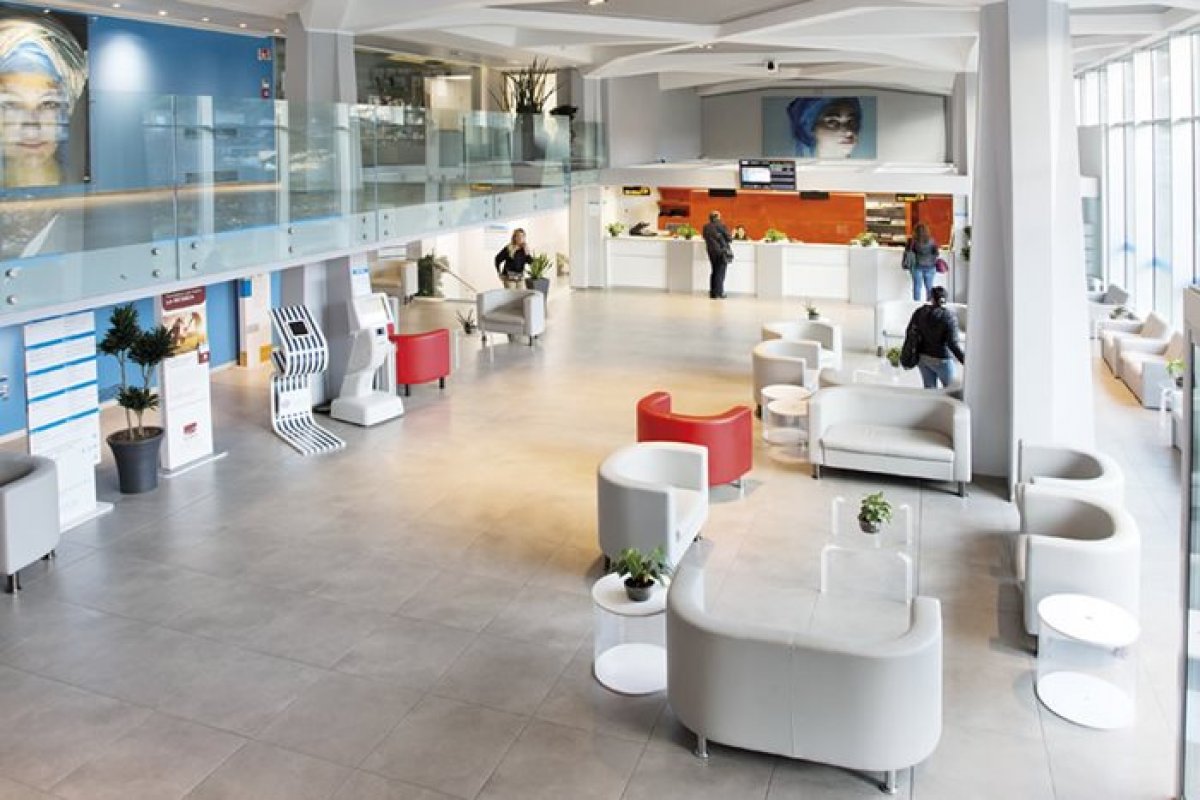

نظرة عامة على رأب الأوعية السباتية والدعامات في إيطاليا
- الدعامات الوعائية المحيطية - من $11,000
يفتح هذا العلاج الأوعية الضيقة عبر أنابيب صغيرة ، مما يساعد على تدفق الدم ويقلل الألم ، ويوفر الشفاء السريع.
- رأب الأوعية الدموية - من $4,500
يعمل هذا العلاج على توسيع الشرايين الضيقة باستخدام بالون صغير ودعامات لتحسين تدفق الدم بشكل فعال وآمن.
- رأب الأوعية السباتية والدعامات - من $11,500
يوسع الإجراء الشرايين الضيقة في الرقبة عن طريق نفخ البالون ووضع الدعامة ، مما يقلل من خطر الإصابة بالسكتة الدماغية.
- رأب الأوعية الشريانية داخل القحف وتركيب الدعامات - من $15,000
هذا الإجراء يفتح الشرايين الضيقة بالمخ ويدخل دعامة لمنع السكتة الدماغية ، مما يعزز تدفق الدم بكفاءة.
- رأب الشريان الفقري والدعامة - من $11,500
تتضمن العملية توسيع الشرايين الفقرية الضيقة ووضع دعامة لتحسين تدفق الدم لتقليل مخاطر السكتة الدماغية.
يوسع هذا العلاج الأوعية الدموية الضيقة باستخدام بالون ويضع دعامة للانفتاح المستمر ، مما يحسن تدفق الدم.
- وضع دعامات لتسلخ الشرايين - من $5,500
يتضمن هذا العلاج إدخال أنبوب شبكي لفتح الشريان الممزق ، وتعزيز التدفق الآمن للدم والوقاية من المضاعفات.
اليوم الأول - الوصول
- الوصول إلى المستشفى والتسجيل في مكتب الاستقبال.
- قابل أخصائي القلب والأوعية الدموية للاستشارة.
- الخضوع للفحوصات الطبية اللازمة ، بما في ذلك فحوصات الدم والتصوير.
اليوم 2 - ما قبل العملية
- راجع نتائج الاختبار مع المختص.
- ناقش الإجراء والمخاطر والفوائد مع الأخصائي.
- التوقيع على استمارة الموافقة على الإجراء.
اليوم 3 - العملية
- الصيام بين عشية وضحاها قبل الإجراء.
- اخضع لعملية رأب الوعاء السباتي والدعامات ، وعادة ما تستمر من ساعة إلى ساعتين.
- يستخدم التخدير الموضعي لتقليل الانزعاج.
- يتضمن الإجراء توسيع الشريان السباتي الضيق ووضع دعامة.
اليوم 4 - بعد العملية
- البقاء في المستشفى للمراقبة.
- تناول الأدوية لمنع تجلط الدم والسيطرة على الألم.
- قابل الأخصائي لمراجعة ما بعد الجراحة.
اليوم الخامس - التفريغ
- تلقي تعليمات الخروج والأدوية.
- رتب موعدًا للمتابعة مع الأخصائي.
الأسبوع الأول - إعادة التأهيل
- الراحة والتعافي في المنزل.
- تناول الأدوية الموصوفة بانتظام.
الأسبوع 2-4 - إعادة التأهيل
- استأنف تدريجيًا الأنشطة الخفيفة.
- عد إلى العمل إذا لم يكن الأمر يتطلب جهداً بدنياً.
الأسبوع 4-8 - إعادة التأهيل
- استأنف الأنشطة المعتدلة والرياضات الخفيفة.
- شاهد النتيجة النهائية حيث يشفى الشريان السباتي تمامًا.
يرجى ملاحظة أن الجدول الزمني والعملية قد تختلف حسب الظروف الصحية الفردية وسرعة الشفاء.
- إيداع Bookimed: 200 دولار أو 200 يورو.
- وديعة العيادة: ادفع نسبة محددة مقدمًا.
احصل على تقييم طبي لـ رأب الأوعية السباتية والدعامات في إيطاليا: اختر أخصائيك من بين الأفضل في هذا المجال
عرض جميع الأطباء
Carlo Savini
يتخصص البروفيسور سافيني في جراحة القلب طفيفة التوغل، ويجري إجراءات مثل رأب الشريان السباتي في مستشفى ماريا سيسيليا.
- جراح في كبرى مؤسسات أمراض القلب الأوروبية
- خبير في جراحة ترميم الصمام التاجي وإجراءات الشريان الأورطي الصدري
- أستاذ مشارك في جامعة بولونيا
- عضو في جمعيتي EACTS و ISMICS
- باحث منشور في أمراض الشرايين التاجية والأورطية

Prof Giuseppe Speziale
يتخصص البروفيسور سبيزيالي في جراحة القلب طفيفة التوغل - بما في ذلك دعامات الشريان السباتي - في مستشفى سانتا ماريا، ويدير شبكة جراحة القلب التابعة لـ GVM Care & Research.
- أكثر من _doctor_7223_عاماً_ من التركيز على التدخلات القلبية الوعائية المتقدمة
- رائد في تقنيات إصلاح الصمامات طفيفة التوغل
- مؤسس أكاديمية Mitral Academy لتعزيز التميز الجراحي
- نشر أكثر من 90 ورقة بحثية في مجلات القلب الرائدة
- حاصل على جائزة "أفضل الأطباء" لعام 2021
قصص فيديو من مرضى Bookimed
المراجعات
جميع المراجعاتمشاركة المحتوى
 Anna Leonova
حقائق سريعة عن رأب الأوعية السباتية والدعامات
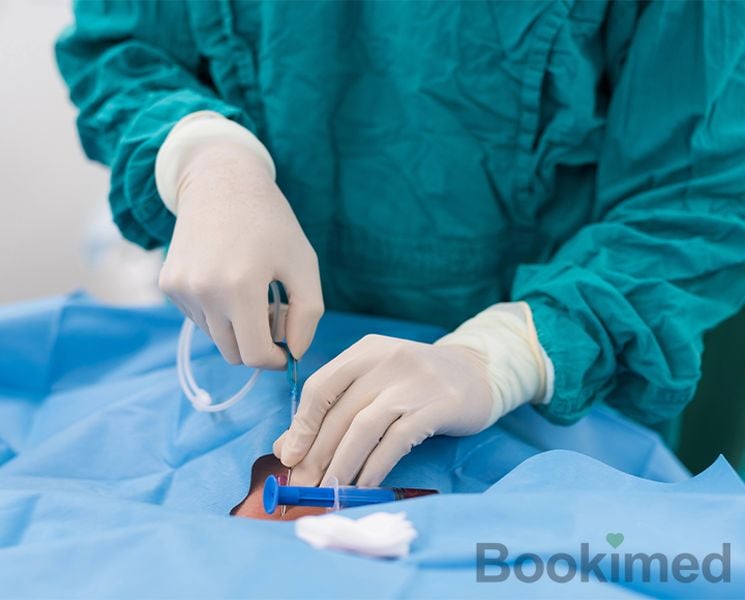
رأب الوعاء السباتي وتركيب الدعامات
رأب الأوعية السباتية والدعامات هو إجراء طفيف التوغل لتوسيع الشرايين الضيقة وتحسين تدفق الدم إلى الدماغ.
أسئلة متكررة حول رأب الأوعية السباتية والدعامات في إيطاليا
هل قسطرة الشريان السباتي وتركيب الدعامات في إيطاليا آمنة، وكيف يتم التعامل مع المضاعفات؟
تعتبر قسطرة الشريان السباتي وتركيب الدعامات في إيطاليا آمنة للغاية، حيث تصل معدلات نجاح الإجراء إلى 100% في المراكز المتخصصة. تحافظ التقنيات طفيفة التوغل، مثل دعامات الجيل الثاني وأجهزة الحماية الدماغية، على انخفاض مخاطر الإصابة بالسكتة الدماغية إلى أقل من 2% أثناء هذه التدخلات الوعائية.
- معدلات النجاح: تبلغ المرافق الإيطالية ذات الحجم الكبير عن إكمال ناجح للإجراء بنسبة تتراوح بين 98% إلى 100%.
- السلامة العصبية: تقلل دعامات الجيل الثاني مثل Roadsaver من حوادث السكتة الدماغية أثناء الجراحة إلى 1.7%.
- الحماية من الانصمام: يستخدم المتخصصون بشكل روتيني مرشحات بعيدة أو حجب التدفق لمنع الحطام.
- التعافي السريري: عادة ما يمرضى بإقامات قصيرة بمتوسط 1.8 يوم في وحدات القلب.
رؤية خبير Bookimed: تركز شبكات جراحة القلب الإيطالية مثل GVM Care & Research بشكل كبير على الرقابة بين الأقسام. يدير البروفيسور جوزيبي سبيزيالي في مستشفى سانتا ماريا أقسامًا في مدن متعددة، مما يضمن بروتوكولات سلامة موحدة. تؤدي هذه القيادة المركزية عادةً إلى إدارة أكثر اتساقًا للمضاعفات مقارنة بالعيادات المستقلة.
إجماع المرضى: يؤكد المرضى على اختيار المراكز الكبرى في شمال إيطاليا، مثل ميلانو أو بولونيا، للحصول على وصول أفضل لإعادة التأهيل العصبي. غالبًا ما تعتمد السلامة على التحقق من أن المشغل يجري أكثر من 50 حالة سباتية سنويًا.
من يعتبر مرشحاً جيداً لتركيب دعامة الشريان السباتي في المراكز الإيطالية؟
المرشحون المثاليون لتركيب دعامة الشريان السباتي في المراكز الإيطالية هم المرضى الذين يعانون من تضيق عرضي بنسبة 50% إلى 99% أو تضيق لا عرضي بنسبة تزيد عن 70%. يعطي المتخصصون الإيطاليون الأولوية لهذا النهج طفيف التوغل للأفراد الذين يواجهون مخاطر جراحية عالية، بما في ذلك أولئك الذين يعانون من أمراض القلب الشديدة، أو تعرضوا لإشعاع سابق في الرقبة، أو لديهم آفات شريانية يصعب الوصول إليها.
- التضيق العرضي: تضيق يتراوح بين 50% و99% يتم علاجه في غضون 14 يوماً من حدوث نوبة نقص تروية.
- مخاطر جراحية عالية: يفضل المرضى الذين يعانون من مرض الانسداد الرئوي المزمن الشديد، أو الذبحة الصدرية غير المستقرة، أو احتشاء عضلة القلب الحديث.
- العوامل التشريحية: مناسب للآفات القريبة من الفك أو قاعدة الجمجمة حيث تكون الجراحة صعبة.
- استقرار اللويحة: المرضى الذين لا يعانون من أعراض مع تضيق يزيد عن 80% ولويحات عرضة للخطر في تصوير الموجات فوق الصوتية.
رؤية خبير Bookimed: يتعامل مستشفى ماريا سيسيليا في بولونيا مع أكثر من 15% من جميع جراحات القلب في إيطاليا، مما يجعله مركزاً عالي الكثافة للتدخلات الوعائية. تشير البيانات إلى أن هذه المراكز المتخصصة تعطي الأولوية للدعامات عندما تمنع الآفات البعيدة التثبيت الجراحي الآمن. غالباً ما يضمن اختيار منشأة ذات حجم كبير وصولاً أفضل إلى أجهزة الحماية من الصمات الأساسية أثناء الإجراء.
إجماع المرضى: غالباً ما يؤكد المرضى على أهمية تصوير الأوعية للتأكد مما إذا كان التشريح الملتوي يجعلهم أكثر ملاءمة للدعامات من الجراح
ما هي فحوصات التصوير قبل الجراحة المطلوبة قبل الإجراء؟
يركز فحص التصوير قبل الجراحة لعملية رأب الشريان السباتي وتركيب الدعامات في إيطاليا على الموجات فوق الصوتية للشريان السباتي وتصوير الأوعية المقطعي المحوسب (CTA). تحدد هذه الاختبارات غير الغازية تضيق الأوعية وتشكل اللويحات. يضمن التصوير عالي الدقة تخطيطًا جراحيًا دقيقًا داخل المرافق المعتمدة من قبل اللجنة الدولية المشتركة مثل مستشفى ماريا سيسيليا.
- الموجات فوق الصوتية للشريان السباتي: الفحص الأولي يؤكد مستويات التضيق ويقيم سرعة تدفق الدم.
- تصوير الأوعية المقطعي (CTA): رسم خرائط نهائي لالتواء الأوعية والتكلس لوضع الدعامة.
- تصوير الدماغ: تكتشف فحوصات التصوير المقطعي أو الرنين المغناطيسي الأساسية السكتات الدماغية الصامتة أو الاحتشاءات السابقة.
- تصوير الأوعية بالرنين المغناطيسي (MRA): بديل آمن لـ CTA للمرضى الذين يحتاجون إلى تعرض أقل للإشعاع.
رؤية خبير Bookimed: بينما يتوقع العديد من المرضى تصوير الأوعية التقليدي أثناء التشخيص، تتعامل المراكز الإيطالية الكبرى مثل مستشفى ماريا سيسيليا الآن مع أكثر من 15% من جراحات القلب الوطنية باستخدام CTA المتقدم للتخطيط قبل الجراحة. هذا التحول يحجز القسطرة الغازية ليوم الإجراء الفعلي، مما يقلل بشكل كبير من انزعاج المريض ووقت التحضير.
إجماع المرضى: يؤكد المرضى على أهمية الإفصاح عن مشاكل الكلى في وقت مبكر، حيث تتطلب صبغات التباين مستويات كرياتينين صحية. يجد معظمهم أن الموجات فوق الصوتية الثنائية هي المعيار، حتى بالنسبة للأعراض أحادية الجانب، لضمان صحة الأوعية الدموية بالكامل.
كم تستغرق مدة الإقامة في المستشفى، وكيف يبدو الجدول الزمني النموذجي للتعافي؟
عادة ما يبقى المرضى من ليلة إلى ليلتين في مستشفى إيطالي بعد إجراء قسطرة الشريان السباتي وتركيب الدعامة. يسمح هذا الإجراء طفيف التوغل بالتعافي السريع مقارنة بالجراحة المفتوحة، حيث يستأنف معظم المرضى الأنشطة اليومية الخفيفة والعمل المكتبي في غضون أسبوعين إلى ثلاثة أسابيع.
- الإقامة في المستشفى: يظل معظم المرضى تحت المراقبة لمدة ليلة إلى ليلتين بعد الإجراء.
- التعافي الفوري: توقع الشعور بألم وكدمات في مكان ثقب الفخذ لمدة أسبوع إلى أسبوعين.
- استئناف العمل: يمكن عادةً القيام بالمهام المكتبية بعد أسبوعين إلى ثلاثة أسابيع.
- النشاط البدني: تجنب رفع الأشياء الثقيلة لمدة 4 إلى 6 أسابيع لمنع حدوث مضاعفات.
- التعافي الكامل: يعود المرضى عادةً إلى جميع الأنشطة الطبيعية في غضون 8 إلى 12 أسبوعًا.
رؤية خبير Bookimed: على الرغم من أن التعافي أسرع من جراحة الشريان السباتي المفتوحة، إلا أن الشفاء الداخلي يستغرق وقتًا. يتعامل مستشفى ماريا سيسيليا في إيطاليا مع أكثر من 15% من جراحات القلب في البلاد، مما يؤكد حجم الخبرة الوعائية العالية المتاحة. يجب على المرضى إعطاء الأولوية للبقاء بالقرب من العيادة خلال الـ 24 ساعة الأولى لضمان الوصول الفوري إلى مراقبة ضغط الدم والفحوصات العصبية.
إجماع المرضى: يتفاجأ العديد من المرضى بألم الفخذ ويوصون بحزم سراويل فضفاضة لرحلة العودة. يعد الالتزام بجداول الأدوية المضادة للصفيحات المزدوجة أمرًا حيويًا لضمان انتقال سلس للعودة إلى الروتين الطبيعي.
ما هي الدعامات وأجهزة الحماية من الصمات المستخدمة بشكل روتيني في إيطاليا، وهل تتوفر البالونات المطلية بالأدوية؟
تستخدم مراكز الأوعية الدموية الإيطالية بشكل روتيني دعامات النيتينول المتقدمة مثل Roadsaver ذات الشبكة الدقيقة مزدوجة الطبقات والدعامات المطلية بالأدوية لتنظيف الشرايين. تتوفر البالونات المطلية بالأدوية (DCB) على نطاق واسع وتعتبر علاجًا قياسيًا للآفات الطرفية وإعادة تضيق الدعامات داخل المستشفيات الإيطالية المعتمدة من قبل اللجنة الدولية المشتركة (JCI).
- الدعامات الروتينية: يستخدم الأطباء بشكل متكرر دعامات Roadsaver ذات الشبكة الدقيقة ودعامات Xience المطلية بالأدوية.
- الحماية من الصمات: تعتبر المرشحات البعيدة مثل Emboshield وأنظمة Mo.Ma القريبة المصنوعة في إيطاليا هي المعيار.
- توافر البالونات: تعتبر البالونات المطلية بالأدوية مثل IN.PACT روتينية لأوعية الساق والشرايين التاجية.
- المراكز المتخصصة: تتعامل العيادات المتقدمة في بولونيا وروما مع 15% من حالات القلب الوطنية.
رؤية خبير Bookimed: المشهد الوعائي في إيطاليا فريد من نوعه لأنه يستضيف إنتاج نظام الحماية القريب Mo.Ma. غالبًا ما تعطي المراكز ذات الحجم الكبير مثل مستشفى ماريا سيسيليا الأولوية لتقنيات عكس التدفق المطورة محليًا. يضمن هذا التخصص أن يتمتع المتدخلون الإيطاليون بخبرة عميقة بشكل استثنائي في بروتوكولات الحماية من الصمات المحددة هذه.
إجماع المرضى: يؤكد المرضى أن الاستشارة المباشرة ضرورية لأن مخزون الأجهزة يختلف حسب المنشأة. يوصي الكثيرون بطلب ملخص ما قبل الإجراء يؤكد الدعامات المعتمدة المحددة المتاحة.
ماذا يحدث إذا احتجت إلى الإجراء أثناء السفر - هل تقبل المستشفيات الإيطالية التأمين الأجنبي؟
عادةً ما تقوم المستشفيات العامة الإيطالية بتثبيت حالة المرضى الأجانب ولكنها غالبًا ما تتطلب دفعًا مقدمًا. عادةً ما يدفع مواطنو خارج الاتحاد الأوروبي من جيبهم الخاص مقابل الفرز غير الطارئ. يمكن لمواطني الاتحاد الأوروبي استخدام بطاقة التأمين الصحي الأوروبية (EHIC) للرعاية الضرورية. تطلب العيادات الخاصة عمومًا الدفع الكامل قبل تقديم إجراءات جراحية متقدمة.
- رسوم الفرز العام: الحالات غير الطارئة تتحمل تذكرة بقيمة 50 يورو بالإضافة إلى تكاليف التشخيص الكاملة.
- تغطية الاتحاد الأوروبي: يحصل حاملو EHIC أو GHIC على الرعاية الضرورية طبيًا بالأسعار المحلية.
- سياسة المرافق الخاصة: غالبًا ما تتطلب العيادات تفويضًا ببطاقة الائتمان قبل الوصول إلى غرفة العمليات.
- نموذج السداد: يدفع معظم المرضى مباشرة ويقدمون مطالبات التأمين بعد الإجراء.
رؤية خبير Bookimed: نادرًا ما تنسق المستشفيات الإيطالية مباشرة مع شركات التأمين الأجنبية. توفر الشبكات الكبيرة مثل GVM Care & Research، بما في ذلك مستشفى ماريا سيسيليا، رعاية قلبية عالية المستوى. يجب على المرضى الاستعداد لمدفوعات فورية من جيبهم الخاص تتراوح بين 11,000 و 19,000 دولار. غالبًا ما تتطلب هذه المراكز المتخصصة تحويلات بنكية رسمية أو تفويض ائتماني قبل وضع الدعامات.
إجماع المرضى: أفاد العديد من المسافرين أن التأمين القياسي يستبعد الحالات الموجودة مسبقًا مثل تضيق الشريان السباتي. يوصي المرضى بحمل خطابات طبية باللغتين الإنجليزية والإيطالية لتسريع تفويضات المستشفيات في حالات الطوارئ.